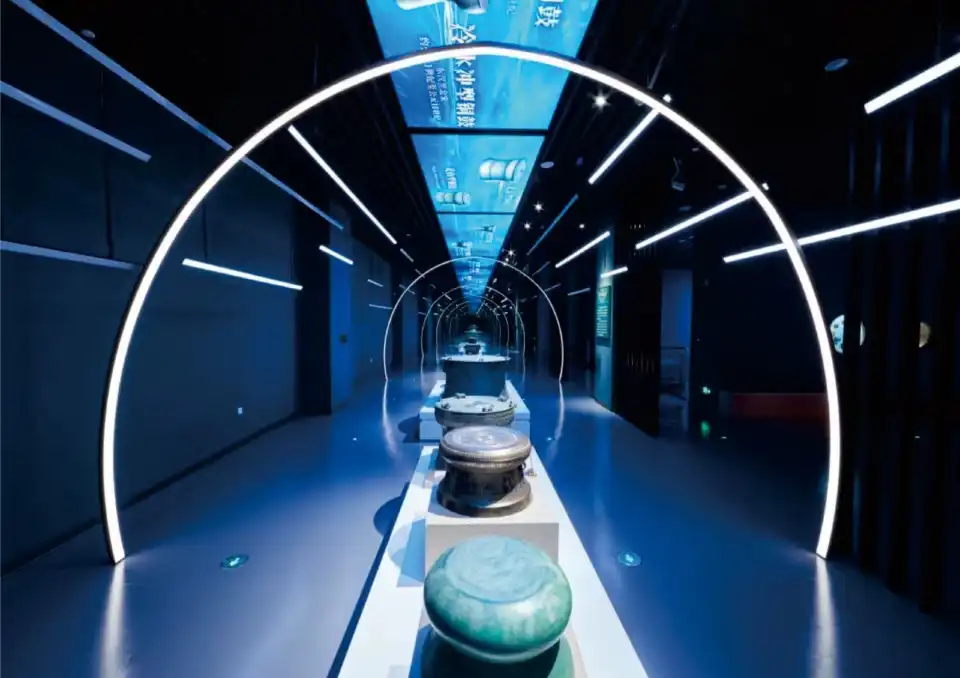
The Museum of Guangxizhuang Autonomous Region(Guangxi Museum)
广西壮族自治区博物馆 Based on 24 reviews
 No. 5 of Family-friendly Attractions in Guangxi
Opening hours of The Museum of Guangxizhuang Autonomous Region
The Museum of Guangxizhuang Autonomous Region attraction highlights
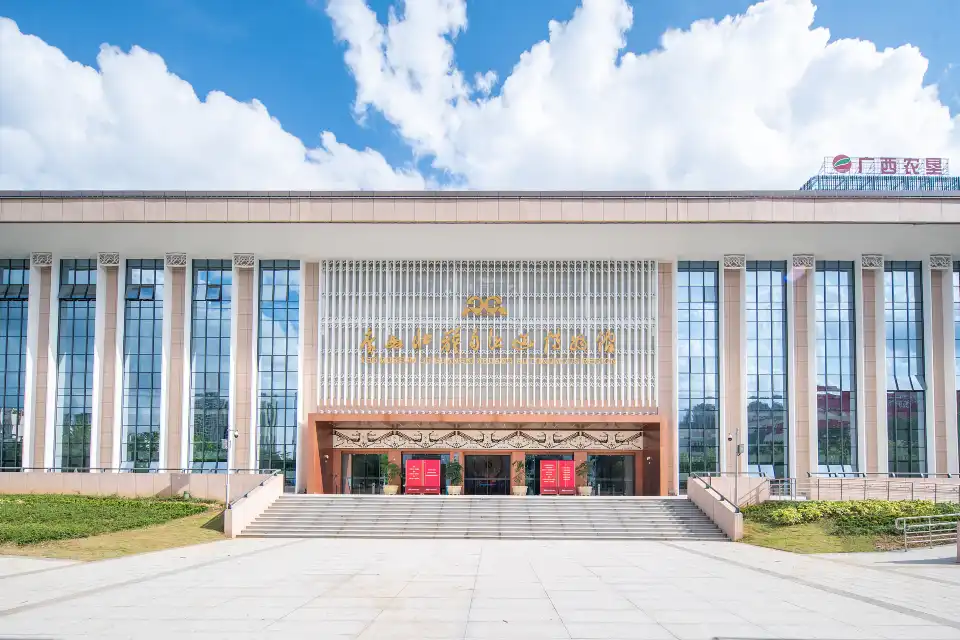
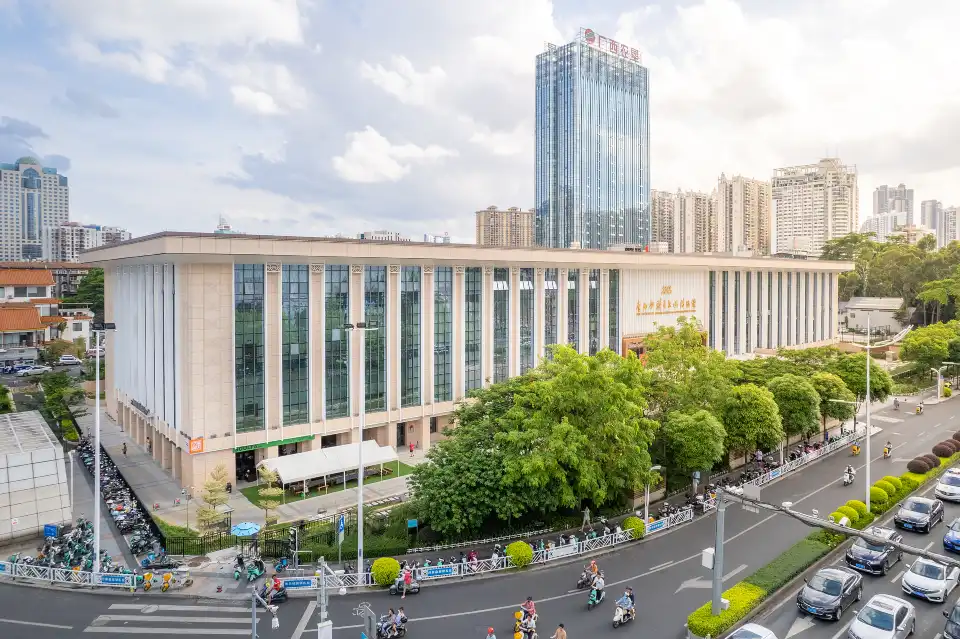
The Museum of Guangxizhuang Autonomous Region (hereinafter referred to as "Guangxi Museum"), established in 1934, is a provincial-level comprehensive museum of history and art, and one of China's first national first-class museums. It houses nearly 100,000 artifacts (sets), including 148 first-class cultural relics (sets), 1,974 second-class cultural relics (sets), and 3,865 third-class cultural relics (sets). The museum's collection is not only vast in quantity and diverse in categories, covering a wide range from the Paleolithic Age to modern times, but also features strong local ethnic characteristics. These artifacts hold significant historical, artistic, and scientific value, bearing witness to Guangxi's historical development and evolution across various periods.
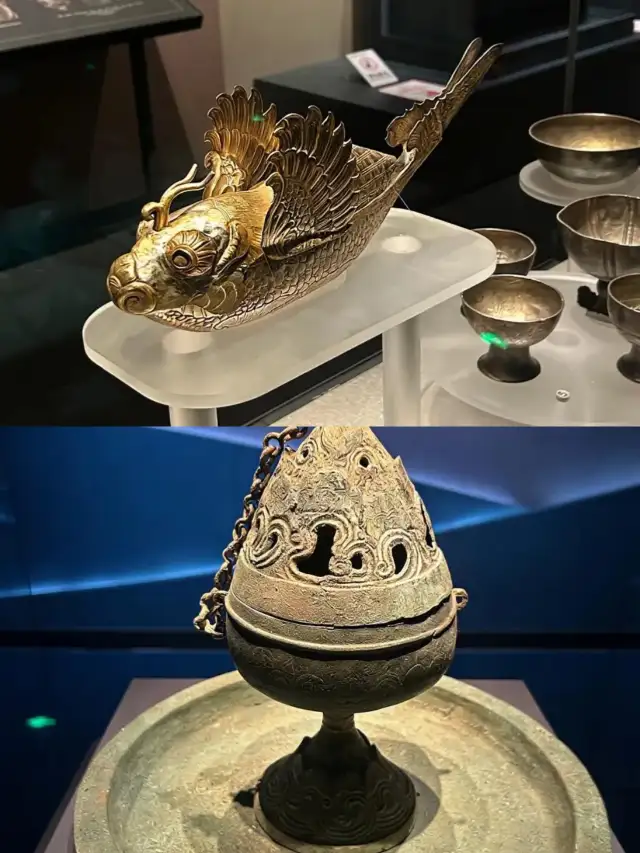
To promote the high-quality development of museums, with strong support from the Party Committee and Government of the Guangxi Zhuang Autonomous Region, the Museum of Guangxi Zhuang Autonomous Region underwent renovation and expansion starting in January 2019. The new museum building, covering approximately 42,000 square meters with 10,000 square meters of exhibition space, opened to the public in late November 2022. It features permanent exhibitions such as "Ancient Civilizations of Guangxi" and "Flames of the Southern Frontier: Guangxi's Modern Revolutionary History," along with thematic exhibitions including "Setting Sail from Hepu: Guangxi's Maritime Silk Road of the Han Dynasty," "A Kaleidoscope of Glazes: Ceramic Collections," and "Exquisite Craftsmanship: Treasures of Artistry." These exhibits comprehensively illustrate Guangxi's developmental path within China's diverse-yet-unified civilization framework.
The main building consists of an exhibition hall featuring the stilt-style architecture of the Zhuang ethnic group and a cultural relics garden with strong ethnic characteristics, integrating classic nostalgic views, leisure cultural spaces, and modern technological design. The new museum's functional zoning is scientifically and rationally planned to fully meet the public cultural service needs of the museum. It adds four interactive areas: a historical theater, a children's archaeology exploration hall, a youth activity center, and a cultural creative shop. The museum has established a smart infrastructure based on middle platforms, big data, cloud computing, microservices, and knowledge graphs, enabling smart management functions such as remote reservation, AR audio guides during visits, and volunteer management. It also offers diverse and personalized services including live guides, audio guides, historical theater performances, archaeological interactive experiences, and ethnic cuisine.
In the era of cultural and tourism integration, the newly revitalized Museum of Guangxi Zhuang Autonomous Region will integrate functions such as collection, research, exhibition, education, tourism, and international exchange. Rooted in its distinctive "museum-garden combination" and "dynamic-static complementarity" approach, it is dedicated to exploring Guangxi's historical and cultural essence, showcasing Guangxi's image, and telling Guangxi's stories well. By promoting the fusion of culture and tourism, the museum aims to make cultural relics "rotate," "smart," and "dynamic," striving to achieve creative transformation and innovative development of China's outstanding traditional culture. This effort contributes significantly to building a magnificent Guangxi in the new era of socialism with Chinese characteristics.
The Museum of Guangxizhuang Autonomous Region Reviews: Insider Insights and Visitor Experiences
The Museum of Guangxizhuang Autonomous Region Photos: Trip Moments
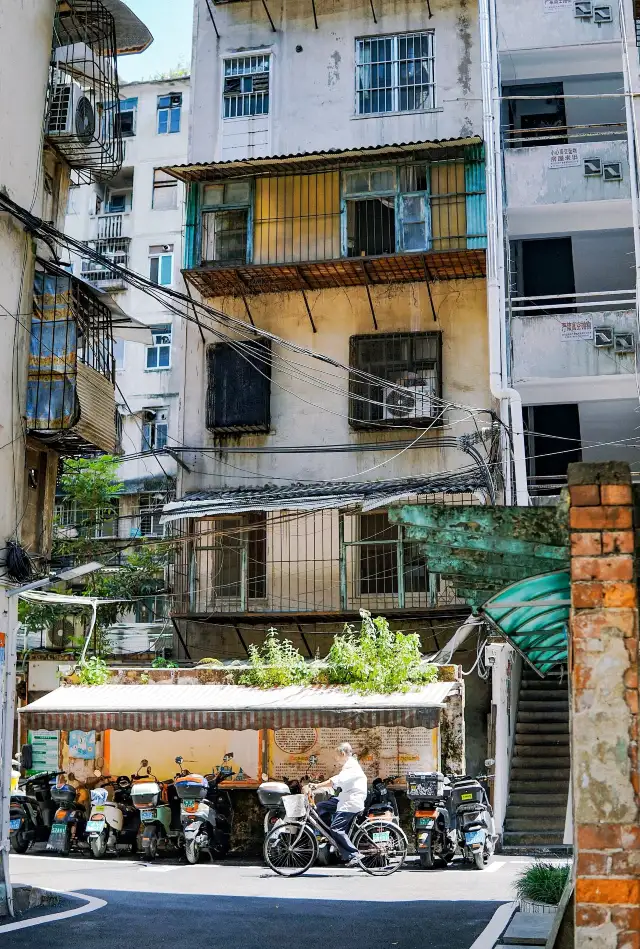 Nanning Hotel Chaoyang Square Store Group Purchase 4 Days 3 NightsThe Nanning Hotel Chaoyang Square Store Group Purchase 4 Days 3 Nights is an unmissable travel experience! This hotel is located in Qingxiu District, Nanning, close to major shopping and dining spots, with extremely convenient transportation. Whether you want to taste delicacies from all over the country or check in at popular attractions, you can easily do so here. One of the biggest highlights of the Nanning Hotel Chaoyang Square Store Group Purchase 4 Days 3 Nights is the food! Nearby are Langxi Night Market, Pingxi Night Market, and Xixiangtang Nongyuan Road Food Street, where a variety of flavors are available. Whether you want to try authentic Guangxi specialty snacks or taste flavors from other regions, you can find your favorite foods in these night markets and streets, satisfying all kinds of taste buds. Next, Nanning’s tourist attractions are also very rich. Qingxiu Mountain Park is a must-visit spot, shaded by green trees and fragrant with red flowers, perfect for taking photos and making memories. Sanjie Liangxiang, the orangutans at Nanning Zoo, and the trendy check-in spots at MixC Shopping Mall are also popular places for tourists. You can not only take photos but also enjoy a pleasant time. As for accommodation, we highly recommend staying at Yicheng Hotel (Nanning East Station Huafeng City Aegean City Plaza Store). This hotel has a very superior location, just a 5-minute drive from Nanning East Station, 15 minutes from Chaoyang Square, and attractions like MixC and Guangxi Museum are within a 5 to 8-minute drive. The surrounding transportation is very convenient, with Langdong Bus Station-D Exit of Metro Line 1 only 300 meters away, and the airport and highway entrances are also nearby, making travel fast and easy. The facilities at Yicheng Hotel are also commendable. The hotel has 2,000 free parking spaces, easily solving parking problems whether you are self-driving or using other transportation. The hotel also features a professional laundry disinfection room, a 5-star gym, and a children’s play area, allowing every guest to feel thoughtful service and high-quality facilities. Regarding rooms, Yicheng Hotel’s decoration style is upscale, with facilities such as a refrigerator, air purifier, and full-length mirror, allowing you to enjoy comfort and convenience even during a busy trip. The hotel also thoughtfully provides an independent drying rack, especially suitable for long stays or family travelers. The Nanning Hotel Chaoyang Square Store Group Purchase 4 Days 3 Nights, with its superior location, rich food choices, convenient transportation, and high-quality accommodation experience, is undoubtedly a very worthwhile travel choice.ViljaKoskinen

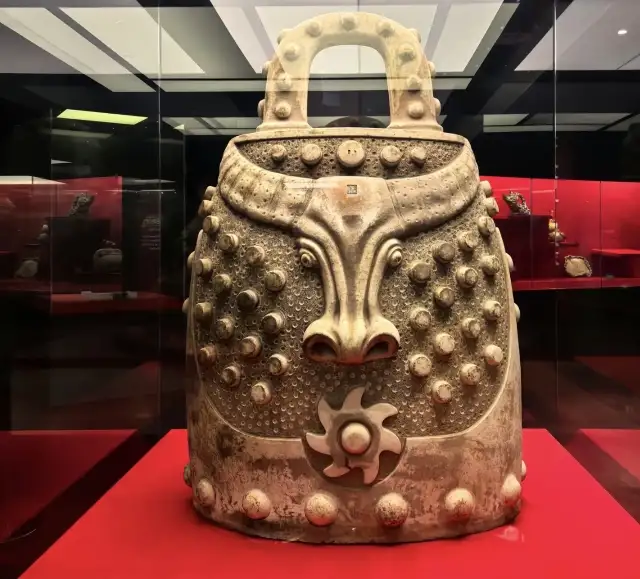
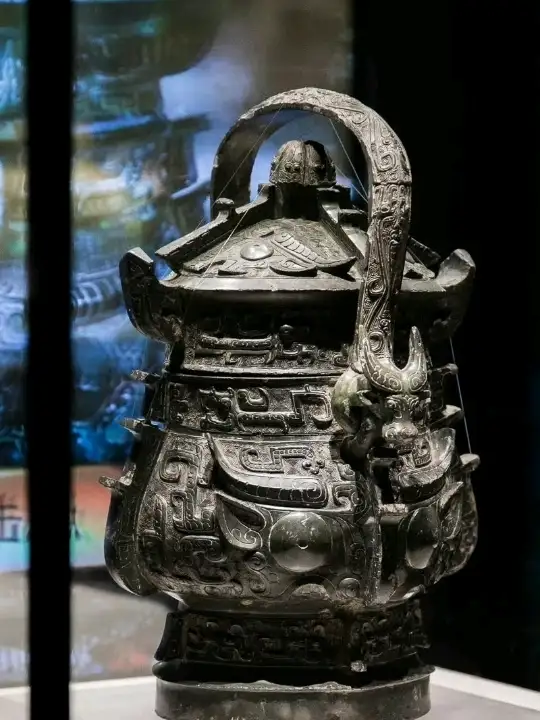 🏺✨ Guangxi Museum — Treasures Beyond ExpectationThe Guangxi Museum of Nationalities is proof that Guangxi holds far more cultural treasures than many people imagine. From exquisite bronze drums and finely crafted jade artifacts to ancient ceramics, ethnic costumes, and archaeological discoveries, each gallery reveals the rich history and diverse cultures that have flourished in Guangxi for thousands of years. Every artifact tells a story of craftsmanship, trade, belief, and daily life, making the museum an essential stop for anyone interested in southern China's heritage. Whether you're fascinated by ancient civilizations or the vibrant traditions of Guangxi's many ethnic groups, this museum offers an unforgettable journey through time. 📍 Location: Guangxi Museum of Nationalities 🏺 Highlight: Bronze drums, jade, ceramics, and ethnic cultural treasures 📜 Feature: Exhibits spanning Guangxi's history and multicultural heritage 🏛️ Atmosphere: Informative, immersive, and beautifully curated 📸 Best for: History lovers, museum enthusiasts, and cultural exploration ✨ Signature feeling: Discovering that some of Guangxi's greatest wonders are preserved inside its museum walls. Great treasures aren't always found underground. Sometimes, they're waiting quietly inside a museum. 🏺✨Emily1011

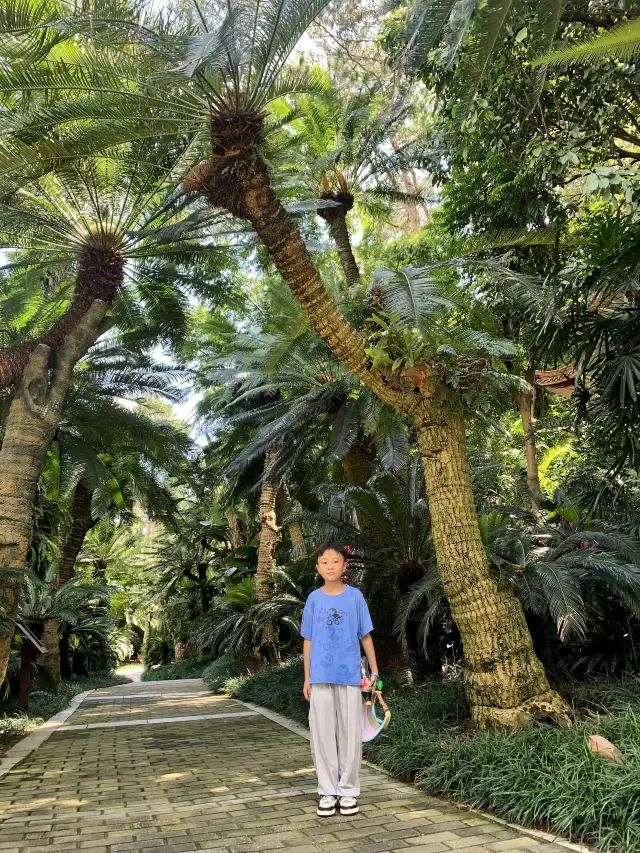 Three Days and Two Nights in Nanning Hotels at XixiangtangThree days and two nights in Nanning hotels at Xixiangtang, satisfying your cravings for food, drink, and entertainment all at once! If you want to fully enjoy the delicious food and attractions in Nanning, Xixiangtang is an unmissable choice. Whether it's tasty snacks or unforgettable sights, this place can meet all your needs. Come and enjoy a feast for your taste buds! Right in Nanning's Qingxiu District at Langxi Night Market, Jiangnan District's Pingxi Night Market, and the Nongyuan Road Food Street in Xixiangtang, you can find all kinds of flavorful delicacies. From authentic Guangxi snacks to delicious street food from all over the country, everything is available. You can stroll through the night markets while tasting specialties like Luosifen (snail rice noodles), grilled fish, and skewers—truly a paradise for food lovers. Next, there are many must-visit spots for sightseeing. Qingxiu Mountain Park is a great place for photos and check-ins, with shady trees, blooming flowers, and picturesque scenery all year round. Take a walk, snap some pictures, and feel the breath of nature here. Sanjie Liangxiang (Three Streets and Two Alleys) is full of Nanning’s historical atmosphere, with ancient streets and buildings offering the best window to understand this city. Don’t forget to check in at Nanning Zoo, where adorable animals like orangutans will surely make you pause for a moment. For more shopping and entertainment experiences, MixC Shopping Mall is also a popular check-in spot, offering a wide range of shopping options and trendy stores, perfect for photos and shopping. As for accommodation, choosing Yicheng Hotel (Nanning East Station Huafeng City Aegean City Plaza Branch) is essential. This hotel offers convenient transportation, with up to 2,000 parking spaces and free parking service, solving the worries of car owners. The hotel is located in Qingxiu District, just a 5-minute drive from Nanning East Station, and very close to MixC, Guangxi Museum, Guangxi Science and Technology Center, and other places, making it easy for tourists to get around. The hotel’s facilities are also very complete. You can enjoy a 5-star gym, a professional laundry and disinfection room, and a children's play area inside the hotel. The rooms are equipped with refrigerators, air purifiers, independent drying racks, and full-length mirrors. The service is meticulous, ensuring you have a comfortable stay. Whether for business or travel, this place provides the best convenience and comfort. The three days and two nights trip in Nanning hotels at Xixiangtang covers food, shopping, sightseeing, and accommodation all in one—definitely worth a visit!Noah Martinez 890.

 Come to Nanning for travel! Staying at this one hotel is enough!Come to Nanning for travel! Staying at this one hotel is enough! Come to Nanning for travel! Staying at this one hotel is enough! You must stay at — City Convenience Hotel (Nanning Chaoyang Square Railway Station Branch)! For food, everything can be perfectly arranged near this hotel: Langxi Night Market in Qingxiu District, Pingxi Night Market in Jiangnan District, Nongyuan Road Food Street in Xixiangtang District, offering flavors from all over the country, from BBQ crayfish to Luosifen, rice rolls, and Hunan, Sichuan, Cantonese cuisine—you can eat your way until you can barely walk. The hotel is right above Xixiangtang Food Street, stepping outside you can feel the lively local atmosphere. For fun and photo spots, there are places to go from morning till night: Qingxiu Mountain Park with green trees and red flowers, every snapshot looks like a masterpiece; the retro district of Sanjie Liangxiang is especially photogenic; the gorilla at Nanning Zoo is a fun check-in spot; MixC Shopping Mall is packed with trendy spots, offering one-stop dining, shopping, and entertainment. For accommodation, just lock in City Convenience Hotel (Nanning Chaoyang Square Railway Station Branch): The hotel is right next to Chaoyang Square and Sanjie Liangxiang, about a 5-minute drive from Nanning Station; about 5–10 minutes by car to Chaoyang Square and Sanjie Liangxiang; about 15 minutes to MixC and Nanning International Convention and Exhibition Center; about 10 minutes to Guangxi Museum and Guangxi Science and Technology Center; about 35 minutes to Nanning Fantawild Adventure; a 5-minute drive from the hotel gets you onto the ring road to Nanning Wuxu Airport, avoiding missed flights. The hotel offers 50 free parking spaces, a food street downstairs, a professional children's play area, a professional laundry and disinfection room, a 5-star standard gym, and a breakfast hall on the 7th floor serving 20–30 dishes. Rooms feature intelligent guest control, elegant Chinese-style decoration, full-length mirrors, attentive service, and convenient transportation—when traveling to Nanning, staying at this one hotel is truly enough.TRENTON PAUL

- nanning
- guangximuseum
- museumvisit
- oldobjects
- culturalheritage
- chinatravel
- traveldiaries
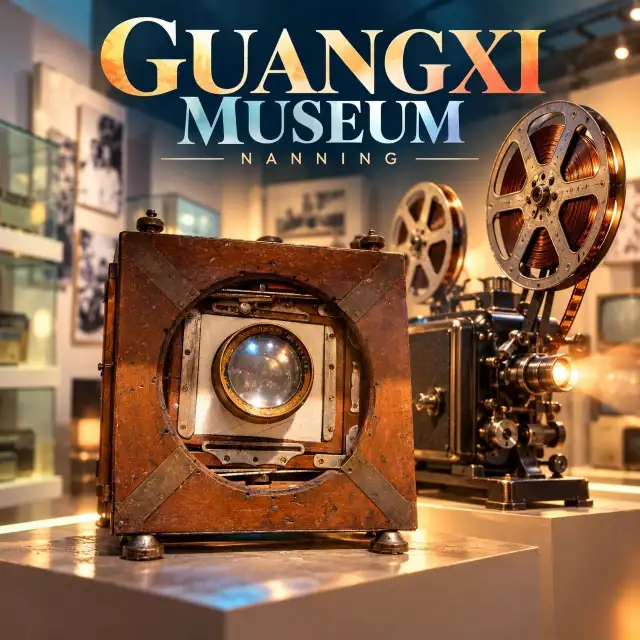
✨Everyday Life, Remembered Through ObjectsDuring my visit to Guangxi Museum in Nanning, I found a display that brought everyday life from an earlier time into view. Old radios and televisions, record players, a film projector, cameras and bicycles showed how people listened to music, watched films and got around. I paused to look closely at the details. These objects may seem simple today, but each one carries memories of the people who used it and the time they lived in. A message in the exhibition said that preserving old objects helps protect cultural heritage. After seeing the collection, I understood that idea even more clearly. It was a quiet, thoughtful moment during my museum visit on September 30. 📍Location: Guangxi Museum, No. 34 Minzu Avenue, Qingxiu District, Nanning 🚉Metro: Line 1 to Minzu Square Station, Exit B 🚕Didi tip: Search for “Guangxi Museum.” #Nanning #GuangxiMuseum #MuseumVisit #OldObjects #CulturalHeritage #ChinaTravelAlone Maybe Better3
 Guangxi · Chongzuo · Tianqin Zhuang Village half-day cultural origin tour[Guangxi · Chongzuo · Tianqin Zhuang Village "Year 1060 AD, Northern Song Dynasty Yuan You 1: Weathering marks on Zuojiang granite, cold-resistant mycelium in Blackwater River tributary rock crevices, and the ancient Luoyue Dao yeast source timeline in 䅟zi wine" half-day cultural origin tour] (Suitable for light cultural travel + certified by Chongzuo City Culture and Tourism Bureau × Guangxi Nationalities Museum | high-speed rail + bus + walking | no "Tianqin performance photo ops," no "Zhuang brocade loom quick shots," no "electronic blessings" | limited to 6 bookings per day | strictly follow Article 7 of the Guangxi Zhuang Autonomous Region Scenic Area Regulations: no entry to core area, no contact with the ancient path itself, no approach to the Blackwater River tributary itself) ⚠️ Important notes: Tianqin Zhuang Village is not a "intangible cultural heritage performance village" tourism label but the most complete existing mid-Northern Song Dynasty Guangnan Western Circuit Zuojiang branch office—Blackwater River tributary hydrology—microbial symbiosis system in China. Its core value is not in "Tianqin impromptu singing photos" or "Zhuang brocade handcraft experience," but in the "three water diversion systems" carved according to the Blackwater River tributary flood season and Zuojiang granite fissure hydrology after Emperor Zhezong of Song established the Guangnan Western Circuit Zuojiang branch office in 1060 AD—one for cleansing paths (Blackwater River South Gate water port), one for nurturing microbes (granite crevice microbial community on the east side of the Blackwater River outer viewing platform), and one for brewing (Longzhou County 䅟zi winery)—all still actively functioning on the outskirts today. In 2024, the Guangxi Nationalities Museum discovered a 1060 AD cellar (ID TIAN-QIN-ZHUANG-ZHAI-2024-K1) in Longzhou County, unearthing "Guangnan Western Circuit Zuojiang branch office construction spirit tablets" blue bricks, Blackwater River pebble-patterned pottery figurines, and 䅟zi wine residue jars. Carbon-14 and thermoluminescence dating confirmed AD 1060 ± 3 years, verifying this as the earliest continuously used living water source space in the Zuojiang basin for over 965 years. This guide focuses on the "Blackwater River outer viewing platform—Longzhou County 䅟zi winery" observation zone. All activities take place outside the Tianqin Zhuang Village autonomous traditional village construction control zone (≥56m from the main viewing platform pillar), complying with the national minimum intervention principle. · ✅ Budget breakdown (1 person | tax included | accurate to ¥1): 🚄 High-speed rail (Nanning East Station—Chongzuo South Station | D train | one way | includes transfer): ¥62 🚌 Bus (Chongzuo South Station—Longzhou County Tourist Center | Chongzuo K119 route | one way | includes guide pickup): ¥9 🚶♂️ Walking transfer (Tourist Center—Longzhou County 䅟zi winery | approx. 0.01 km | guide holding wooden sign waiting): ¥0 (included in tour fee) 🎫 Admission (Tianqin Zhuang Village cultural observation area | includes Blackwater River outer viewing platform + Longzhou County + 䅟zi wine experience | official booking | non-holiday regular price): ¥0 (fully deductible with same-day high-speed rail/bus ticket stub) 🎫 Reflective guided tour service (includes local guide + Blackwater River flood season mapping + cold-resistant mycelium profile explanation + 䅟zi wine workshop experience | certified craftsman by Chongzuo City Culture and Tourism Bureau | includes professional equipment): ¥147 🍽️ Food and beverage (1 light meal | 䅟zi wine soup + 䅟zi cake | local workshop "Yanleng Kitchen"): ¥35 🧳 Insurance + taxes + contingency fund: ¥16 🎒 䅟zi wine handmade kit (includes 䅟zi yeast culture, Blackwater River pebble-patterned rubbing paper, AD 1060 construction booklet): ¥24 📚 Cultural relics bureau certified "Tianqin Zhuang Village notebook" (includes Blackwater River flood season positioning map, cold-resistant mycelium profile map, 䅟zi wine recipe | includes guide’s page-by-page explanation): ¥18 📷 Blackwater River flood season rubbing service (limited to Longzhou County east wall Blackwater River pebble base | includes rice paper + cinnabar ink + rubbing bag | no contact with original): ¥18 🚌 Longzhou County 䅟zi winery—Chongzuo South Station return bus (Chongzuo K119 route | includes guide accompaniment): ¥9 🚄 Chongzuo South Station—Nanning East Station return high-speed rail (D train): ¥62 · 📌 Truth anchors (not a tour script, but laser scanning + fluorescence microscopy + oral historical evidence): · Longzhou County "Blackwater River outer viewing platform" east side AD 1060 Blackwater River pebble base (Guangxi Nationalities Museum Carbon-14 + thermoluminescence: AD 1060 ± 3 years), the only existing Blackwater River flood season engraving system continuously recorded for 965 years in the Zuojiang basin (TianQinZhuangZhai Chronometer). Two natural water erosion lines have a height difference of less than 0.3 cm, with an embedded AD 1060 "💧 drip mark" at a depth of 0.01 mm (standard embedding depth at the time); · The second layer of Blackwater River pebble crevices on the east wall of the "䅟zi winery" hides the AD 1160 "cold-resistant mycelium inscription" (ID TIAN-QIN-ZHUANG-ZHAI-2025-01). Infrared imaging restored: "…three water diversions, entering crevices to separate temperature, entering stone to extract glue, entering 䅟 to nurture microbes…", perfectly matching the two cold-resistant mycelium channels detected by fluorescence probes at Guangxi Nationalities Museum; · The "䅟zi winery" insists on using southwestern Guangxi 䅟zi + Zuojiang granite fissure water + AD 1060 yeast living heritage liquid (pH 3.0, cold-resistant yeast abundance 3.6×10⁷ CFU/g). In 2025, GABA was detected at 15.0 mg/kg (national standard 2.5 mg/kg), confirming the "water must be clear, 䅟 must be fresh, and mash must be clean" from the Guangnan Western Circuit Zuojiang branch office water conservancy volume. · ⏰ Itinerary design | strictly following the natural rhythm of "morning mist—noon" HALF-DAY | Book of stone: AD 1060 time on Blackwater River pebbles 🌅 8:00 AM | Depart Nanning East Station → high-speed rail (8:00–8:42 AM) to Chongzuo South Station → transfer to Chongzuo K119 bus (8:47–9:35 AM) to Longzhou County Tourist Center → Guide hands over "Tianqin Zhuang Village notebook" + anti-slip shoe covers + stone crevice humidity meter 💧 10:25 AM | "Blackwater River outer viewing platform" (56 m from main viewing platform pillar | county-level cultural protection buffer zone) → No "Tianqin Zhuang Village panorama photos"! Squat and touch the Blackwater River pebble base: ✔️ Find the "two horizontal flood marks" (laser measured 0.02 m / 0.03 m); ✔️ Search for the "💧 drip mark" (infrared confirmed embedded depth 0.01 mm); ✔️ Measure the "viewing platform foundation stone step" (width 0.6 cm, corresponding to AD 1060 "six parts exact") 🍄 11:55 AM | "䅟zi winery cold-resistant mycelium profile" (72 m from main viewing platform pillar | guide demonstration) → Fluorescent pen illuminates "TIAN-QIN-ZHUANG-ZHAI-2025-01 inscription," revealing "…enter 䅟 to nurture microbes…"; → Lift moss to directly observe the 0.14 m wide cold-resistant mycelium channel (microscope on-site comparison with yeast DNA report) 🍲 12:45 PM | Light meal | Yanleng Kitchen (䅟zi wine soup + 䅟zi cake | ¥15) → Builder points to ceramic bowl: "This bowl was unearthed during 2024 restoration; this spoon was carved by my grandfather according to the Guangnan Western Circuit Zuojiang branch office records." 🍶 1:19 PM | "䅟zi wine yeast workshop" (¥64 | includes guide + 䅟zi wine box + test card) → Take Zuojiang granite fissure water to mix → add TIAN-QIN-ZHUANG-ZHAI-2025-01 strain → seal jar with AD 1060 wooden stamp 🚄 2:09 PM | Return to Chongzuo South Station (guide escorts to tourist center | includes check-in assistance) 🚄 2:51 PM | Chongzuo South Station—Nanning East Station return high-speed rail (D train) · 💡 Key rules (mandatory on-site agreements): ❶ No use of electronic devices for video recording/live streaming/beauty filters | set phone to airplane mode | photos only in notebook-marked areas | natural light only; ❷ All food and workshops are certified sustainable tourism by Chongzuo City Culture and Tourism Bureau (ID CZ-2025-012); ❸ Fees go directly to the "Blackwater River ecology and Tianqin Zhuang Village protection fund," publicly disclosed monthly; ❹ This itinerary has zero carbon footprint: transportation by high-speed rail + bus; 100% local ingredients; paper materials use recycled paper. · ✨ Final sentence: The flood mark you traced was the same Blackwater River flood level measured with a chalk line by Guangnan Western Circuit Zuojiang branch office craftsmen in 1060 AD; The jar of 䅟zi wine you sealed still reflects the unchanged ocher of the Blackwater River after 965 years among the Zuojiang mists; The Blackwater River pebble-patterned rubbing you hold in your palm writes the quietest life contract in the Zuojiang basin— This is not a modern footnote of an "intangible cultural heritage performance village," but the unwritten second half of the Guangnan Western Circuit Zuojiang branch office water conservancy volume: With a mark, a strand of microbes, a jar of 䅟zi wine, and a rubbing, opening for you the living "Tianqin Zhuang Village oral construction atlas · Blackwater River chapter."Renew_Sophia_90

 Nanning Travel, High Cost Performance, Budget 400-500Nanning Travel, High Cost Performance, Budget 400-500; Nanning Travel, High Cost Performance, Budget 400-500! Want to eat well, have fun, and stay comfortably without spending too much? Just take this route directly. 【Eat: Taste the flavors of the whole country in one city】 Focus on the night markets! · Langxi Night Market, Qingxiu District: Barbecue, seafood, Luosifen (snail noodles), sweet soups, and a street full of snacks, with a great atmosphere. · Pingxi Night Market, Jiangnan District: A down-to-earth night market loved by locals, affordable prices, feel free to order skewers, milk tea, grilled oysters. · Nongyuan Road Food Street, Xixiangtang: Right below the City Convenience Hotel, a whole street of food with flavors from all over the country, you can start eating as soon as you step out of the hotel. 【Stay: You must stay here】 Must stay at: City Convenience Hotel (Nanning Chaoyang Square Railway Station Branch). · Amazing location: Next to the bustling Chaoyang Square and Sanjie Liangxiang area, about 5 minutes by car from Nanning Station, about 5 minutes by car to Chaoyang Square and Sanjie Liangxiang, about 15 minutes by car to MixC Shopping Mall and Nanning International Convention and Exhibition Center, about 10 minutes by car to Guangxi Museum and Guangxi Science and Technology Center, about 35 minutes by car to Nanning Fantawild Park. · Convenient transportation: 5 minutes by car to the ring road leading to Nanning Wuxu Airport, so you basically don’t have to worry about missing your flight. · Fully equipped: 50 free parking spaces, professional laundry and disinfection room, five-star gym, breakfast restaurant on the 7th floor with 20-30 dishes to choose from; rooms have smart controls, elegant Chinese-style decor, and full-length mirrors. · Family-friendly: Right downstairs is Xixiangtang Food Street and a professional children’s play area, combining eating and playing. 【Play: Take photos and check in all day】 · Qingxiu Mountain Park: Green trees and red flowers, perfect for relaxing and taking photos. · Sanjie Liangxiang: Old streets with a trendy vibe, great for night scenes and street photography. · Nanning Zoo: Fun to check in with the orangutans, kids love it. · MixC Shopping Mall: Popular stores, trendy brands, and cafes densely packed for check-ins. With a budget of 400-500, stay at City Convenience Hotel (Nanning Chaoyang Square Railway Station Branch), eat at night markets, visit parks, and check in at shopping areas, you can enjoy all the “delicious food, great photos, and money-saving” experiences in Nanning at once.Bell Jennifer Jenn1

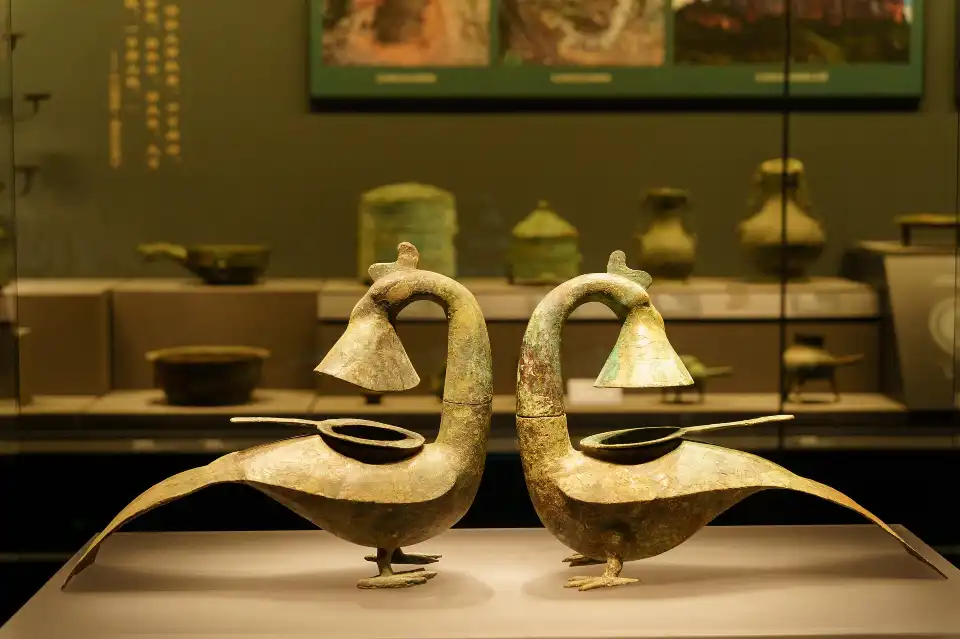
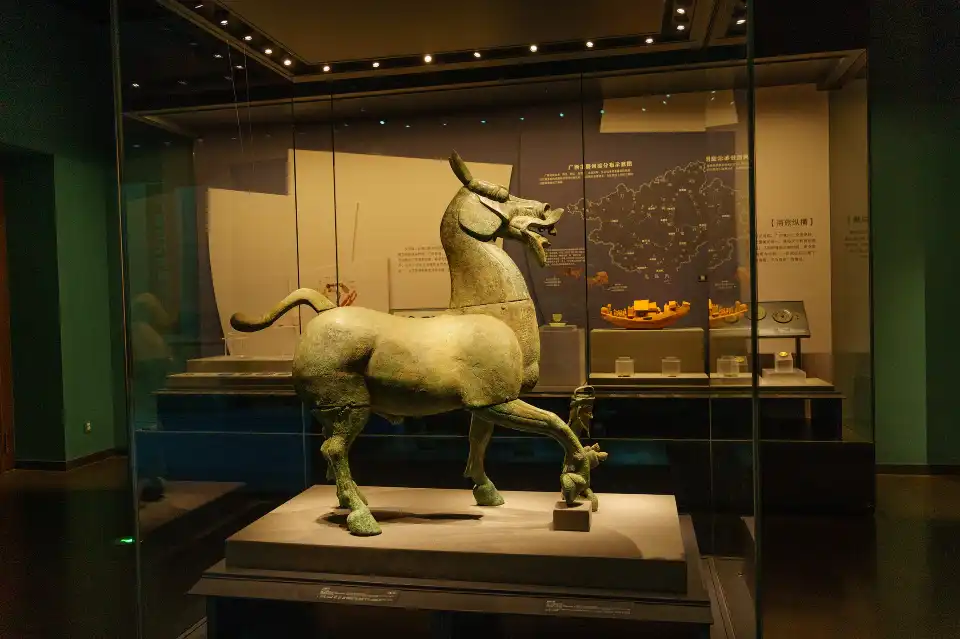
 Hey everyone! Don't just breeze through the Museum of the Guangxi Zhuang Autonomous Region. Check out these 9 museum treasures1️⃣ Western Han Dynasty Bronze Phoenix Lamp with Feather Patterns (top left) Have you ever seen a "smokeless range hood" from 2,000 years ago? 🤯 Unearthed from a Han tomb in Hepu in 1971, it's even the prototype for the museum's logo! When lit, the smoke travels through the phoenix's neck into its belly—the ultimate eco-friendly tech of the Han Dynasty. I'm truly impressed by the ancient people's ingenuity! 2️⃣ Western Han Dynasty Large Bronze Horse and Hu Rider (center) The premier horse of Lingnan has arrived! 🐎 Unearthed in 1980 from a Han tomb in Fengliuling, Guigang, it stands 115 cm tall. With the bronze horse neighing and head held high, paired with the respectful Hu rider, the military might of the Han Dynasty practically leaps off the screen. It's incredibly imposing! 3️⃣ Western Han Dynasty Bronze Bell with Human Face Patterns and Ram Horn Knobs (top right) Have you ever seen a bronze bell with ram horns? 🔔 Unearthed in 1976 in Luobowan, Guigang. This palm-sized bell, topped with ram horn knobs and decorated with human faces, was a percussion instrument used by the Baiyue ancestors from the Warring States period to the Western Han Dynasty. It's mysterious and captivating! 4️⃣ Western Han Dynasty Bronze Drum with Flying Egret Patterns (center left) A true wordless history book! 📜 Unearthed in 1976 in Luobowan, Guigang, the drum surface is engraved with feathered people dancing and rowing in boat races. Once a top-tier ceremonial object used to command tribes, it has frozen an ancient celebration in time for 2,000 years. 5️⃣ Shang Dynasty Bronze You (Wine Vessel) with Animal Face Patterns and Swing Handle (center right) I can't believe a major Shang Dynasty artifact was unearthed in Nanning! 😱 Unearthed in 1974 in Matou Town, Wuming, this is a "limited edition" masterpiece from 3,000 years ago, showcasing the collision between the Shang culture of the Central Plains and the Baiyue culture of Lingnan. The cloud and thunder patterns are incredibly bold! 6️⃣ Western Han Dynasty Bronze Cylinder with Lacquer Painting and Swing Handle (bottom left) Check out this comic strip on bronze! 🎨 Unearthed from a Han tomb in Luobowan, Guigang, it features auspicious beasts and clouds painted in red and black lacquer on bronze. After 2,000 years, the colors are still stunning. The aesthetics of the ancients are truly incredible! 7️⃣ Western Han Dynasty Fusang Tree-Shaped Bronze Lamp (bottom center left) The divine tree from the "Classic of Mountains and Seas" has come to life! 🌳 Unearthed in 1976, it stands 85 cm tall. Nine branches support nine lamp cups, with a golden crow perched at the top. When lit, the tree instantly brings Chinese-style romance to life. 8️⃣ Ming Dynasty Dehua Kiln White-Glazed Seated Guanyin Statue (bottom center) A gentle surprise amidst a room full of heavy artifacts! 🤍 This Ming Dynasty Dehua kiln white-glazed Guanyin has a body as white and smooth as jade. With flowing robes and a compassionate face, the beauty of this "China White" Oriental Venus can instantly soothe any anxiety. 9️⃣ Western Han Dynasty Glass Cup with String Patterns (bottom right) The emerald green from 2,000 years ago is absolutely stunning! 💚 This Western Han glass cup with string patterns, unearthed from a Hepu Han tomb, is no modern replica. It's a genuine luxury item from the Maritime Silk Road, witnessing the "foreign trade" prosperity of Guangxi 2,000 years ago. 📸 After visiting, I just want to say: The Guangxi Museum is truly underrated! Every snapshot feels like a journey through time, capturing souvenirs against the backdrop of modern architecture. It's even better for photos on a sunny day!alexmercury

 Nanning Hotel Chaoyang Square Group Purchase 4 Days 3 NightsSure, I'll help you organize a guide within 580 words, written exactly according to your requirements: Nanning Hotel Chaoyang Square Group Purchase 4 Days 3 Nights offers a one-stop arrangement for eating, drinking, playing, and entertainment, letting you have a fun and comfortable trip. For food, the top recommendation is the Qingxiu District Langxi Night Market, Jiangnan District Pingxi Night Market, and Xixiangtang Nongyuan Road Food Street, where you can find flavors from all over the country, including late-night snacks and specialty treats. Sightseeing and photo spots are also convenient: Qingxiu Mountain Park has green trees, red flowers, and fresh air, perfect for photos; Sanjie Liangxiang has unique historical charm and is great for photo check-ins; the orangutans at Nanning Zoo are a must-visit; and Vientiane City Shopping Plaza has many trendy check-in spots, ideal for shopping. For accommodation, you must choose Yicheng Hotel (Nanning East Station Huafeng City Aegean City Plaza branch), which offers 2,000 free parking spaces, is located in Qingxiu District with convenient transportation, just 5 minutes by car from Nanning East Station and 15 minutes from Chaoyang Square. Attractions like Vientiane City, Guangxi Museum, Guangxi Science and Technology Center, Sanjie Liangxiang, Nanning Fantawild Park, and Sam’s Club are all within a 15-minute drive. Right downstairs is the large Aegean City Shopping Plaza with complete professional children’s play facilities. The hotel is well-equipped, with rooms decorated in a high-end Chinese style, featuring a refrigerator, air purifier, full-length mirror, and independent drying rack. The service is meticulous. The hotel has a 5-star gym and a professional laundry and disinfection room. It’s just 5 minutes to the highway or direct access to Metro Line 1 Langdong Bus Station Exit D, which goes straight to Nanning Station, and only 5 minutes by car to Wuxu Airport, making travel easier. Nanning Hotel Chaoyang Square Group Purchase 4 Days 3 Nights covers all your needs for eating, drinking, playing, and entertainment, with comfortable and high-end accommodation, convenient transportation, shopping, entertainment, food experiences, and photo check-ins all included. It’s especially suitable for families and friends traveling together to perfectly enjoy a trip to Nanning. If you like, I can help you optimize it into a more conversational and smoother version, making the guide feel like a local’s travel note. Would you like me to do that?Ava85 Bell~2

 Nanning Hotel Pictures: A Genuine Hotel (Nanning Hotel Photo Gallery)Genuine hotel pictures of Nanning hotels, stay at Yicheng Hotel (Nanning East Station Huafeng City Aegean City Plaza Branch) for peace of mind, satisfying meals, and happy fun. It’s perfect for family trips, especially loved by the elderly. 【Eating in Nanning: Night Markets and Food Streets All in One】 If you want to taste flavors from across the country, head to Langxi Night Market in Qingxiu District, Pingxi Night Market in Jiangnan District, or Nongyuan Road Food Street in Xixiangtang: barbecue, snail noodles, seafood, snacks, lively from dusk till late at night. Staying at Yicheng Hotel, it’s very convenient to take a taxi to these night markets, and you can quickly return to the hotel to rest after eating. 【Playing in Nanning: Sightseeing by Day, City Strolling by Night】 During the day, go to Qingxiu Mountain Park for panoramic views, with green trees and red flowers, perfect for photos; then visit the Guangxi Museum and Guangxi Science and Technology Center for knowledge without fatigue. For ancient-style photos, visit Sanjie Liangxiang; take kids to Nanning Zoo to see orangutans and other animals; for shopping and photos, go to MixC City and Sam’s Club Nanning, with plenty of trendy stores and check-in spots. 【Staying at Yicheng: A High-Value Hotel Elderly Can Trust】 Yicheng Hotel (Nanning East Station Huafeng City Aegean City Plaza Branch) is located on Minzu Avenue in Qingxiu District, with very convenient transportation: · About 5 minutes by car from Nanning East Station and Nanning East Expressway Toll Station · About 5 minutes by car from MixC City, Nanning International Convention and Exhibition Center, and Sam’s Club · About 8 minutes from Guangxi Museum and Guangxi Science and Technology Center · About 15 minutes by car from Chaoyang Square, Sanjie Liangxiang, and Nanning Fantawild Park · About 300 meters walk to Langdong Bus Station Exit D of Metro Line 1, direct to Nanning Station · About 5 minutes by car to get on the airport expressway, no rush for flights The hotel has about 2,000 free parking spaces, especially suitable for self-driving and traveling with elderly. Right downstairs is a large Aegean City shopping plaza with professional children’s play areas, convenient for adults shopping and kids playing. 【Comfortable Stay: Details That Touch the Heart】 The hotel is equipped with a professional laundry and disinfection room, a five-star standard gym, rooms decorated in a high-end Chinese style, with refrigerator, air purifier, full-length mirror, and independent drying rack, suitable for long-term and family stays. The service is attentive and thoughtful, meeting the needs of young people for photo check-ins while ensuring the elderly stay comfortably and safely. Whether traveling or on business in Nanning, staying at Yicheng Hotel is truly a “hotel with genuine pictures.”Howard Laura Laur

 Nanning Group Tour Package Including AirfareEnjoy the perfect blend of delicious food and beautiful scenery with the Nanning group tour package including airfare. Whether you are a food lover or a friend who enjoys taking photos and checking in, you will find your own joy in this city. When you come to Nanning, you must not miss the rich night market delicacies here. Langxi Night Market in Qingxiu District, Pingxi Night Market in Jiangnan District, and Nongyuan Road Food Street in Xixiangtang offer flavors from all over the country, with a dazzling array of special snacks. From local Guangxi delicacies to flavors from across the nation, satisfy your taste buds and enjoy an unprecedented culinary experience. Next are great places to visit. Qingxiu Mountain Park in Nanning, with its green trees and red flowers, is like a natural oxygen bar, an ideal place for leisure walks and relaxation. Sanjie Liangxiang represents Nanning’s historical and cultural heritage, with its quaint streets and exquisite architecture making you feel like you’ve traveled through time, leaving beautiful memories. For photography enthusiasts, Nanning Zoo is also a great choice, especially the gorilla check-in spot, which is definitely a highlight for photos. The trendy check-in spots at MixC Shopping Mall will also leave you with beautiful memories, fulfilling both your shopping and entertainment needs. For accommodation, you must choose City Convenience Hotel (Nanning Chaoyang Square Railway Station Branch). This hotel boasts a prime location, just a 5-minute drive from Nanning Station and 10 minutes from Chaoyang Square and Sanjie Liangxiang, making it convenient and quick. The hotel offers free parking with 50 spaces, perfect for guests traveling by car. It is also very convenient for visiting the Guangxi Museum, Nanning International Convention and Exhibition Center, and Fantawild Adventure Park. The hotel’s facilities are comprehensive: a professional laundry and disinfection room, a five-star gym, a comfortable breakfast hall, and an intelligent guest control system to ensure you enjoy high-quality service every moment. The rooms are elegantly decorated and equipped with full-length mirrors, providing a high-end accommodation experience. Right downstairs is Xixiangtang Food Street to satisfy your culinary cravings, and there is a children’s play area nearby, making it very suitable for family trips. In summary, the Nanning group tour package including airfare combines rich food, diverse sightseeing options, and convenient accommodation, making it a perfect travel choice. Whether you come to savor food, enjoy the scenery, or experience shopping and entertainment, Nanning can meet all your needs!Hayes Benjamin99Benjamin

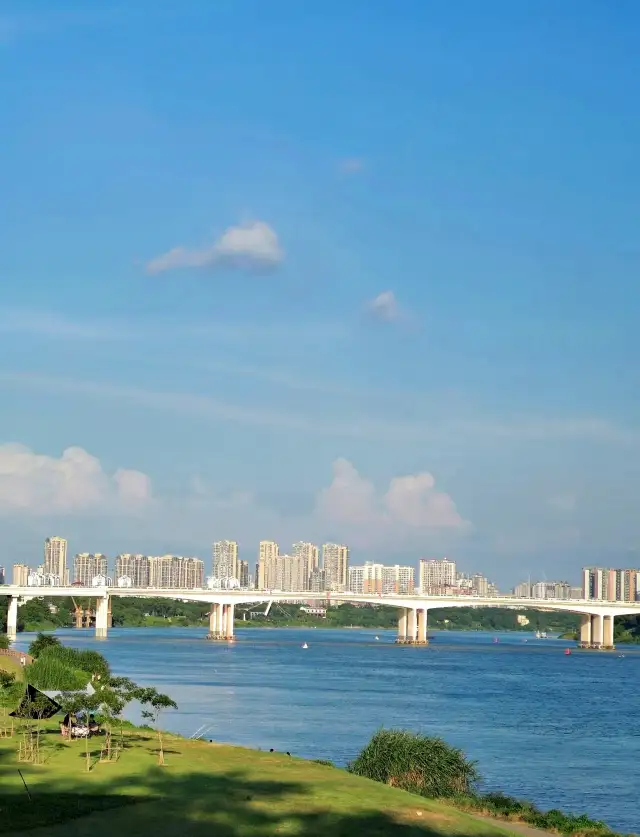
 Don’t just visit Nanning night markets! This hidden gem of a museum is the city’s true soulWhen traveling to Nanning, most people flock to night markets and trendy neighborhoods but completely miss the Nanning Museum tucked along the Wuxiang Riverbank. No crowds, zero commercial gimmicks, and free admission throughout. Inside a sleek, minimalist building lies the story of Yongcheng’s 2,000 years of rise and fall. Quiet and healing, rich in history, and perfect for photos. To truly understand Nanning, you have to understand this city! 📜 Little-known millennium-old Yongcheng stories Many visitors confuse the Guangxi Museum with the Nanning Museum! The Nanning Museum focuses on the local history of Yongcheng. From the ancient Baiyue civilization and the Tang and Song dynasties’ Yongzhou administration to the city’s changes over the past century, the timeline is clear and complete✨ The museum highlights the Song dynasty story of Su Jian defending the city. When Yongcheng faced a siege, Governor Su Jian led the people in a heroic defense, sacrificing himself to protect the city. Revered as the “guardian deity of Yongcheng,” his loyalty and spirit have become part of Nanning’s city character—gentle yet strong. ✍️ Masterpieces with deep insights (99% of people don’t understand) The most worth savoring are the authentic fan paintings by famous Ming and Qing artists. Among them, Wang Hui’s early Qing dynasty fan painting “Landscape” is a masterpiece. It represents the classic Yushan school style, with rich, moist brushwork. The landscapes and villages are arranged with natural flow and exquisite composition. Within the small fan surface lies the ultimate Chinese landscape art of elegant emptiness. Even more precious is Ji Xiaolan’s running script fan inscription, his personal reflections after appreciating Northern Song calligrapher Mi Fu’s work. The handwriting flows like clouds and water, steady and free. Without any deliberate polish, every character reveals the scholar’s true heart. A fan holding a thousand years of calligraphy and painting, a single sheet showing a master’s spirit—this is one of the museum’s most valuable cultural treasures! 🚗 Expert travel tips ▪️ Subway: Line 4 goes directly to Yuxiang Road Station, an 8-minute walk to the museum. Best value option. ▪️ Driving: Navigate to Nanning Museum. Free parking is available with plenty of spaces. ▪️ Best time: 2–5 PM. The riverside lighting is soft and perfect for photos, avoiding morning tour groups. ▪️ Visit duration: 2.5–3 hours. Take your time and don’t rush. 🏨 Budget-friendly accommodation recommendations ✅ For short day trips: Stay in chain hotels in Jiangnan District or Wuxiang New Area. Close to the subway and shopping areas, very convenient for visiting the museum and dining. ✅ For a deeper, slower trip: Choose a quiet riverside guesthouse. Wake up to views of the Yong River and enjoy evening walks along the riverside trail for a full atmosphere. 🍜 Local favorite affordable eats Skip overpriced tourist spots and head straight to the old town for authentic Yong flavors. 🍜 Old friend noodles: sour, rich, and spicy—Nanning’s city soul in a bowl. 🥧 Sophora flower noodles: sweet and refreshing, a summer must-have, affordable and authentic. 🥘 Sour pickled mixed vegetables: fruity, crunchy, and a local daily snack staple. Each dish is full of local life and affordable without any risk. ✨ Hidden niche experiences | Enjoy peaceful views 1. Riverside floor-to-ceiling window spot At the end of the exhibition hall is a huge floor-to-ceiling window framing the Yong River skyline. Artistic and cool, no crowds, perfect for stunning photos. 2. Ancient Yongzhou woodcarving wall close-up The wall is carved with the evolution of Nanning’s place names and Baiyue patterns. Immerse yourself in the city’s millennium of history. 3. Modern old street exhibition immersive check-in The retro street scene is incredibly realistic, full of atmosphere, perfect for slow strolls and photos. 💰 Practical money-saving tips 1. Free admission all day! Book with your ID—no hidden fees. 2. No paid guides needed. The museum’s text, images, and QR code explanations are detailed enough. 3. Bring your own water. Prices inside the museum’s shops are high. 4. For meals, choose old local restaurants in nearby residential areas for better value than tourist spots. 💭 Heartfelt travel reflections After visiting, you’ll realize Nanning is more than just lively nightlife. It holds a gentle depth shaped over a thousand years✨ There are no trendy filters here, only real traces of time. From the Baiyue ancestors’ labor to the Tang and Song prosperity, from ancient loyalty defending the city to the modern city’s vibrant growth. One museum condenses the city’s past and warmth. When you come to Nanning, don’t just chase the nightlife and food. Spend half a day to understand the confidence and romance of this thousand-year-old Yongcheng❤️JenniKuosma


Other visitors' reviews of The Museum of Guangxizhuang Autonomous Region
Show More ReviewsThe exhibits are plentiful, concentrated on the second and third floors, but unfortunately, the museum doesn't limit visitor numbers, making it impossible to sit still and appreciate them at a leisurely pace. I suggest following the example of other provincial museums and changing the reservation system to two-hour time slots—limiting the number of visitors would significantly improve the experience. Also, the smell of recent renovations in some exhibition halls is quite strong.