
Nanputuo Temple
南普陀寺 based on 795 reviews
 No. 18 of Best Things to Do in Fujian
Closed for the day Opening hours of Nanputuo Temple
Nanputuo Temple Highlights: Must-See Features and Attractions
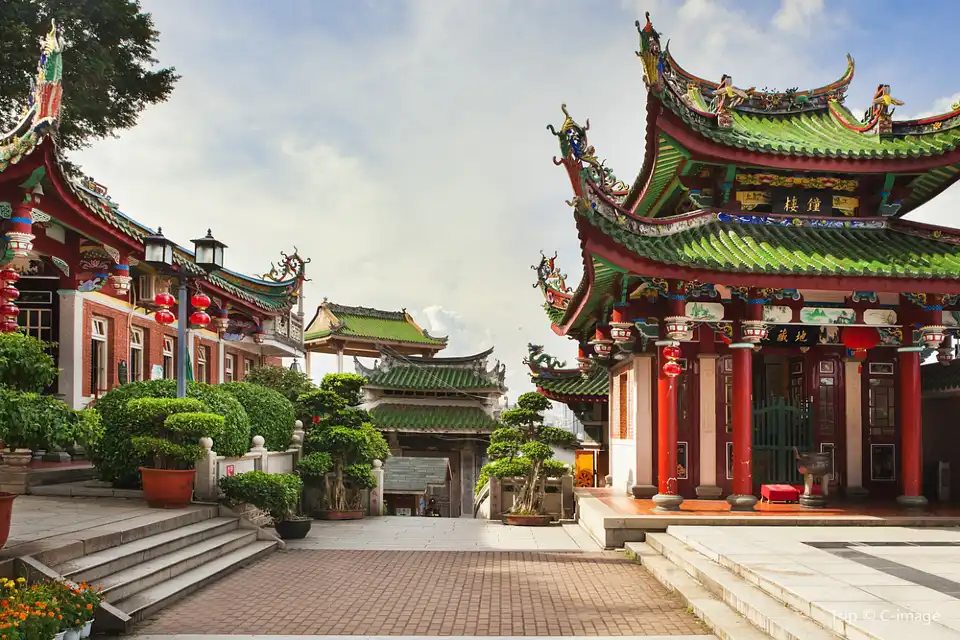
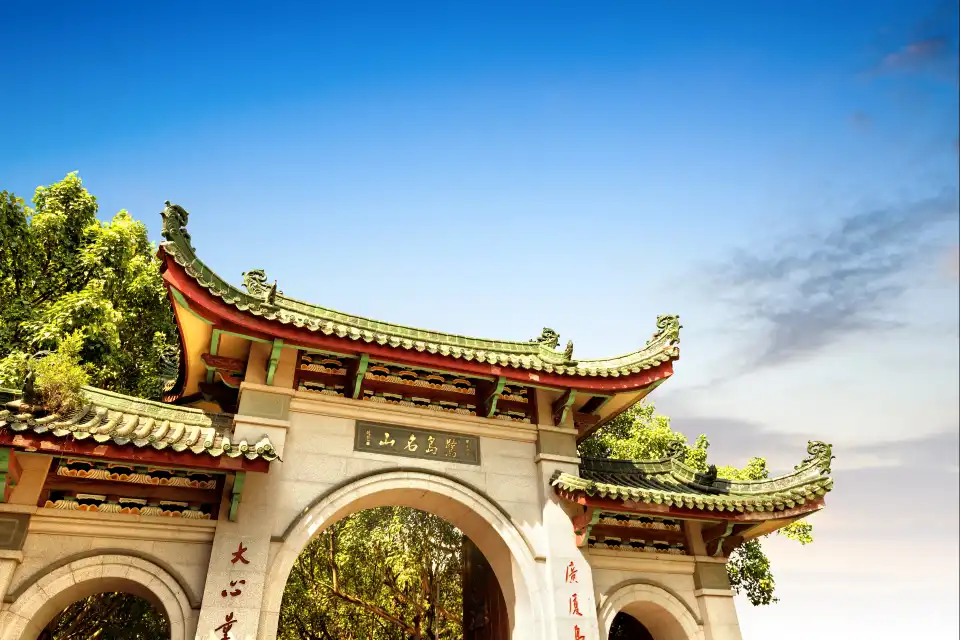
Nanputuo Temple is adjacent to Xiamen University and backed by Wulao Peak. As a millennium-old monastery with thriving incense in southern Fujian, many travelers arrange to visit both sites on the same day. The temple was first built in the late Tang Dynasty, underwent several rises and declines, and was rebuilt by Marquis Jinghai Shi Lang during the Kangxi reign of the Qing Dynasty. It enshrines Guanyin Bodhisattva and is located south of Mount Putuo in Zhejiang, hence the name "Nanputuo Temple." On one side of the temple stands the Southern Fujian Buddhist College, founded in 1925, which is one of China's modern Buddhist institutions with a long educational history.
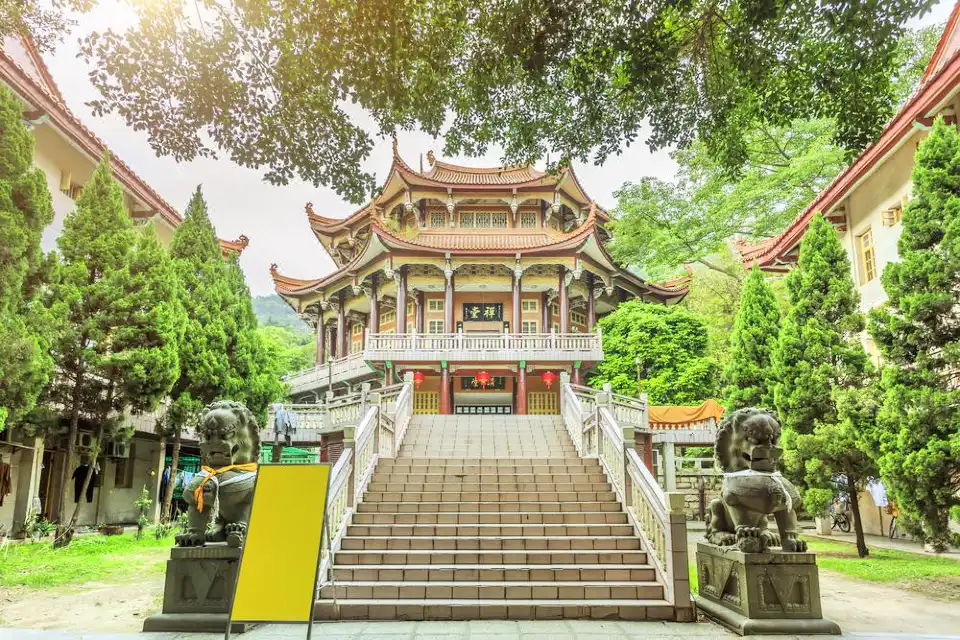
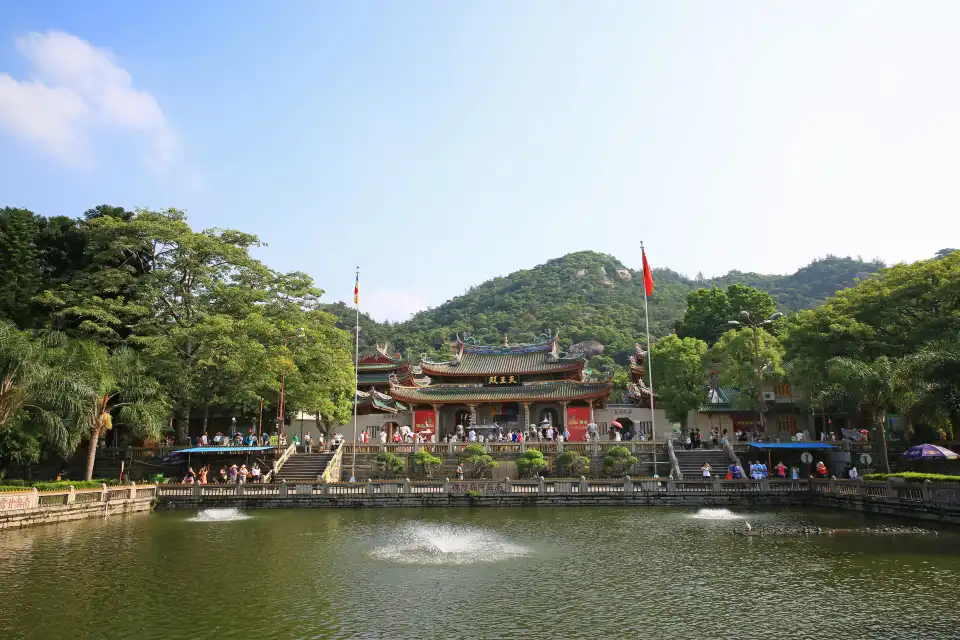
The temple's east and west mountain gates stand close to each other. Entering through them, visitors first encounter the liberation pond and lotus pond, where turtles bask on rocks and stone pagodas stand by the water. The main halls ascend along the central axis with the mountain's slope, arranged in sequence as the heavenly king hall, main hall of the great hero, great compassion hall, and scripture repository: the heavenly king hall enshrines a perpetually smiling Maitreya at its center, with Skanda standing behind holding his vajra staff; the main hall of the great hero houses the buddhas of the three periods, while the three western saints stand behind it; the great compassion hall, built on a high stone platform, is an octagonal wooden pavilion with triple flying eaves, containing four guanyin statues facing cardinal directions—three being 48-armed guanyin exquisitely crafted; the scripture repository safeguards Buddhist artifacts including the blood-written Lotus Sutra from the Wanli era and a white porcelain guanyin by renowned Ming dynasty ceramic artist He Chaozong. Bell and drum towers flank the courtyard, while the arhat hall displays eighteen arhats arranged on either side.
The temple grounds preserve numerous cliff inscriptions by notable figures, with the massive carved "Buddha" character by monk Zhenhui from the Qing dynasty on the rear cliff being particularly striking—often drawing travelers to pause for photos. For mountain hiking, ascend the stone steps behind the temple to Wulao Peak, where "Five elders piercing the clouds" ranks among Xiamen's eight great views as designated in the Qing dynasty, offering summit vistas over Xiamen University and seascapes. Alternatively, touring the temple's main halls requires little time if skipping the climb.
For vegetarian meals, you can visit the temple's vegetarian restaurant. Haihui Lou and Puzhao Lou are both garden-style dining buildings. Nanputuo vegetarian cuisine is highly renowned in Xiamen. One signature dish, "Half-moon sinking in the river," features mushrooms and gluten in a soup with a "half-moon" submerged in the broth. It earned this elegant name in the 1960s after being tasted by Guo Moruo. Before leaving, consider taking some Nanputuo vegetarian cakes, available in both sweet and savory flavors. Fillings like mung bean, coconut, and pumpkin are particularly popular, making them famous souvenirs from Xiamen.
Nanputuo Temple Reviews: Insider Insights and Visitor Experiences
Nanputuo Temple Photos: Trip Moments
 160 Xiamen Zhongshan Road cream-style loft! Students, let's go!🏖️Attention sisters traveling to Xiamen this summer vacation! Found an affordable amazing loft! Just over 40 per person, such a great deal~ 📍Perfect location: · 3-minute walk to Zhongshan Road pedestrian street🚶 · Super convenient ferry to Gulangyu Island⛴️ · 10-minute drive to Xiamen University and Nanputuo Temple🚕 · Subway right downstairs🚇 · Popular bakery nearby🍞 ✨Room highlights: · Cream-style design, perfect for photos📸 · Giant projector screen + sound system🎬 · Twin beds, comfortable for 4 people💤 · Fully stocked disposable amenities🧴 · Outdoor BBQ reservation service🔥 👍Super friendly host, ready to help with anything! Spotlessly clean✨ 💯Students, couples, and families with kids, go for it! This value for money made me cry with joy!MO. Gus 287

 Xiamen, the Unhidden Romantic Island🔥Xiamen, a city blending artistic vibes with island charm, is a must-visit treasure for travelers! Want to explore Xiamen thoroughly? This super detailed guide will help you easily get it done! 🌟Must-Visit Attractions Gulangyu Island: A World Cultural Heritage site, stroll through the alleys, listen to piano music, and feel the romantic artistic atmosphere. Don’t forget to climb Sunlight Rock for a panoramic view of Xiamen. Huandao Road: Ride a bike or take a walk, feel the sea breeze, and enjoy the beautiful beaches and coconut groves along the way. Nanputuo Temple: A bustling Buddhist temple showcasing Minnan culture, near Xiamen University with its stunning campus scenery. Zengcuoan: An artsy town filled with trendy cafes and unique shops, perfect for eating, drinking, and having fun. ☀Must-Try Foods Shacha Noodles: Rich shacha sauce paired with fresh shrimp and peanuts, warming and appetizing. Oyster Omelette: Tender and juicy, a Xiamen specialty snack you must try! Peanut Soup: Sweet but not greasy, the perfect dessert after a meal. Tusun Jelly: Authentic Minnan delicacy with a chewy texture. 🌟Transportation Tips Xiamen’s buses and metro are convenient; it’s recommended to get a “Haixia Pass” bus card to save time and money. Motor vehicles are banned on Gulangyu Island, so walking or renting a bike is best. 🌛Accommodation Recommendations Siming District: Convenient transportation and close to major attractions. Near Zengcuoan: Strong artistic vibe, ideal for young travelers. ☀Travel Tips Xiamen has a warm climate, so bring sunscreen and light clothing. Gulangyu Island is crowded during holidays, so it’s best to book tickets in advance. 🔥This Xiamen guide helps you deeply experience island charm and Minnan culture. Save it and set off to start your romantic journey in Xiamen!jacksonsky135

 Xiamen 3 days 2 nights | A laid-back, artistic city slowed by the sea breeze🌊🌊 Xiamen's slow pace starts with a bowl of satay noodles ✈️ How to get there Fly into Xiamen Gaoqi Airport. The BRT rapid transit takes 30 mins to Zhongshan Road. High-speed rail to Xiamen Station is closer; you're right in the old town when you step out. Stay in Zhongshan Road or Zengcuo'an for convenient access to Gulangyu and Huandao Road 🚢 📅 How long to stay Three days and two nights. Day 1: Stay overnight on Gulangyu to watch the sunset and listen to the piano music. Day 2: Cycle along Huandao Road > Zengcuo'an > Nanputuo Temple. Day 3: Take photos in Shapowei > eat snacks on Zhongshan Road before heading home ☀️ 🗺️ How to plan your route There are no motor vehicles on the island, so you'll have to walk—wear comfortable shoes. Go to Sunlight Rock in the morning for fewer crowds and better lighting. Rent a bike on Huandao Road and ride to Zengcuo'an with the sea breeze in your face 🌅 💡 Practical tips September and October are the most comfortable months in Xiamen. There are many typhoons in summer. Food on Gulangyu is expensive and mediocre, so bring your own water. The lighting for photos in Shapowei is best after 3:00 PM. Don't buy seafood in Zengcuo'an. Go to the Eighth Market to buy it yourself and have it cooked 🦀 🍜 Must-eat list Satay noodles (Wutang or Yuehua), Sipunculus jelly (for the brave), oyster omelet, peanut soup with fried dough sticks, ginger duck, and meat zongzi. For breakfast, locals have a bowl of peanut soup; for lunch, satay noodles; and for dinner, ginger duck with vermicelli soup. The Eighth Market is more authentic than any old street 🍲 Xiamen isn't the kind of city where you rush between attractions. You need to find an old villa on Gulangyu to zone out, ride a bike along Huandao Road to feel the sea breeze, and watch the sunset fall over the sea in Shapowei. 📸 Poll time! Which island would you rather visit? 👇 Coming up next: China's most beautiful mudflats, where sunrises and sunsets look like paintings 🌅 (Spring and autumn are best for Xiamen. Watch out for typhoon forecasts in summer. Gulangyu ferry tickets are in high demand during holidays, so booking three days in advance is recommended. Sipunculus jelly has a unique texture, depending on personal preference. The above is based on personal experience; I hope you can also slow down by the sea 🌊)_TI***ef

 A trip to Xiamen isn’t complete without visiting Nanputuo TempleVisit Nanputuo once a year, and you’ll avoid suffering for three years🎋 The first stop in Xiamen has to be Nanputuo Temple! A sacred place in the hearts of Minnan people⛩️ With red walls, black tiles, and incense smoke swirling, stepping inside instantly calms your mind~ No admission ticket🎫 or reservation needed here. The free incense sachet carries a subtle sandalwood scent, making the blessing ritual feel truly special! 🌟 Must-see for blessings: · Pray for peace and health at the Mahavira Hall☯️ · Seek success in studies and career at the Manjusri Hall! Taking a photo in front of the top scholar wall brings good luck📖 · The bracelet counter offers many styles. Pick a bracelet with your personal Buddha as a gift—both protective and stylish 🍪 Must-buy for foodies: The vegetarian cake deserves special praise❗ Their mung bean paste and coconut flavors are a guaranteed hit—sweet but not greasy. Just thinking about it makes my mouth water🤤 📸 Photo tips: · The lotus pond inside the temple is perfect for photos. Using the red walls as a backdrop for traditional-style shots is amazing~ · Wearing light-colored clothes is recommended. The best lighting is from 3 to 5 PM 🚶♀️ Nearby attractions: After visiting, it’s just a 10-minute walk to Xiamen University and Shapowei. One route covers three spots, saving time and effort! 📍 Address: 515 Siming South Road, Siming District Opens at 6 AM. It’s best to pray early in the morning~ May all your wishes come true, and may peace and joy always be with you🌿VoyagerVagabond1

 Xiamen's Cat Street: A place cat lovers won't want to leaveIf you're a cat lover visiting Xiamen, Ding'aozai Cat Street will truly stop you in your tracks! Tucked away in a small alley near Xiamen University, this street isn't long, but it's packed with cat-themed elements. You'll see adorable giant cat sculptures right at the entrance. As you walk through, the walls and utility poles on both sides are covered in all kinds of cat graffiti and murals—orange tabbies, mackerel tabbies, tuxedo cats, black cats... each one is painted so vividly and is just incredibly cute. The alley is also home to many interesting little shops. With colorful lanterns and decorations hanging down, rainbows painted on the ground, and sunlight streaming in, the whole street feels warm and healing. When you see a cat sculpture or mural you like, you'll find yourself crouching down to take photos with them. Before you know it, you'll have spent quite a while wandering around. It really is a happy paradise for cat lovers. 🐱 Visit Tips: · Navigate to "Ding'aozai Cat Street," Ding'aozai Road, Siming District, near Xiamen University · Free admission · The alley is short; it takes about half an hour to stroll through slowly · Lots of cat sculptures and graffiti, perfect for photos · You can visit Xiamen University, Shapowei, and Nanputuo Temple while you're in the area · The alley has cat-themed shops and cultural/creative stores · It's not crowded, making it a very pleasant and quiet place to explore If you love cats, don't miss this cute little street hidden in the deep alley.SUMMER REESE3

 Xiamen is great, but I won't be going back, because it's just...Xiamen is great, but I won't be going back, because it's just too easy to fall into tourist traps 🥹 To be honest, Xiamen really is a gentle and healing coastal town. With sea breezes, sunsets, beaches, old streets, and red-brick villas, the slow-paced vibe is off the charts. Every photo you take looks like a healing seaside blockbuster 🌊 The scenery and atmosphere are truly impeccable; you'll definitely be moved after visiting! But I'm going to be completely honest with you: the scenery is beautiful, but there are too many tourist traps! Only after finishing the whole trip did I understand why many people don't want to come back after visiting once. It's not that it isn't fun; it's that there are too many hidden traps, and the experience feels disjointed. I've compiled all the real, painful lessons I learned. If you're planning to go to Xiamen, just follow this guide and don't blindly follow the crowd! ❶ Traps are everywhere, and beginners fall for them 100% of the time This is the biggest turn-off about Xiamen! It's full of hidden scams that are impossible to guard against. ▫️ The Gulangyu Island trap You must book your ferry ticket 5–7 days in advance via the official WeChat account!! Roadside drivers and scalpers saying "tickets are sold out," "you'll miss the boat," or "I have an internal channel" are all scams. They specifically try to trick you into buying expensive private boat tickets or day tour packages—you'll just be a sucker. Once on the island, there are tons of unlicensed tour guides charging 200 yuan who won't explain the attractions but will spend the whole time taking you to buy overpriced local specialties and fake silver jewelry. ▫️ The Huandao Road bike rental scam Never rent private electric scooters on the side of the road!! There are many restricted areas in Siming and Huli districts. The vendors will promise you can ride anywhere, but you'll turn a corner and get caught by traffic police, resulting in a 200 yuan fine. If you want to ride, just scan a shared bike; it's safe, compliant, and you won't get burned. ▫️ Don't touch the cheap roadside tour groups They look like a great deal, like "99 yuan to see all of Xiamen and go island hopping." In reality, it's full of forced sales and hidden costs, wasting your entire day. ❷ "Influencer" streets are full of assembly-line snacks with no local character Stop having rose-colored glasses about Zengcuo'an and Zhongshan Road!! The whole street is full of the same generic "influencer" snacks you see everywhere—grilled squid, fried skewers, milk tea. Prices are inflated, the taste is mediocre, and there's not a hint of local character. The so-called "Minnan specialties" are basically mass-produced food with double the markup. If you want authentic, affordable Minnan flavors, don't go to the influencer streets; go straight to the Bashi Seafood Market! ❸ Summer is extremely uncomfortable, and you'll suffer from the heat the whole time Xiamen at the end of summer is really not suitable for just sightseeing!! Temperatures of 35°C+ combined with super high humidity make it suffocatingly hot and sticky. Even the sea breeze is hot; you'll be sweating all over and your hair will stick to your face after walking just a few steps. There's no shade on the beach, so even if you're covered in sunscreen, you'll easily get tanned or sunburned. You need incredible willpower to take good photos; for the average person, it's just a hot, miserable experience. Plus, it's super crowded during peak season! Shapowei, the Botanical Garden, and the seaside boardwalk are packed. You'll have to wait at least 30 minutes at popular photo spots, and your photos will just be full of people's heads—zero atmosphere. ❹ Accommodation and dining are severely overpriced, with very low value for money ▪️ Accommodation: During peak season, homestays in Siming District and by the beach double their prices. Many homestays play word games, claiming to be "near Zhongshan Road" when they are actually very far from the city center. The facilities are old, the rooms are tiny, and they are severely overpriced and not worth it. ▪️ Seafood: If you don't know what you're doing, never buy seafood yourself to have it cooked. Short-changing on weight and hidden surcharges for cooking fees are the norm. It's very easy to get ripped off twice, and a single seafood meal can easily cost several hundred yuan. ✨ 2026 latest foolproof guide to avoiding traps (tested and reliable) 🔹 Travel booking (top priority) 1. Gulangyu Island: Look for the official "Xiamen Ferry" account. Book your 35 yuan round-trip ticket 5–7 days in advance. Prioritize the Xiamen-Gulangyu Terminal to Sanqiutian route. 2. Nanputuo Temple: Book 1 day in advance for free entry. Don't buy incense randomly at the entrance. 3. Xiamen University: Book 3 days in advance via "U Xiamen University." Spots disappear in seconds, so you must be ready to book the moment they open. 🔹 Correct sightseeing route (not tiring and trap-free) Eat local food at Bashi Market > Pray at Nanputuo Temple > Take photos at Shapowei > Watch the sunset at Huangcuo Beach in the afternoon. Enter the Botanical Garden from the South Gate and exit from the West Gate; it's on the way and doesn't require backtracking. The rainforest mist is super healing. 🔹 The right way to eat ✅ Affordable and authentic: Bashi Seafood Market, small shops in old residential areas. Go for satay noodles, worm jelly, and peanut soup without hesitation. ❌ Avoid: All "influencer" specialties and overpriced seafood restaurants in Zengcuo'an and on Zhongshan Road. 🔹 Essential items High-SPF sunscreen, umbrella (for sun/rain), mosquito repellent, small fan. It's windy by the sea with little temperature difference, so wear breathable, light-colored clothes for the best photos. Final honest words Xiamen's gentle seaside scenery is worth seeing once. The romance of the sunset, sea breeze, and red-brick ancient houses is irreplaceable. But it's true that there are many traps, high markups, and a poor experience during peak season. I sincerely suggest everyone do their research, avoid the traps, and have a relaxing, trap-free vacation. Visiting once is enough to be satisfied; there's no need to come back a second time and suffer!NovaEclipse_173

 Xiamen 3-day 2-night guide|A healing island trip without rushing or pitfallsFinally heading to Xiamen’s blue sea and sky! This gentle coastal city offers charming artistic streets, soul-soothing ocean sunsets, and vibrant local food scenes. As a travel blogger who’s personally explored the area, I’ve put together a complete 3-day 2-night itinerary with no early mornings, no rushing, and zero pitfalls. The relaxed pace suits all travelers. Beginners can follow this plan to easily enjoy Xiamen! The whole trip focuses on a relaxed vacation style, covering classic attractions, avoiding crowded popular spots, and steering clear of food traps. Whether you’re traveling with friends, as a couple, or just taking a short break, it’s perfect✨ 📌 Must-read before you go (very important) 1. Gulangyu ferry tickets: Be sure to book 1–3 days in advance via the “Xiamen Ferry+” WeChat official account! Prioritize the [Cruise Center → Sanqiutian Pier] route. Tickets cost 35 yuan round-trip and are valid for return within 20 days. During holidays, book early as on-site tickets are usually sold out. 2. Xiamen University reservation: Use the “Xiamen University Visitor Reservation System” mini program to book 3 days ahead. Reservations open after 12 PM on weekdays and all day on weekends. No reservation means no entry, so don’t make a wasted trip. 3. Accommodation preference: Choose Siming district first! Areas around Zhongshan Road, Shapowei, and Zengcuoan are all good. Metro and bus coverage is comprehensive, making it easy to reach attractions without frequently moving luggage, saving time and effort. 4. Essentials: The UV rays by the sea are strong, so apply strong sunscreen rain or shine. The sea breeze can be cool in the evening, so bring a light jacket. Wear comfortable flat shoes as you’ll be walking a lot. 🌞 Day 1 arrival in Xiamen|Artistic old town + lively night market first experience Itinerary: arrive and check in → Shapowei → art west district → Zhongshan Road night view → Ba Market food After arriving in Xiamen, head straight to your pre-booked hotel to check in and rest before starting your trip! In the afternoon, go to Shapowei, the pinnacle of Xiamen’s artistic vibe. This creative street district was transformed from an old fishing port. Rainbow walls, graffiti alleys, and vintage rooftops make for perfect photos with a high success rate📸 After Shapowei, move on to the art west district, where you’ll find niche exhibitions, creative shops, and trendy brand stores. Stroll slowly and soak in Xiamen’s artistic atmosphere. At dusk, visit Zhongshan Road pedestrian street. The arcade-style old street is full of atmosphere, and when the lights come on, it feels vintage and romantic—perfect for walking and photos. For dinner, head straight to Ba Market! This is a local favorite food hub with no worries about being overcharged. Must-try dishes include ginger duck, seafood claypot porridge, Minnan-style pork jelly, and peanut soup. The ingredients are fresh and the value is excellent. You can eat your fill for about 50 yuan per person, fully immersing yourself in authentic Minnan flavors. 🌊 Day 2 Gulangyu island day trip|Leisurely explore the international island Itinerary: board the island → Shuzhuang Garden → Sunlight Rock → Gangzaihou beach → Longtou Road snacks → leave island at dusk Today is reserved for Xiamen’s soul spot—Gulangyu! It’s best to get on the island early to avoid crowds. Once on the island, no need to rush. Wander along the stone paths at your own pace. Red-tiled old villas, towering banyan trees, and winding alleys make every scene a healing view. Start with Shuzhuang Garden, a seaside garden with unique mountain and sea views. The piano museum is quiet and elegant, full of artistic charm. Then climb Sunlight Rock. You don’t have to climb all the way up; from halfway up, you can overlook the entire island and the twin towers of Xiamen with an amazing sea view. In the afternoon, visit Gangzaihou beach. Walk on the sand, watch the sea, and relax in the sea breeze to enjoy lazy island time. At dusk, stroll Longtou Road snack street. Try Ye’s mochi, Zhang Sanfeng milk tea, and oyster omelet. Sample the local snacks lightly and avoid overpriced popular shops. As the sun sets, take the ferry back. The evening breeze on your face and the distant view of Xiamen’s nightscape are gentle and healing, ending a perfect island day. 🌅 Day 3 mountain and sea healing|Pray and watch the sea + island cycling Itinerary: Nanputuo Temple → Xiamen University (outside/inside) → island road cycling → Huangcuo beach → return Get up early to visit Nanputuo Temple. It’s free to enter, with no ticket required. The temple is bustling with incense and peaceful. You can get free incense for blessings. The vegetarian noodles inside are light and refreshing, and the 10-yuan vegetarian cakes are affordable and delicious—great as souvenirs. Climb Wulao Peak behind the temple for a panoramic view of Xiamen’s mountains and sea. The view is stunning. Next to the temple is Xiamen University. If you have a reservation, you can enter and check out the famous Furong Tunnel covered in graffiti, which is artistic and healing—a perfect youthful photo spot. If you don’t have a reservation, you can still take photos at the campus gate, which also has a great vibe. In the afternoon, experience Xiamen’s romantic essence—cycling along Island Road! Rent a shared bike and ride along the coastline. On your left are green hills and forests, on your right the blue sea. The scenery along the way is breathtaking. The route ends at Huangcuo Beach, a prime spot for watching sunrises and sunsets. The water is clear, the crowds are light, and the atmosphere is peaceful. Wait quietly for a seaside sunset to heal all your fatigue. In the evening, pack up and head home with wonderful memories, ending your gentle Xiamen trip. 🍜 Xiamen must-try food list (personally tested with no pitfalls) ▪️ Minnan specialties: ginger duck, Tong’an pork belly, seafood platter ▪️ Local snacks: oyster omelet, pork jelly, satay noodles, peanut soup, mochi ▪️ Affordable food spots: Ba Market, Zhongshan Road backstreets, Zengcuoan snack alleys. Avoid overpriced touristy shops ▪️ Seafood tips: Choose shops with clear pricing, order as needed, and avoid aggressive upselling 💰 Budget reference per person (3 days 2 nights) ▪️ Accommodation: 300–600 yuan/2 nights (budget guesthouses/hotels in Siming district) ▪️ Food: about 400 yuan (covering local snacks and full meals) ▪️ Transport + tickets: about 300 yuan (Gulangyu ferry, city transport, attraction tickets) ▪️ Total: about 1,500 yuan per person for an easy, cost-effective trip ⚠️ Blogger’s tested tips to avoid pitfalls 1. Don’t trust cheap roadside guides or quick island tours on Gulangyu. The best way is to explore slowly on your own. 2. Don’t buy cheap seafood or popular souvenirs by the sea. Prices are inflated and quality varies. 3. Zengcuoan is mainly for the atmosphere; try snacks lightly. Ba Market offers better value. 4. Xiamen’s attractions are moderately spaced. No need to take taxis every day. Use metro + cycling + walking for the most economical and hassle-free experience. Xiamen’s romance is hidden in the sea breeze, old streets, and sunset glow. No need to rush the itinerary—just slowly feel the city’s gentle charm. This lazy traveler’s guide is perfect for beginners to copy and easily unlock a fully healing seaside trip🌊HiddenGems@@@2

 🌊 Xiamen 5-day 4-night ultimate guide (part 2)Day 4️⃣ A day trip to Gulangyu I recommend arriving at Sanqiutian Terminal from Dongdu Ferry Terminal; it's close to the attractions, and the 35 RMB ticket is sufficient! Tickets sell out easily during peak season. The island is mainly explored on foot, so wear comfortable shoes. ✅ You can find audio guides for Gulangyu online to get a deeper understanding of the international architecture. 🏛️ Must-visit: Organ Art Center (pay attention to performance times), Shuzhuang Garden (find the 12 zodiac statues in the Twelve Caves), Haoyue Garden (Zheng Chenggong Statue), and Sunlight Rock. 💡 Tips: Food on the island is overpriced, so you can just grab some snacks. I recommend Longtou Fish Ball Shop and Danmanguan (egg-stuffed meat). Buy combined tickets only if needed; you don't have to buy the full set. Student tickets are half price! Day 5️⃣ Zhonggu Cableway → Xiamen Botanical Garden → Bashi Market food tour → Head home 🚡 Zhonggu Cableway About 40 mins, 80 RMB per person. Be sure to book in advance! Avoid if it's raining or if you have a fear of heights. The West Gate of the Botanical Garden is very close to the cableway, so you can plan to visit them together. 🌵 Xiamen Botanical Garden Admission is 30 RMB. Enter and exit via the West Gate! Definitely buy the shuttle bus ticket to save energy! Two core areas: Succulent Plant Area and Tropical Rainforest Area. Rainforest misting times: 9:30–11:00 AM / 2:30–5:00 PM. The mist looks ethereal, but the ground is slippery, so wear non-slip shoes and bring mosquito repellent. 🛍️ Bashi Market 🥟 A Jie Five-Spice Rolls: The five-spice rolls visited by Nicholas Tse. 🥐 Huiyuan Bakery: Fried bread and chicken leg bread—the old-fashioned bread is super delicious and cheap! 🍜 Yousheng Flavor Snacks Satay Noodles 🥞 Zhong Lijun Man Jian Gao: You can order a three-flavor combo to try! 🧋 Must-try local Xiamen milk tea Yishu Yiye: Green mango and green tangerine water chestnut ice Chashanpai: Zhenzhi Peach Blossom Fairy cuida: Cocoa crushed ice ⚠️ Xiamen essential tips to avoid traps 💡 2. When buying seafood at Bashi Market, watch the weighing closely, drain the water, and refuse any roadside shops that actively solicit customers for processing. 3. The UV rays at the beach are intense; wear sunscreen regardless of whether it's sunny or cloudy. There's a temperature difference between day and night at the beach, so bring a light jacket. 4. Do not rent unlicensed e-scooters as you may be fined; choose official shared e-scooters instead. 5. The Zhonggu Cableway, Xiamen University, and Gulangyu all require advance booking. Don't gamble on getting tickets on-site. 6. The ground in the Botanical Garden's rainforest area is slippery and there are tons of mosquitoes, so be sure to bring mosquito repellent. 7. Only walk around the main street of Zengcuo'an; don't eat there! There are many pre-made meals and the prices are inflated. 8. Incense at Nanputuo Temple is free; refuse any high-priced incense, candles, or accessories sold by vendors at the entrance._TI***dm3
 Xiamen is wonderful, but I won’t go back because it’s just too overwhelming...Xiamen is wonderful, but I won’t go back😭 It’s not a bad experience, just too much to take in I really love this gentle seaside town!! Sea breeze, sunsets, old streets, islands—every scene feels healing and peaceful. The reason I won’t return is that the first visit was so perfect and deeply memorable, I want to keep this feeling forever in my heart✨ Just got back from Xiamen and put together a straightforward, no-nonsense 3-day 2-night slow travel guide. No rushing, no pitfalls, no blind check-ins—easy for anyone to follow. If you’re heading to Xiamen, just copy this!! 🌿About accommodation | Choose Siming district first! No regrets I sincerely recommend first-timers lock in Siming district. Zhongshan Road, Zengcuoan, and the area around Huandao Road are all great. Close to all the main attractions, with full metro and bus coverage. You can go out at night to stroll the night market and enjoy the sea breeze, saving time and effort. No back-and-forth hassle, perfect for a relaxed trip✅ 🌊Day 1: immersive slow travel on Gulangyu Island (a must-see!) How can you come to Xiamen and not visit Gulangyu! This little island is gentle to the core. ⚠️Key tip: book your ferry tickets at least 3 days in advance on the official “Xiamen Ferry Co., Ltd.” WeChat account! Choose the “Cruise Center Xiamen Gulangyu Terminal → Sanqiutian Terminal” route for the most convenience. To avoid crowds, start early—before 8 AM is super peaceful. The route flows smoothly: Sanqiutian Terminal → the most beautiful corner (a popular photo spot) → Bagua Building (vintage and artsy, great for photos) → Sunlight Rock. No need to buy the full 90 RMB combo ticket! It’s not cost-effective. If you just want the full view, buy the Sunlight Rock ticket alone. Climb to the top for panoramic sea views and red-roofed old villas—pure healing. No need to rush through spots on the island. Wander through alleys lined with red brick old houses. Look up to see lush greenery and flowers, hear the sea breeze and birdsong. Take your time strolling and soak in the warm, everyday charm of old Xiamen. The island’s trendy shops aren’t great value, so just browse and take photos. Save dining for after you leave the island. ☀️Day 2: healing mountain and sea route | Botanical garden → Nanputuo Temple → Huandao Road ▫️Xiamen Botanical Garden Enter from the west gate! It saves a lot of walking. The rainforest mist is dreamy and perfect for photos—check the mist schedule in advance. The succulent area has great sunlight and a tropical vibe, perfect for stunning pictures. Reminder: the garden is large and very sunny. Be sure to wear sunscreen and comfortable shoes. ▫️Nanputuo Temple Free blessings! The incense is abundant, and the atmosphere is peaceful and healing. You can get free incense sticks, quietly explore, and pray with a calm heart. The lotus pond outside the temple is beautiful, and the evening breeze makes it especially relaxing—great for unwinding. ▫️Huandao Road cycling Half of Xiamen’s romance is on Huandao Road! Cycling at dusk is amazing—feel the gentle sea breeze and watch the orange-red sunset spread over the water. The beaches, coconut groves, and coastline form a beautiful picture. All your fatigue will be healed by this sea view🌅 🌙Day 3: local life experience | Bajie market → Shapowei → Zhongshan Road ▫️Bajie market A hidden gem loved by locals! You must visit when in Xiamen. Full of Minnan local life vibes, with all kinds of seafood, tropical fruits, and special snacks. If you want seafood processing, be sure to ask prices and fees upfront to avoid surprises. Affordable and authentic, much better than tourist food. ▫️Shapowei A blend of old and new in this artsy neighborhood, off the beaten path and great for photos. Industrial-style buildings paired with seaside sunsets create a gentle, stylish vibe. Just wander and explore to discover Xiamen’s unique atmosphere. ▫️Zhongshan Road A century-old street, perfect for an evening stroll. The vintage arcade buildings have strong Minnan character, and the lights create a great ambiance. Just browse and check it out—no need to spend blindly. 🍤Local must-try foods (no pitfalls) ✅Satay noodles: rich and flavorful, a Minnan specialty you must try ✅Oyster omelet: crispy outside, tender inside, fresh and not fishy ✅Ginger duck: rich sauce, tender meat, deeply flavorful ✅Four fruit soup: sweet and refreshing, perfect for cooling down while snacking ❌Gentle tips to avoid pitfalls (purely practical!) 1. Always prioritize ride-hailing or metro. Be cautious with taxis soliciting on the street—they may take longer routes. 2. Don’t agree to take photos with cartoon mascots by the sea without asking first—they often charge fees. 3. Always ask the price before sitting on beach loungers to avoid hidden charges. 4. No need to pay for pearl harvesting or expensive guides on Gulangyu Island—poor value. 5. Food on Zengcuoan’s main street is pricey; better local affordable eats are hidden in the alleys. Xiamen is truly a city that never disappoints. Clean, gentle, healing, and romantic, where everyday life and poetry coexist. Not returning doesn’t mean it’s bad, but the first impression was just too perfect. Keeping the ultimate sea views, evening breeze, and warmth in my heart is the best way to cherish this little city🌊3mbr@_R@v3nbl@de150

 Xiamen 1-Day Private Car Tour|Worry-Free and EnjoyableListen to the intimate whispers of piano melodies and ocean waves on Gulangyu Island 🎶; quietly admire the poetic blend of ancient temples and mountains by the sea at Nanputuo Temple 🌊; Xiamen’s gentleness makes time feel lazy and romantic 🥰…… / No matter what kind of trip you want, Trip.com local guide Chai Chuanchuan can customize it for you ✅! For travel, just find me for itinerary planning, car rental, tour guide, tickets, and hotels! / 👫👭 Couples/Small Families, choose 👉 Economy 5-seater, accommodates 4 people, 2 pieces of luggage 🧳, Toyota Corolla or similar, fuel-efficient and economical, ideal for short trips 🚗 👨👩👧👦 Family Trips, seeking comfort, choose 👉 Comfort 5-seater, accommodates 4 people, 2 pieces of luggage 🧳, Nissan Teana or similar, soft seats, fatigue-free for long drives 🛋️ 💼 Business Reception/High-End Travel, choose 👉 Premium 5-seater, accommodates 4 people, 3 pieces of luggage 🧳, Mercedes-Benz E-Class or similar, elegant interior, showcasing quality and style ✨ 👨👩👧👦👴👵 Large Families/Small Groups, two options 👇 1️⃣ Business 7-seater, accommodates 6 people, 4 pieces of luggage 🧳, Buick GL8 or similar, spacious, perfect for family gatherings or friends traveling together 👨👩👧👦 2️⃣ 9-seater Minibus, accommodates 8 people, 5 pieces of luggage 🧳, King Long 9-seater or similar, cost-effective, suitable for small group short trips 🚌 👔👗 Corporate Team Building/Business Inspection, seeking quality and comfort, two options 👇 Premium 9-seater, accommodates 8 people, 4 pieces of luggage 🧳, Mercedes-Benz Vito 9-seater or similar, fully equipped for business, enhancing travel experience 🌟 2️⃣ 14-seater Minibus, accommodates 13 people, 6 pieces of luggage 🧳, Ford Transit 14-seater or similar, spacious, suitable for medium-sized teams 👥 🎉🎊 Large Group Events/Long-Distance Travel, choose 👉 19-seater Minibus, accommodates 18 people, 7 pieces of luggage 🧳, JMC Coaster 19-seater or similar, stable and reliable, ideal for large group long journeys 🛣️ / 🚗 Our solemn promise All drivers are native Xiamen locals, with years of fleet operation experience, ensuring punctual and accurate itineraries ⏰ Carefully planned nine top scenic spots, combined with diverse itinerary options, tailor-made to create your unique travel plan Professional guides provide 24/7 attentive service, ready to answer your questions anytime, making your trip worry-free and enjoyable 👔当地向导小川自由行工作室43

 Xiamen!! Zhongshan Road!! Don’t want to check out, it’s too comfortable!! My fondness for Xiamen is upup~ Sisters planning to visit Xiamen this summer break -Xiamen!! Zhongshan Road!! Don’t want to check out 😭 It’s too comfortable!! My fondness for Xiamen is upup~ Sisters planning to visit Xiamen this summer break · 🌈 Room type As soon as you open the door, the whole sea view hits you. You can lie in bed and see the ocean, plus directly overlook Xiamen University and Nanputuo Temple. The view is incredibly wide. The room is spacious and not crowded at all. · 🌈 Location The hotel is in Twin Towers Building A, right facing Gulangyu Island! Super convenient to go out. It’s a 7–8 minute taxi ride to Xiamen University, Shapowei, Baicheng Beach, and all the popular attractions are nearby. · 🌈 Check-in Security is very thorough, so it feels safe traveling alone. The cleaning is spotless, and the attention to detail is impressive! · 🌈 Homestay: Xiamen IMAY designer sea view apartment 🌈 Location: 1st floor, Building A, Shimao Strait Tower, 182 Yanwu West Road, Siming District, XiamenExpeditionDreamer#221

 From Ningbo✨Quanzhou & Xiamen 4 days 3 nights practical guide! Essential tips to avoid pitfallsJust got back from Quanzhou and Xiamen! I've put together a 5-day, 4-night itinerary for regular travelers to avoid pitfalls! This is a real, non-sponsored experience. If you're planning a trip to Fujian during the holidays, just copy this plan and avoid all the major traps! 📝 Itinerary: Depart from Ningbo | 2 nights in Quanzhou + 2 nights in Xiamen Half ancient city charm, half seaside romance—a relaxed pace with no rushing! Day 1: Ningbo → Quanzhou, exploring and eating on West Street Depart from Ningbo by high-speed train in the afternoon and arrive in Quanzhou in the evening. ‼️ Biggest pitfall: The "viral" homestays on West Street are all misleading! The influencers' retouched photos look full of atmosphere, but in reality, the rooms are tiny, the decor is old and cheap, and the overall vibe is low-quality. The difference upon check-in is huge! The only plus: The location is unbeatable, just a 100m walk to West Street. After settling in, head straight to West Street. At night, the ancient city's arcades and alleys are full of life! Walk and eat your way through vermicelli soup, fried vinegar meat, meat zongzi, and four-fruit soup, immersing yourself in the local Minnan culture and street life. ⚠️ The old town is super congested during holidays! Don't take a taxi! Use the "Xiaobai" carts for the whole trip—they're flexible and convenient! Day 2: In-depth tour of Quanzhou → Head to Xiamen Morning classic route: West Street Bell Tower → Kaiyuan Temple → Guanyue Temple Red walls, ancient temples, and the charm of the twin pagodas—you'll truly feel the atmosphere of Quanzhou being "half city life, half immortal." The ancient architecture is perfect for photos. For lunch, check out a local spot for authentic Minnan specialties. Afternoon options (choose one): Experience a stunning floral hair accessory photoshoot in Xunpu Village, or stay in the alleys of West Street to take photos—it's less crowded and easier to shoot. Depart for Xiamen in the evening! The high-speed train from Quanzhou to Xiamen is only ¥30 and takes 1 hour—super convenient. After checking in, head straight to Shapowei. The artsy district is full of atmosphere, and the evening night view is gentle and healing. Browse small shops and eat Xiamen snacks to end a fulfilling day. Day 3: One-day tour of classic Xiamen attractions Focus on easily checking off Xiamen's core landmarks ✨ In the morning, visit the free Nanputuo Temple. It's bustling with incense, and the ancient architecture is elegant and serene—perfect for a walk and making a wish. In the afternoon, stroll along Zhongshan Road Pedestrian Street to eat snacks, browse creative shops, and pick out souvenirs. ❗ Important reminder: You must book Xiamen University in advance! You absolutely cannot enter without a reservation, so don't waste your trip! Day 4: A full day wandering Gulangyu Dedicate the whole day to Gulangyu! Take your time exploring the island, weaving through old alleys with international architecture, visiting the "Most Beautiful Corner," and taking a breezy walk by the sea—it's healing and relaxing. ⚠️ Top priority for holidays: You must book Gulangyu ferry tickets in advance! There are basically no tickets available on-site, and if you go without one, you definitely won't be able to get on the island! Finish your visit between 4:30 PM–5:00 PM and return to the city to rest. Day 5: Relaxed departure from Xiamen The last day is for a laid-back, relaxed pace—no need to wake up early. Wake up and have a bowl of authentic satay noodles and peanut soup, take a slow stroll through nearby shops, buy some local souvenirs, pack your bags, and take the high-speed train back to Ningbo for a perfect end to the trip. 💣 Honest tips to avoid pitfalls in Quanzhou and Xiamen 1. Don't trust online photos for Quanzhou homestays! They are heavily retouched; look for real photos and negative reviews! 2. Don't follow the hype for "viral" food spots. Stick to old shops frequented by locals to avoid traps and overcharging! 3. Traffic in Quanzhou and Xiamen is terrible during holidays, with major traffic jams everywhere. Prioritize walking, the metro, and "Xiaobai" carts! 4. Make sure to secure Xiamen University reservations and Gulangyu ferry tickets in advance during holidays! Plan well to avoid the pitfalls, and a short trip to Quanzhou and Xiamen is truly worth it!_TI***512

Other visitors' reviews of Nanputuo Temple
Show More ReviewsThere weren't many people at Nanputuo Temple on the weekend, and the free incense at the entrance was a thoughtful touch. The temple buildings were simple and clean, and climbing the steps offered views of Xiamen University and the sea. The path was shaded by trees, providing coolness from the sun. I bought some vegetarian pastries, which were light and not greasy. Overall, it was a relaxing and comfortable experience.