National Palace of Pena(Pena Palace, Pena National Palace)
Palácio Nacional da Pena based on 20,516 reviews
 No. 1 of Night Attractions in Portugal
Opening hours of National Palace of Pena
National Palace of Pena Highlights: Must-See Features and Attractions
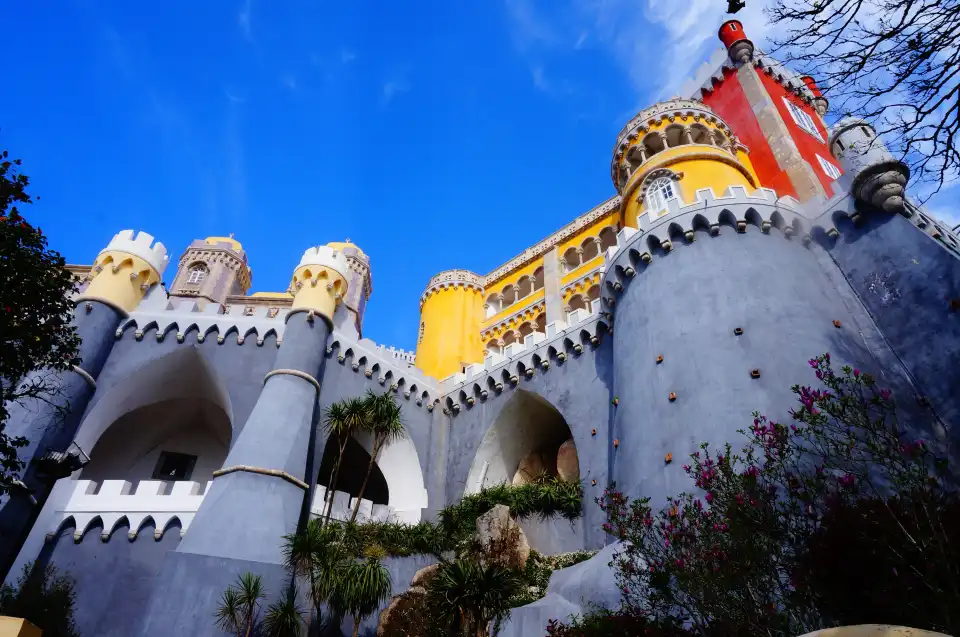
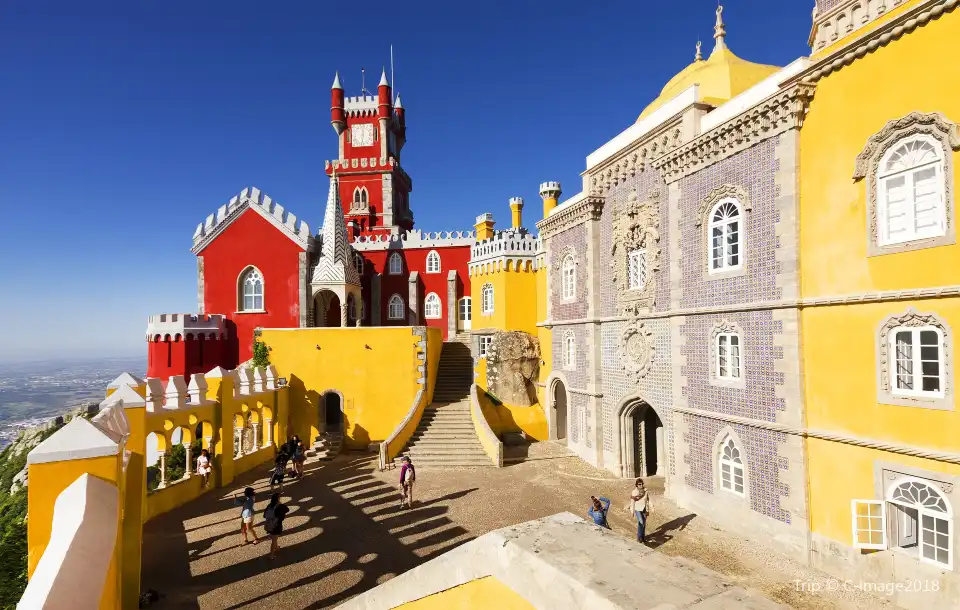
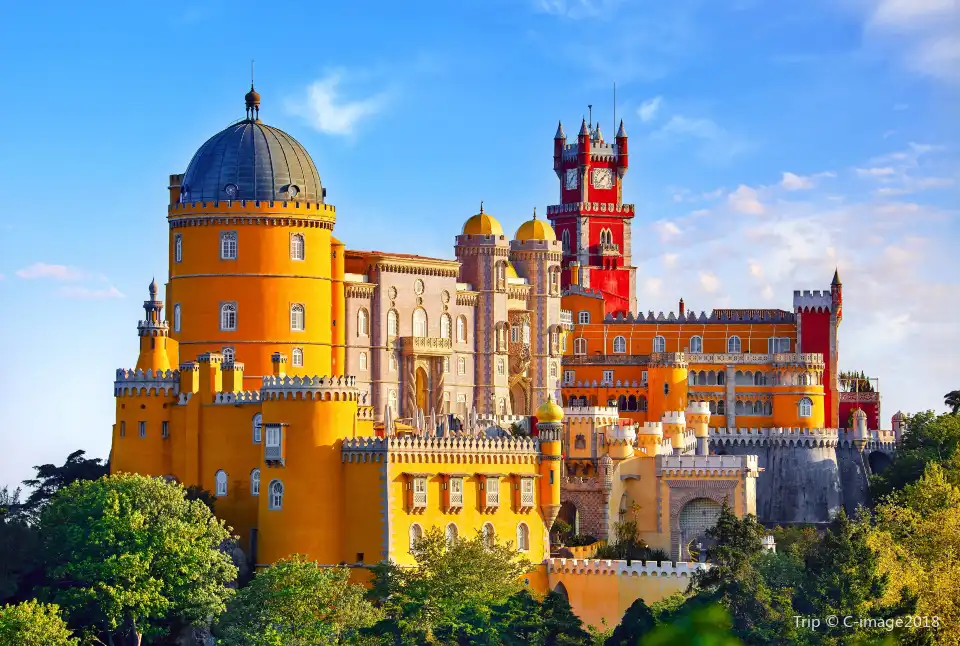
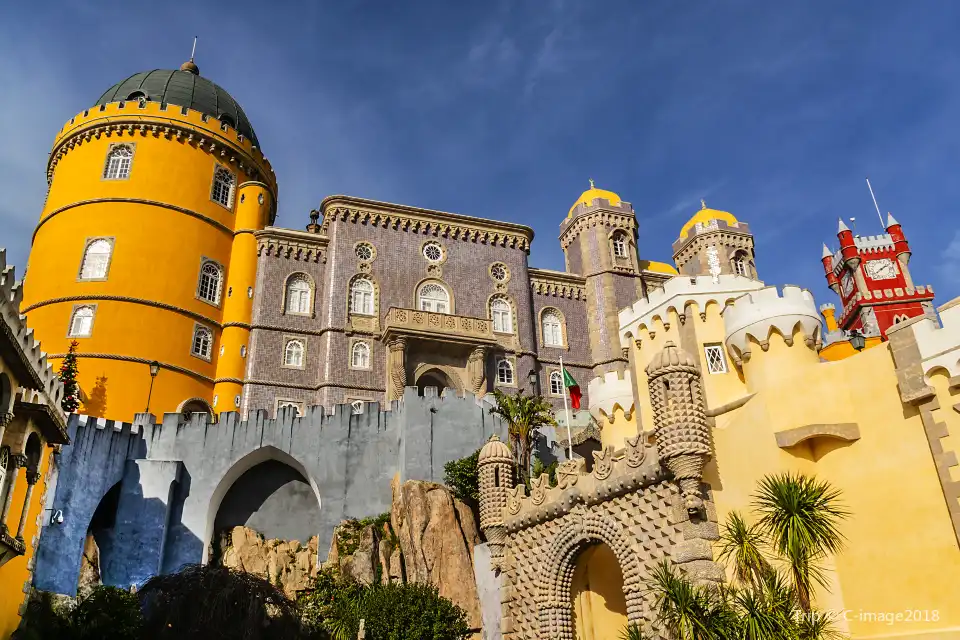
Pena Palace is the king's departure palace, its dazzling, peculiar, pretentious figure looks like a paradise castle. The palace itself is a hodgepodge of various architectural styles, including Gothic, Renaissance, Moorish, and Manueline (Manueline, the architectural style of the reign of King Nuel I of Portugal). The brainchild of Ferdinandofsaxe-Coburg-Gotha, husband of Queen Maria II. It is not only a national monument of Portugal, but also one of the seven wonders of Portugal. It is located on the top of a hill in the São Pedro de Penaferrim in Sintra, near Lisbon. It is clearly visible in the city of Lisbon in clear weather. In 1995, it was selected as a World Heritage Site as part of Sintra's Cultural Landscape. It is now frequently used for state activities by the President of Portugal and other government officials. In the Middle Ages, it was only a chapel of Our Lady. In 1493, Joao II and his wife came here for a pilgrimage. His successor, Manuel I, built the monastery. In 1755, the monastery was razed to the ground in the Lisbon earthquake. From 1842 to 1854, great efforts were spent to build the royal summer palace. The architect was Baron von Eschwege, a German, and was finally completed in 1885.
Other visitors' reviews of National Palace of Pena
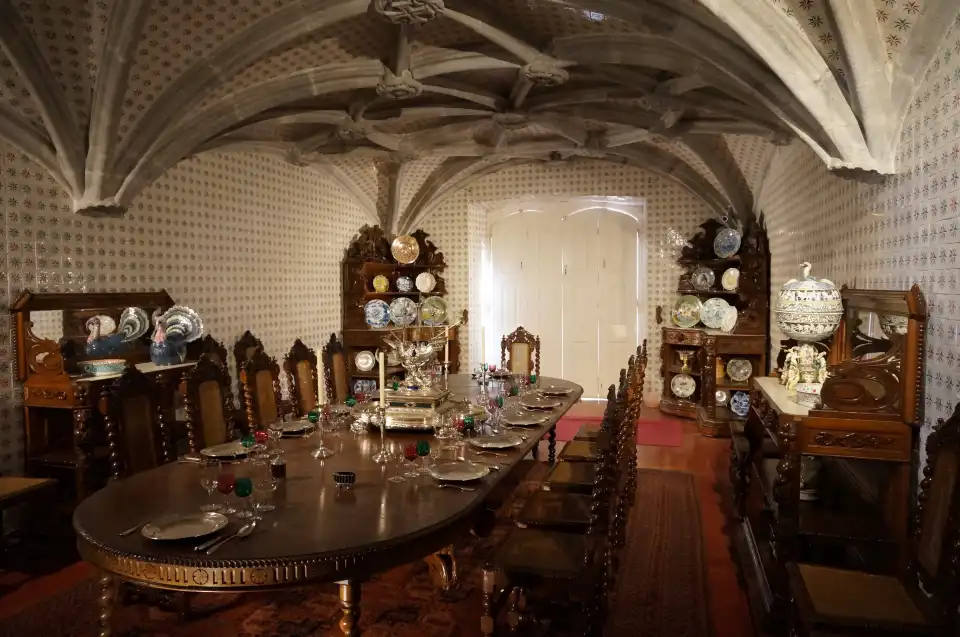
Show More ReviewsThere were no security checks at Pena Palace, so you could bring a selfie stick in—unfortunately, I didn't know that beforehand. The main gate leads to the gardens. Then you have to climb the hill to reach Pena Palace at the top; there are electric carts available for seniors. The time you queue to enter the castle at the top of Pena Palace is based on your reservation time; it takes about half an hour from the gate to the castle. We didn't know this beforehand and were quite late, but they still let us in. Pena Palace is so brightly colored, like a castle from a fairy tale. Pena Palace (Palácio da Pena) – located on a hilltop in Sintra near Lisbon, is a masterpiece of 19th-century European Romantic architecture and one of Portugal's most photogenic landmarks. I. Background: From Monastery Ruins to Royal Summer Palace * Origin: A small chapel dedicated to Our Lady of Pena was built on the hilltop in the 12th century. In the early 16th century, King Manuel I ordered the construction of a monastery on the site. * Disaster: The 1755 Lisbon earthquake almost completely destroyed the monastery; only the chapel survived. * Rebirth: In 1838, Ferdinand II ("King of Arts"), husband of Queen Maria II, purchased the ruins and surrounding land, commissioning the German architect Baron von Eschweg to rebuild the summer palace on the original site. Construction took place between 1842 and 1854. * Status: Predating Neuschwanstein Castle in Germany by about 30 years, it is one of the earliest Romantic palaces in Europe. II. Architecture: A "Hodgepodge" of Four Styles The most captivating aspect of Pena Palace is its blend of Gothic, Manueline, Moorish, and Renaissance styles. The exterior walls are predominantly bright yellow and burgundy, creating a fairytale-like atmosphere when shrouded in mist. * Old Wing: The remains of a 16th-century monastery, including a chapel and cloisters, with a predominantly old rose color scheme. * New Wing: A 19th-century expansion, including the main hall and a circular tower, with a predominantly ochre color scheme. State offices are concentrated here. * **Iconic Gate:** The Triton Gate, with its half-human, half-fish sculpture of Neptune and blue-and-white tiles, is the most iconic feature of Pena Palace. * **Penaeus Sanctuary Chapel:** Located at the heart of the complex, dedicated to Our Lady of Pena, its altar and vaulted ceiling are the palace's most sacred and historically significant parts. III. Must-See Highlights * **Red and Yellow Exterior:** The pale yellow towers, wine-red domes, and blue-and-white tiled arcades create Pena Palace's most classic image. * **Royal Rooms:** The Swan Hall, the Royal Bedroom, and the colorful tiled arcades retain their 19th-century original appearance, exquisitely retro. * **Mounttop Terrace:** Overlooking the town of Sintra and the Moorish Castle, with panoramic views of the Atlantic Ocean on clear days. * **Penaeus Park:** Spanning approximately 200 hectares, it boasts over 500 species of trees from around the world, making it one of the most diverse gardens in Europe. Interestingly, the castle's collection includes a piece of porcelain belonging to an elderly Chinese couple, reflecting their yearning for the mysterious East during the Age of Exploration.