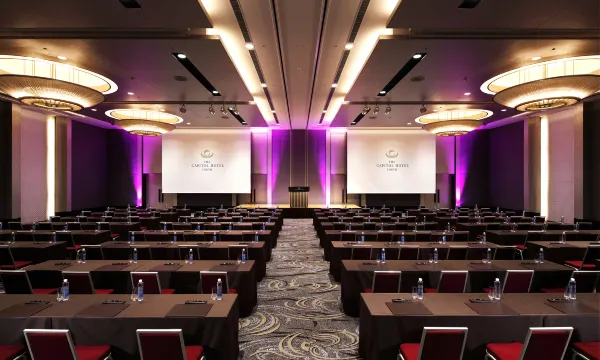
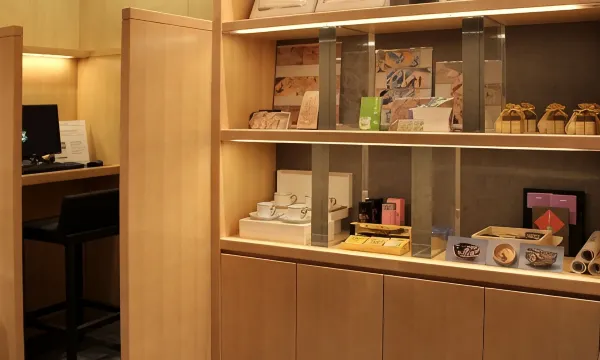
I come to Tokyo several times a year, staying a fortnight or more each time. This time I spent seven nights at The Capitol Hotel Tokyu.
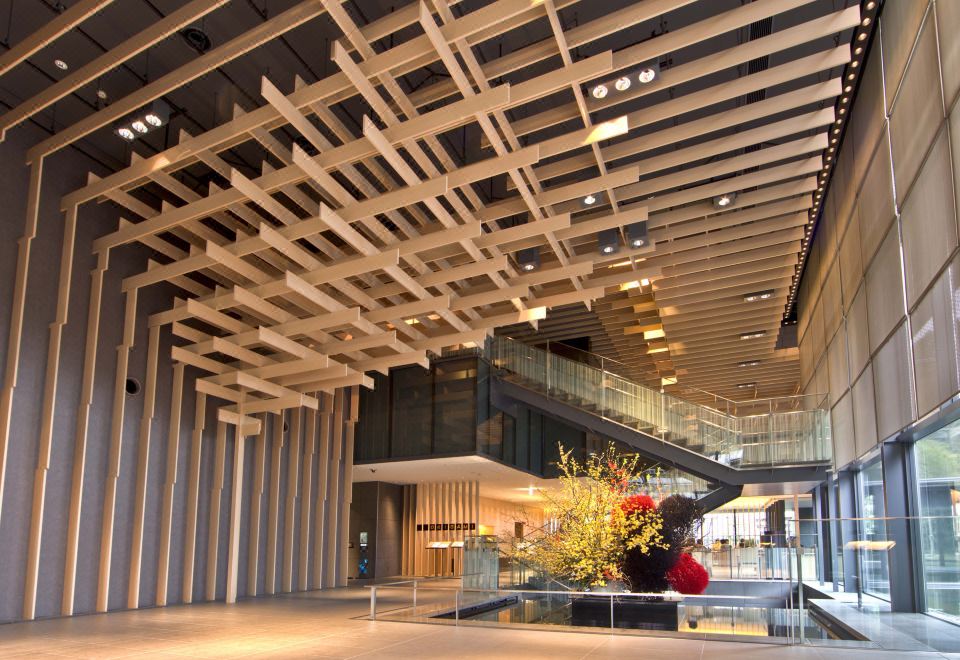
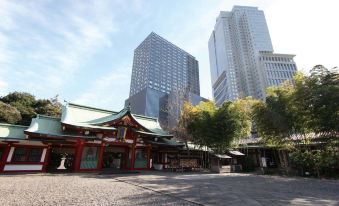
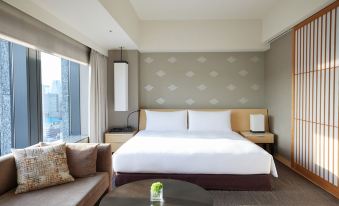
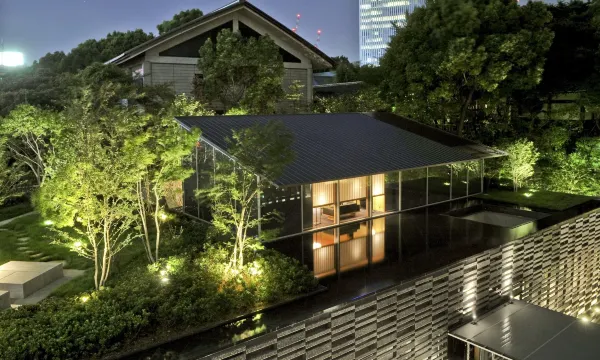
The room faced Hie Shrine. Through the floor-to-ceiling windows I could see the shrine's copper roof and half of Tokyo's skyline. The décor was modern without excess; the layout flowed easily, Bose speakers hidden in the walls, another set in the bathroom ceiling, connected by a 3.5mm jack. The curtains were motorized, though you hardly needed to close them.
The turndown service. I would leave in the evening and return late to find the room changed: only the hallway light and bedside lamp left on, a bottle of water and a glass on the nightstand, two chocolates beside them. The evening tea and teacup, previously stored in the cabinet, had been moved next to the coffee machine. These changes were so slight you had to think back carefully to confirm they had happened at all. The temperature and humidity had been adjusted. As if the room itself remembered your habits.
Room service fell short of the ryokan in Hakone or Lake Toya, but well above the ordinary hotel. Each day I made two or three cups of complimentary coffee, played music, read, wrote. In seven days I finished three books. The research ahead began to take shape.
There were drawbacks. No washing machine, but a decent laundromat ten minutes' walk away—a chance to wander the streets of Akasaka. The room provided HDMI and ethernet ports but no cables; for those who came to rest, perhaps a mercy. The minibar fridge was mostly occupied by drinks for purchase, same as the Imperial, though there was still room for my sparkling water.
The day I left it was half past five and fully dark. I could barely make out the faces of the bellhop and the taxi driver. Together they loaded my luggage into the boot. I wished the bellhop a happy new year in Japanese and told her I liked her hat. She smiled and returned the greeting. As the taxi pulled out of the underground drive, I thought of the inns Kawabata once wrote about: what had to be sought in the mountains of snow country can now be reached by elevator from the B2 exit of a metro station.
I have watched the Shinagawa Prince Hotel loosen quietly over time, slip a little. That kind of decline is rarely one great error. It begins the day someone forgets to leave a glass of water, neglects to move a packet of tea, omits a newspaper. As for The Capitol Hotel Tokyu: in Japanese, what I experienced over these seven days is called ちょうどいい.