Traffic control time-slot reservation
Jinci Temple Museum
晋祠博物馆 based on 119 reviews
 2026 Asia 100 - Family-friendly Attractions
Closed for the day Opening hours of Jinci Temple Museum
Jinci Temple Museum Highlights: Must-See Features and Attractions
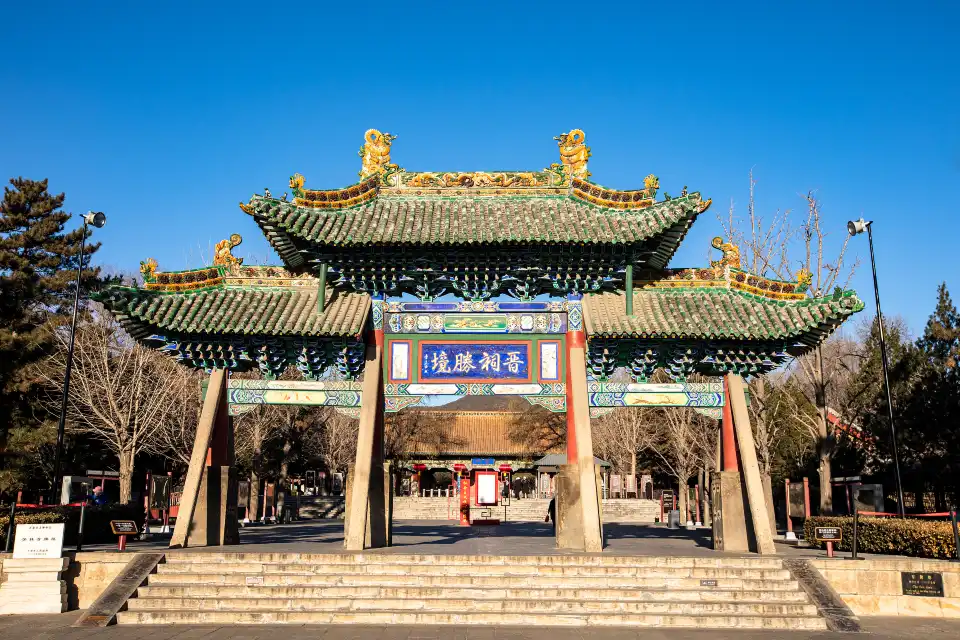
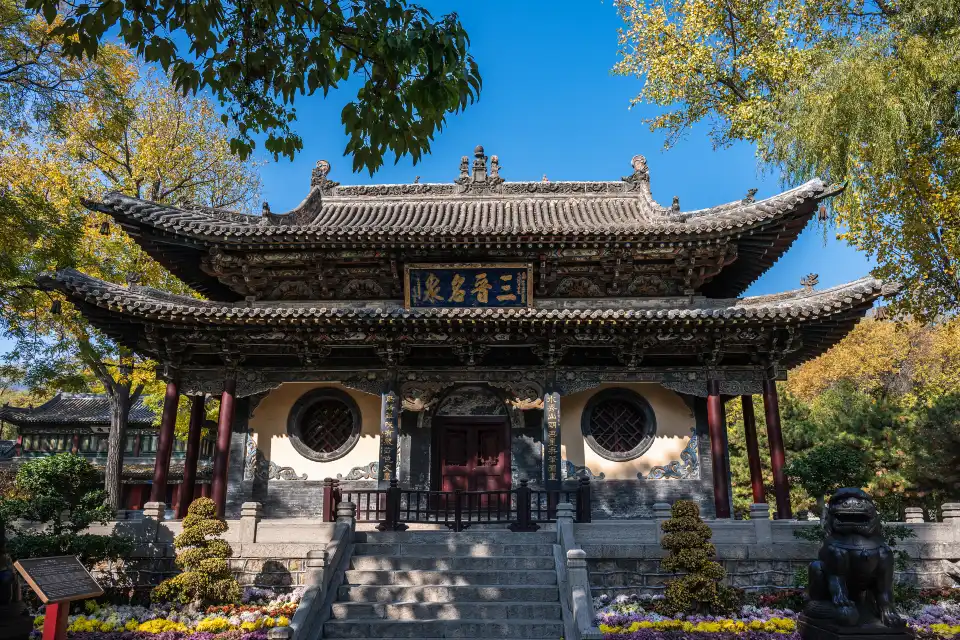
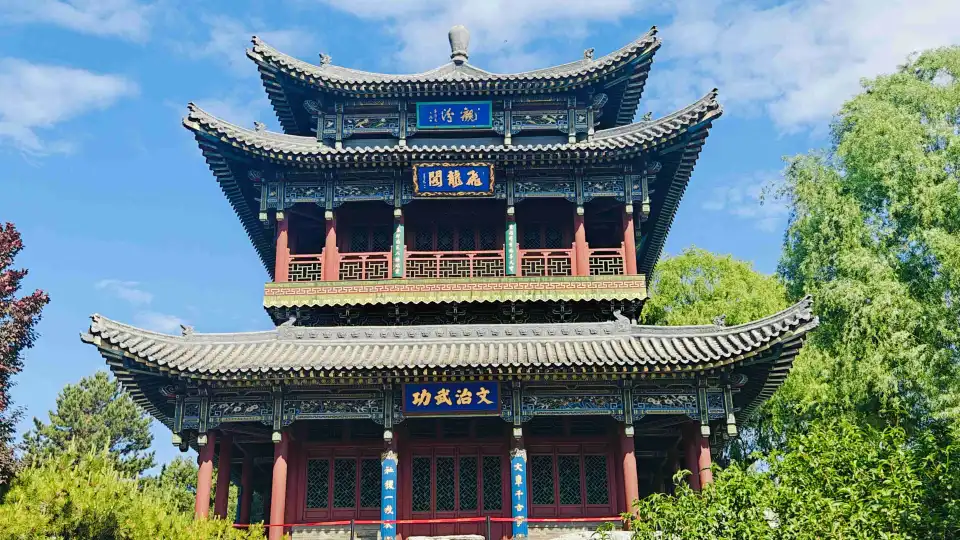
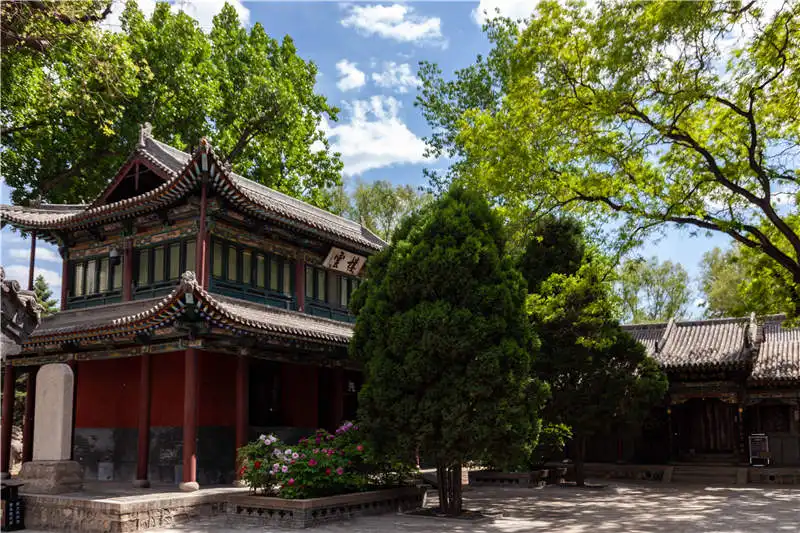
Jinci Temple Museum is located at the foot of Xuanweng Mountain by the banks of the Jin River. It is an ancestral temple built to commemorate Tang Shuyu, the founding feudal lord of the State of Jin, and is also one of the earlier surviving royal sacrificial gardens in China. There is a saying that "you have not truly visited Taiyuan until you have visited Jinci." The ancient buildings in the museum are arranged in sequence along the central axis, among which the Xian Hall, the Flying Bridge over the Fish Pond, and the Hall of the Holy Mother are known as the "three treasures," while the Zhou Cypress, the Never-Aging Spring, and the Song dynasty attendant statues are known as the "three wonders"—these are the core highlights of any visit.
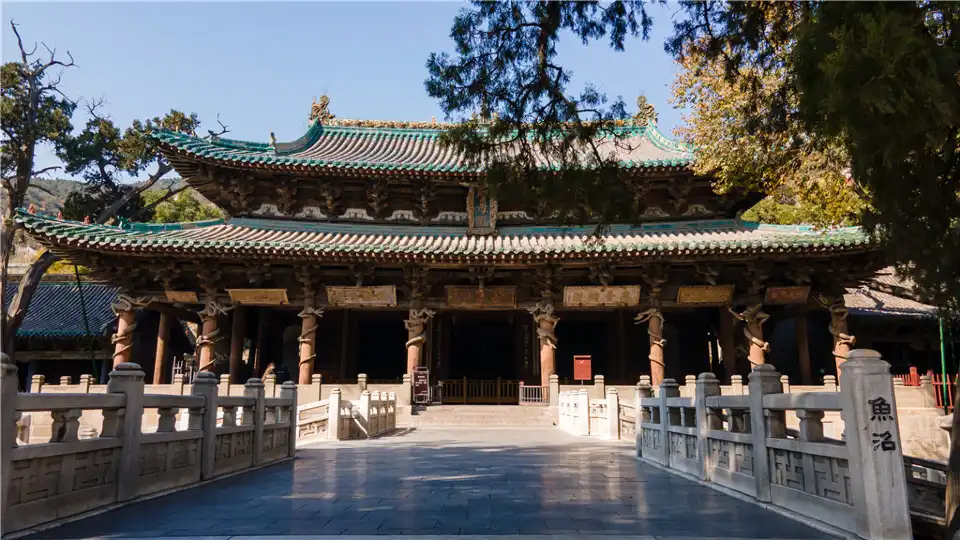
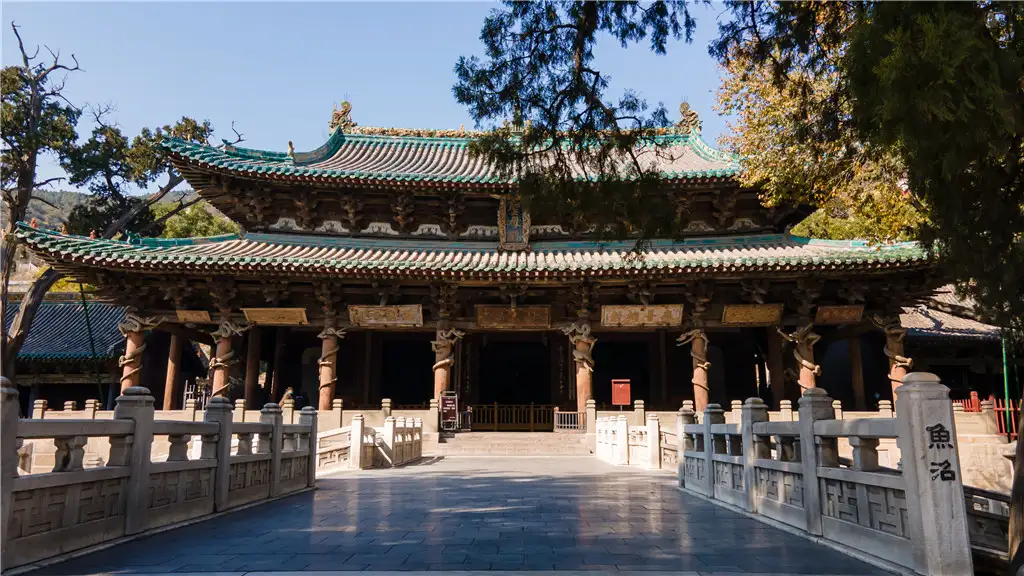
The "Three Treasures" are located on the central axis and can be visited together. Xian Hall is the place where sacrificial offerings are placed. The hall is surrounded by railings instead of walls, making it well-ventilated and bright, and its beam structure is simple and lightweight. The Flying Bridge Across Fish Pond is on the west side of Xian Hall. It is a cross-shaped ancient bridge built over a square pond, resembling a modern overpass in form, and this type of bridge structure is extremely rare among surviving ancient buildings. The west end of the bridge connects to Shengmu Hall, the oldest surviving building in the museum. Wooden carved dragons coil around the porch columns in front of the hall, making them relatively early surviving examples of wooden coiled dragons. The hall interior was built using the reduced-column method, creating a rather spacious interior. It houses dozens of Song Dynasty colored sculptures, with the main statue of Shengmu seated in the shrine and the remaining attendants arranged on both sides with varied expressions. One attendant statue is half joyful and half sorrowful, vividly lifelike and moving.
With Shengmu Hall as the center, you can also seek out the "Three Wonders." The Zhou Cypress is located on the north side of Shengmu Hall. It is said to have been planted in the Western Zhou Dynasty, and its trunk leans south like a reclining dragon, full of ancient majesty. The Never-Aging Spring is located on the south side of Shengmu Hall and is the main source of the Jin River. The museum also houses the Stele of the Inscription and Preface to Jinci, composed and handwritten by Emperor Taizong of Tang, Li Shimin, whose running-script calligraphy is vigorous and forceful. In the southern part is the Shifang Fengsheng Zen Temple, said to have originally been the villa of the Tang Dynasty general Yuchi Gong. In the Futu Courtyard, the Sarira ShengSheng Pagoda can be climbed for a distant view. The Jinci temple fair has been passed down to the present day and has been included in the national-level intangible cultural heritage list. The Water Mirror Stage, an ancient theater stage in the museum, is an important venue for activities during the temple fair.
Jinci Temple Museum Reviews: Insider Insights and Visitor Experiences
Jinci Temple Museum Photos: Trip Moments
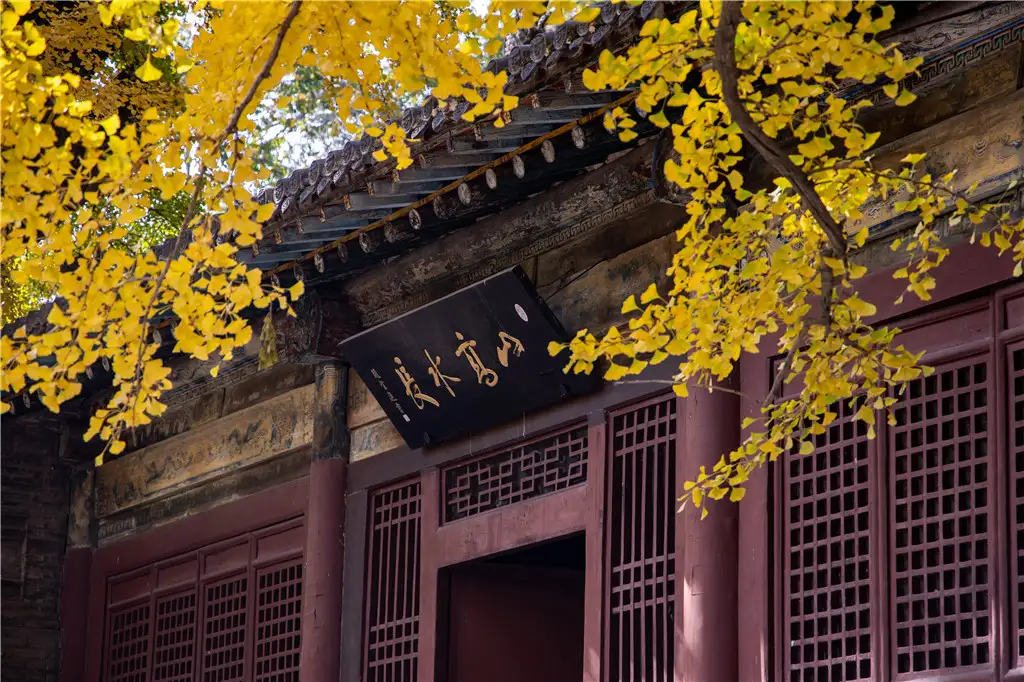
 Autumn in Taiyuan is absolutely stunning.The 500-year-old ginkgo trees at Jinci that everyone has been waiting for are finally at their peak viewing period! 🎉 The male and female intertwined ginkgo trees are truly breathtaking. The male tree is currently 70% yellow, and the female tree is 30% yellow. This weekend is expected to be the peak viewing time. ✨ Golden ginkgo leaves paired with ancient architecture make every shot a masterpiece. 📸 I declare this the top-tier autumn spot in Taiyuan! There are also two cute kittens in the park 🐱. They are super friendly and will even rub against you while you take photos. 📍 Qiongwang Temple, on the left side of Jinci Museum 🎫 Admission ticket: 80 yuan, free with the tourist pass 💡 Tips for your visit: It's best to go in the morning; the sunlight filtering through the ginkgo leaves is stunning. Wear light-colored clothing for better photos. The steps in front of the ancient tower are also an excellent photo spot. You can capture the perfect blend of the mountain city architecture and autumn colors. 🏯KristianKristiansen

 Autumn in Taiyuan | The ginkgo trees at Jinci are turning into an oil paintingThe romance of autumn in Taiyuan Is hidden in the ginkgo trees at Jinci Golden leaves fall beside the ancient temple's eaves Every photo looks like an oil painting 📌 Jinci ginkgo guide ▪️ Best viewing time: Late Oct – early Nov (varies slightly each year depending on temperature) ▪️ Golden hours for photos: Before 9 AM / 3–4 PM, soft light, avoid the harsh midday sun ▪️ Photography tips: ✔️ Shoot from a low angle, using the blue sky + golden trees against the ancient roof ridges for the best atmosphere ✔️ The blue brick lattice windows in the garden can be used as frames; shooting the ginkgo through the windows captures the unique charm of Jinci ✔️ Don't step on the fallen leaves; low-angle shots of leaves covering the steps look great ▪️ Tips: It's crowded on weekend mornings; arrive early if you want to see the trees in peace 🏡 After enjoying the autumn scenery at Jinci If you want to hold onto this autumn vibe You can stay at the nearby "Sanxi Yinquan" It's also a Chinese-style courtyard With blue tiles, wooden beams, and carved eaves The courtyard is quiet and peaceful Echoing the ancient atmosphere of Jinci Rest here when you're tired of walking A quiet courtyard Perfect for soaking in the lingering charm of late autumn in Jinyuan 🍂AdventurousAvenues


- 新年好去處2026
- travel2026
- 香港輕旅行
- 中國內地景點
- 山西旅遊
- china
- chinatravel
If You Only Visit One Place in Taiyuan, Make It Jinci Temple.As a local who has visited Jinci countless times, I highly recommend a relaxed half-day trip during the off-season 👍. While the entire Jinci Scenic Area is massive, the true essence is concentrated within the Museum (the core ancient architectural zone). Don't spend too much time in the peripheral parks! 🌿 📍 Recommended Route: Shuijing Platform ➡️ Jinren Platform ➡️ Duiyue Archway ➡️ Xian Hall ➡️ Yuzhao Feiliang ➡️ Shengmu Hall (Hall of the Holy Mother) ➡️ Zhou Cypress ➡️ Nanlao Spring. The "Three Treasures" and "Three Wonders" of Jinci are absolute must-sees: ✨ The Three Treasures: Breathtaking Architectural Miracles 📍 Shengmu Hall (Hall of the Holy Mother): Built during the Northern Song Dynasty, this is the oldest surviving structure in Jinci. Eight wooden dragons coil around the pillars in front of the hall—fierce and lifelike, they are China's earliest surviving examples of wooden dragon pillars, remaining majestic after a thousand years. 📍 Yuzhao Feiliang: Located between Xian Hall and Shengmu Hall, this is a cross-shaped bridge built over a pond. Breaking the traditional form of single-direction stone bridges, it is the only surviving ancient cross-bridge in China and a unique masterpiece in architectural history. 📍 Xian Hall: A sacrificial hall from the Jin Dynasty. Built without a single iron nail using advanced mortise and tenon joints, it is open on all four sides like a pavilion. It stands as a textbook example of ancient Chinese craftsmanship. ✨ The Three Wonders: Art Across Millennia 🏆 Song Dynasty Maid Figurines: Inside Shengmu Hall, these 40+ colorful sculptures break away from the stiff, conventional style of religious icons. Each maid has a unique physique and expression—joy, sorrow, or contemplation—vividly capturing the emotions of ancient court attendants. It’s widely considered a pinnacle of Chinese sculpture. 🏆 Zhou Cypress: Estimated to be 3,000 years old, dating back to the Western Zhou Dynasty. The trunk tilts at over 40 degrees, yet it remains sturdy and lush despite millennia of wind and frost, standing like a silent witness to history. 🏆 Nanlao Spring: The main source of the Jin River. The water maintains a constant temperature of 17°C year-round. The famous poet Li Bai once praised it, comparing the water to green jade. It has nourished the lands of Taiyuan for thousands of years. You'll also spot signs for filming locations from the classic 1986 TV series Journey to the West 📸. The scenic area is incredibly photogenic—I only waited 10 minutes for the famous "influencer" photo spot this time. After your tour, take the 10 RMB shuttle at the exit; enjoying the breeze and the scenery is the perfect end to the trip 😌. ⚠️ Practical Tips: Museum Ticket 🎫: 80 CNY (half price for Chinese undergraduate/vocational students with ID). Booking online in advance is essential during peak seasons. I highly recommend hiring a guide or renting an audio guide to truly appreciate the history behind these ancient structures.Esucen17
 Shanxi’s almost “invisible” ancient city, but perfect for photos!Stepping into the old county town is like walking through a corridor of time, returning to the ancient city of Jinyang with its gray bricks and black tiles. Climb the city wall at dusk to see the silhouette of the paifang under the setting sun, evoking a sense of destiny spanning a thousand years. Although the Taiyuan old county town is a reconstructed replica, it faithfully restores the architectural layout and historical context of Jinyang ancient city from 600 years ago. Admission is free, and it’s not far from Jinci Temple. If you’re traveling to Taiyuan, consider spending half a day here✨ Location 🏯: Taiyuan old county town Admission 🎫: free. Open 9:00 AM–10:00 PMWhisperSorcerer1


- ไท่หยวน
- แจกแพลนเที่ยว
- เที่ยวจีน
- chinalife
- เที่ยววัด
- china
- chinatravel
Following the trail of a series in TaiyuanA city with a 3,000-year history. Some cities are not just beautiful, they "tell a story." Taiyuan is one of those cities. After finishing the series "Peaceful Year" (太平年), I immediately booked a train ticket. As the ancient city gates in the series slowly opened, the 3,000-year history of the Jin Kingdom seemed to flow onto the real streets. Standing here, looking up, it feels like time has turned back 1,000 years... 🚄 Travel from Beijing 📍 Beijing Fengtai → Taiyuan South ⏰ 08:56 – 11:15 (approximately 2 hours) 📍 Taiyuan South → Beijing Fengtai ⏰ 18:06 – 21:01 The high-speed train is very convenient, perfect for a 3-day, 2-night trip. 🗺 3-Day, 2-Night Itinerary Day 1 · Shanxi Museum · Puguang Temple · Jin Merchant Museum · Stroll along Zhonglou Pedestrian Street Day 2 · Jin Temple (晋祠) · Ancient County City · Botanical Garden Day 3 · Beiqi Mural Museum · Twin Pagoda Temple · Chunyang Palace 🌿 Highlights Not to Miss 1️⃣ 晋祠 (Jin Temple) Follow the scenes of the temple from the series. A 3,000-year-old cypress tree, an ancient green pond, and the serene morning light. This is not just a temple; it is history still breathing. 2️⃣ Ancient County City Walk along the city walls and watch the golden sunset. It feels like a scene from a historical movie. Cool breeze, warm light, and the shadows of ancient structures stretching across the stone ground. 3️⃣ Shanxi Museum Discover ancient artifacts from the Warring States period. Look for the "Shang Dynasty Bird," a small and adorable artifact nicknamed "The Shang Dynasty's Proud Bird." 4️⃣ Beiqi Mural Museum A museum built on an actual tomb, offering a "zero-distance" experience with history. It's a rare find. 5️⃣ Twin Pagoda Temple One of Taiyuan's landmarks. From the top, you can see the entire city, old and new, in one frame. I stayed near Wanguocheng, a central location that's convenient for getting around. Eating, shopping, strolling—everything is within reach.Crazy.traveler เที่ยวจะเครซี่135
 Taiyuan: A City of Vinegar and Half of China's HistoryTaiyuan's most distinct character lies in the extreme contrast between the "ancient" and the "trendy." This is the "Dragon City." Jinci Temple has rested quietly at the foot of Xuangweng Mountain for 3,000 years. The 43 colored sculptures in the Song Dynasty Hall of the Holy Mother are known as the "Oriental Venus," and the Fish Pond Flying Bridge is the only remaining cross-shaped ancient bridge in China. But Taiyuan is more than just sleeping ancient architecture—the domestic 3A game Black Myth: Wukong made it an overnight sensation. Young players from around the world are following Wukong's footsteps, flocking to Jinci Temple to check in at the game's iconic Song Dynasty coiled dragon pillars. You can enjoy "Tou Nao" at Qingheyuan in the morning—a medicinal soup created by Fu Shan for his mother that warms the body and soul. Or, you can cycle along the 88-kilometer Fenhe River bike path in the evening and watch this once "dusty" industrial city transform into an ecological corridor where egrets nest. This is a city that has brewed "vinegar" into its soul and turned "noodles" into an art form. Come to Taiyuan and see how a 3,000-year-old temple is being relit by a group of "Destined Ones." Taiyuan 2-Day Itinerary: One Temple, One Pagoda, Half of Shanxi's History For accommodation, choose the area near Liuxiang or Zhonglou Street. Getting around is easy by taxi or public transport. Day 1: The pinnacle of ancient architecture. Head straight to Jinci Temple in the morning—"If you haven't been to Jinci, you haven't really been to Taiyuan." The Song Dynasty colored sculptures in the Hall of the Holy Mother, the thousand-year-old Zhou cypress, and the Nanlao Spring are known as the "Three Wonders," and the Fish Pond Flying Bridge is the only remaining cross-shaped ancient bridge in China. Be sure to hire an official guide and avoid unofficial ones. In the afternoon, visit the Taiyuan Botanical Garden; the viral escalator is perfect for photos and looks best when lit up after dark. In the evening, stroll through Zhonglou Street, where the retro arcades are brilliantly lit. Try the wantuo (buckwheat jelly) and zhanchuan (dipped skewers) at Food Street, but don't have a full meal there. Day 2: Culture, museums, and landmarks. Spend the morning at the Shanxi Museum. The Jin Marquis Bird-shaped Zun is the museum's treasure—book 3 days in advance, and note that it is closed on Mondays. In the afternoon, head to the Twin Pagodas of Yongzuo Temple, a Taiyuan landmark. Go after the lights come on in the evening; they are just two brick pagodas during the day, but the night view is the real highlight. In the evening, cycle along Fenhe Park; the evening breeze is refreshing, and it's a healing sanctuary for locals. Tips: Admission to the Jinci Museum is ¥80, while the Shanxi Museum is free but requires a reservation. For authentic guoyourou (oily pork) and knife-cut noodles, small shops in the old town are more authentic and cheaper than those on commercial streets.HenrikMortensen

 I rarely use the word "stunning" to describe a place: Taiyuan Jinyuan!Do you think that visiting Jinci means you've been to Taiyuan? No, no, actually, you are just standing at the starting point of a legend. The area where Jinci is located holds so many surprises! This is Jinyuan District in the southwest of Taiyuan, the site of "Ancient Jinyang" (the old name for Taiyuan). My 2-day travel itinerary: Day 1: Jinci - Highway Bridge - Tianlongshan Grottoes - Mengshan Scenic Area - Botanical Garden Day 2: Mingxiu Temple - Longshan Grottoes - Tongzi Temple Ruins - Ancient Taiyuan County (Jinyang Ancient City Archaeological Museum, Confucian Temple, Drum Tower, City Wall)Evelyn.Perry@73

 The Most Beautiful Jinci Temple in AutumnAutumn at Jinci Temple is absolutely stunning! As deep autumn arrives, the entire Jinci Temple transforms into a paradise of interwoven red and yellow hues, perfect for a leisurely stroll and soaking in the beauty of the golden ginkgo leaves scattered on the ground✨. For the best photos, visit on a sunny day when sunlight streams down, koi fish swim gracefully in the clear waters, and willows sway gently around you, creating a dreamlike scene straight out of a traditional Chinese painting. Jinci Temple offers more than just breathtaking natural scenery. Its traditional Chinese architecture harmonizes beautifully with the surrounding rivers and lakes, making both distant and close-up views equally mesmerizing. The strong autumn vibe adds a special charm, making it an ideal spot for family outings, romantic dates, or a fun trip with friends💛. Jinci Temple Address: Jinci Town, Jinyuan District, Taiyuan City, Shanxi Province Opening Hours: Daily 08:00 - 18:00 If you're planning an autumn trip, make sure to bookmark Jinci Temple! This seasonal beauty is not to be missed!Anna.e.e

 Don't stress about what to wear in Taiyuan—you really don't need to pack everythingTaiyuan is warm during the day, but mornings and evenings are chilly enough to need a jacket. The temperature difference can be as much as 15 degrees. A T-shirt is fine at noon, but you'll be shivering if you head out in the morning. Dress wrong, and you'll be uncomfortable all day. Read this carefully before you head out. 👔 Taiyuan clothing advice 👉 It's in the 20s at noon and warm in the sun, so a T-shirt or thin long-sleeved shirt is fine. You'll feel quite warm walking in the sun. 👉 Temperatures drop to the teens in the morning and evening, so you must carry a light jacket or windbreaker. The temperature difference is extreme. 👉 Taiyuan is very dry in autumn, so bring lip balm and moisturizer. The wind can easily chap your lips. 👉 Don't skip sunscreen, sunglasses, and a sun hat. The UV index is moderate to strong, and the midday sun is intense. 👉 Choose non-slip sneakers. Places like Tianlong Mountain and Jinci have many stairs and slopes; canvas shoes will tire your feet after a while. ⭐ Essential packing list 1. Thin jacket or windbreaker: For the large temperature difference between morning and evening; easy to put on and take off. 2. Lip balm and moisturizer: Taiyuan is truly dry in autumn. 3. Sun protection trio: The midday sun is intense. 4. Thermos: Shanxi noodles are on the salty side, so drinking more water will keep you comfortable. 5. Mosquito repellent: Useful for evening strolls in the park. 6. Power bank: You'll use a lot of battery taking photos at museums. ✅ Taiyuan travel tips 1. Plan your visits to Jinci and Tianlong Mountain Grottoes for early morning or after 3:00 PM. The midday sun is blinding, and the lighting isn't great for photos. 2. The Shanxi Museum is cool indoors. It's perfect for hiding away for two or three hours at noon to explore the rich collection at your own pace. 3. Taiyuan is cool in the evening. Cycling along the Fenhe Scenic Area riverside bike path is quite pleasant, and the Jinyang Lake loop greenway looks beautiful when the lights come on at night. 4. Look for noodle shops in old residential areas. You can't go wrong with a small shop serving knife-cut noodles, ti-jian, or oat noodles. The ones near tourist attractions are expensive and average. 5. Visit Taiyuan Ancient County in the evening. The lights and ancient architecture create a great atmosphere, and it's too hot and tiring to walk around during the day. 6. The stairs at Tianlong Mountain Grottoes are steep. Wear non-slip shoes and take your time. Don't climb over railings for photos. 7. Fruit picking orchards around Taiyuan have ripe fruit right now. You can pick grapes and apples in Yangqu. Check if they are open before you go so you don't make a wasted trip.Raven~Cook1

 Taiyuan is beautiful, but I won’t go back.🌿 Finally heading to the thousand-year-old Dragon City, Taiyuan! This treasure city hides the ancient charm of northern China and is full of lively local food. It boasts both the rich heritage of millennia-old architecture and the comforting atmosphere of everyday life. 📅 Day 1: City charm and local life route|Explore old streets, taste Shanxi flavors, visit cultural museums 🏛️ Morning: Shanxi Museum (9:00 AM–11:30 AM) This is a must-visit core attraction in Taiyuan. It’s free but requires online reservation 3 days in advance. Closed on Mondays, so don’t show up then! It’s best to arrive around 8:30 AM and head straight to the main exhibits on the second floor after opening to avoid crowds and fully immerse yourself in the treasures of Shanxi culture. The museum holds many national-level artifacts. Highlights include the Bird-shaped Zun, animal-shaped wine cups, and the Houma Alliance Charter. Each piece tells the thousand-year history of the Sanjin region. Take your time to explore and enjoy the atmosphere. 🍜 Noon: Authentic Shanxi lunch on the old street (12:00 PM–1:30 PM) After the museum, head straight to the old town food area to try authentic Taiyuan flavors! Must-try dishes include the soft and sweet yellow rice jelly coated with osmanthus sauce, the signature lamb soup that’s fresh without any gamey taste paired with crispy fried flatbread, and the flavorful youmian kaolao noodles and fried pork. These authentic Taiyuan tastes won’t disappoint, and the portions are generous and affordable. 🏮 Afternoon: Stroll along Zhonglou Street and Liuxiang (2:00 PM–5:00 PM) These two connected century-old streets form Taiyuan’s liveliest commercial area! The vintage archways blend perfectly with trendy shops, creating a mix of old and new vibes. It’s great for walking, taking photos, and visiting popular landmarks. The streets are lined with creative shops and specialty stores where you can browse Shanxi specialties like aged vinegar and jujube cakes ahead of time, so you don’t have to rush your shopping later. 🌃 Evening: Fen River scenic area night walk (7:00 PM–9:00 PM) The evening breeze is cool as you stroll along the Fen River banks, watching the lights come on along both sides. The river sparkles, and the city nightscape feels gentle and soothing. No need to rush—just enjoy a leisurely walk and the relaxed city night atmosphere to end a fulfilling first day. 📅 Day 2: Ancient architecture and hidden gems route|Explore Jin Temple and slow tour of the old city ⛩️ Morning: Jin Temple Museum (8:30 AM–12:00 PM) A must-visit in Taiyuan, this is China’s oldest surviving royal sacrificial garden and the pinnacle of ancient Sanjin architecture! Tickets cost 80 yuan in peak season; it’s best to buy in advance. Beginners are strongly advised to rent an audio guide or join a group tour with a guide to fully understand the historical significance behind the architecture. Key highlights include the thousand-year-old sturdy Zhou cypress, lifelike Song dynasty colored sculptures, and the ever-flowing Nanlao spring. The ancient halls, stone bridges, and flowing water create a picturesque scene at every turn, full of ancient charm. 🍱 Noon: Local specialty lunch near Jin Temple (12:00 PM–1:30 PM) The area around the temple is filled with local family-run eateries. Avoid overpriced tourist spots and choose places frequented by locals. Recommended dishes include Shanxi knife-cut noodles, Pingyao beef, and sweet and sour meatballs. The flavors are authentic and the value is excellent, perfect for refueling before the afternoon. 🏯 Afternoon: Taiyuan ancient county town (2:00 PM–6:00 PM) Not far from Jin Temple, this ancient town replicates Ming and Qing dynasty architecture with blue bricks and black tiles, full of old street and alley atmosphere! The town is free to enter, with some small exhibitions charging separately. Take your time wandering leisurely. Visit the county government office, the cross-shaped old street, and the ancient city tower. Every photo looks like a classic ancient scene. The town is not crowded, very comfortable, ideal for relaxing, walking, and photography. 🌙 Evening: Ancient town night view and local snacks to finish The ancient town at night is even more atmospheric than during the day! Explore the night market and try lesser-known Shanxi snacks like chao bolan, wantuo, and fermented glutinous rice balls. Experience authentic local life. Stay overnight in the city for easier transportation. 📅 Day 3: Mountain serenity and cultural landmarks route|Worship, fresh air, and landmark check-in 🙏 Morning: Mengshan Giant Buddha (8:30 AM–12:00 PM) A must-visit natural and cultural site in Taiyuan, this is one of the world’s earliest giant cliff Buddhas, even older than the Leshan Giant Buddha! The mountain path is gentle and surrounded by lush greenery with fresh air. The hike is easy, suitable for beginners, seniors, and children. At the top, get a close view of the 63-meter-tall Mengshan Buddha. The statue is solemn and magnificent, the mountain peaceful and quiet, far from city noise—perfect for a calm walk and relaxation. 🥗 Noon: Lunch at Jinyangli shopping district (12:00 PM–1:30 PM) After descending, head to the trendy Jinyangli shopping area near Jinyang Lake. The environment is clean and elegant. The food options are diverse, including Shanxi home-style dishes and snacks from other regions. After eating, you can browse creative shops and enjoy the lake view for a relaxing break. 🗼 Afternoon: Yongzuo Temple twin towers (2:00 PM–4:00 PM) A landmark of Taiyuan city, known as the “twin towers soaring to the sky”! Tickets cost 30 yuan. The two Ming dynasty beamless brick towers inside the temple are simple yet grand, showcasing exquisite craftsmanship and symbolizing Taiyuan’s thousand-year cultural heritage. After visiting here, you’ll have covered the main Taiyuan attractions. Then pack up and prepare to head home, perfectly ending your three-day trip. 💡 Travel tips 📌 Reservation: Shanxi Museum requires real-name reservation 3 days in advance. Closed on Mondays. Bring your original ID card; no entry without ID. 📌 Transportation: Taxis and buses are convenient for city attractions. Jin Temple and Mengshan Buddha are farther out; consider driving, taxi, or tourist shuttle bus for good value. 📌 Clothing: Taiyuan has a large temperature difference between day and night. Bring a light jacket regardless of season. Wear comfortable sneakers for walking around ancient sites and hiking. 📌 Food caution: Be cautious buying expensive specialty products inside scenic areas. Shanxi vinegar, red dates, walnuts, and other specialties are better purchased at city supermarkets for value. Sample snacks moderately to avoid stomach discomfort. 📌 Pace: Jin Temple and the museum are best enjoyed slowly with plenty of time. No need to get up early for Mengshan Buddha; mornings have the best temperature and fewest crowds. 📌 Photo tips: Zhonglou Street and Taiyuan ancient county town are great for atmospheric, ancient-style photos. Fen River at dusk and Jinyang Lake at sunset offer excellent photo opportunities. travel 3-day tour Taiyuan travel guide travelLaughterHeals%

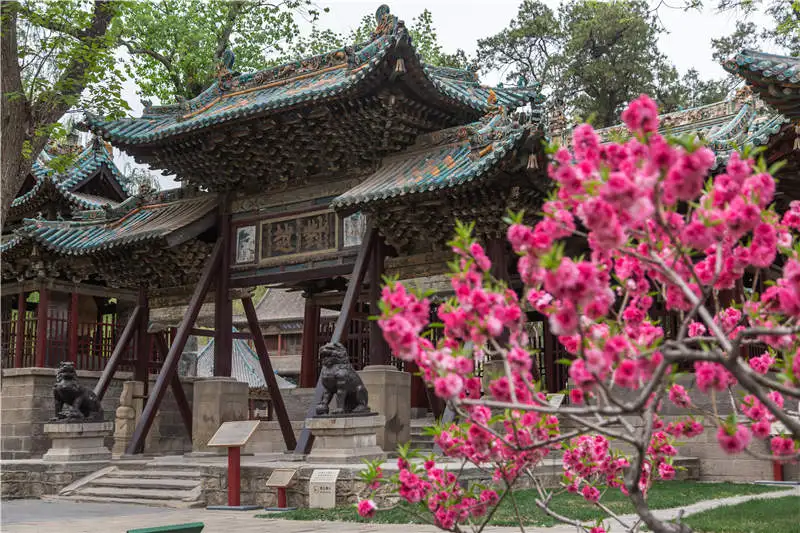
 Three thousand years at a glance, Jin Temple as if first seen.“If you don’t visit Jin Temple, you might as well not come to Taiyuan” — this saying has been passed down for over a thousand years and is by no means an empty phrase. Jin Temple is not an ordinary ancestral hall; it is the earliest existing royal sacrificial garden in China, a three-thousand-year-old three-dimensional history book written by time itself. Song dynasty architecture, Zhou dynasty ancient cypress trees, Tang dynasty inscriptions, and the everlasting spring water—every step and every scene tells a story. At Jin Temple, understand “Why Shanxi” It is said, “For underground relics, look to Shaanxi; for above-ground relics, look to Shanxi,” and the essence of Shanxi’s above-ground relics is mostly gathered in Jin Temple. This is the ancestral hall of the Jin State, the historical origin of the tripartite division of Jin, and the blessed land where the Tang dynasty rose. Walking along the central axis is a dialogue across time: · On the Shuijing Terrace, the Ming and Qing dynasty opera stage seems to still be performing rituals to the gods, while the plaque “Famous Springs of Sanjin” tells of the land’s spiritual beauty. · The Iron Man of the Northern Song on Jinren Terrace, shining and rust-free after a thousand years of wind and rain, silently guards the source of the Jin River. · The Offering Hall and Yuzhao Flying Beam are both national treasures; the former is China’s only Jin dynasty “pavilion-style” main hall, with all wooden mortise and tenon joints and not a single nail in sight; the latter is the world’s earliest prototype of a cruciform overpass, recorded by Northern Wei’s Li Daoyuan in the “Commentary on the Water Classic.” At the end of the central axis stands the Holy Mother Hall, where the “Three Wonders” converge. This pinnacle of Song dynasty architecture features eight wooden carved coiling dragons on the front eaves, the earliest existing real dragon columns in China. Inside the hall, 43 life-sized Song dynasty polychrome sculptures of maidens either smile gently or contemplate deeply; even the master Mei Lanfang once came specially to study their postures and expressions. Three-thousand-year-old Zhou cypress trees lie slantwise beside the hall, their branches strong like crouching dragons. Ouyang Xiu once praised them as “lush ancient cypresses shrouded in blue smoke.” In front of the hall, the Nanlao Spring still flows gently, its jade-green clear water at a constant 17°C year-round, the very subject of Li Bai’s verse “Jin Temple’s flowing water is like jade.” When visiting Jin Temple, there’s no need to rush—just sit under the ancient cypress and listen by the spring. History never speaks, yet here it leaves all the answers. 🌸 Spring (April-May): The peony garden is in full bloom, with crabapple blossoms complementing the ancient buildings, making it the brightest season at Jin Temple. 🌿 Summer: The Zhou cypress provides dense shade, the Nanlao Spring brings natural coolness with its constant 17°C water temperature. Cooling off under the ancient buildings and listening to the spring’s murmur is the best way to enjoy a “cultural summer.” 🍂 Autumn and Winter: Visitors thin out, the gnarled branches of the ancient cypress stretch toward the sky, and the warm winter sun shines on the flying eaves and dougong brackets, serene like a Song dynasty painting. The sense of history and weight is felt most truly in the off-season.ALAINA DUNCAN13

 Jinci Temple: The source of Sanjin culture, a must-visit cultural landmark in TaiyuanJinci Temple, the source of Sanjin culture! If you come to Taiyuan and don't visit Jinci Temple, you've really missed out on Shanxi~😤 It holds the thousand-year-old secrets of China's earliest royal sacrificial garden🔑. Every brick and tile tells an ancient story, and every view is so breathtaking it leaves you speechless!🤯 📍Address: Inside Jinci Park, Jinci Town, Jinyuan District, Taiyuan 🕐Opening hours: Open year-round, 8:30 AM–5:30 PM (last entry at 5:00 PM) 🌟Must-visit spots: 🏛️ Jinci Museum The collection is incredibly rich. Tickets are CNY 78, but it's absolutely worth it! Every artifact here tells the glorious history of the Sanjin region. After walking through, you'll feel completely immersed in the culture!📚 🌉 Yuzhao Feiliang The oldest existing cross-shaped ancient bridge in China, a living fossil of architecture! Standing on the bridge, it feels like traveling back a thousand years to experience the wisdom and craftsmanship of the ancients. It's also a great spot for atmospheric photos📸 🌳 Zhou Cypress Ancient cypress trees planted during the Zhou Dynasty—they're over 3,000 years old! The branches are vigorous and powerful, like an elder who has guarded Jinci Temple for a millennium, commanding respect🙏 💧 Nanlao Spring One of the "Three Wonders of Jinci." The spring never runs dry, and the water is crystal clear! The pavilion by the spring is antique and charming. Sitting down to listen to the bubbling water will calm your entire being~🍃 🗿 Painted Clay Statues of Maidservants from the Song Dynasty Although they date back to the Song Dynasty, they are so lifelike they look real! Each maidservant has a unique expression and posture, representing the pinnacle of sculptural art!🎨 ⭐️When visiting Jinci Temple, we recommend setting aside 3–4 hours to explore at a leisurely pace to truly appreciate its charm! Remember to wear comfortable shoes👟, as the park is large and there's a lot of walking! Jinci Temple, the source of Sanjin culture! If you come to Taiyuan and don't visit Jinci Temple, you've really missed out on Shanxi~😤 It holds the thousand-year-old secrets of China's earliest royal sacrificial garden🔑. Every brick and tile tells an ancient story, and every view is so breathtaking it leaves you speechless!🤯 📍Address: Inside Jinci Park, Jinci Town, Jinyuan District, Taiyuan 🕐Opening hours: Open year-round, 8:30 AM–5:30 PM (last entry at 5:00 PM) 🌟Must-visit spots: 🏛️ Jinci Museum The collection is incredibly rich. Tickets are CNY 78, but it's absolutely worth it! Every artifact here tells the glorious history of the Sanjin region. After walking through, you'll feel completely immersed in the culture!📚 🌉 Yuzhao Feiliang The oldest existing cross-shaped ancient bridge in China, a living fossil of architecture! Standing on the bridge, it feels like traveling back a thousand years to experience the wisdom and craftsmanship of the ancients. It's also a great spot for atmospheric photos📸 🌳 Zhou Cypress Ancient cypress trees planted during the Zhou Dynasty—they're over 3,000 years old! The branches are vigorous and powerful, like an elder who has guarded Jinci Temple for a millennium, commanding respect🙏 💧 Nanlao Spring One of the "Three Wonders of Jinci." The spring never runs dry, and the water is crystal clear! The pavilion by the spring is antique and charming. Sitting down to listen to the bubbling water will calm your entire being~🍃 🗿 Painted Clay Statues of Maidservants from the Song Dynasty Although they date back to the Song Dynasty, they are so lifelike they look real! Each maidservant has a unique expression and posture, representing the pinnacle of sculptural art!🎨 ⭐️When visiting Jinci Temple, we recommend setting aside 3–4 hours to explore at a leisurely pace to truly appreciate its charm! Remember to wear comfortable shoes👟, as the park is large and there's a lot of walking!CHANDLER CAMPOS


Other visitors' reviews of Jinci Temple Museum
Show More ReviewsJinci Temple boasts a rich cultural heritage, truly a gem of Shanxi culture. The ancient cypress trees stand strong and vigorous, the Nanlao Spring flows gently, the Song Dynasty painted sculptures of maidens in the Holy Mother Hall are lifelike, and the Fish Pond Flying Bridge is exquisitely unique. Ancient architecture and gardens blend seamlessly, creating a tranquil environment. A guided tour is highly recommended to allow for a leisurely exploration and immersion in history. A must-see in Taiyuan, five-star recommendation!