OverviewReviewsWin PrizesTrip MomentsDetailsNearbyFAQ
Share to
Show all
Lianhua Hill Park
莲花山公园
5.7
4.8/5
1,484 Review
 based on 499 reviews
 Selected for Best Things to Do in Shenzhen
Open Opening hours of Lianhua Hill Park
Free entry
Recommended sightseeing time: 1–3 hours
Address:
No. 6030, Hongli Road, Futian District, Shenzhen
Map
Phone:Ticket inquiry: +86-755-83067950|+86-755-83915939
Lianhua Hill Park Highlights: Must-See Features and Attractions
Some information may have been translated by Google Translate
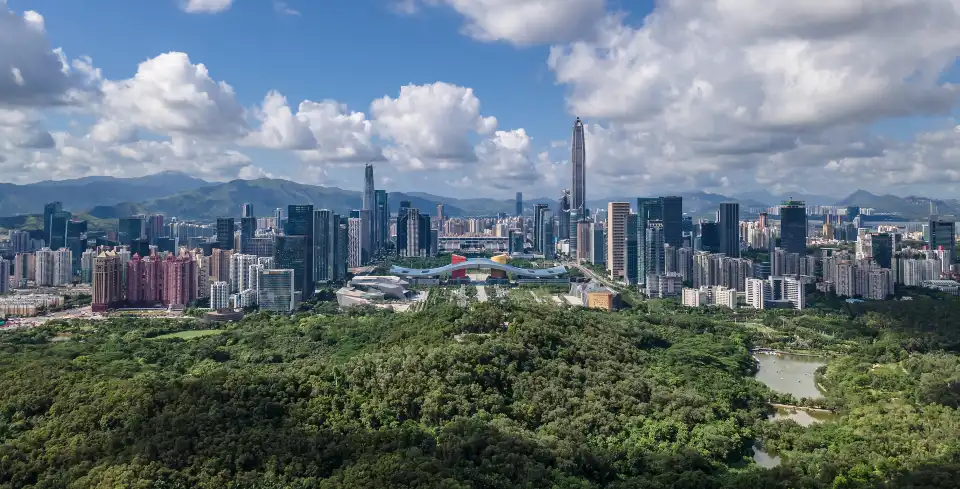
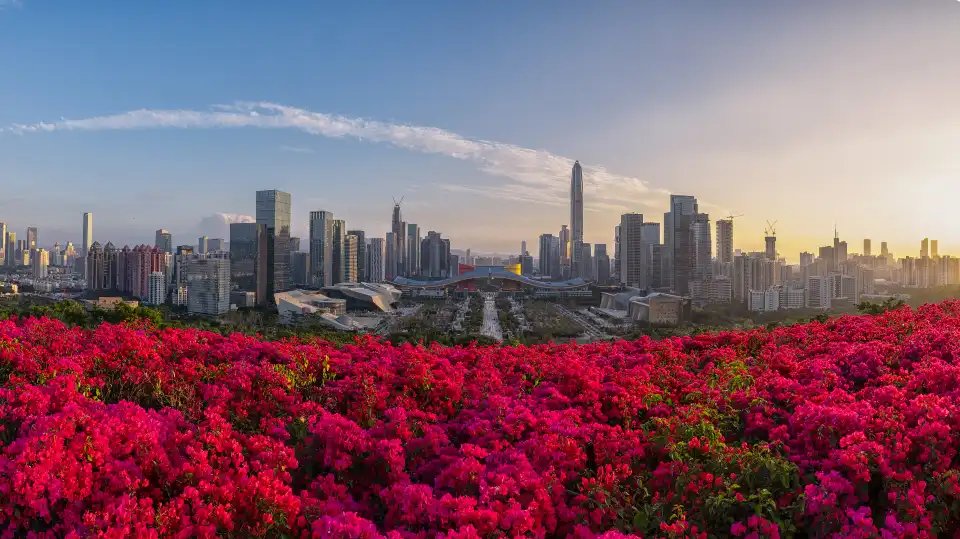
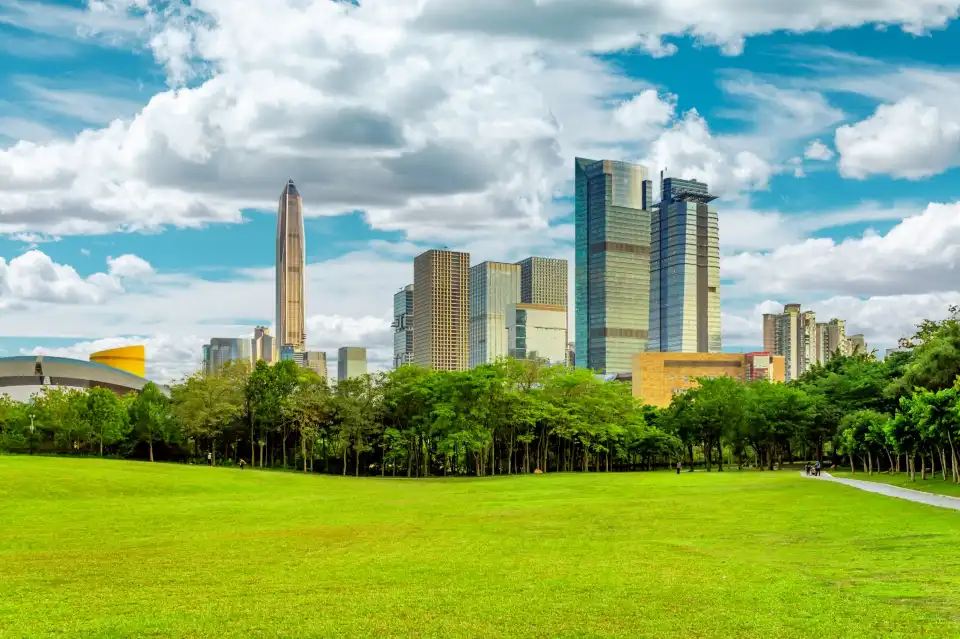
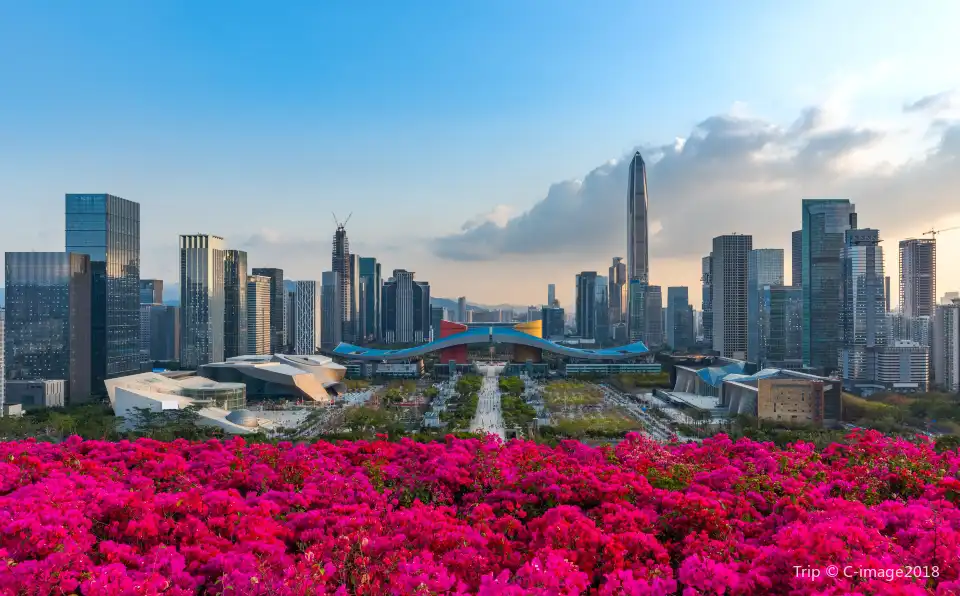
Shenzhen's Lianhua Hill Park is located at the northern end of the city center. Named for its clustered peaks that resemble a blooming lotus, it is a large urban forest nestled among the city center's high-rises. It officially opened in June 1997. The park features lush, continuous palm forests, with scenic spots like the rainforest valley and Xiaofeng Yangri scattered throughout. The main peak is over 100 m high, and the climb to the summit is not too strenuous. It is an ecological municipal park and a living museum where people and nature coexist in a beautiful, pleasant environment. With its unique location and cultural landscape, it serves as a window showcasing Shenzhen's charm.
Surrounding area map of Lianhua Hill Park
Restaurants near Lianhua Hill Park
Show more

Lianhua Hill Park FAQ
Trip.com picks
Popular cities in China
Popular Shenzhen Tours
Best Shenzhen Experiences
Popular Destinations
Things to do in YangshuoThings to do in ChongqingThings to do in HarbinThings to do in ShanghaiThings to do in HangzhouThings to do in DujiangyanThings to do in TaipeiThings to do in JiuzhaigouThings to do in SuzhouThings to do in MacauThings to do in BeijingThings to do in ChengduThings to do in ZhangjiajieThings to do in GuangzhouThings to do in Yulong
Shenzhen Dameisha Yantian Coastal Promenade Golden Coast Yacht Window of the World day tour Hong Kong to Shenzhen private charter 1-day tour to Dapeng Ancient City + Jiaochangwei + YangmeikengHong Kong to Shenzhen technology, local life and food 1-day tourShenzhen Xuyan Chang'an Ode: 360° Tang Immersive Dinner ShowShenzhen High-Tech Adventure: Robot 6S + DJI + Bambu 3D | 2 Customizable ItinerariesShenzhen Qianhai technology exploration 1-day tour: Unmanned driving technology and global robot 6S storeShenzhen HUAFA QIANHAI SNOW WORLD official certified instructorsThemed Imperial Banquet Show in Shenzhen with Live PerformancesShenzhen Technology Experience 1-day Tour Drone Delivery + Robot Restaurant + Drone Experience + HuaqiangbeiShenzhen: Landmark and Technology Discovery TourShenzhen Private Day Tour: Overseas Chinese Town East Valley & Dameisha Coastal ParkShenzhen Future Tech 1-Day Tour: Drone Delivery, Robot Dining & Driverless Taxi RideFuture Lifestyle, 9 hrs Private Shenzhen Hi-Tech Tour: EVs, Robots, Drones & 3D PrintingPrivate Shenzhen tour guide and car service – Flexible ItineraryShenzhen Visa Application ServicesShenzhen Flight ExperienceShenzhen SIM CardShenzhen ActivitiesShenzhen Travel ServicesShenzhen Transport CardShenzhen Day ToursShenzhen Cultural ExperienceShenzhen Bus TicketsShenzhen TransportationShenzhen Spa & MassageShenzhen Restaurant DiscountsWellness & Spa in ShenzhenShenzhen Group ToursThings to do in ShanghaiThings to do in BeijingThings to do in Hong KongThings to do in OsakaThings to do in ZhangjiajieThings to do in SingaporeThings to do in ChongqingThings to do in TokyoThings to do in GuangzhouThings to do in Xi'anThings to do in ChinaThings to do in JapanThings to do in ThailandThings to do in VietnamThings to do in South KoreaMore recommendations
Popular Types of Attractions in Shenzhen
Sightseeing tours | Night view | Boat tour | Cable car | Nature and wildlife | Natural scenery | Mountain climbing | Beaches and shores | Historical attractions | Outdoor activities | Mountain climbing | Hiking | Parks | Amusement parks | Ice and snow parks | Film and television bases | Water sports | Rafting | Boating/Sailing | Leisure activities | Farms and pastures | Camping and campsites | Exhibitions & events | Performances | Concerts | Exhibitions | Cultural institutions | Science & technology museums | Museums | Themed exhibition halls
Popular Restaurants in Shenzhen
The Bay by Chef Fei (Mandarin Oriental, Shenzhen) | Grange Grill | PHOENIX HOUSE | ROSE PALACE | Garden Pavilion | CHINA LODGE | Elba Italian Restaurant | He Song Gao Kong Shang Ju Jiu Wu (Shenzhenwan Branch) | OPUS 388 (Mandarin Oriental, Shenzhen) | SHAN YE' MU CLIFE AND SEA VIEW RESTAURANT | Star Of Canton Restaurant | Xin Rong Ji (Ping'an Finance Center Branch) | Yun Jing | Tapas 77 (Mandarin Oriental, Shenzhen) | U.S Prime (Shenzhen Lü Jingneo Branch) | AVANT | Man Ho·Nanshan | Yue Jiang Chun | Guang Ming Squab | Shundegong Pork Tripe Chicken & Clay Pot Rice (Chegongmiao Main Branch) | Yue Jiang Chun | No. 79 Fishing Boat Seafood Restaurant (Gangsha Branch) | Laurel Group | O'Eat Blossom & Pelican (Shenzhen First Outlet Branch) | BING CUN | Chua Lam's Dim Sum Cantonese Cuisine (Nanshan Coastal City Branch) | LEI GARDEN | ICON KITCHEN | XI YUE HOUSE | Seaone beach
Popular Destinations
Sharko-Bakumovka Travel | Tenere Travel | Cieutat Travel | Karakly Travel | Malyachapada Travel | Padrenda Travel | Middlemount Travel | Sprotbrough Travel | Bird Island Travel | Vyakhori Travel | El Molino Travel | Mickinock Township Travel | Enbekshikazakh District Travel | Pipal Khunta Travel | Wola Filipowska Travel | Mahopac Travel | Poddubnovo Travel | Shtakulskaya Travel | Grant Travel | Hawesville Travel | Burgpreppach Travel | Virgunayatpur Travel | Iniestola Travel | Foixa Travel | Reiningue Travel | Mangli Travel
Recommended attractions at popular destinations
Popular Attractions in Bangkok | Popular Attractions in City of Manila | Popular Attractions in Tokyo | Popular Attractions in Taipei | Popular Attractions in Hong Kong | Popular Attractions in Seoul | Popular Attractions in Kuala Lumpur | Popular Attractions in Los Angeles | Popular Attractions in Shanghai | Popular Attractions in New York | Popular Attractions in Shenzhen | Popular Attractions in Osaka | Popular Attractions in Singapore | Popular Attractions in London | Popular Attractions in Guangzhou | Popular Attractions in San Francisco | Popular Attractions in Beijing | Popular Attractions in Macau | Popular Attractions in Bali | Popular Attractions in Jakarta | Popular Attractions in Paris | Popular Attractions in Ho Chi Minh City | Popular Attractions in Istanbul | Popular Attractions in Phuket | Popular Attractions in Chicago | Popular Attractions in Seattle | Popular Attractions in Toronto | Popular Attractions in Orlando | Popular Attractions in Cebu | Popular Attractions in Chiang Mai
Popular Ranked Lists
Top 50 Global Traveller-Picked Hotels in Chongqing | Top 20 Global Traveller-Picked Restaurants in Yangzhou | Top 20 Global Traveller-Picked Hotels in Dongguan | Top 50 Global Traveller-Picked Restaurants in Guiyang | Top 20 Global Traveller-Picked Attractions in Dali City | Top 10 Global Traveller-Picked Attractions in Huangshan City | Top 20 Global Traveller-Picked Restaurants in Luoyang | Top 20 Global Traveller-Picked Restaurants in Jingdezhen | Top 10 Global Traveller-Picked Attractions in Xuzhou | Top 10 Global Traveller-Picked Attractions in Hohhot | Top 20 Global Traveller-Picked Restaurants in Zhoushan | Top 20 Global Traveller-Picked Hotels in Harbin | Top 10 Global Traveller-Picked Attractions in Datong | Popular Premium Hotels in Dehong | Top 50 Global Traveller-Picked Restaurants in Haikou | Top 20 Global Traveller-Picked Hotels in Guilin | Top 20 Global Traveller-Picked Restaurants in Jinghong | Popular Premium Hotels in Hezhou | Top 10 Global Traveller-Picked Attractions in Changzhou | Top 20 Premium Hotels in Enshi Prefecture | Top 10 Global Traveller-Picked Attractions in Yingde | Top 50 Global Traveller-Picked Restaurants in Yangshuo | Top 20 Global Traveller-Picked Restaurants in Rizhao | Top 50 Global Traveller-Picked Restaurants in Chaozhou | Popular Global Traveller-Picked Attractions in Rongcheng | Top 20 Global Traveller-Picked Hotels in Foshan | Top 20 Global Traveller-Picked Attractions in Foshan | Top 10 Global Traveller-Picked Attractions in Nanchang | Top 10 Global Traveller-Picked Attractions in Shantou | Top 20 Global Traveller-Picked Hotels in Lijiang
Trending Travelogues
China Public Holidays in the Year of the Horse 2026: Complete Calendar, Dates, Customs & Travel Tips | [Shenzhen Free Travel] How to enjoy a 3-day and 2-night trip to Shenzhen, a comprehensive itinerary planning guide! | [Shenzhen Free Travel] How to enjoy a 2-day and 1-night Shenzhen tour, a comprehensive itinerary planning guide! | 2026 Shenzhen travel | Where To Stay, Eat & Explore
Popular Trip Moments
🇨🇳 Shenzhen Return Flights from RM837! |6D5N Guide ✈️ 🌆 | Above the Fog in the City: Wutong Mountain's Summit Trail Before the Commute, Shenzhen | Walking the Mangrove Stilt-Path: First Tide at Shenzhen Bay's Mai Po Boardwalk | The Salt-Water Lane at Low Tide: An Evening in Chaozhou's Old Paifang Street | Shenzhen in One Day: From the Shopping Mall to the Nightly Illuminations of Binhai Avenue 🎡 | Which district in Shenzhen should I live in: Futian, Nanshan, Qianhai, or the coast? Pros and cons 🧭 | How Much Does Shenzhen Cost? A Realistic 8-Day Budget Without Flights | Unforgettable Stay at UrCove By Hyatt (Shenzhen Shekou Cruise Center): A Scenic Hotel Worth Recommending | Bavaria: A fairytale town 🌈 | High-speed rail direct route | Departure from Qingyuan 🏔 Two-day mountain and water tour of Bijia Mountain | Not Fujian! It's the Guangdong version of "Hakka Kingdom" 🌾 guest world | The phrase "half mountain and sea roller coaster, half Swiss miniature train" aptly describes OCT East in Shenzhen. | Shenzhen's American-style barbecue costs over $100 per person, enough to make you stuffed! Hong Kongers head north for American-style smoked barbecue, with juicy beef brisket and boneless ribs. | Shenzhen | Yuexi Mianweifang Handmade Sweet Soup & Shaved Ice (Shenzhen First Store) | Next to Futian Convention and Exhibition Center Station, satisfying both Chaoshan-style shaved ice and Hong Kong-style snacks in one go. | A semi-buffet restaurant in Causeway Bay that you can go to alone 😋 | Xiaomeisha Ocean World: A beautiful family-friendly park with a variety of experiences; highly recommended. | 🇨🇳 MY CHINA ITINERARY | 18 DAYS EXPLORING CHINA ✈️ | 10 Futuristic Free Spots in Shenzhen That’ll Blow Your Mind 🚀✨ | Autumn break: Taking the kids out for a relaxing break | Following the Running Man cast to check off Jiangmen | This Holiday Inn Express in Shenzhen is perfect for crossing the border to Hong Kong! ✨ | High-quality Design Hotels in China | Shenzhen full body massage, 50 minutes, affordable and high-quality massage. | 🚀FREE TOUR of the city of the FUTURE SHENZHEN! | [Travelogue of Guizhou] A 3-Day In-Depth Tour of Guiyang, Qingyan Ancient Town, and Xijiang Miao Village: A Blend of Mountains, Rivers, and Miao Villages | Sharing affordable and great accommodations in Shenzhen – prime locations – and tons of complimentary gifts with your stay! | Nantou Ancient City – An Ancient Town in a Modern City | Must-try list of Taomi Lao (rice pudding) at Guomao Station | Happy Valley Carnival + VON HOTEL: A One-Stop Escape 🎃
More Things To Do in Shenzhen
Customized private charter in Greater Bay Area (multi-point pickup service + cross-border transfer between Hong Kong/Macau/Shenzhen/Guangzhou/Zhuhai/Foshan and more | express customs clearance | drive-through at Hong Kong-Macau border | tourist charter service) | Shenzhen Hong Kong direct private charter itinerary - cross-border transfer with Hong Kong Shenzhen dual license plate nanny vehicle | One-way boat ticket from Hong Kong International Airport SkyPier to Shenzhen Shekou Port (high-speed direct route to Shenzhen Shekou Port) | Private One-Day Charter Tour to Qingyuan Gulong Gorge ((also known as Gu Long Xia)) /Private tours available /Cliff Coaster& Glass Bridge Experiences Optional | Macau private charter transfer | Private charter from Macau to Hong Kong T1 Disneyland, Zhuhai Jinwan Chimelong, Shenzhen, Guangzhou, Foshan, Shunde hotels | Professional driver + point-to-point door-to-door transfer | TurboJet ferries - one-way (Macau to/from Shenzhen airport ferry terminal) | Shenzhen-Hong Kong private charter direct service, cross-border transfer with Hong Kong-Shenzhen dual license shuttle van | [Hong Kong-Shenzhen express] Hong Kong urban area - Shenzhen Bay port cross-border direct Island bus expiration date ticket (reservation required) | [Hong Kong private charter transfers] Hong Kong International Airport T1 private charter to Macau city hotels, Shenzhen, Zhuhai, Guangzhou, Foshan, Shunde, Dongguan, Zhongshan, Jiangmen ◇ Professional driver + door-to-door pickup | Guangdong, Hong Kong, and Macau cross-border private charter pick-up and drop-off [Guangdong/Macau/Hong Kong three-license commercial vehicle direct one-stop service] | Shenzhen to Hong Kong/Hong Kong to Shenzhen private charter point-to-point/cross-border business vehicle with dual license plates, Alphard 7-seater vehicle type/door-to-door pickup/direct ride for fast customs clearance | Hong Kong-Shenzhen Bay Port cross-border direct one-way bus (ride with QR code) | Ferry ticket from Shenzhen Shekou to Macau Taipa / Macau outer harbor | Standard seat first class | Adult ticket and child ticket optional with baggage allowance | [Hong Kong-Shenzhen private charter transfers] Hong Kong private charter direct to Shenzhen Bao'an T3, North Station, Futian, Nanshan, Luohu, Longhua, Longgang city hotels ◈ Two-plate Alphard vehicle + convenient customs clearance | 1-day tour in Hong Kong pure play - Tai Kwun + Victoria Harbour nightlife + Victoria Peak + Central Ferris wheel | Private charter from Hong Kong, Shenzhen and Macau to Guangdong province, point-to-point door-to-door transfer with 7-seater business vehicle, one-way from 660, available for urgent orders across all areas of the Guangdong-Hong Kong-Macau Greater Bay Area | Shenzhen, China - Nantou Ancient Town/Gankeng Hakka Town citywalk | Chinese and English guide | [Donggang Traditional Chinese Medicine] 90min TCM Massage + 24-Hour Bath Ticket + Complimentary Breakfast & Late-Night Snack + Unlimited PS5 Gaming | Xuyan Chang'an Ode: Immersive Tang Dynasty Themed Palace Banquet in Guangdong & Shenzhen [Imperial Cuisine + Court Music & Dance + Optional Traditional Costumes/Makeup] | Hong Kong Palace Museum + Victoria Peak + Victoria Harbour Night Cruise + Sunset Open-Top Bus Tour – 1-Day Group Tour (20 Pax) | Greater Bay Area customized private charter in Hong Kong/Macau/Zhuhai/Guangzhou/Shenzhen with dual-plate transfer, fast clearance at Hong Kong-Macau border without disembarking or queuing | Shenzhen Electronics Sourcing & Factory Visits with a Senior Engineer | Professional cross-border private charter service for Macau and Hong Kong, point-to-point round-trip transfers to Guangdong province, VIP door-to-door transfer service with no need to disembark for Hong Kong-Macau border clearance, family and business private charter service for worry-free travel | Private tour + English guide - Qingyuan Gu Long Xia three major projects - glass canyon + thrilling double coaster | [Hong Kong private charter to Guangzhou transfers] Hong Kong Disneyland private charter to Macau, Zhuhai Chimelong, Guangzhou Baiyun T2/T3, Foshan, Shunde, Shenzhen ◈ Professional driver + door-to-door transfer service | Guangzhou private day tour to Foshan Ancestors Temple, lion dance performance and Qinghui Garden Museum | (Spa massage) Chinese/Thai + 24H bathing admission ticket + unlimited gaming and esports voucher | Shenzhen Dapeng Qixing Bay sea voyage yacht (popular catamaran sailing boat/three-deck luxury yacht) | Shenzhen corporate study tour·TCL CSOT/Ping An Group/Eternal Asia/Sunwoda·Visiting leading companies | 1-Day Shenzhen Sightseeing Tour –Dameisha Beach, Chung Ying Street & Other Attractions/ Shared Group Tour or Private Charter Available
Some content is uploaded by users, and specific information is subject to actual conditions
Other visitors' reviews of Lianhua Hill Park
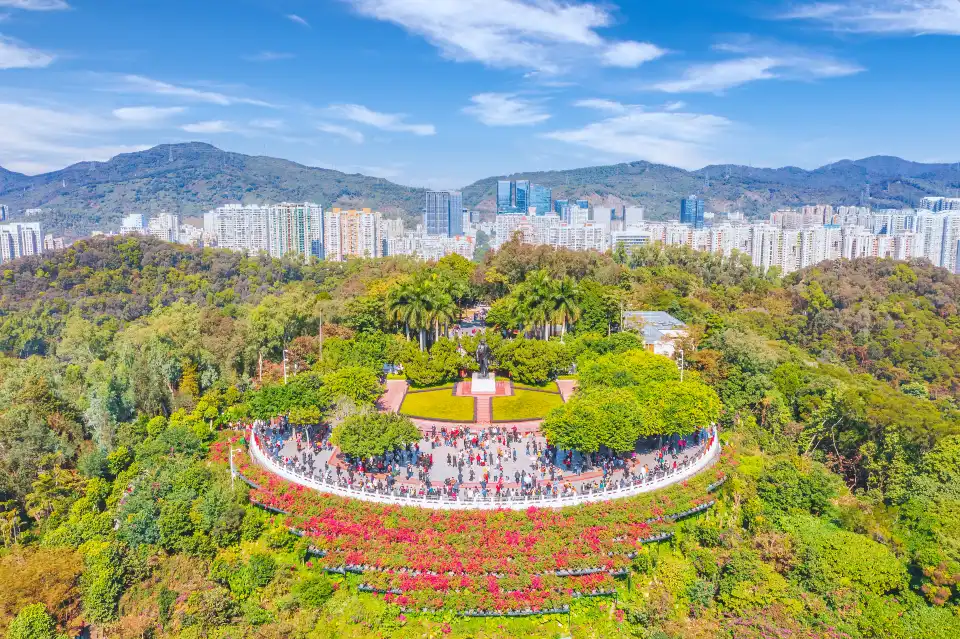
Show More ReviewsMy last visit to Shenzhen was in 2009, about 17 years ago. This time, I was in transit to Zhengzhou, arriving at Shenzhen Bao’an Airport at 01:25 hrs, with my onward flight at 12:25 hrs. That gave me a few hours to explore a nearby attraction.One advantage of Bao’an Airport is its free overnight Passenger Rest Area, open from 22:00 to 06:00. The lounge has comfortable sofas where passengers can rest. When we arrived around 2:30 am, there were still vacant seats for both my wife and me. The overhead lights remained on, which was slightly glaring, but we eventually managed to fall asleep.I woke up at 5:30 am, roused my wife, and we headed to the airport metro station in the basement. We decided to visit Lianhua Hill Park (莲花山公园), one of the nearest scenic spots from the airport. The fare was RMB 7 per person. We took the earliest Line 11 train toward Futian, transferred to Line 3, and alighted at Children’s Palace Station (儿童宫站). From Exit F1, it was about a 20‑minute uphill walk to the summit. The climb felt a bit strenuous after our short sleep, but it was manageable — certainly not as high as Mount Faber in Singapore.At the summit, a sweeping panoramic view of Futian District (Shenzhen’s CBD) unfolded before us, with skyscrapers stretching across the horizon. Shenzhen was once a fishing village before China’s late paramount leader Deng Xiaoping transformed it into a modern metropolis. The city holds immense significance as the birthplace of China’s Reform and Opening‑Up. At the summit stands a bronze statue of Deng Xiaoping, commemorating this transformation. His famous dictum — “Whether it is a black cat or a white cat, if it can catch mice, it is a good cat” — symbolized pragmatic reform. Standing before the statue, I felt fortunate to experience this historic site during my brief layover.We spent about an hour enjoying the park before returning to the airport. By then, the metro was packed with office workers, and we were squeezed inside the train.