Important Reminder
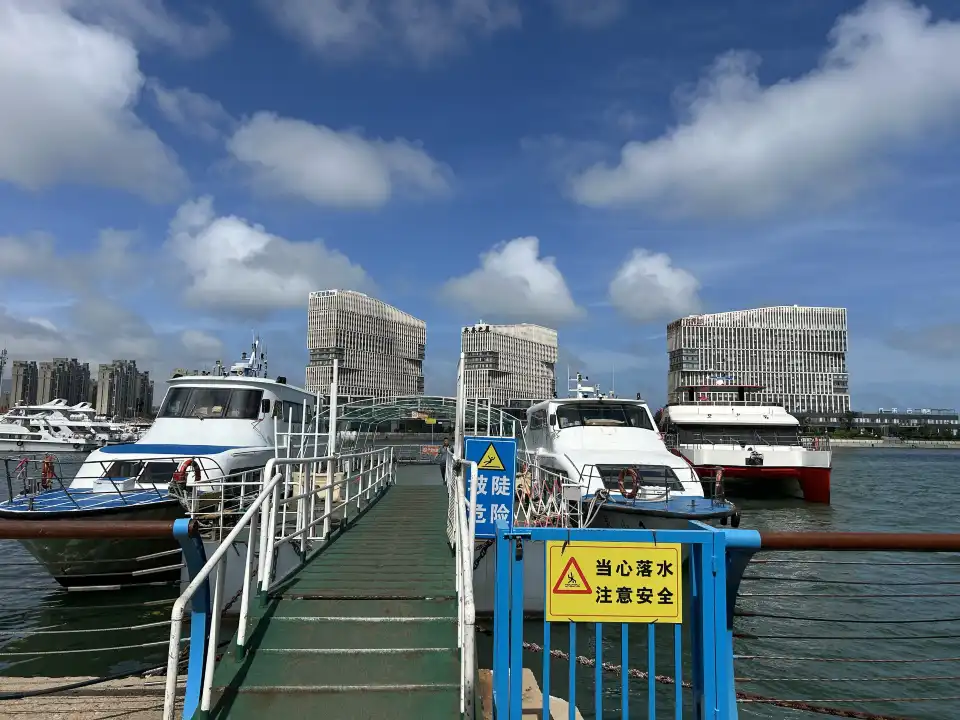
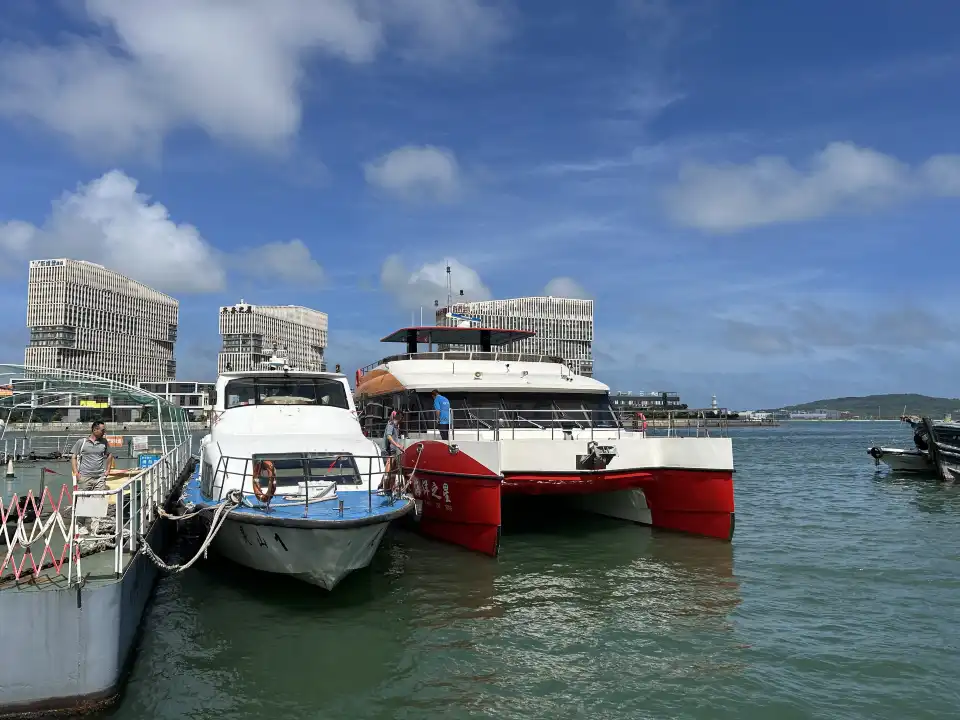
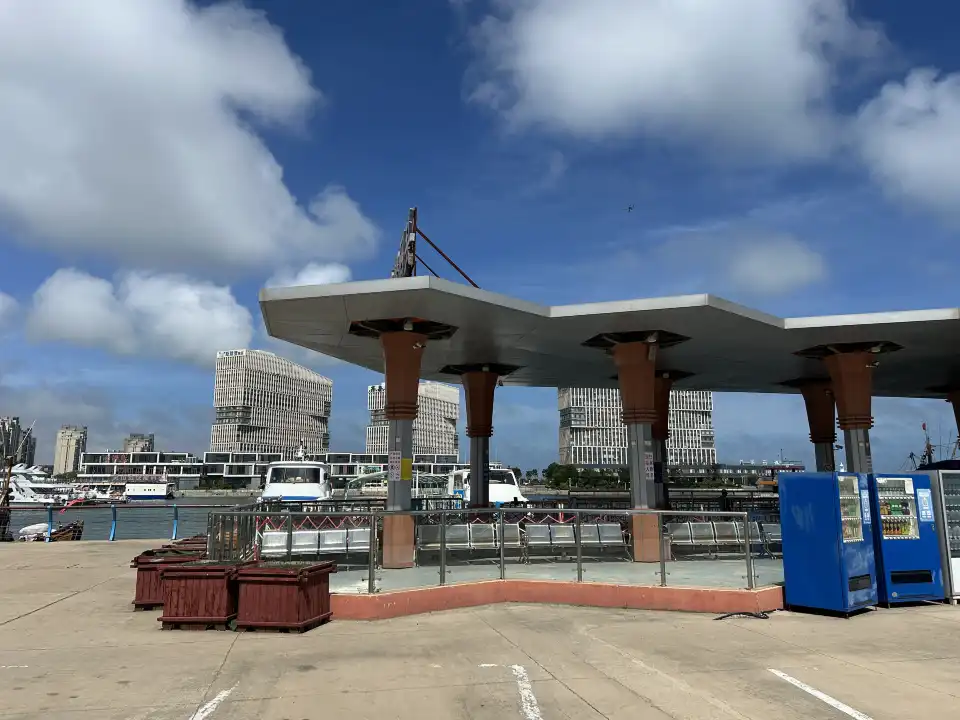
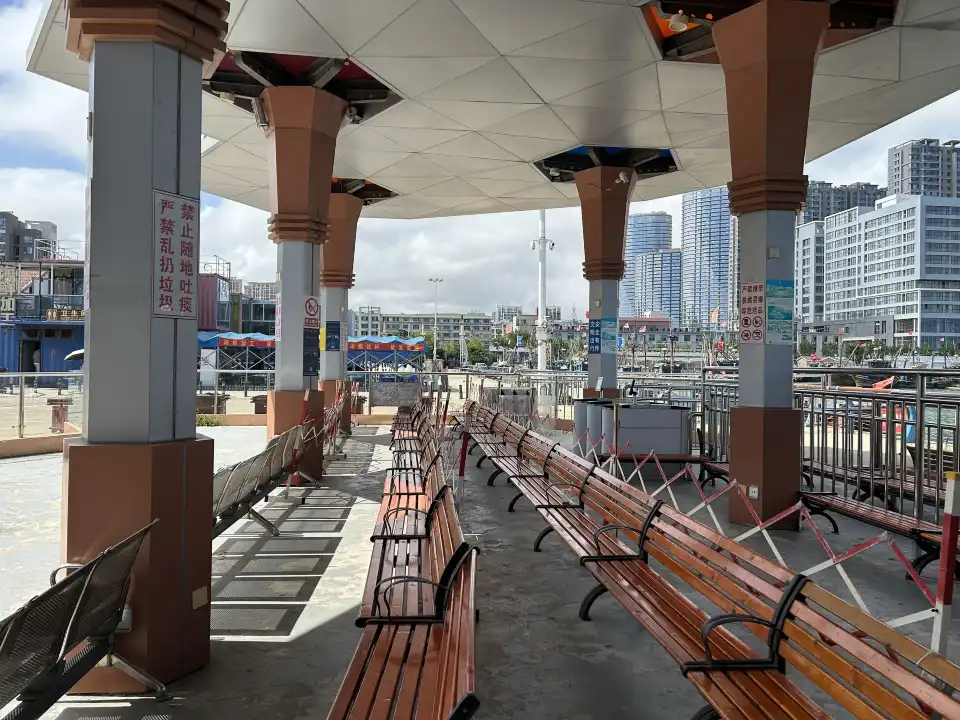
Jimiyan Fisherman's Cruise
积米崖渔人游船Open Opening hours of Jimiyan Fisherman's Cruise
Jimiyan Fisherman's Cruise Highlights: Must-See Features and Attractions
Navigation route:Jimiya Pier - Niu Island - Tangdao Bay National Wetland Park - Yumingzui - Tang Island - Jimiya Pier
Udo Island, with its fertile land and lush vegetation, was historically used as a cattle grazing area, hence its name.
Tangdao Bay National Wetland Park boasts rich biodiversity, with biological communities that are typical representatives of the Jiaozhou Bay region. Located along the eastern main route of China's three major bird migration pathways, the park serves as a crucial stopover for migratory birds. It is home to numerous protected and rare waterfowl, including 8 key protected species such as the golden eagle, eastern imperial eagle, and white-tailed eagle. The wetland park is steeped in historical, cultural, and folk traditions, featuring China's maritime canal—the Mahao Canal, unique ecological dwellings known as seaweed-thatched houses, the ancient Langya culture, and a vibrant legacy of marine technology and naval port heritage.
Yumingzui, where the land's tip extends into the sea forming a fish-mouth silhouette. During the seventh lunar month, yellow croakers migrate here to spawn, producing distinctive "gugu" sounds. The area also features fish-calling rock reefs, named for the dolphins that gather and vocalize during fishing seasons.
Tang Island, the history of Tangdao Bay dates back to the Sui and Tang dynasties, when it had already developed into a major northern port. During the Zhenguan era of the Tang dynasty, General Zhang Liang was stationed here with his troops, which is how this small island came to be known as Tang Island.
