One ticket for two attractions benefit
The Qiao Family Courtyard (In Zhongtang)
乔家大院文化园区 based on 260 reviews
 No. 16 of Best Things to Do in Shanxi
Open Opening hours of The Qiao Family Courtyard
The Qiao Family Courtyard Highlights: Must-See Features and Attractions
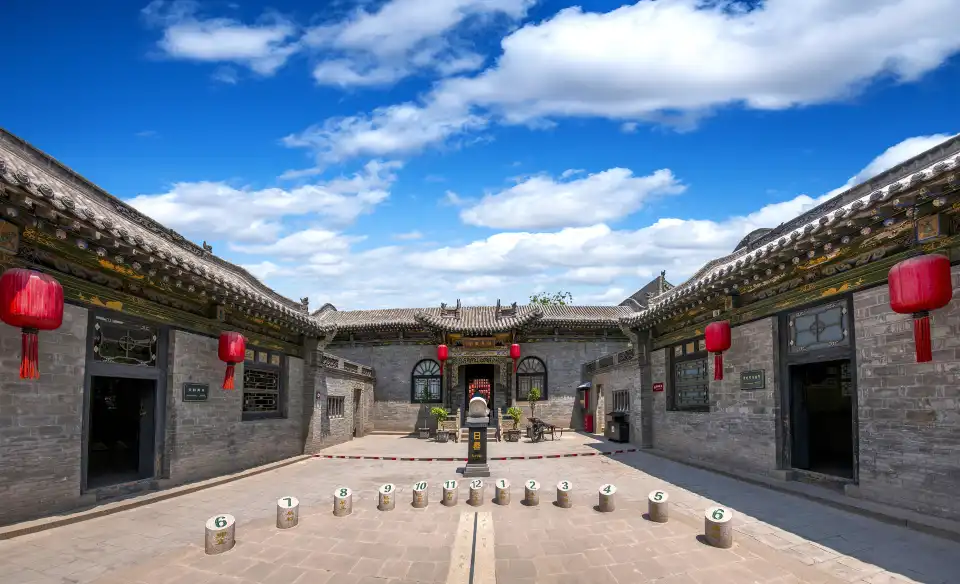
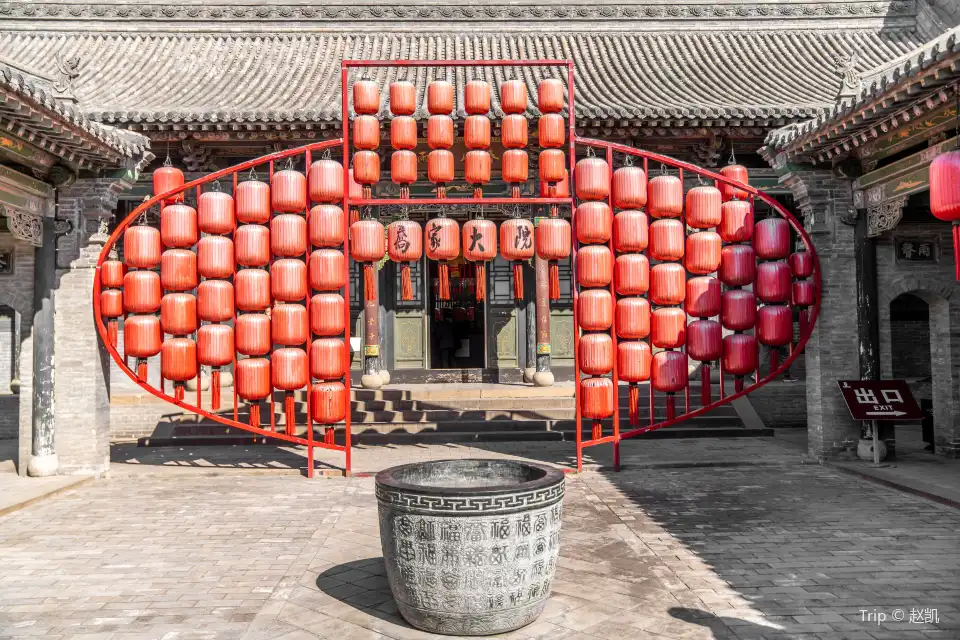
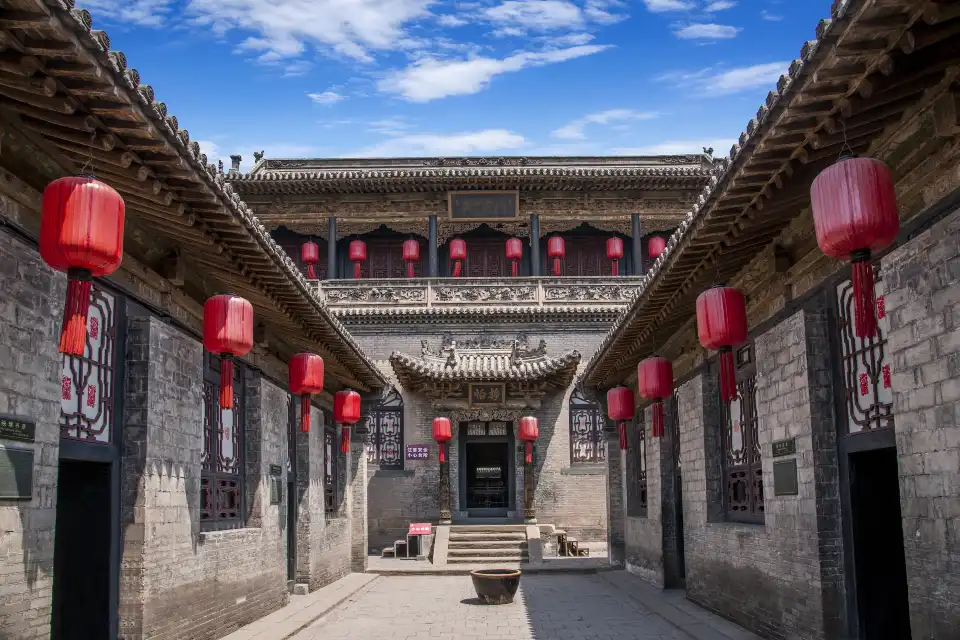
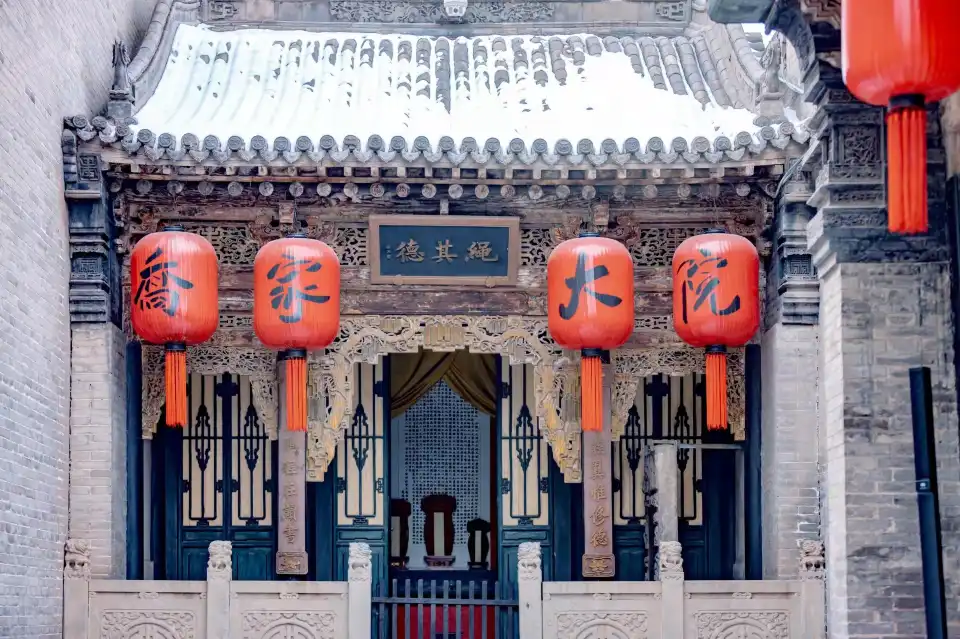
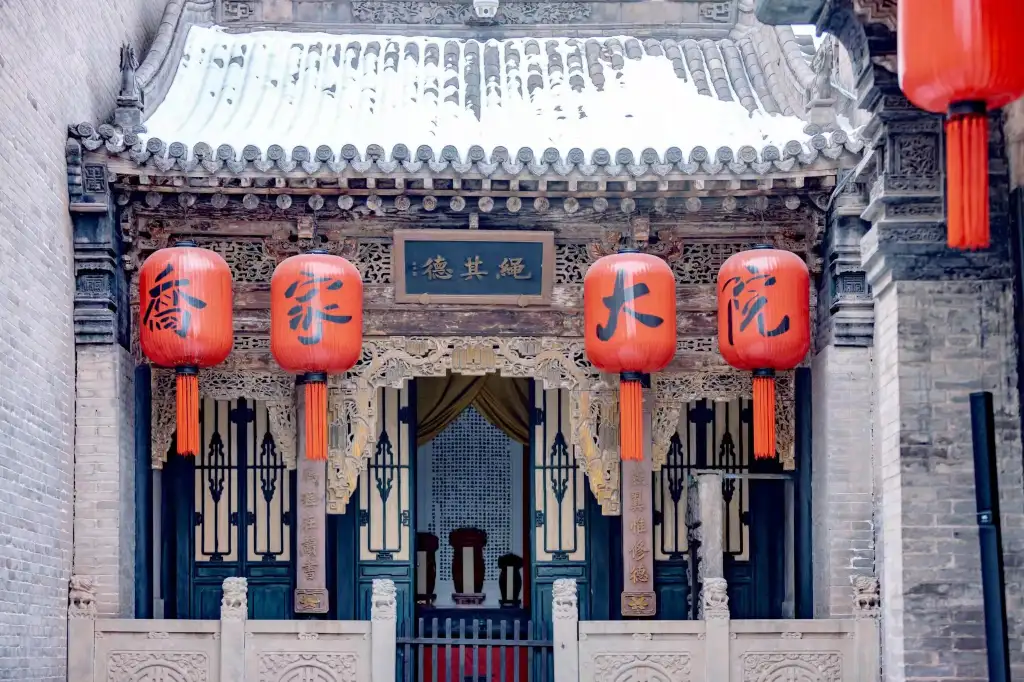
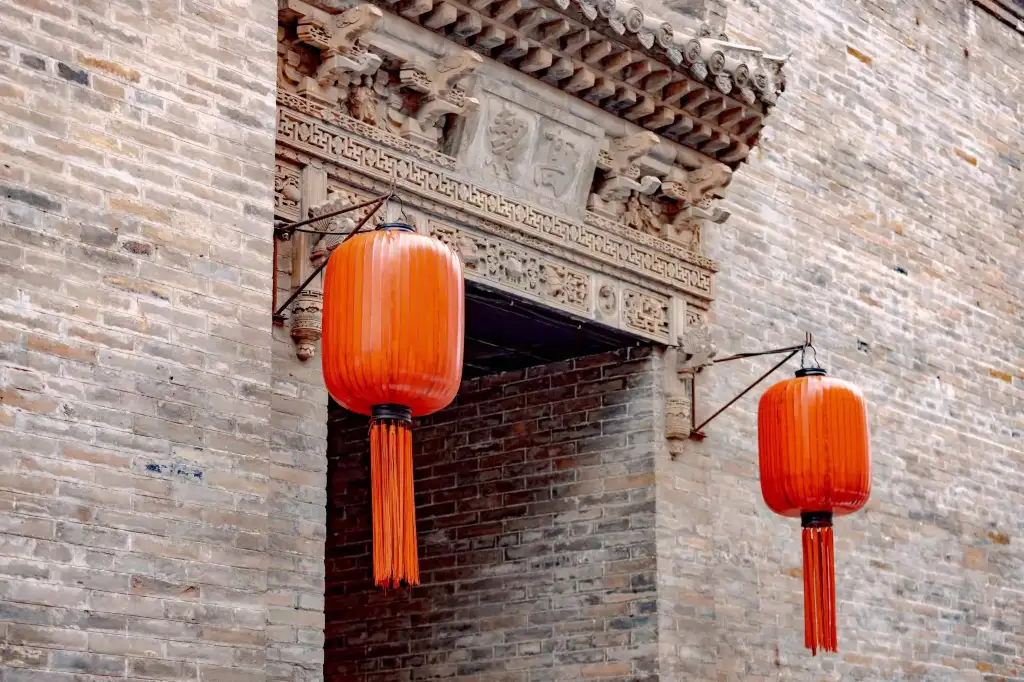
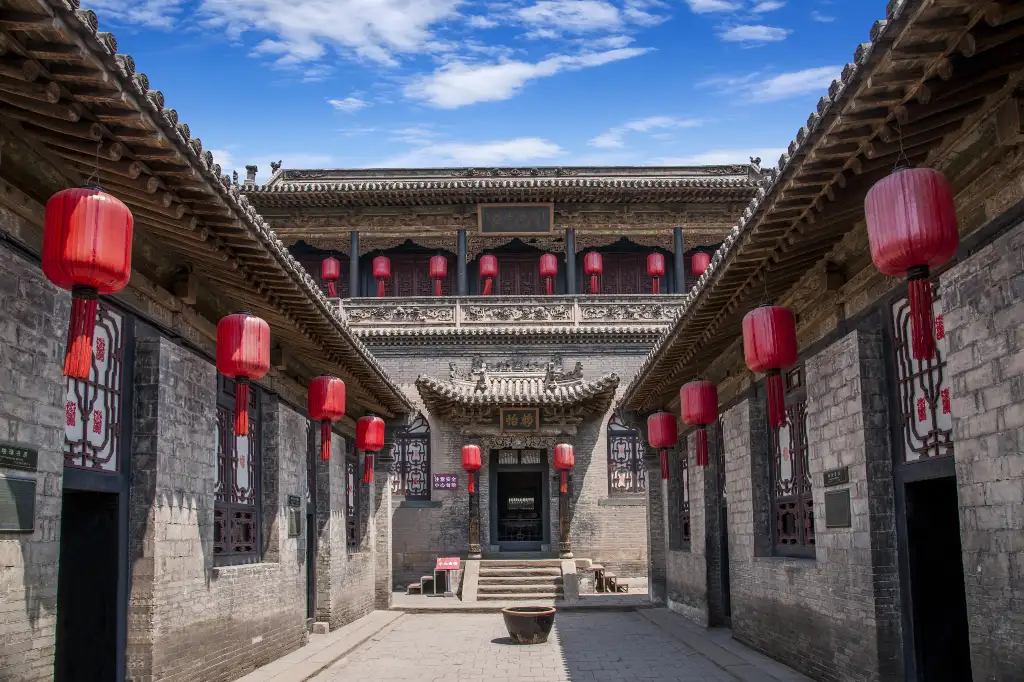
The Qiao family courtyard is located in the center of Qiaojiapu village, Qi county, also known as "The Qiao Family CourtyardIt was the residence of Qiao Zhiyong, a renowned commercial and financial capitalist in the Qing Dynasty, and has served as a filming location for over 30 movies and TV series, including "The Qiao Family Courtyard" and "Raise the Red Lantern." If you've seen these films, you'll surely recognize the scenes here: rows of red lanterns hanging high, towering brick walls, exquisite carvings, beautiful bracket sets and upturned eaves, and deep alleys. This is the famous The Qiao Family Courtyard.
This is a residential complex from the Ming and Qing dynasties, its architecture resembling a castle, imposing and grand, typical of the living style of a large northern family during the Ming and Qing periods. Viewed from above, the entire courtyard layout resembles the Chinese character "囍" (double happiness), symbolizing good fortune. The complex is meticulously laid out yet also varied; even the more than 140 chimneys on the rooftops are unique. It is said to have been built by the imperial family.The Forbidden CityThere's a saying that "for residential architecture, visit the Qiao family courtyard".
Upon entering the Qiao family courtyard, a straight stone-paved path approx. 80 m long divides the six courtyards into two rows, north and south. According to traditional naming, the three courtyards on the north side of the Qiao family courtyard are called the old courtyard, northwest courtyard, and study courtyard from east to west. The three courtyards on the south side are called the southeast courtyard, southwest courtyard, and new courtyard, reflecting the construction sequence of each courtyard.
The brick carvings, painted decorations, and inscribed plaques in each courtyard are exquisitely crafted. The standout is the "hundred longevity characters" screen wall at the main entrance, featuring 100 uniquely styled seal-script "longevity" characters, where art and culture blend seamlessly. The brick carvings at the land god shrine are also noteworthy. Under the eaves of every room in the Qiao family courtyard, you'll find genuine gold-painted decorations, notably created using the raised paste technique with meticulous layering and final gold application. Among the many inscribed plaques at the Qiao family courtyard, the one personally calligraphed by Fu Shan in the fourth courtyard is particularly remarkable.Danfeng pavilion“Plaque”, when visiting here, be sure to learn about the story behind this plaque. Additionally, there are three treasures in the Qiao Family Courtyard: the ten-thousand-people ball, the rhinoceros gazing at the moon mirror, and the nine-dragon lantern. The rhinoceros gazing at the moon mirror was the treasure that brought wealth to the Qiao family, while the nine-dragon lantern was a gift from Empress Dowager Cixi, located in the courtyard at the southern center.
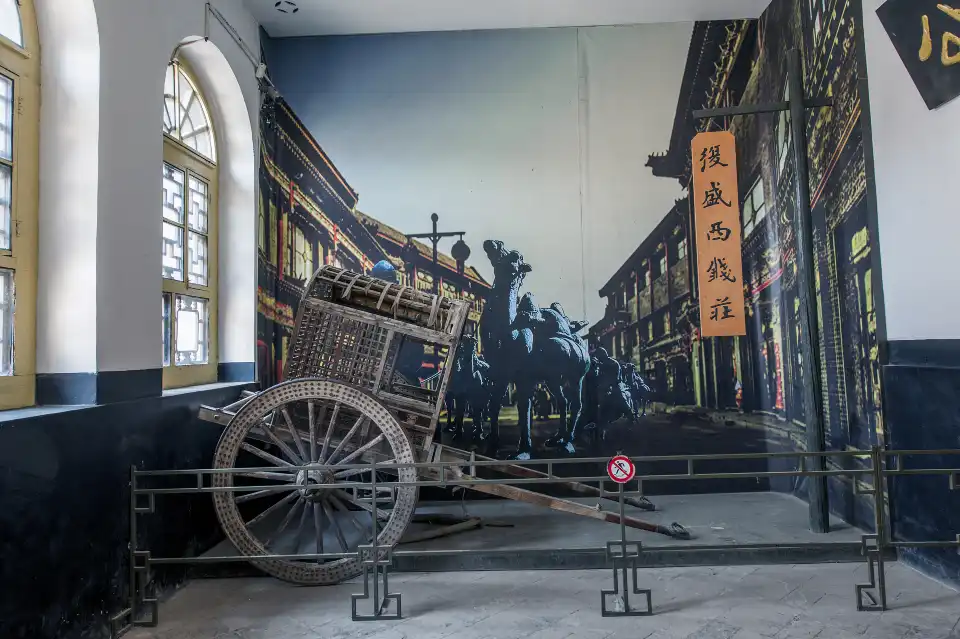
Today, the Qiao family courtyard also serves as a folk museum, with its six courtyards respectively displaying agricultural life through the seasons, life rituals, inner gardens, commercial customs, luxurious furnishings, and the history of the Qiao family. Visitors can explore while learning about the Qiao family's philosophy of life, household management, and business.
Other visitors' reviews of The Qiao Family Courtyard
Show More ReviewsThe Qiao Family Compound truly lives up to its reputation as a model of Shanxi merchant residences, with its exquisite layout and beautiful brick and wood carvings. A stroll through it allows one to experience the rise and fall of a century-old family, steeped in history, making it an excellent place to learn about Shanxi merchant culture and well worth a visit.