OverviewReviewsWin PrizesTrip MomentsDetailsNearbyFAQ
Share to
Show all
Pashupatinath Temple
4.5
4.5/5
190 reviews
 No. 7 of Best Things to Do in Nepal
Open Opening hours of Pashupatinath Temple
Recommended sightseeing time: 1–3 hours
Address:
44621 Pashupati Nath Road, Kathmandu 44600, Nepal
Map
Phone:Ticket inquiry: +977-14471828
Pashupatinath Temple attraction highlights
Some information may have been translated by Google Translate
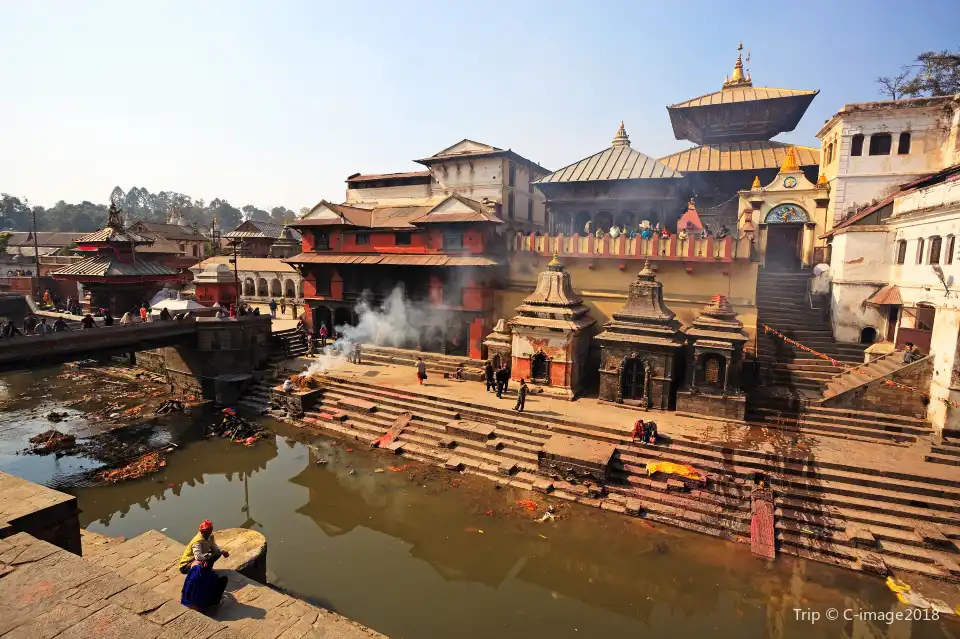
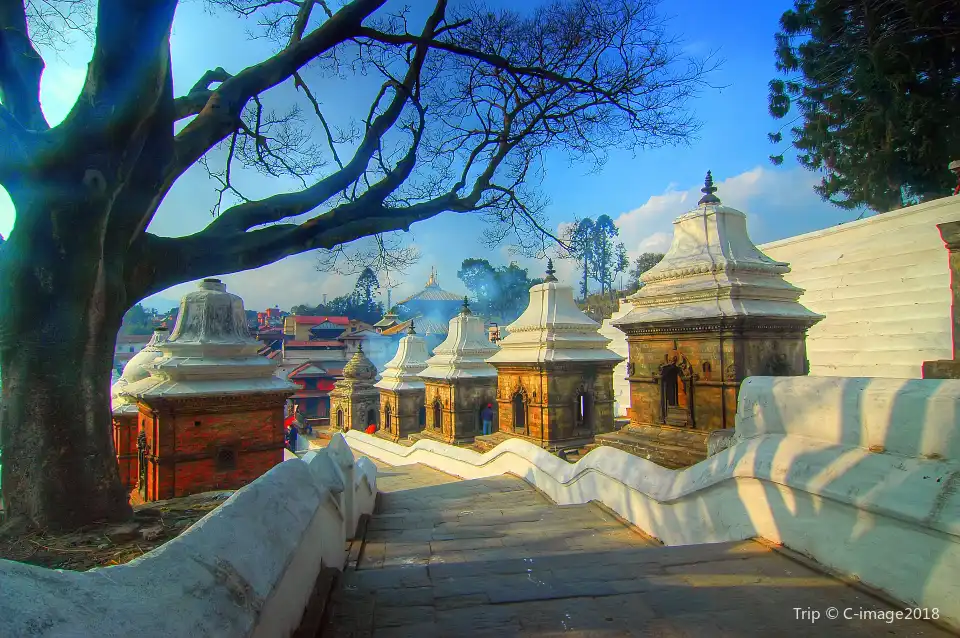
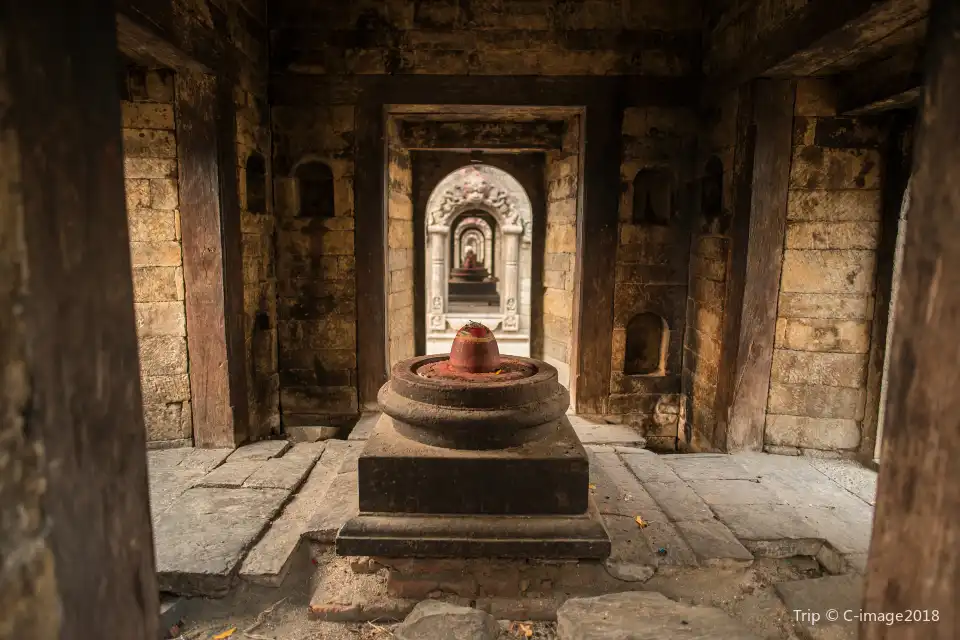
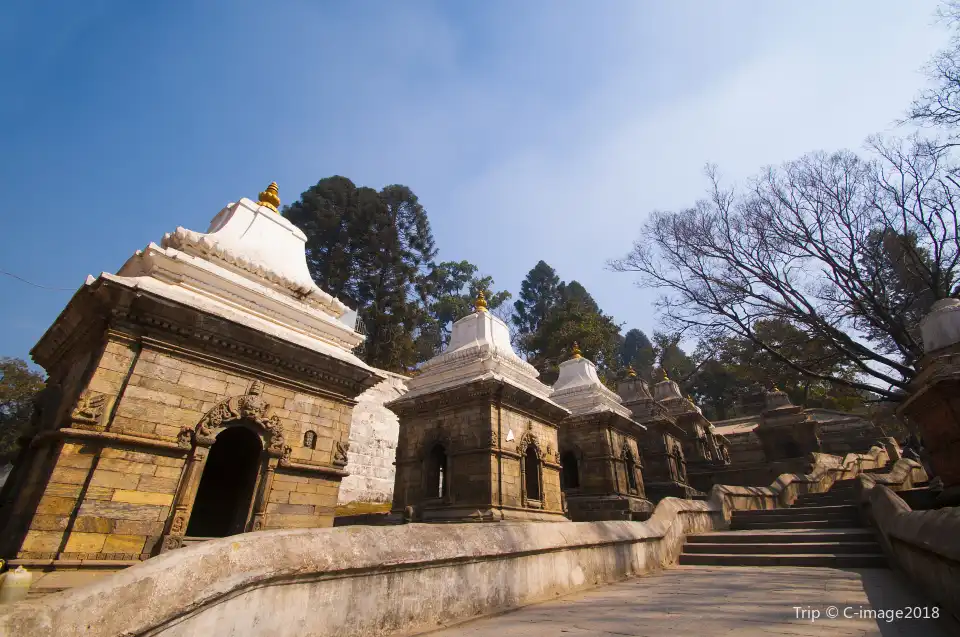
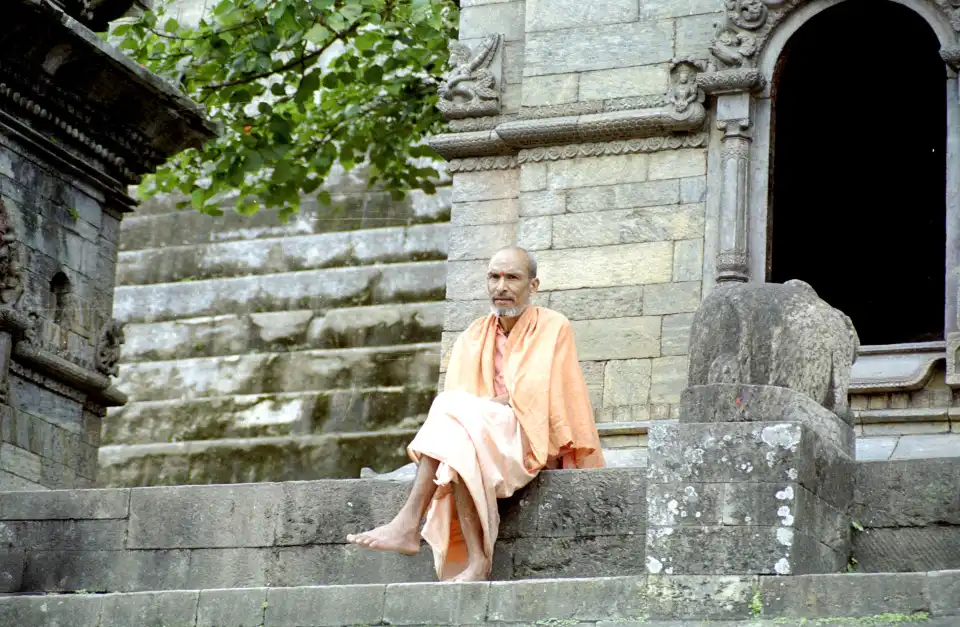
Pashupatinath Temple is located on the west bank of the Bagmati River, about 5 kilometers east of the Tamil District, along the ring road. This tower-style temple was built in 1696. It is the largest Hindu temple in Nepal and one of the four major temples dedicated to Lord Shiva in South Asia, and has been included in the World Heritage List. 1. Overlooking the Pashupatinath Temple Since only Hindus can enter the temple compound, ordinary tourists can only look outside the west gate, and can see the mount of Shiva, a huge bull Nandi statue. It is said that a black four-headed Pashupati statue is enshrined in the temple. Climb to the top along the steps on the west side of the temple, and you can admire the gilded temple roof from a commanding height. The river bank in the northeast of the temple is where Hindu ascetic monks live. Cross the footbridge to the east bank of the river opposite to the temple. There is a row of Shiva Linga towers. If you continue to walk up the steps, there is a viewing platform, which can be separated by The river overlooks the entire Pashupatinath Temple. 2. Watch the cremation ceremony On the river bank in the south of Pashupatinath Temple, there is AryaGhat, the largest crematorium in Nepal. The cremation ceremony of ordinary Nepalese is carried out here almost every day, so Pashupatinath Temple is also called "Burning Temple" by many people. The bodies of the deceased were wrapped and arranged by the river, and cremated on the pyre. The whole process was orderly, very quiet, and there was no mourning. The ashes were scattered into the river and flowed into the Ganges with the river. Early morning and early evening are usually the time to watch the cremation ceremony, but after all, this is a private time for loved ones to mourn and grieve, and it is recommended not to crowd into the cremation crowd or take pictures during the viewing.
Surrounding area map of Pashupatinath Temple
Pashupatinath Temple FAQ
Trip.com picks
Top Tours in Kathmandu
Best Experiences in Kathmandu
Tour todoterreno en 4x4 por el Alto MustangFrom Kathmandu: 1-Day Janakpur Tour by AirplaneKatmandú: billete de autobús a BesisaharKathmandu: Private Day Tour with Four UNESCO World Heritage SitesBhimsen Tower + Annapurna Day Tour Kathmandu: 1-Hour Mountain Flight with Optional TransferBillete de avión de ida de Pokhara a Katmandú Excursión de un día a Bhaktapur y Panauti desde KatmandúTour por el patrimonio de KatmandúPashupatinath Temple, Hindu Crematorium and Aarati in-depth TourAmanecer en Nagarkot y Senderismo con Almuerzo - Privado/GrupoKathmandu: One-Way Flight Ticket to Pokhara 1-day tour of Kathmandu, Durbar Square, Swayambhu Mahachaitya, Boudhanath Stupa, and Pashupatinath TempleFrom Kathmandu: Upper Mustang Jeep TourJoin-in tour to 4 UNESCO heritage sites in Kathmandu
Kathmandu Bus TicketsKathmandu Day ToursKathmandu Connectivity SolutionsKathmandu ActivitiesKathmandu Flight ExperienceKathmandu Sports & AdventureKathmandu SIM CardKathmandu TransportationKathmandu Restaurant DiscountsKathmandu Travel ServicesKathmandu Cultural ExperienceKathmandu Group ToursMore recommendations
Popular Types of Attractions in Kathmandu
Popular Restaurants in Kathmandu
Bhojan Griha | Black Olives Cafe | Kausi Dreamer's Terrace Café | Krishnarpan Nepali Restaurant | Rox Restaurant | Roadhouse Cafe | Mo:Mo Star | Yin Yang Restaurant | Mustang Thakali By State III | Gaia Restaurant | Le Sherpa Restaurant | Fire And Ice Pizzeria | Mezze by Roadhouse | Bao Xuan | Flavors of China | Third Eye Restaurant | Himalayan Java - Tridevi Thamel | The Chimney Restaurant | Places Restaurant and Bar | Mulchowk Restaurant | Thamel Momo Hut | Purple Haze Rock Bar | Rum Doodle Bar & Restaurant | 1905 Suites & Restaurant | Hity Cafe | Momotarou Japanese restaurant | Northfield Cafe and Jesse James Bar | K-Too! Beer & Steakhouse | Pilgrims Garden Restaurant | Utsav Restaurant | Revolution Cafe & Restaurant
Popular Destinations
Qilian Travel | Dianbai District Travel | Puyallup Travel | Clinton County Travel | Wells Branch Travel | Pahalgam Travel | Crawford County Travel | Westlake Travel | Cordillera Administrative Region Travel | Massachusetts Travel | Joint Base Pearl Harbor-Hickam Travel | Waterford Travel | Campos do Jordao Travel | Taormina Travel | Michigan City Travel | Galashiels Travel | Gardena Travel | Kobenhavn K Travel | Black Forest Travel | Victoria Travel | Port Perry Travel | Macon Travel | Belfair Travel | Trancoso Travel | Jasper Travel
Recommended attractions at popular destinations
Popular Attractions in Bangkok | Popular Attractions in City of Manila | Popular Attractions in Tokyo | Popular Attractions in Taipei | Popular Attractions in Hong Kong | Popular Attractions in Seoul | Popular Attractions in Kuala Lumpur | Popular Attractions in Los Angeles | Popular Attractions in Shanghai | Popular Attractions in New York | Popular Attractions in Shenzhen | Popular Attractions in Osaka | Popular Attractions in Singapore | Popular Attractions in London | Popular Attractions in Guangzhou | Popular Attractions in San Francisco | Popular Attractions in Beijing | Popular Attractions in Macau | Popular Attractions in Bali | Popular Attractions in Jakarta | Popular Attractions in Paris | Popular Attractions in Ho Chi Minh City | Popular Attractions in Istanbul | Popular Attractions in Phuket | Popular Attractions in Chicago | Popular Attractions in Seattle | Popular Attractions in Toronto | Popular Attractions in Orlando | Popular Attractions in Cebu | Popular Attractions in Chiang Mai
Popular Ranked Lists
Top 20 Global Traveller-Picked Attractions in Yangshuo | Top 20 Global Traveller-Picked Hotels in Wuhan | Top 20 Global Traveller-Picked Restaurants in Shangrao | Top 10 Global Traveller-Picked Attractions in Dujiangyan | Top 50 Global Traveller-Picked Restaurants in Jinan | Top 10 Global Traveller-Picked Attractions in Zhongshan | Top 50 Global Traveller-Picked Attractions in Guilin | Popular Premium Hotels in Arkansas | Top 20 Global Traveller-Picked Attractions in Luoyang | Popular Premium Hotels Near Tulsa County | Top 50 Global Traveller-Picked Attractions in Qingyuan | Top 50 Global Traveller-Picked Restaurants in Quanzhou | Top 50 Global Traveller-Picked Restaurants in Chengdu | Top 10 Global Traveller-Picked Attractions in Shangri-La | Top 10 Global Traveller-Picked Attractions in Anji | Top 50 Global Traveller-Picked Restaurants in Suzhou | Top 50 Global Traveller-Picked Restaurants in Hangzhou | Top 50 Global Traveller-Picked Restaurants in Qingdao | Popular Luxury Hotels Near Mayo | Top 50 Global Traveller-Picked Restaurants in Shanghai | Top 50 Global Traveller-Picked Restaurants in Changsha | Top 50 Global Traveller-Picked Attractions in Nanjing | Top 50 Global Traveller-Picked Attractions in Harbin | Popular Premium Hotels Near Taney County | Top 20 Global Traveller-Picked Attractions in Dunhuang | Top 50 Global Traveller-Picked Restaurants in Wuhan | Top 50 Global Traveller-Picked Hotels in Shenzhen | Top 50 Global Traveller-Picked Hotels in Shanghai | Top 20 Global Traveller-Picked Hotels in Zhongshan | Top 10 Global Traveller-Picked Attractions in Haikou
Popular Trip Moments
🇳🇵Kathmandu Valley Trekking – A Different Way to Explore Nepal 🥾🏔️ | Everyone's asking about this 6-day Nepal summer itinerary | 🇳🇵 Kathmandu Valley, Nepal – A Journey Through Ancient Nepal | 🇧🇹 BHUTAN — The Kingdom of the Thunder Dragon -Where Gross National Happiness Guides Every Step. | The ultimate summer guide to multi-country tours including Bangladesh is here | Unforgettable Trekking Adventure with Nepal Hiking Team | My Food Guide to Kathmandu 🍴 | Just back from Nepal, and I honestly have to warn you, ladies: it's a niche, healing destination, but you must be cautious. A blood-and-tears guide to avoiding scams | 15 days in Nepal: From snow-capped mountains to the jungle, without backtracking | Unreal MAS Deal: RM625 Kuala Lumpur to Kathmandu—Himalayan Adventure Awaits! 🏔️✈️ | ✈️ Flydubai Airlines: Affordable Comfort in the Skies 🌍 | Explore Nepal in 7 days with this ready-to-use itinerary | Everyone's asking about this 8-day summer Nepal itinerary | Backpacking dream in high altitude Manaslu, NEPAL ! | Prayer flags fluttering in the wind | Encountering the thousand-year-old Buddha eyes of Kathmandu | 🇳🇵 Nepal — A Journey Beyond the Mountains | Nepal | 🇳🇵Upper Mustang, Nepal: A Journey Through the Hidden Himalayan Kingdom 🏔️ | Rahul Makes Himalayan Expeditions Exceptional | Kathmandu: 4D3N from the Top of the World to the Cycle of Life—The Ultimate Deep-Dive and Slow-Living Guide! | Highly Recommended Trekking Company in Nepal | Charming Historical Hotel with Exceptional Staff | An Unforgettable Journey Across China, Tibet, and Nepal | Exceptional Boutique Stay at Dalai-La Hotel | Beautiful Suite and Friendly Management | A Warm, Welcoming Escape in the Heart of Thamel | ACT | Scenery like this? Yeah, I'm officially in love with hiking🤩
More Things To Do in Kathmandu
Everest Mountain Flight (Scenic Plane tour) from Kathmandu- Daily Departures | Kathmandu: Top 4 UNESCO Heritage Tour with Lunch- with English Guide | Nagarkot Sunrise Trip & Day Hike with Lunch from Kathmandu | Kathmandu to Pokhara/ Pokhara to Kathmandu Luxury Sofa Seat Bus ticket( Day/ Night Option Available) | Kathmandu: Chandragiri Hills Half-Day Tour with Cable Car and Mountain View | Kathmandu: One Day 7 UNESCO Heritage Sites Sightseeing Tour | Kathmandu International Airport VIP lounge pass/KTM airport VIP lounge transfer rest | Nagarkot Sunrise View and Hiking Tour from Kathmandu- Departs Every Morning | Mount Everest Base Camp Sightseeing tour by Helicopter from Kathmandu | Shared Tourist Bus Deluxe | Kathmandu-Pokhara-Kathmandu | | Day Trip from Kathmandu: Nagarkot Sunrise with Everest View, Bhaktapur and Changu Narayan | Kathmandu: Airport pick up and drop off Service | Nagarkot Sunrise View & Day Hiking with Lunch - Private/Group | Kathmandu: 7 UNESCO Sites Tour with Lunch & Entry Option | Shamanism Tour in Nepal - One-to-one Consultation with Sharmans | Nepali Authentic Dinner Experience with Cultural Show. | Deluxe Shared Tourist Bus with Lunch Included (KTM-PKR-KTM) | Everest Mountain Flight (Scenic Plane tour) from Kathmandu- Daily Departures | Nagarkot Sunrise and Bhaktapur Durbar Square World Heritage Tour | Pokhara:Paragliding & River Rafting Adventure with Transfers | One way flight from Bhairawaha to Kathamndu | 1-day tour to Bhaktapur Durbar Square and Nagarkot in Nepal|History, Culture & Ethnic Beliefs | Kathmandu Day Hike to Nagarjun Jamacho with Round Trip Transfer | Hike near Kathmandu: Scenic Spiritual Hike to Latarambeshwor Mahadev | 1-hour mountain flight over Mount Everest in Nepal + panoramic views of the Himalayas | Pokhara to Kathmandu One Way Flight Ticket (PKR-KTM) | Authentic Private Nepali Cooking Class in Kathmandu | Everest Mountain Flight tour From Kathmandu - Daily Departures | Trip Moments in Kathmandu, Nepal[Photography & Videography Services: Follow Shots, Aerial Photography, Companion Shoots, Appointment Photography, Portraits, Wedding, Micro Films/Multilingual Translation] | Whole Day Massage & Spa With Lunch
Some content is uploaded by users, and specific information is subject to actual conditions
Other visitors' reviews of Pashupatinath Temple
Show More Reviews🛕 Pashupatinath Temple – Spiritual Heart of KathmanduPashupatinath Temple is one of Nepal’s most sacred Hindu sites, nestled along the banks of the Bagmati River in Kathmandu. Dedicated to Lord Shiva, this UNESCO World Heritage site enchants visitors with its intricate pagoda-style architecture, gilded roofs, and beautifully carved wooden struts. The temple is a vibrant center of spirituality, especially during festivals like Maha Shivaratri, when thousands of devotees gather in devotion. The surrounding ghats, sacred rituals, and the serene river setting create a deeply immersive cultural experience. Pashupatinath Temple is not only a religious landmark but also a place where tradition, devotion, and heritage converge beautifully.