






 4.6/5
4.6/5 Miasmile
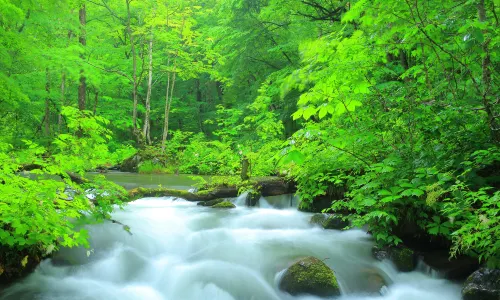
Record of the romantic winter trip in 2020.1~ The Oirase Gorge in winter is less green, but more blessed by snow and icicles. The gurgling stream is not radical, but it also surges with energy. There are dead branches all around, which is a bit sad, but also a bit magnificent. We booked the hotel shuttle to visit the Oirase Gorge, and specially chose 2 activities, one for night view and one for daytime. It only takes more than half an hour to go back and forth. The shuttle will drive directly to several scenic spots and let everyone get off to take pictures. I remember that there are 2 scenic spots for night view, mainly to appreciate the icicles under the lights at night, and the main stream. The daytime is slightly richer. The car will introduce the Oirase Gorge (although I can't understand it), and some landscape pictures will be played, etc. There is one more scenic spot than the night one, Yunjing Waterfall. The feeling brought by getting off the bus to check in and take pictures is definitely incomparable to the immersive hiking appreciation. The advantage is convenience and time saving, depending on personal needs.
 4.5/5
4.5/5 🍂Chris Zhou
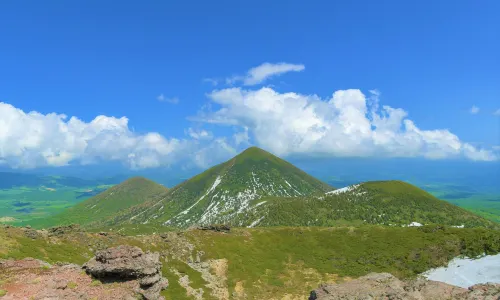
Mount Hakkoda is definitely worth a visit. It's not a single peak, but a mountain range comprised of more than ten volcanoes, offering distinct scenery in each season, especially renowned for its winter wonders of "tree ice" (ice sculptures) and autumn's vibrant red leaves. Whether you're a nature lover, an outdoor enthusiast, or a traveler seeking a unique cultural experience, you'll find something to your liking here. Highlights & Practical Tips ❄️ Natural Wonders: Tree Ice (Snow Monsters): A winter wonder, these are natural sculptures formed by mist condensing on trees, creating a spectacular and mysterious sight. The best viewing period is from December to March. You can take a cable car for a panoramic view or participate in snowshoeing for a closer look. Alpine Wetlands and Volcanic Landforms: Home to numerous wetlands and ponds, including the Munamit Wetlands, this area is a treasure trove of alpine flora. In summer, you can explore hiking trails like the "Gourd Line," offering varying levels of difficulty suitable for different types of visitors. 🌲 Seasonal Activities: Winter Skiing: Renowned for its high-quality powder snow and off-piste slopes, this is a paradise for skiers. Suitable for experienced skiers; ski slopes and equipment rental services are available on the mountain. Hiking and sightseeing are also possible. Autumn (late September to mid-October) is the best time to view the autumn leaves, making it one of the earliest places in Japan to see the fall foliage. 🚡 Featured Experiences: Hakkoda Ropeway: Approximately 10 minutes one way, directly to the summit park station, offering 360-degree panoramic views of the mountains and Aomori Bay. Operating hours are typically 9:00-16:20 (until 15:40 in winter). Hot Spring Experience: Enjoy the famous Sukayu Onsen (a mixed-gender public bath with over 300 years of history) at the foot of the mountain to relieve fatigue. 💡 Itinerary Planning Suggestions: Transportation: From Shin-Aomori Station or Aomori Station on the Tohoku Shinkansen, take a JR bus towards the "Hakkoda Ropeway" (approximately 1 hour journey), which goes directly to the ropeway station. Season Selection: Winter (December-March): The peak season, the best time to view snow trees and ski. However, please note that Mount Hakkoda is a notoriously snowy region in Japan, with unpredictable weather. A serious mountaineering tragedy occurred in 1902 (known as the "Hakkoda Snow March Incident"). Always check the weather forecast, participate in guided tours, and prepare appropriate cold-weather gear. Autumn (late September to mid-October): Stable weather and vibrant colors make it the golden time for hiking and photography. Spring and Summer: Ideal for easy high-altitude hiking, enjoying the fresh greenery and wetland flowers. 💎 In short, Mount Hakkoda is a mountain range brimming with wild beauty and seasonal charm. It may not be as widely known as Mount Fuji, but this very fact allows you to experience the pristine tranquility of Japan's natural landscape.
 4.7/5
4.7/5 _M1***07
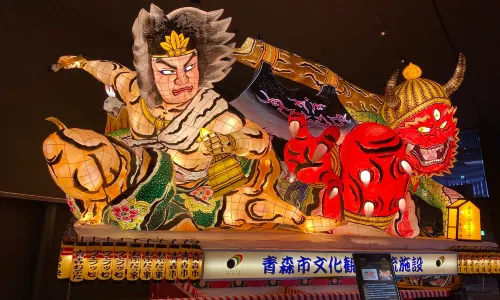
Adult ticket is 620 The second floor is under renovation recently and is basically closed. Only the first floor can be visited. There are several large award-winning floats, masks, drums and other exhibits. There is a short film introduction every half an hour. This museum is next to the JR station. There is a bridge and a boat outside the museum, as well as the big AOMORI logo. It is worth a look
 44.4/5
 FTT日本留学
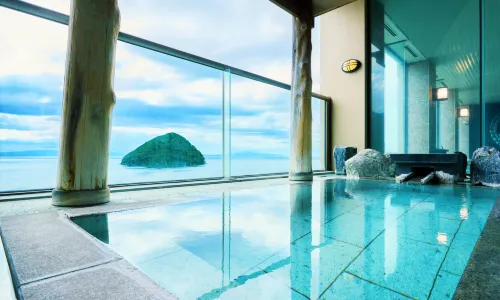
Asamushi Onsen, a small town hidden on the seaside in Aomori Prefecture, Japan, is an unforgettable hot spring resort. The following is my detailed evaluation of Asamushi Onsen: 1. Long history and profound cultural heritage The source of Asamushi Onsen is said to have been discovered during the Heian period and has a long history. It was once used to steam linen cloth for hot compresses, hence the name "hemp steaming", which later evolved into the current "asamushi". Not only does it have a rich historical and cultural heritage, but it was also a place where Japanese literary giants often came to bathe, adding a bit of literary flavor to this land. 2. Convenient transportation and superior location Asamushi Onsen is only about a 30-minute drive from downtown Aomori, and the transportation is very convenient. It can be easily reached by taking a bus or the Asamushi train of the "Ao Mori Railway" from Aomori Station on the JR Tohoku Main Line. This makes Asamushi Onsen an ideal excursion destination, whether it's for a relaxing weekend or a short getaway. 3. The hot spring water is of excellent quality and has remarkable curative effects. The spring water of Asamushi Hot Spring is colorless and transparent. It is rich in mineral components such as sodium, calcium, and sulfate. It is an acidic sulfur spring. This hot spring water has a particularly good effect on gastrointestinal diseases, skin diseases, neuralgia, rheumatism and other diseases. Soaking in the warm hot spring water can not only relieve physical fatigue and pain, but also relax and heal the mind. 4. Complete supporting facilities and considerate services Asamushi Hot Spring Village has many hot spring hotels and B&Bs, providing a wealth of accommodation options. These hotels and B&Bs are not only well-equipped with facilities but also offer attentive services. Here, you can enjoy traditional Japanese tatami rooms, delicious Japanese cuisine and considerate room service. In addition, some hotels have also launched "Masushi Soup", allowing tourists to enjoy the fun of bathing in various hotels. 5. Rich surrounding attractions and diverse travel experiences In addition to soaking in hot springs, there are many attractions worth visiting around Asamushi Onsen. For example, Asamushi Aquarium and bathing beaches are all good places to visit. In addition, you can also participate in local traditional festivals, such as the "Nebutuo Festival", to feel the unique local cultural atmosphere and festive atmosphere. 6. Slightly deficient areas Of course, Asamushi Onsen also has some areas for improvement. For example, some old facilities and air-conditioning noise may affect tourists' accommodation experience; some hotels may need more diverse breakfast options to meet the tastes of different tourists. But overall, these small flaws do not affect Asamushi Onsen's status as an excellent hot spring resort. To sum up, Asamushi Hot Spring is highly regarded for its long history, superior geographical location, excellent hot spring water quality, complete supporting facilities and rich surrounding attractions. Whether you are a tourist who wants to relax and enjoy hot spring treatments, or a traveler who wants to experience Japanese traditional culture and food, you can find your own fun and satisfaction here.
 No. 1 of Night Attractions in Aomori Prefecture
