
Things to do in Chengdu: pandas, food and rail
Explore Chengdu and surrounding regions in Sichuan by high-speed rail


Chengdu is also among the destinations highlighted in Trip.com Group’s global “Go China” campaign, featuring Jackie Chan as Global Ambassador for China Travel. It is easy to see why. Chengdu combines food, wildlife, history, and an unmistakably relaxed local rhythm with convenient rail connections across western China. For first-time visitors, 3–5 days gives you enough time to experience Chengdu itself while adding at least one scenic rail trip.
Top attractions & cultural highlights in Chengdu
Pandas, teahouses and the slow rhythm of Chengdu

Hotpot, noodles and Chengdu’s teahouse culture
Sichuan hotpot is the centerpiece, with beef, vegetables, tofu, and other ingredients cooked at the table in a bubbling beef-tallow broth fragrant with dried chilies and Sichuan peppercorns. If you’re sensitive to spice, ask for a yuanyang split pot, with a milder broth on one side.
Beyond hotpot, try mapo tofu, silky and intensely savory; dandan noodles, traditionally served in smaller portions than many overseas versions; Zhong dumplings dressed in a sweet-spicy chili oil; and chuan chuan xiang, skewered ingredients cooked in a communal pot and typically priced by the stick. Casual noodle shops and neighborhood restaurants are easy to fit between attractions, so there’s little need to plan every meal in advance.
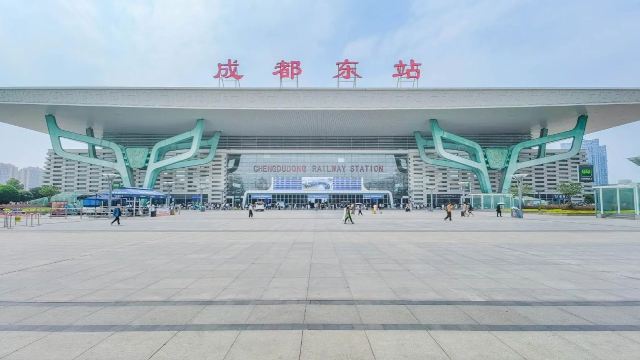
Tea culture runs alongside all of it. A Chengdu day can easily unfold between eating, drinking tea, and simply watching the city go by. It is a rhythm that works surprisingly well with a rail-based trip. If sightseeing runs late, major railway hubs such as Chengdu East also offer plenty of food options before you board your next train.

Scenic day trips from Chengdu by high-speed rail
Beyond Chengdu: Leshan, Jiuzhaigou and Chongqing by rail
Chengdu is one of western China’s most useful rail hubs. These routes make it easy to turn a city break into a wider Sichuan adventure.
- Chengdu East → Leshan: One of the easiest and most rewarding day trips from Chengdu, Leshan is home to the UNESCO-listed Leshan Giant Buddha, a 71-meter Tang dynasty carving cut into a river cliff. With 70+ trains running daily and the fastest journeys taking around 41 minutes, it is easy to leave Chengdu in the morning and return in time for dinner. Leshan Railway Station is not within walking distance of the Giant Buddha, so allow around 20–30 minutes for the onward journey by taxi or local transport. Want to go farther? Continue by train to Emeishan and combine Leshan with the sacred Mount Emei area, ideally with an overnight stay rather than squeezing both into one day.
- Chengdu East → Huanglongjiuzhai: from around 1 hour 33 minutes, with roughly 29 trains per day on current schedules. The railway dramatically reduces the overland portion of a trip toward Jiuzhaigou and Huanglong, although the station is not inside Jiuzhaigou National Park itself. You will still need onward road transportation, so this works better as an overnight excursion than a rushed same-day return.
- Chengdu East → Chongqing: from around 1 hour 15 minutes, with roughly 150+ daily trains on current schedules. For travelers who want to extend their trip beyond Sichuan, Chongqing is one of the easiest next stops. Explore its hillside neighborhoods, hotpot culture and dramatic Yangtze River skyline before continuing farther through China. Check your arrival station carefully. Services terminate at Chongqing North, Chongqing West or Shapingba, and they are a long way apart.
Which Chengdu railway station should you use?
Do not simply tell your driver to take you to “Chengdu Station.” Chengdu has several major railway hubs, and heading to the wrong one can cost valuable time. Different stations serve different routes, although some destinations are served by more than one station.
- Chengdu East Railway Station: It is the main high-speed rail hub for many visitors, with frequent services to Leshan, Chongqing, and other major intercity destinations. The station is connected to Metro Lines 2 and 7. Line 2 takes you directly toward central Chengdu, with Chunxi Road around 15 minutes away by metro.
- Chengdu South Railway Station: It serves selected regional and intercity trains, including some departures for Leshan and Emeishan. It is connected to Metro Lines 1, 7, and 18, with Line 1 reaching Tianfu Square in around 20 minutes. Always check the departure station on your ticket carefully, as some Leshan-bound trains leave from Chengdu South rather than Chengdu East.
- Chengdu West Railway Station: It is useful for selected western and regional routes, including services toward Dujiangyan, Qingchengshan, and Ya’an. The station is connected to Metro Line 4, making it relatively straightforward to reach from central Chengdu.
For most first-time visitors, the metro is the simplest way to reach Chengdu’s railway stations, helping you avoid unpredictable road traffic. For early departures, heavy luggage, or group travel, a taxi or ride-hailing service may be more convenient.
Plan to arrive at the station 45–60 minutes before departure, particularly for your first train journey in China. Chengdu’s major stations are large, so allow enough time for passport checks, security screening, and finding the correct waiting area and boarding gate.
Five days in Chengdu: Pandas, Leshan and Sichuan by rail
- Day 1: Arrival in Chengdu
Settle in and explore central Chengdu. Spend the afternoon at People’s Park over a cup of tea before wandering through Kuanzhai Alley around dusk. Finish your first day the Chengdu way: gathered around a bubbling Sichuan hotpot.
- Day 2: Pandas and old Chengdu
Book an early entry to the Chengdu Research Base of Giant Panda Breeding and arrive while the pandas are at their most active. Return to the city for lunch and try local favorites such as dandan noodles or chuan chuan skewers. Spend the afternoon exploring Wuhou Shrine and Jinli Ancient Street, then catch a Sichuan opera face-changing show in the evening.
- Day 3: Leshan by high-speed rail
- Day 4: Mountains or megacity
Choose your scenery. Head toward Qingchengshan and Dujiangyan for Taoist mountain landscapes and the remarkable 2,000-year-old Dujiangyan irrigation system. Prefer neon skylines to mountain trails? Take a high-speed train to Chongqing and spend the day exploring highlights such as Hongyadong and Ciqikou Ancient Town.
- Day 5: Onward travel
Use your final day to continue your journey rather than backtracking. Choose the route that best fits your wider China itinerary:

How to book & ride rail trains in Chengdu
Chengdu’s rail routes fall broadly into two categories. Chongqing services are extremely frequent, with around 140 trains a day on current schedules, so missing one departure may only mean a short wait for another suitable train. Leshan and Emeishan are different. Weekend and holiday services can fill quickly, and because an early start gives you more time for sightseeing, the best morning departures are often the first to go.
China Railway generally releases tickets 15 days before departure, which can be inconvenient when you’re planning a China trip months ahead. Booking through Trip.com helps close that gap. You can submit your booking request in advance, and Trip.com will attempt to secure your seats automatically once tickets are released. The platform also offers English-language support and international payment options, making the process easier for overseas travelers.
You usually won’t need a paper ticket. Bring the original physical passport used for your booking, and make sure the passport number and passenger details match exactly. At stations where your passport can be read by the automatic gates, scan it to enter. Otherwise, simply use the staffed passport-check channel.
Choosing your class:
- Second Class: Clean, comfortable, and practical for short journeys such as the 41-minute ride to Leshan. For most Chengdu day trips, it is all you really need.
- First Class: Offers wider 2+2 seating, more personal space, and generally a quieter carriage. It can be worth the upgrade on longer journeys, but is rarely necessary for a quick day trip.
Ready to explore Sichuan by rail? Lock in your passport-verified e-tickets on Trip.com before the most convenient morning departures fill up.
Explore more China visa‑free travel inspiration?
Chengdu connects onward in every direction. Thinking of a longer rail journey across China? Keep planning:
- Finished exploring Chengdu and the Leshan Giant Buddha? Head east to cyberpunk Chongqing, then continue by high-speed rail into the dramatic peaks of Zhangjiajie, China’s “Avatar Mountains.” ➡ Continue your journey with our [Chongqing to Zhangjiajie Rail Guide]
- Once you’ve had your fill of pandas, head south from Chengdu by high-speed rail and connect to the ancient towns, mountains, and laid-back landscapes of Dali and Lijiang. ➡ Plan your next stop with our [Yunnan Rail Adventure].
- Planning a wider China adventure? ➡ See how this route fits into our [China Visa-Free Travel Guide]






- Top attractions & cultural highlights in
- Scenic day trips from
- Five days in Chengdu: Pandas, Leshan and Sichuan by rail
- How to book & ride rail trains in
- Explore more China visa‑free travel inspiration?
Related travel guide
 Updated: September 30, 2026
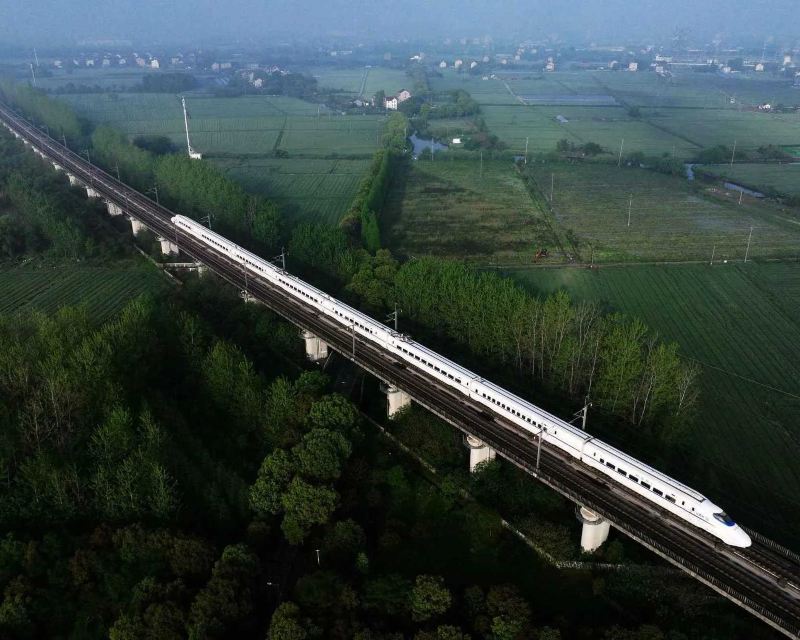
Shanghai to Hangzhou high-speed bullet train guide
 Updated: September 30, 2026
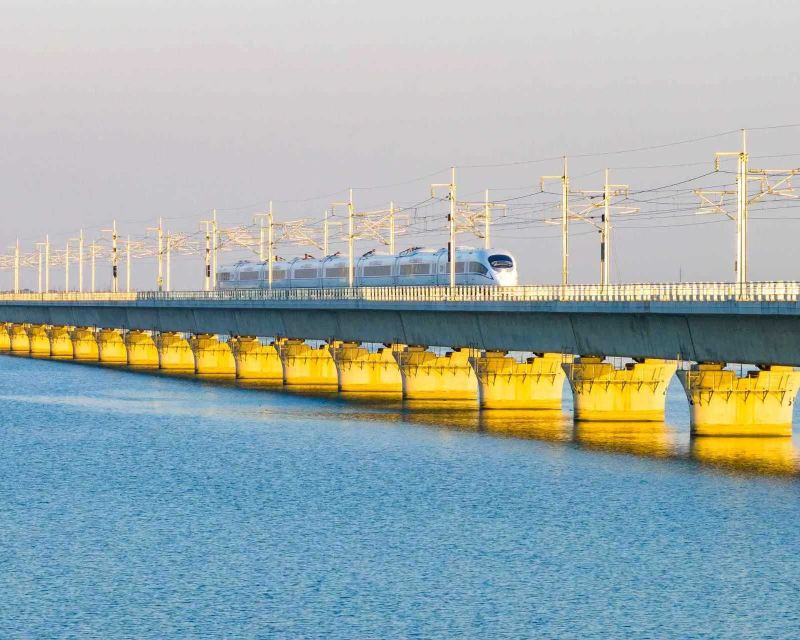
Shanghai to Suzhou high-speed trains guide
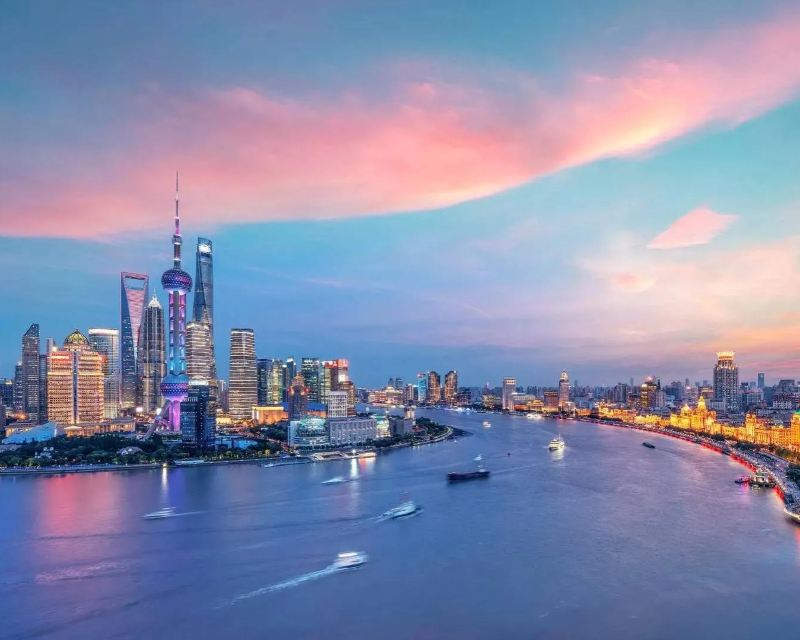 Updated: September 30, 2026
Shanghai visa-free rail itineraries
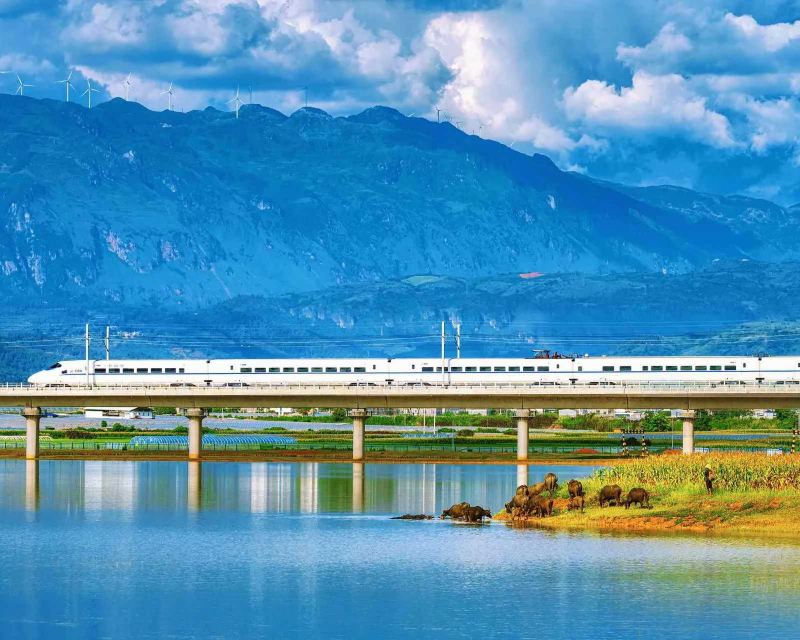 Updated: September 30, 2026
Yunnan rail guide: From Kunming to Dali and Shangri-La
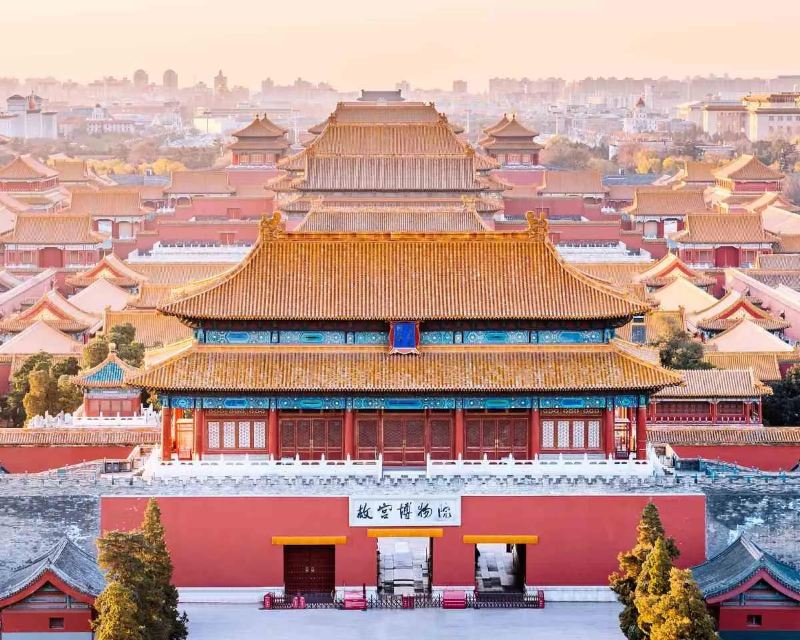 Updated: September 30, 2026
China visa-free travel guide
 Updated: September 30, 2026
Hong Kong to Mainland China transit guide
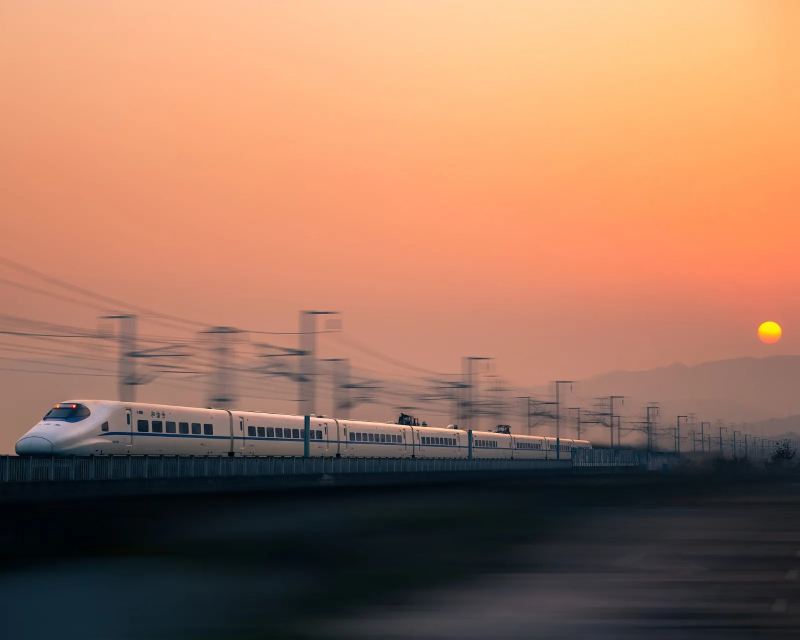 Updated: September 30, 2026
Chongqing to Zhangjiajie high-speed train guide
 Updated: September 30, 2026
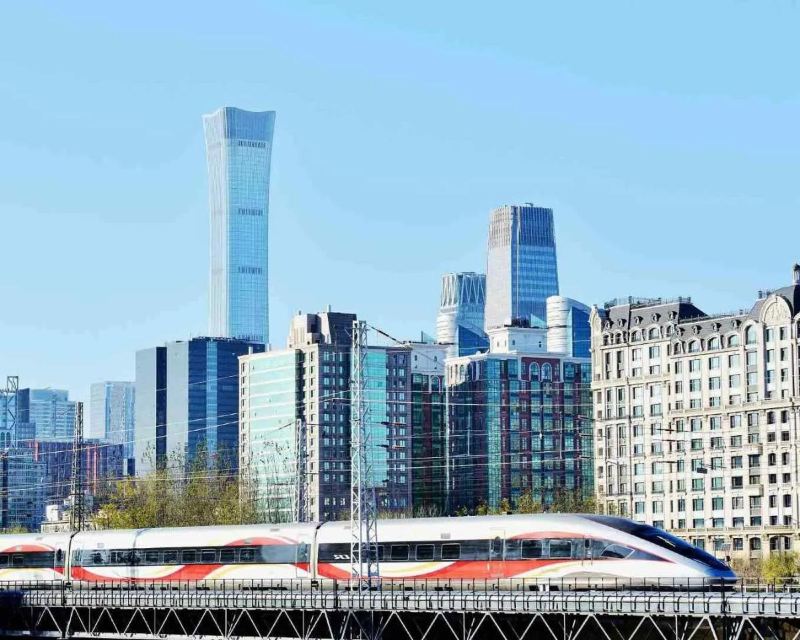
Beijing to Shanghai high-speed bullet train guide
 Updated: September 30, 2026
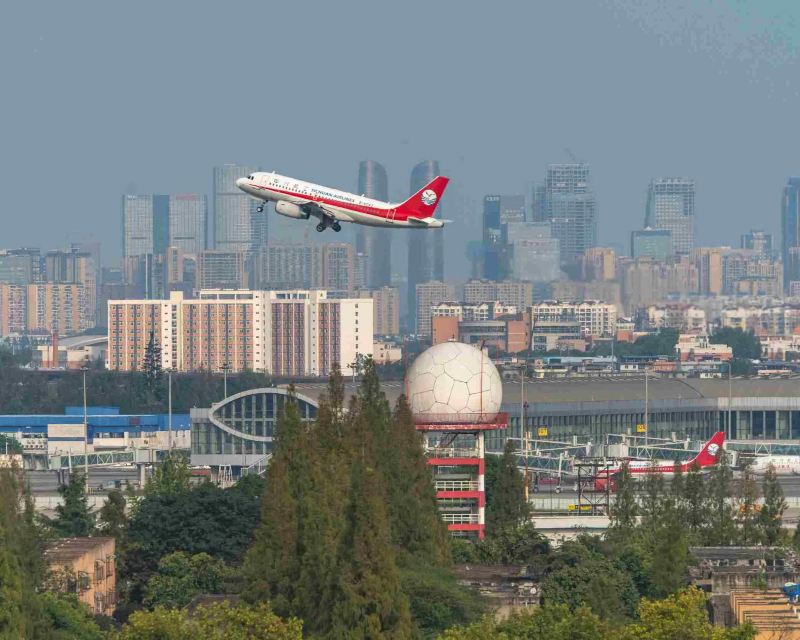
Chengdu Shuangliu International Airport Transfer Guide
 Updated: September 30, 2026
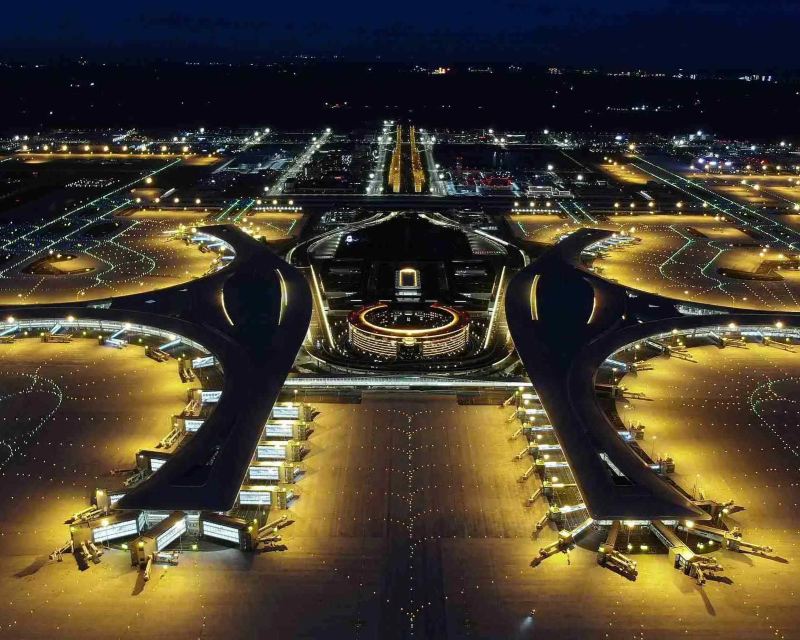
Chengdu Tianfu International Airport Transport Guide

- China visa-free travel guideUpdated: September 30, 2026
- Shanghai visa-free rail itinerariesUpdated: September 30, 2026
- China visa-free travel guideUpdated: September 30, 2026
- Yunnan rail guide: From Kunming to Dali and Shangri-LaUpdated: September 30, 2026
- Hong Kong to Mainland China transit guideUpdated: September 30, 2026
- Chongqing to Zhangjiajie high-speed train guideUpdated: September 30, 2026
- Beijing to Shanghai high-speed bullet train guideUpdated: September 30, 2026
- Shinkansen onboard experience guideUpdated: September 23, 2026
- Japan Shinkansen guide: routes and ticketsUpdated: September 23, 2026
- Tokyo to Kyoto and Osaka by ShinkansenUpdated: September 23, 2026
- Hokuriku Shinkansen route and travel guideUpdated: September 23, 2026
- JR Pass vs. Shinkansen ticketsUpdated: September 23, 2026