Shanghai 2025 Guide: Must-see attractions, local cuisine, and practical tips! | Trip.com
 Local GuidesLast updated on Trip.com: 18/09/2025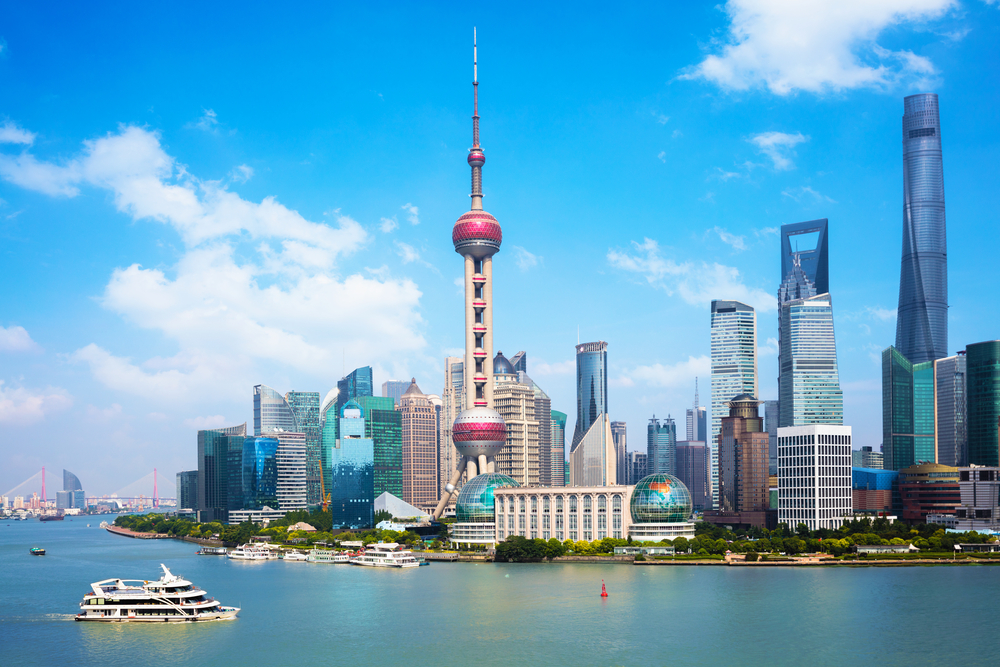
Shanghai Brief Guide
Shanghai, often dubbed "the Paris of the East", charms with its iconic skyline of soaring towers and historic lanes alive with delicious local foods. Use our guide to explore everything this magnificent city offers, from iconic sights to local gems.
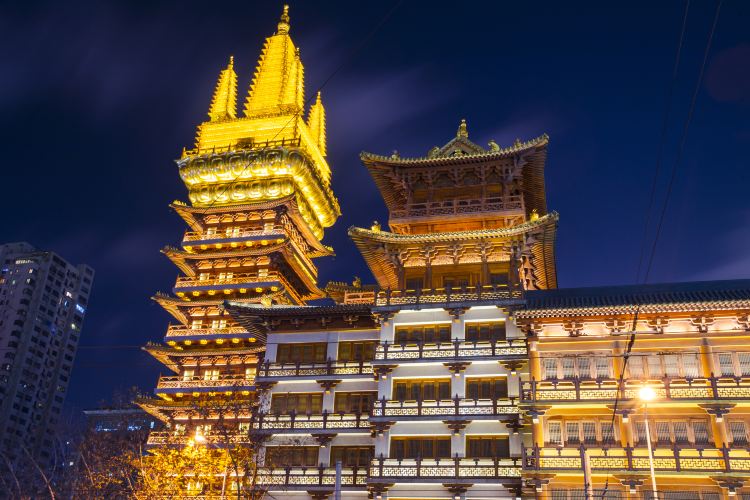
Shanghai Must-try local experiences
Get Lost in Shanghai Disney Magic
Rush into Shanghai Disney Resort, where seven lands unfold—gaze up at the Storybook Castle, roam the new Zootopia zone, or zip through Tron's neon tracks. Pirates' plunge and Soarin's flight thrill; parades and fireworks light up the night. Shanghai's twist on Disney spins bold.
Soar Above Shanghai's Skyline
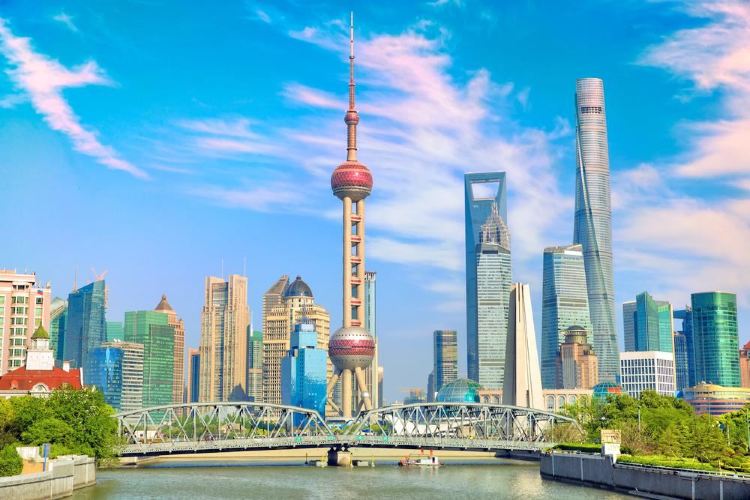
Ascend Shanghai Tower in Pudong—632 meters up, the city shrinks below. The Oriental Pearl Tower dazzles with its glass skywalk; the Shanghai World Financial Center frames the sky through its cutout. Jin Mao Tower adds a sleek perch—each peak offers a unique view of the beautiful city below.
Stroll the Iconic Bund Riverside
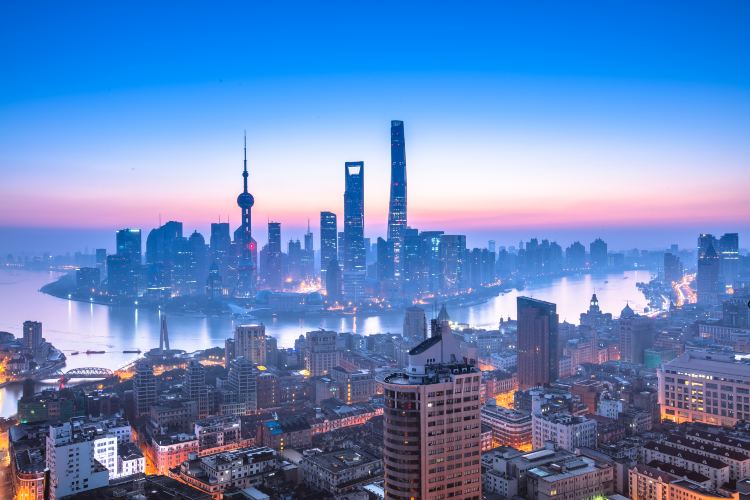
Pace the Bund along the Huangpu, where historic facades line Puxi's West bank—walk its stretch past stone classics. Cross to Pudong's East Riverside Promenade, biking or tracing a neon skyline path. Views shift from old charm to glass gleam; Shanghai's split cuts sharp at dusk.
Cruise Shanghai's Scenic Waterways
Glide the Huangpu River on a cruise—night rides blaze past the Bund's glow and Pudong’s towers; day trips spot ferries and barges. Or drift Suzhou Creek, tracing old mills, arched bridges, and hidden homes. Pick a glass-roofed boat or open-air ride—Shanghai shifts from water's edge.
Wander the Former French Concession
Get lost in the Former French Concession, where sycamore-lined streets weave past Wukang Mansion's ship-like curve and Sinan Mansions' stone gates. Sip coffee in shikumen cafes or trace Ferguson Lane's boutique stretch. Shanghai's past bends with modern lifestyle, from leafy calm to art deco flair.
Enjoy Shanghai's Art Galleries & Museums
Uncover the Shanghai Museum on People’s Square—bronzes, jade, and calligraphy trace China's past. M50 Creative Park along Suzhou Creek buzzes with edgy art in old mills; the Museum of Art Pudong stuns with modern works. Peek at the Shanghai Astronomy Museum's starry dome or the Natural History Museum's towering fossils—each stop bridges eras.
Savor Authentic Shanghai Flavors
Bite into xiaolongbao, broth bursting in thin skins, or hongshao rou, rich and red-braised. Shengjian mantou is fried crisp with meat; scallion pancakes are flaked on street stalls. From sizzling carts to old-school restaurants, Shanghai blends sweet soy and slow-cooked depth.
Shop Vibrant Shanghai Streets
Roam West Nanjing Road—flagship stores and neon flare bright. Middle Huaihai Road gleams with luxe boutiques; Tianzifang's tight lanes spill crafts and vintage finds. Small shops hawk specialty snacks and trinkets—Shanghai's trade weaves street charm with glossy chic.
Enjoy Shanghai's Live Music Scene
Tap into Shanghai's stage scene. The Fairmont Peace Hotel’s legendary jazz band swings with '30s charm, a city treasure. International acts light up venues with jazz, rock, and more, while musicals dazzle at Cultural Square and local theater hums in intimate spaces. From grand stages to cozy gigs, Shanghai's nightlife strums alive.
Explore the Historic Old Town
Enter Yu Garden, where Ming-era pavilions frame ponds, and dive into Yuyuan Bazaar's maze of snacks and wares. From calm courtyards to lively stalls, this 16th-century core hums with Shanghai's early trade and craft.
Discover Trendy Modern Hangouts
Hit Xintiandi, where Shikumen lanes turn sleek with bars and bistros. Columbia Circle buzzes with cafes and poolside bites; Shang Kang Li spins trendy eats into Riink's neon roller disco. INS in Fuxing Park stacks floors of clubs—Shanghai's new pulse beats 24/7.
Trace Hongkou's Rich History
Roam Hongkou, where the Postal Museum stands in 1920s brick and Jewish lanes trace 1940s refuge. North Sichuan Road buzzes with retro shops; warehouses nod to river trade. Peek at the Ohel Moshe Synagogue—Shanghai's north tells tales of grit and grace.
Relax in Shanghai's Urban Oases
Chill at the West Bund's riverside, where locals and expats dance, do yoga, or have a picnic by the Huangpu. Farther out, Zhujiajiao's ancient canals and stone bridges drift with boats past teahouses—Shanghai's urban green and watery calm clash in quiet rhythm.
Witness Morning Park Traditions
Watch park mornings—tai chi flows, retirees belt old songs, mahjong tiles clack under trees at spots like Zhongshan Park, Luxun Park, or Fuxing Park; catch it around 7 AM for the whole spirit. Zhongshan in Changning hums with line dancing, Luxun in Hongkou nods to literary roots, Fuxing in Huangpu blends French flair—each a slice of daily Shanghai.
Shanghai Must-see Attractions
Shanghai’s a city that dances between old and new—its landmarks tell the tale. From Disney’s sparkle to Yu Garden’s calm, here’s what pulls you in.
Shanghai Disney Resort
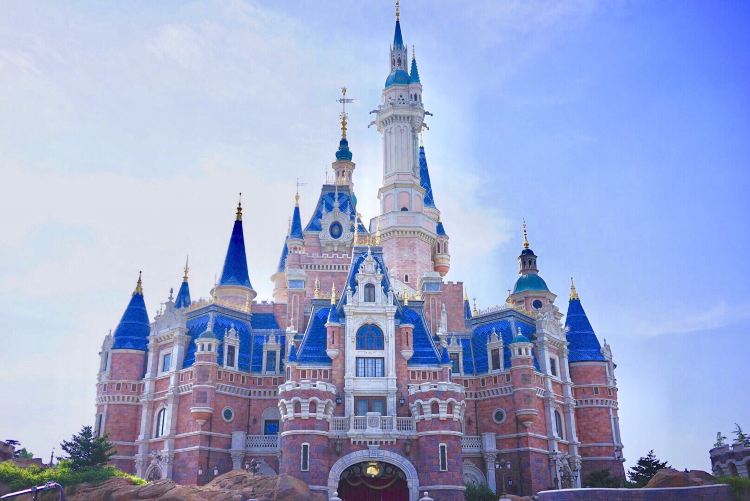
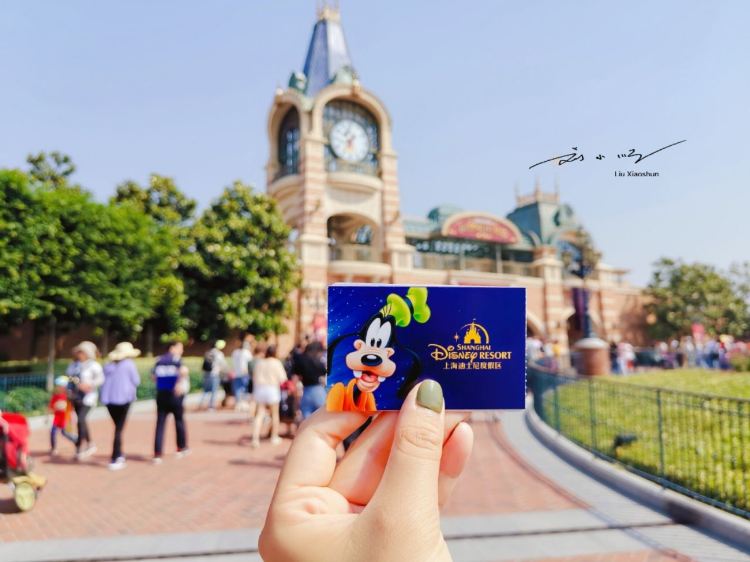
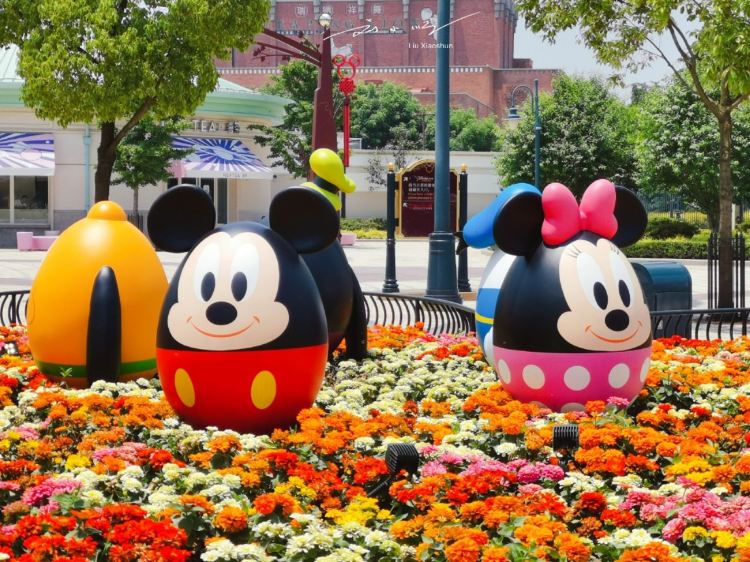
Shanghai Disney Resort blends Disney magic with Chinese flair—since 2016, its seven lands, from Pirate Cove’s shipwreck thrills to Zootopia’s recent debut, buzz with rides like Tron’s neon rush and shows that run dawn to dusk. The Enchanted Storybook Castle, the world’s tallest Disney centerpiece, anchors it—snap pics from the front plaza or boat through Voyage to the Crystal Grotto below. Midweek cuts the weekend crush; take Metro Line 11 to Disney Resort Station (end of the line) and arrive early for shorter queues—bring comfy shoes and a portable charger for a full day’s haul.

 Anonymous userThere's so much to see and do at Shanghai disneyland, it is a huge park with endless magical moments. Rides are very kids friendly and there are lots of food options available inside and outside the park at disneytown. Stay till evening for their night parade with fireworks, totally worth it!
Oriental Pearl Tower
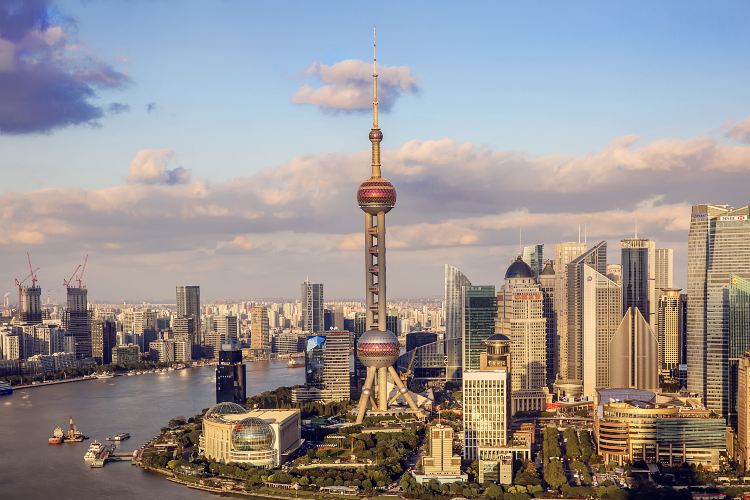
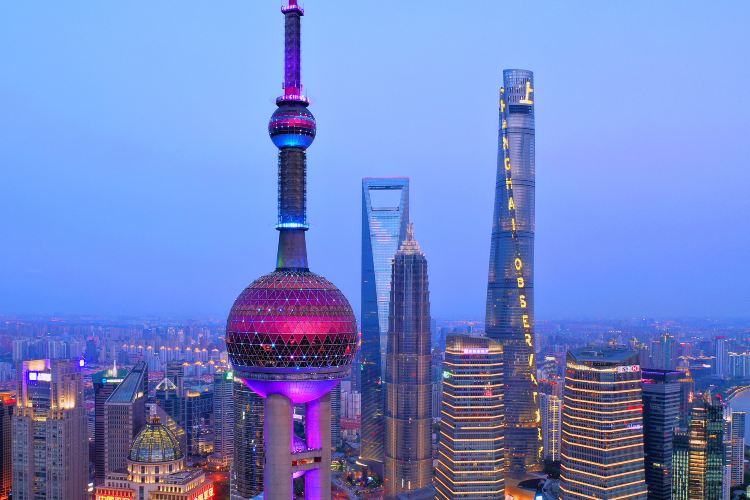
The Oriental Pearl Tower spikes Pudong’s skyline—its 11 pink spheres and tripod legs riff on ancient poetry, a quirky beacon since 1994. Climb to the Space Module (351m) for a 360-degree city sweep or the Sightseeing Floor (259m) for a closer gaze—early mornings dodge haze, nights ignite the lights. Metro Line 2 to Lujiazui Station drops you steps away; pair it with a Bund stroll across the river—tripods beat shaky hands for dusk shots.
The Bund
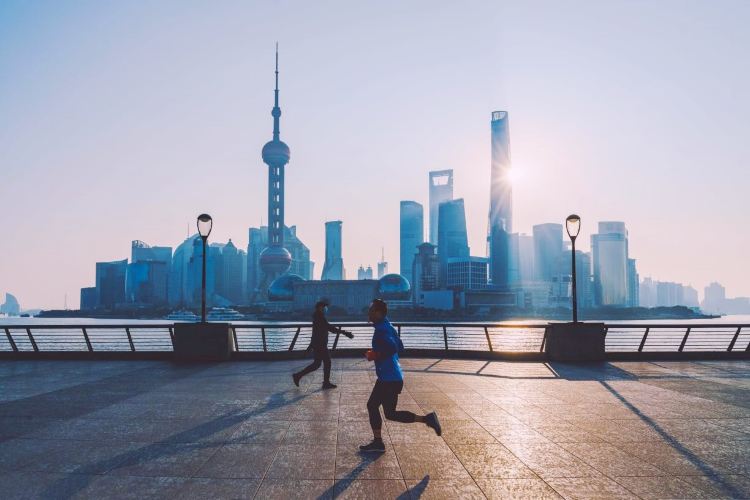
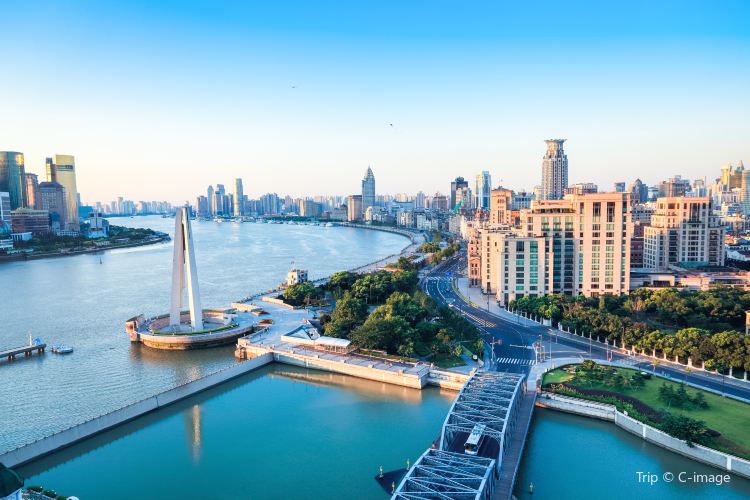
The Bund lines the Huangpu River, a 1.5km stretch of 52 neoclassical relics—Gothic spires and Art Deco curves from Shanghai’s 1920s trading heyday, now mixing luxe bars and hotels. Dawn walks catch the quiet before selfie sticks swarm; evenings glow with Pudong’s skyline as a backdrop—start at the Peace Hotel for a history-soaked pivot. Metro Line 2 or 10 to East Nanjing Road Station gets you close.
Shanghai Wild Animal Park
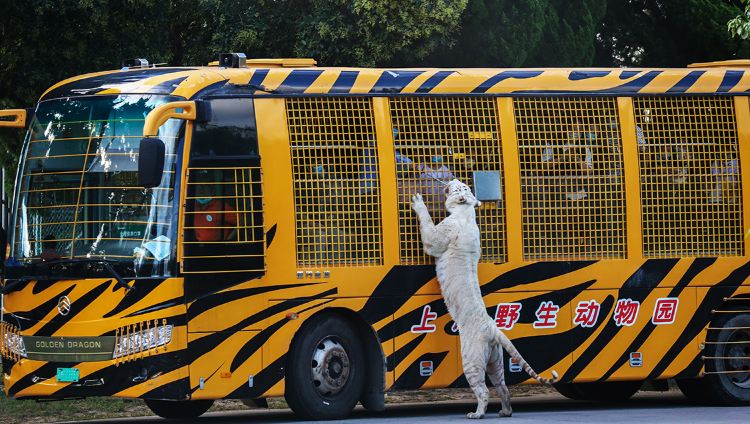
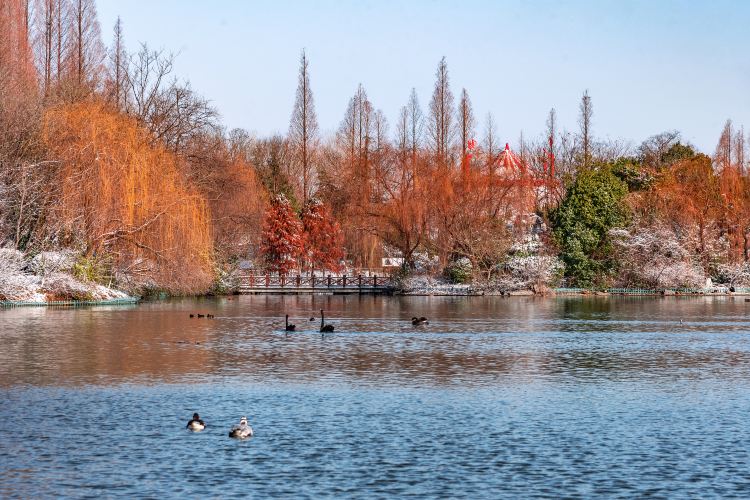
Shanghai Wild Animal Park, kicking off in 1995 as China’s first national wildlife spot, swaps cages for open ranges—giraffes munch, tigers stalk, and pandas loaf across 153 hectares. Hop the bus tour for close-ups (book at entry) or roam themed zones like the African savanna; mornings wake the animals—bring binoculars and a hat for sun-soaked trails. Metro Line 16 to Wild Animal Park Station, then a short taxi hop—check feeding times online to catch the action.
Yu Garden
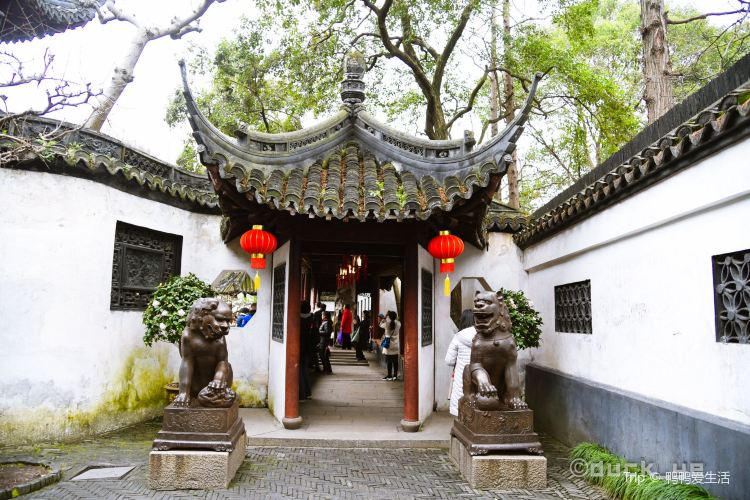
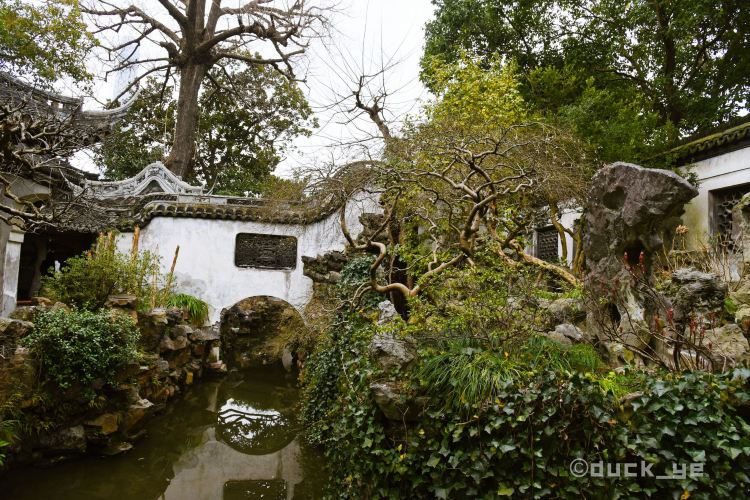
Yu Garden sprawls over five acres—a Ming-era gem since 1559, weaving pavilions, koi ponds, and dragon-walled paths around the Exquisite Jade Rock, a porous marvel that smokes with incense. Hit it early to soak in the calm before tour groups flood; next door, Yuyuan Bazaar tempts with dumplings and trinkets—grab a snack to-go. Metro Line 10 to Yuyuan Garden Station lands you a block away—wear grippy shoes for slick stone paths, especially after rain.
Shanghai Food Guide
Shanghai’s food scene buzzes with Hu cuisine classics—street stalls and home kitchens dish out flavors that define the city.
Shanghai Breakfast
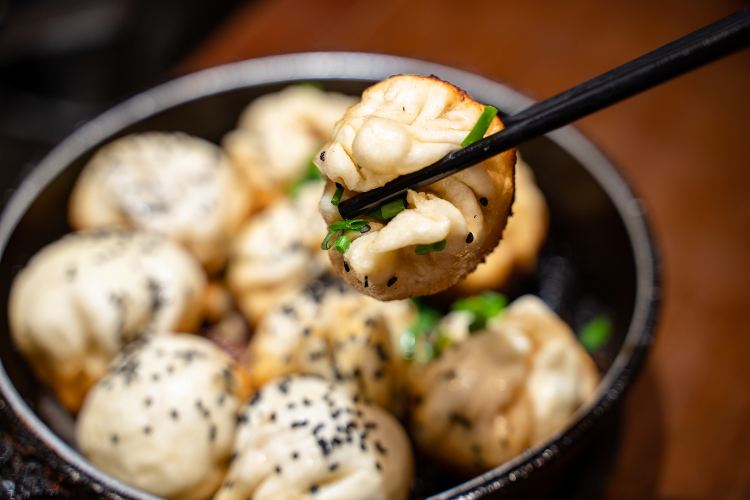
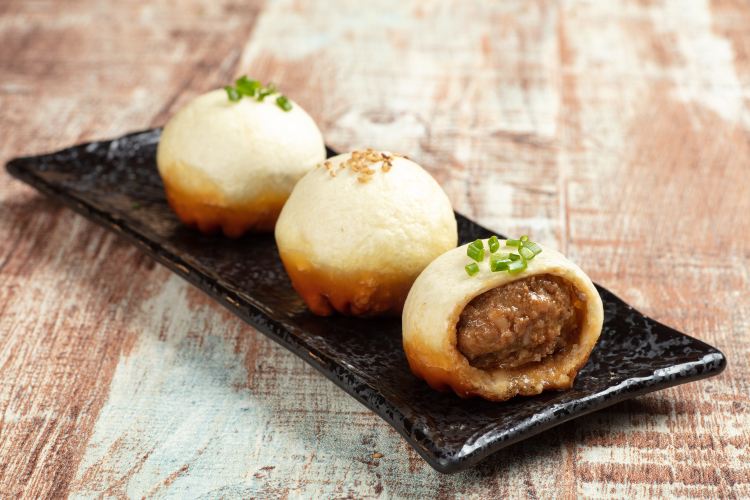
Shanghai mornings fire up with a lineup of savory stars—Shengjian Mantou brings crispy-bottomed pork buns oozing broth, You Tiao offers golden fried sticks paired with sweet soy milk or savory bean curd, Guotie delivers pan-fried potstickers packed with meat, and Xiao Hun Tun serves tiny wontons in a light, clear soup. These local staples have been waking locals since the teahouse era—born from street carts and still a daily ritual.
Shanghai Xiaolongbao
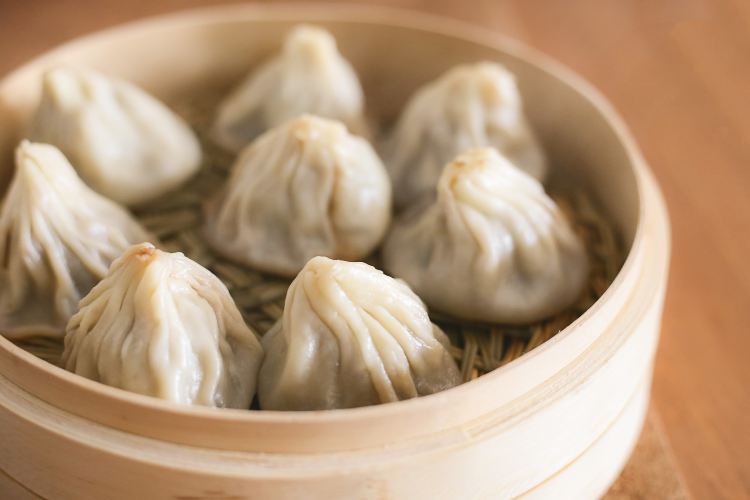
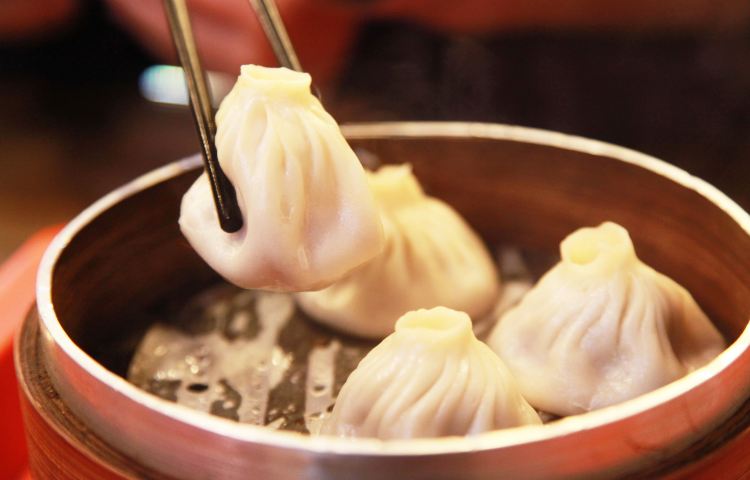
Xiaolongbao are Shanghai’s steamy pride—thin dough wraps pork or crab, sealing in a hot broth that demands a careful bite; often enjoyed with with ginger and vinegar. A local icon from old-school kitchens, they’re a must for their delicate balance of juice and chew. Jia Jia Tang Bao on Huanghe Road sets the bar—line up by 8 AM and get the pork, crab or shrimp fillings.
Scallion Oil Noodles
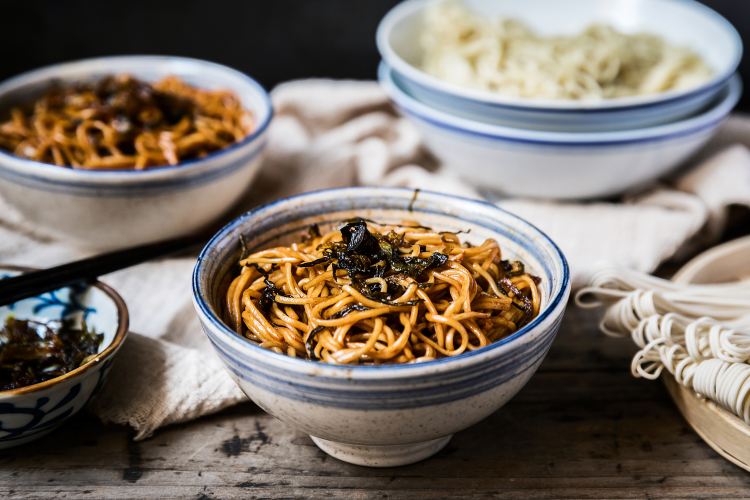
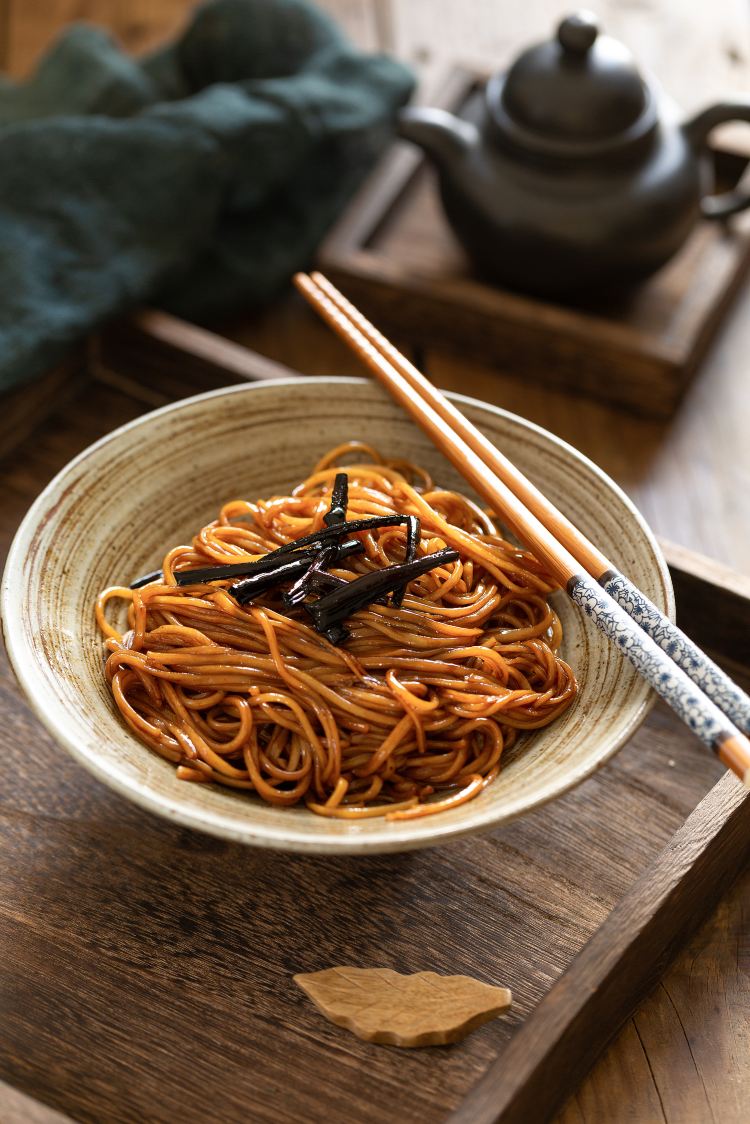
Scallion Oil Noodles are a Shanghai street staple—fresh scallions sizzle in a wok, infusing oil with a deep, nutty aroma that coats chewy wheat noodles. Born in the ‘30s from quick-fry stalls, they’re a comfort dish everyone loves for their bold simplicity—sometimes spiked with a dollop of peanut sauce for extra kick.
Hongshao Rou
Hongshao Rou is a pork belly dish noone can resist—braised with soy, sugar, and anise, it’s red, tender, and sticky with a sweet-savory punch. A home-cooked staple since Shanghai’s old days, it’s comfort food that Shanghainese enjoy year-round.
Tang Cu Pai Gu
Tang Cu Pai Gu braises short ribs in a sweet-sour sauce—caramelized and glossy, this Hu cuisine classic balances tender meat with a tangy bite. It’s a dinner table fixture, loved for its loud flavors since the city’s culinary roots took hold.
Shanghai Transportation
How to Get There
Shanghai's transportation infrastructure is robust, with its airports and railway stations being the primary hubs for intercity travel.
By air
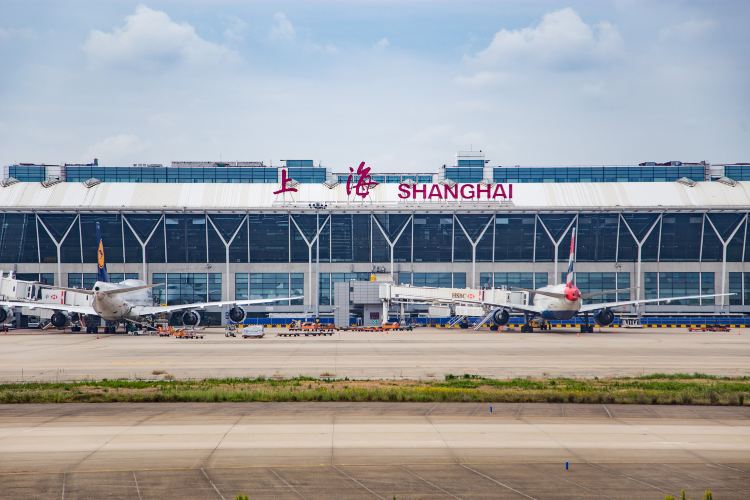
Shanghai Pudong International Airport (PVG): This is Shanghai's primary international airport, located approximately 40 km (25 miles) east of the city center, serving as the arrival point for most overseas tourists.
To the city center:
- Maglev + Metro: For the fastest journey, take the high-speed Maglev train from the airport to Longyang Road Metro Station (8 minutes). From there, transfer to Metro Line 2 to reach People's Square and other downtown areas.
- Metro: Metro Line 2 runs directly from the airport to downtown stations like People's Square, but the journey is longer.
- Taxi/Ride-hailing: Available 24/7. Fares to the city center are typically between ¥160 and ¥220 during the day. Ride-hailing apps like DiDi are also widely available and often slightly cheaper.
- Bus: Several airport bus routes serve different parts of the city. While budget-friendly, the journey is longer and susceptible to traffic congestion.
Shanghai Hongqiao International Airport (SHA): This airport primarily serves domestic flights and short-haul international flights to destinations such as Tokyo and Seoul. It is located much closer to the city center, approximately 13 km (8 miles) to the west.
To the city center:
- Metro: The most efficient option. Metro Lines 2 and 10 connect the airport to central Shanghai. A metro ride to People's Square takes about 25–40 minutes.
- Taxi/Ride-hailing: A taxi is a quick and convenient option, with a journey taking 25–40 minutes depending on traffic.
By Train:
High-speed trains are a popular way to travel to Shanghai from other Chinese cities, offering efficiency and scenic views.
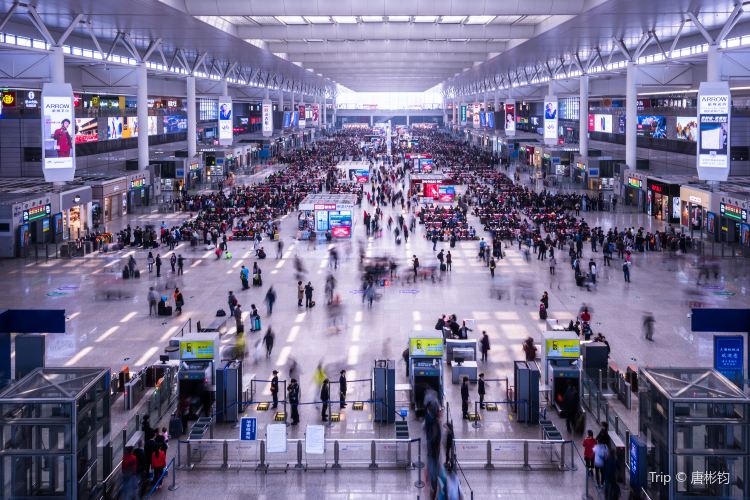
Shanghai Hongqiao Railway Station: This is the primary station for most high-speed (G-series) and bullet (D-series) trains. Adjacent to Hongqiao Airport (SHA), roughly 15 km (9 miles) from the city center.
Shanghai Railway Station: Located in the downtown area, this station serves both regular-speed (T, K, and Z series) and some high-speed trains.
Local Transportation
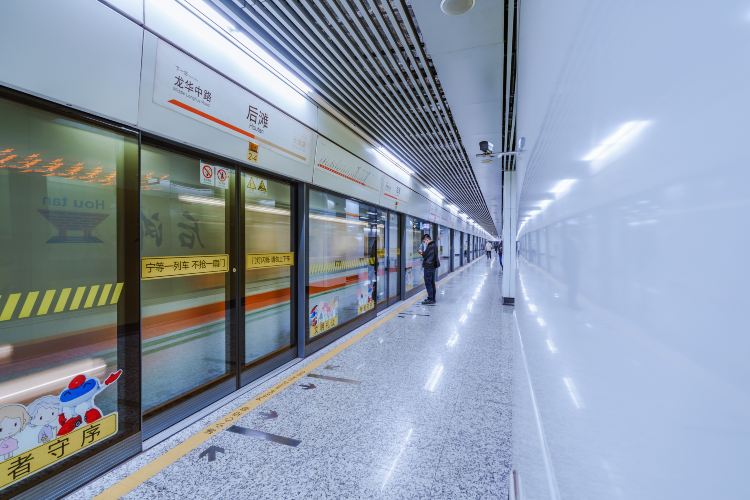
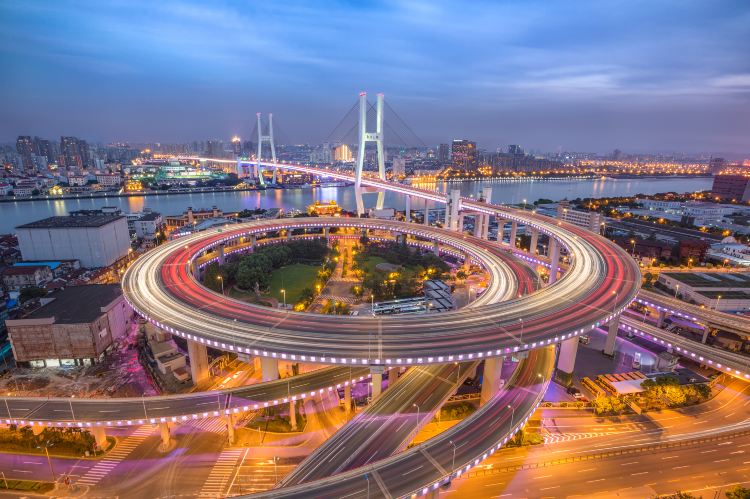
Shanghai's public transportation network is highly advanced, clean, and efficient, making it straightforward for travelers to get around.
Payment methods:
Mobile payment, tap-to-pay, and a dedicated transport card are the most convenient ways to pay.
- International credit/debit cards
Shanghai has made it easier for foreign travelers to use their credit and debit cards with the recently implemented Tap-to-Pay system. Metro stations now accept contactless payments from international cards like Visa, Mastercard, American Express, and JCB directly at the turnstiles. Apple Pay and other popular digital wallets linked to a foreign card are also supported.
- Alipay and WeChat Pay
This is the most common payment method for both locals and tourists across all public transport, taxis, and ride-hailing services. Download and register for Alipay or WeChat Pay before you arrive. You can link these accounts to an international credit card (e.g., Visa or Mastercard) and receive a transport QR code. Scan the QR code at the metro gates or on buses to pay.
- Shanghai Public Transportation Card
This is a prepaid, rechargeable card used for the metro, buses, taxis, and ferries. You can purchase the card at the staffed counters at metro stations. There is a card deposit fee (20 yuan), and you top up the card with credit.
- Cash
Ticket machines at metro stations generally accept cash. You can pay the exact fare with cash on buses, but drivers do not give change, so it's essential to have small bills.
Shanghai Metro: With an Extensive network, the Metro is the most efficient, clean, and reliable way to get around Shanghai, connecting most major attractions and both airports. Stations and trains have signs and announcements in both Chinese and English, making it very foreigner-friendly. Most lines operate from approximately 5:30 a.m. to 11:00 p.m.. Costs between ¥3 and ¥15, based on the distance of your journey.
Taxis and ride-hailing: Traditional taxis can be hailed on the street, but ride-hailing apps are far more popular and convenient. Always check that the taxi has a meter. The most popular app is DiDi Chuxing, China's equivalent of Uber. It features an English interface and enables easy, cashless payments through linked international cards or mobile payment apps.
Buses: With nearly 1,500 lines, buses can take you to areas not covered by the metro. Buses are less recommended for tourists due to the lack of English signage at stops and limited English-speaking staff. But you can plan your routes via the Amap app.
Maglev Train: This magnetic levitation train is the world's first commercial Maglev and the fastest train ride in the world. It connects Pudong International Airport (PVG) to Longyang Road Metro Station in just 8 minutes. A single-journey ticket is ¥50, with a discount if you show a same-day flight ticket.
Ferries: Public ferries cross the Huangpu River for a low cost, offering scenic views of the Bund and Pudong skyline. A ride costs only a few yuan and provides a different perspective of the city.
Shared bikes: Bicycles are available for short trips through mini apps like Hello Bike and Meituan Bike, accessible through Alipay and WeChat. Scan to ride and lock the bike to complete the ride.
Shanghai Where to Stay
Shanghai’s neighborhoods pulse with distinct beats—pick your spot for the vibe you’re chasing. From The Bund’s nightlife kick to Lujiazui’s skyline perch, here’s where to crash with the how-to baked in.
The Bund
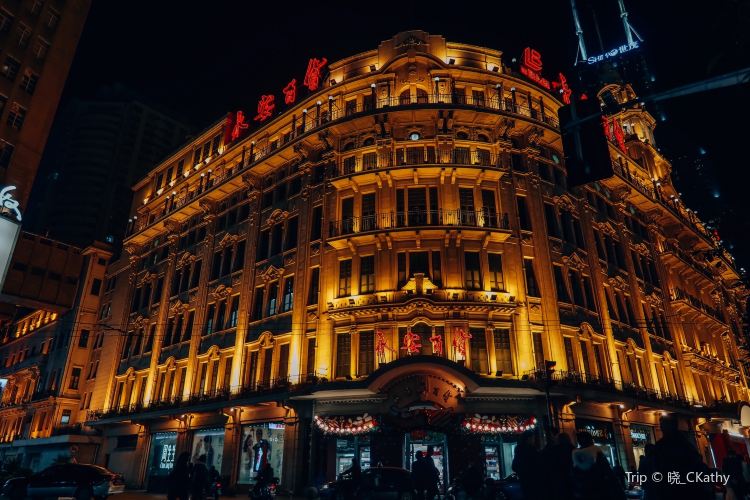
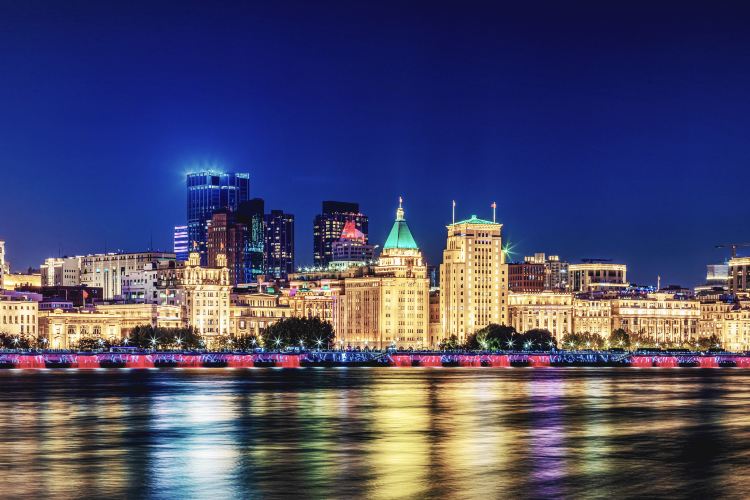
The Bund lines the Huangpu River with 1920s grandeur—think Gothic arches and marble at stays like Waldorf Astoria (luxe with history) or Fairmont Peace Hotel (jazz-bar charm). Steps from Pudong’s neon—Oriental Pearl Tower glints across—and Yu Garden’s quiet, it’s a nightlife hub—Vue’s rooftop cocktails or Glam’s sleek vibe hum late; dawn walks dodge the rush. Metro Lines 2 and 10 at East Nanjing Road Station keep you wired—suits night owls and history buffs; be ready for the waterfront buzz.
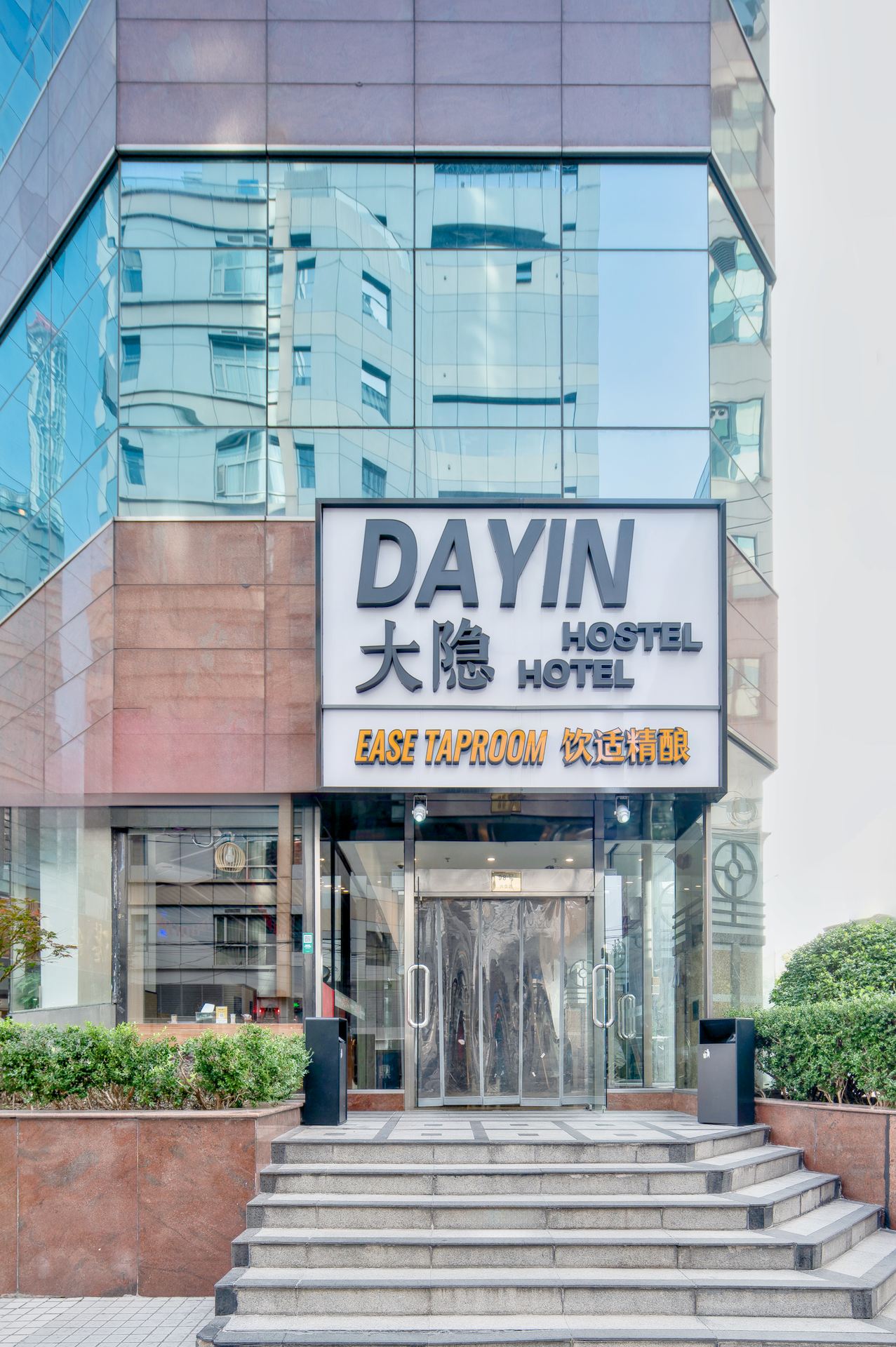
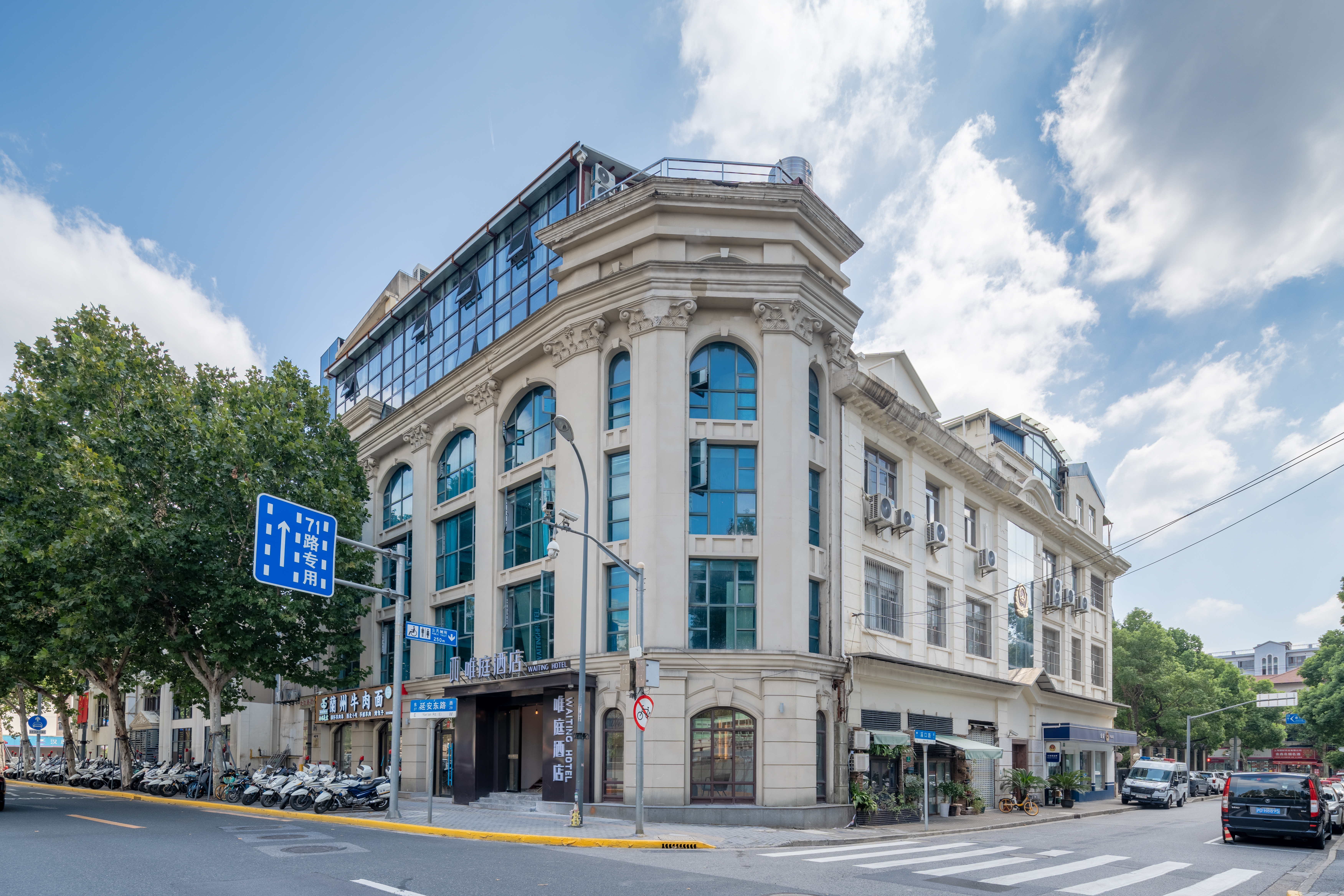
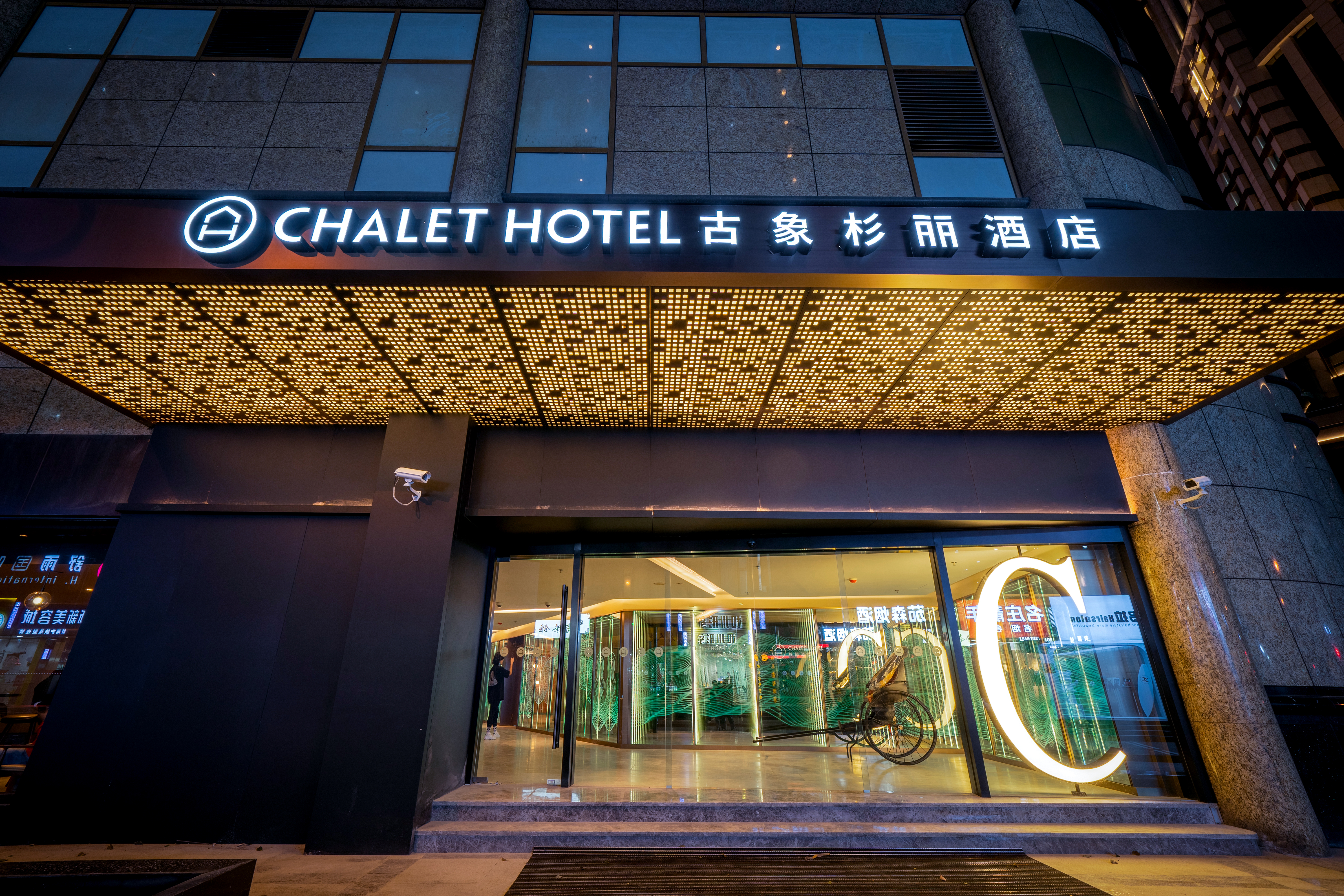
Shanghai Disney Resort
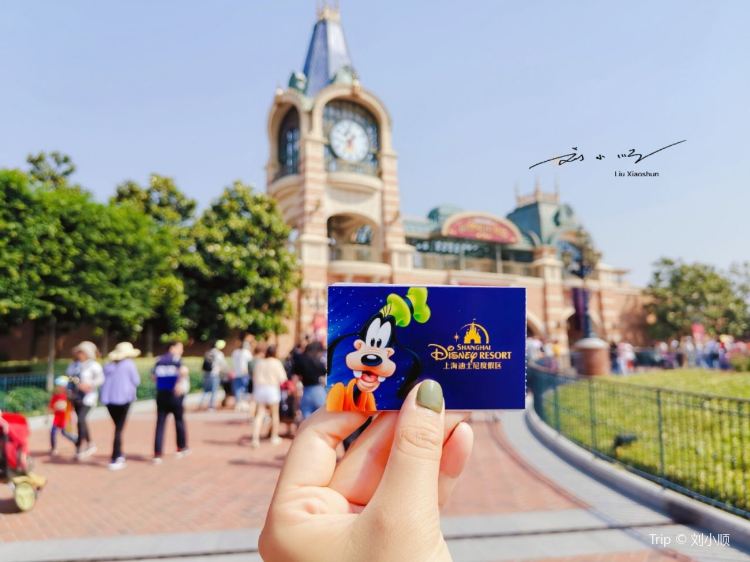
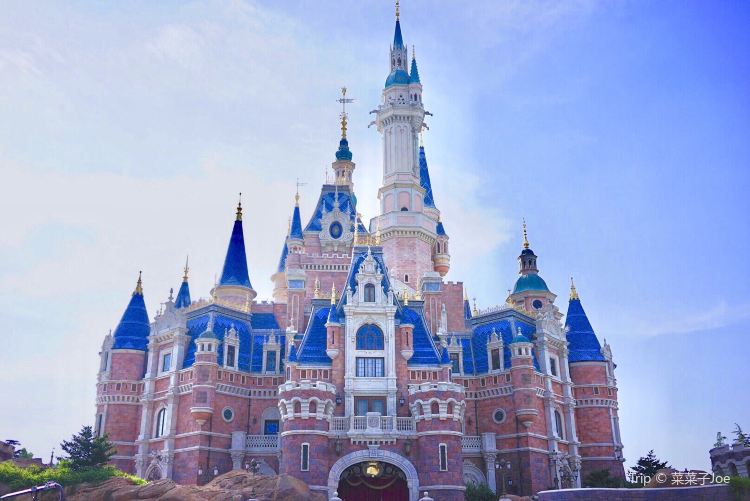
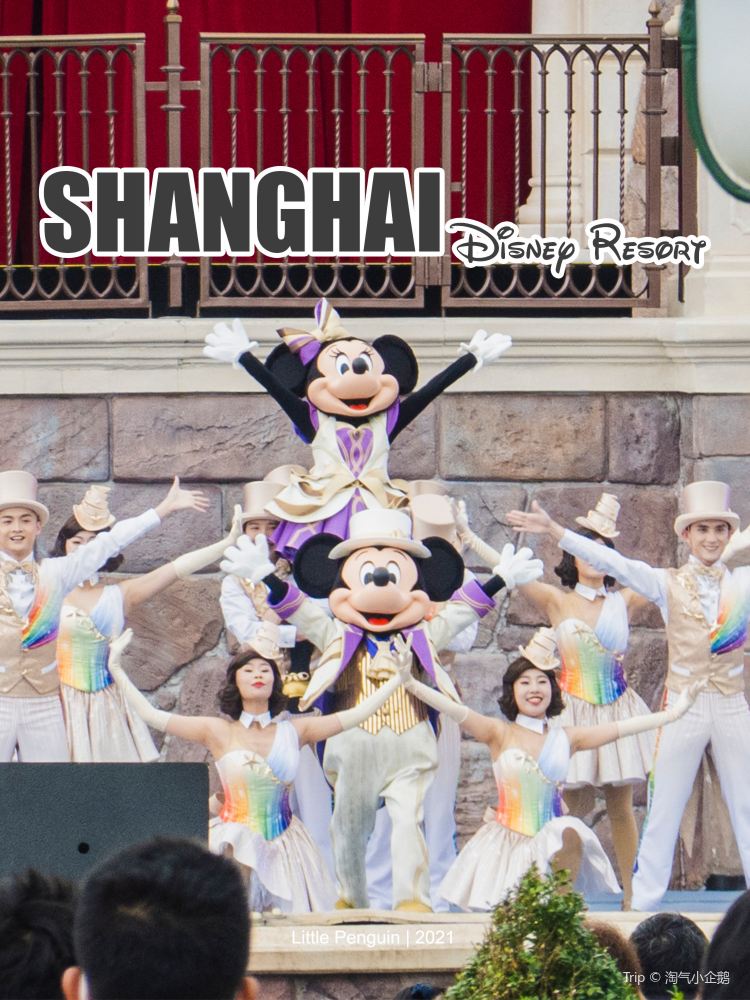
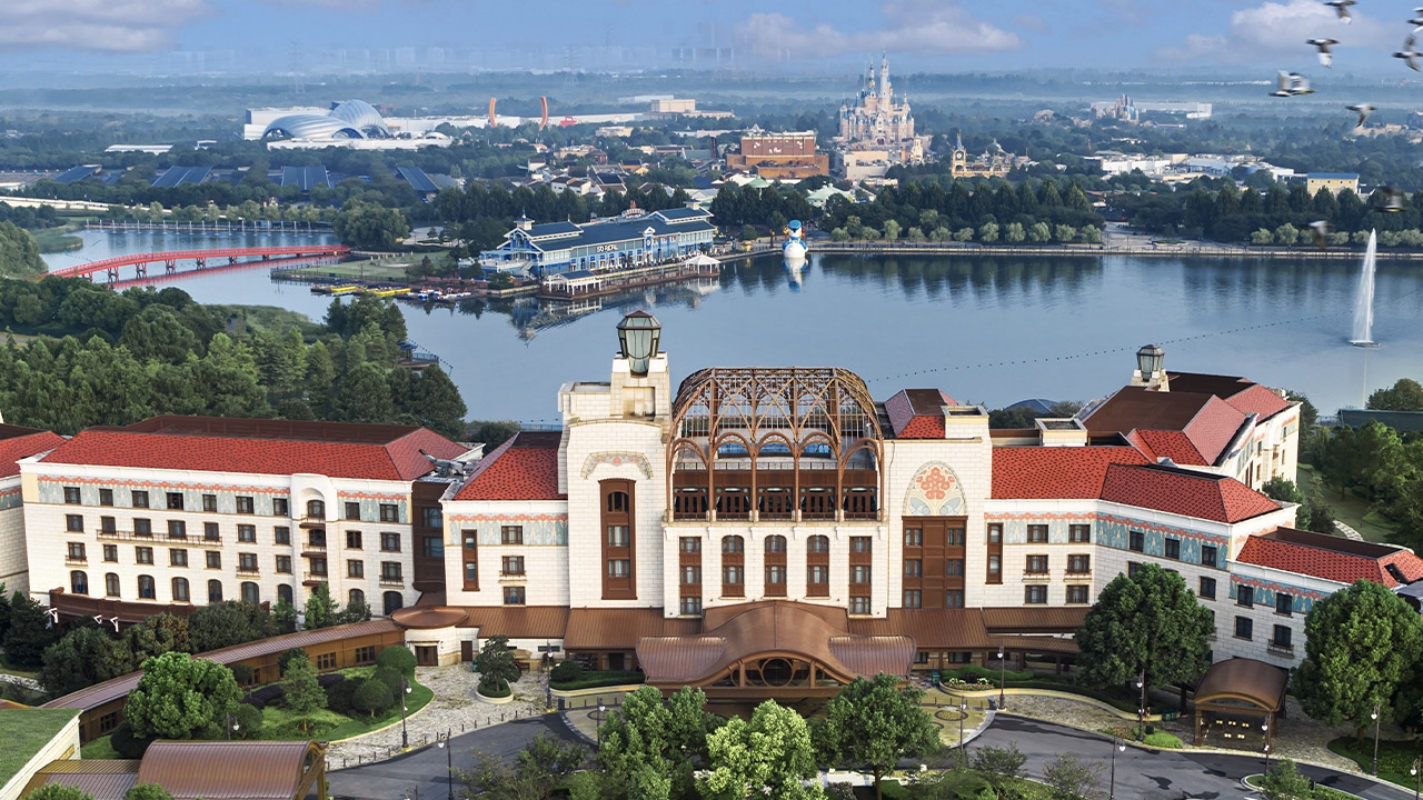
Shanghai Disney Resort sprawls in Pudong—a seven-land playground where Shanghai Disneyland Hotel (storybook elegance) or Toy Story Hotel (playful quirks) land you at the gates for rope drop; or you can opt for nearby accommodations to stay close and be first in line when the doors swing open. Disneytown’s eats—Cheesecake Factory or bao stalls—glow outside; shuttle buses to Metro Line 11 (Disney Resort Station) link city jaunts—hit Tron or fireworks late, crowds thin by 9 PM. Families and Disney fans thrive here—pack comfy shoes and a camera for the magic stretch.

Jing'an District
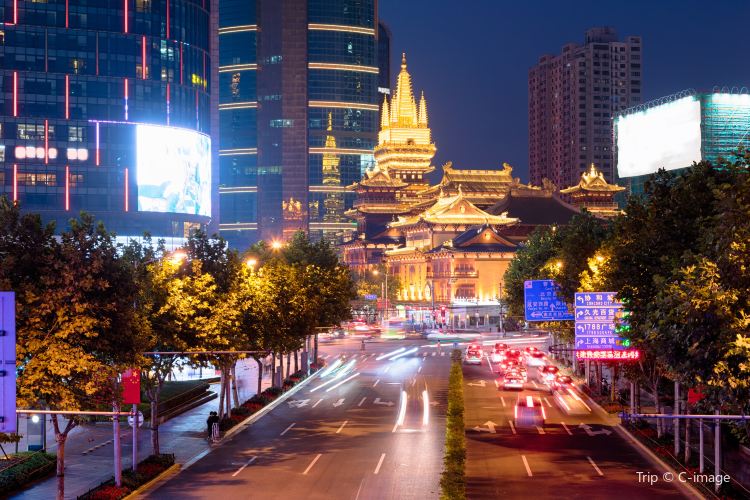
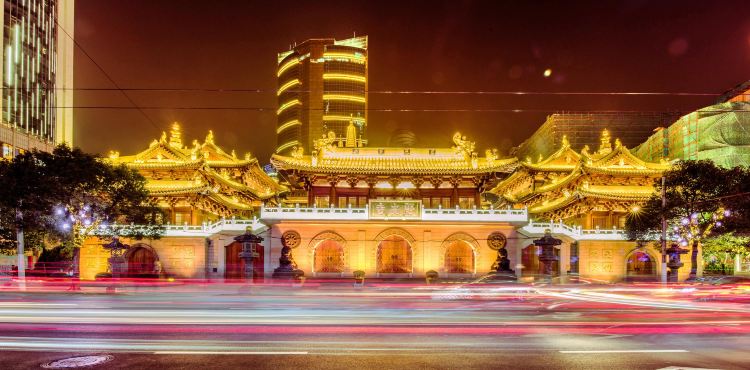
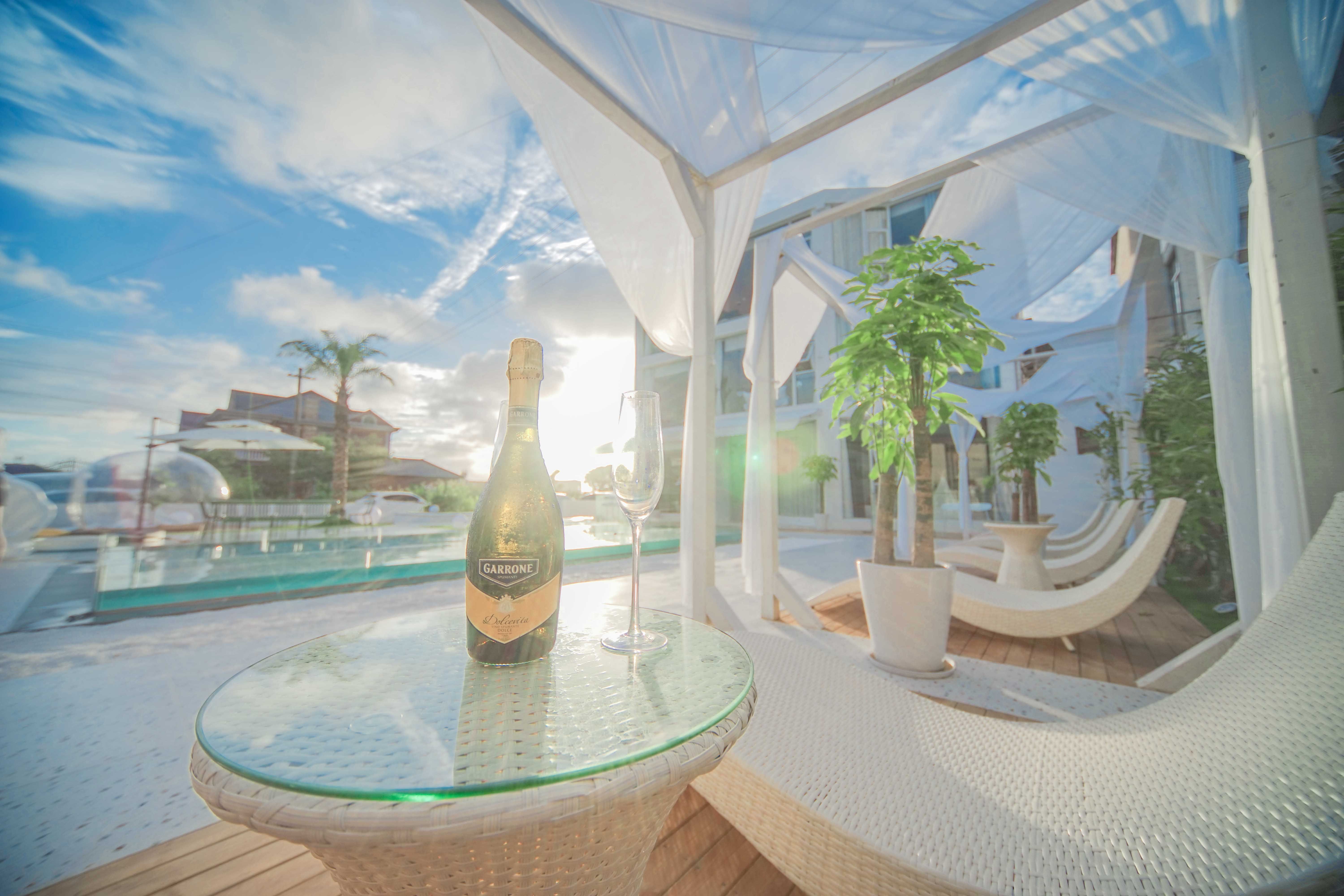
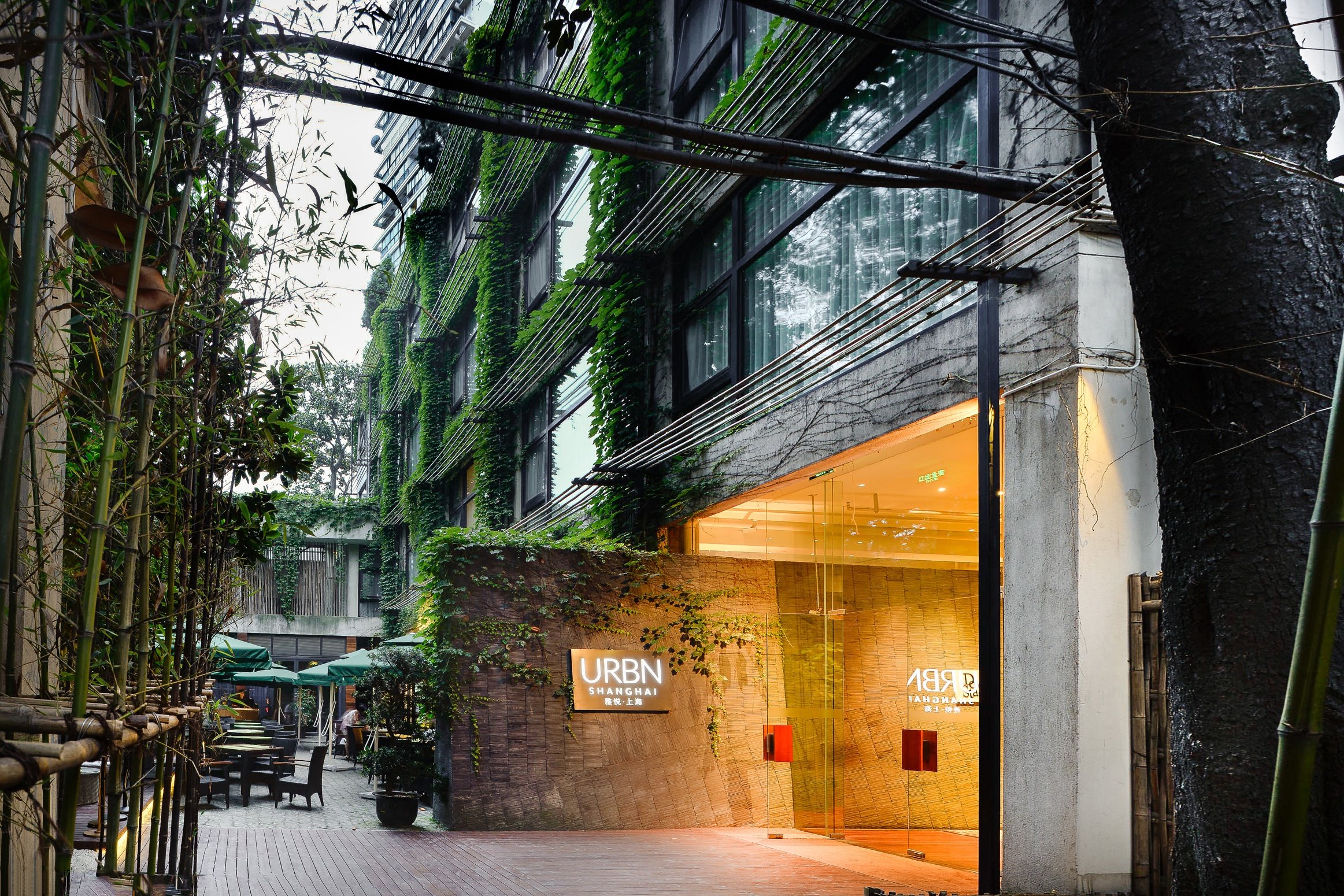
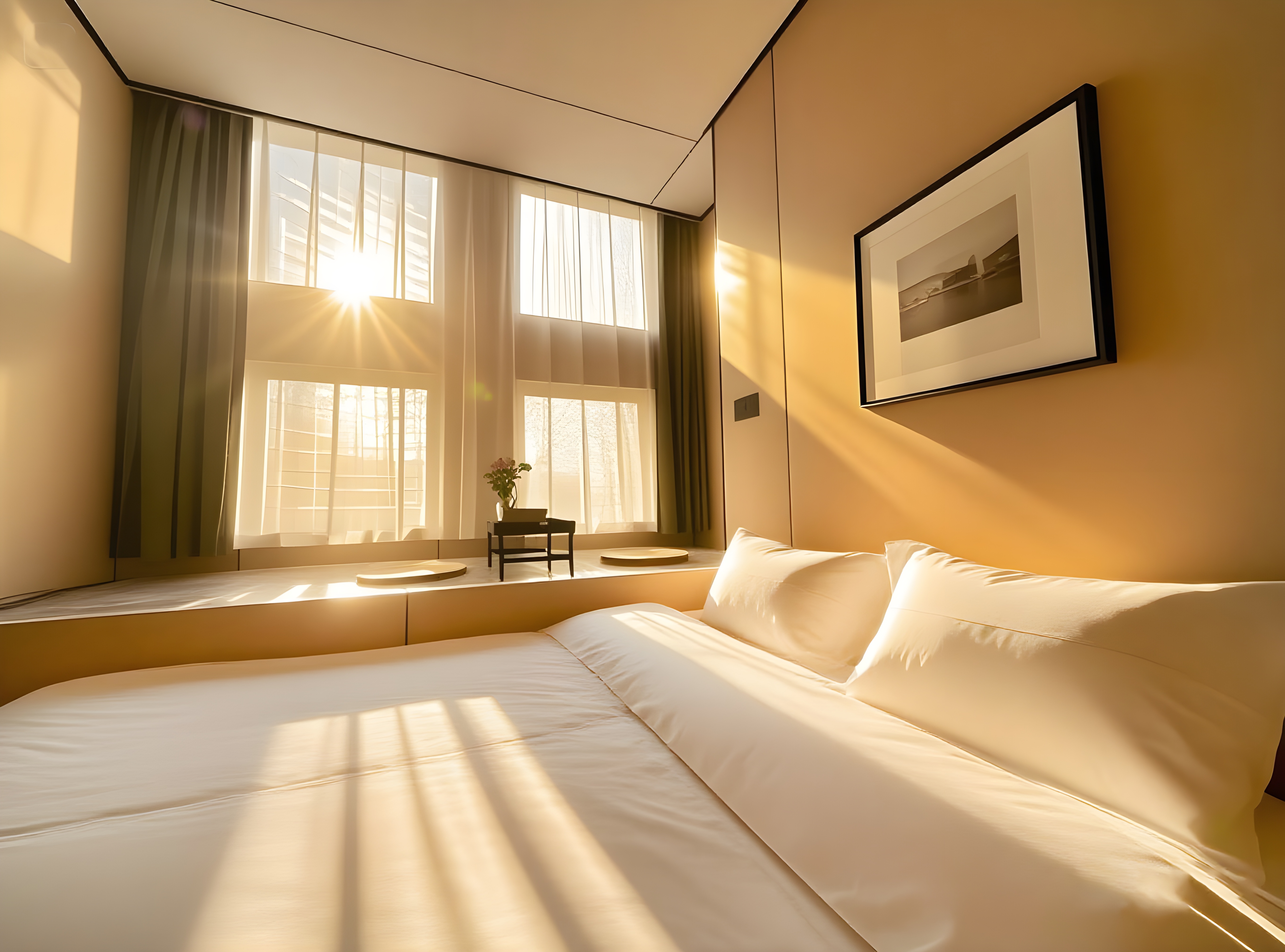
Jing’an District mixes temple calm with urban snap—Jing’an Temple’s golden roofs peek over Nanjing West Road’s bustle; crash at The PuLi (zen luxe) or Cachet Boutique (artsy edge). High-end malls like Jing’an Kerry Centre, indie cafés, and the Natural History Museum sit close—slurp ramen at Ichiran or sip at Speak Low’s speakeasy; evenings hum with locals. Metro Lines 2 and 7 at Jing’an Temple Station knot it up—urban explorers and culture hounds fit here; bring a light jacket for night strolls.
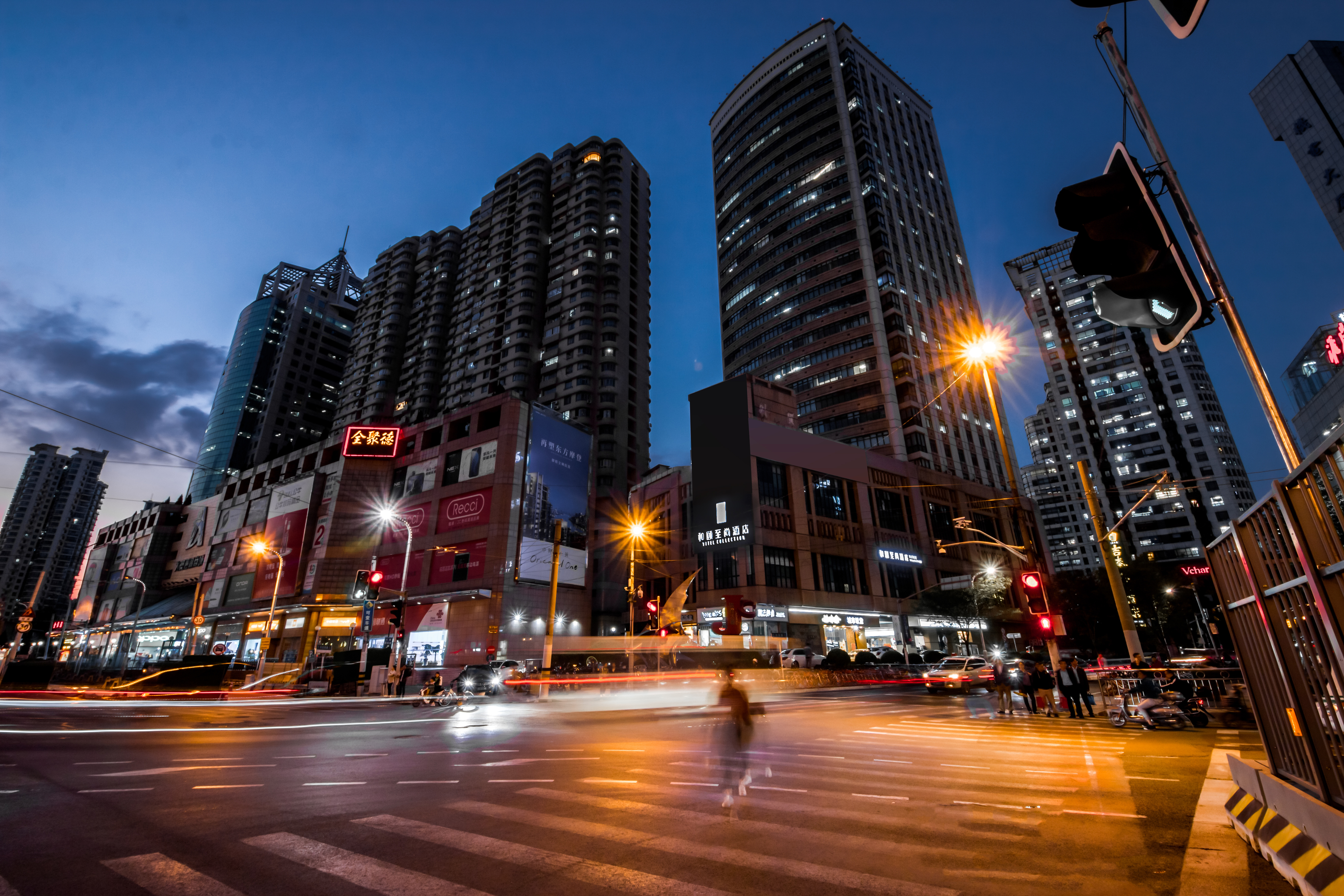
Shanghai Best Time to Visit
Best Time to Visit
Shanghai’s humid subtropical climate features distinct seasons, with temperatures ranging from 3 °C to 34 °C (37–93 °F) and humidity levels of 70–85%.
March–May and September–November offer mild weather, fewer crowds, and better deals.
Note: Avoid holiday spikes for fewer crowds. Labor Day (May 1–7). National Day (Oct 1–7).
Spring: Cool-to-warm temperatures (3°C–24°C / 37°F–75°F) and high rainfall. Cherry blossoms bloom in March and early April. Crowds are mild, and hotel rates are reasonable (except for Labor Day week).
Fall: Pleasant early fall (18°C–26°C / 64°F–79°F) cools to 9°C–15°C (48°F–59°F) by November. Typhoon risk in September. Hairy crab season delights foodies from October to November. Crowds are moderate (except for National Day week).
Summer: Hot and humid, with temperatures of 26°C–38°C (79°F–100°F) with 90%+ humidity and frequent downpours. Crowds peak at theme parks, and hotel prices rise.
Winter: Chilly and damp -2°C–10°C (28°F–50°F), with occasional light rain/smog. Few tourists except during the Chinese New Year (Jan/Feb), when prices double.
Shanghai Travel Tips
1. Set up Alipay or WeChat Pay Before Your Trip
Shanghai is mostly cashless. Download Alipay or WeChat before your trip to Shanghai. Link your international Visa or Mastercard and complete real-name authorization to use QR code payments, as many local vendors, restaurants, and even small shops no longer accept cash. Test the apps in advance to ensure a smooth transaction experience.
2. Use Metro for City Travel
Shanghai’s metro connects all major points of attraction. Pay with Alipay or WeChat QR codes, or purchase single-ride tickets at English-friendly station machines. Download the Metro DaDuHui app for route information and to access free Wi-Fi.
3. Skip Driving in Shanghai
Driving in Shanghai can be challenging due to heavy traffic, high parking fees, and strict rules for visitors. Use the metro, DiDi rides, or shared bikes (via Alipay) for easy travel. Explore scenic areas like Yuyuan Garden or Xintiandi, and be sure to wear comfortable shoes for long strolls.
4. Confirm Airports and Train Stations
Shanghai has two airports: Pudong (PVG, located east, international) and Hongqiao (SHA, located west, primarily domestic). Check your flight’s airport, as they’re far apart. Trains depart from Shanghai Station (central), South Station, or Hongqiao Station (west). Verify tickets to avoid mix-ups, especially for high-speed trains.
5. Guard Against Scams and Crowds
Decline “tea ceremony,” “art show,” or “bar visit” invites from strangers in Shanghai, as they often lead to overpriced bills. Decline invitations from strangers, avoid sharing personal information, and book cultural tours via reputable apps for added safety.
6. View The Bund’s Skyline Safely
Guard valuables at The Bund’s crowded night scene. See lit-up skyscrapers across the river from 7–11 PM (summer) or 6–10 PM (winter). Visit during off-peak hours to avoid crowds and enjoy the panoramic views safely. Avoid street vendors pushing fake souvenirs or photos.
7. Book Top Attractions Early
Reserve tickets for the Shanghai Museum, Shanghai Planetarium, or Shanghai Disney Resort through the official apps and websites. Book days ahead, especially for holidays, to secure entry and avoid missing out. Museums are usually closed on Mondays; plan accordingly.
8. Download Local Apps for Navigation and Ride-Hailing
Western apps, such as Google Maps and Uber, are unavailable in Shanghai. Download Amap for navigation and DiDi Chuxing for ride-hailing before your trip. Both offer English support. Amap is reliable for walking routes, while DiDi is generally considered safer and cheaper than street taxis, especially for late-night travel.
9. Translate with Baidu or Youdao Dictionary
Google Translate is inaccessible in Shanghai. Download Baidu Translate or Youdao Dictionary for real-time translations. Use their photo translation feature for menus, signs, or attraction guides, as English is rarely spoken outside major hotels or tourist sites.
10. Carry Tissues for Public Restrooms
Many Shanghai public restrooms in markets or metro stations may lack toilet paper. Carry tissues and wet wipes, and use bins for disposal, as some facilities don’t support flushing paper. Modern malls, such as IFC Mall, offer better amenities.
11. Use Chinese Names for Navigation
Chinese map apps, such as Amap, don’t recognize English names for hotels, attractions, or restaurants. Before navigating, find the Chinese name of your destination (e.g., 外滩 for The Bund) via online search. Copy the Chinese characters into Amap or DiDi Chuxing for accurate results. Save these names in a note for quick access during your trip.
12. Pack a Chinese Power Adapter
Bring a travel adapter for China’s outlets (220V, 50Hz). Type A or I plugs are common in Shanghai; confirm your hotel’s outlet type to ensure device compatibility.
13. Access Blocked Apps Safely
Some Western apps (e.g., Google, WhatsApp) are unavailable in Shanghai. Use a pre-bought eSIM with roaming data or download a special plugin before travel to access blocked sites securely.
14. Understand Tipping Customs
Tipping isn’t common in Shanghai, especially at local restaurants or markets, and may confuse staff. At upscale hotels or restaurants in Lujiazui, small tips (10–20 CNY) are acceptable but not expected. A smile or a simple “xièxiè” (thank you) is often enough to show genuine appreciation.
15. Claim Tax Refunds on Shopping
Overseas travelers can claim a Value-Added Tax refund on purchases of at least 200 CNY in a single day at designated tax-free stores in Shanghai. Request a tax refund invoice and application form at the store, and process your refund at the shop or airport counters when departing, using mobile payments, bank cards, or cash.
16. Save Emergency Contacts
Save Shanghai’s emergency numbers: 110 for police, 120 for medical assistance, and 12345 for English-speaking tourist help. Keep your hotel’s address in Chinese and ask the staff for directions if you're lost.
Shanghai Useful Guide
Local Language
Mandarin Chinese is the official language; Shanghainese is a local dialect spoken by locals.
English Usage: Widely spoken by younger locals, hotel staff, and in tourist areas. Signage at attractions often includes English. Stops on the metro are announced in both Chinese and English, with English signs. No Englsih signs on busses.
Local APP
WeChat: China’s all-in-one app for messaging, social media, and digital payments. English interface available.
Alipay: A leading payment app for cashless transactions at restaurants, shops, and public transport. Its “Transport” feature supports metro and taxi payments. English version available.
DiDi: China’s top ride-hailing app, offering taxi and private car services with an English interface. Integrates with Alipay or WeChat for seamless payments.
Baidu Maps: The most reliable navigation app in China, offering detailed maps, real-time traffic, and transit routes for metro and buses. Superior to Google Maps for local accuracy. Alternative: Amaps app.
Youdao Dictionary: A Chinese-English dictionary and translation app, perfect for communicating with non-English-speaking taxi drivers or reading menus. Includes offline OCR for scanning signs.
Shanghai Disney Resort: Essential for Disney visits. Real-time ride wait times, FastPass bookings, and more.
SmartShanghai: English-language local events and listings.
Internet and Communication
Stay connected—a local SIM makes everything easier.
Staying connected in Shanghai is essential for navigation, payments, and communication, given China’s reliance on mobile apps and limited access to some Western services.
eSIMs: eSIMs are a convenient option for travelers, enabling instant activation without the need for a physical SIM card. Purchase online before your trip; activate upon arrival. Ensure your device supports eSIM.
Local SIM Cards: Local SIMs from providers like China Mobile, China Telecom, or China Unicom offer reliable 4G/5G coverage in Shanghai. Available at airports or official provider shops.
Present your passport at the time of purchase; airport staff can assist with setup. China Unicom often has better English support.
Wi-Fi: available in hotels, hostels, and some cafes (e.g., Starbucks) but less common in public spaces like parks or streets. Many Wi-Fi networks require a Chinese phone number for SMS verification.
Currency and Payment


The official currency is the Chinese Yuan (CNY, ¥), also known as Renminbi (RMB). Notes come in denominations of ¥1, ¥5, ¥10, ¥20, ¥50, and ¥100; coins are available in denominations of ¥0.1, ¥0.5, and ¥1.
Digital Payments:
Shanghai is largely a cashless city, with mobile apps dominating transactions. WeChat Pay and Alipay are widely accepted. Link a foreign bank card (Visa/Mastercard) to WeChat or Alipay before arrival.
Cash:
Cash is rarely needed but can be useful for small vendors (e.g., street food stalls), single-ride tickets on public transportation, or in rural areas. Carry small denominations (¥1–20) for convenience.
Credit/Debit Cards:
Visa and Mastercard are accepted at major hotels, upscale restaurants, and some retailers in Shanghai, but less common at smaller venues. American Express is rarely accepted.
Notify your bank of travel plans to avoid card blocks.
ATMs and Cash Withdrawals:
ATMs accepting foreign cards (Visa/Mastercard) are widely available at banks, airports, and shopping areas. Most offer English interfaces.
Look for PLUS (Visa) or Cirrus (Mastercard) logos. American Express is rarely accepted, except at select ATMs in airports or high-end hotels.
Fees: ¥10–15 per withdrawal (some banks waive for partners). Home bank fees: ~3% + $5 (check your issuer). Currency conversion fee: 1–3% (Visa/Mastercard rate).
Reliable Banks: Bank of China, ICBC, China Construction Bank, HSBC China.
Weather in Shanghai

14°
/
5°

15°
/
6°
21°
/
12°

19°
/
10°
12°
/
8°
13°
/
7°
0°
/
0°
 Trending in Shanghai
New Shanghai Disneyland ticket policy: Tiered cancellations, free cancellations 7 days in advance@Shanghai Disney ResortNew Shanghai Disneyland ticket policy: Tiered cancellations, free cancellations 7 days in advance
Bring your cute pet along and enjoy a new high-speed rail experienceBring your cute pet along and enjoy a new high-speed rail experience
Come to Zootopia and enjoy the City Life Festival@Shanghai Disney ResortCome to Zootopia and enjoy the City Life Festival
Shanghai: FAQ

What's the most popular attractions in Shanghai?
Things to do near Shanghai for family & child?
How to get to Tongli from Shanghai?
How to get to Lhasa from Shanghai?
How to get to Wuzhen from Shanghai?
How to get to Jiuhuashan from Shanghai?
Popular destinations
Bangkok
Tokyo
Kuala Lumpur
Los Angeles
New York
