Tokyo 2025 Guide: Must-see attractions, local cuisine, and practical tips! | Trip.com
 Local GuidesLast updated on Trip.com: 31/07/2025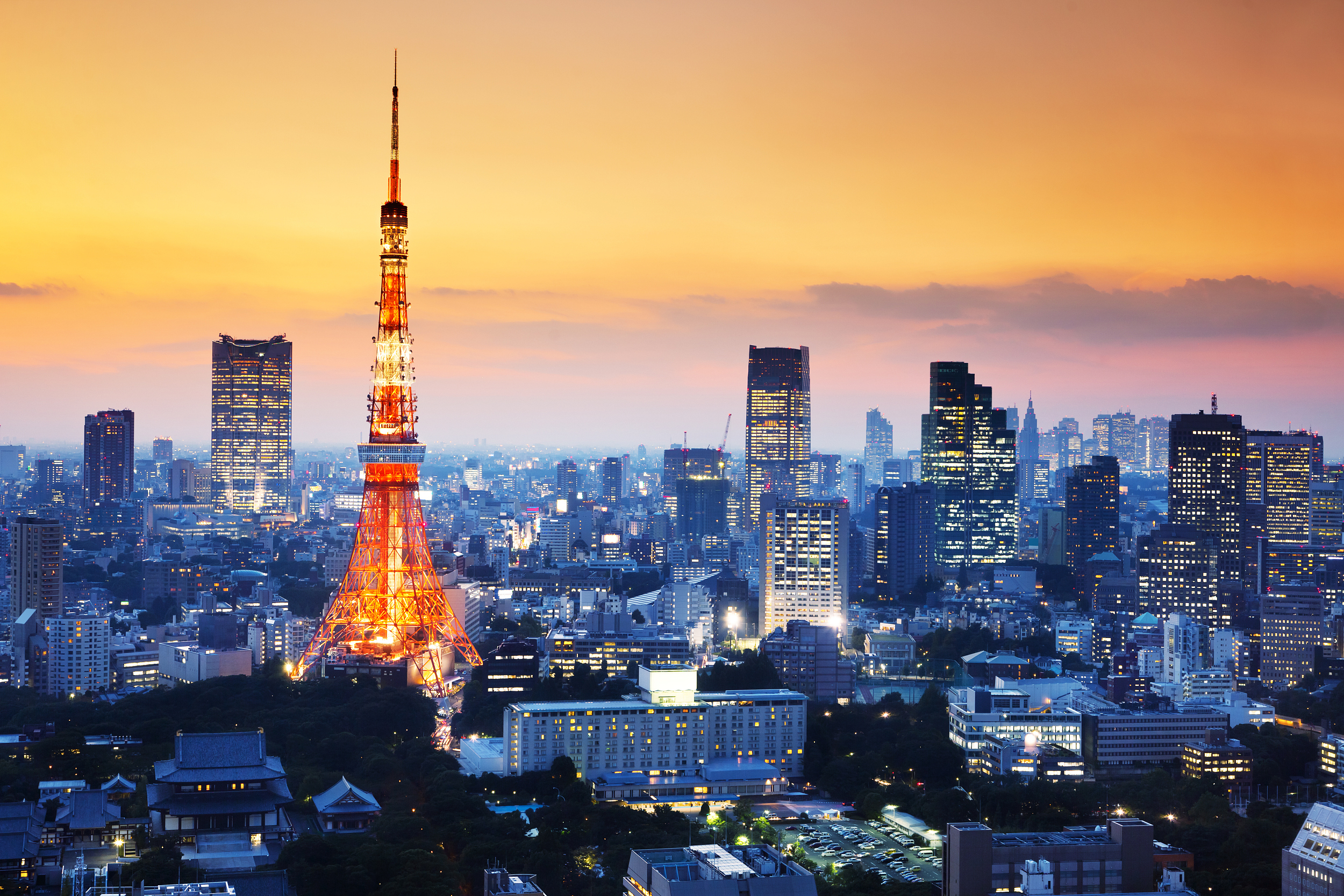
Tokyo Brief Guide
Tokyo, Japan’s vibrant capital, buzzes with neon-lit streets and serene temple gardens. Wander the iconic Shibuya, explore hidden shrines, and enjoy delicious ramen at local stalls. And don’t miss out on savoring fresh sushi from Tsukiji Market early in the morning. Tokyo truly offers something for everyone—use our guide to plan your perfect trip!
Tokyo Must-try local experiences
Wander Sacred Tokyo Temples
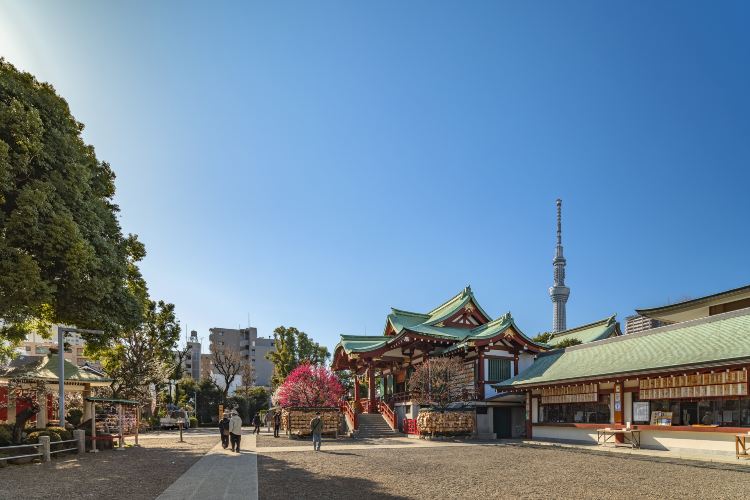
Visit Senso-ji in Asakusa—Tokyo's oldest temple features the bold Kaminarimon gate and incense-filled grounds; try drawing a fortune lot or tasting mochi from Nakamise stalls. Stroll Yanaka's peaceful streets—wooden homes and small shrines offer matcha amid old paths. Stop by Yanaka Ginza for retro snacks and cute cat-themed shops.
Stroll Tokyo's Trendy Streets
Explore Harajuku's Takeshita Street—browse youthful fashion shops and grab a crepe from street stands—then visit Omotesando Hills’ sleek boutiques. Stroll Koenji's narrow lanes for vintage finds and punk-inspired shops. Stop for a coffee in Harajuku's quieter backstreets or check out Koenji's retro bars.
Immerse in Vibrant Anime Culture
Check out Akihabara—its busy streets offer arcades, maid cafes, and anime stores with manga and rare collectibles. Browse classics at Mandarake Complex or explore multi-floor electronics shops for gadgets. Visit Ikebukuro's Otome Road for idol merchandise and Sunshine City's anime exhibits.
Celebrate Spring's Cherry Blossoms
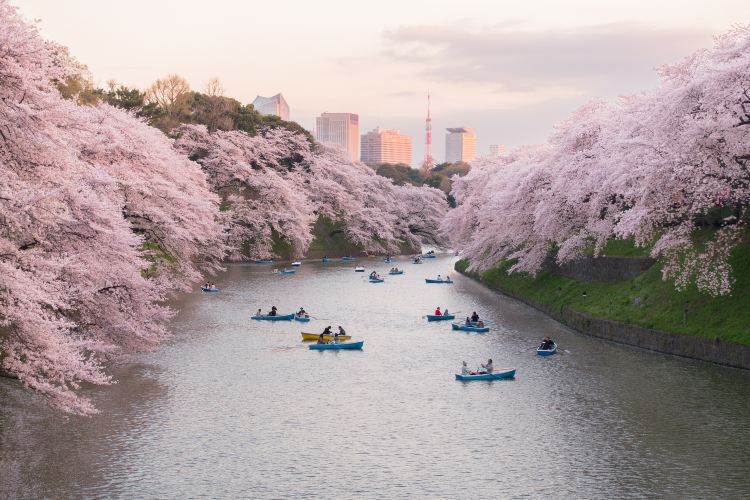
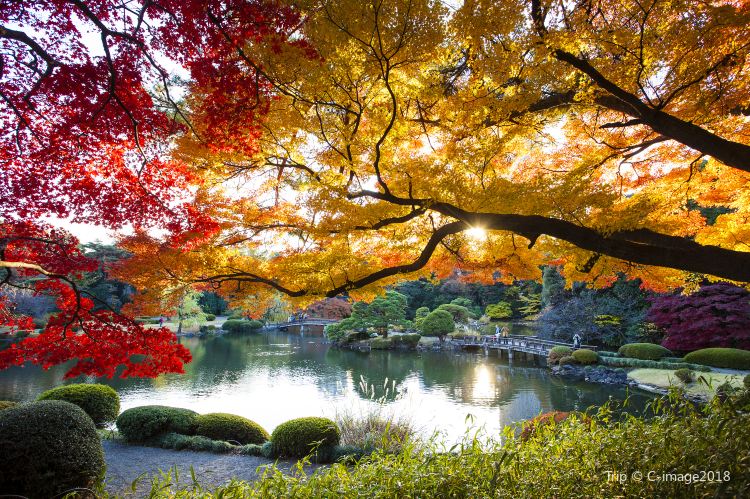
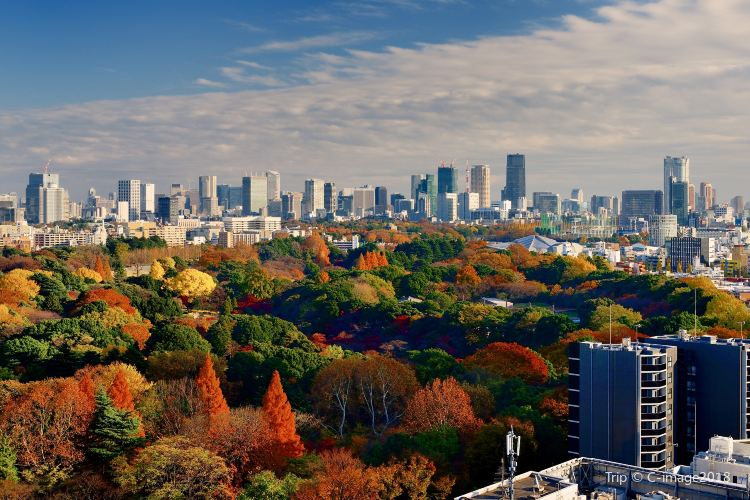
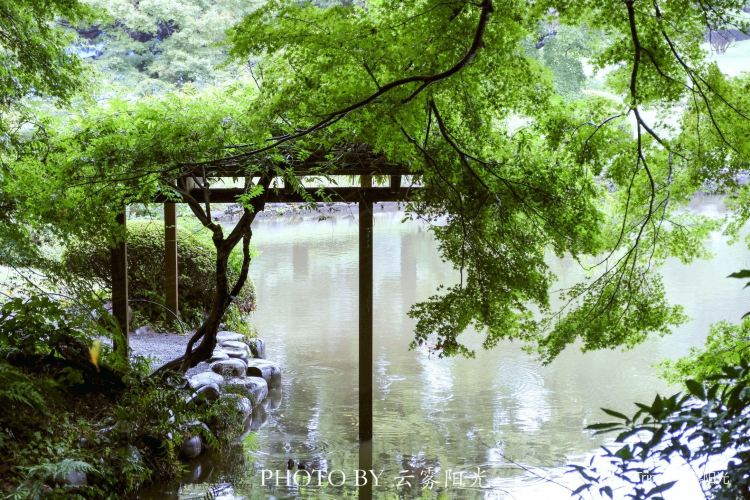
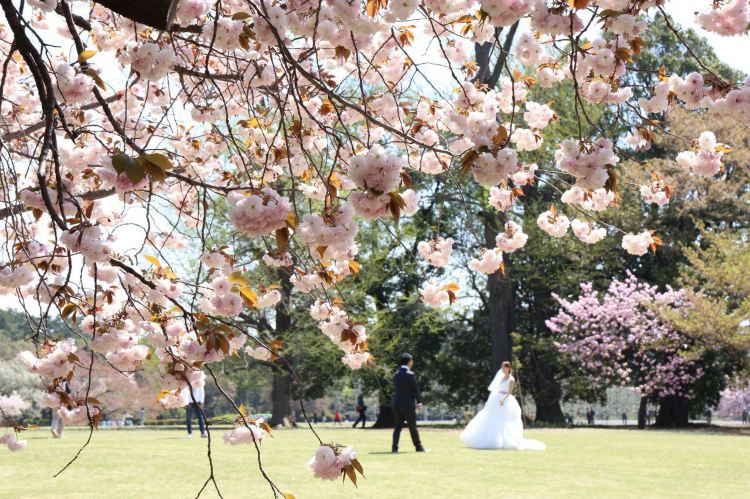
Enjoy spring at Shinjuku Gyoen National Garden—cherry blossoms bloom over picnic areas—or Ueno Park, busy with flower-viewing crowds. Walk Meguro River for its blossom-lined path or Chidorigafuchi Park for nighttime views by the moat. Rent a boat at Chidorigafuchi or sip sake under Ueno's trees.
Feel Shibuya's Electric Pulse
Experience Shibuya Crossing—cross with the crowd, photograph the Hachiko statue, or head to Shibuya SKY for a high-up view at sunset. Watch from Shibuya Tsutaya's second floor as lights brighten the streets. Explore Center Gai's lively shops or grab a drink at a nearby izakaya.
Chase Tokyo's Skyline Heights
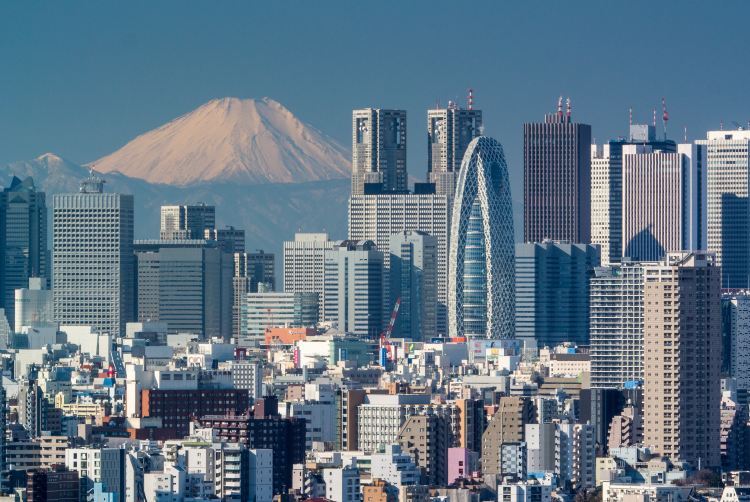
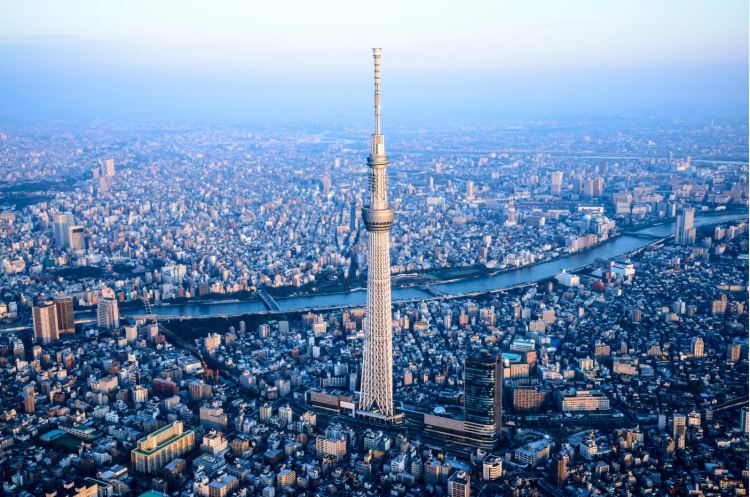
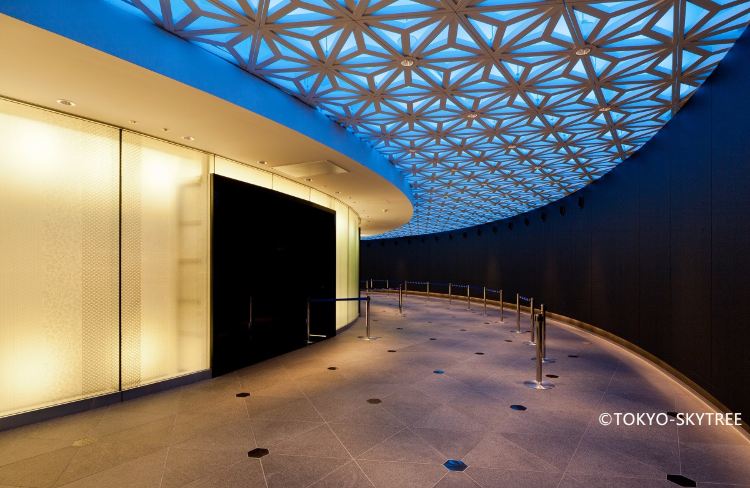
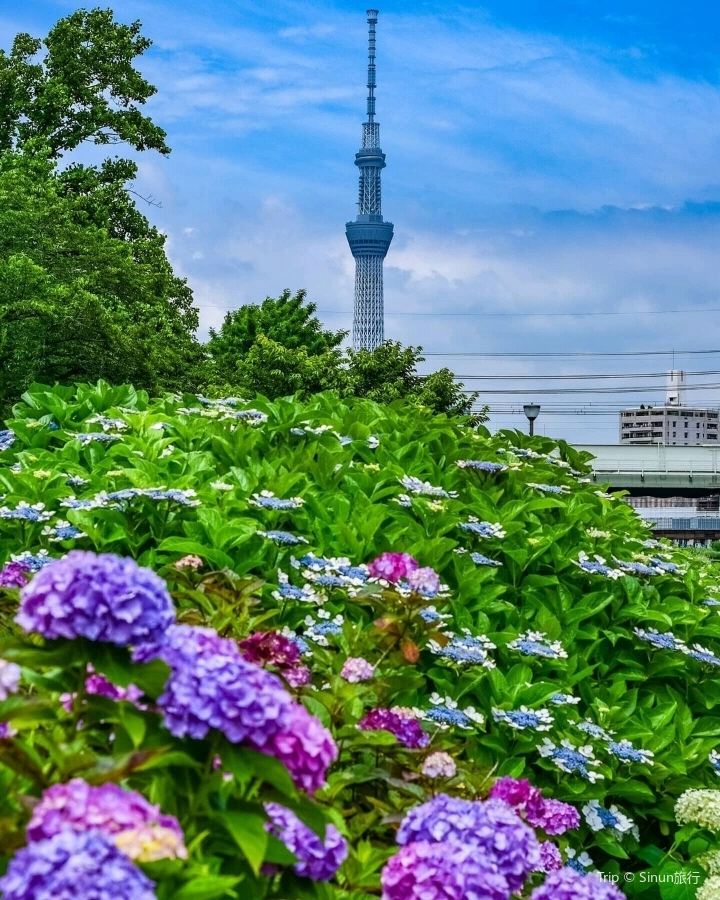
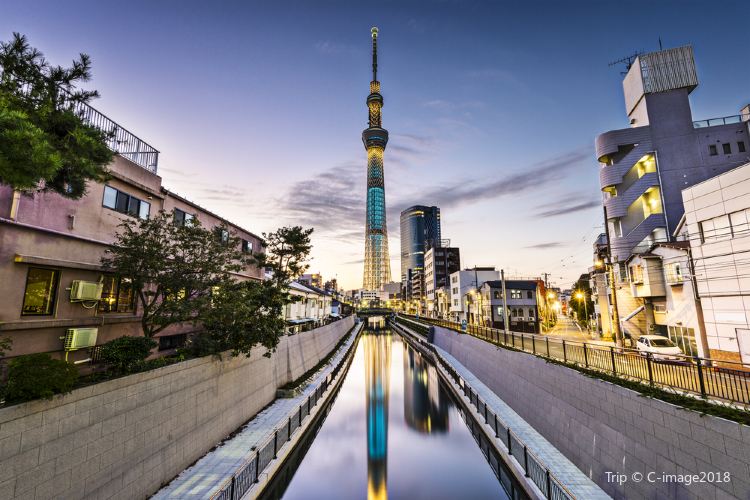
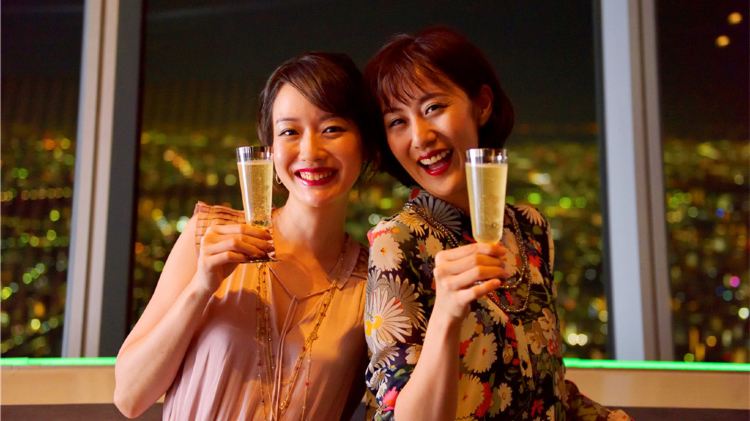
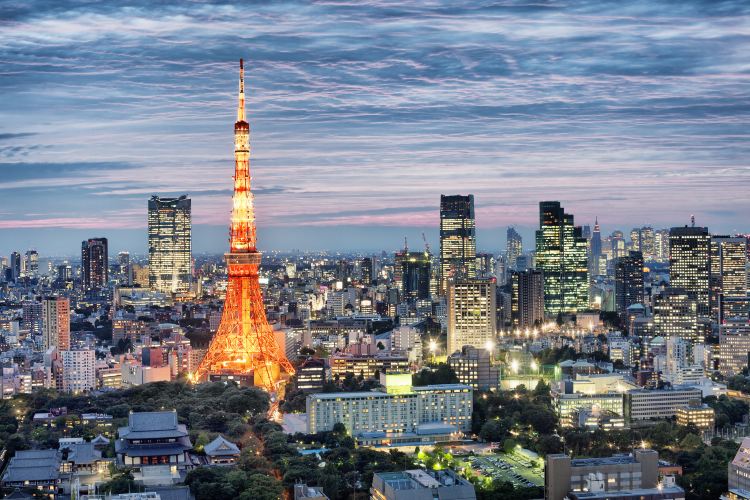
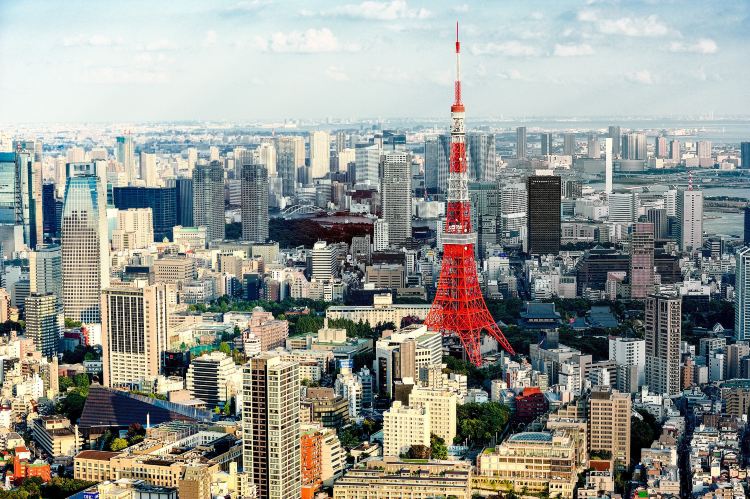
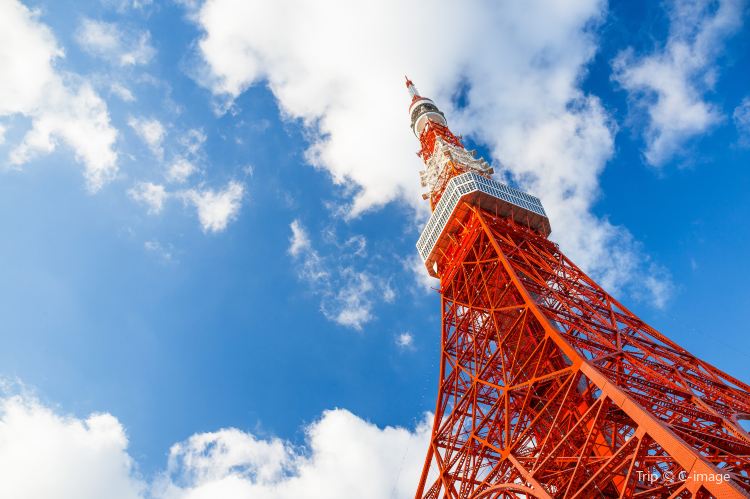
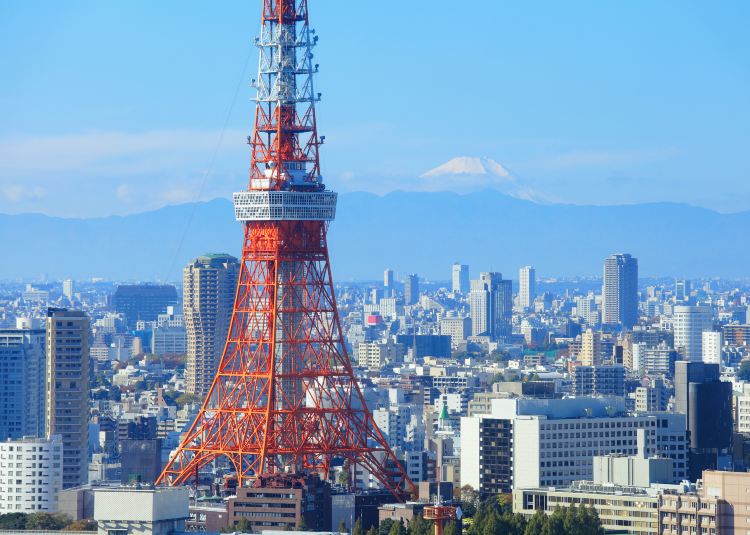
Ascend Tokyo Skytree—at 634 meters, it offers expansive city views, with Mount Fuji visible on clear days. Enjoy drinks at Roppongi Hills Mori Tower, overlooking Tokyo Tower, or at Shinjuku's Park Hyatt for a broad glow. Visit Tokyo Tower at night; its deck includes a history exhibit.
Experience Kabuki's Colorful Drama
Watch a kabuki play at Kabuki-za Theater in Ginza—actors in elaborate costumes and striking makeup bring 400-year-old stories of samurai and romance to life with live music and dance. Catch a single-act show with English earphones for an easy start; nearby tea shops offer a post-show break. It's Japan's bold, colorful take on theater—unmissable energy on stage.
Hunt Tokyo's Retail Treasures
Hunt for treasures across Tokyo—browse Shimokitazawa's narrow streets for vintage clothing and quirky finds or splurge in Ginza's polished luxury stores. Pick trendy and unique gear in Harajuku, chic pieces in Daikanyamacho, or artful items in Meguro's galleries. Grab crafts at Nakamise; Daikanyamacho's T-Site offers a sleek stop for books and coffee.
Savor Local Culinary Delights
Dive into Tokyo's food scene—sample Tsukiji’s outer market for sushi-grade tuna, grilled eel, or fluffy tamagoyaki at bustling stalls. Slurp rich ramen in Shinjuku's cozy izakayas, savor sushi in Ginza's elegant restaurants, or enjoy crispy tempura at laid-back spots. Grab quick bites from Shibuya's street stands or dine upscale in Roppongi—Japan's flavors shine in every corner.
Join Summer Fireworks Fest
Join locals at the Sumidagawa Fireworks Festival in summer—bright displays light up the river from bridges or banks. Held in July, it's a lively Tokyo tradition blending warm nights and celebration. Catch the show near Asakusa for a front-row view of the dazzle.
Try on an Elegant Kimono
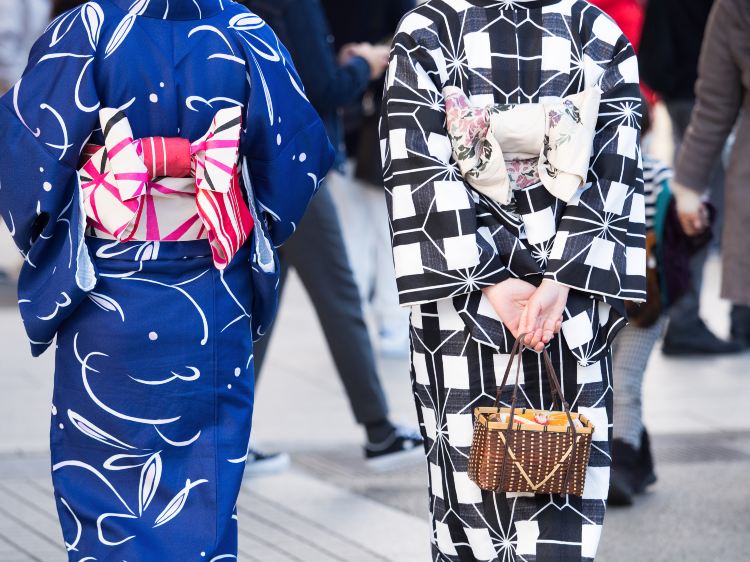
Rent a kimono in Asakusa. Stroll past Senso-ji, or traditional streets, snapping photos in classic style. Locals welcome visitors to join this custom; shops offer rentals with styling help. It's a relaxed way to connect with Japan's heritage, enjoyed by all who try it.
Watch Sumo's Traditional Power
See a match at Ryogoku Kokugikan National Sumo Arena—sumo wrestlers compete with power and tradition in a grand arena. Watch pre-match rituals or visit nearby sumo stables for a glimpse of training. Tournaments are held in January, May, and September—raw energy defines this ancient sport.
Discover Quirky Immersive Museums
Explore TeamLab Planets in Toyosu—walk through glowing LED displays and water rooms for a bold sensory hit. Visit the Ghibli Museum in Mitaka for anime art or the Parasite Museum in Meguro for odd science. Each offers Tokyo's unique take on creativity and fun.
Tokyo Must-see Attractions
Tokyo’s landmarks weave a vibrant thread—spanning fantasy, film, nature, and skyline icons. Here’s why these five stand out.
Tokyo Disneyland

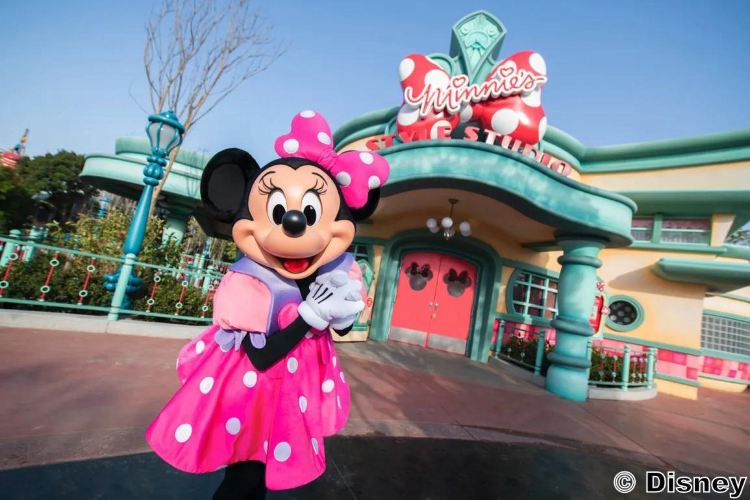
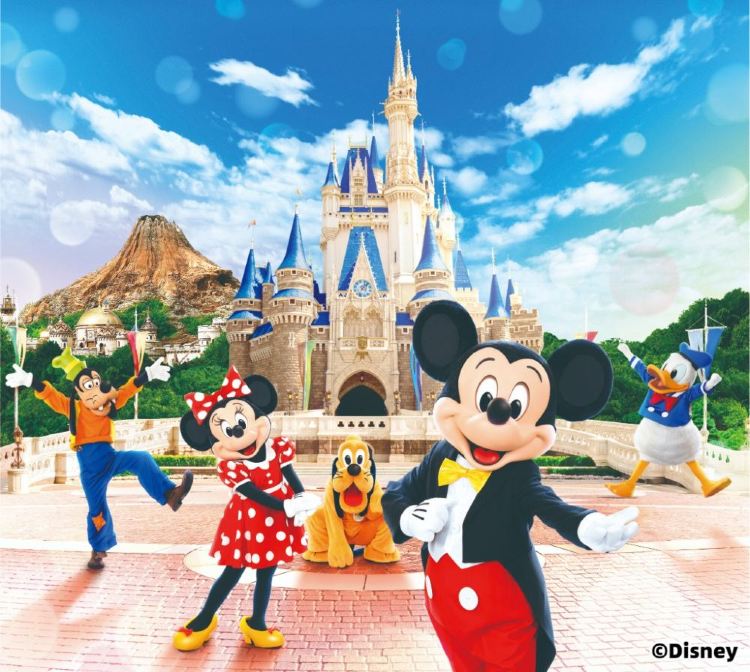
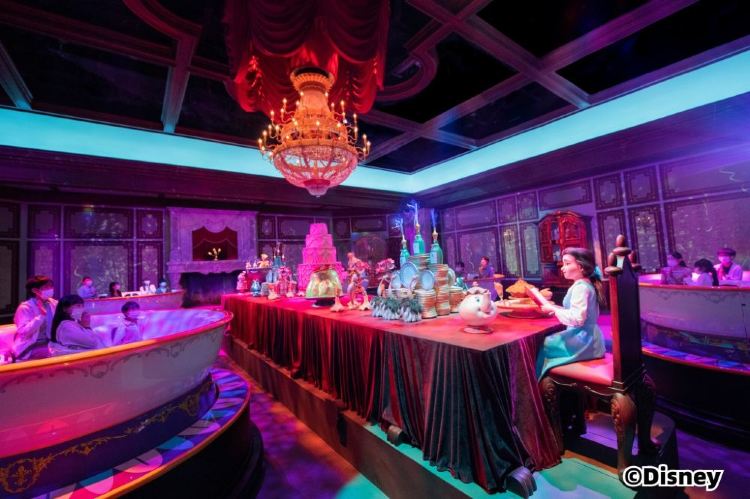
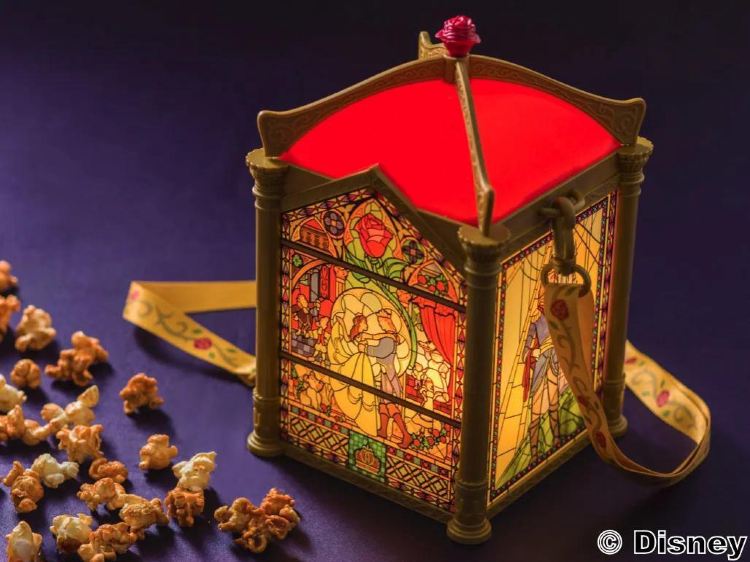

 Anonymous userEasy to access , save time no need to queue for physical tickets , definitely will purchase from trip.com again
Warner Bros. Studio Tour Tokyo - The Making of Harry Potter
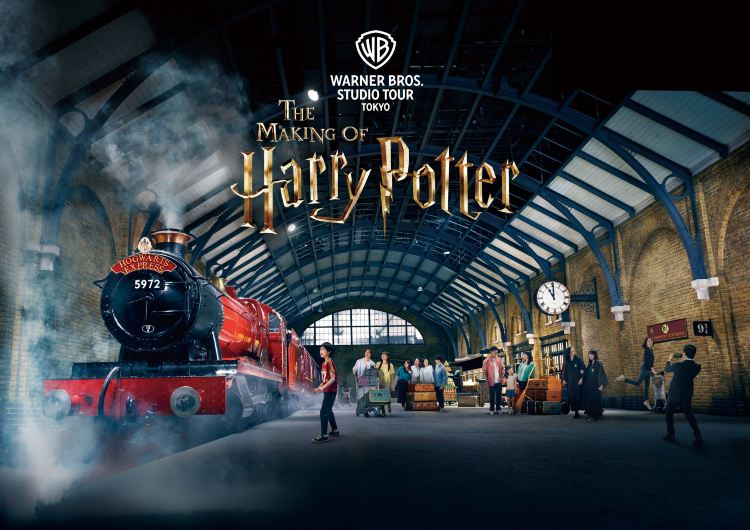
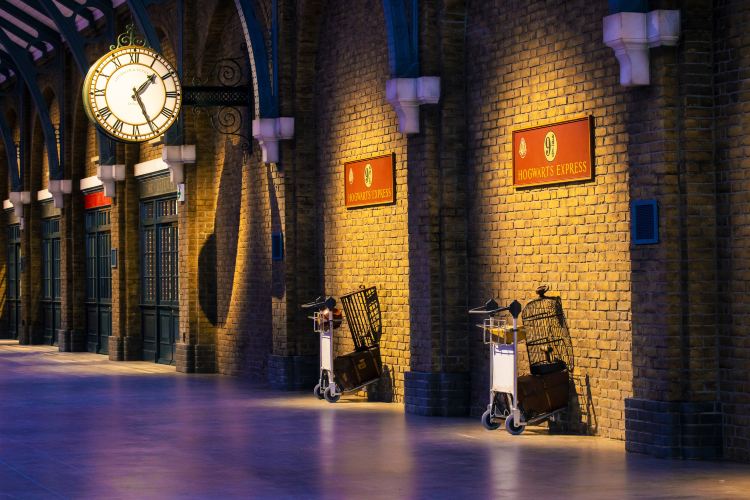
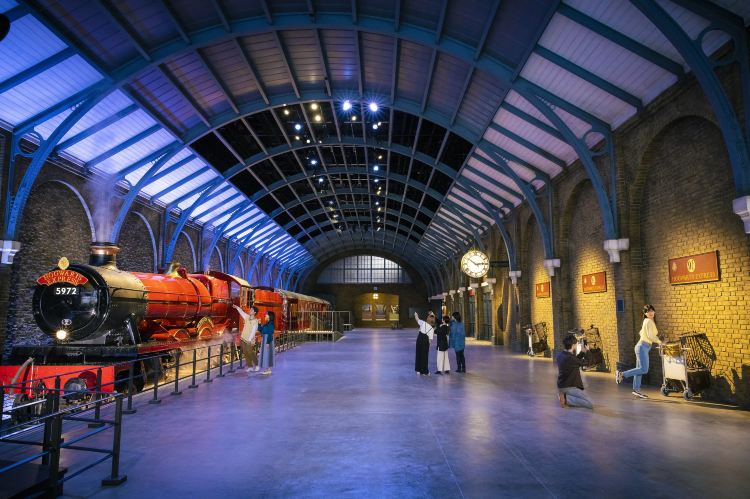
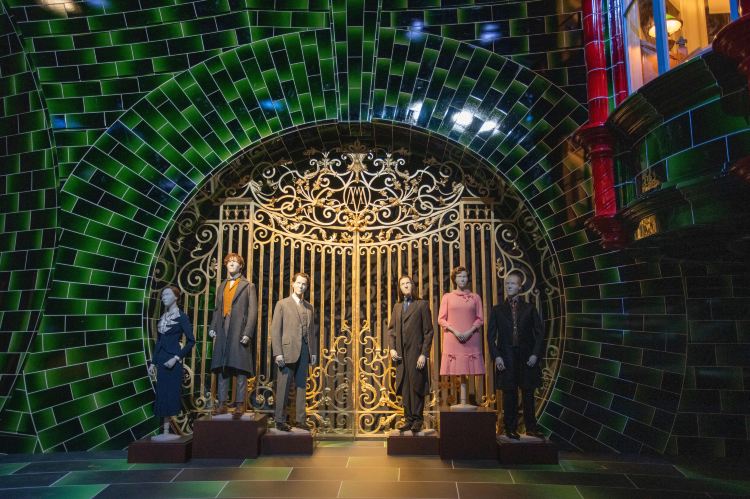

Step into the wizarding world at Warner Bros. Studio Tour Tokyo, Asia’s first Harry Potter deep-dive, unveiled in 2023. Roam real sets—Hogwarts’ Great Hall, Diagon Alley’s cobbles—and test a broomstick ride. Every corner reveals filmmaking craft; it’s a spellbinding peek behind the curtain for fans and curious alike.
Shinjuku Gyoen National Garden
Tokyo Skytree
Tokyo Tower
Tokyo Food Guide
Tokyo’s food scene is a masterclass in flavor—here’s seven dishes that define it, from street-side legends to refined icons no food lover should miss.
Shoyu Ramen
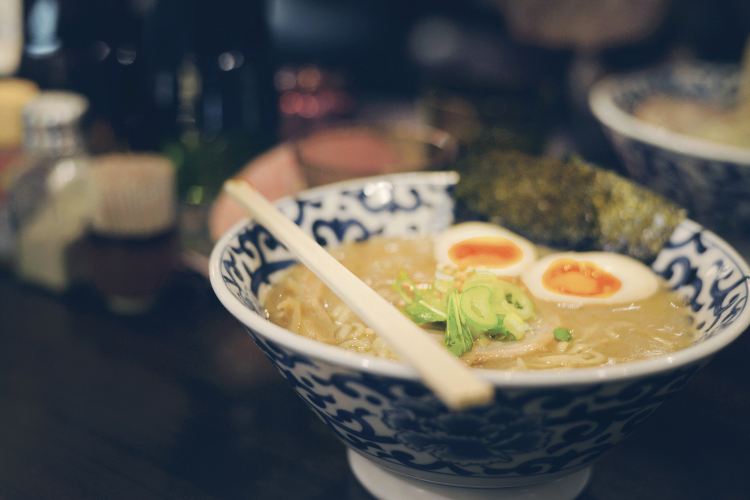
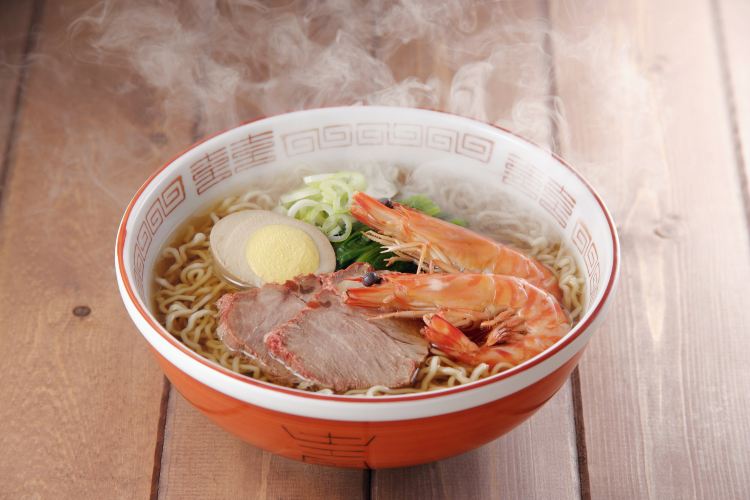
Tokyo’s take on ramen simmers a clear, shoyu-laced broth—savory, subtle, and soul-warming. Street stalls and Michelin haunts pile on chashu pork, nori, and a jammy egg. It’s the city’s comfort food, born in Kanto’s bustling heart, best slurped loud and fast.
Unagi Kabayaki
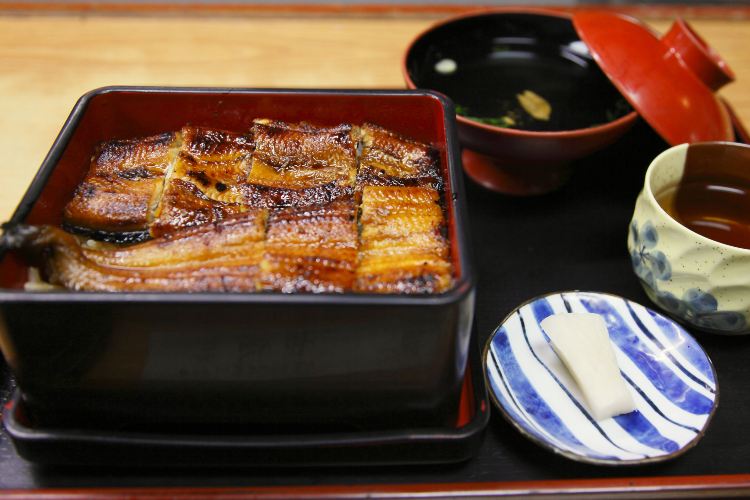
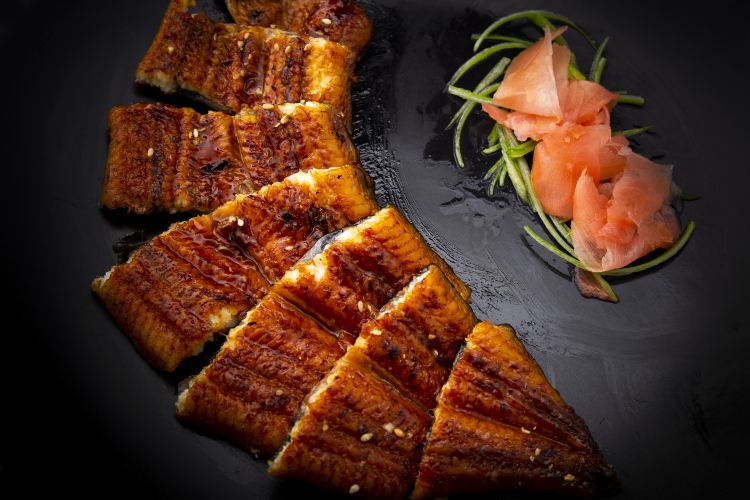
Unagi kabayaki grills freshwater eel to a glossy finish, brushed with sweet soy and served over steaming rice. Tokyo’s riverside haunts keep this Edo-era treat alive—rich, fatty, and faintly smoky. It’s a luxurious bite that lingers long after.
Wagashi
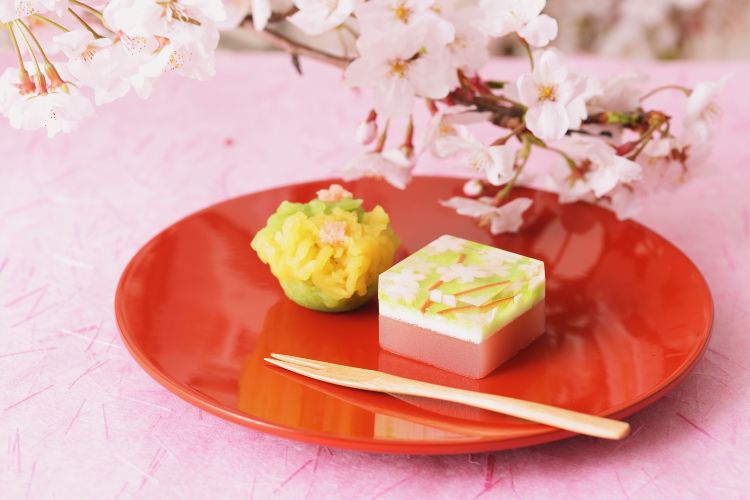
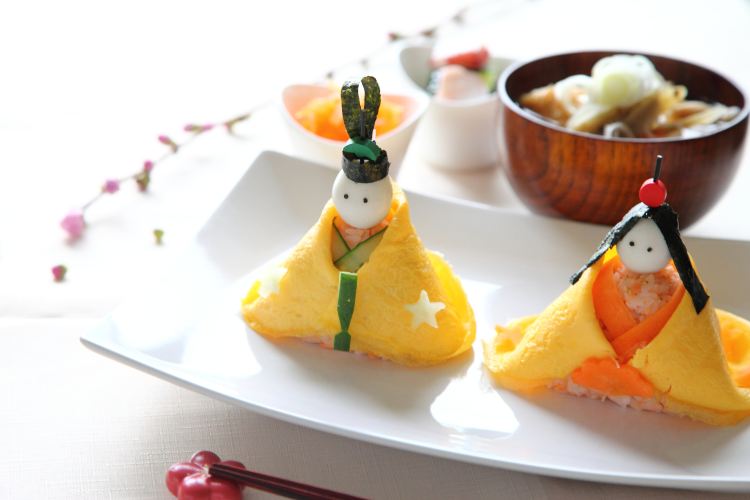
Wagashi pairs tea with delicate sweets—mochi, red bean paste, or seasonal fruit shaped into art. Ginza’s storied shops craft these confections fresh; they’re subtle, floral, and fleeting. It’s Tokyo’s refined farewell to a meal, steeped in centuries of tradition.
Sushi (Nigiri)
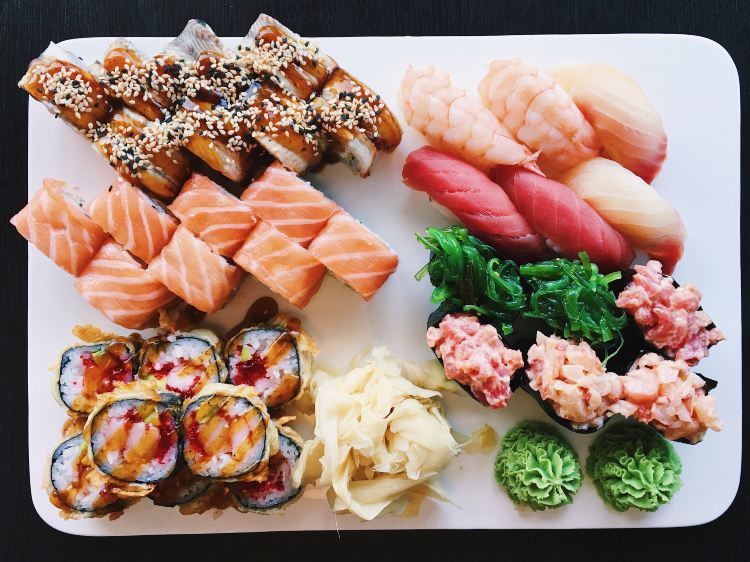
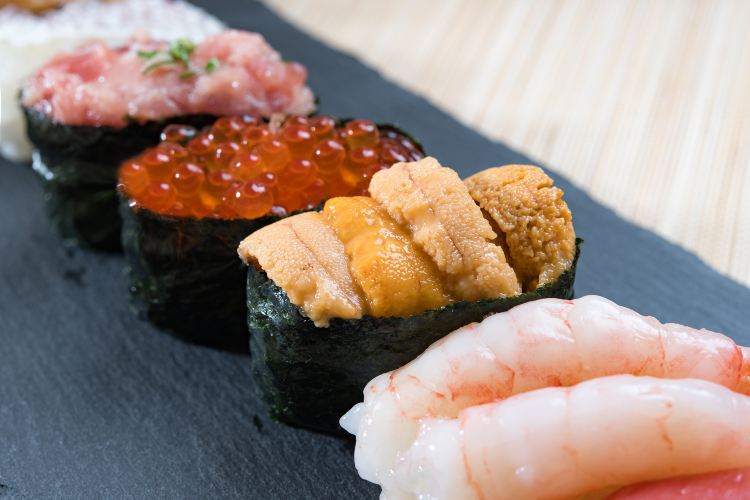
Tokyo birthed nigiri—bite-sized rice topped with pristine fish like tuna or sea bream. Sushi counters in Tsukiji or Ginza showcase chefs’ precision, paired with soy and a whisper of wasabi. It’s raw, simple elegance—Tokyo’s gift to the world’s palate.
Tonkatsu
Tonkatsu delivers a crisp, golden pork cutlet—breaded, fried, and perched atop shredded cabbage. Dip it in tangy tonkatsu sauce or savor it with miso soup on the side. Tokyo’s old-school diners perfect this hearty classic; it’s a lunch ritual turned art form.
Yakitori
Yakitori skewers sizzle over charcoal—chicken thighs, wings, or livers glazed with tare sauce. Shinjuku’s smoky yokocho alleys dish them hot and fast, a beer in hand. It’s Tokyo’s after-work fuel, unpretentious and addictive, rooted in street-side grit.
Tokyo Transportation
How to Get There
Tokyo, Japan’s capital and a global hub, is easily accessible by air, rail, bus, or ferry from international and domestic locations.
By Air
Narita International Airport (NRT): Located about 60 km (37 miles) east of central Tokyo in Chiba Prefecture, NRT handles most international flights and some domestic routes.
To City Center (Shinjuku/Shibuya):
Narita Express (N’EX): JR East’s high-speed train to Tokyo Station (~60 minutes), Shinjuku (~80 minutes), or Shibuya (~90 minutes). Pay via Suica/Pasmo, cash, or credit card. Operates 7:30 AM–9:40 PM, every 30–60 minutes.
Keisei Skyliner: Faster to Ueno (41 minutes) or Nippori (36 minutes). Pay via Suica/Pasmo or purchase single-ride tickets. Operates 7:20 AM–10:00 PM.
Airport Limousine Bus: To major hotels or stations (e.g., Shinjuku, ~70–100 minutes). Pay via cash, credit card, or book online. Operates 7:00 AM–11:00 PM.
Taxis: ¥25,000–30,000+ depending on traffic (60–90 minutes, plus tolls). It's generally recommended to explore alternative transportation options as taxis in Tokyo are quite expensive.
Haneda Airport (HND): about 22 km (14 miles) south of central Tokyo in Ota Ward, HND serves primarily domestic flights and a growing number of international routes. Closer and more convenient than NRT.
To City Center (Shinjuku/Shibuya):
Tokyo Monorail: To Hamamatsucho (JR Yamanote Line, ~15 minutes). Pay via Suica/Pasmo or tickets. Operates 5:00 AM–midnight.
Keikyu Line: To Shinagawa (12 minutes) or Asakusa (30 minutes). Pay via Suica/Pasmo. Operates 5:00 AM–11:50 PM.
Airport Limousine Bus: To Shinjuku or Shibuya (~45–60 minutes). Operates 6:00 AM–11:00 PM.
Taxis: ¥7,000–12,000 plus tolls; depending on traffic (20–40 minutes).
By Train
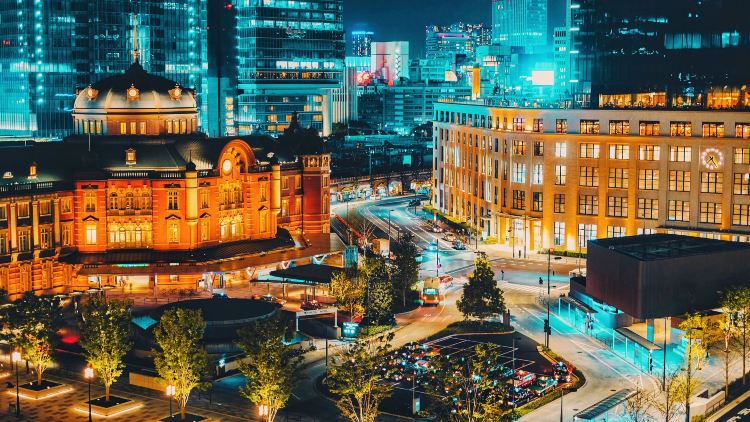
Tokyo Station: Central hub for Shinkansen (bullet trains) on Tokaido (Osaka/Kyoto), Tohoku (Sendai), Hokuriku (Kanazawa), and Joetsu (Niigata) lines. Also serves JR Yamanote and Chuo Lines.
Tokyo Station is central; connect to the JR Yamanote Line or take a taxi to Shinjuku/Shibuya.
Shinjuku/Ueno Stations: Secondary Shinkansen stops, serving Hokuriku/Joetsu Shinkansen.
Activate the Japan Rail Pass at airports or Tokyo Station for intercity travel; use Suica/Pasmo for local trips to save pass validity.
By Bus
Shinjuku Expressway Bus Terminal (Busta Shinjuku) and Tokyo Station (Yaesu/Minami-Ginza Exit) serve long-distance routes to Osaka (6-8 hours), Kyoto (7-8 hours), or Nagoya (~5 hours) via Willer Express or JR Bus.
Both terminals are central; use the JR Yamanote Line or the Metro for other areas.
Buses are cheaper but slower than the Shinkansen.
By Ferry
Port of Tokyo: Serves domestic routes to islands like Oshima (6-10 hours) or Hokkaido (36+ hours).
Limited seasonal international cruises (e.g., to China, Korea).
To City Center: From Takeshiba Terminal, take the Yurikamome Line to Shimbashi or take a taxi.
Local Transportation
Tokyo’s public transit is the backbone of urban travel, with trains, subways, buses, and water buses covering most areas.
JR Trains
Operated by JR East, key lines include:
Yamanote Line: Loop connecting Shinjuku, Shibuya, and Tokyo Station.
Chuo Line: Rapid service (Tokyo ↔ Shinjuku).
Keihin-Tohoku: North-south corridor.
Saikyo Line: Connects to suburbs (e.g., Saitama)
Hours: 4:30 AM–1:00 AM.
Fares and Payment Options: Distance-based, ¥170–2,000+.
Suica/Pasmo IC Cards: Rechargeable, ¥500 deposit (refund: ¥280 after ¥220 fee deduction). Valid on JR, subways, buses, and some shops (e.g., 7-Eleven). Top up at ticket machines (English interface) or convenience stores (¥1,000–20,000).
Welcome Suica: Tourist-exclusive (28-day validity, no deposit).
Single-Journey Tickets: At ticket machines; English available.
Japan Rail Pass: Covers JR lines but not subways; use for day trips (e.g., Yokohama).
Subway: Operated by Tokyo Metro (9 lines) and Toei Subway (4 lines), covering Shibuya, Ginza, Asakusa, and Roppongi. Trains every 2–4 minutes during rush hours. English signage and announcements.
Hours: 5:00 AM–12:30 AM.
Fares: ¥180–430.
Tokyo Subway Ticket: Unlimited Toei/Metro rides for tourists (24h: ¥800, 48h: ¥1,200, 72h: ¥1,500). Buy at airports, major stations, or book online. Covers both Metro and Toei subways
Toei One-Day Pass: ¥900, unlimited Toei for one day; less practical for tourists.
Suica/Pasmo: Preferred for flexibility; no daily/weekly cap.
Get a Tokyo Subway Ticket for heavy subway use; use Google Maps for routes. Avoid rush hours (7–9 AM, 5–7 PM).
Buses: Toei and private buses serve areas beyond trains/subways (e.g., Roppongi to Shimbashi). Flat fares (~¥220) in central Tokyo. English signage is minimal; use Suica/Pasmo or cash (exact change).
Hours: Vary by route; typically 7:00 AM–10:00 PM
Use Google Maps to plan routes; it is less tourist-friendly due to its complexity.
Water Buses: Tokyo Cruise and Suijo Bus operate on the Sumida River and Tokyo Bay, connecting Asakusa to Odaiba. Scenic but slower.
Fares: Pay via Suica/Pasmo, cash.
Use for sightseeing (e.g., Odaiba at night); book via the Tokyo Cruise website or online.
Taxis and Ride-Hailing: Taxis are widely available but expensive.
Uber, GO, and DiDi operate in central Tokyo; ideal for late-night trips. Pay via cash, card, or app.
Use taxis when no other options are available; have Japanese addresses ready.
Bicycles: Docomo Cycle, Hello Cycle, and Luup offer bike/scooter rentals in Shibuya, Shinjuku, and Asakusa—flat terrain; ride on the left.
Use for short trips; park in designated areas to avoid fines. Download apps for reservations.
Tokyo Where to Stay
Tokyo’s neighborhoods pulse with distinct rhythms—here’s where to rest your head, tailored to your travel style, from vibrant hubs to timeless lanes.
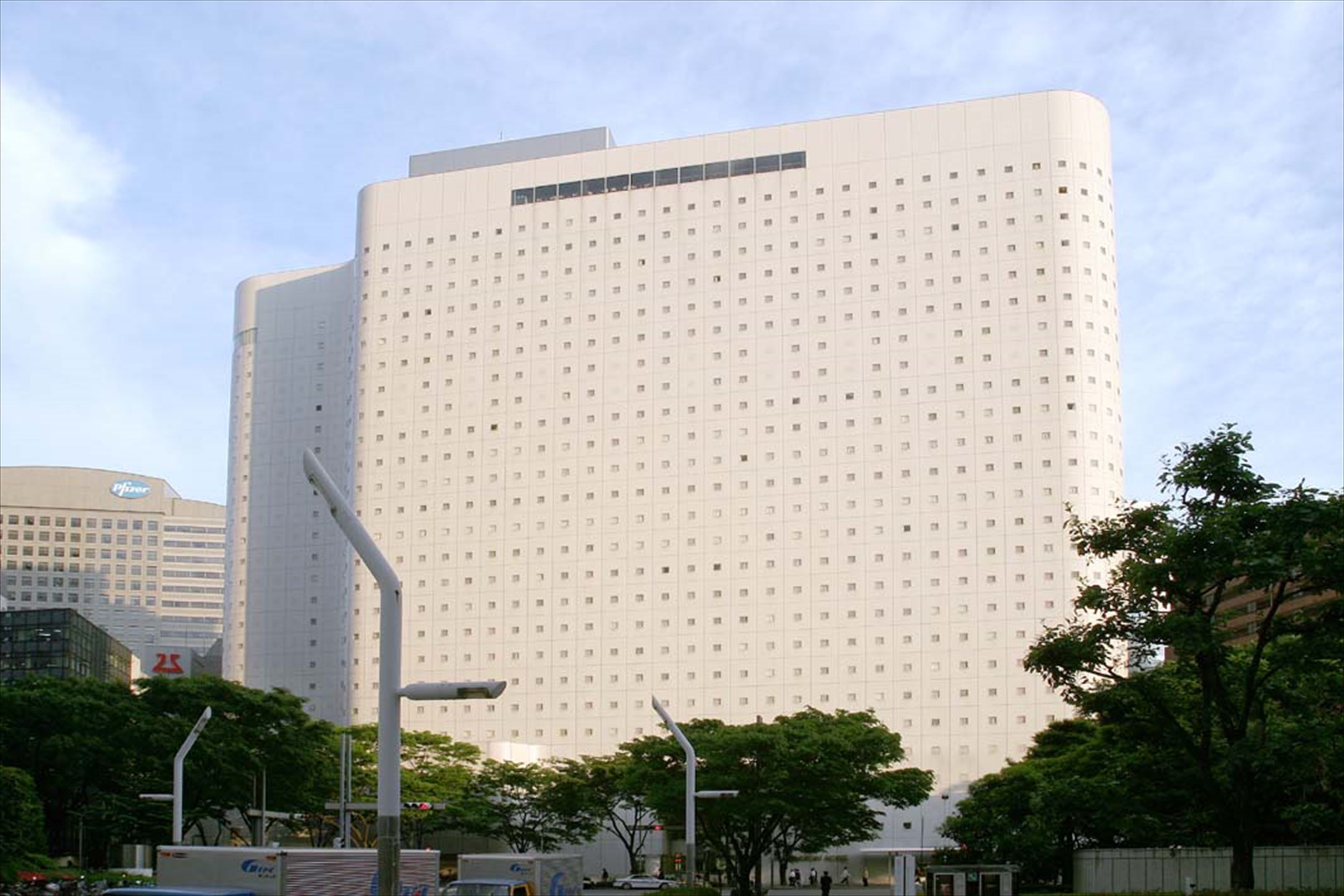
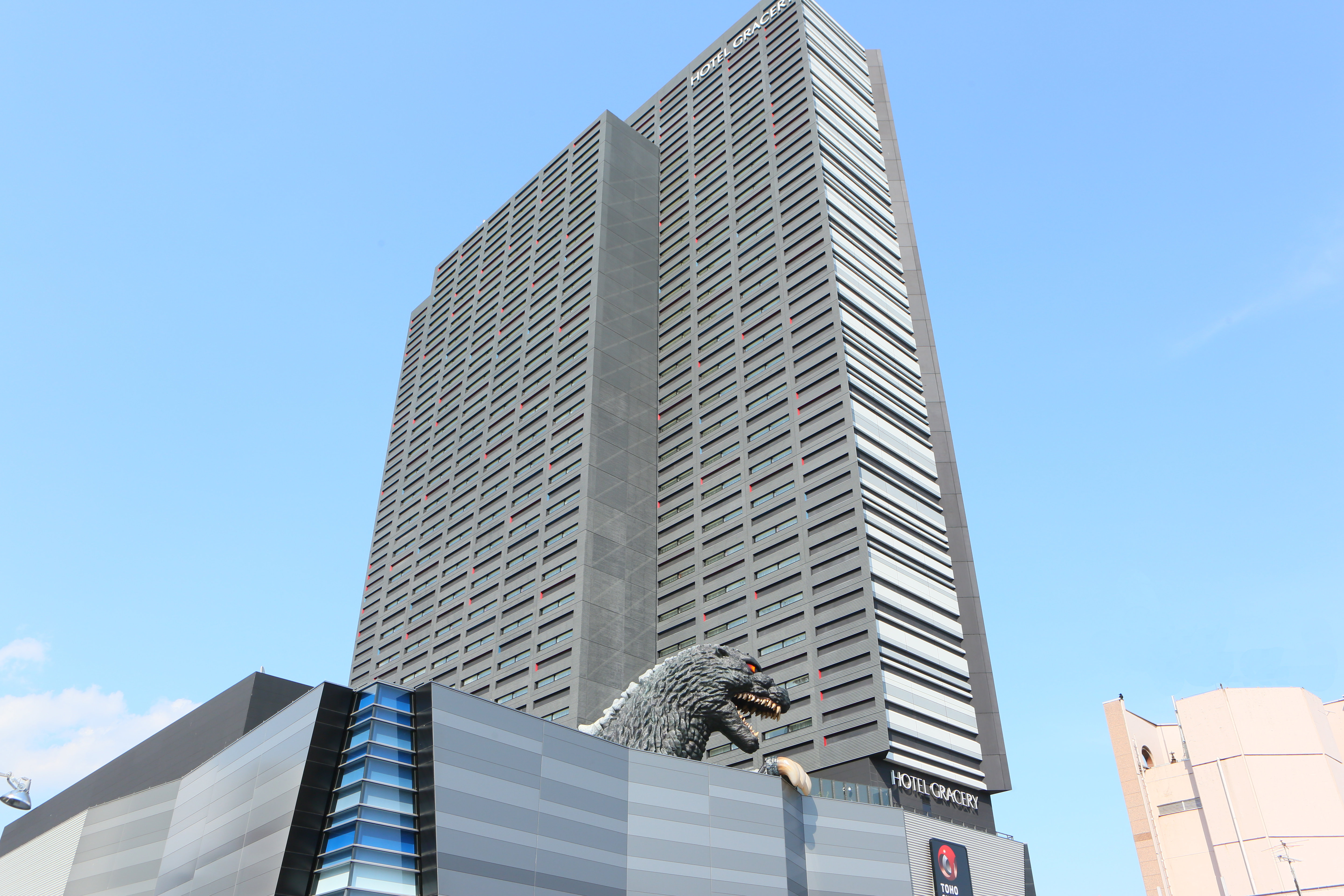
Shinjuku Area (Dynamic nightlife, shopping paradise, cultural experiences)
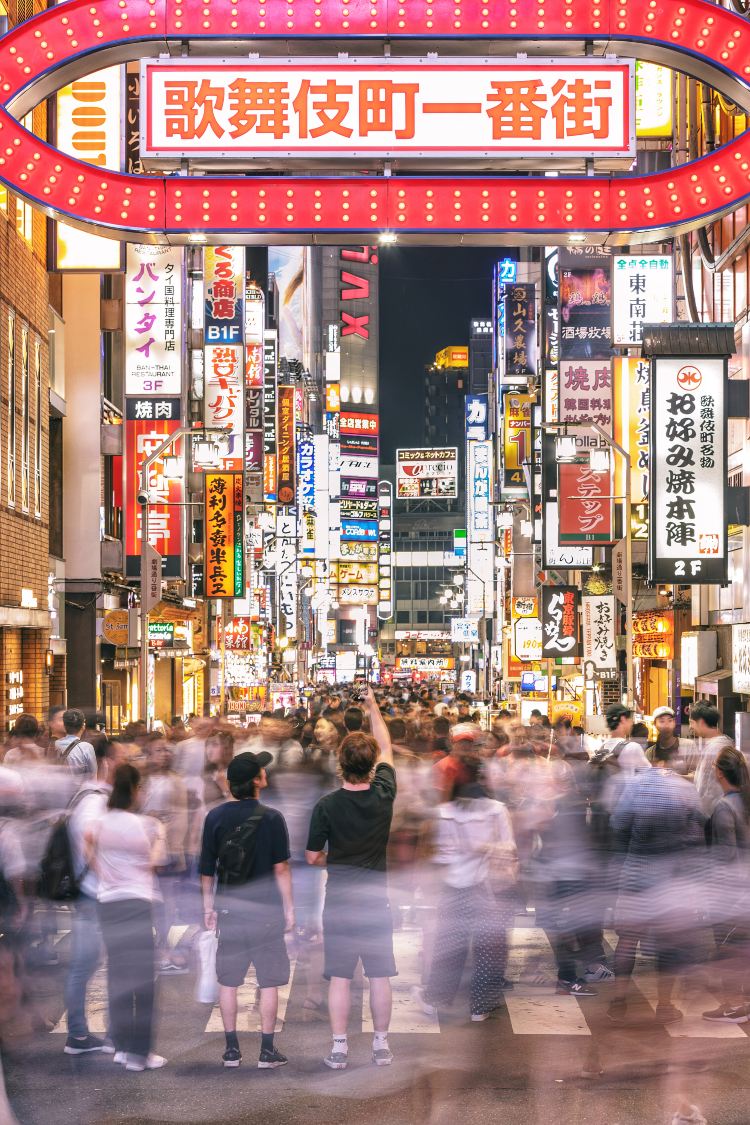
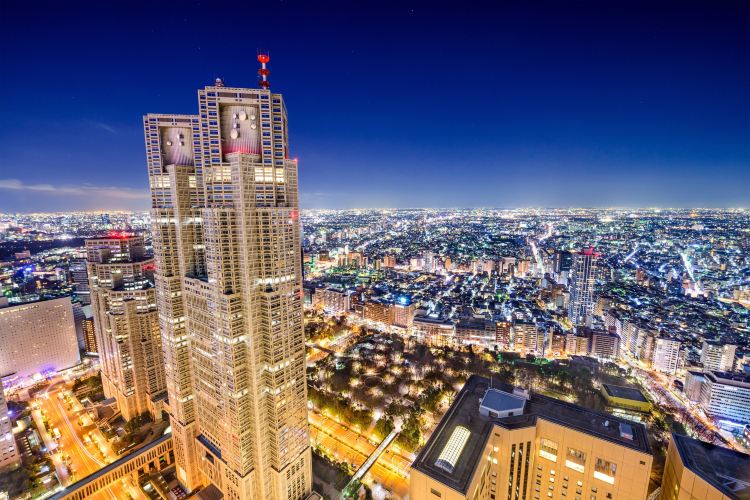
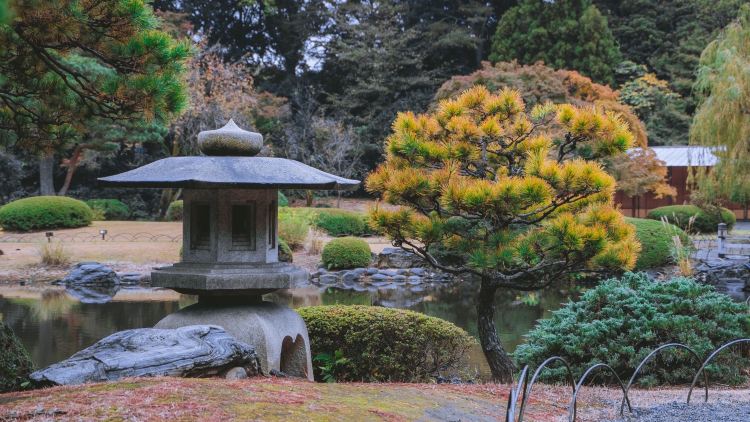
Shinjuku thrums day and night—skyscrapers tower over Shinjuku Station, the world’s busiest rail hub. Kabukicho’s neon-lit streets buzz with bars and late-night eats, while Golden Gai’s tiny, themed watering holes draw adventurous souls. Shoppers hit Isetan’s luxury floors; culture seekers roam the Samurai Museum. Shinjuku Gyoen offers a green pause. It’s a launchpad for young travelers craving nightlife or explorers eyeing easy train access.

Ginza/Tsukiji (Luxury shopping, historic markets, exquisite dining)
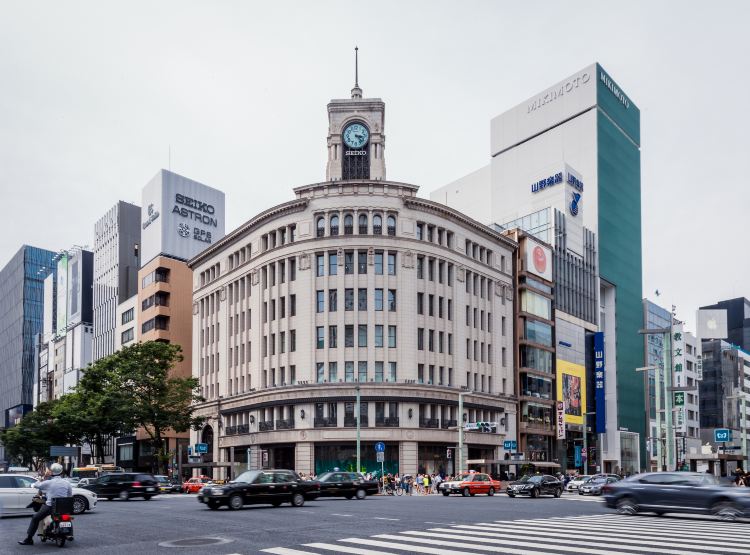
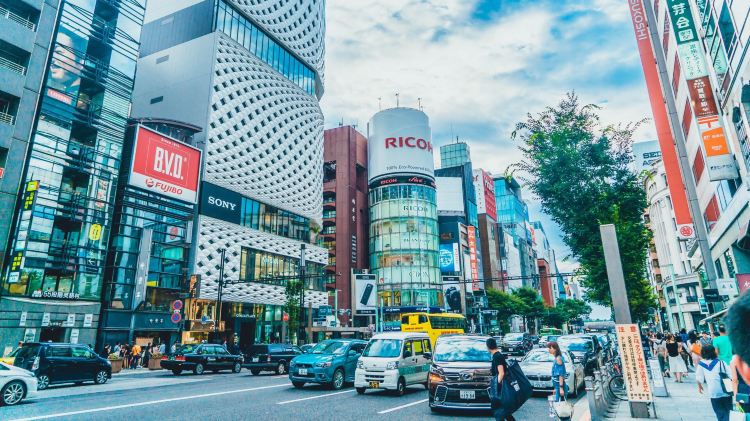
Ginza dazzles with elegance—Chuo-dori’s designer boutiques and Kabukiza Theatre’s kabuki shows exude sophistication. Nearby, Tsukiji’s Outer Market tempts with fresh sushi and street bites, its narrow alleys alive with culinary craft. Hama-rikyu Gardens lend a historic calm. Perfect for luxury lovers wanting refined nights or food enthusiasts chasing Tokyo’s gourmet heart—subway lines knit it tight to the city.
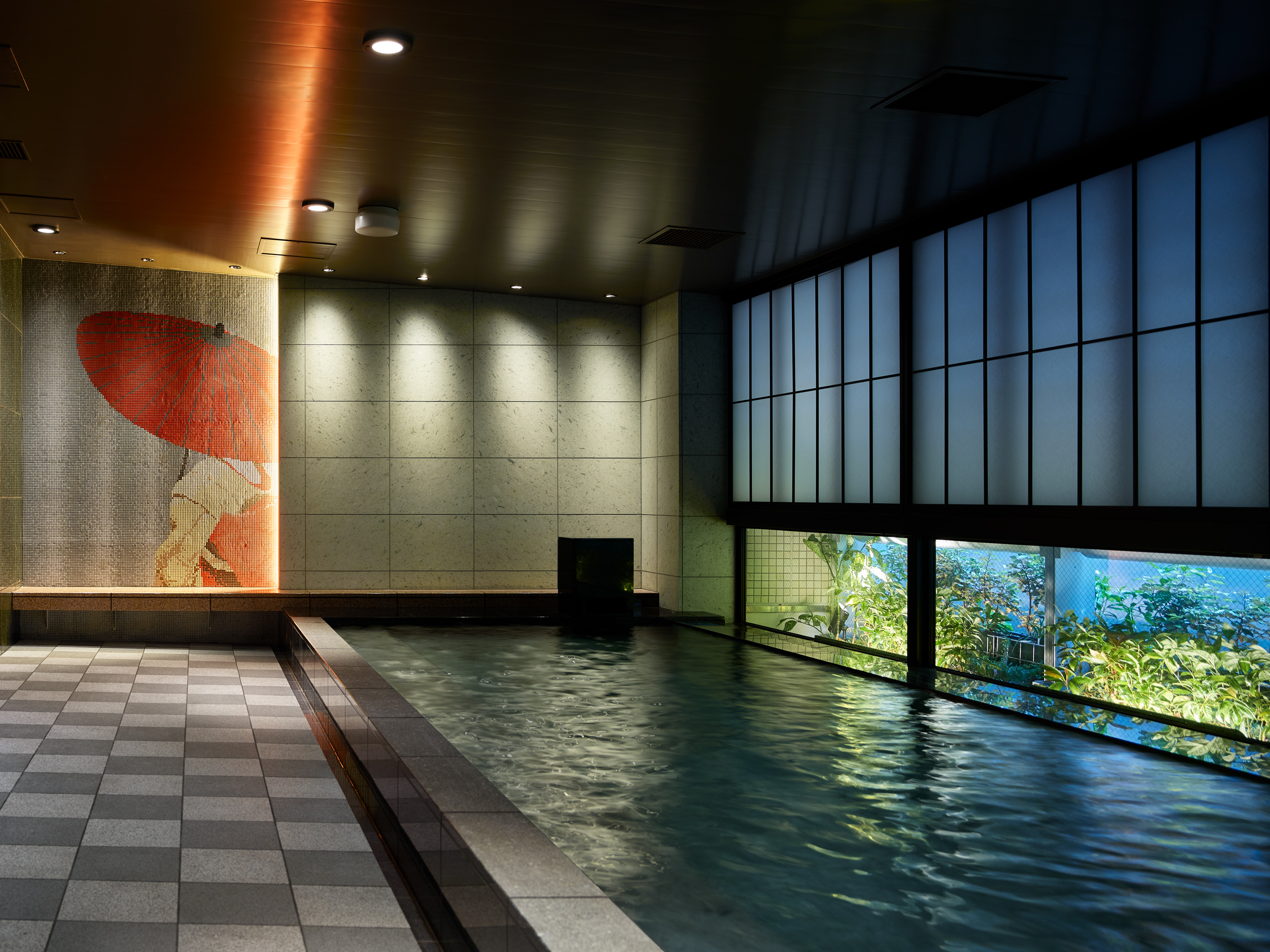
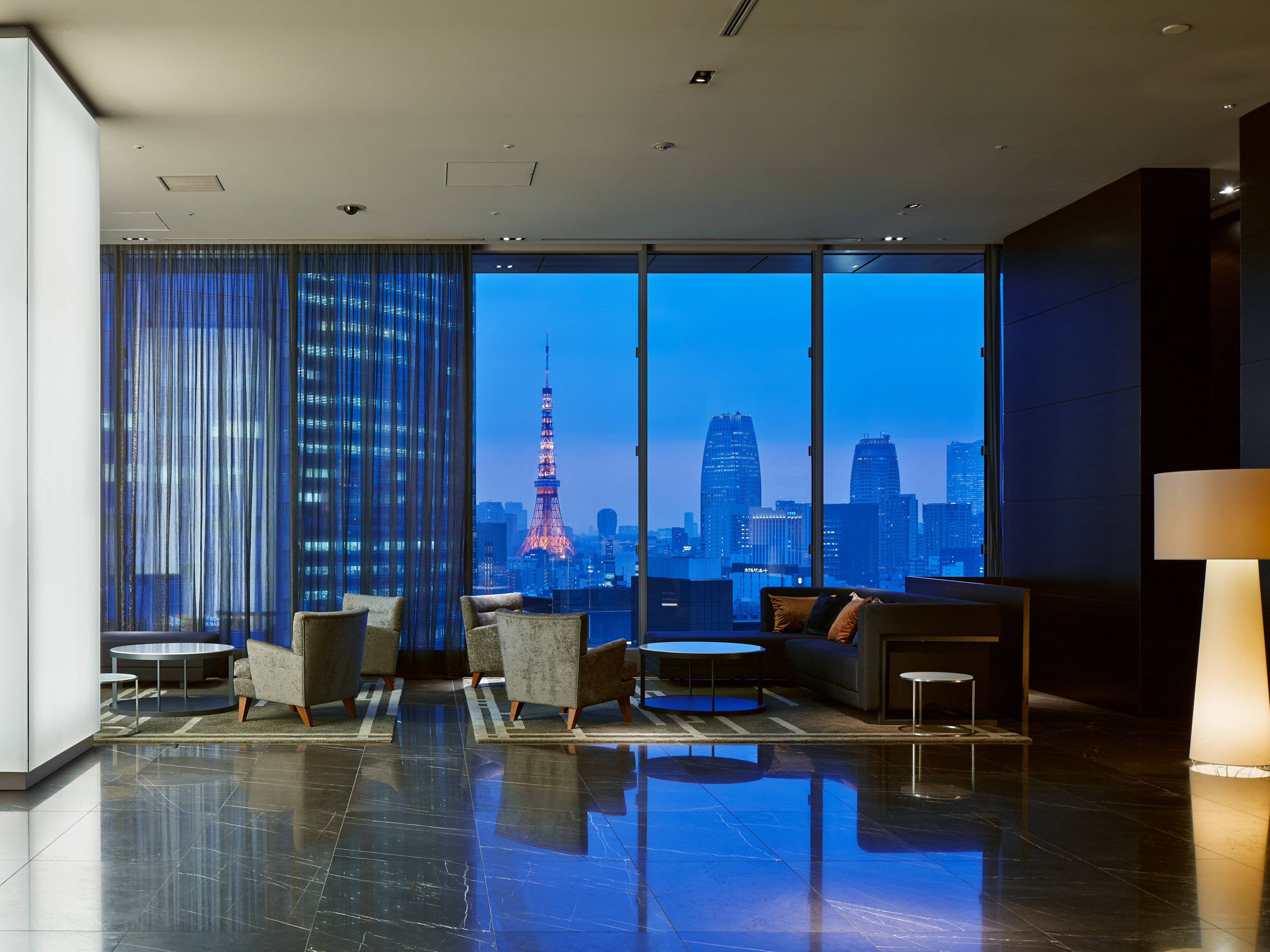
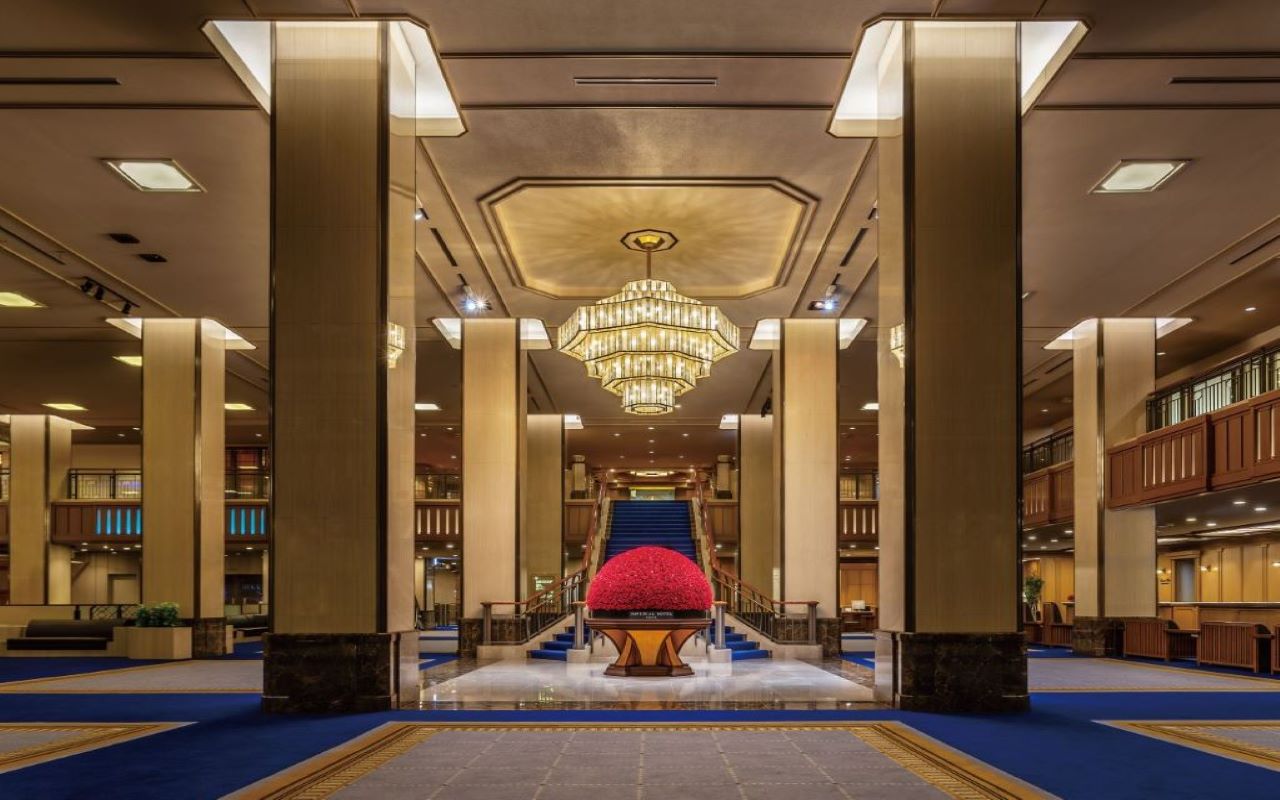
Ueno/Asakusa (Cultural heritage, traditional shopping streets, local cuisine)
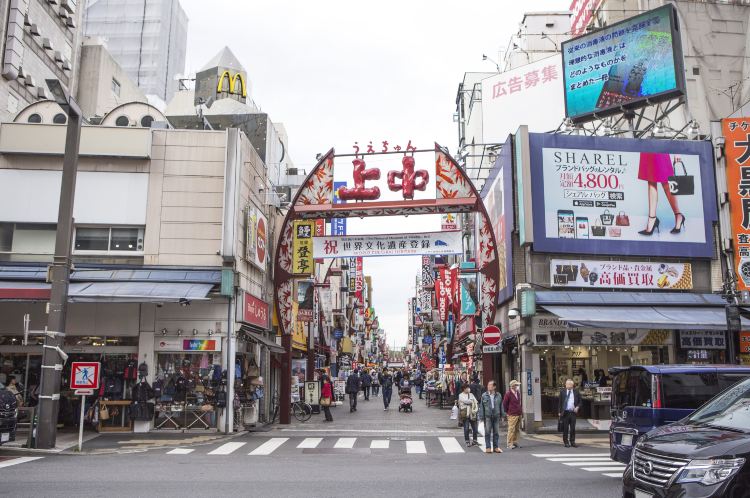
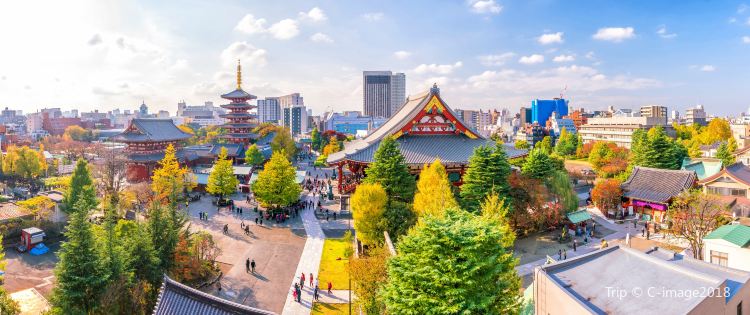
Ueno and Asakusa weave Tokyo’s past into its present—Senso-ji’s lantern-lit calm anchors Asakusa, while Ueno Park’s museums and zoo sprawl nearby. Nakamise-dori and Ameyoko brim with trinkets and tempura stalls. Rickshaw rides or river cruises add charm. History buffs dig the heritage; families love the laid-back pace—Ueno Station ties it all to Tokyo’s core.
Tokyo Best Time to Visit
Best Time to Visit
Tokyo’s humid subtropical climate features four distinct seasons, with temperatures ranging from -2°C to 37°C (28°F to 99°F). Summers are hot/humid, winters are cold/dry, and typhoons impact late summer.
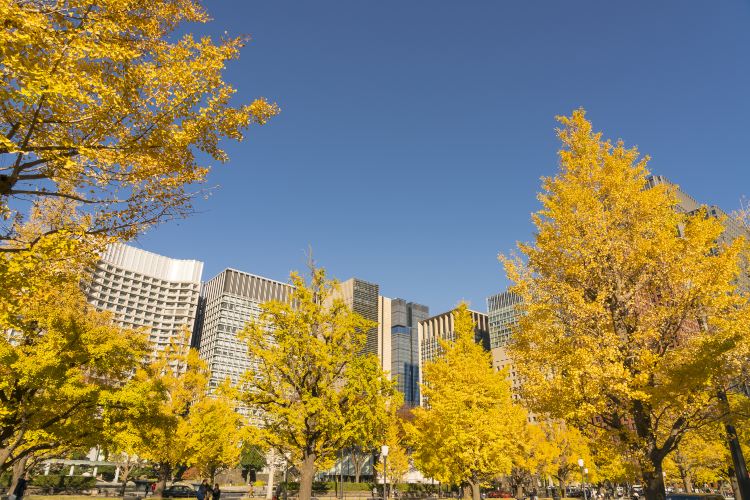
Late March to April is perfect for cherry blossoms, and October to November is ideal for fall foliage and mild weather.
Sakura Season (March–May): Mild temperatures 8°C–22°C (46°F–72°F), low humidity, and minimal rain. Cherry blossoms (late Mar–Apr). Ideal for gardens, street food, and festivals (Sanja Matsuri in May). Peak crowds; hotels +40% (book 6+ months ahead).
Rainy & Hot Season (June–August): 22°C–37°C (72°F–99°F), humidity 80–95%, heavy rains in June. Low-season hotel deals (25% off), empty indoor attractions. Fireworks festivals (Sumida River, July).Typhoon risk (Aug–Sep); extreme heat limits outdoor time.
Fall Season (September–November): Comfortable 15°C–23°C (59°F–73°F), crisp air, vibrant foliage. Food festivals (Tokyo Ramen Show) and fewer crowds than spring. Early Sep typhoons; hotel rates spike during foliage peak.
Winter Season (December–February): Cold -2°C–12°C (28°F–54°F), dry, rare snow. Illuminations (Roppongi Hills, Shibuya Sky), the lowest hotel rates. Shorter daylight hours; some gardens/temples close early.
Tokyo Travel Tips
1. Use the Visit Japan Web for Fast Customs Clearance
Before arriving in Tokyo, register on the Visit Japan Web to create a QR code for faster immigration and customs clearance, especially during the cherry blossom (March–April) or autumn (October–November) peak seasons. Complete the online form with passport and itinerary details at least a week in advance to avoid airport delays. Save a screenshot of the QR code to present at the border without needing to access the system again.
2. Pay with Cards or Cash
Use Visa, Mastercard, or American Express at Tokyo’s malls, restaurants, and attractions like Shibuya Sky. Carry yen for small shops, Tsukiji Market, vending machines, public restrooms, or station lockers. Exchange at banks like MUFG for the best rates; 7-Eleven ATMs are reliable. Many stores and restaurants accept mobile payments. At stores like Uniqlo or 7-Eleven, use self-service cashiers that auto-deduct from cards without requiring authentication.
3. Choose a Suica Card or Tokyo Subway Ticket
Get a Suica card for Tokyo’s metro, JR trains, buses, taxis, and shops in the Kanto region (not Kansai, e.g., Osaka). Add it to Apple Wallet or buy a physical card. Tokyo Subway Ticket offers unlimited metro rides for 1 to 3 days. Check details at stations or online.
4. Consider a Japan Rail Pass for Regional Travel
If exploring beyond Tokyo, buy a Japan Rail Pass (7, 14, or 21 days) via official sites before arrival for unlimited JR train travel, including Shinkansen (except Nozomi/Mizuho trains). For Tokyo-only trips, skip it, as Suica or Tokyo Subway Tickets are cheaper.
5. Choose Public Transportation When Possible
Tokyo’s taxis are costly, with time-based fares rising in traffic. Use the metro, buses, or JR trains to reach Shibuya, Asakusa, or Tokyo Skytree efficiently. Navigate complex stations like Shinjuku, which has multiple exits and operators (e.g., JR, Seibu), using Google Maps to find the right station and minimize walking distance. Check routes on Google Maps or bilingual station signs; apps like Japan Travel by NAVITIME offer real-time schedules.
6. Follow Left-Side Travel Rules
In Tokyo, when walking or standing, please use the left side of escalators, stairs, and sidewalks, leaving the right side clear for pedestrians to pass. Unlike Osaka’s right-side norm, this keeps the flow smooth. Stay quiet on public transportation; avoid eating or drinking to respect local customs and norms.
7. Drive Safely on the Left
Tokyo’s traffic flows on the left. Renting a car is not ideal due to congested streets, complex navigation, and limited parking in areas like Shinjuku. If driving, get an international driving permit and navigate cautiously.
8. Respect Women-Only Train Cars
Some JR and private trains in Tokyo have women-only cars during morning rush hours (7–9 AM). Check platform signs or ask staff for assistance to avoid boarding if you are not eligible.
9. Follow the Queueing and Pedestrian Rules
Queue orderly for trains, buses, or restaurants. Cars yield to pedestrians at crossings, but be cautious of bikes in busy areas like Shibuya. Don’t jaywalk, as police enforce rules strictly. Respect Tokyo’s orderly culture.
10. Respect Shrine and Temple Etiquette
Stay quiet at shrines and temples, such as Senso-ji. Ask before taking photos and avoid restricted areas. Dress modestly, covering shoulders and knees, to show respect.
11. Avoid Tipping in Tokyo
Tipping is not customary in Tokyo, as bills typically include service, reflecting Japan’s culture of hospitality. Pay the exact amount at restaurants or taxis. At izakayas, a standard “otoshi” (small appetizer) fee is charged—a cover charge, not a tip. Decline extra tips to respect norms.
12. Check Hotel Amenities and Power
Some Tokyo hotels, especially budget ones, may not provide toiletries like shampoo or soap. Pack travel-sized versions or purchase them at a convenience store. Bring a Type A or B plug adapter for Japan’s 100V outlets to charge devices safely.
13. Respect Restaurant Rules
Tokyo restaurants typically don’t allow outside food or drinks, reflecting Japan’s emphasis on fresh dining culture. Taking leftovers is uncommon; order only what you can eat to avoid waste. In Tokyo’s ramen shops, order using ticket machines near the entrance. Insert yen cash (cards rarely accepted), select your item from the pictured buttons, and collect the ticket and change. Hand the ticket to the staff to place your order.
14. Smoke Only in Designated Areas
Smoking is banned on Tokyo’s streets, restaurants, and public spaces. Use marked smoking zones at stations or cafes, often with ashtrays. Avoid littering cigarette butts to respect Japan’s cleanliness standards.
15. Prepare for Mount Fuji Excursions
For trips to Mount Fuji, check the weather forecasts and follow trail safety guidelines. Wear sturdy shoes, pack a raincoat, warm layers, food, and water. Book guided tours for safer climbs; carry out all trash to preserve the UNESCO site.
16. Book Top Attractions Early
Reserve tickets for Shibuya Sky, Warner Bros. Studio Tour Tokyo – The Making of Harry Potter, or the Ghibli Museum ahead of your visit online, especially for peak times (March–April, July–August). Book weeks ahead to secure entry.
17. Pack for Rain and Typhoons
Tokyo’s rainy season in June and typhoons in July and September can disrupt travel. Bring a compact umbrella or raincoat and check weather apps like AccuWeather for potential flight or train delays.
18. Understand Tokyo’s Accommodation Tax
Tokyo charges an accommodation tax for hotel stays, typically included in your bill at check-in or paid on-site. Confirm with your hotel when booking to avoid surprises; budget hotels may exclude it from prepaid rates.
19. Sort Trash Carefully
Tokyo has strict trash sorting (burnable, non-burnable, recyclable). Public bins are scarce, so consider carrying a small bag for trash. Sort correctly at hotels or stations to respect local customs and regulations.
20. Know Emergency Numbers
In Tokyo, call 110 for police assistance or 119 for medical or fire emergencies. Keep your hotel’s address handy.
Tokyo Useful Guide
Local Language
Japanese is the official language. Signs are often bilingual, but English is not common outside popular tourist areas.
Local APP
Navitime: The go-to app for navigating Japan’s intricate rail and subway systems, Navitime provides real-time train schedules, transfer details, and optimal routes across JR, Tokyo Metro, Toei Subway, and private lines (e.g., Keisei, Odakyu). Covers key areas like Shinjuku, Shibuya, and Asakusa, with fare estimates and platform info. Features offline maps, walking directions, and disaster alerts (e.g., earthquake warnings), crucial for safety in Tokyo. Supports English and multiple languages.
Google Maps: A versatile navigation app for walking, biking, and public transit (buses, trains, subways).
HyperDia: A powerful transit planner for Japan’s rail network, including Shinkansen, JR, and private lines.
Norikae Annai (Japan Transit Planner): a transit app designed to help users navigate Japan's extensive railway and airline networks.
GO (GO taxi): A leading ride-hailing app for taxis in Tokyo. Features upfront pricing, real-time tracking, and driver details. Accepts international Visa/Mastercard, Suica/Pasmo, and cash. More reliable than street taxis during late hours (12:30 AM, post-last train).
DiDi (Rider): ride-hailing for taxis. Accepts foreign Visa/MC + Suica
Japan Travel by NAVITIME (JNTO): The official app by the Japan National Tourism Organization, offering event listings, attraction guides (e.g., Tokyo Skytree, Senso-ji Temple), real-time crowd tracking, and QR-based ticket bookings for museums or festivals. Includes travel articles, offline maps, and Wi-Fi hotspot finders. Supports English and multiple languages.
Tabelog: Japan’s most trusted restaurant review platform, covering thousands of Tokyo eateries, from Michelin-starred sushi bars in Ginza to ramen shops in Shinjuku. Features user ratings, menus, photos, and English translations for many listings.
Internet and Communication
Staying connected in Tokyo is essential for navigation, payments, and communication.
eSIMs: Purchase online before arrival and activate upon landing at Narita (NRT) or Haneda (HND) airports. Providers like Airalo, U-Mobile, and Mobal offer tourist-friendly plans with 4G/5G coverage across Tokyo and Japan.
SIM Cards: Physical SIM cards from providers like SoftBank, au by KDDI, and Docomo offer robust 4G/5G coverage across Tokyo, with reliable signals. Available at NRT/HND airports, electronics stores (e.g., Bic Camera, Yodobashi), or convenience stores (7-Eleven/Lawson sell data-only cards).
Present your passport at purchase for registration (required under Japanese law). Airport counters (NRT: Terminal 1/2 Arrivals; HND: Terminal 3 Arrivals) provide English-speaking staff for setup (Setup takes 10–30 mins). SIMs are pre-activated or require a quick call (*123#). Top-ups are available at convenience stores or via provider apps.
WiFi: Wi-Fi is widely available in Tokyo at hotels, hostels, cafes, restaurants, and malls. Public Wi-Fi is standard at train stations, airports, and tourist sites, but often requires registration via email, Facebook, or a Japanese phone number.
Currency and Payment
The official currency is the Japanese Yen (JPY, ¥).
Digital Payments:
Tokyo is increasingly cashless, with mobile apps and IC cards dominating in tourist areas. Suica and Pasmo IC cards are widely used for transit (JR, subway, buses) and purchases at convenience stores, restaurants, and vending machines.
Mobile wallets like Apple Pay and Google Pay (limited usage) are growing, especially at major retailers.
Cash:
Cash is still king in Tokyo, especially at small restaurants, street vendors, traditional shops, and some attractions. Carry ¥5,000–10,000 daily for cash-only spots.
Currency Exchange: Exchange USD, EUR, or other major currencies at banks (e.g., Mizuho, SMBC), airport counters, or licensed exchange booths (e.g., Travelex, Sakura Exchange). Sakura Exchange in Shibuya and Ginza offers competitive rates with low fees. Avoid hotel exchanges due to high commissions.
Credit/Debit Cards:
Visa and Mastercard are widely accepted at hotels, upscale restaurants, department stores, and major attractions. American Express is less common, accepted at high-end venues, but may incur surcharges (~1–2%). Contactless payments are standard for transactions up to ~¥10,000 without a PIN.
Notify your bank of your travel to avoid card blocks. Select JPY at terminals to avoid Dynamic Currency Conversion (DCC) fees (~1–3%).
ATMs and Cash Withdrawals:
ATMs accepting foreign cards (Visa, Mastercard, and some American Express) are widely available at airports, 7-Eleven, Lawson, and major banks.
Look for PLUS (Visa) or Cirrus (Mastercard) logos. English interfaces are standard.
Japan Post and 7-Eleven ATMs are the most reliable for tourists.
Use 7-Eleven ATMs for 24/7 access and lower fees. Avoid frequent small withdrawals to minimize costs.
Weather in Tokyo

13°
/
4°
12°
/
6°
15°
/
12°

17°
/
9°
12°
/
3°

12°
/
5°
11°
/
7°
 Trending in Tokyo
A Dreamy Journey Through Tokyo's Winter Wonderland: Christmas Markets and Light Shows@Tokyo SkytreeTokyo's Winter Wonderland: A Dreamy Journey of Christmas Markets and Light Shows
World's First Pokémon Theme Park to Officially Open in February 2026World's First Pokémon Theme Park to Officially Open in February 2026
Shibuya Sky Observatory Overlooks Bustling Crossroads Nightscape@SHIBUYA SKYAn upgraded panoramic experience at Shibuya Sky Observation Deck
Tokyo: FAQ

What's the most popular attractions in Tokyo?
Things to do near Tokyo for family & child?
How to get to Fujikawaguchiko from Tokyo?
How to get to Yokohama from Tokyo?
How to get to Tokyo from Nagoya Airport?
How to get to Tokyo from Sapporo?
Popular destinations
Bangkok
Kuala Lumpur
Los Angeles
Shanghai
New York
