Xi'an 2026 Guide: Must-see attractions, local cuisine, and practical tips! | Trip.com
 Local GuidesLast updated on Trip.com: 29/07/2025
Xi'an Brief Guide


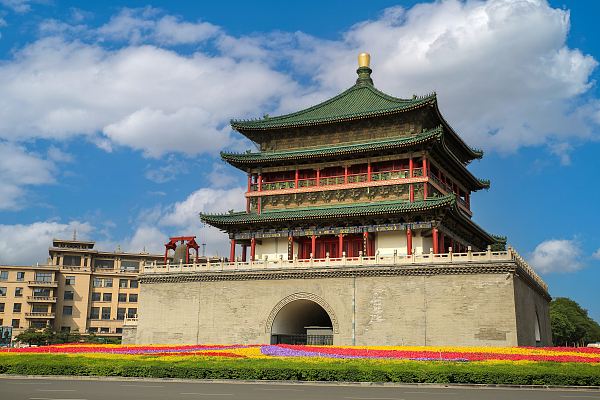
Xi'an, where China's imperial legacy awakens: stand before the Terracotta Army's silent guardians, walk atop Ming Dynasty walls feeling the history, and trace the Silk Road's pulse in bustling Muslim Quarter alleys. This city breathes millennia of dynasties, temples, and trade. Unlock your perfect journey through time with our essential Xi'an guide—from warrior tombs to street-food treasures.
Xi'an Must-try local experiences
Step Back into Tang Dynasty Glory
Wander Huaqing Palace, where hot springs and gardens evoke ancient romance. Explore Daming Palace National Heritage Park, imagining its grand halls through VR displays. At night, visit Tang Paradise, where glowing pavilions and performances bring the Tang Dynasty to life. Stroll the Grand Tang Mall, a lively street with The Longest Day in Chang'an Theme Block, a themed area with shops and Hu Ji taverns—lively bars inspired by Silk Road dancers, offering music and festive energy.
Marvel at the Terracotta Army
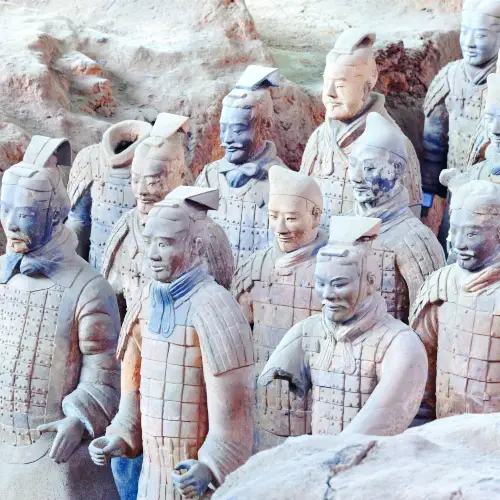
Experience the Terracotta Army, a world wonder with thousands of unique clay warriors guarding Emperor Qin's tomb. The Bronze Chariot and Horse of Qinling display reveals intricate craftsmanship from 2,200 years ago. This vast underground army, built for China's first emperor, feels like stepping into a legendary past. Each figure's detail and scale make this a thrilling journey into Xi'an's Qin Dynasty history.
Uncover Xi'an's Ancient Treasures
Explore the Shaanxi History Museum, showcasing bronze artifacts from the Zhou Dynasty (1046–256 BCE) and gold relics from the Tang Dynasty (618–907 CE). Visit Xi'an Museum, near the Small Wild Goose Pagoda, for relics and calm gardens. At Xi'an Beilin Museum, see stone steles with ancient calligraphy. These sites reveal Xi'an's role as a historic capital, blending art and culture.
Cycle Through Xi'an's History
Ride along Xi'an Ancient City Wall, a 13.7-km loop offering views of historic gates and modern streets. Pedal past watchtowers as the city unfolds below, blending ancient stone with contemporary energy. Evening rides catch the sunset's glow, lighting up Yong Ning Gate. This journey feels like traveling through time, connecting Xi'an's past as a Silk Road hub with its vibrant present.
Enjoy a Tang Dynasty Show
Watch "Song of Everlasting Sorrow" at Huaqing Palace or "Tuo Ling Legend" in Xi'an theaters, where music, dance, and costumes recreate Tang Dynasty tales. "The Romantic Show of Xi'an” offers a vivid history lesson. Most shows, like those at Tang Paradise, include English subtitles (confirm when booking) or visual storytelling. These performances immerse you in Xi'an's cultural legacy.
Savor Xi'an's Bold Flavors
Bite into Rou Jia Mo, a meat-filled bun, or Pita Bread Soaked in lamb Soup, at Yongxing Fang's bustling stalls. Try Biangbiang Noodles, wide and chewy, or Maobi Su, a brush-shaped pastry, in the Muslim Quarter. Nighttime brings smoky skewers and sweet Osmanthus cake. Xi'an's Shaanxi and Hui cuisines mix bold spices and hearty textures, creating a food lover's paradise.
Explore the Muslim Quarter's Heritage
Walk the Hui Fang Muslim Quarter's lively streets, where Beiyuanmen Street and Dapiyuan buzz with shops and history. Visit the Great Mosque, a peaceful courtyard blending traditional Chinese and Islamic designs, or the Gao Family Courtyard, a restored mansion with shadow puppet shows. This Silk Road hub, distinct from its food scene, offers a cultural dive into Xi'an's diverse past, with crafts and architecture to discover.
Try on a Traditional Hanfu
Wear Hanfu, the elegant robes of ancient China, for a unique cultural vibe. Rent outfits near Tang Paradise or Shuyuanmen Street of Culture and pose by the City Wall or pagodas. The flowing silk and vibrant colors make photos unforgettable. This hands-on experience connects you to Xi'an's history as a Tang Dynasty capital, where such clothing was daily wear.
Discover Local Crafts at Shuyuanmen
Stroll through the Shuyuanmen Street of Culture, a vibrant district lined with galleries and workshops. Watch artisans create paper cuttings, a 7th-century craft, or browse calligraphy and paintings. This area hums with Xi'an's scholarly past and creative present near the Forest of Steles. Pick up unique souvenirs or try a quick art lesson for a personal connection to the city's culture.
Xi'an Must-see Attractions
Xi'an, a city rich in historical and cultural heritage, is home to the UNESCO-listed Terracotta Army at the Emperor Qinshihuang's Mausoleum Site Museum, the ancient and well-preserved Xi'an City Wall, the enchanting The Song of Everlasting Sorrow performance, the culturally immersive Tang Paradise theme park, and the comprehensive Shaanxi History Museum, showcasing China's ancient civilizations.
Emperor Qinshihuang's Mausoleum Site Museum
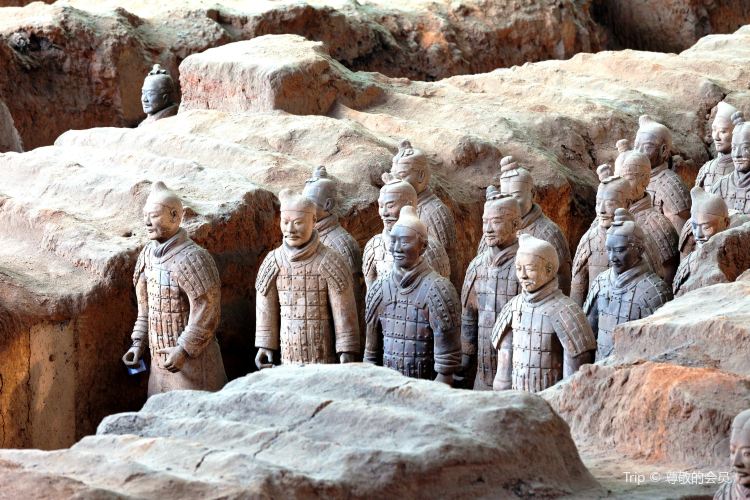
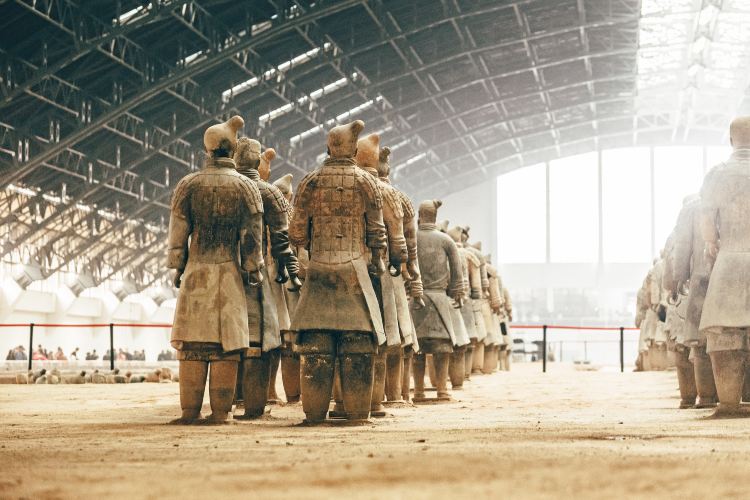
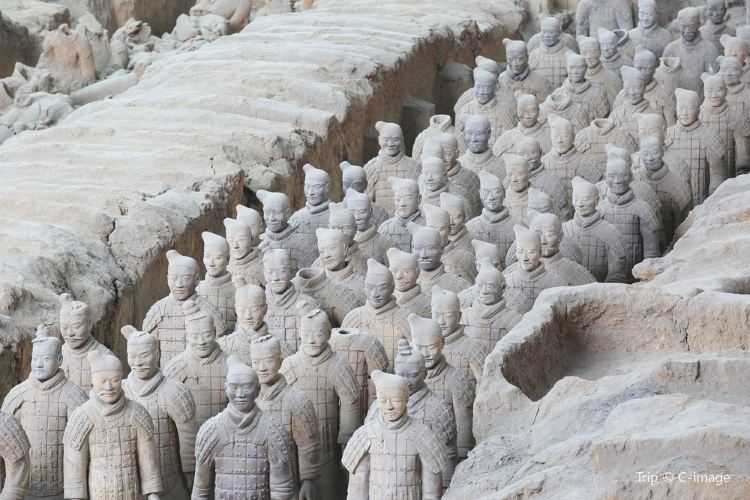
Emperor Qinshihuang's Mausoleum Site Museum, also known as the Qinshihuang Terracotta Warriors and Horses Museum, is a world-renowned historical site and a UNESCO World Heritage Site. This museum is celebrated for housing the Terracotta Army, a vast collection of life-size terracotta sculptures representing the military might of the first Emperor of China, Qinshihuang. Visitors to the museum can explore various pits where these sculptures are displayed, offering a unique glimpse into ancient Chinese military formations and the emperor's quest for immortality.
The museum is not just an archaeological treasure but also a testament to the ingenuity of ancient Chinese culture, with its large-scale exhibits and rich historical significance. Travelers can immerse themselves in the history and legacy of Emperor Qinshihuang by visiting the different sections of the museum, including the Museum of Terracotta Acrobatics, Museum of Terracotta Civil Officials, and Museum of Stone Armor, among others. The site is a must-visit for history and archaeology enthusiasts, offering an awe-inspiring experience that brings to life the grandeur and mystery of China's past.


Xi 'an City Wall
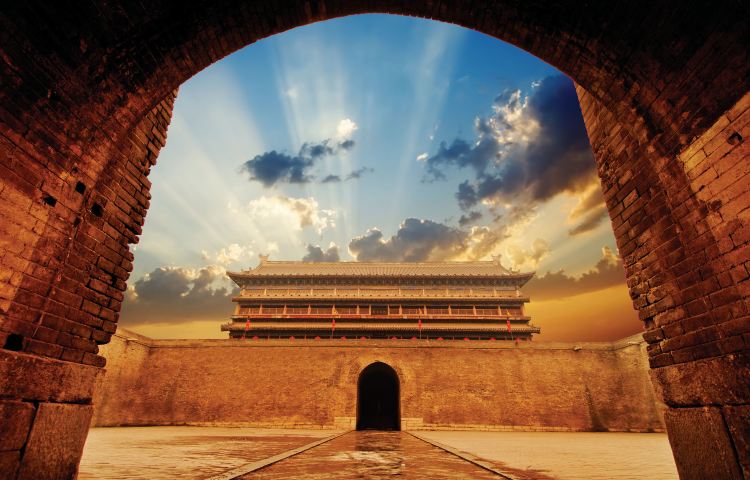


Xi'an City Wall, also known as the Fortifications of Xi'an, is a monumental ancient military defense system that stands as one of China's oldest, largest, and best-preserved city walls. Constructed during the Ming Dynasty under the rule of the Hongwu Emperor, the wall is 13.72 kilometers long, featuring a moat, drawbridges, watch towers, corner towers, parapet walls, and gate towers. Visitors can explore the wall's rich history and architecture by walking, taking a sightseeing battery car, or riding a bike. The wall's four main gates—East Gate (Changle Gate), West Gate (Anding Gate), South Gate (Yongning Gate), and North Gate (Anyuan Gate)—each hold historical significance and are intricately decorated, with the South Gate being particularly notable for its beauty.
The wall not only serves as a historical monument but also as a venue for various cultural activities. Tourists can participate in the International Marathon, enjoy performances, and visit the Chinese New Year Lantern Show. The best times to visit are spring and autumn when the weather is most pleasant. At night, the illuminated wall offers a stunning view, enhancing the experience for visitors. The Xi'an City Wall is a testament to the city's historical importance, offering a unique blend of cultural heritage and recreational activities for all who visit.


The Song of Everlasting Sorrow
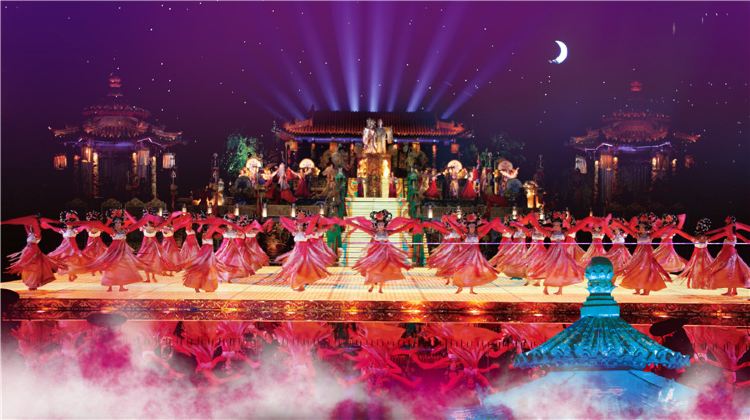
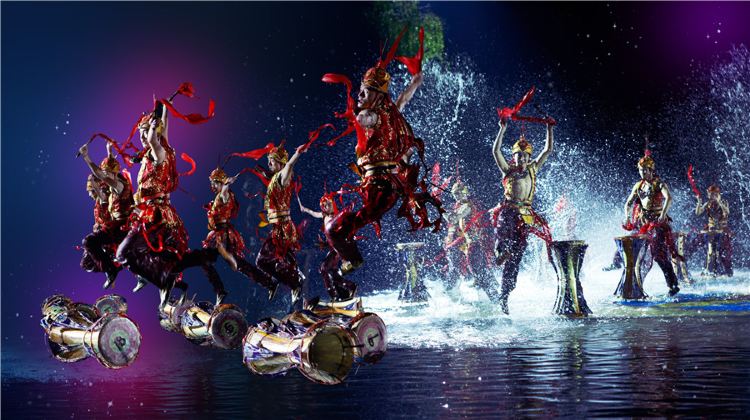
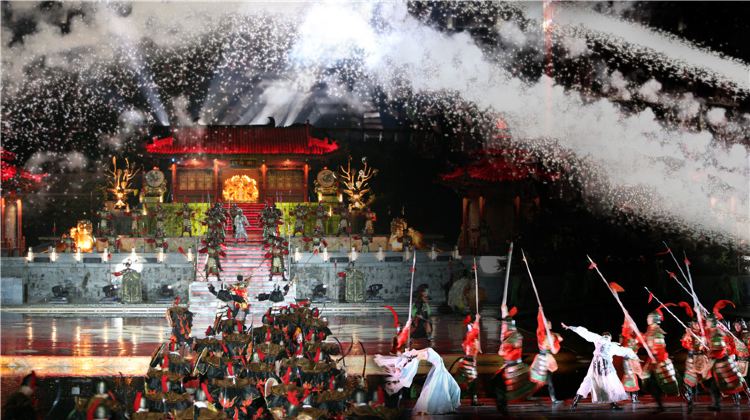
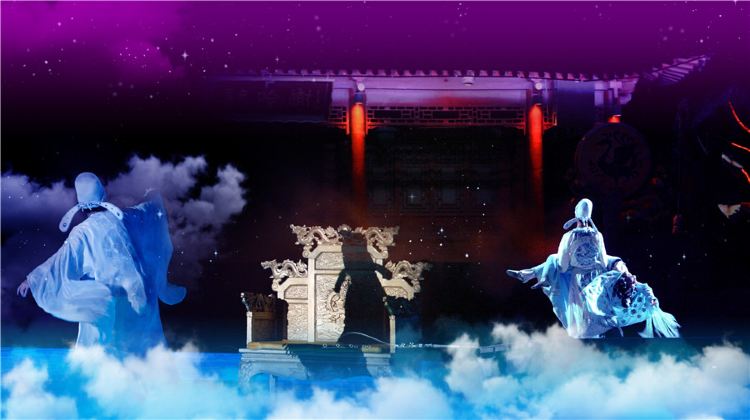
The Song of Everlasting Sorrow is a captivating outdoor spectacle set against the natural backdrop of Lishan Mountain and the historical Huaqing Hot Springs, near Xi'an. Based on the poignant love story between Emperor Minghuang and his concubine Lady Yang, this performance is a visual and auditory feast, combining music, dance, lavish costumes, advanced lighting, and 3D imagery. The show, which runs from April to October, is a genuine cultural experience that brings to life the harmony between humans and nature, as well as the grandeur of the Tang Dynasty. Visitors can immerse themselves in the drama that unfolds on a stage partially submerged in a lake, surrounded by the scenic beauty of the Nine-Dragon Lake, pavilions, and palaces.


Tang Paradise

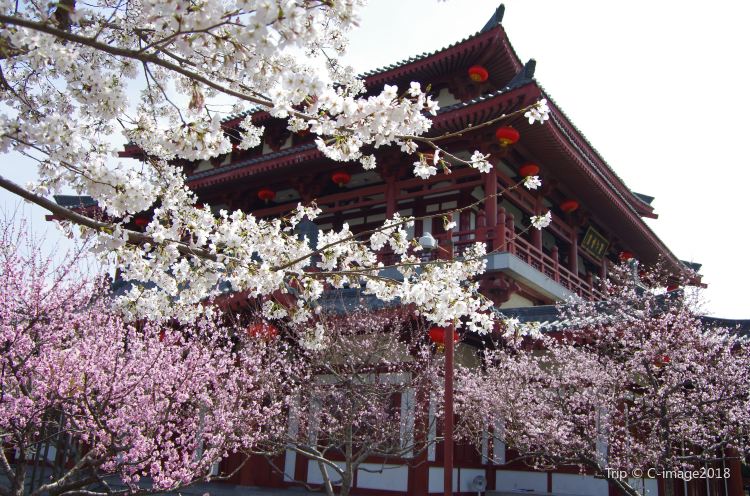

Tang Paradise is a cultural theme park that offers full displays of the grandeur and prosperity of the Tang Dynasty's culture. Visitors can explore various architectural styles characteristic of the Tang dynasty, including the Ziyun Building and the Fengmingjiutian Theatre, and enjoy performances such as royal dances, drum dances, and the largest water curtain film in the world. The park is renowned for its multisensory experience, catering to vision, hearing, smell, touch, and taste, and is praised as a 'Garden of History', 'Garden of Spirit', 'Garden of Nature', 'Garden of Human Culture', and 'Garden of Art'. The evening Lake Show, featuring lasers and video projection onto water screens, is a highlight not to be missed.


Shaanxi History Museum
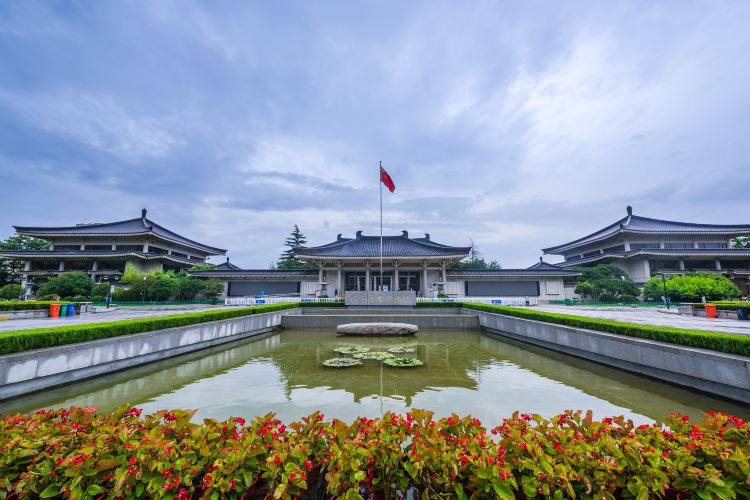
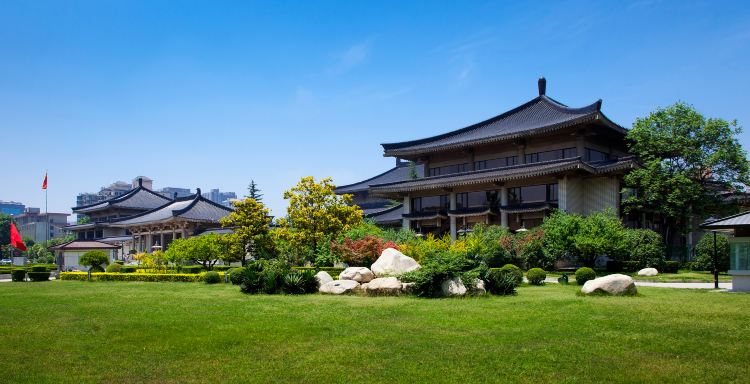
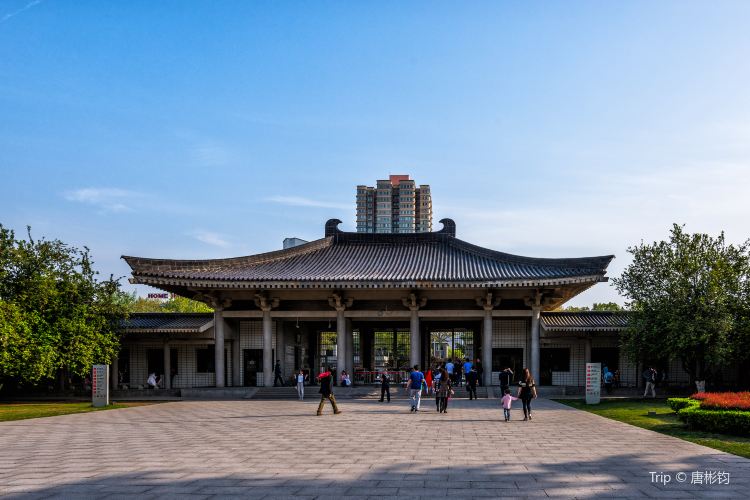
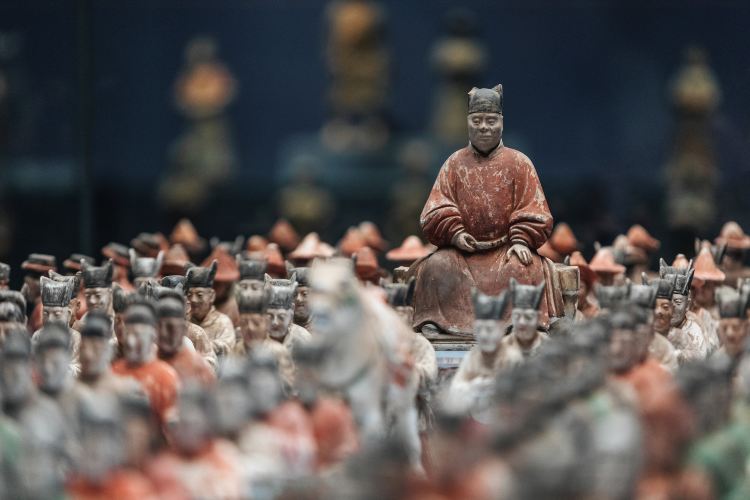
Shaanxi History Museum, often referred to as 'the pearl of ancient dynasties and house of Chinese treasures,' is a cultural gem that offers visitors a comprehensive overview of China's rich history and civilization. As the first large-scale modern national museum in China, it showcases an impressive collection of over 1,700,000 artifacts, including bronze vessels, pottery figurines, gold and silverware, and unique murals from various dynasties, particularly emphasizing the Tang Dynasty.
The museum's architecture, reminiscent of the Tang style, provides a dignified and elegant setting for the exhibitions, divided into permanent, special thematic, and temporary displays, allowing for a multifaceted exploration of the Huaxia culture. Visitors can immerse themselves in the grandeur of ancient China through the museum's artifacts and exhibitions, making it an essential destination for history enthusiasts and those seeking to understand the cultural achievements of Shaanxi Province.


Xi'an Food Guide
Xi'an's cuisine is renowned for its rich historical heritage and unique flavors, the thick and chewy Biang Biang Noodles, the fragrant and mellow Hulu chicken, the fatty but not greasy Roujiamo, and the thick soup with tender beef and mutton in Paomo, as well as the tender water basin mutton. Each dish is a legacy and innovation of Shaanxi culture, leaving an unforgettable taste.
Biang Biang Noodles
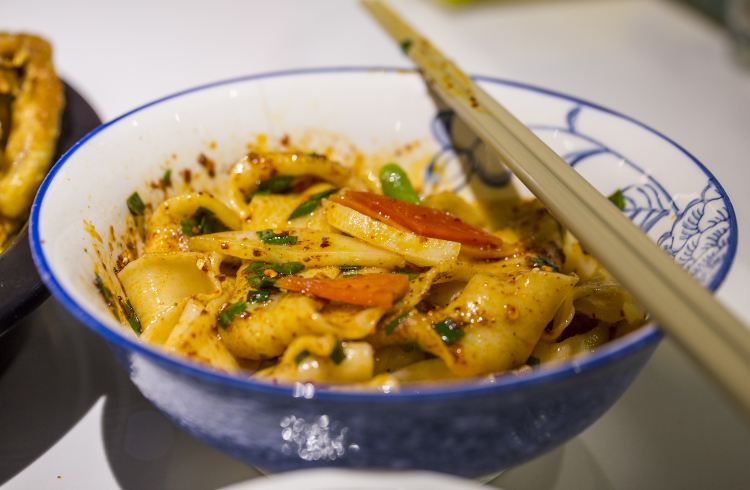
Known as a traditional Han Chinese noodle dish in the Guanzhong region of Shaanxi, Biang Biang Noodles is named for the sound made when the dough is slapped against the board during the making process. The noodles are thick and chewy, usually served with soy sauce, vinegar, Sichuan pepper, and other condiments, topped with hot oil, offering a unique flavor with a sour, spicy, and fresh taste. The 'biang' character for the noodles is very complex, with 56 strokes and represents part of Shaanxi culture. In recent years, it has become increasingly popular internationally through social media and other channels.
Beef and Mutton Paomo
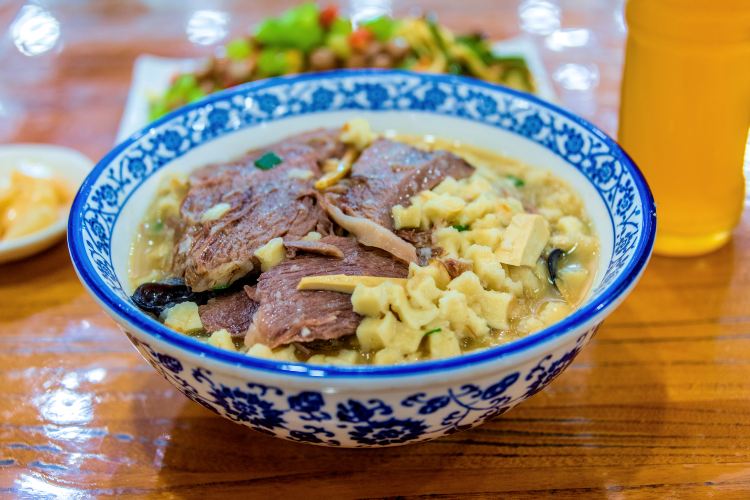
Beef and mutton Paomo is a Shaanxi specialty, especially famous in Xi'an, known for its finely cooked, heavy, and mellow ingredients, and tender meat in thick soup. Its history dates back to the beef and mutton soup of the Western Zhou dynasty, once a food for the imperial court and sacrificial ceremonies which has evolved through various dynasties to become today's beef and mutton Paomo. When eating, break the baked mo (bread) into pieces and put them into the cooked meat soup, accompanied by spicy sauce and sweet garlic among other condiments, offering a unique and unforgettable flavor.
Hulu Chicken
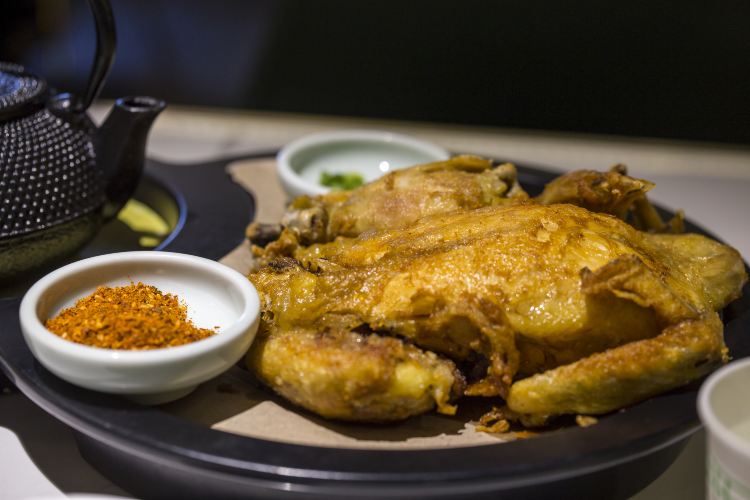
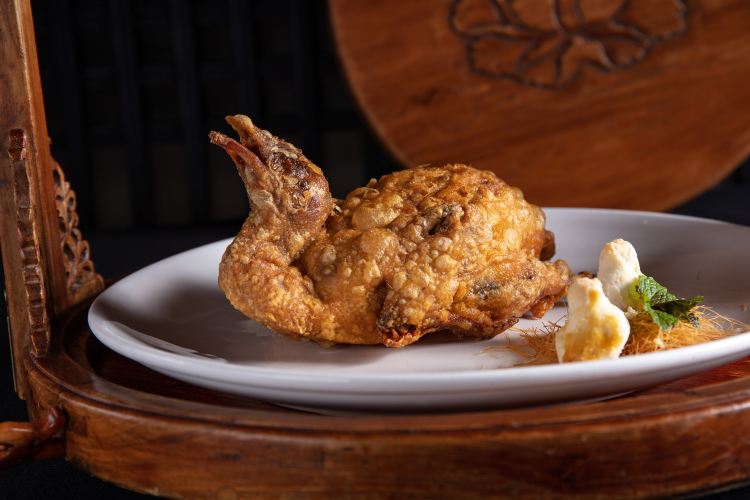
Hulu chicken is a traditional famous dish in Xi'an, Shaanxi Province, known for its golden color, crispy skin, tender meat, and mellow flavor. The cooking process is unique, involving boiling, steaming, and deep-frying, and after careful preparation, the final dish resembles a hulu (gourd), with the bones easily separating from the meat. Hulu chicken is also a part of Xi'an culture, known as 'the first flavor of Chang'an' and listed as an intangible cultural heritage of Shaanxi Province.
Roujiamo
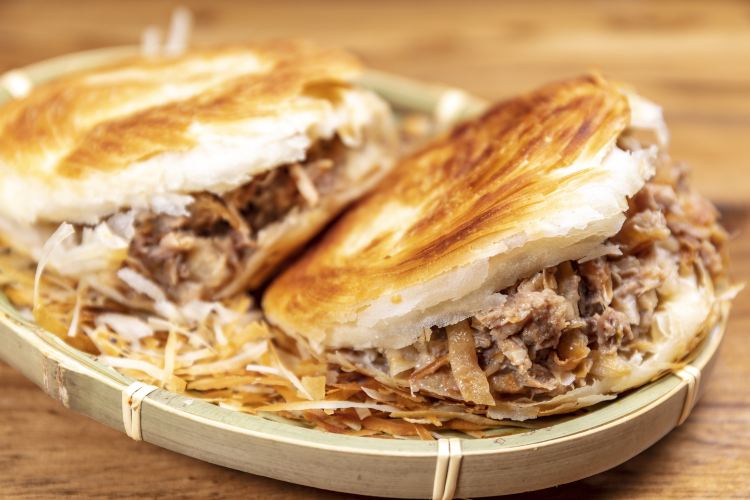
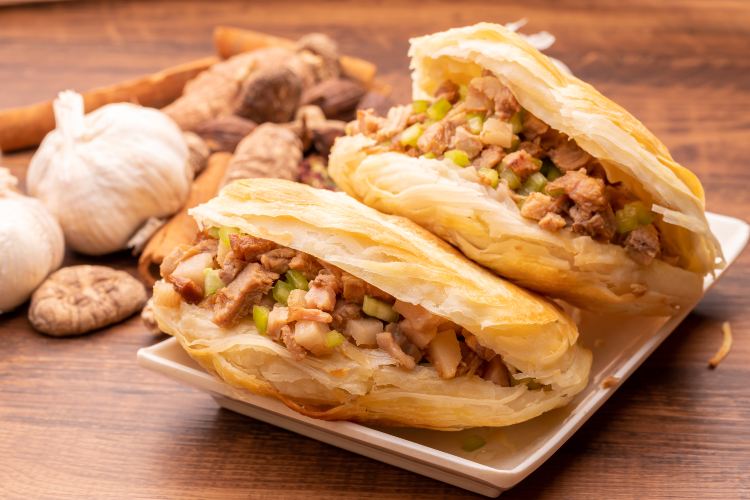
Roujiamo is a traditional specialty snack of Shaanxi, loved for its crispy bread and fragrant, fatty but not greasy meat. The most representative type is the cured meat Roujiamo, which uses streaky pork and white Ji mo (bread) as the main ingredients, made with carefully prepared cured sauce, resulting in a reddish color, soft and glutinous meat, and a strong aroma. One can taste the original flavor directly or add condiments like chili and cilantro according to personal preference. Though the authentic Xi'an cured meat Roujiamo does not include these.
Water Basin Mutton
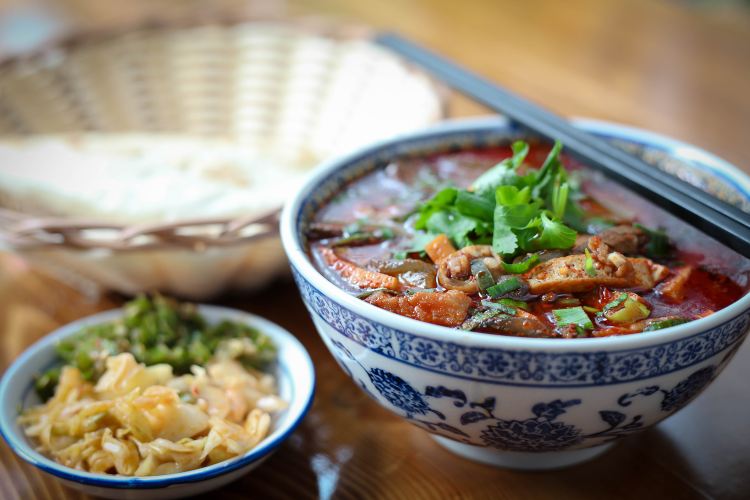
Originating from Dali County in Weinan City, Shaanxi Province, water basin mutton is a traditional famous dish of Shaanxi Province, belonging to the Shaanxi cuisine, with lamb belly meat as the main ingredient. The characteristics of water basin mutton are its clear and fragrant soup, tender meat, and golden-brown pancakes. When eating, it is often accompanied by crescent-shaped pancakes, fresh garlic, and chili oil, allowing the lamb and side dishes to be stuffed into the pancake or the pancake to be soaked in the lamb soup for enjoyment. Additionally, water basin mutton has been listed in the intangible cultural heritage of Shaanxi Province, possessing certain cultural value and historical significance.
Xi'an Transportation
How to Get There
Xi’an, the historic capital of Shaanxi Province, is a major transportation hub in central China, accessible by air, rail, bus, or road from international and domestic locations.
By Air
Xi’an Xianyang International Airport (XIY): The primary gateway, located ~ 40 km (25 miles) northwest of downtown. Serves international and domestic routes.
To City Center from XIY: Airport shuttles (~60 minutes, ~¥30) connect to downtown hotels and Xi’an Railway Station. Metro Lines 14 and 17 (40–50 minutes) link to key stations like Beikezhan (North Railway Station). Taxis cost ~¥130–180, depending on traffic.
By Train
Xi’an North Railway Station and Xi'an East Station: The main hubs for high-speed trains (G-series), connecting to Beijing (4–5 hours), Shanghai (6–7 hours), Chengdu (3–4 hours), Chongqing (5–6 hours), and many other locations.
Xi’an Railway Station: Handles slower trains, centrally located near the city walls.
All stations are linked to Xi’an’s metro system.
By Bus
Xi’an Bus Terminal and Fengqing Road Station connect to regional destinations, such as Huashan (2 hours) or Yan’an (5–6 hours).
By Road
Driving or private transport is possible via expressways like the G5 (to Chengdu) or G30 (to Lanzhou). Road travel is less recommended for international visitors due to complex driving regulations and language barriers.
Local Transportation
Xi’an’s public transportation is efficient, affordable, and increasingly tourist-friendly, with English signage in metro stations and key areas.
Metro: Xi’an Metro, with 12 lines, covers all major attractions.
Operating 6:00 AM–11:30 PM.
Fares: ¥2–10 based on distance; use single-ride tickets, Xi’an Metro card, or mobile payments (WeChat/Alipay).
Buses: An extensive network supplements the metro, reaching suburban areas such as Lintong (home to the Terracotta Warriors).
Fares: ¥1–5, payable via cash (exact change), Xi’an Metro card, or mobile payments. Use Baidu Maps for route planning, as stops lack English signage.
Taxis and Ride-Hailing: Taxis are widely available; DiDi offers ride-hailing with an English interface.
Bicycles: Bike-sharing (Meituan, HelloBike) is ideal for areas like the City Wall or Bell Tower.
Cost: ~¥1–2 per 30 minutes via mobile apps.
Xi'an Where to Stay
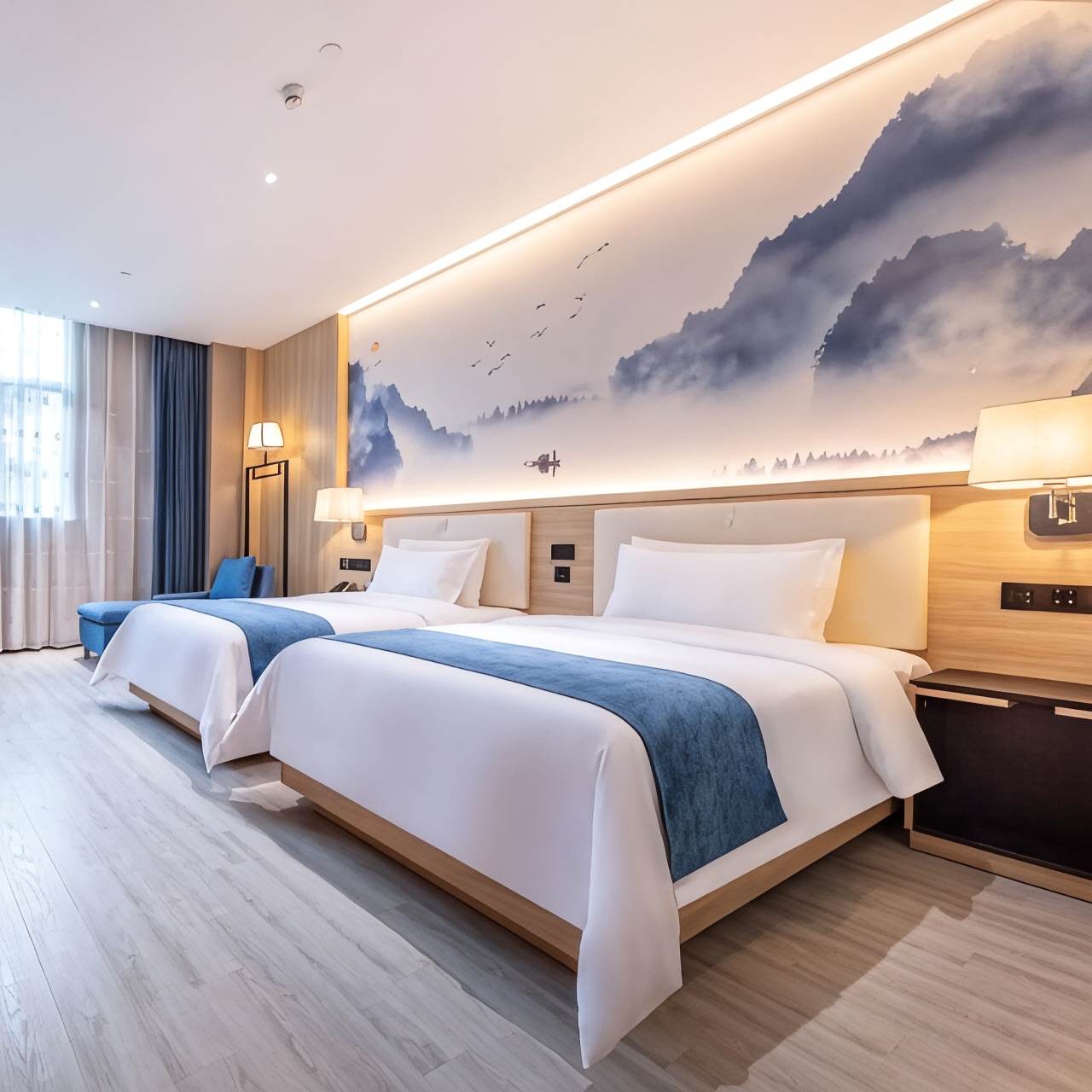
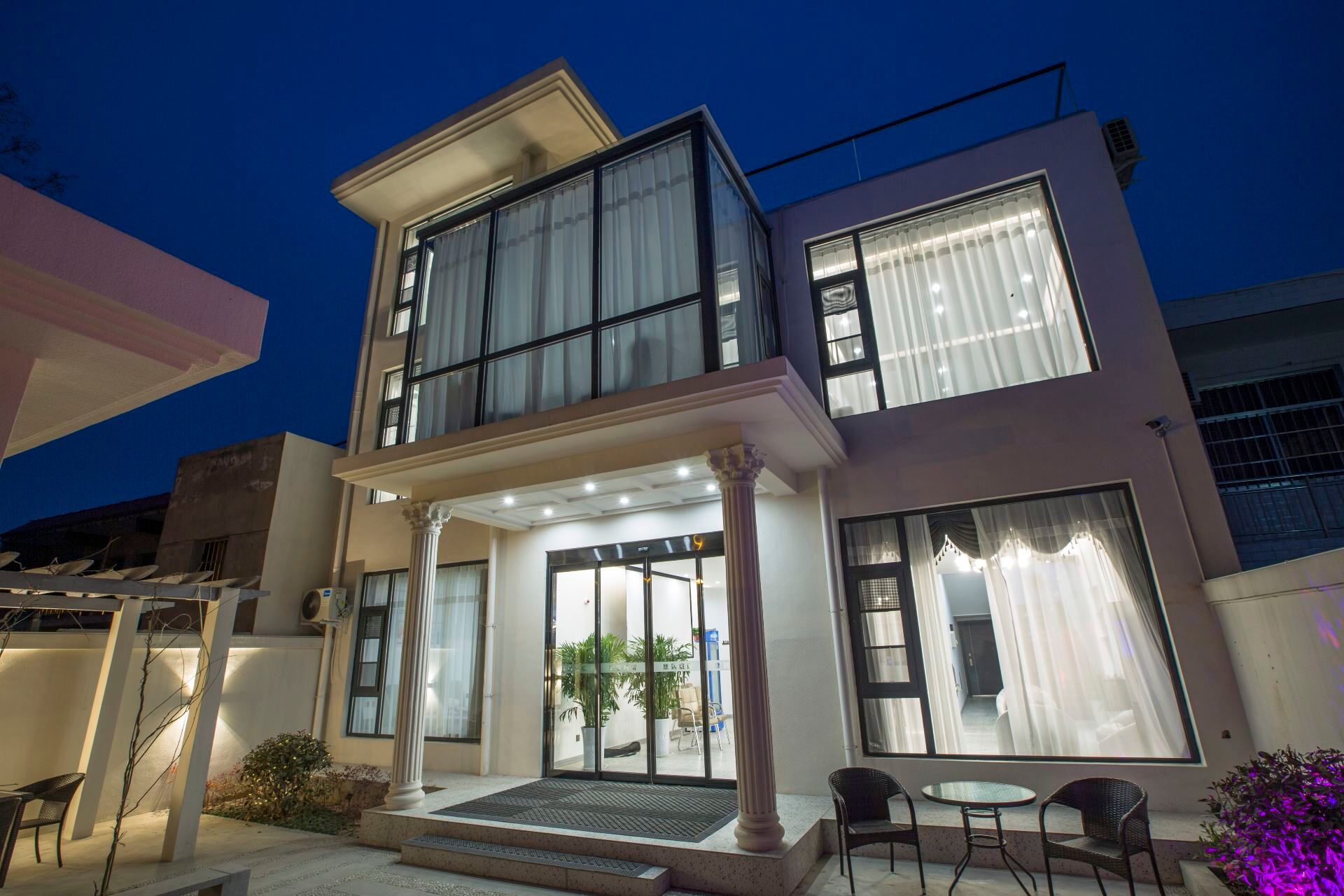
Xi'an is renowned for its well-preserved ancient city wall, which encircles the old city, and the city itself is divided into several districts, each with its own unique accommodation features. The distribution of hotels and guesthouses throughout the city caters to a variety of preferences, ensuring that every traveler can find a suitable place to stay.
Xi'an Bell Tower

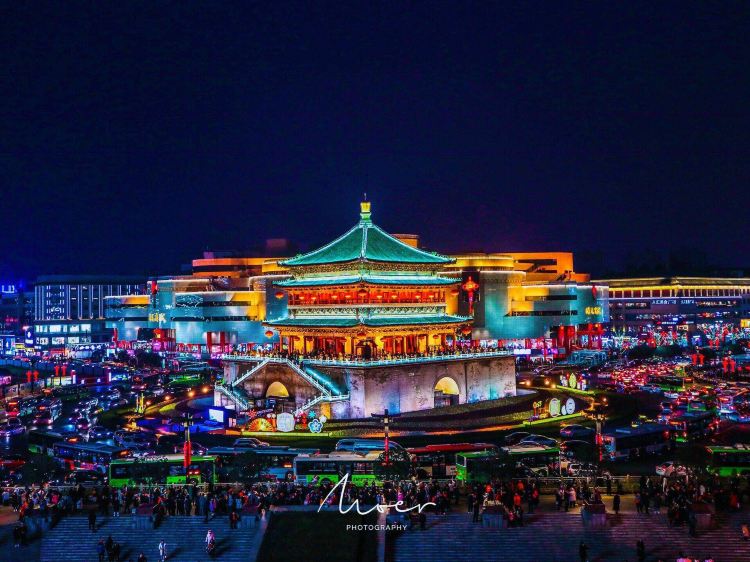
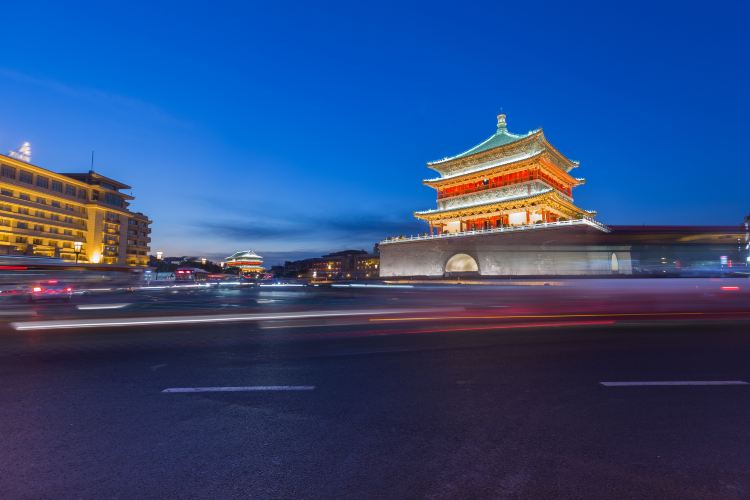
Architectural Grandeur: The Bell Tower area, a cultural heart of Xi'an, is defined by the Bell Tower's splendor, blending traditional allure with modernity.
Cultural Experience: A hub for Xi'an's local culture, this area boasts the Drum Tower and the bustling Muslim Quarter, perfect for savoring culinary treats and discovering traditional crafts.
Nighttime Splendor: At night, the illuminated Bell Tower offers a stunning view. Together with the Drum Tower, it becomes an epicenter for evening fun, ideal for those desiring a vibrant night scene.
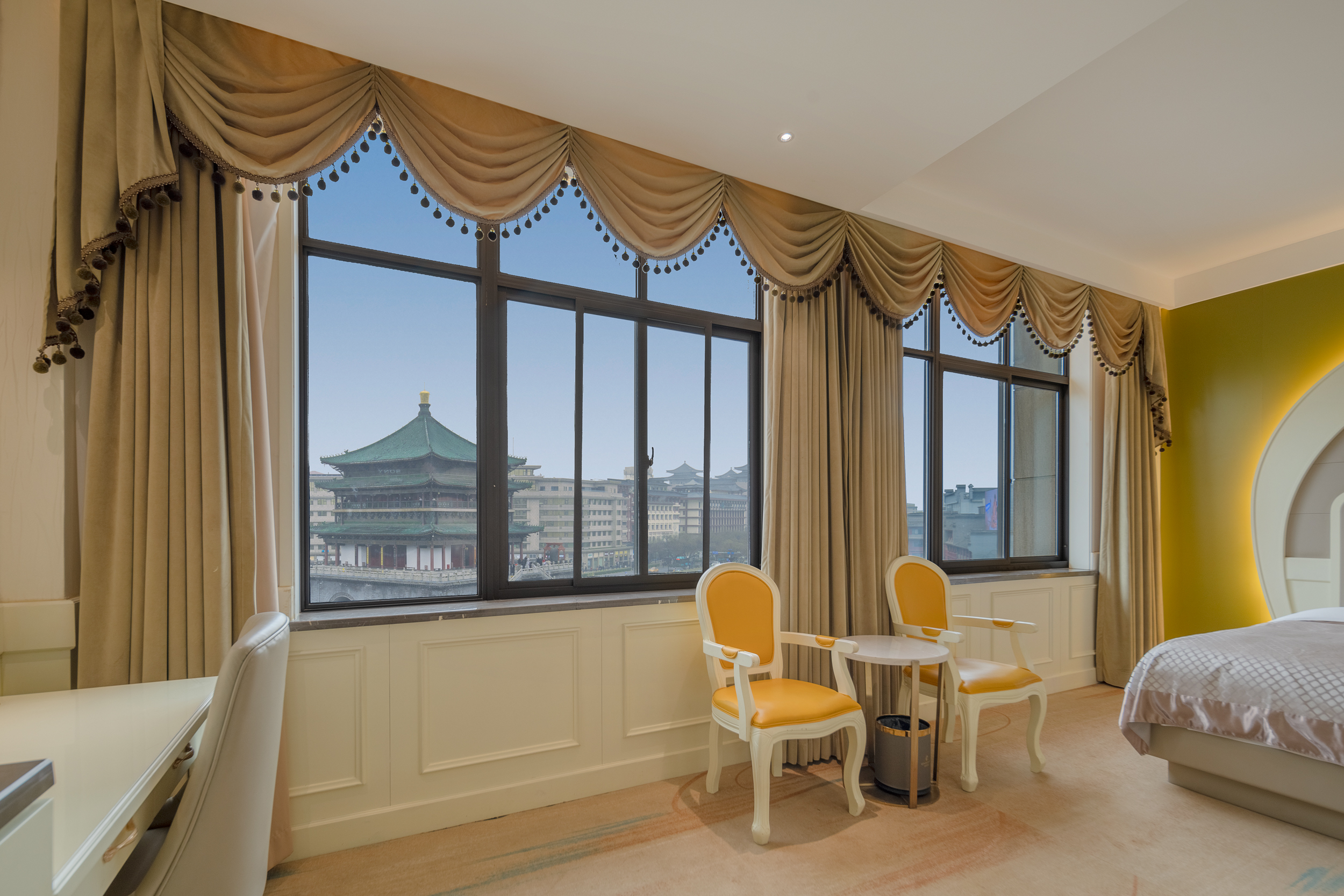
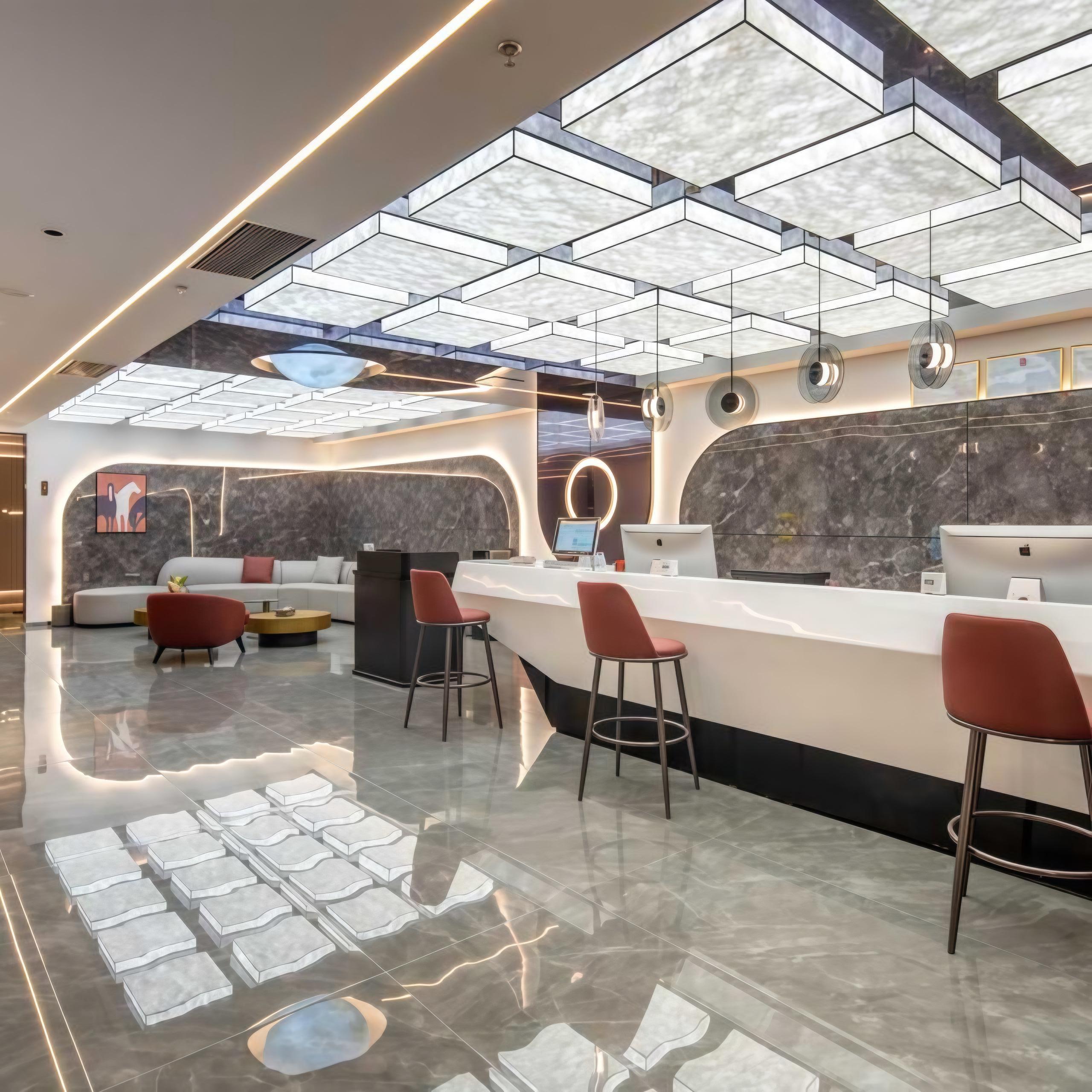

Grand Tang Dynasty Ever-Bright City

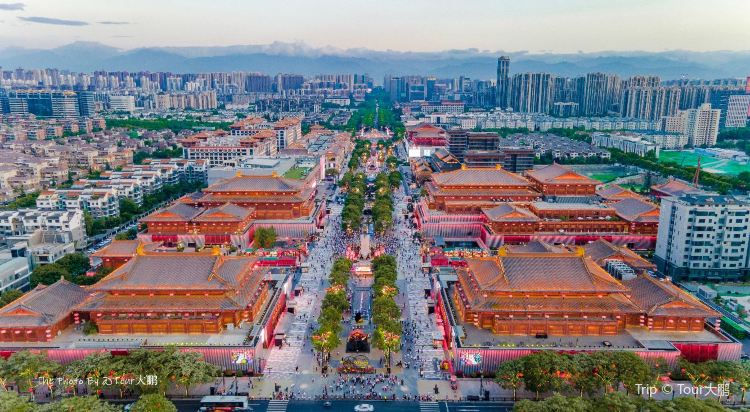
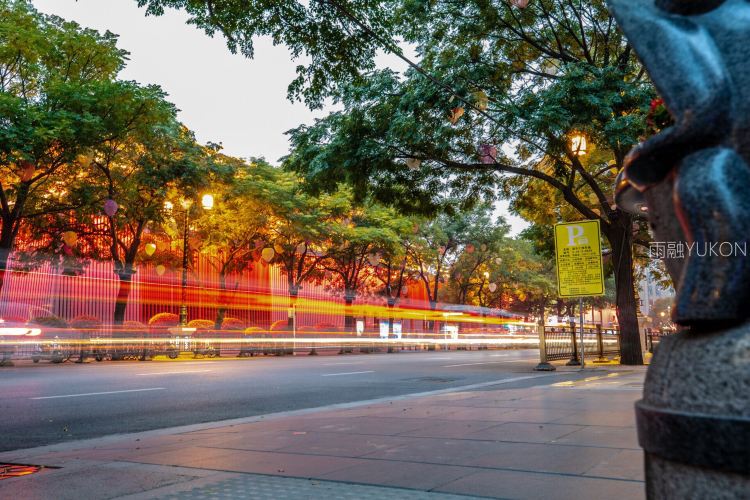
Cultural Immersion: The Grand Tang Dynasty Ever-bright City, also known as the Great Tang All Day Mall, is an open-air museum of sorts, showcasing the splendor of the Tang Dynasty through sculptures, architecture, and cultural performances.
Vibrant Nightlife: Visitors can enjoy a variety of night-time activities, including light shows and street performances, which bring the Tang Dynasty's history to life in a unique and engaging way.
Proximity to Attractions: The area is conveniently located near other notable attractions such as the Giant Wild Goose Pagoda and Tang Paradise, making it a strategic spot for tourists interested in Xi'an's historical and cultural offerings.
Emperor Qinshihuang's Mausoleum Site Museum
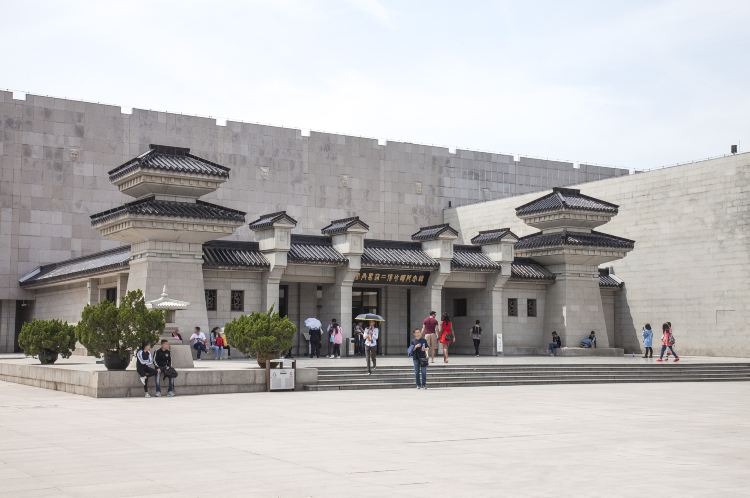
Historical Significance: The site is home to the world-famous Terracotta Army, offering a glimpse into the life and afterlife beliefs of China's first emperor, Qin Shi Huang. It is a place of immense archaeological and historical importance.
Educational Value: The museum provides educational insights into ancient Chinese history, with exhibitions and artifacts that span over a millennium, making it a must-visit for history enthusiasts.
Access and Accommodation: While the museum is a bit removed from the city center, there are convenient transportation options available, and visitors can find accommodation options nearby to make the most of their visit to this iconic site.

Xi'an Best Time to Visit
Best Time to Visit
Autumn (September–early November) and Spring (April-May) offer mild weather, clear skies, and comfortable conditions, ideal for exploring Xi’an’s historic sites like the Terracotta Warriors and the City Wall.
Spring: Temperatures range from 8–20°C (46–68°F), with occasional rain and dust storms. Plum blossoms bloom at Qinglong Temple (March–April).
Summer: Hot and humid, 22–32°C (72–90°F), with frequent rain.
Fall: Cool and pleasant, 10–25°C (50–77°F), with clear skies. Perfect for cycling the City Wall or visiting Mount Huashan.
Winter: Cold and dry, -2–8°C (28–46°F), with occasional light snow. Fewer crowds make it budget-friendly. The Spring Festival (January/February, lunar calendar) brings lanterns and temple celebrations to the Big Wild Goose Pagoda.
Xi'an Travel Tips
1. Set Up Alipay and WeChat Before Your Trip
Xi’an is mostly cashless; download Alipay or WeChat before your trip to pay via QR codes at shops, restaurants, and taxis. Link an international Visa or Mastercard and complete real-name verification. Cash is rarely accepted, even in Muslim Quarter markets. Test the apps in advance for smooth transactions.
2. Download Local Apps for Navigation and Ride-Hailing
Google Maps and Uber don't work in Xi’an; download Amap for navigation and DiDi Chuxing for ride-hailing before travel. Both offer English support and are reliable for walking routes or late-night taxis. Familiarize yourself with their interfaces, as DiDi is safer and cheaper than street taxis. Save your hotel’s Chinese address in Amap.
3. Translate with Baidu or Youdao Dictionary
Google Translate is currently inaccessible in Xi’an; consider downloading Baidu Translate or Youdao Dictionary for real-time translations. Use photo translation for menus, signs, or tickets, as English is rare outside major hotels. Save translations offline for weak-signal areas.
4. Use Chinese Names for Navigation
Many Chinese map apps, like Amap, don’t recognize English names for hotels, attractions, or restaurants. Before navigating, find the Chinese name of your destination via online search. Copy the Chinese characters into Amap or DiDi Chuxing for accurate results. Save these names in a note for quick access during your trip.
5. Use Alipay to Pay for Metro
Use Xi’an’s metro to avoid traffic; pay with Alipay’s Xi’an Electronic Metro Card or Chang’an Tong e-card by scanning a QR code at stations like Bell Tower or Xi’an Station, closer to downtown than Xi’an North. Alternatively, buy one-time paper tickets at the station machines. Tap QR codes or insert tickets on the board. Plan routes with Amap for efficiency.
6. Respect Hui Muslim Customs
Xi’an’s Hui Muslim community, particularly in areas like the Muslim Quarter, avoids pork and non-halal food. Don’t bring or eat pork on Huimin Street. Respect dietary rules at stalls or restaurants, and dress modestly in these neighborhoods. Be polite when asking about menu options.
7. Understand Tipping Customs
Tipping isn’t common in Xi’an, especially at local restaurants or markets, and may confuse staff. Small tips (10–20 CNY) are acceptable but not expected at upscale hotels or restaurants. A smile or a simple “xièxiè” (thank you) conveys appreciation effectively.
8. Stay Alert for Common Tourist Scams
Xi’an is generally safe, with low crime rates, but stay cautious to avoid tourist scams. At Terracotta Warriors, decline unlicensed “black guides” who may lead you to shops selling overpriced, low-quality goods; book official guides via Trip. In the Muslim Quarter, be cautious of pickpockets in crowds and avoid purchasing “antiques” such as jade or pottery, which are often counterfeit. Use DiDi for rides to avoid illegal taxis that charge inflated fares at Xi’an Station or the airport.
9. Book Attractions Early
Reserve tickets for the Shaanxi History Museum, Terracotta Warriors, or Xi’an Museum 1–2 weeks in advance via the official websites or Trip, especially during holidays like Golden Week. Many museums are closed on Mondays, so plan accordingly. Arrive at the Terracotta Warriors by 8:30 AM to avoid crowds. Bring your passport for ticket checks.
10. Wear Comfortable Shoes for the City Walls
Wear soft-soled, non-slip shoes or sneakers for Xi’an’s 14km ancient city walls, as the brick path has gaps and can be slippery after rain—rent bicycles at entry points to explore safely instead of walking the whole loop. Check wall hours (8 AM–7 PM) online.
11. Pack a Chinese Power Adapter
Xi’an uses Type A or I plugs (220V, 50Hz); bring a universal travel adapter, as hotels may not provide them. Check device compatibility for high-power gadgets like hairdryers. Confirm your hotel’s outlet type before packing. Carry a power bank for long days at sites like the Terracotta Warriors.
12. Claim Tax Refunds on Shopping
Overseas travelers can claim a Value-Added Tax refund on purchases of at least 200 CNY made in a single day at designated tax-free stores in Xi'an. Request a tax refund invoice and application form at the store, and process your refund instantly at the shop or airport counters when departing, using mobile payments, bank cards, or cash.
13. Save Emergency Numbers
Call 110 for police, 120 for ambulance, or 12345 for English tourist assistance in Xi’an. Keep your hotel’s Chinese address in your phone.
Xi'an Useful Guide
Local Language
Mandarin Chinese is the official language.
English signage is widespread in tourist areas, but English is not widely spoken.
Local APP
WeChat: China’s all-in-one app for messaging, social media, and digital payments. English interface available.
Alipay: A leading payment app for cashless transactions at restaurants, shops, and public transport. Its “Transport” feature supports metro and taxi payments. English version available.
DiDi: China’s top ride-hailing app, offering taxi and private car services with an English interface. Integrates with Alipay or WeChat for seamless payments.
Baidu Maps: The most reliable navigation app in China, offering detailed maps, real-time traffic, and transit routes for metro and buses. Superior to Google Maps for local accuracy. Alternative: Amaps app.
Youdao Dictionary: A Chinese-English dictionary and translation app, perfect for communicating with non-English-speaking taxi drivers or reading menus. Includes offline OCR for scanning signs.
Internet and Communication
Staying connected in Xi'an is essential for navigation, payments, and communication, given China’s reliance on mobile apps and limited access to some Western services.
eSIMs: eSIMs are a convenient option for travelers, enabling instant activation without the need for a physical SIM card. Purchase online before your trip; activate upon arrival. Ensure your device supports eSIM.
Local SIM Cards: Local SIMs from providers like China Mobile, China Telecom, or China Unicom offer reliable 4G/5G coverage in Xi'an. Available at airports or official provider shops.
Present your passport at the time of purchase; airport staff can assist with setup. China Unicom often has better English support.
Wi-Fi: available in hotels, hostels, and some cafes (e.g., Starbucks) but less common in public spaces like parks or streets. Many Wi-Fi networks require a Chinese phone number for SMS verification.
Currency and Payment
The official currency is the Chinese Yuan (CNY, ¥), also known as Renminbi (RMB). Notes come in denominations of ¥1, ¥5, ¥10, ¥20, ¥50, and ¥100; coins are available in denominations of ¥0.1, ¥0.5, and ¥1.
Digital Payments:
Xi'an is largely a cashless city, with mobile apps dominating transactions. WeChat Pay and Alipay are widely accepted. Link a foreign bank card (Visa/Mastercard) to WeChat or Alipay before arrival.
Cash:
Cash is rarely needed but can be useful for small vendors (e.g., street food stalls), single-ride tickets on public transportation, or in rural areas. Carry small denominations (¥1–20) for convenience.
Credit/Debit Cards:
Visa and Mastercard are accepted at major hotels, upscale restaurants, and some retailers in Xi'an, but less common at smaller venues. American Express is rarely accepted.
Notify your bank of travel plans to avoid card blocks.
ATMs and Cash Withdrawals:
ATMs accepting foreign cards (Visa/Mastercard) are widely available at banks, airports, and shopping areas. Most offer English interfaces.
Look for PLUS (Visa) or Cirrus (Mastercard) logos. American Express is rarely accepted, except at select ATMs in airports or high-end hotels.
Fees: ¥10–15 per withdrawal (some banks waive for partners). Home bank fees: ~3% + $5 (check your issuer). Currency conversion fee: 1–3% (Visa/Mastercard rate).
Reliable Banks: Bank of China, ICBC, China Construction Bank, HSBC China.
Weather in Xi'an

33°
/
20°
32°
/
19°
33°
/
20°
32°
/
21°
31°
/
21°
33°
/
22°
33°
/
22°
 Trending in Xi'an
Where to see China's cutest pandas beyond Chengdu@Chengdu Research Base of Giant Panda BreedingBeyond Chengdu: your guide to adorable pandas
Explore Xi'an for less with hotel promo codes@Emperor Qinshihuang's Mausoleum Site MuseumClaim Xi'an hotel promo codes, explore the ancient capital
Shaanxi History Museum extends hours, now open Mondays@Shaanxi History MuseumShaanxi History Museum extends hours, now open Mondays
Xi'an: FAQ

What's the most popular attractions in Xi'an?
Things to do near Xi'an for family & child?
Any recommended attractions about nature scenery in Xi'an?
How to get to Jingyang from Xi'an?
How to get to Zhangye from Xi'an?
How to get to Dunhuang from Xi'an?
Popular destinations

Bangkok

Tokyo
Kuala Lumpur

Los Angeles

Shanghai