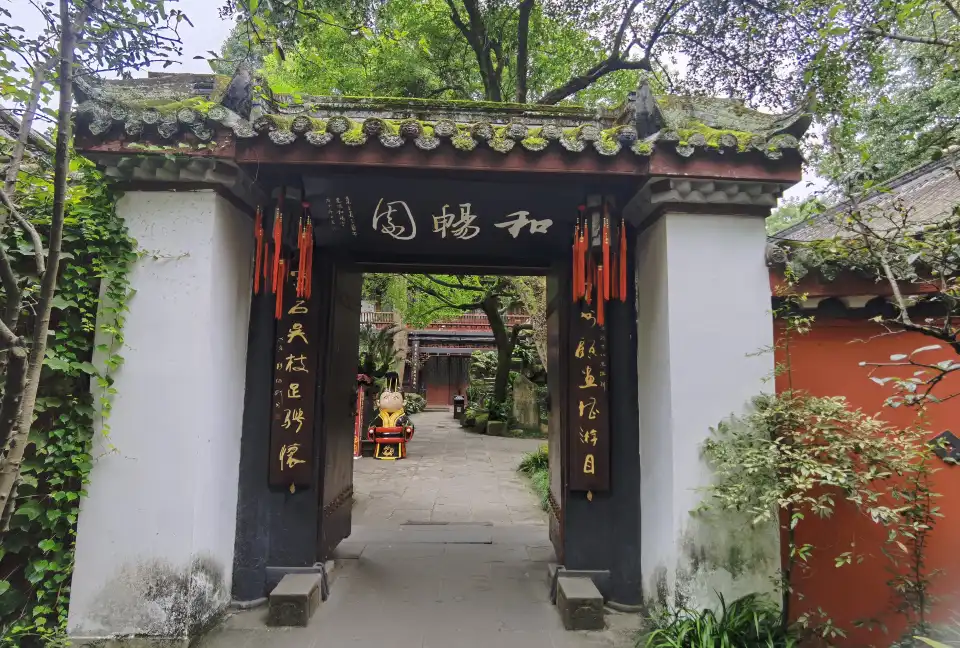
Chengdu Wuhou Shrine Museum(Wuhou Shrine)
武侯祠 based on 834 reviews
 2026 Asia 100 - Best Things to Do
Opening hours of Chengdu Wuhou Shrine Museum
Chengdu Wuhou Shrine Museum Highlights: Must-See Features and Attractions
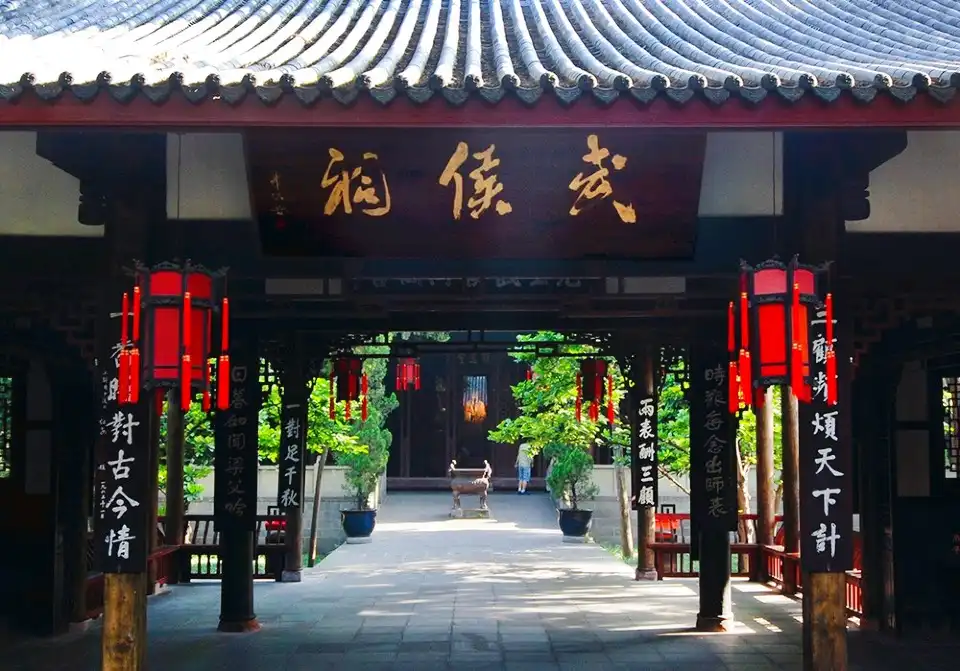
Chengdu Wuhou Shrine Museum is a shrine and temple complex commemorating Liu Bei, Zhuge Liang, and other heroes of Shu Han. It consists of Hui Ling Mausoleum, Han Zhaolie Temple, Wuhou Shrine, and Sanyi Temple, and is one of the few shrines in China where a ruler and his ministers are worshipped together. Hui Ling Mausoleum was first built in 223 AD, the third year of the Zhangwu era of Shu Han, when Liu Bei was buried. Over subsequent dynasties, additional sacrificial structures were gradually built around the mausoleum.
The special shrine commemorating Zhuge Liang was approximately built during the Southern and Northern Dynasties period, located beside Hui Ling. In the 24th year of the Hongwu era of the Ming Dynasty (1391), Zhu Chun, Prince Xian of Shu, under the rationale that "sovereign and minister should be integrated as one," merged Hui Ling, the Han Zhaolie Temple, and the Wuhou Shrine into a single entity. Because Zhuge Liang had a profound influence among the common people, they customarily referred to the entire area collectively as the "Wuhou Shrine." The main structures of the existing shrine were rebuilt during the Kangxi era of the Qing Dynasty.

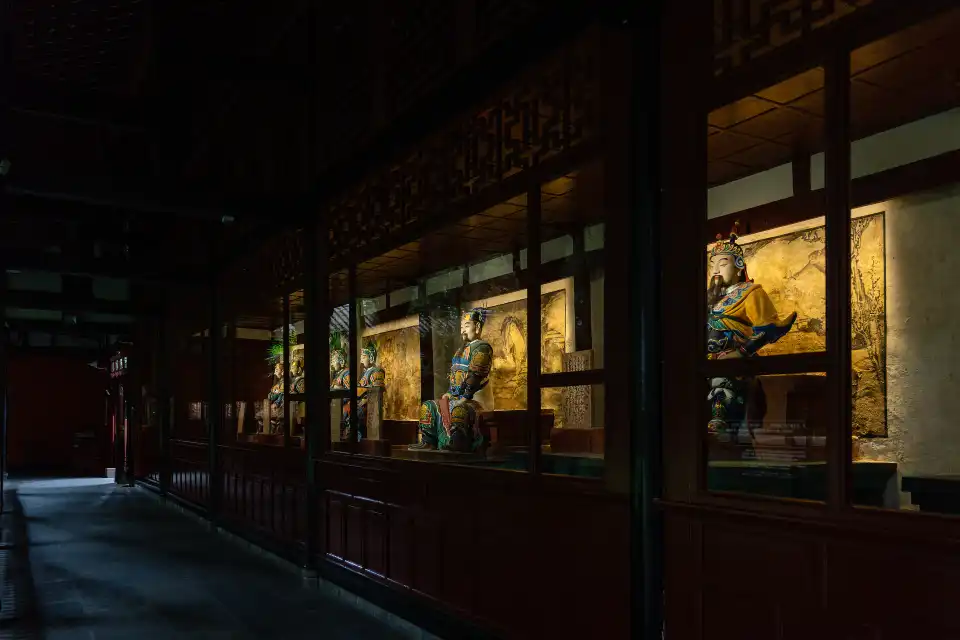
The buildings within the shrine are arranged along the central axis from south to north, passing in sequence through the main gate, the second gate, Liu Bei Hall, the transitional hall, and on to Zhuge Liang Hall and Sanyi Temple. Liu Bei Hall enshrines a statue of Liu Bei, with the side halls on either side housing statues of Guan Yu and Zhang Fei respectively, while the east and west corridors contain dozens of statues of Shu Han civil officials and military generals. A large number of Three Kingdoms cultural steles and inscribed plaques and couplets are preserved inside and outside the halls, among which the Tang dynasty "Three Excellences Stele"—with text by Pei Du, calligraphy by Liu Gongchuo, and engraving by Lu Jian—and the "Attacking the Heart Couplet" inscribed by Zhao Fan of the Qing dynasty are particularly well known.

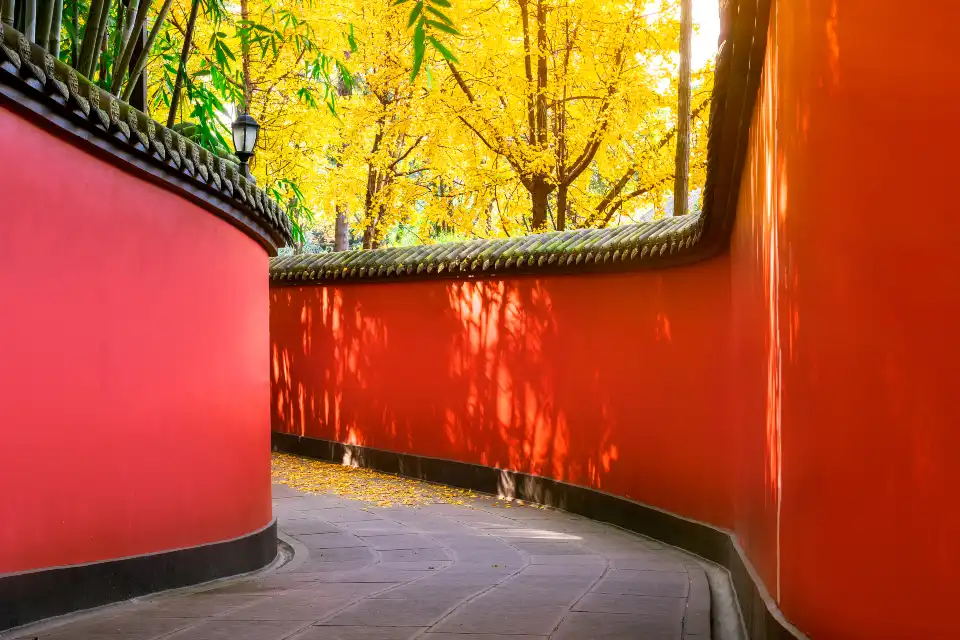
The "red walls and bamboo shadows" within the attraction is a representative photo spot in Chengdu, featuring red walls lining the path and lush green bamboo casting shade, with outstanding light and shadow effects.
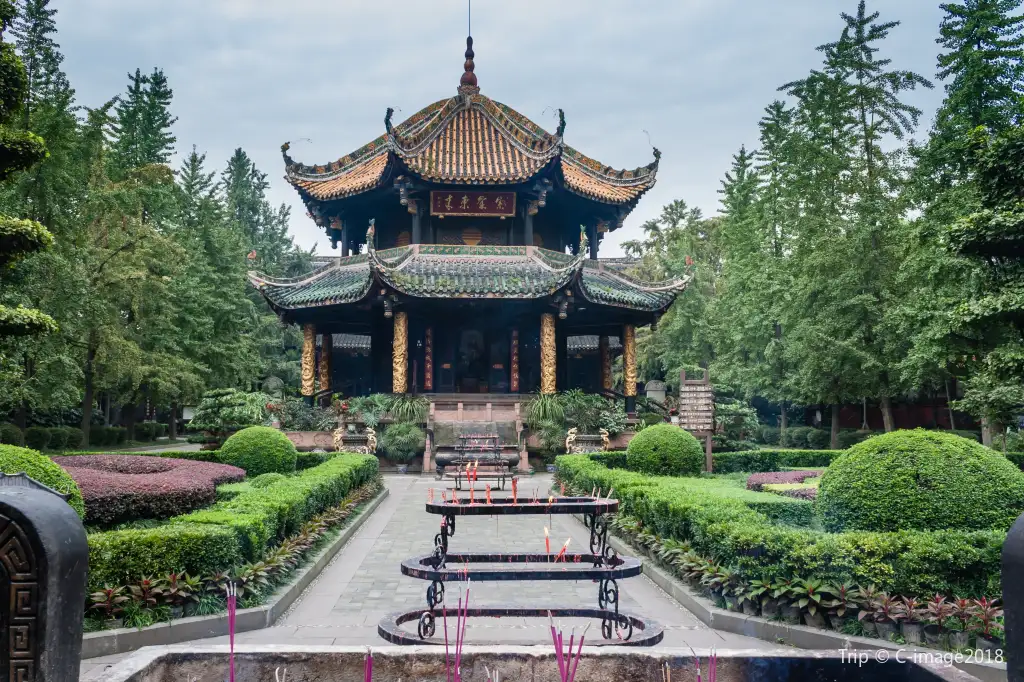
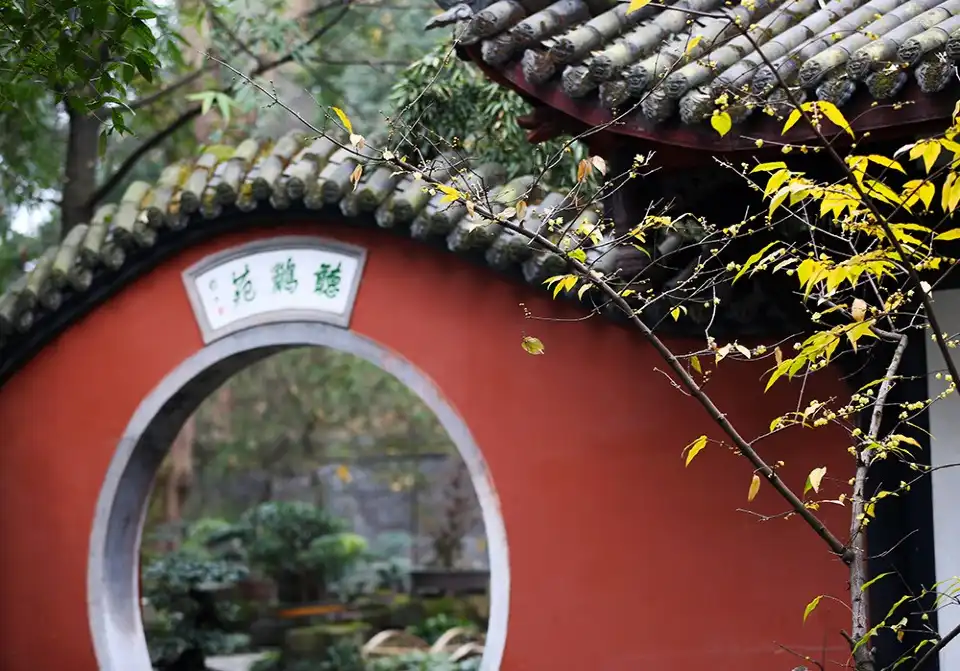
The garden area on the west side of Chengdu Wuhou Shrine Museum was originally the cemetery of Liu Xiang, a general of the Sichuan army. It contains structures such as a stone memorial archway gate, a three-arch gate, a square pavilion, and Jianxin Hall, featuring the architectural style of northern cemeteries, which is relatively rare in the southwestern region. Chengdu Wuhou Shrine Museum is adjacent to Jinli Ancient Street, so visitors can easily visit both during the same trip.
Chengdu Wuhou Shrine Museum Reviews: Insider Insights and Visitor Experiences
Chengdu Wuhou Shrine Museum Photos: Trip Moments

- travelersvoice
- chinatravelcircle
- templevisits
[Chengdu · Wuhou Shrine] Walking Past the Red Walls of a Thousand Years: Finding the Benevolent Spirit of the Shu Han EmperorMany people visit Wuhou Shrine for the wisdom of Zhuge Liang; however, if you venture to the very end, you will encounter the original master of this land—Liu Bei, Emperor Zhaolie of Shu Han. Strolling between the Spirit Way and the Sacrificial Hall of Huiling, ancient cypresses stand verdant and stone horses remain in solemn vigil. The inscriptions "Awe-inspiring Through the Ages" and "Mausoleum of Emperor Zhaolie of Han" on the dark brick walls feel exceptionally serene. Though time passes, the kingly aura of "people-first, resilience, and magnanimity" remains deeply rooted in this shaded grove. The most intoxicating spot is undoubtedly the famous "Red Wall and Bamboo Shadow" path beside the mausoleum. The vermilion high walls meander along the walkway, topped with subtle green tiles, while emerald bamboos pierce the sky above. As the breeze blows, bamboo shadows sway against the red walls, where the interplay of light and shadow brings the tranquility and elegance of Eastern aesthetics to its peak. Strolling along this red wall path with the whole family—pushing a stroller and accompanying elders—the weight of history and the warmth of the present moment converge here. This is truly the most charming side of Chengdu. 🍃❤️ 📸 Photo Layout & Descriptions: Photo 2 | The arched gate of the "Mausoleum of Emperor Zhaolie of Han," featuring rustic wooden structures that open the journey to the ancient imperial tomb 🏛️ Photo 3 | A heartwarming moment captured on the Spirit Way; a photo of Mom with the stone horses and ancient cypresses, where history meets the present 📸 Photo 4 | The plaque "Awe-inspiring Through the Ages" hanging in the vestibule, showcasing the centuries of respect for Emperor Zhaolie's benevolent spirit 📜 Photo 5 | The Qing Dynasty tombstone of the "Mausoleum of Emperor Zhaolie of Han," with flowers in full bloom before it, a testament to the endless respect of generations 💐 Photo 6 | The weathered ancient plaque of "Mausoleum of Han Zhaolie," witnessing the accumulation of history through its mottled surface 🧱 Photo 7 | A rustic bronze tripod in front of the Sacrificial Hall, with exquisite carvings that embody the vicissitudes of history 🏺 Photo 1 | A stroll with a stroller under the red walls and bamboo shadows; vermilion and emerald green interweave to create a stunning backdrop 🌿 Photo 8 | A warm photo with Mom under the red walls, with the red surfaces and green bamboo highlighting the deep family bond ❤️ Photo 9 | The whole family walking through the red wall passage; a winding path leading to a secluded spot, enjoying a leisurely wandering time 🚶♂️👶 📍 Location: Huiling (Mausoleum of Emperor Zhaolie of Han), Wuhou Shrine Museum, Chengdu 💡 Photo Tips: The red wall path can get crowded; it’s recommended to stand by the wall and use a deep perspective angle for shots. The sharp contrast between the red walls and the bamboo forest is perfect for wearing solid colors or traditional Chinese-style clothing!Zidaneooi843

- chinaitinerary
- chengdu
- china
Chengdu in 4 Days: Pandas, Food & Ancient Streets 🇨🇳Chengdu was one of those cities that made me want to slow down and enjoy every moment. Unlike the fast paced atmosphere of Beijing or Shanghai, life here felt more relaxed, although the food scene was anything but quiet! Day 1: Meeting the Pandas 🐼 My first stop was the Chengdu Research Base of Giant Panda Breeding. Watching pandas lazily munch bamboo was easily one of my favorite experiences. Arriving early is definitely worth it! Day 2: Exploring Old Chengdu I spent the morning at Wuhou Shrine, learning about the Three Kingdoms era, before wandering through Jinli Ancient Street. The traditional architecture, lanterns, and street snacks made it a great place to explore. Day 3: Local Life & Food At People's Park, I enjoyed watching locals play mahjong and drink tea. Later, Kuanzhai Alley offered plenty of charming cafés and souvenir shops. Of course, I couldn't leave without trying authentic Sichuan hotpot. Spicy, flavorful, and seriously addictive! Day 4: Beyond the City I took a day trip to the Dujiangyan Irrigation System, an impressive ancient engineering masterpiece, followed by a visit to Mount Qingcheng, known for its peaceful Taoist temples and lush greenery. Four days weren't enough, but Chengdu definitely left me wanting more! #chinaitinerary #chengdu #chinaRendy Mamahit74
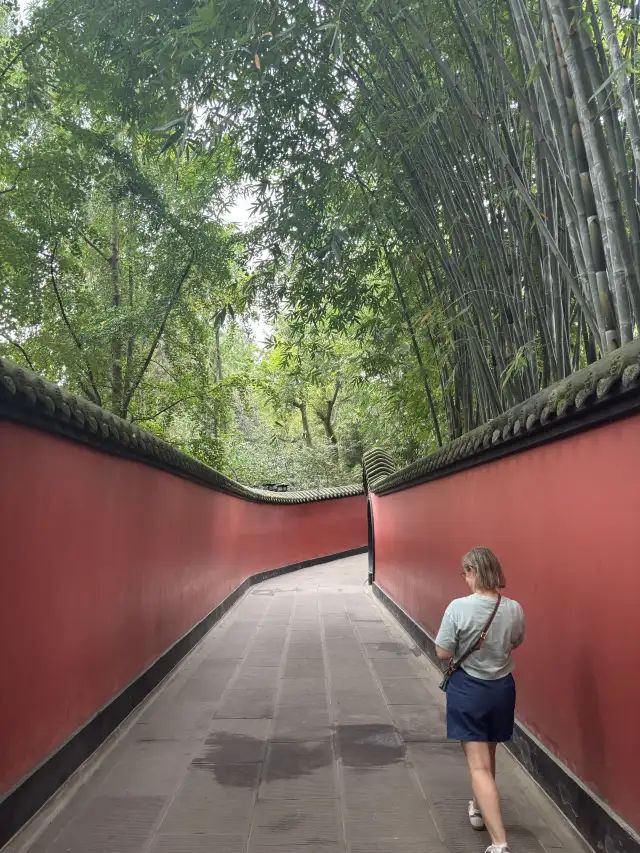 Tranquil Beauty at Chengdu Wuhou Shrine MuseumBought tickets to Chengdu Wuhou Shrine Museum on Trip.com, and it was a rewarding experience! This attraction truly stands out as a beautiful Chinese garden and shrine, offering a peaceful escape from the bustle of the city. The combination of lush greenery and traditional architecture creates a serene atmosphere that's perfect for a leisurely stroll or quiet reflection. If you're a fan of Chinese history or just love exploring scenic spots, this place is definitely worth a visit. Practical tip: Be sure to bring your camera to capture the picturesque landscapes and intricate details of the shrine. The ticketing process through Trip.com was smooth and convenient, making it easy to access this cultural gem. #realreviewMr. Whitehouse Wonders4

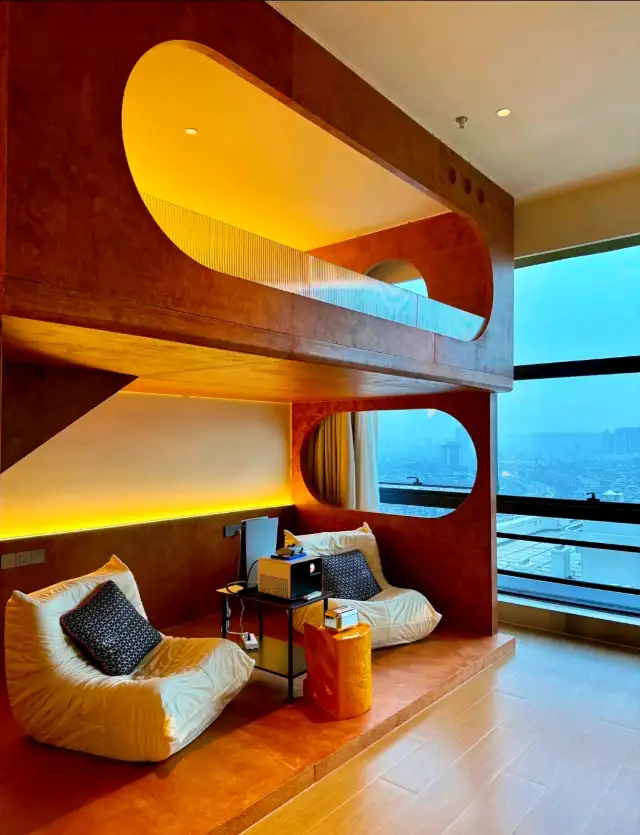 Chengdu!! The best hotel I've stayed at recently!!!Su Guang·TRACE Esports Hotel (Chengdu Du Fu Thatched Cottage Southwest University of Finance and Economics Metro Station Branch) is located at No. 1 Qingjiang Middle Road, Qingyang District, just a 190-meter walk from Exit A of Southwest University of Finance and Economics Metro Station, making travel very convenient. Here is a travel and accommodation guide prepared for you: 🎮 Hotel Features The hotel opened in 2024 and is equipped with high-end esports gear such as 2K 300Hz monitors and RTX 5070 graphics cards in the rooms, as well as a full smart home system and fresh air system. There are various room types, including double suites and triple suites, and some rooms even have mahjong tables. The hotel offers 24-hour butler service and free luggage storage. 🏞️ Nearby Attractions · Kuanzhai Alley: Composed of Wide Alley, Narrow Alley, and Well Alley, it is a relatively large-scale Qing Dynasty ancient street preserved in Chengdu. Here you can find antique-style buildings, specialty shops, and various foods, allowing you to experience the leisure and prosperity of Chengdu. It takes about 20 minutes by Metro Line 4 from the hotel. · Sichuan Museum: Located at No. 251 Huanhua South Road, Qingyang District, it is the largest comprehensive museum in Southwest China, with a rich collection including many calligraphy, paintings, ceramics, and bronze artifacts, letting you appreciate Sichuan’s long history and splendid culture. It is accessible by walking or bus from the hotel. · Huanhua Creek Park: A city park focused on natural scenery, with flowing streams, shaded trees, and many poetry sculptures. The environment is beautiful and suitable for walking and leisure. It is close to the hotel and reachable on foot. · Jinli Ancient Street: This ancient street is adjacent to Wuhou Shrine, featuring winding Western Sichuan residential-style buildings filled with various specialty snacks, handicraft shops, and bars. It is brightly lit and lively at night. You can get there by taking Metro Line 4 and transferring to Line 3. 🚇 Transportation · Metro: The hotel is only 190 meters from Exit A of Southwest University of Finance and Economics Metro Station on Line 4, about a 3-minute walk. You can easily reach commercial areas like Chunxi Road and Taikoo Li, as well as attractions like Kuanzhai Alley and Jinli by metro. · Bus: There are multiple bus stops nearby with rich routes covering various parts of Chengdu city. · Taxi: If you choose to take a taxi, the hotel’s location makes it easy to hail a ride, and travel times to major city attractions and commercial areas are within an acceptable range. 🍜 Food Recommendations · University of Finance and Economics Snack Street: Located near Southwest University of Finance and Economics, it is a food hub. Here you can find Qiu Ji Guokui, whose preserved vegetable and pork Guokui is crispy and flaky; also Leshan Xianzhiwei Bobo Chicken, with fresh ingredients and a spicy, fragrant red oil flavor. · Chiyan Shuo Barbecue Shop (Southwest University of Finance and Economics Branch): Near the university, the Ecuadorian white shrimp here is large and sweet, the original cut Matsusaka pork has clear texture and a crispy, tender taste, and the thick-cut pork belly has evenly distributed fat, grilled to a crispy edge, wrapped with lettuce and garlic slices—very delicious. · Lahu Niu·Stinky Tofu Boiled Fish·Daytime Barbecue: Located in the alley directly opposite the north gate of Guanghua Campus of Southwest University of Finance and Economics, this is a Dai ethnic cuisine restaurant. Their grilled fish is tender with a unique Yunnan spicy flavor, and the cold hawthorn salad offers a sweet and salty mix with a distinctive taste. · Zhuyuan Inside Zhuang: Near Exit A of Southwest University of Finance and Economics Metro Station, their fresh chili beef noodles are mildly spicy and tasty, with good noodle texture that doesn’t clump, loved by diners.WorldWanderer76

 Chengdu 1-Day Private Car Tour - This Guide Has It AllFeel the lingering spirit of the Three Kingdoms at Wuhou Shrine 🏯; encounter the poetic charm of everyday life at Kuanzhai Alley 🍵; get lost in the thousand-year-old ambiance under the lantern lights of Jinli Ancient Street 🏮; let the adorable pandas at the Panda Base heal every inch of your heart 🐼... · ------------------- No matter what kind of trip you want, Trip.com's local guide Deng Xiaodong can customize it for you ✅! We hope our sincere service brings you a satisfied smile · ------------------- 👫👭 Couples/Small Families Traveling Light, Recommended 👉 Economy 5-seater, accommodates 4 people + 2 pieces of luggage 🧳, offers cars like the Volkswagen Tiguan or similar, low fuel consumption and agile handling, perfect for short city trips or 2-3 day light travels 🌆🚗 👨👩👧👦 Family Outings/Comfortable Small Groups, Recommended 👉 Comfortable 5-seater, accommodates 4 people + 2 pieces of luggage 🧳, offers cars like the BYD Han or similar, spacious with comfortable seats, equipped with smart systems, making long drives easier 🛣️💺 👨💼👩💼 Business Reception/6-Person Small Groups, Recommended 👉 Business 7-seater, accommodates 6 people + 4 pieces of luggage 🧳🧳, offers cars like the Buick GL8 or similar, with independent seats and a quiet space, perfect for business meetings or family gatherings 🤝🎉 · ------------------- 🚗 Our solemn promise All drivers are native to Chengdu with extensive fleet experience, ensuring your itinerary runs on time ⏱️ Carefully selected nine popular attractions, offering dozens of itinerary combinations, tailor-made to create your exclusive special trip Exclusive guides provide 24/7 attentive service, ready to answer your questions anytime, making your journey worry-free 👔chuanxichuanzangdingzhiyou

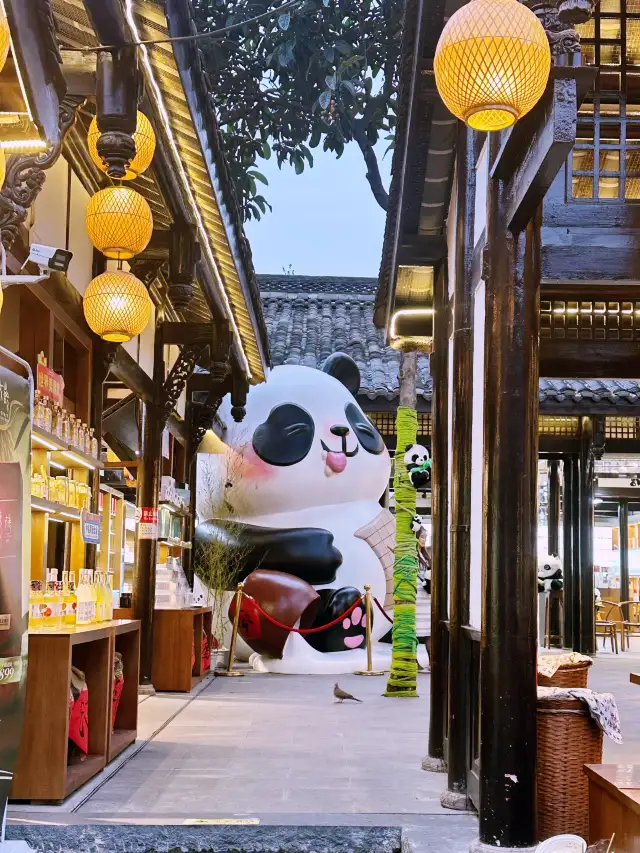 Chengdu Travel Guide|Stroll through Kuanzhai Alleys, Unlock the Slow Life of Rongcheng🏮【Must-Do Highlights|In-Depth City Exploration】 ▫️Kuanzhai Alleys (Free|Must-Visit) 3 alleys, 3 flavors of Chengdu, no superficial sightseeing ▪️Kuan Alley|Old Chengdu Leisure Life Blue-tiled courtyard houses|Bamboo chairs chatting|Old house tea fragrance Beautiful light and shadow at 4 PM, perfect for storytelling photos at old doorways ▪️Zhai Alley|Artistic Slow Life Trumpet vine walls|Vintage gray brick walls|Creative coffee shops A clash of old and new, atmosphere fully charged ▪️Jing Alley|Niche New Life 400-meter old brick cultural wall|Old window frames|Old kerosene lamps Quiet with few people, perfect for artistic close-ups 📸Top Photo Spots in Kuanzhai Alleys (Must-Lock) ✔️Old doorways in Kuan Alley|Afternoon slanting sunlight: wooden doors or carved door lintels, sunlight hitting the wall, stunning light and shadow, people naturally walking by or posing sideways. ✔️Trumpet vine wall in Zhai Alley|Spring and summer exclusive flower sea, wear plain-colored dresses, every shot looks like a masterpiece. ✔️Close-ups of old items in Jing Alley|Focus on old window frames and kerosene lamps embedded in the wall, paired with a meaningful caption, full artistic vibe. ✔️Capture moments of local life|Ear cleaning, sugar painting, tea house steam—these scenes are the soul of Chengdu. ▫️Other Must-Visit City Spots ▪️Giant Panda Base|Arrive before 7:30 AM! Pandas are most active in the morning; arriving late means only seeing sleeping pandas. ▪️People’s Park|Drink tea at Heming Teahouse, experience ear cleaning, and enjoy Chengdu’s slow life ▪️Jinli + Wuhou Shrine|Red lantern night scenes are legendary at dusk ▪️Chunxi Road & Taikoo Li|Check in with the climbing panda statue ▪️Wenshu Monastery|Quiet ancient temple, perfect for a peaceful stroll 📅【Lazy 3-Day Itinerary|No Backtracking】 Day 1 Slow City Life Deep exploration and photos at Kuanzhai Alleys → Eat at Kuixinglou Street → Tea at People’s Park → Night view at Jinli Day 2 Cute Pets & Culture Giant Panda Base → Wenshu Monastery → Chunxi Road & Taikoo Li Day 3 Surrounding Highlights Day trip to Dujiangyan + Qingcheng Mountain / Sanxingdui 🍜【Food Tips|Local Classics】 ❌Don’t eat trendy snacks on Kuanzhai main street, expensive and disappointing! Go deeper to Kuixinglou Street, where you can eat well for about 50 RMB per person. ▪️Authentic snacks: Tang You Guozi (fried sugar balls)|San Da Pao (sticky rice balls)|Spicy cold noodles|Egg cake ▪️Must-try citywide: Beef tallow hotpot|Bobo chicken|Foot-soaking beef|Rabbit head|Ice jelly 🏨【Where to Stay】 ▪️Top choice: Kuanzhai Alleys / Kuixinglou Street|Lots of food, strong old city vibe ▪️Shopper’s pick: Chunxi Road / Taikoo Li|Convenient transport, bustling commercial area ▪️Best value: Wenshu Monastery|Easy travel, affordable prices 💡【Practical Tips】 ▪️Best time to visit: March-May / September-November, comfortable climate ▪️Kuanzhai Alleys: Visit on weekday afternoons/evenings to avoid tour groups, night scenes are stunning ▪️Transport: Metro Line 4 goes directly to Kuanzhai Alleys, driving not recommended due to difficult and expensive parking ▪️Travel: Use Tianfu Tong app to scan QR code for metro rides, valid citywideW.ll.@m Th0m@s15

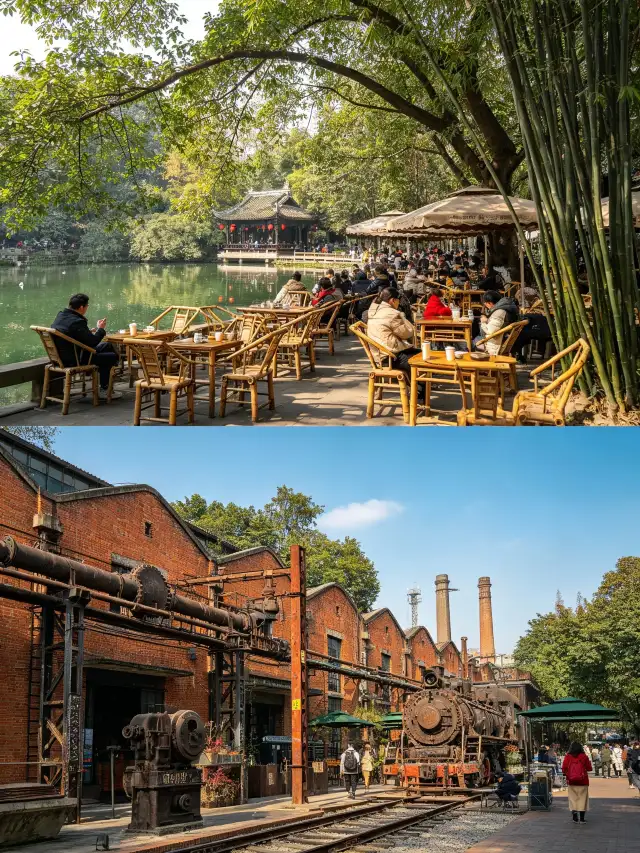 Only after arriving in Chengdu did I realize how silly my clothing choices were🚫 Don't bring these: ❌ Long sleeves, sweatshirts: The city is muggy during the day, so you won't really wear them. Museums and malls have strong AC, so a thin cardigan is enough. Thick clothes just take up luggage space. ❌ Hard-soled leather shoes, thin-soled flip-flops: Kuanzhai Alley and Jinli are full of uneven stone roads. Your feet will ache after walking all day. Flip-flops are inconvenient for sightseeing. ❌ Oversized long-handled umbrellas: Snack streets are crowded, and opening one is a hassle. Carry a small folding umbrella; it's great for both sun and rain. 🗺️ Chengdu one-day itinerary ⏰ 8:00 AM: Head to the Panda Base. Arrive early, as pandas are more active in the morning. ⏰ 8:30 AM–9:30 AM: Stroll along the park paths, watch the pandas eat bamboo and play. No need to rush. ⏰ 9:40 AM–11:40 AM: Head to Wuhou Shrine. Walk along the red walls and soak in the atmosphere of the Three Kingdoms-era architecture. ⏰ 11:50 AM–1:00 PM: Have lunch near Jinli. Try local snacks like dan dan noodles and wontons. ⏰ 1:10 PM–3:00 PM: Explore Jinli Ancient Street. See the old buildings and small shops. Avoid the crowds on the main street and head to the quiet alleys for photos. ⏰ 3:10 PM–4:40 PM: Go to People's Park. Sit down at Heming Teahouse, try gaiwan tea, and experience the local slow-paced life. ⏰ 4:50 PM–6:00 PM: Head to Kuanzhai Alley in the evening to see the old Chengdu courtyards. Wait for the lights to come on before ending your trip. 📸 Photo spots ✔️ Panda Base: Lush green bamboo forests paired with round pandas. Photos look soothing in natural light. ✔️ Wuhou Shrine red walls and bamboo shadows: Red walls paired with green bamboo. The afternoon light is beautiful, perfect for atmospheric photos. ✔️ Jinli ancient alleys: Old street eaves and red lanterns. The evening light is soft, perfect for a traditional vibe. ✔️ People's Park teahouse: Old teahouse tables, chairs, and bamboo forests. Great for capturing relaxed, everyday life photos. ‼️ Tips: 👗 Wear breathable short sleeves and thin long pants. Carry a thin cardigan, as museum AC can be cold. Soft-soled sneakers are a must for all the walking on stone roads. 👗 Bring sunglasses, a hat, and sunscreen. It's sunny outdoors in the parks, and UV rays are strong even on cloudy days. 👗 It occasionally rains in the city, so carry an umbrella. The ground can be slippery when wet, so watch your step. 👗 Local food spice levels are adjustable. If you can't handle spice, tell the restaurant in advance. Don't order too many snacks at once. 👗 For street vendors selling tours or souvenirs at scenic spots, choose based on your needs. No need to rush into a purchase.OliviaMcPheey3

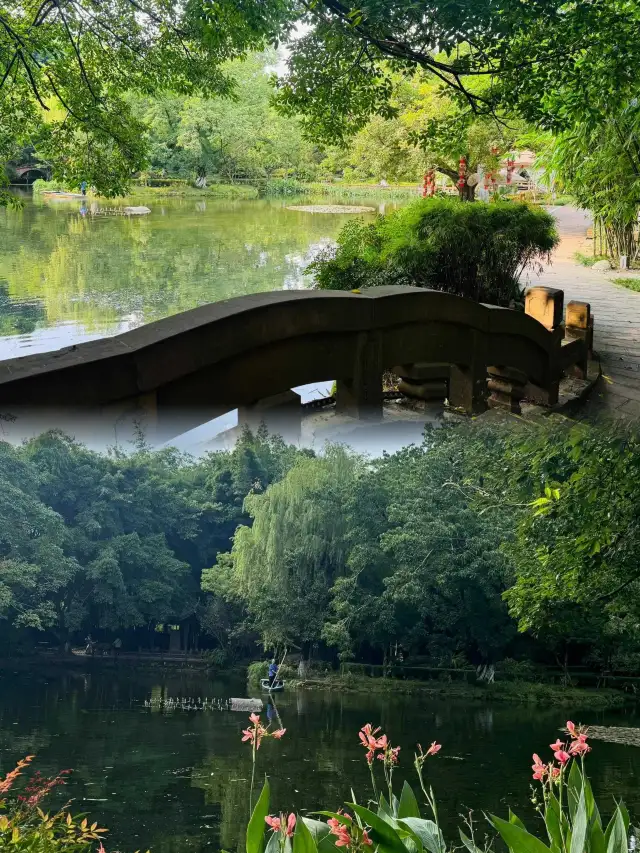 Chengdu's Lesser-Known Ancient Garden, Far Better Than Wuhou Shrine!Most people head straight to Wuhou Shrine when they come to Chengdu, but it's always crowded and hard to enjoy quietly. I actually prefer Wangjianglou Park by the Jinjiang River—fewer people, peaceful scenery, and a strong ancient atmosphere. The park boasts a vast century-old bamboo forest. Walking through it, the bamboo shadows sway gently, and the cool breeze flows through the trees, instantly dissipating the heat. The iconic red walls and dark tiles are simple and elegant, right next to the rushing Jinjiang River. Every step offers a layered view, no need to find special angles—the original shots look great, and it's perfect for taking photos in traditional Hanfu attire. I've compiled some great photo spots based on my experience: the bamboo corridor at the north gate entrance, where the interplay of light and shadow creates a strong sense of depth; the winding, long red wall section, which is perfect for side or back shots full of storytelling; and the second-floor window of the Poetry Recital Pavilion, where the window frame naturally composes the scene, capturing the entire bamboo sea. This place is not just a popular photo spot but also a poetic garden commemorating the talented poetess Xue Tao. When tired, you can sit on the riverside benches and watch the river flow slowly. Without noisy crowds, you can stroll leisurely and enjoy the scenery, feeling the millennia-old poetic charm while easily capturing your own ancient-style travel masterpieces. If you're traveling to Chengdu, I sincerely recommend setting aside half a day to visit here.Joyful_123_Brooks

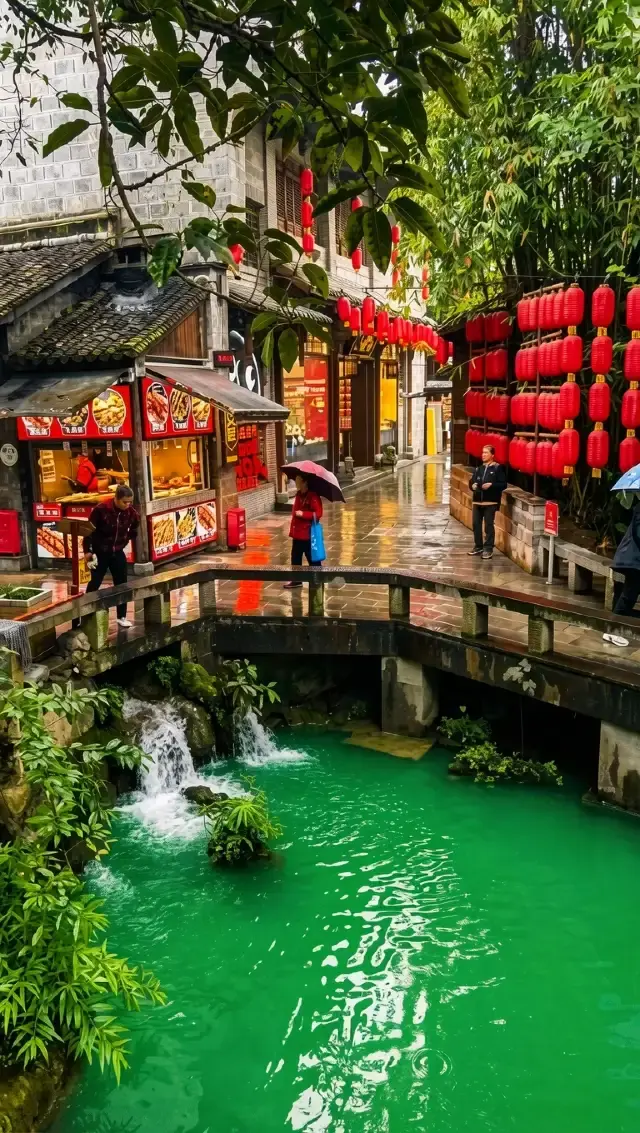 Explore the top street in western Sichuan for free|Food, photos, and Sichuan opera all in one place!Friends! Chengdu hides an ancient street where everyday life meets historic charm 😭 No ticket needed to enjoy authentic food, capture stunning ancient-style photos, and watch intangible cultural heritage Sichuan opera. This local favorite night spot is a must-visit for newcomers—check it out and head out right away~ 🏮 Lantern Alley: the ultimate spot for ancient-style photos, full of atmosphere The top check-in spot in Jinli! The whole alley is lined with red lanterns, with blue stone paths and wooden ancient buildings. Every step offers a scene full of traditional charm. Every shot looks like a time-travel masterpiece. A must for hanfu lovers and photography fans 👏 Fresh and elegant by day, the atmosphere peaks when the lanterns light up at dusk. Night photos here are amazing! ✅ Highlights: · Best times to shoot: 9–11 AM (fewer people, soft light, perfect for fresh ancient-style photos), 5–7 PM (just before and after lights come on, atmosphere at its peak) 🌆 · Outfit tips: hanfu and modern Chinese-style clothes work great. Light colors and simple styles stand out more. For casual wear, vintage styles also create a great vibe · Photo spots: core section of Lantern Alley, plaque at the alley entrance, wooden window ledges at corners—great for wide shots and close-ups 💡 Tips: Holidays get crowded, so visit during off-peak times. Don’t block pathways when taking photos. Be courteous and avoid blocking others. 🍜 Food hub: authentic Sichuan flavors, a must for foodies Jinli’s lively atmosphere is all in its food! It gathers authentic Chengdu snacks so you don’t have to roam the whole city. You can unlock everything in one place with great value. Foodies won’t want to leave ✨ From one end of the street to the other, every bite tastes like Chengdu. Eating and exploring here is pure joy! ✅ Highlights: · Must-try list: spicy chicken skewers, three big shots (san da pao), sugar-coated fried dough twists, sour and spicy cold noodles, dan dan noodles. All classics, safe bets · Money-saving tips: share snacks with friends to try more without waste. Avoid popular shops at the entrance; deeper inside offers better value · Eating tips: some snacks are spicy. If you can’t handle spice, mention it in advance. When tired, find a small shop to rest and enjoy the street vibe while eating 💡 Tips: Most food stalls are outdoors, so bring tissues. Watch your belongings in crowded areas to avoid loss. 🎭 Intangible cultural heritage zone: Sichuan opera face-changing + tea drinking, immersive Shu culture experience A visit to Jinli isn’t complete without experiencing Shu intangible heritage! At the Three Kingdoms Tea Garden and Brotherhood Hall, you can drink traditional covered bowl tea while watching Sichuan opera face-changing and fire-spitting performances. It’s an immersive way to feel Shu culture’s charm. Perfect for family trips, couples, or friends—everyone will be delighted 🌿 ✅ Highlights: · Recommended experience: choose cost-effective tea house shows. You don’t need expensive tickets to see amazing face-changing and fire-spitting, plus authentic covered bowl tea · Family fun: bring kids to watch Sichuan opera and explain intangible heritage culture. It’s more meaningful than just eating and walking. You can also try intangible heritage crafts and traditional skills · Best time: visit before dusk to watch the show and then stroll the night scene smoothly, maximizing atmosphere 💡 Tips: Buy tea house tickets in advance online to avoid queues. Stay quiet during performances to respect the heritage culture. 📍 Nearby attractions: check in on the way, no wasted time Jinli is next to Wuhou Shrine. After exploring the ancient street, head there for a fuller trip! Wuhou Shrine carries Three Kingdoms culture. Its red walls and bamboo shadows are perfect for photos and match Jinli’s ancient vibe. Check in to two treasure spots in one trip for great value ✨ ✅ Highlights: · Combo ticket: buy a Wuhou Shrine + Jinli combo ticket for better value. You can visit both within 24 hours, saving money compared to separate tickets. Great for those wanting a deep experience · Route plan: visit Wuhou Shrine in the morning (fewer people, great for feeling Three Kingdoms culture and shooting red wall photos), then Jinli in the afternoon for food and shows. Relaxed and fulfilling without rushing · Nearby amenities: many cultural shops around Wuhou Shrine sell Three Kingdoms-themed souvenirs. There are also Cantonese and Sichuan restaurants nearby to recharge after exploring 💡 Tips: Book Wuhou Shrine tickets online in advance to avoid wasted trips. Weekends get crowded, so visit off-peak for a better experience. 📌 Jinli must-know practical guide (avoid pitfalls) Take note! Don’t miss these details to avoid detours and double your experience 👇 ✅ Highlights: · Tickets & reservations: Jinli ancient street is open all day for free. No tickets or reservations needed. Some small cultural spots inside charge separately and can be chosen as you like ❌ · Opening hours: the street is open all day. Shops operate 9:00 AM–10:00 PM (some bars open later). Plan your visit accordingly · Transportation: take metro lines 3 or 5 to Gaoshengqiao station, then a 10-minute walk. Bus routes 24 and 63 stop at Wuhou Shrine. For driving, park at the Wuhou Shrine South Suburb underground lot with plenty of spaces · Essentials: wear comfortable shoes (blue stone paths can be slippery in parts). Use sun protection with hats and sunscreen. Bring some cash as some snack stalls may not accept mobile payments · Pitfall warnings: don’t buy overpriced souvenirs at the entrance; better value is deeper inside. Holidays get crowded, so keep valuables safe to avoid loss 💡 Tips: Spend 2–3 hours here. Evening visits are best for eating, night views, and Sichuan opera, maximizing your experience. Wear slip-resistant shoes on rainy days to avoid falls. Jinli in Chengdu holds the most authentic Shu street life ✨ No need to spend a lot or rush your schedule. Stroll the ancient street, enjoy the food, and watch Sichuan opera to fully immerse yourself in Chengdu’s slow life and historic charm. Which spot in Jinli do you want to check out most? Do you have any secret food or travel tips? Share in the comments, like, and follow! Let’s unlock more hidden gems in Jinli together 👇SpaceJumper_9012

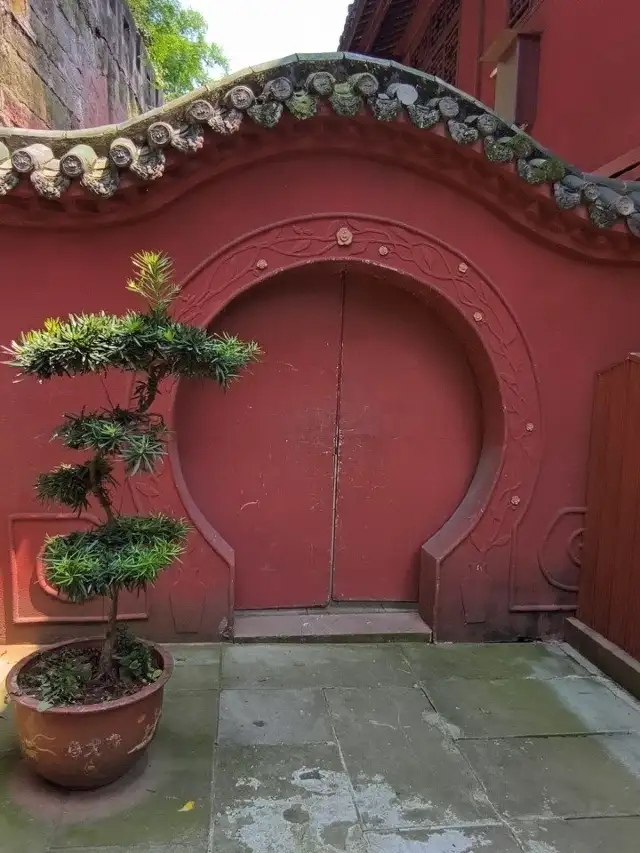
- сычуаньский_бонсай
- блог_путешественника
Wuhou Shrine in Chengdu | I Spent 4 Hours Here and Still Didn't Want to LeaveLet’s get straight to the point: why it’s worth visiting 🏛️ Mind-Blowing Architecture Those upturned eaves, crimson columns, and moss on the gray-blue tiles are stunning Walking in feels like stepping into another era Light and shadows dance on the red walls, and the bamboo sways Every shot looks like it’s from a movie 🐟 The Garden is a Hidden Gem The ponds are full of plump goldfish And slowly swimming turtles 🐢 Lotuses bloom in quiet beauty 🌿 The Bonsai Garden — I couldn't tear myself away Thousands of Sichuan-style bonsais Pines, persimmons, and ginkgos in all sorts of shapes And the pots are true works of art I wanted to take every single one home 📷 More photo spots than you can count: The red wall passage isn't the only shot The bonsai garden is a real treasure trove for photography The black wall at the entrance to Huiling Mausoleum with the ginkgo trees is also fire Useful Information: I specifically chose a weekday and arrived right at opening at 8:30 AM There were so few people that I could take photos at the red walls among the bamboo without waiting; my photos are unedited ⏰ Time: Arrive at opening at 8:30 AM — fewer crowds, perfect lighting 🎫 Tickets: 50 RMB, can be bought on Trip.com in advance (I bought mine on the metro on my way there) — entry requires a passport I planned for a 2-hour walk, but 4 hours later, I still couldn't leave the bonsai garden If I’d had more time, I would have stayed until closing: red walls with bamboo + goldfish and lotuses + thousands of bonsais — all in one placeEv83
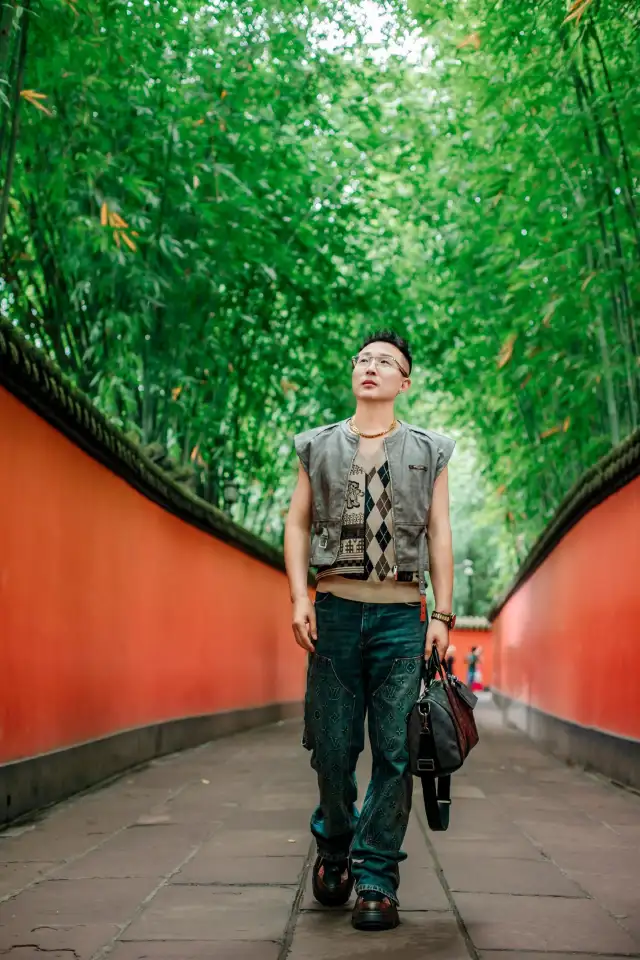 Chengdu Wuhou Shrine | Red walls and bamboo shadows with a cinematic filterHalf vermilion walls, half emerald bamboo forest The most iconic 100-meter corridor at Wuhou Shrine Light and shadows filter through the bamboo leaves onto the walls, creating a naturally vintage palette Edgy outfits meet thousand-year-old architecture—relaxed yet stylish Stroll slowly along the stone path; every frame feels like a story 📍 Location: Wuhou Shrine, Chengdu · Huiling Red Wall Corridor Vermilion red walls + emerald bamboo forest, Neo-Chinese style meets street fashion, full of atmosphere_TI***ad1

- travel2026
- travel
- couplestrip
- staycation
- thingstodo
- myitinerary
- citydaytours
- china
- 1
- 2
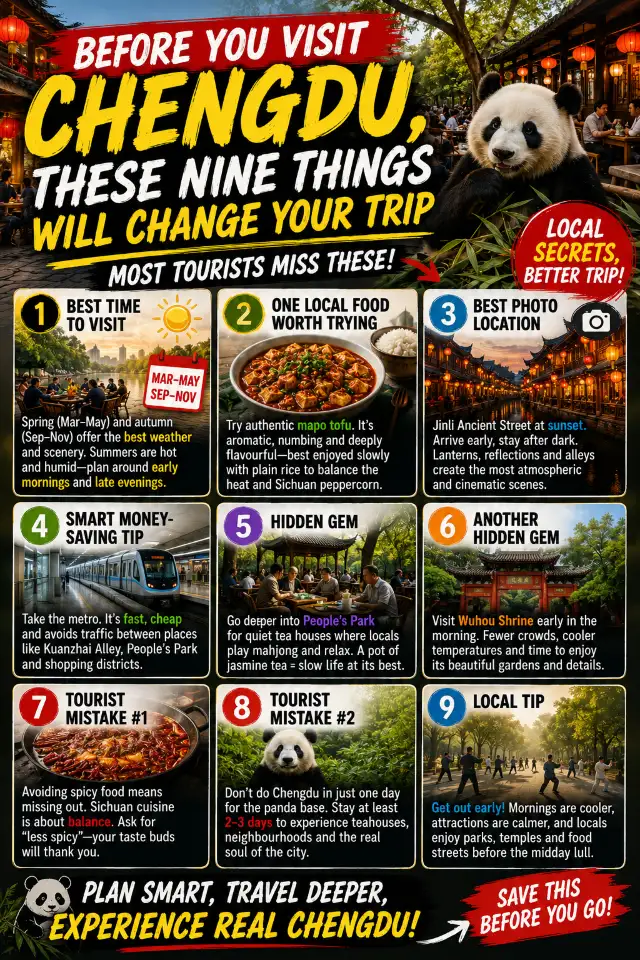
Before You Visit Chengdu, These Nine Things Will Change Your TripMost tourists miss these when visiting Chengdu. ☀️ Best time to visit Chengdu is most enjoyable in spring (March to May) and autumn (September to November), when humidity is lower and the city’s parks and teahouse courtyards are at their best. Summer can feel heavy and wet, but it is also when the city slows into long, shaded afternoons—worth it if you plan your days around early mornings and late evenings rather than midday sightseeing. 🍽 One local food worth trying Order mapo tofu in its place of origin. The Chengdu version is intensely aromatic rather than just spicy, with Sichuan peppercorn creating that distinctive numbing sensation locals expect. It is not a dish to rush—pair it with plain rice and let the balance of heat and fragrance build slowly rather than overwhelming it on the first bite. 📸 Best photo location For atmosphere rather than a single viewpoint, head to Jinli Ancient Street just before sunset. Arriving slightly early matters; once the lanterns are lit, the reflections, wooden façades and narrow alleys create a more layered scene. Stay after dark when the crowds thin slightly and the street begins to feel more cinematic than commercial. 💰 Smart money-saving tip Use Chengdu’s metro instead of relying on taxis between major districts. Distances between places like Kuanzhai Alley, People’s Park, and central shopping areas are often longer than they appear on maps. The metro is not only efficient but also helps you avoid peak-hour traffic, which can significantly extend short journeys. ⭐ Hidden gem Spend an afternoon in People’s Park tea houses, but avoid the most obvious entrances. Walk deeper into the park until you find older, quieter tea pavilions where locals play mahjong and read newspapers for hours. Ordering a pot of jasmine tea here is less about the drink and more about participating in the city’s unhurried rhythm. 👀 Another hidden gem Visit Wuhou Shrine early in the morning rather than later in the day. While it is well known, many visitors rush through it. Arriving early allows you to experience its gardens and shaded pathways before tour groups arrive, and gives you time to appreciate the quieter sections that are often overlooked. ❌ Tourist mistake #1 Many visitors assume all Sichuan food tastes overwhelmingly spicy. In reality, balance is central to local cooking. If you avoid dishes entirely because of heat concerns, you will miss some of Chengdu’s most nuanced flavours. Instead, ask for “less spicy” adjustments—most kitchens are accustomed to tailoring heat levels for visitors. ❌ Tourist mistake #2 Do not plan Chengdu as a single-day stop for the panda base alone. The Chengdu Research Base of Giant Panda Breeding is best visited early in the morning, but the city itself deserves far more time. Without at least two or three days, you miss the teahouse culture, neighbourhood streets and slower local life that define Chengdu more than any single attraction. 💡 Local tip Arrive early at major aThe Savvy Traveler24

Other visitors' reviews of Chengdu Wuhou Shrine Museum
Show More ReviewsHighly recommend our tour guide, Xiaoyu! She led us on a tour of the Wuhou Temple, providing a clear and organized explanation. From the Hui Mausoleum, the Tang Dynasty steles, and the Qing Dynasty steles to the Wuhou Temple itself, she eloquently recounted the figures and stories behind the Three Kingdoms period. Her explanations were accurate and to the point, and she patiently answered all our questions. The pace was comfortable, and we learned a great deal – a truly wonderful tour experience! [Roses][Roses]