Booking information丨Cancellation and no-show policy
Longmen Grottoes
龙门石窟 based on 1,630 review
 2026 Asia 100 - Best Things to Do
Opening hours of Longmen Grottoes
Longmen Grottoes Highlights: Must-See Features and Attractions
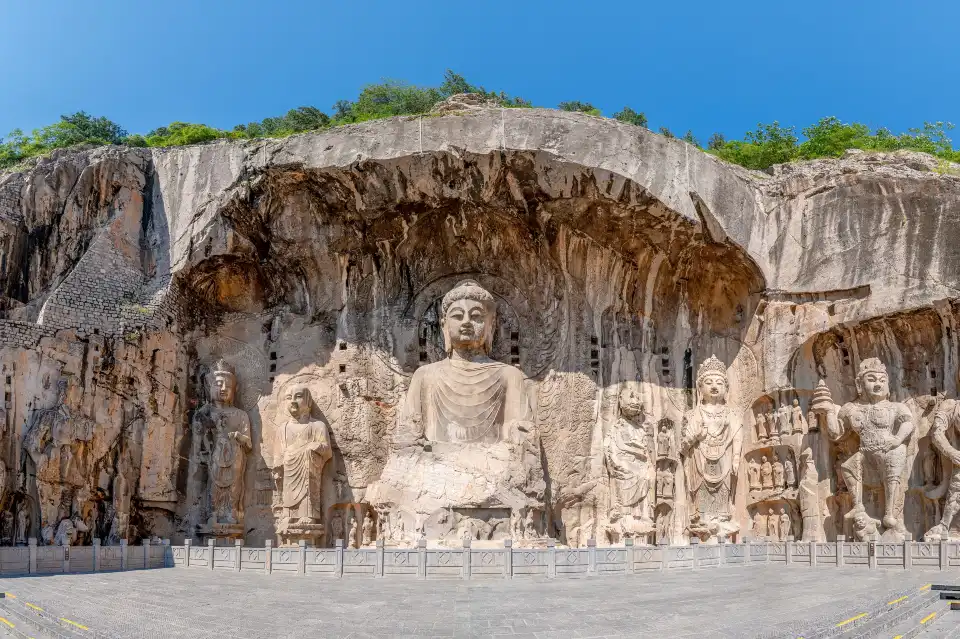
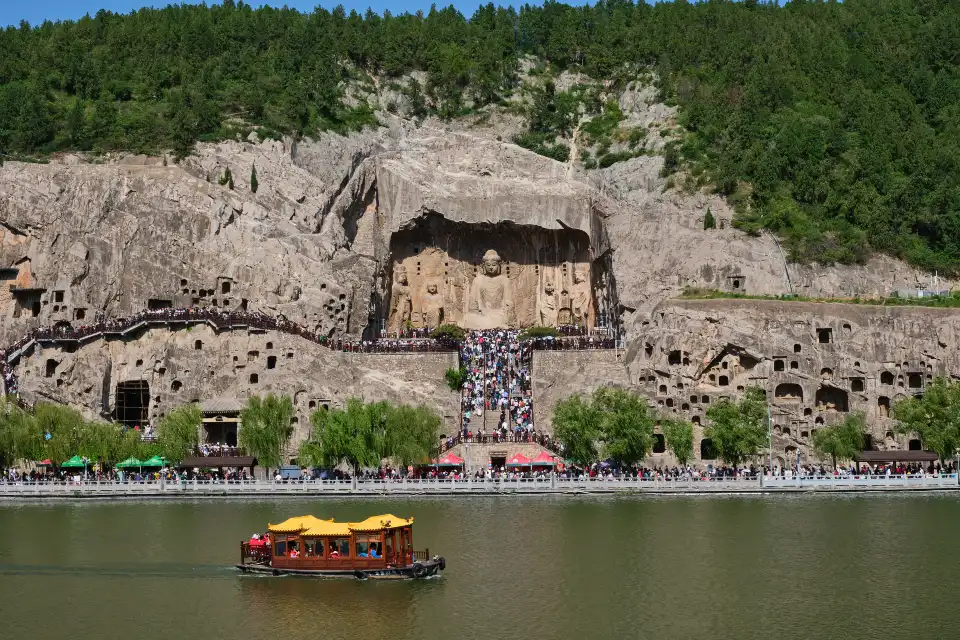
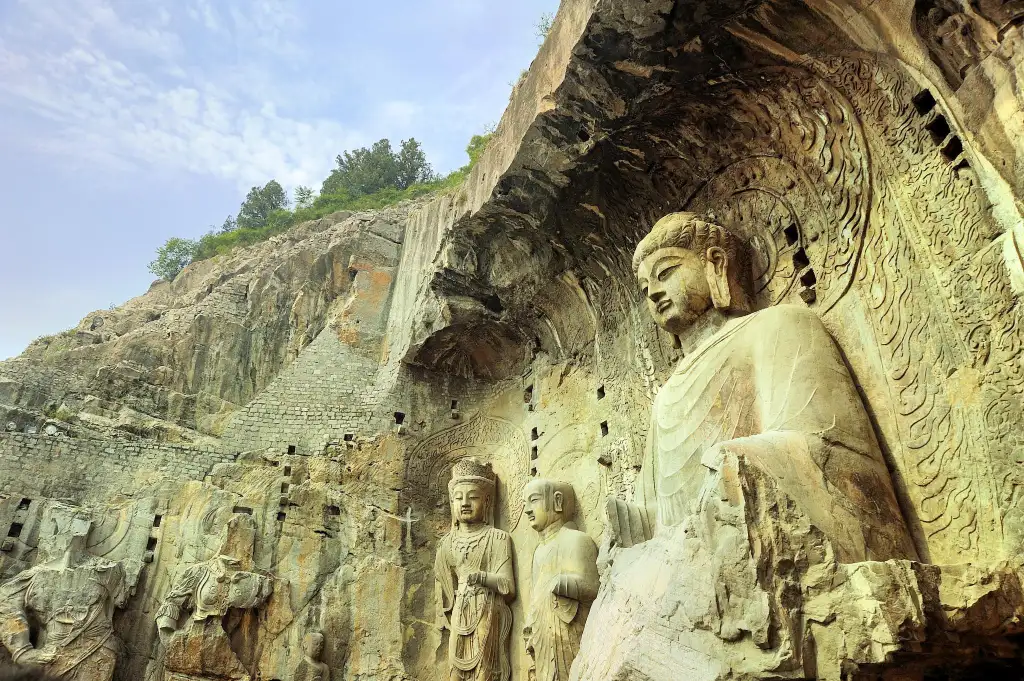
Longmen Grottoes are located in the southern suburbs of Luoyang, Henan Province, on the cliffs along both banks of the Yi River. As one of China's three major grotto art treasures, they were inscribed on the World Cultural Heritage list in 2000. The grottoes were first carved when Emperor Xiaowen of Northern Wei moved the capital to Luoyang, and construction continued through the Eastern Wei, Western Wei, Northern Qi, Sui, and Tang dynasties, with the vast majority of niches and statues left from the Northern Wei and Tang periods. Today, more than 2,000 niches and over 100,000 statues remain, along with a large number of inscriptions and steles, making the site an important representative of Chinese stone carving art. The attraction is divided by the Yi River into two parts: West Hill and East Hill. The West Hill Grottoes are the essence of the site, carved from the Northern Dynasties through the Sui and Tang periods. Famous caves include Guyang Cave, Binyang Cave, Lotus Cave, Wanfo Cave, and Fengxian Temple. The Lushena Buddha at Fengxian Temple stands about 17 m tall, making it one of the larger Buddha statues at Longmen Grottoes. Its face is dignified and serene, with a faint smile, and legend holds that it was modeled on the appearance of Wu Zetian, earning it the name "Oriental Mona Lisa." The inner walls of Wanfo Cave are densely covered with about 15,000 small Buddha statues, each only a few cm tall, neatly arranged and finely crafted. Guyang Cave is the earliest cave carved at Longmen, and its inscription calligraphy is exquisite; the selected "Twenty Masterpieces of Longmen" are representative works of Wei stele calligraphy. Binyang Cave consists of the South, Middle, and North caves and took more than twenty years to complete. Its original reliefs depicting emperors and empresses worshipping the Buddha were looted and lost overseas in the 1930s. In Binyang North Cave, a Buddha statue has a distinctive hand gesture, with the right index and middle fingers raised in a shape resembling the modern "scissors hand," though it is actually a Buddhist mudra, and it once sparked heated discussion online. The East Hill Grottoes are mostly Tang dynasty works and are smaller in scale than those on West Hill, but from the opposite bank visitors can enjoy panoramic views of West Hill from different angles, especially distant views of the Lushena Buddha. The attraction also includes Xiangshan Temple and Bai Juyi Memorial Park (Bai Garden). The Tang dynasty poet Bai Juyi lived in Luoyang in his later years and once praised it, saying, "Of the scenic splendors of Luoyang's surrounding mountains and waters, Longmen ranks first." When visiting, simply follow the route West Hill—East Hill—Xiangshan Temple—Bai Garden, proceeding in one direction without backtracking. The West Hill Grottoes are densely packed with content, so it is advisable to set aside ample time for a closer look; East Hill is quieter and more secluded, suitable for a brief visit and gazing across the river when energy is limited.
Longmen Grottoes Reviews: Insider Insights and Visitor Experiences
Longmen Grottoes Photos: Trip Moments
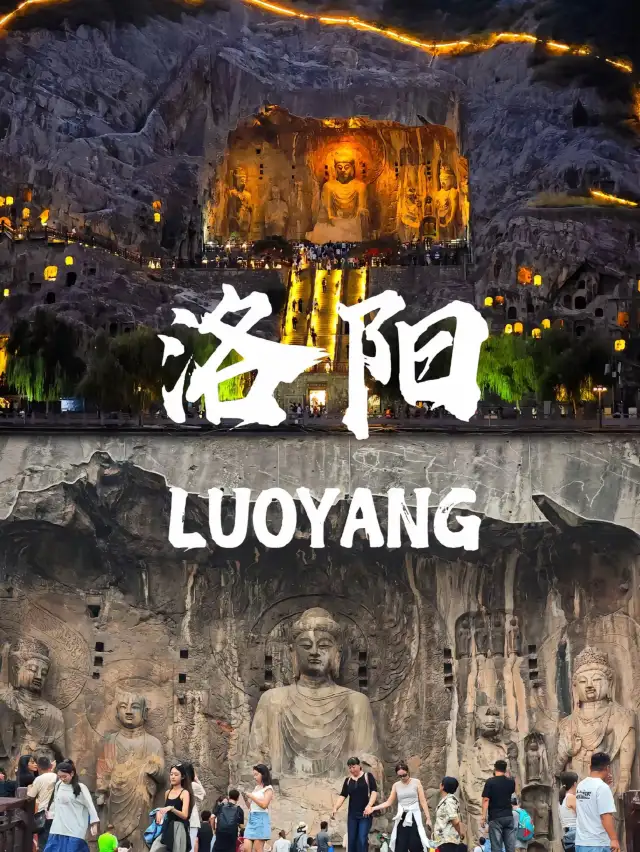 Luoyang, the ancient capital of 13 dynasties.Start at Longmen Grottoes (¥90) to see the 17m Lu She-na Buddha at sunset . Visit White Horse Temple (¥35), China’s first Buddhist temple . Wander Luoyi Ancient City (free) for hanfu photos under red lanterns . End at Cross Street Night Market for bu fan tang (mung bean pancake soup) and jiangmian tiao (fermented noodles) . Tips: Take Metro Line 2 to Longmen . Best months: April (Peony Festival) or October . Learn "Bù hǎo yìsi" (excuse me). Zàijiàn. For a full itinerary, ride the cable car up Laojun Mountain (¥100) . Try Luoyang Water Banquet (24 dishes, ¥40/person) at Zhen Bu Tong for a taste of imperial history.Safa sfart3

 6-day Zhengzhou-Luoyang-Kaifeng ultimate guide with tips to avoid tourist trapsHey everyone! This 6-day Zhengzhou-Luoyang-Kaifeng itinerary is super practical. You can climb the Golden Summit to make a wish, enjoy authentic local food, and stay comfortably. Save this now! · - 🎒Itinerary: Day 1: Arrive in Zhengzhou Summary: Arrived safely in Zhengzhou, starting our Central Plains journey✨ Day 2: Shaolin Temple > Longmen Grottoes > Qianxi Temple > Fengxian Temple > Wanfo Cave > Lotus Cave Summary: Visited the ancient Shaolin Temple and the classic niches of the Longmen Grottoes🏯 Day 3: Laojun Mountain Scenic Area > Golden Summit Taoist Temple Complex Summary: Climbed the Golden Summit of Laojun Mountain to make a wish and enjoyed the fairyland of the sea of clouds☁️ Day 4: Zhuimeng Valley Summary: Strolled through Zhuimeng Valley and took in the serene mountain and water scenery🌿 Day 5: Millennium City Park > Kaifeng Baogong Temple > Bianliang Xiaosong City Summary: Traveled back in time to Song Dynasty Kaifeng, explored the park, visited the temple, and tasted the local street food🏮 Day 6: Return from Zhengzhou Summary: Successfully concluded our Central Plains journey, looking forward to the next trip🥰 · - Must-visit attractions: 1. Longmen Grottoes ⭐⭐⭐⭐⭐ Address: No. 13 Longmen Middle Street, Luolong District, Luoyang City, Henan Province Open: March 1–October 31, 8:00 AM–9:00 PM Duration: 3–5 hours A thousand-year-old art treasure trove and World Heritage site. The Vairocana Buddha in the West Hill is said to be carved in the likeness of Empress Wu Zetian. The 15,000 small Buddhas in Wanfo Cave are breathtaking. You can also take a boat cruise to see the panoramic view of the grottoes along the Yi River. Remember to wear comfortable shoes. 2. Laojun Mountain Scenic Area ⭐⭐⭐⭐⭐ Address: Group 21, Qiliping Village, Luanchuan County, Luoyang City, Henan Province Open: All day Duration: 1–2 days A famous Taoist mountain, the winter snow scenery is legendary! The Golden Summit covered in white snow against the golden roofs looks like a fairy tale. The sea of clouds and sunrise in spring and autumn are also stunning. If you are sensitive to the cold, be sure to dress warmly and wear non-slip shoes. 3. Millennium City Park ⭐⭐⭐⭐⭐ Address: No. 5 Longting West Road, Longting District, Kaifeng City Open: September 1–December 31, 9:00 AM–10:00 PM Duration: 1 day An immersive theme park that transports you back to the Song Dynasty in a second. There's a super fun interactive horse-riding segment where you can play a Bianjing knight and enjoy improv comedy. The folk performances and ancient-style architecture are perfect for photos. · - Essential travel tips: 1. Don't just focus on viral restaurants for food; local eateries in old alleys are more authentic🍜; 2. You can take the intercity railway from Zhengzhou Xinzheng Airport to the city center, which is convenient and fast🚄; 3. When visiting local attractions, please do not touch cultural relics or ancient buildings🏯; 4. There is a large temperature difference between day and night in Luoyang and Kaifeng, so bringing a light jacket is a must🧥. · - I've shared all the essential tips for this Zhengzhou-Luoyang-Kaifeng group tour. If you have any other questions, feel free to ask in the comments!Enchanted@Forest_555

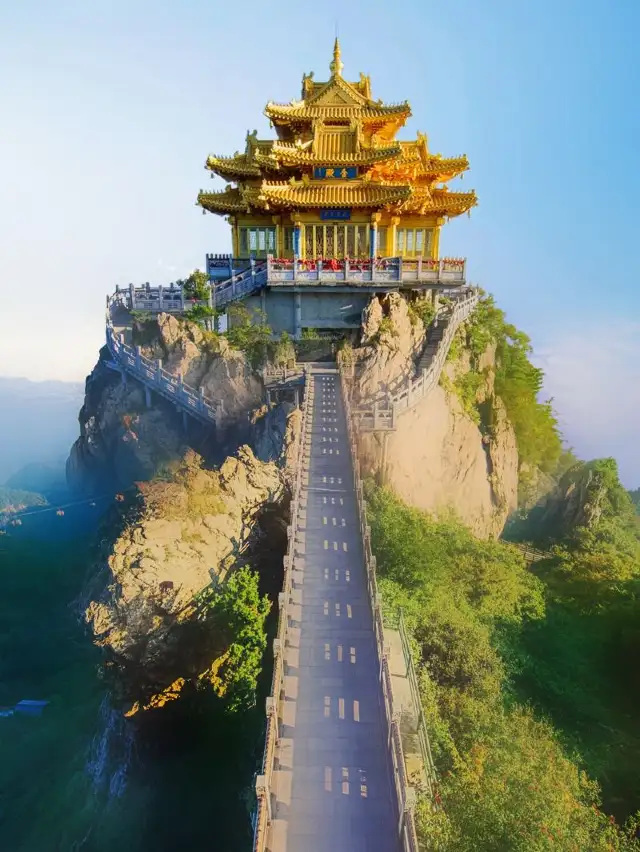
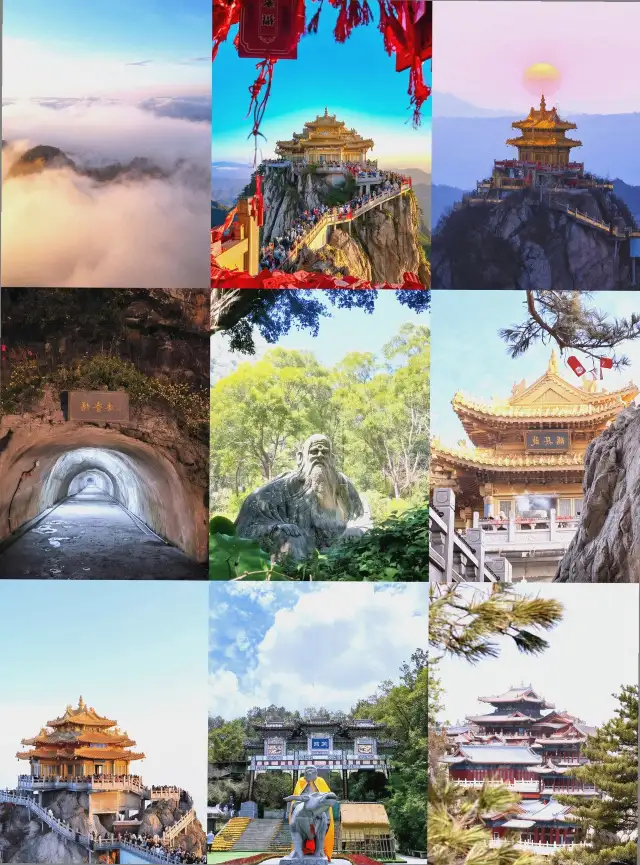 Laojun Mountain is great, but I won't be going back because it's just...☁️ An excellent experience at Laojun Mountain | The saying "a breathtaking feast on earth" is well-deserved, but it really tests your stamina and wallet To get straight to the point: when the Golden Summit Taoist temple complex stands amidst the vast sea of clouds, the soul-stirring impact is truly an ethereal experience bought with hard-earned money✨ "A breathtaking feast on earth, a glimpse of the world's magnificent beauty" — this slogan is still being shared by countless people in 2026, and I was once skeptical. It wasn't until the cable car broke through the clouds and the Golden Summit suddenly came into view that I was completely convinced: this trip is absolutely worth it. However, this "worth" requires you to endure queues, pay fees, and overcome significant temperature differences to fully experience it. ✨ Let's talk about how stunning it really is Golden Summit Taoist temple complex | A "heavenly palace" floating in the clouds The Laojun Temple, Golden Hall, and Jade Emperor Peak stand atop the mountain at an altitude of over 2,000 meters. Whenever the sea of clouds surges, the golden roofs intertwine with the ethereal mist, truly giving one the dizzying feeling of having "stumbled into heaven." The moment the lights turn on in the evening is the most dreamlike, resembling a palace floating in a sea of clouds✨ Ten-Mile Gallery | A gallery of peaks above the sheer cliffs This is a trail built right against the cliff, with stone peaks on both sides as steep as if carved by a knife. As the clouds and mist swirl, the peaks appear and disappear, truly achieving a view that changes with every step. If you don't take the cable car, you have to measure this section on foot. The scenery is beautiful, but it is very physically demanding⛰️ Sunrise over the sea of clouds | An exclusive gift in the early morning hours Tourists who choose to stay overnight on the mountain to wait for the sunrise often have to head toward the Golden Summit in the dark around 4:00 AM. When the eastern horizon turns red, the sea of clouds surges beneath your feet, and the silhouette of the Golden Summit is gradually lit by the morning light—the magnificence of that moment is enough to dispel the cold and fatigue of the whole night🌅 The staircase from Zhongtian Gate to the Golden Summit | The trial before reaching the top Thousands of steps lead directly to the Golden Summit. Tourists climb a section and rest a section, surrounded by fellow travelers panting and leaning on hiking poles. If you don't want to climb, you can take another cable car, but "walking it with your own legs" has more of a sense of ritual (even if your knees might regret it later). 📸 Essential photo spot guide Golden Summit Observation Deck: When the sea of clouds is pervasive, it's easy to take panoramic shots of the temple complex, whether in landscape or portrait orientation Platform in front of the Golden Hall: With the person standing in front of the hall and the sea of clouds under their feet, it's easy to create a visual illusion of "being in heaven" Corner of the Ten-Mile Gallery trail: With the towering peaks as the foreground and the surging sea of clouds as the background, the portrait effect is excellent Evening lighting and blue hour: The Golden Summit has the most "celestial palace" atmosphere around 7:00 PM, so don't rush down the mountain and miss it 🍜 Most authentic local food recommendations Luanchuan Tofu: Tofu made with mountain spring water is rich in bean flavor, and it tastes great whether in a hot pot or a dry pot Henan Braised Noodles, Hu-la Soup: Solve this on the way down the mountain back to Luoyang; it warms the stomach and provides plenty of satiety Acorn Jelly, Luanchuan Free-range Chicken: Authentic local choices in farm restaurants around the scenic area Dining on the mountain is limited to instant noodles, grilled sausages, and simple fast food. It is recommended to arrange main meals during the ascent or descent; don't have high expectations for the food on the mountain top ❌ Why I hesitate to come a second time It's not that the scenery isn't sacred enough, but the quadruple blow of "tickets + cable cars + queues + temperature difference" is daunting💸 In addition to the basic ticket, you need to buy first-level and second-level cable car tickets. The total round-trip cost per person is about CNY 300, which significantly increases the budget pressure As a top-tier internet-famous attraction, it's too famous. During holidays, the Golden Summit is crowded, and you have to fight hard for angles to take a photo without people Whether you can see the sunrise over the sea of clouds depends entirely on luck. On cloudy or rainy days, you can only "see the mountains in the fog" when you reach the top, and the time cost of making a special trip to gamble on the weather is too high You wear short sleeves at the foot of the mountain and wrap yourself in a cotton coat at the top. The temperature difference is ridiculously huge, and if you don't have enough warm gear, you'll be shivering the whole way ✅ Practical information quick reference guide Transportation: Take the high-speed rail to Luoyang Longmen Station. There are buses directly to Luanchuan Laojun Mountain in front of the station; for self-driving, you can navigate directly to Laojun Mountain Scenic Area Tickets: The ticket is about CNY 100, the first-level cable car round trip is about CNY 130, and the second-level cable car is about CNY 80. Buying package tickets online is usually cheaper September travel tips: Autumn colors are beginning to appear, and the probability of a sea of clouds is increasing, but the temperature at the top of the mountain is already significantly low. A light down jacket or windbreaker is a must-have item Accommodation: If you want to watch the sunrise, you need to stay on the mountain top (beds are tight, so be sure to book in advance), otherwise staying in Luanchuan County is more cost-effective Tips to avoid pitfalls: Be sure to arrive early on holidays to reduce queuing time; those with a fear of heights should note that the Ten-Mile Gallery includes a section of skywalk, so please act according to your ability; rain gear must be carried with you, as the weather on the mountain is unpredictable The magic of Laojun Mountain lies in the charm that photos cannot fully convey, which can only be understood when you stand in the clouds yourself☁️ It is worth making a special trip for it—but before you set off, please be sure to make full psychological preparations and preparations for your wallet, knees, and the thick clothes in your suitcase.Daisy_Smith4

 Stay in Luoyang to admire peonies, a super amazing family trip to the Divine Capital."Only the peony is the true national beauty, its blooming season captivates the capital." In April, bring your kids to Luoyang, the Divine Capital, to admire peonies and experience the charm of this thirteen-dynasty ancient capital. Here's a super comprehensive guide to photo spots and itineraries – just grab it and follow along! 📸 **Must-Visit Photo Spots for Families** Capture the Heavenly Hall framed by the red walls outside Jiuzhou Pool. Get the classic shot of the Heavenly Hall from above Yaoguang Hall within Jiuzhou Pool. Photograph the Heavenly Hall from inside Jiuzhou Pool, and Yaoguang Hall from outside the Jiuzhou Pool entrance. To get a shot of the Vairocana Buddha at Longmen Grottoes, the photographer needs to shoot from a lower level, looking up, using the railings to block the crowd. After dusk, photograph the Vairocana Buddha on the opposite bank from the observation deck on the East Hill Grottoes side – the atmosphere is incredible. Ascend Yingtian Gate during the blue hour for an absolutely stunning atmosphere. Shoot Mingtang Hall through the gate on the second floor of Yingtian Gate for a perfect perspective. Capture the Heavenly Hall framed from the second floor of Yingtian Gate. Photograph the panoramic view of Mingtang Hall from the top floor of the Heavenly Hall; the murals inside are exquisite. The artifacts at Luoyang Museum and the Luoyang Ancient Tombs Museum are also well worth visiting, allowing children to learn a lot about history. Capture the bustling West Street from the Lijing Gate tower. Get a shot of Yingtian Gate framed from Mingtang Hall. Taking photos by the city wall of Yaoguang Hall in Jiuzhou Pool is also super beautiful. There are also many cute cats in Longmen Grottoes that children will love. 🗺️ **Two-Day, One-Night Family Itinerary** Day 1: Jiuzhou Pool ➟ Heavenly Hall & Mingtang Hall ➟ Yingtian Gate ➟ Lijing Gate. This is perfect for dressing your kids in Hanfu and taking a set of ancient-style family photos. Day 2: Luoyang Ancient Tombs Museum ➟ Luoyang Museum ➟ Longmen Grottoes. Immerse yourselves in Luoyang's history and culture. 💡 **Travel Tips** 1. If you have ample time, you can stay in Luoyang for 3-4 days and also visit White Horse Temple, Luoyi Ancient City, and Laojun Mountain. 2. Luoyang Museum is very popular and requires booking 3 days in advance. Tickets are released at 7:00 AM, so be sure to book right on time as they sell out quickly. **Accommodation** 🏨 Adjacent to Yingtian Gate, Mingtang Hall, and Heavenly Hall, within walking distance. Offers family rooms and complete facilities. 🏨 Located within the Jiuzhou Pool scenic area. You can see the beautiful Jiuzhou Pool from your window. The environment is tranquil and full of ancient charm. 🏨 Very close to Longmen Grottoes, convenient for travel. Rooms are cozy and comfortable, offering great value. 🏨 An established hotel in the city center with convenient transportation. Easy access to dining and shopping, and features family-friendly entertainment facilities.OwenHughes_474

- springtravel
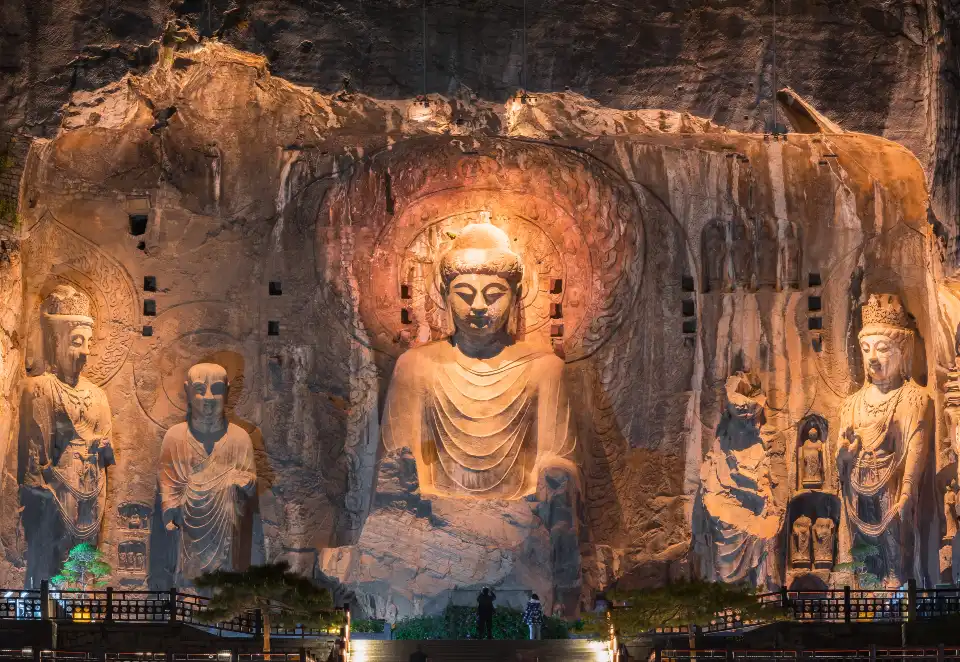
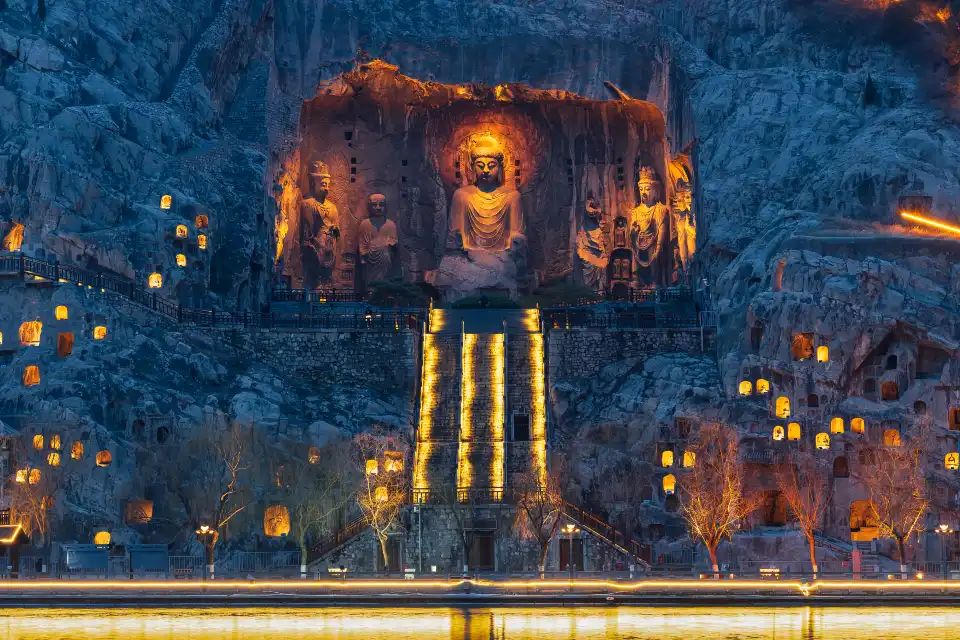
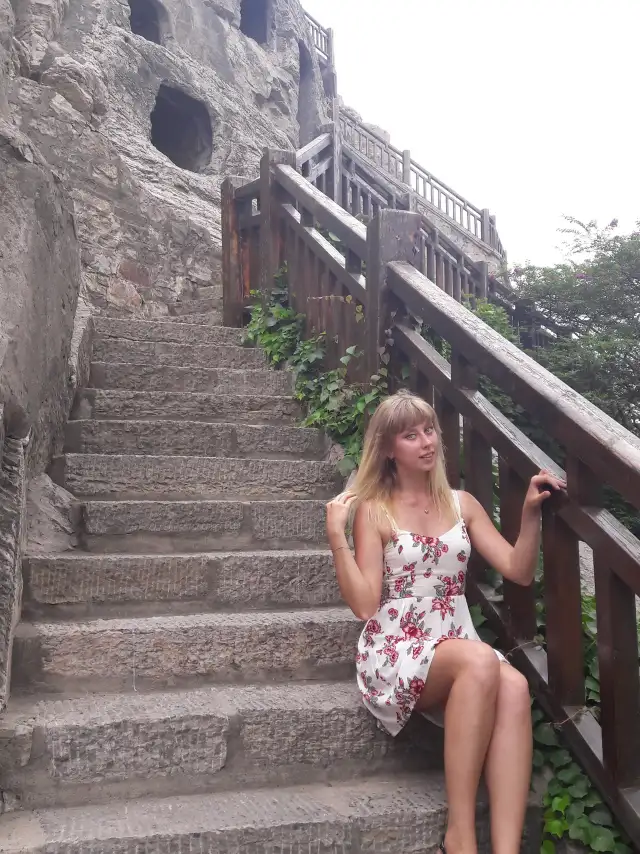
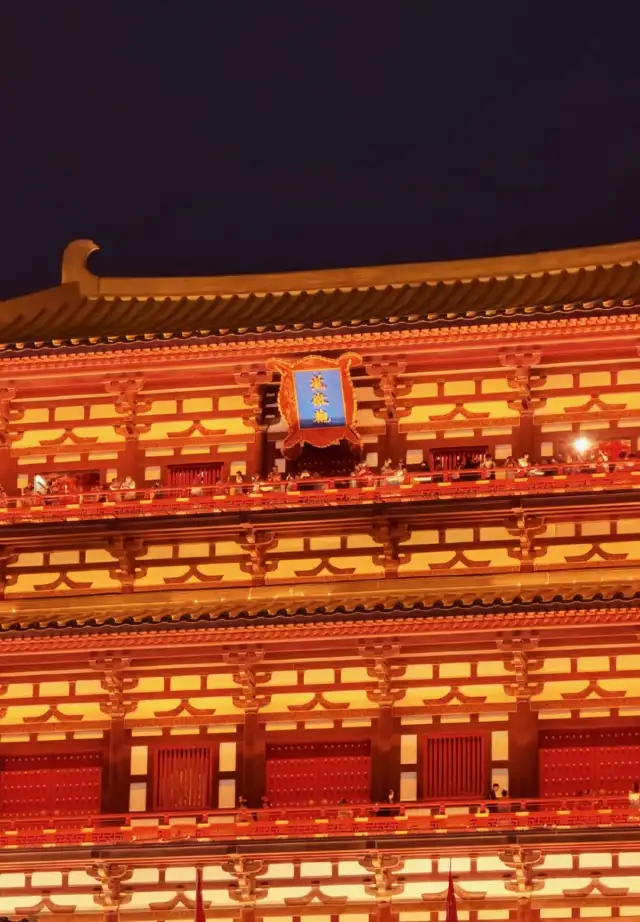
The Night Glow: Longmen Grottoes After Dark 🌙#springtravel Did you know the Longmen Grottoes offer a night tour during the summer months? When the sun goes down, the thousands of Buddhas are illuminated by golden floodlights. The sight of the Fengxian Temple glowing against the dark cliffside is nothing short of magical. It feels like a completely different world—mysterious, quiet, and deeply spiritual. The reflection of the lit-up caves in the Yi River is a dream for any night photographer. 💡 Travel Tip: Night tickets are often sold separately and have limited entry times. Check the official WeChat mini-program for Longmen to book in advance, as summer night tours are extremely popular with locals looking to escape the daytime heat. 🏮Sasha v Kitae
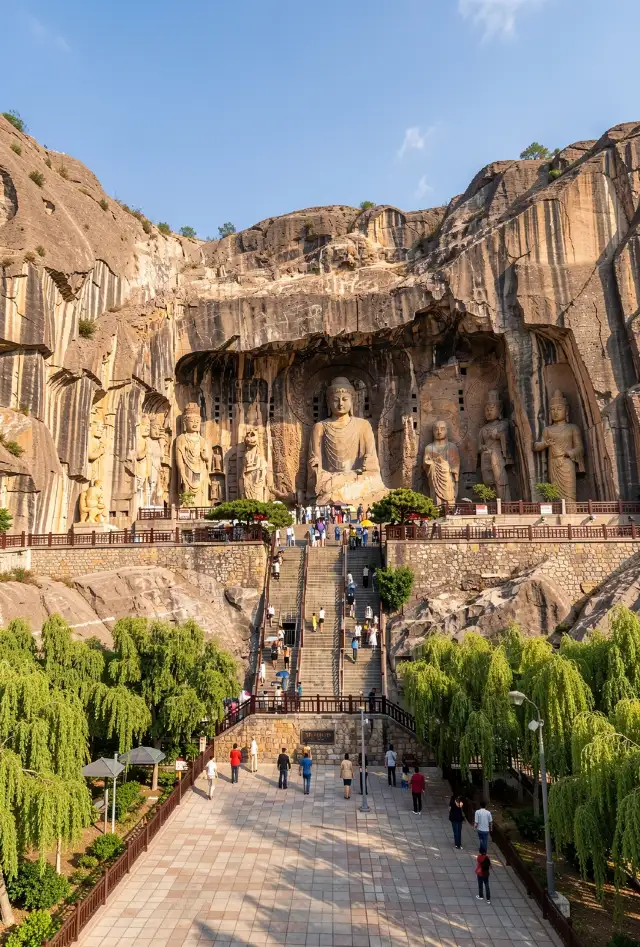 Longmen Grottoes Travel Guide🏛️ The ultimate Longmen Grottoes guide | Absolutely breathtaking! This is the ultimate romance of the Chinese people✨ Hey everyone! If you ask me for the most worth-visiting place in Henan, I would say without hesitation: Longmen Grottoes! 😭 No photo trickery! No filters! When you see that 17-meter-tall Vairocana Buddha smiling at you in person, you will really tear up... 🎯 Why is it a "must-visit in a lifetime"? ✅ World Cultural Heritage, the top of China's four great grottoes ✅ Over 2,300 niches and 100,000+ statues—you'll walk until your legs are sore ✅ The Vairocana Buddha is said to be carved based on Empress Wu Zetian's likeness—breathtakingly beautiful ✅ The night view is absolutely stunning! When the lights turn on, it feels like traveling back to the Tang Dynasty 🚗 Transportation guide 📍 Address: No. 13 Longmen Middle Street, Luolong District, Luoyang City, Henan Province 🚄 High-speed rail: Get off at Luoyang Longmen Station, it's a 10-minute taxi ride away! 🚌 Bus: Routes 53/60/71/99 go directly there 🚗 Driving: Navigate to "Northwest Service Area of Longmen Grottoes," parking fee is CNY 10 ⚠️ Key point: You must enter from the Northwest Service Area! It is closest to the entrance! 🎫 Ticket information 💰 Full-price ticket: CNY 90/person (includes West Hill Grottoes + East Hill Grottoes + Xiangshan Temple + Bai Garden) 🎓 Student ticket: CNY 45 (remember to bring your student ID!) 🆓 Free admission: Seniors over 60, children under 1.4 meters, active-duty military personnel ⏰ Opening hours: Peak season (Mar–Oct) 8:00 AM–6:30 PM Off-season (Nov–Feb) 8:00 AM–5:30 PM Night tour: 6:30 PM–9:00 PM (Summer) / 6:00 PM–8:30 PM (Winter) 💡 Money-saving tip: The Luoyang Annual Tourism Pass is CNY 60, which is even more cost-effective if you plan to visit other attractions! 🗺️ Detailed sightseeing route (no backtracking) Northwest Service Area Entrance → West Hill Grottoes → East Hill Grottoes → Xiangshan Temple → Bai Garden → Northeast Service Area Exit ⏱️ Total time: About 4–5 hours 🌟 First stop: West Hill Grottoes (the absolute highlight!) Top 3 must-sees: 1️⃣ Binyang Three Caves A representative cave from the Northern Wei Dynasty, the Buddha statues have delicate features and a strong sense of history! Remember to look for the "V-sign" Buddha statue, it's super cute✌️ 2️⃣ Wanfo Cave There are 15,000 small Buddha statues inside, densely packed—it's incredibly satisfying to see! Every single one is exquisitely detailed 3️⃣ Vairocana Buddha ⭐⭐⭐⭐⭐ The star of the show! It is 17.14 meters tall, and the ears alone are 1.9 meters long It is said that Empress Wu Zetian donated 20,000 strings of cash for rouge to build it The face is kind yet majestic, and no matter which angle you look from, it seems to be smiling at you It will really make you cry! The ancients were truly amazing😭 📸 Photo spots: The platform directly opposite the Buddha (most crowded but best for photos) On the side stairs for a panoramic view Across the river to capture the Buddha + reflection in the Yi River 🌟 Second stop: East Hill Grottoes Much less crowded! You can enjoy it quietly View the panoramic scenery of the West Hill Grottoes across the river, the view is superb The Leigutai Three Caves are worth a look 🌟 Third stop: Xiangshan Temple Empress Wu Zetian once presided over Buddhist ceremonies here Chiang Kai-shek and Soong Mei-ling's villa is also here Climb high to look into the distance, and the scenery of the Yi River is all in view 🌟 Fourth stop: Bai Garden The tomb of Bai Juyi, quiet and elegant A must-visit for poetry lovers! The ginkgo trees in autumn are super beautiful🍂 🌙 Night tour of Longmen (highly recommended!) This is the experience I recommend the most! After 6:30 PM, the lights gradually turn on The entire grotto area looks like it's plated with a layer of gold The Vairocana Buddha is even more solemn and sacred in the night The reflection in the Yi River sparkles It really feels like traveling back to the prosperous Tang Dynasty! 💡 Night tour tips: Enter the park around 4:00 PM to catch both the daytime and night views The night tour can only be accessed from the Northwest Service Area It's windy at night, remember to bring a jacket 📸 Outfit tips for photos 👗 Outfits: Hanfu! Hanfu! Hanfu! Important things said three times Plain-colored long dresses also look great in photos (white/beige/light green) Avoid overly flashy patterns, as they will compete with the grottoes for attention 📷 Photography tips: The light is good in the morning, suitable for shooting the West Hill Grottoes Shoot the East Hill Grottoes in the afternoon with the sun behind you The silhouette of the Vairocana Buddha at dusk is stunning Remember to bring a telephoto lens for panoramic shots from across the river 🍜 Local food You must replenish your energy after walking around! 🥣 Luoyang Water Banquet: Zhenbutong Restaurant (time-honored brand) 🍜 Beef Soup: The soul of Luoyang breakfast! Recommend "Majieshan" 🥟 Potstickers: Xiaojie Potstickers, crispy and juicy 🍢 Bufan Soup: A Luoyang specialty, sour, spicy, and appetizing ⚠️ Tips to avoid tourist traps ❌ Don't go during holidays! It's crowded and the experience is poor ❌ Don't wear high heels! There are so many stairs you'll doubt your life ❌ Don't go to the West Hill in the afternoon! The backlight makes it hard to take clear photos ❌ Don't buy water in the scenic area! It's half the price at supermarkets outside ❌ Don't miss the commentary! It's recommended to rent an audio guide (CNY 20) or hire a tour guide ✅ Must wear comfortable shoes ✅ Must bring a power bank ✅ Must see the night tour ✅ Must hire a guide or rent an audio guide 💬 Final thoughts Longmen Grottoes is not just a scenic spot It is a love letter left to us by the ancients 1,500 years ago Every chisel and every carving is the power of faith When you stand in front of the Vairocana Buddha That shock of traveling through a thousand years Will really make you feel No regrets in this life to be born in China🇨🇳 📌 Practical information summary 🎫 Ticket: CNY 90 ⏰ Recommended visit time: 4–6 hours 📍 Address: No. 13 Longmen Middle Street, Luolong District, Luoyang City 🚄 Transportation: 10-minute taxi ride from Longmen High-speed Railway Station 🌟 Recommendation index: ⭐⭐⭐⭐⭐ Hey everyone! Ask me any questions in the comments section! Those who have been there, come and share your feelings~ Like and save, so you won't get lost next time! 💕V3l0city_@rch1t3ct3

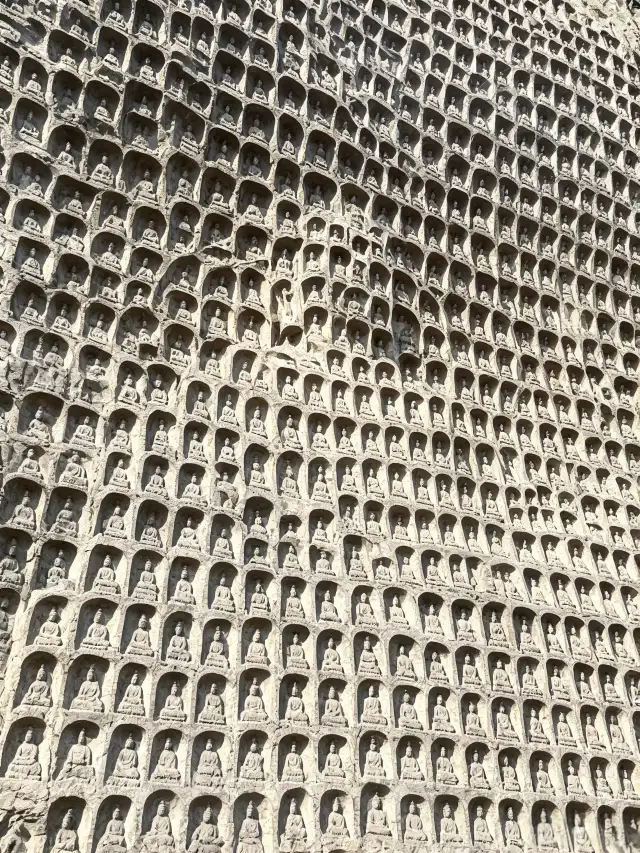 Finally visited the Longmen Grottoes! No hype, just facts—here is your guide😭 Can anyone relate? I finally stepped into the Longmen Grottoes I used to read about in textbooks! As the camera slowly pans across the banks of the Yi River, thousands of niches and Buddha statues stand by the water. The beauty of these thousand-year-old stone carvings is truly soul-stirring when you see it in person‼️ Snapped away with my phone at the Buddha statues📱 Every statue in the grottoes during the day holds a thousand-year-old story. It is absolutely incredible! · *📍Banks of the Yi River | Continuous shadows of Buddhas on thousand-year-old cliffs** The Yi River flows through the city, with dense layers of grottoes arranged along the cliffs on both banks~ Carved into the mountains and facing the water, the landscape and stone carvings blend perfectly. There is no artificial embellishment, just the simplicity and solemnity accumulated over time✨ With the gentle flowing water on one side and thousand-year-old statues on the other, every photo you take looks like a masterpiece with a built-in historical filter🌊 · *✨Binyang Three Caves | The gentle spirit of Northern Wei** Strolling along the path, the first place you will encounter is the profound Binyang Three Caves~ This is a masterpiece of Northern Wei stone carving, perfectly interpreting the ultimate aesthetic of elegant bones and clear features👀 The Buddha statues have slender, graceful lines, thin and gentle faces, and light, fluid clothing folds, carrying an elegant, ethereal aura~ It is completely different from the Tang Dynasty style, showcasing the unique gentleness and elegance of the Northern and Southern Dynasties💫 · *📸Wanfo Cave | Ten thousand small Buddhas with hidden details** Moving forward, you will reach the super healing Wanfo Cave! The inner walls of the cave are densely carved with tens of thousands of small Buddha statues, arranged neatly and lifelike, with details that are absolutely stunning💥 Every inch shows craftsmanship; the skillful hands and devotion of the artisans from a thousand years ago are all hidden in every carved line, making you want to stop and observe closely🙏 · *🙏Lushena Buddha | The Oriental smile of the prosperous Tang Dynasty** The highlight of the entire trip must be the Lushena Buddha at Fengxian Temple! Legend has it that this great Buddha was carved based on the appearance of Empress Wu Zetian, and it is the soul of the Longmen Grottoes💥 Unlike the thinness of Northern Wei statues, the Tang Dynasty Buddha statues are plump, dignified, and magnificent, fully displaying the atmosphere of the prosperous Tang Dynasty~ Looking up at the Buddha's gentle brows and eyes, that world-famous Oriental smile is both inclusive and healing😭 Having weathered a thousand years of wind and rain, it still stands calmly in the mountains, solemn and gentle. The atmosphere is simply divine! I am so moved by this journey! From the elegant and refined Northern Wei style to the graceful and luxurious Tang Dynasty style, each cave represents an era, and each Buddha embodies a unique charm~ These small stone carvings carry a thousand years of history. This is the unique, awe-inspiring power of a World Cultural Heritage site🌍 · *💡Longmen Grottoes quick travel guide** 🎫 Admission ticket: All-inclusive ticket CNY 90, student half-price CNY 45, includes West Hill, East Hill Grottoes, Xiangshan Temple, and Bai Garden ⏰ Opening hours: Peak season 8:00 AM–7:00 PM, it is recommended to book online with real-name registration in advance 🚶 Core route: Northwest Service Area > Binyang Three Caves > Wanfo Cave > Fengxian Temple > East Hill Buddha Worship Terrace 📸 Photography tips 1⃣ Enter the park at 8:00 AM to avoid crowds; the light is soft and great for photos 2⃣ The oblique sunlight from 4:00 PM–5:00 PM is perfect for capturing the atmosphere of the Lushena Buddha 3⃣ East Hill Buddha Worship Terrace offers a panoramic view of the Yi River and the grottoes, unlocking the perfect panoramic shot📷 Every step is a stone carving, every glance spans a thousand years This journey through time, filled with Buddhist charm, is truly worth the trip❤️EuphoriaSerenity2freck11

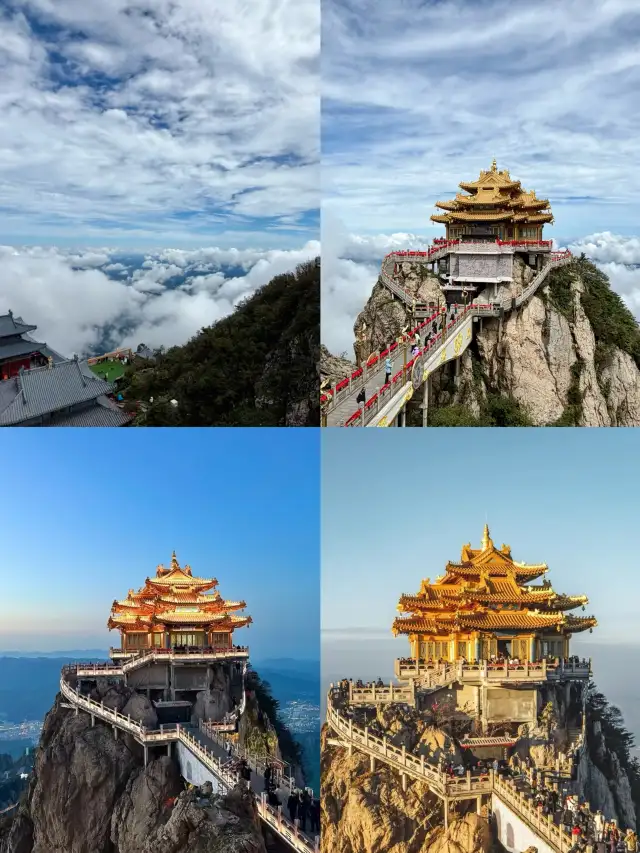 I have been to Laojun Mountain four times, and my advice is…Laojun Mountain is located in Luanchuan County, Luoyang, Henan Province. It is the main peak of the 800-li Funiu Mountain range, an extension of the Qinling Mountains, with an elevation of approximately 2,217 meters. Named after Laozi, the founder of Taoism, who is said to have retired here to practice, its core attractions include the Golden Summit Taoist temple complex, sea of clouds, sunrise, and rime ice. Best time to visit · April–May, September–October: Most comfortable, avoiding extreme heat and cold, with a high probability of seeing the sea of clouds. · July–August: A great summer retreat with temperatures around 21°C at the summit, though thunderstorms are frequent. · November–March: Stunning snowscapes and rime ice, but extremely cold, and some sections may be icy. · Holidays: Extremely crowded. Cable car queues can exceed 2 hours, so traveling off-peak is strongly recommended. Transportation · Driving: Navigate to "Laojun Mountain Scenic Area." It takes about 3.5 hours from Zhengzhou and about 2 hours from Luoyang. Parking is limited during holidays. · High-speed train + bus: Luoyang Longmen Station > Luoyang Longmen Bus Station > Bus to Luanchuan (about 2 hours) > Taxi to the scenic area. · Group tour/chartered car: A one-day tour from Luoyang costs about 200–300 yuan. It is convenient but has a fixed schedule. Tickets and cable cars · Admission ticket: About 100 yuan, valid for 48 hours. Half-price or free admission for students and seniors over 60. · Level 1 cable car (Zhongling/Yunjing): About 130 yuan round trip, about 70 yuan one way. Strongly recommended, otherwise it is a 4–5 hour climb. · Level 2 cable car (Fenglin): About 80 yuan round trip. Optional; if you hike from the top of the Level 1 cable car to the Golden Summit, it takes about 1.5–2 hours. · Elevator: There is a direct elevator near the Golden Summit for about 40 yuan. It saves effort but you may miss some scenery. Recommended classic routes One-day trip (least effort) Visitor Center > Level 1 cable car > Zhongtian Gate > Level 2 cable car > Ten-Mile Gallery > Nantian Gate > Golden Summit Taoist temple complex > Return via the same route. The whole trip takes about 5–6 hours. Two-day trip (for sunrise and sunset) · Day 1: Arrive in the afternoon, visit the Ten-Mile Gallery, stay at the summit or near Zhongtian Gate, and watch the sunset. · Day 2: Wake up early for the sunrise, visit the Golden Summit, and head down the mountain. Accommodation at the summit costs about 200–800 yuan and must be booked in advance. Must-see attractions · Golden Summit Taoist temple complex: The landmark of Laojun Mountain, including the Laojun Temple, Yuhuang Summit, and Liangbao Terrace, all magnificent and golden. · Ten-Mile Gallery: A landscape of forest peaks and cliffside boardwalks, with a new view at every step. · Sea of clouds: Most likely to appear after rain or in the early morning. It is recommended to check the weather in advance. · Sunrise and sunset: The Golden Summit and Liangbao Terrace are the best viewing spots. Accommodation advice · Summit: Most convenient for sunrise and sunset, but expensive with basic facilities. Must be booked in advance. · Zhongtian Gate: Good value for money and close to the cable car, but you need to wake up early to hike for the sunrise. · Luanchuan County: Cheaper and more comfortable, but requires an early start to reach the mountain. Practical tips · Gear: Comfortable sports shoes, windbreaker (large temperature difference at the summit), raincoat, power bank, and a small amount of cash. · Food: Dining on the mountain is expensive with limited options. It is recommended to bring chocolate, bread, and hot water. · Avoid pitfalls: Arrive at the scenic area before 7:00 AM during holidays to avoid long queues; do not trust touts offering "free entry." · Safety: Stick to the official routes and do not climb over railings. Stay away from metal railings and the summit during thunderstorms.William Mitchell Henry-10

 Luoyang is great but I won’t come again because it’s really…Luoyang is great, but I won’t go back😭 Just got back! Honest tips to avoid pitfalls Not exaggerating! Luoyang is the most historically rich city I’ve visited Half is the divine capital of the flourishing Tang dynasty, half is everyday life The shock of Longmen Grottoes, the lights of Luoyi Ancient City, the night view of Yingtian Gate, the Zen vibe of White Horse Temple… Every stop is filled with a thousand years of history. Wearing Hanfu instantly feels like stepping back into the Tang dynasty Scenery, heritage, and atmosphere all score 100% But honestly: once is enough, I won’t come a second time! Not because it’s not beautiful! It’s just too exhausting, too competitive, too many tricks, too hard to book, and too many pitfalls Just got back from Luoyang and compiled all the real pitfalls tourists won’t tell you about Ladies planning to go to Luoyang! Copy this entire guide to avoid 99% of the traps!! 🌡️First warning: Luoyang in summer can really “bake you to exhaustion” Don’t be fooled by the beautiful ancient-style photos! Don’t blindly rush to Luoyang from June to August! Daytime temperatures hit 38℃+ with blazing sun and no breeze The grottoes and ancient city are all outdoors, requiring nonstop walking The stone pavement absorbs heat badly, making you sweat buckets after a few steps, clothes sticking to your skin The worst part: the triple hit of heat, sun, and huge crowds Makeup melts fast, sweat pours, walking is exhausting Special forces would be wiped out after a day, with heatstroke and mental breakdowns Plus, the day-night temperature difference is small, and nights stay hot with no cool breeze Trying to stroll leisurely at night means sweating and sticking to everything If you’re sensitive to heat, get tired easily, or have average stamina, summer is really not recommended! 🎫Most frustrating: Luoyang’s booking competition is absurd and hopeless The hardest part about Luoyang isn’t sightseeing, it’s that you can’t get tickets!! ✅Luoyang Museum (free) Tickets released at midnight 7 days in advance! Sold out instantly! Purely first-come, first-served! Even timing your grab perfectly won’t guarantee a ticket. Last-minute trips are 100% doomed Many people travel thousands of miles only to be denied entry, losing their minds ✅Longmen Grottoes, Yingtian Gate, Ming Tang and Tian Tang All require timed bookings during peak season Miss your time slot or don’t book early, even money can’t get you in No on-site ticket sales allowed, so you’ll waste a trip Many guides just say “book in advance” No one tells you: all core Luoyang attractions are ticket-grabbing battles in peak season Last-minute trips without prep = a wasted trip to Luoyang 📍Major attractions | real experiences + painful pitfalls (super detailed) 1. Longmen Grottoes | worth visiting once in a lifetime but really exhausting A genuine world cultural heritage site. The Vairocana Buddha is so stunning it leaves you speechless Seeing the grandeur of Tang dynasty stone carvings in person is beyond any photo’s ability to capture! A must-visit once in your life, absolutely worth it ❌But there are many pitfalls! 90% of beginners get caught 1. Never navigate to the main Longmen Grottoes gate!! Biggest rookie mistake! Direct navigation goes to Longmen Grottoes Northwest Service Area Entering from the northeast gate adds 3 extra kilometers and you have to pay for a shuttle 2. Remember this visiting time: enter after 4 PM The midday sun is blinding and ruins photos with harsh exposure After 4 PM the light is soft, the sunset gilds the Buddha niches beautifully Watch the sunset and night lights comfortably with perfect photo conditions 3. Longmen is a one-way route! West Hill → East Hill → Xiangshan Temple → Baiyuan No turning back once you start. Don’t waste time taking photos or you’ll get more tired 4. Prices inside are very high! Water, ice cream, snacks are double the usual price Bring your own water and some snacks 2. Luoyi Ancient City | stunning night views, avoid daytime The popular ancient-style photos online are all lit up at night During the day it’s just ordinary modern replica architecture, plain and lifeless ✅Right way: come between 7–9 PM!! Lanterns light up, ancient streets reflect on water, evening breeze carries the ancient vibe Wearing Hanfu walking the alleys really feels like a divine capital night feast ❌Avoid: Going just to check in during the day = pure disappointment Many cheap Hanfu shops in the area are traps 3. Yingtian Gate + Ming Tang and Tian Tang | just take photos, don’t buy tickets! Honestly: locals don’t go inside! From outside it looks grand and impressive, and the night views are great for photos But inside it’s all newly built replica architecture and artificial exhibits Tickets aren’t cheap and value is very low No need to pay to enter! Just take photos outside, enjoy the night view and light show 4. White Horse Temple | worth visiting but don’t buy random stuff China’s first ancient temple, red walls and black tiles, peaceful Buddhist vibe Southeast Asian style temple complex is unique, clean and photogenic ❌Key pitfall: High-priced incense, blessed charms, and prayer beads at the entrance are all scams! Don’t be fooled by vendors promising “safety” For blessings, use official temple channels. Street stalls are all tricks 5. Cross Street Night Market | don’t treat it as a meal! All tourist traps Looks lively and atmospheric But the main street is full of overpriced influencer shops Taste is average, prices high, portions small, and very repetitive ❌Absolute no-go: no soup flipping!! The biggest trap in Luoyang, recognized everywhere! Locals almost never eat here! Influencer shops serve pre-made dishes with bland soup and hard meatballs Two or three bowls are not worth it, pure tourist scam ✅Want authentic Luoyang food: don’t eat at the night market! Go to residential old streets and local favorite small shops for cheap, authentic, and safe meals 👘Luoyang Hanfu | the biggest trap for getting ripped off (important!) 90% of women rent Hanfu and get styled in Luoyang But 80% get hit with hidden charges! ❌Never choose: 39 or 49 yuan super cheap packages at attraction entrances Trap: low price to attract → extra charges for style, makeup, headpieces, lashes, wigs Final bill doubles with terrible service ❌Avoid: roadside random solicitors and mobile makeup without stores Makeup is sloppy, heavy, cheap headpieces, cookie-cutter influencer faces with no quality ✅Right way to save money: 1. Book stores online a day in advance with transparent prices and no hidden fees 2. Choose all-inclusive fixed price and confirm in advance if makeup, clothing, headpieces, and accessories are included 3. Prefer new stores or residential area shops, half the price of attraction shops and better style 4. Go early in the morning! No lines, detailed and careful makeup 🍜Food truth | what to eat and what to avoid ✅Worth eating (local approved) · Beef soup / lamb soup / tofu soup: the soul of Luoyang breakfast, especially with fried dough twists · Luoyang water banquet: no need for big restaurants! Small local shops in residential areas serve top dishes for about 40 yuan per person, uniquely sweet and sour · Potstickers, cold stir-fried noodles, baked bread: any old street shop is fine, cheap and authentic ❌Absolutely avoid · Cross Street influencer no soup flipping, influencer desserts, influencer cultural snacks · Taxi driver and street vendor recommended restaurants (all have kickbacks, overpriced and bad) · Attraction souvenir shops! Peony cakes and old yogurt are overpriced and low value 🏨Accommodation pitfalls | don’t book randomly! Huge differences ❌Never stay: Peony Square or old town street-facing homestays Peak season prices double, many old renovated apartments Poor soundproofing, damp, average cleanliness, very noisy at night from the night market, can’t sleep well ✅Best areas to stay 1. Xigong District (city center) Convenient transport, close to subway, new hotels, clean and comfortable, easy travel 2. Jianxi District Local residential area, lots of food, good value, quiet and livable 💡Key point: Peony Festival and summer peak season see crazy price hikes Book early! Choose free cancellation for flexibility and no loss 🚗Transportation big pitfalls! Painful summary 1. Luoyang attractions are very spread out Longmen, White Horse Temple, Yingtian Gate, Luoyi Ancient City are far apart Don’t cram too many in one day or you’ll be exhausted from rushing and walking nonstop 2. Don’t take taxis in the old town at night! Yingtian Gate and Luoyi Ancient City areas have terrible traffic jams Overpriced, detours, and refusals are common At night, prioritize subway and shared electric scooters 3. Black market cars at the high-speed rail station and attraction entrances, and cheap day tours are all traps Low prices lure you in, then force shopping and extra fees. Don’t trust them ✍️Final heartfelt thoughts Luoyang is truly beautiful, rich in heritage, and gentle It’s a thousand-year divine capital that captivates at first sight Evening breeze brushes ancient streets, lights reflect on city towers, Buddha niches hide millennia Wearing Hanfu there, you really understand the grandeur of the Tang dynasty It’s worth everyone visiting once to feel the majestic romance of the ancient Chinese capital But Booking is too hard, summer is too brutal, too many tricks, too tiring and rushed Once is enough for a complete experience Very beautiful, but really won’t come a second time😭Joseph#Reed5130

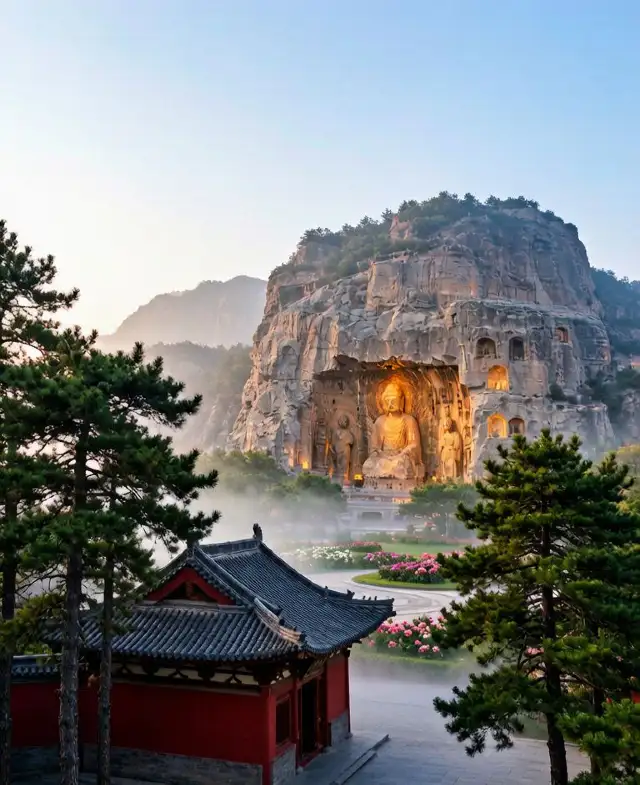 48 Hours in Luoyang, I Planned the Itinerary by the MinuteWant to visit Luoyang on the weekend but worried about time? This tested 48-hour itinerary calculates every minute for you. The entire trip uses public transportation and walking, with an average daily cost of no more than 300 RMB. 📅 DAY 1 Saturday 08. 00-08:30 Exit Luoyang Longmen Station, take Bus 71 to Longmen Grottoes (2 RMB, about 40 minutes) 09. 00-12:00 West Hill Grottoes at Longmen Grottoes. Key point: enter right at 9 AM when it opens, walk in reverse order—first go to the innermost Fengxian Temple to see the Vairocana Buddha, then walk back. Because after 10 AM, tour groups start crowding from the entrance. The Vairocana Buddha’s face is lit by the morning sun from the front, showing the softest expression. After West Hill, cross the bridge to East Hill to take panoramic photos of West Hill with morning light. 12. 00-13:00 Grab a casual meal at Longmen Ancient Street (recommend Lao Luoyang Noodle House’s Jiangmian noodles, 8 RMB), avoid eating right at the scenic area entrance. 13. 30 Take Bus 53 to Luoyang Old City (about 50 minutes) 14. 30-16:30 Luoyi Ancient City. Free admission but reservation required. Not a historic site (built in 2019), but great for photos. Wearing Hanfu here is perfect; Hanfu rental at the entrance is 50 RMB/day including makeup and hair styling. Afternoon light filters through the eaves of the ancient-style buildings, making every shot look like a drama scene. 17:00-18:30 Lijing Gate → Cross Street. Lijing Gate is a landmark of Luoyang Old City; ticket to climb the gate is 35 RMB (can skip, photos from below the gate are enough). Passing through Lijing Gate leads to Cross Street, where stalls start setting up in the evening—don’t miss the fried soup and peony silver thread pastry. Recommend Guanji Water Banquet’s sliced meat in soup (28 RMB), the broth is sour and spicy, very appetizing. 19:00-21:00 Yingtian Gate Light Show. No ticket needed to enter the scenic area; you can see the full light show from Yingtian Gate Square. Shows at 20:00 and 21:00, each lasting 15 minutes. After watching, walk back to the hotel along Zhongzhou Road. Accommodation recommendation: Budget hotels near Zhongzhou East Road in the Old City (150-200 RMB/night), convenient for everywhere. 📅 DAY 2 Sunday 07:00-08:30 Nanguan Small Bowl Beef Soup (Main Store). Locals say a bowl of soup early in the morning is priceless. This place opens at 4:30 AM, and by 7 AM there’s already a line of over twenty people. Soup comes in two sizes: 15 RMB and 25 RMB, difference is the amount of meat. Eat with thin fried dough sticks (1 RMB) soaked in the soup. Free refills of soup. 09:00-11:30 White Horse Temple. China’s first government-run temple, but the most interesting part is the International Buddha Hall area—golden roof of the Myanmar Buddha Hall, white stupa of the Thailand Buddha Hall, sandstone dome of the India Buddha Hall, like traveling through three countries in half an hour. Ticket 35 RMB, recommended to hire a guide (50 RMB/session) to understand the details. 12:00 Return to Old City, for the last meal try Huimian or Hutumian noodles. I ate at a place on Minzhu Street called Lao Luoyang Huimian Restaurant (12 RMB/bowl), the broth is made from lamb bones simmered for 6 hours. 14:00 Return from Luoyang Longmen Station. 💰 Total cost: Longmen Grottoes 90 RMB + White Horse Temple 35 RMB + Accommodation 150 RMB + Food about 120 RMB + Transportation about 20 RMB = 415 RMB ⚠️ Tips: Luoyang Museum is closed on Mondays; Longmen Grottoes night tours are only open from April to October each year.LibelluleSonge11120

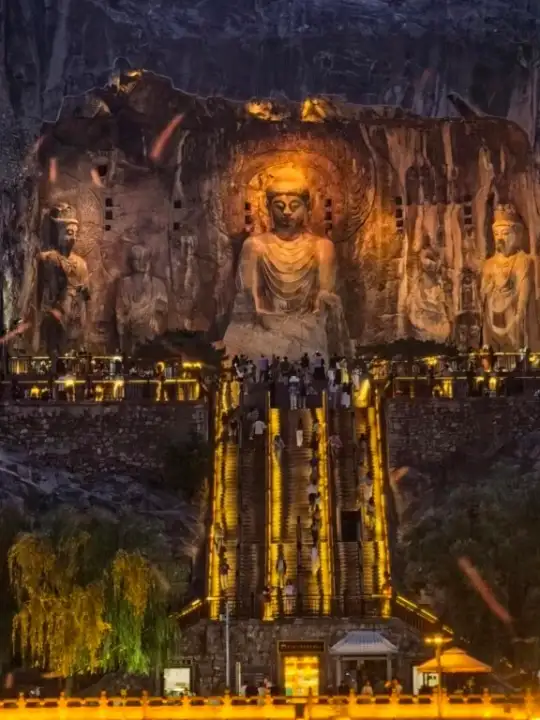 Longmen Grottoes: A Guide to China's Stone MarvelIf you are planning a trip to Luoyang, the Longmen Grottoes (龙门石窟) are an absolute must-see. This is China's greatest ensemble of Buddhist rock carving, often referred to as the "pinnacle of Chinese stone art." In 2000, UNESCO added it to the World Heritage List, noting that it "represents the highest achievement of Chinese stone carving." Located 12 km south of Luoyang, the grottoes are carved into the limestone cliffs along the Yi River. Their creation began in 493 AD during the Northern Wei Dynasty and continued for over 1,400 years. Today, there are 2,345 caves and niches housing more than 110,000 statues of Buddha and other sculptures. 🏛️ Must-See Attractions 1. Fengxian Temple and the Vairocana Buddha Statue This is the heart of Longmen. The 17-meter Vairocana Buddha, carved during the reign of Empress Wu Zetian, strikes you with its soft, mysterious smile, often dubbed the "Mona Lisa of the East." The statue's face is 4 meters high, and its ears are nearly 2 meters long. Standing before it, you feel like a mere grain of sand in the face of eternity. 2. Cave of Ten Thousand Buddhas Inside, there are over 15,000 miniature Buddha statues covering the walls. They create the effect of an endless sacred space. 3. Binyang Three Caves Here, the evolution of style is clearly visible. In the central cave (Northern Wei), the figures are slender, featuring an "aristocratic thinness," while in the Tang Dynasty caves, they are fuller and brimming with vitality. 4. Guyang Cave The earliest of the major caves in Longmen. It houses the famous "Twenty Longmen Calligraphy Steles"—masterpieces of Chinese calligraphy. 5. Xiangshan Temple and Bai Juyi's Garden Located on the east bank of the river. The temple offers an excellent panoramic view of the western grottoes, while the garden—the burial site of the great poet Bai Juyi—is the perfect spot for a quiet retreat. 🚶 Itinerary and Travel Hacks Optimal route (3–4 hours): Entrance through the Northwest Service Center → West Bank (main grottoes) → bridge across the river → East Bank (panorama, Xiangshan Temple, Bai Juyi's Garden) → exit. Golden rule: the route is one-way—once you cross over to the East Bank, you cannot return to the West Bank. Best photo spots: · Opposite the Vairocana statue—shoot from the bottom up to capture its majesty. · On the East Bank of the river—the perfect shot of the entire western cliff with its reflection in the water. · On the bridge at sunset—rock silhouettes bathed in golden light. 🎟️ Practical Information · Tickets: 90 RMB (adult), includes all zones. Must be purchased strictly in advance via the official WeChat account "龙门石窟" using your passport. · Operating hours: · Daytime: Summer 8:00 AM–7:00 PM, Winter 8:00 AM–6:00 PM. · Evening sessions (from March 30, 2026): Western grottoes and Xiangshan Temple open until 9:00 PM. · How to get there: · From Luoyang Longmen Railway Station (high-speed rail)—10 minutes by taxi. · City buses No. 53, 60, 81. · What to bring: comfortable shoes (lots of stairs), water (prices inside are inflated), a portable phone charger. ⚠️ Important Warnings 1. Avoid unofficial guides—the official audio guide costs only 15 RMB. 2. Flying drones is strictly prohibited. 3. Do not touch the sculptures—they are national treasures. 🌇 Best Time to Visit Aim to arrive around 3:00 PM–4:00 PM. First, you'll explore the western grottoes in daylight, then catch the sunset by the Vairocana statue. As the lights turn on, you'll witness Longmen in its most mystical, evening form. This isn't just a tour; it's a date with history that has lasted for one and a half millennia.Galina_27_Khv3

 3-day Luoyang trip | Explore the Divine Capital with a local's mapLuoyang travel guide: 3-day Luoyang itinerary, curated by locals after late-night efforts. This is all you need for your trip to Luoyang! 🌺 Overall route: Day 1 Old Town cultural route | Yingtianmen Gate → Mingtang & Tiantang → Lijing Gate → Luoyi Ancient City, Day 2 Grottoes & ancient temples route | Longmen Grottoes → Guanlin Temple → White Horse Temple, Day 3 Museum & garden route | Luoyang Ancient Tombs Museum → Wangcheng Park → Jiuzhou Pool The 3-day pace is well-balanced, covering historical sites, night views, and leisurely city strolls without backtracking. Day 1: Exploring the Old Town, immersing yourself in the ancient capital's nightscape 🌃 Head straight to Yingtianmen Gate in the morning. This majestic gate is a Luoyang landmark; standing in the square, you can feel the grandeur of the Sui and Tang dynasties. Then, walk to Mingtang and Tiantang to explore the interior of the former imperial palace—the ancient architecture is magnificent and awe-inspiring. In the afternoon, bike to Lijing Gate, climb the tower to overlook the old town streets, and browse the unique shops along the way. By evening, head to Luoyi Ancient City. As night falls and the red lanterns light up, the atmosphere of the ancient streets is incredible, making it perfect for night photography. Shizi Street is nearby, so you can grab a bite to eat on the way. Day 2: Stone carvings and ancient temples, touching a thousand years of history 📜 Head to the Longmen Grottoes early in the morning. The statues on the cliffs along the Yi River have weathered the ages, and their impact is breathtaking—be sure to leave enough time to view them carefully. After the tour, take a taxi to Guanlin Temple, where ancient cypresses stand tall and the history runs deep. In the afternoon, head to White Horse Temple. This thousand-year-old temple is quiet and peaceful, and the area with exotic-style Buddhist halls is very unique. You can catch the sunset after you finish exploring, avoiding the midday heat. Day 3: Museums and gardens, understanding the stories of Luoyang 🍃 In the morning, visit the Luoyang Ancient Tombs Museum. With its rich collection of artifacts, it's a window into understanding Heluo civilization—remember to book in advance. Afterward, bike to Wangcheng Park for some relaxation in the city garden, where ancient architecture and greenery complement each other. In the afternoon, stroll through Jiuzhou Pool, the site of a former imperial garden. With its water features and pavilions, it's quiet and uncrowded, perfect for a leisurely walk. 📝 Travel tips The attractions in the Old Town area are not far apart. For short trips, biking is preferred—it avoids traffic jams and makes it easy to stop for photos at any time. It is recommended to book the grottoes and museums online in advance; be sure to plan early during holidays. The temperature difference between day and night is significant, so remember to bring a light jacket when exploring the ancient city in the evening. For those who want to hike and see natural scenery, you can set aside a separate day to visit Laojun Mountain or Baiyun Mountain. They are quite far away and not suitable for squeezing into a city itinerary.ScienceGeekExtra


Other visitors' reviews of Longmen Grottoes
Show More Reviewsฉันเดินทางโดยรถเมล์เบอร์ 53 จากในเมืองลั่วหยาง สะดวกสบายและประหยัดมาก มีนักท่องเที่ยวหลายคนนั่งมาด้วยกัน ด้านในจะเริ่มจากถ้ำแกะสลักพระขนาดเล็กๆจำนวนมากก่อน แต่ละถ้ำมีเอกลักษณ์แตกต่างกันไป เดินไปเรื่อยไปจะพบกับพระขนาดใหญ่ที่เป็นแลนด์มาร์กของที่นี่ น่าทึ่งมาก เดินข้ามสะพานมาฝั่งตรงข้ามยังมีถ้ำแกะสลักอีก (东山石窟) ซึ่งส่วนนี้นักท่องเที่ยวส่วนใหญ่จะไม่ได้เข้ามาชม อาจเป็นเพราะมีพระจำนวนไม่มากนัก แต่ถ้าใครมีเวลาก็น่าแวะชมเหมือนกัน