Anhui Museum (New Building)
安徽博物院(新馆) No. 3 of Family-friendly Attractions in Anhui
Open Opening hours of Anhui Museum (New Building)
Anhui Museum (New Building) Highlights: Must-See Features and Attractions
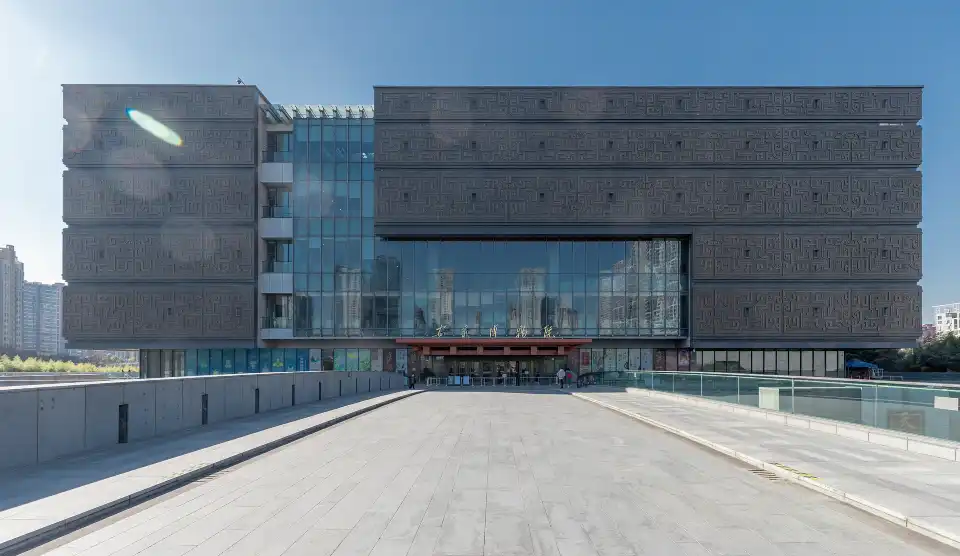
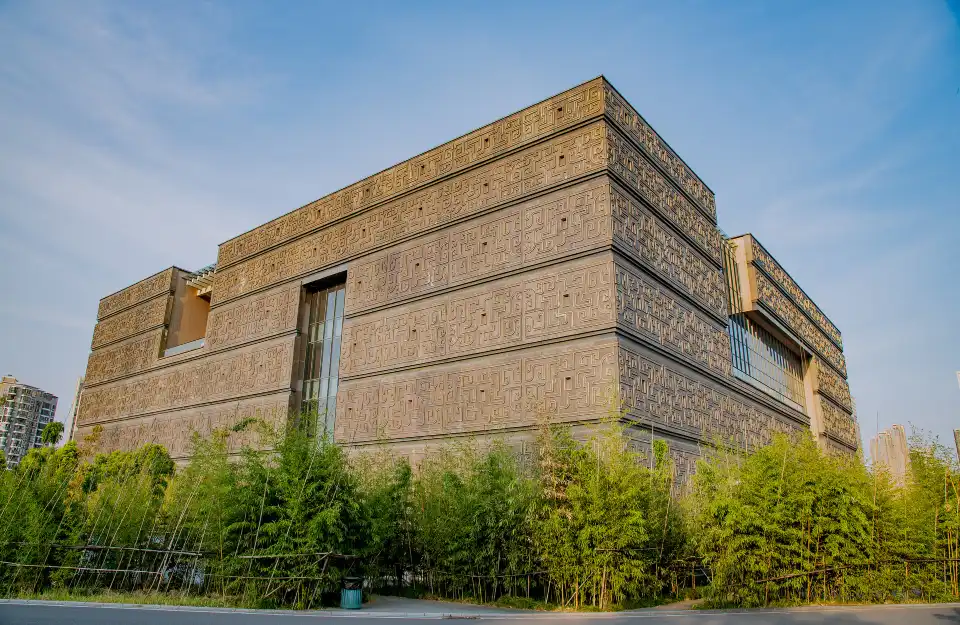
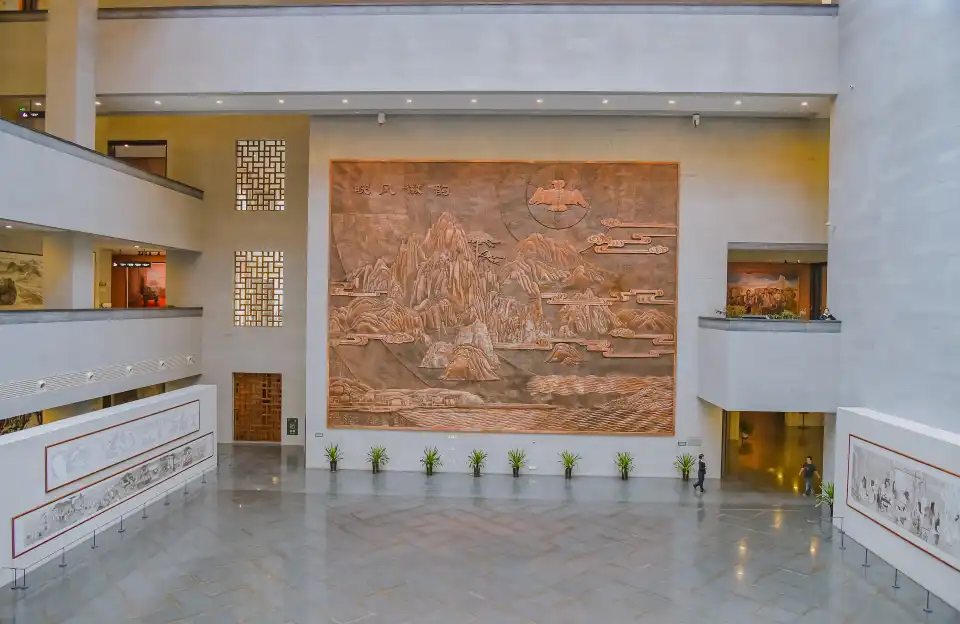
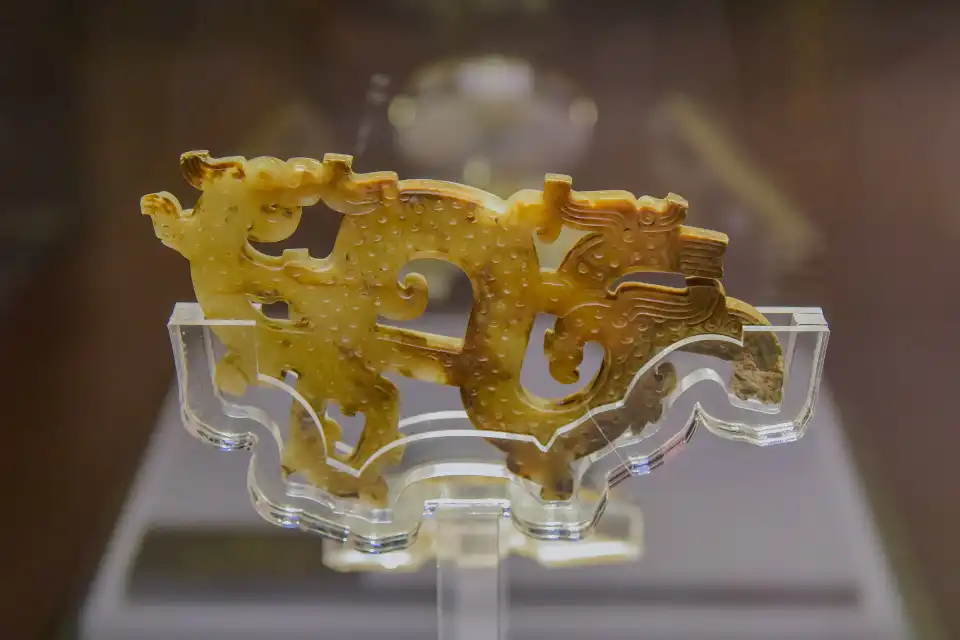
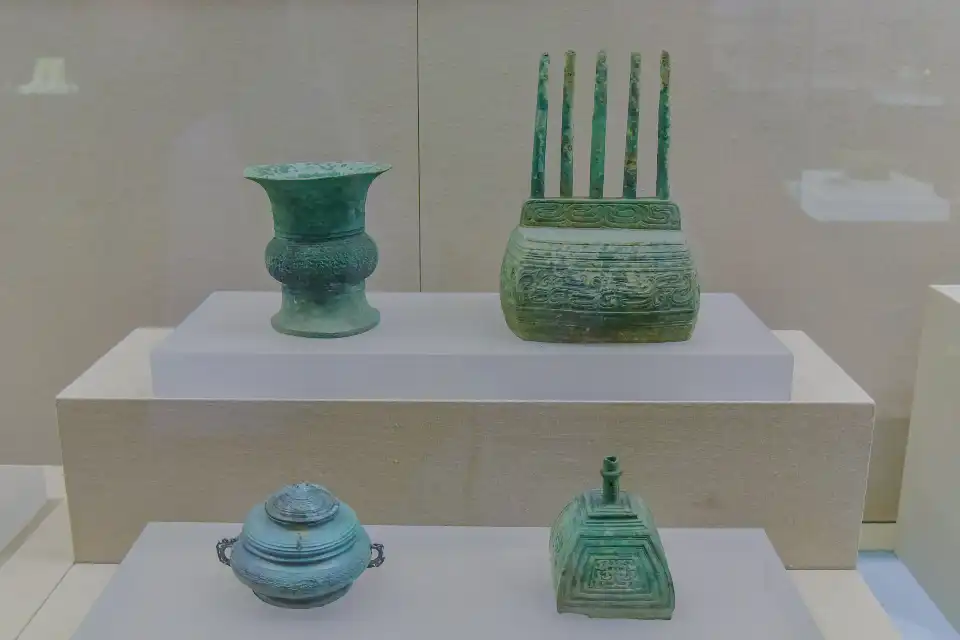
On January 16, 2007, the Anhui Museum (New Building) held its groundbreaking ceremony. Spanning 41,000 square meters with 10,000 square meters of exhibition space, the architecture showcases the distinctive Huizhou style featuring interconnected courtyards and water features. It officially opened on September 29, 2011, presenting one permanent exhibition—Anhui Civilization History—alongside three special displays: Huizhou Ancient Architecture, Anhui's Four Treasures of the Study, and Jianghuai Gems. The Huizhou Ancient Architecture exhibit displays exquisite structural components and remarkably includes an entire reconstructed traditional Huizhou residence preserved in its original form. Anhui's Four Treasures of the Study highlights regional specialties: Xuan paper, Hui ink, Xuan brushes, and She inkstones. Jianghuai Gems dazzles visitors with its golden, intricately carved artifacts—appealing even to those unfamiliar with their historical significance. Among its treasures are two museum masterpieces: a Southern Song dynasty agate bowl with gold trim and a Yuan dynasty "Zhang Cheng" carved lacquer box with cloud patterns, both exceptionally ornate. The northeast section of the new building...Anhui Museum (New Building)You can visit it together with the new museum. The high-tech multimedia interactive exhibits with visitors and the displayed rock specimens and paleontological fossils are truly awe-inspiring.
Other visitors' reviews of Anhui Museum (New Building)
Show More ReviewsThe new Anhui Provincial Museum features a Hui-style "four waters returning to the hall" design, exuding grandeur and tranquility. Admission is free, but remember to make a reservation in advance. The exhibition halls unfold along a historical timeline, from the Lingjiatan Jade Pig and the Zhuke Ding (a large bronze vessel), to the Wu King Guangjian (a bronze mirror) and Hui-style brick carvings, each artifact connecting five thousand years of civilization in the Jianghuai region. The Chu Ding (a large bronze vessel) is particularly impressive. The guide, Liu Ruya, provides a patient and humorous explanation, enhancing the visit.