Ticket information
Shaolin Temple
嵩山少林景区 based on 758 reviews
 No. 1 of Best Things to Do in Songshan Scenic Area
Open Opening hours of Shaolin Temple
Shaolin Temple Highlights: Must-See Features and Attractions
It is said that "all martial arts originate fromShaolinNot only Chinese people who grew up deeply influenced by Shaolin kung fu, but also many international friends visiting Henan will go to see Shaolin temple. It is not only a sacred place for martial arts worldwide, but also the ancestral temple of Zen Buddhism. Striking some classic martial arts poses for photos at Shaolin temple makes the swords and shadows of the martial world seem to flash before your eyes.
AboutShaolin TempleTwo keywords
1. The founder of Zen Buddhism
The Shaolin Temple is a sacred Buddhist site in China and the ancestral temple of Chan Buddhism. In 527 AD, the renowned Indian monk Bodhidharma (known as the founder of Zen) traveled by sea to southern China, crossed the Yangtze River northward into the Central Plains, and arrived at Shaolin. He meditated and taught dharma in the mountains behind the Shaolin Temple, first advocating the Chan teaching of "mind-to-mind transmission," thereby establishing the temple's revered status as the ancestral home of Chan Buddhism.
Nowadays, many visitors come to Shaolin Temple to pray for blessings and peace.
The origin of martial arts
After the "Thirteen monks with staffs rescued Li Shimin" incident in the early Tang Dynasty, Shaolin Temple became renowned worldwide for its exquisite "Shaolin Kung Fu," and since thenShaolinMonks practicing martial arts has become a common tradition passed down through generations. The Shaolin Temple is the birthplace of Shaolin kung fu, andShaolinThe pai school is a martial arts sect with a wide influence, long history, and numerous boxing styles in the wulin (martial arts world). Since ancient times, it has been regarded as "the foremost martial arts sect in the world" and the supreme authority of martial arts by Chinese people.
The Shaolin Temple scenic area - pagoda forest is the burial ground of Shaolin Temple's successive abbots, serene and solemn. You might even catch glimpses of the movie "Shaolin Temple" here.
Travel tips
- What to do? How long to stay?
- Recommended self-guided tour activities:
Half-day tour:Shaolin Temple- Pagoda forest - Chuzu nunnery - Damo cave - Songshan Shaolin scenic area -Songshan Shaolin scenic area - Shaolin temple martial arts hallPerformance
The Shaolin Temple complex mainly consists of three parts: the Changzhu Yuan Pagoda Forest, the Chuzu Nunnery, and the Songshan Shaolin attraction - Damo Cave. Most visitors traveling to Shaolin Temple from Luoyang or Zhengzhou choose this route.
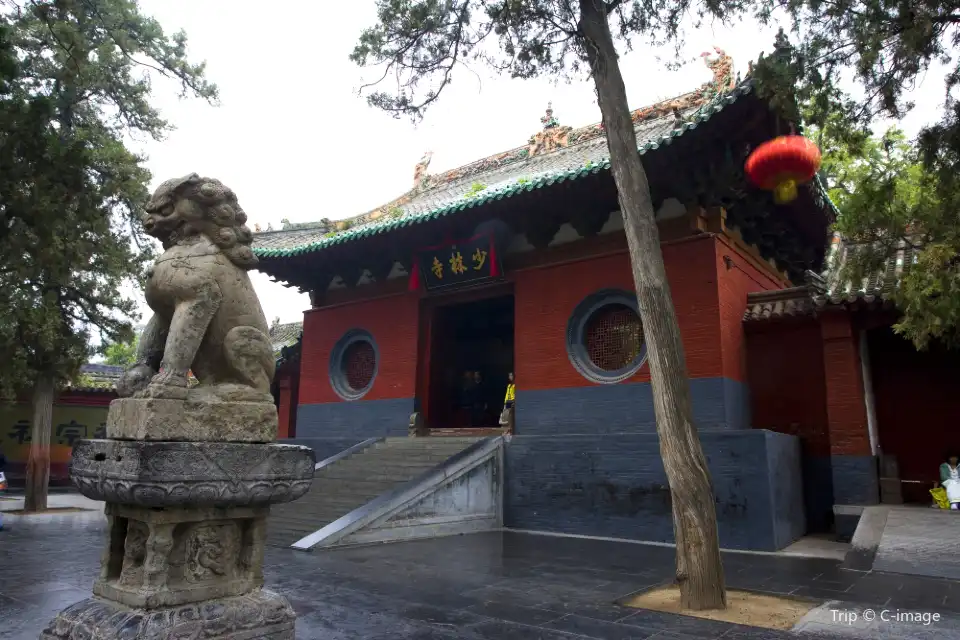
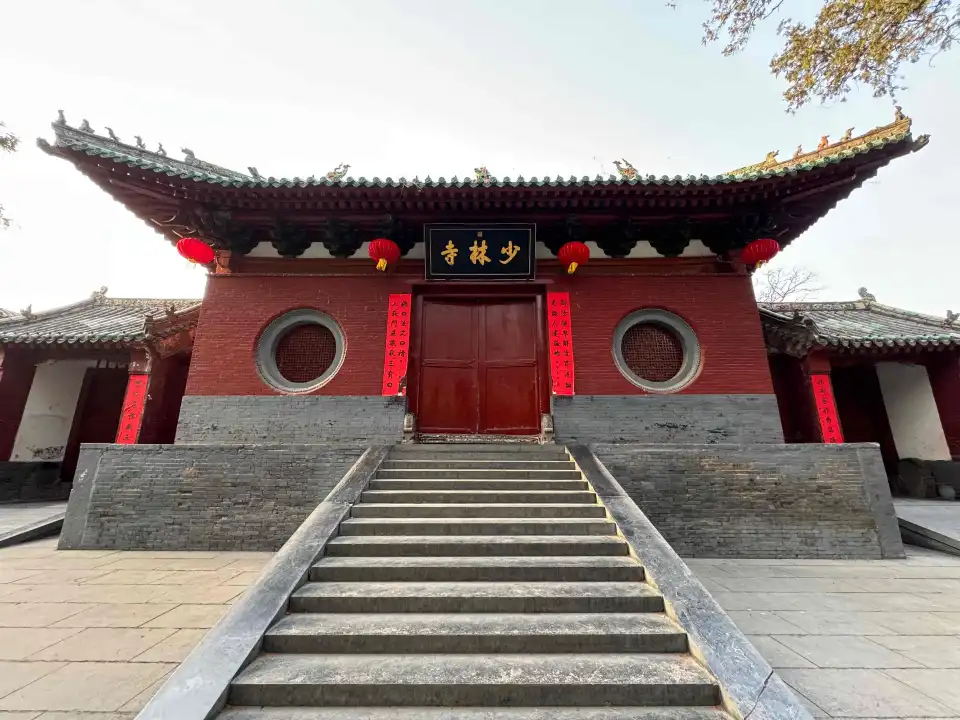
The layout of Shaolin Temple is typical of Han Chinese Buddhist temples, featuring central axis symmetry. After entering the mountain gate, you can walk straight ahead. The temple is not large, and the visit can be completed within an hour.
The Shaolin Temple scenic area - pagoda forest is located approx. 400 m west of Shaolin Temple, serving as the burial ground for the temple's eminent monks throughout history. As the Buddhist saying goes: "Saving one life is better than building a seven-story pagoda." Here, you can learn about the life stories of Shaolin Temple's eminent monks across different dynasties.
The Chuzu Temple and Songshan Shaolin attraction - Damo Cave are also near the Shaolin Temple, accessible by walking. The Chuzu Temple was built by people of the Song Dynasty to commemorate Bodhidharma's wall-gazing meditation, while the Songshan Shaolin attraction - Damo Cave is the very place where Patriarch Bodhidharma meditated facing a wall for nine years.
1-day tour:Shaolin Temple-Tallinn-Sanhuangzhai
In the morning, follow the half-day tour itinerary to visit Shaolin Temple first, then proceed to the Shaolin Temple attraction - Pagoda Forest. The location is approx. 5 min walking distance from the Shaolin Temple attraction - Pagoda Forest.Shaolin cablewayAfter taking the cable car to Sanhuangzhai station, it takes about 30 minutes to reach the destination on foot.Sanhuangzhai scenic areaPortal.
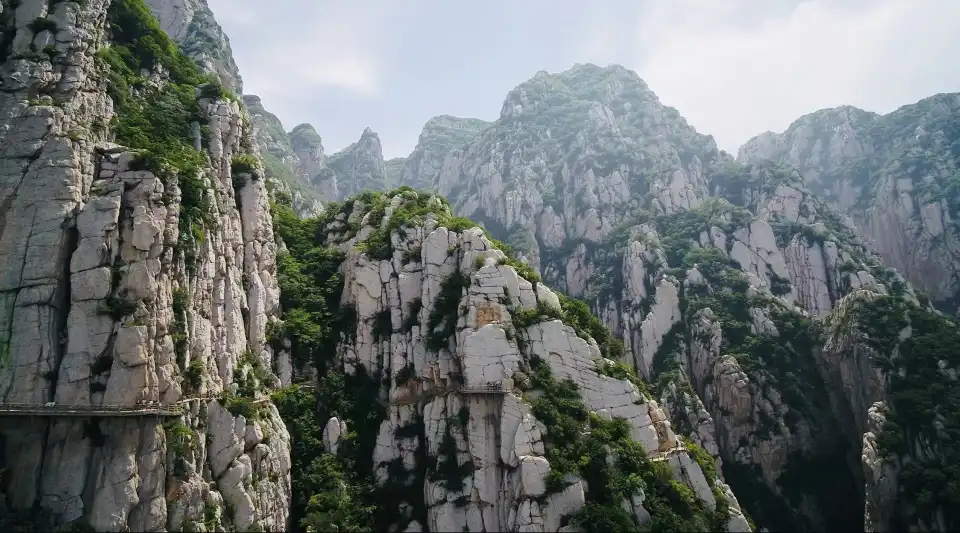
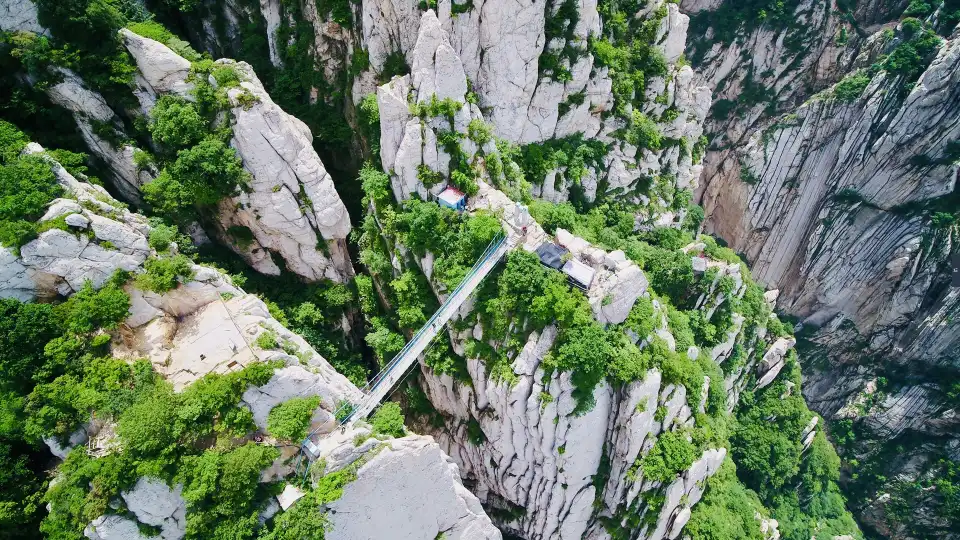
ActivitiesSanhuangzhai scenic areaIt takes at least 3-4 hours to explore the attraction, which features many unique geological views. The Sanhuangzhai cliffside plank walk is a must-see. Walking along the cliffside path with towering cliffs on one side and a sheer drop on the other is both a physical and mental challenge.
2-day tour:Shaolin Temple- Songyang scenic area - Zhongyue scenic area
Shaolin Temple andSongyang academy, Mount SongLocated in Dengfeng, visitors with ample time can purchase a combo ticket for all three sites and explore them over two days. On the first day, visitShaolin scenic areaIn the evening, watch the live performance of "Zen Shaolin Music Ceremony", and the next day, head to Songyang, which is far from downtown Dengfeng.Zhongyue scenic area.
- Where can I see authentic Shaolin kung fu?
Nowadays, it is difficult for ordinary visitors to witness the martial arts training of Shaolin monks at Shaolin temple. However, visitors can use the Shaolin temple combo ticket to watch the Shaolin kung fu performance at the Shaolin martial arts hall in Songshan Shaolin scenic area, approx. 700 m east of Shaolin temple.
Performance time: The performance time at Songshan Shaolin scenic area - Shaolin temple martial arts hall is subject to the on-site announcement. Each performance lasts 30 minutes. The cost is included in the admission ticket.
- Where is a good place to stay?There are some farmhouse inns and guesthouses around Shaolin Temple, but the conditions are average. If you're not in a hurry, it's not recommended to stay here. If you need to stay overnight, Dengfeng city center is a good choice, as it offers convenient access to the three major attractions of Songshan Mountain.
- Shaolin TempleIs vegetarian food available?Since you're visiting Shaolin Temple, don't miss the vegetarian cuisine. The vegetarian restaurant inside Shaolin Temple is called "Huanxidi" and is worth trying.
Shaolin story
The most stubborn holdout in history:
When it comes to stubborn holdouts, they didn't just appear in modern times. As early as the Tang dynasty, the Shaolin Temple emerged as such a case. Emperor Li Yuan of Tang issued an order for its demolition but failed. When Li Shimin came to power, not only was the Shaolin Temple spared from punishment, but it also received generous rewards. Compared to today's holdouts, the Shaolin Temple can be called the most legendary stubborn holdout in history.
The origin of the matter was an imperial edict issued by Li Yuan, ordering the demolition of all temples within Henan province, including the Shaolin Temple.
After receiving the imperial decree, hundreds of monks at Shaolin Temple refused to comply, standing united and resolute in collective defiance. Li Yuan had no choice, as the Tang dynasty was newly established and could not afford to gain a reputation for cruelty. He tacitly allowed the temple's "retention" but revoked the 4,000 acres of temple land previously granted by the Prince of Qin.
Later, when Li Shimin became emperor, he granted Shaolin Temple an additional 4,000 mu of land, permitted the temple to train monk soldiers, lift the prohibition against killing, and consume alcohol and meat.
Inside the temple, there is a stele titled "Emperor Taizong of Tang's decree to the Shaolin Temple abbot," which records this historical event. You may want to see it when visiting the Shaolin Temple.
Other visitors' reviews of Shaolin Temple
Show More ReviewsUpon entering the Shaolin Temple scenic area, take the shuttle bus to the Pagoda Forest Station. From there, walk for about 5-10 minutes to reach the Shaolin Cableway. After exiting the cableway, walk a short distance to reach Shuce Cliff. After visiting Shuce Cliff, I returned to the cableway via the same route, without walking any further. It's very convenient and doesn't strain your legs.