OverviewReviewsWin PrizesTrip MomentsDetailsNearbyFAQ
Share to
Show all
Langya Mountain Scenic Area
琅琊山景区
6.6
4.7/5
3,735 reviews
 based on 33 reviews
 No. 12 of Cool Water Escapes in Anhui
Open Opening hours of Langya Mountain Scenic Area
Free entry
Recommended sightseeing time: 3–5 hours
Address:
Langya Mountain, Nanqiao, Chuzhou, China
Map
Phone:Ticket inquiry: +86-550-3514769|+86-550-3512999
Langya Mountain Scenic Area Highlights: Must-See Features and Attractions
Some information may have been translated by Google Translate
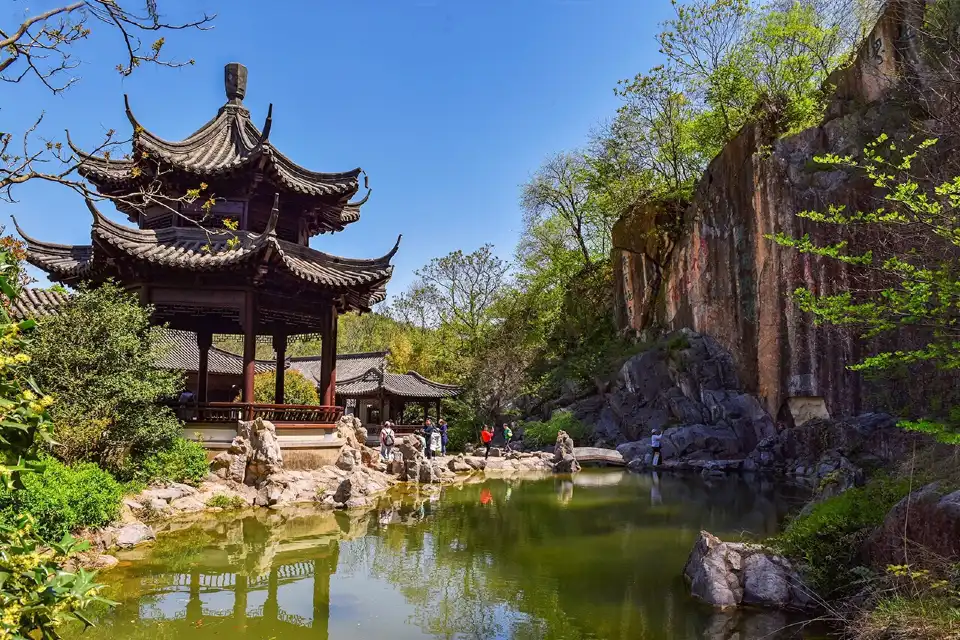
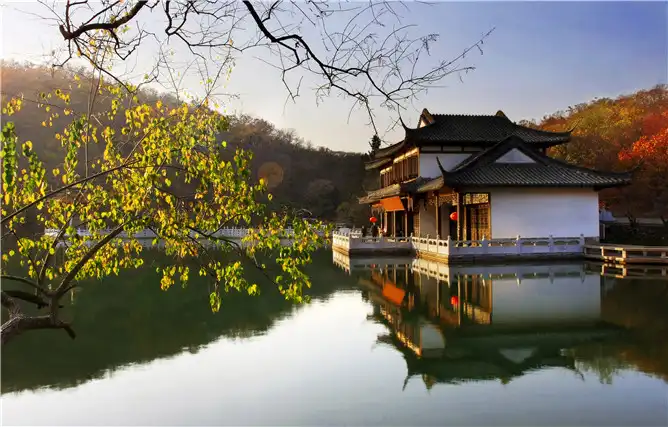
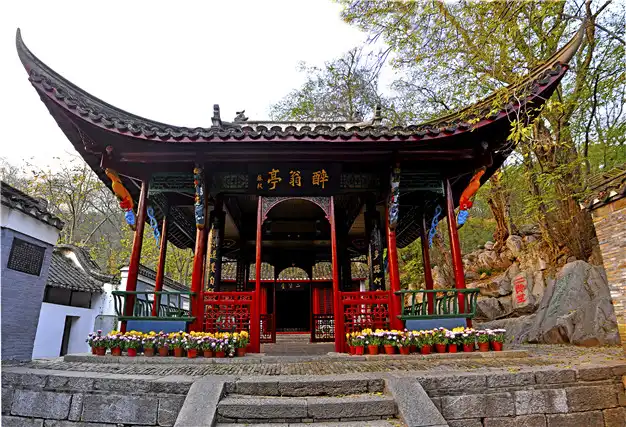
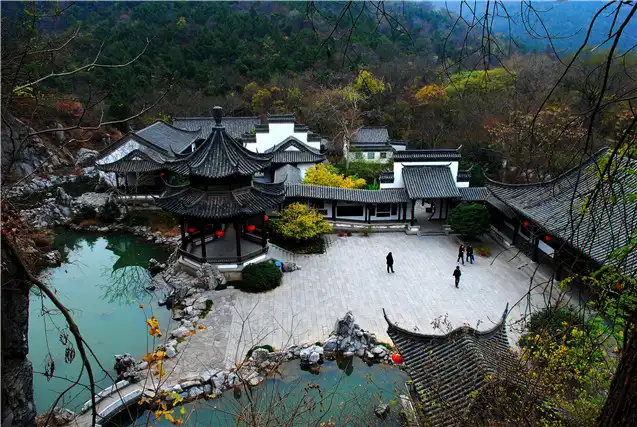
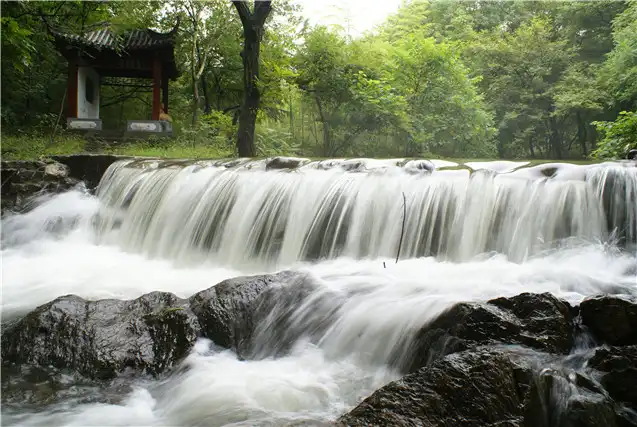
Langya Mountain is named after the title bestowed by Sima Rui, the first emperor of the Eastern Jin Dynasty. It is located in the southwest of Chuzhou City. It integrates the city and the mountain, is rich in historical and cultural resources, and has beautiful natural scenery. It is the location of the "No. 1 Pavilion in the World" Zuiweng Pavilion, one of the first national AAAA-level tourist attractions, a national scenic spot and a national forest park.The Langya Mountain Scenic Area covers an area of 115 square kilometers, including three major areas: Zuiweng Pavilion Area, Puxian Area, and Qingliuguan Area. The Langya Mountain Scenic Area is located in the Zuiweng Pavilion Area, covering an area of 4.98 square kilometers. It is a rich place for historical and cultural resources and ecological landscape resources of Langya Mountain, including five major tourist areas: Zuiweng Pavilion Cultural Theme Area, Tongleyuan Study and Tourism Area, Langya Secret Realm Exploration Area, Nantianmen Sightseeing Area, and Shenxiu Lake Leisure and Sports Area.Langya Mountain is a famous cultural mountain. Since the Tang Dynasty, a large number of historical celebrities such as Li Youqing, Wei Yingwu, Ouyang Xiu, Su Shi, Zeng Gong, Wang Anshi, Xin Qiji, Song Lian, Wang Yangming, Wen Zhengming, etc. have left a large number of handed down works about Langya Mountain. The great writer Ouyang Xiu of the Song Dynasty "The Drunkard" In "The Pavilion", "The Drunkard's intention is not in the wine, but in the mountains and rivers" has become a popular saying throughout the ages, and the Drunkard's Pavilion is also known as "the best pavilion in the world". There are 2 national key cultural relics protection units in the scenic area - Langya Mountain cliff carvings and stele inscriptions (especially the seven cliffs from the Tang Dynasty and the stele "The Drunken Old Pavilion" written by Su Shi are rare treasures) and Wuliang Hall, 4 The province's key cultural relics protection units are the Langya Temple ancient building complex built in the Tang Dynasty, Qingliuguan built in the Five Dynasties, Zuiweng Pavilion ancient building complex built in the Song Dynasty and Fengle Pavilion ancient building complex.Langya Mountain is an ecological pure land, located in a humid monsoon climate zone, with distinct four seasons, pleasant scenery, rich animal and plant resources, and a forest coverage rate of over 85%. Langya Elm and Zuiweng Elm are rare tree species unique to Langya Mountain. The plum tree "Oumei" planted by Ouyang Xiu is one of the four great plum longevity stars in China. Langya Creek, Glass Swamp, Rangquan, Zhuoyingquan and other mountain springs and Guiyun Cave, Xuehong Cave, Chongxi Cave and other caves are the "Nine Caves and Eighteen Springs" scenic spots of Langya Mountain."The drunkard's intention is the mountains and rivers of Langya". The rich natural and cultural landscapes of Langya Mountain make it famous as one of the "eight famous scenic spots" with "famous people, famous pavilions, famous texts, famous monuments, famous springs, famous caves, famous forests, and famous gardens". An ecological pure land and a famous cultural mountain, Langya Mountain welcomes you.
Surrounding area map of Langya Mountain Scenic Area
Langya Mountain Scenic Area FAQ
More recommendations
Popular Types of Attractions in Chuzhou
Historical attractions | Sightseeing tours | Night view | Boat tour | Cable car | Nature and wildlife | Natural scenery | Mountain climbing | Beaches and shores | Cultural institutions | Themed exhibition halls | Museums | Science & technology museums | Exhibitions & events | Performances | Exhibitions | Concerts | Outdoor activities | Mountain climbing | Hiking | Leisure activities | Farms and pastures | Camping and campsites | Spa/massage | Parks | Amusement parks | Film and television bases | Ice and snow parks | Water sports | Rafting
Popular Restaurants in Chuzhou
XIAO CAI YUAN | 海底捞火锅(苏宁广场店) | 海底捞火锅(天长市吾悦广场店) | 海底捞火锅(金鹏99广场店) | JINPENG SHOPKEEPER | McDonald's (chuzhounanqiaolu) | 老八私房菜(紫薇一店) | XIA ZHI DUO | Youxianmeidi (buxingjie) | 必胜客(新百店) | 黄记煌三汁焖锅(滁州苏宁广场店) | 傣妹火锅(全椒奥康步行街店) | Hehuaju | 肯德基(紫薇店) | 谭鸭血老火锅(明光店) | 肯德基(敬梓店) | 肯德基(千秋时代店) | KFC (chuzhoushidai) | KFC (dingyuandarunfa) | 青峰抹茶 | KFC (dingyuandarunfa) | 青峰抹茶 | DQ·蛋糕·冰淇淋(苏宁广场店) | 滁州碧桂园欧洲城凤凰酒店·凤凰轩中餐厅 | GANG HUI XI LAI DENG JIU DIAN CHENG YAN CAN TING | YUAN DING GE JIU DIAN | 南橋料理餐厅(三桥路店) | MA JI NIU ROU LA MIAN | 捉鸭记(定远店) | 滁州金鹏广场酒店·金味轩中餐厅
Popular Destinations
Formosa Travel | Geruari Bhohariyan Travel | Strinski Travel | Lupon Travel | Sins Travel | Apache County Travel | Jamlamau Travel | Ashburton District Travel | Cumberland County Travel | Boothbay Travel | Birchy Bay Travel | Hinotia Mali Travel | Gurhadpani Travel | Zhizn' Travel | Masha Kalan Travel | Benay Travel | Villevenard Travel | Kukhtovka Travel | Florida Township Travel | Stallwang Travel | Chaptuzat Travel | Majh Gaon Travel | Kantovka Travel | Corrego do Ouro Travel | Pipehra Travel | Gringley on the Hill Travel | Male Dole Travel | Sredniy Ikorets Travel
Recommended attractions at popular destinations
Popular Attractions in Bangkok | Popular Attractions in City of Manila | Popular Attractions in Tokyo | Popular Attractions in Taipei | Popular Attractions in Hong Kong | Popular Attractions in Seoul | Popular Attractions in Kuala Lumpur | Popular Attractions in Los Angeles | Popular Attractions in Shanghai | Popular Attractions in New York | Popular Attractions in Shenzhen | Popular Attractions in Osaka | Popular Attractions in Singapore | Popular Attractions in London | Popular Attractions in Guangzhou | Popular Attractions in San Francisco | Popular Attractions in Beijing | Popular Attractions in Macau | Popular Attractions in Bali | Popular Attractions in Jakarta | Popular Attractions in Paris | Popular Attractions in Ho Chi Minh City | Popular Attractions in Istanbul | Popular Attractions in Phuket | Popular Attractions in Chicago | Popular Attractions in Seattle | Popular Attractions in Toronto | Popular Attractions in Orlando | Popular Attractions in Cebu | Popular Attractions in Chiang Mai
Popular Ranked Lists
Top 50 Global Traveller-Picked Restaurants in Kunming | Top 50 Global Traveller-Picked Restaurants in Tongxiang | Top 20 Global Traveller-Picked Hotels in Foshan | Top 50 Global Traveller-Picked Attractions in Zhuhai | Popular Luxury Hotels Near Ngorongoro Conservation Area | Popular Premium Hotels in Hammam Sousse | Popular Premium Hotels in Nagyatadi | Top 10 Local Restaurants in Lushan National Park | Top 50 Global Traveller-Picked Restaurants in Chengdu | Top 50 Global Traveller-Picked Restaurants in Zhongshan | Top 50 Global Traveller-Picked Restaurants in Nanjing | Top 50 Global Traveller-Picked Hotels in Zhangjiajie | Top 10 Global Traveller-Picked Attractions in Jiuzhaigou | Top 50 Global Traveller-Picked Restaurants in Changsha | Top 50 Global Traveller-Picked Restaurants in Yangshuo | Top 10 Global Traveller-Picked Attractions in Zhongshan | Top 50 Global Traveller-Picked Restaurants in Guilin | Top 20 Global Traveller-Picked Hotels in Lijiang | Top 20 Global Traveller-Picked Hotels in Suzhou | Top 20 Global Traveller-Picked Attractions in Yangshuo | Top 50 Global Traveller-Picked Restaurants in Tianjin | Popular Premium Hotels in Bad Hofgastein | Top 50 Global Traveller-Picked Restaurants in Shenyang | Top 50 Global Traveller-Picked Hotels in Xi'an | Top 50 Global Traveller-Picked Restaurants in Zhangjiajie | Top 20 Global Traveller-Picked Hotels in Kunming | Top 50 Global Traveller-Picked Hotels in Hangzhou | Top 10 Global Traveller-Picked Attractions in Haikou | Top 50 Global Traveller-Picked Attractions in Shanghai | Top 50 Global Traveller-Picked Attractions in Tianjin
Popular Trip Moments
Mid-Autumn Festival "reverse tourism": 8 uncrowded, peaceful spots I've personally tested | Tianchang 3-Day 2-Night Itinerary | Avoid the crowds at Langya Mountain! This hidden gem of a museum in Chuzhou is perfect for both photos and history. | Chuzhou's hidden gem! The thousand-year-old Qingliuguan, home to Zhao Kuangyin's legendary ancient battlefield | 6 tested summer retreats: fewer crowds, beautiful scenery, and great value | Low crowds, low costs—this small city is perfect for a 3-day slow trip | Where to travel after retirement? 8 slow-travel destinations that are easy and photogenic | 4 small cities within 1h of Nanjing | Comparable to Suzhou/Hangzhou, rivaling southern Anhui | Four underrated hidden gem cities near Nanjing in September | I spent 3 days zoning out in Chuzhou. The "Drunken Old Man" didn't lie to me; I read that inscription ten times— | Perfect for a budget-friendly family trip – 4 cities – | A date with the textbook: Langya Mountain | It's not about the wine, but the scenery | Explore Chuzhou on a CNY 3,000 budget | A hidden gem from your textbooks! Uncrowded, beautiful, and incredible value | Budget-friendly cities, personally tested and recommended, perfect for trips in September–October | The Drunken Old Man's Pavilion on Langya Mountain, known as the "Number One Pavilion Under Heaven," is undoubtedly a landmark scenic spot in Chuzhou and even the entire Anhui province. It is located in Langya District, Chuzhou City. | Reachable in 1 hour from Nanjing, comparable to Suzhou and Hangzhou, and just as good as the hidden gems of Southern Anhui | 2 hours from Nanjing, venture into Jiangsu’s little Australia quarry lake — incredibly photogenic | Xiaogang Village, Fengyang | The birthplace of China's rural reform: discover the past and present of the countryside | Chuzhou Langya Temple | A thousand-year-old Tang Dynasty temple hidden in the mountains, incredibly photogenic | 4 hidden gems within 1 hour of Nanjing that rival Suzhou, Hangzhou, and Southern Anhui | Tianchang Hongcaohu | The #1 urban wetland in the city | Jiangsu short trips | 1.5 hours away, perfect for a weekend escape | 5 Must-See Sights in Fengyang: The Origins of the Ming Dynasty (Essential Guide) – 2026 Latest Edition, Zhu Yuanzhang's hometown | Spend the National Day holiday in a small town: can students really do it in 3 days for CNY 500? | 4 budget-friendly, kid-friendly winter destinations accessible by high-speed rail! Stress-free and affordable | 4 Hidden Gems for a 1-Hour Getaway from Nanjing | Just as Good as Suzhou, Hangzhou, and Southern Anhui | Don't rush when taking your parents out; this slow city is a safe and relaxing place, as I've personally tested it. | 8 off-the-beaten-path destinations for September: fewer crowds, lower costs | Want to travel on a 3,000 budget? I get it! | Taking the kids on a high-speed train for a getaway: 8 uncrowded, relaxing stops, personally tested and comfortable
More Things To Do in Chuzhou
Chuzhou Travel Photography[Driver and guide + travel photography + wedding photos, aerial photography, micro-film + makeup and Clothes & Accessories+ itinerary customization] | Chuzhou Minghu Tourist Resort Trip Moments[Wedding Photography & Videography/Aerial Shoots/Promotional Videos/Documentaries/Short Films/Commercial Photography & Videography/Translation Services] | Chuzhou Royal Feast · Langya Music Banquet (immersive ancient-style dining + traditional song and dance performance + royal cuisine recreation + recreation of imperial music appreciation + optional ancient costume and makeup) | 1-day Tour to Langya Mountain in Chuzhou, Anhui + Nanjing Taipusi + Taiping Ancient City (Chinese and English Services Available) | Dingyuan Trip Moments[Photography Services: Follow Shoots, Aerial Photography, Scheduled Sessions, Candid Shots, Street Photography, Portraits, Wedding Photography, Short Films/Multilingual Translation/All Original Photos Included] | Fengyang Trip Moments[Jiushan Cave/Langxiangmi Valley/Fengyang Drum Tower Photography Services: Aerial, Wedding, and Portrait Shoots] | Chuzhou Imperial Ceremony Banquet · Langya Music Banquet (Immersive Ancient-style Dining + Classical Song & Dance Performance + Royal Feast Cuisine Recreation + Recreation of Royal Music Appreciation Moments + Optional Ancient Costume & Makeup) | Anhui Province | Guide/Local Guide/Interpreter | Chinese/English/Russian/French/Japanese/Korean/Minority Languages | Business Travel/Tour Companion/Hiking/Guide | Huangshan, Anhui - Guide/Interpreter/Local Guide/Transportation - Chinese/English/Korean/Spanish/Russian/Other Languages | Lai'an trip moments[On-site photography and videography services including aerial photos, short videos, promotional videos, wedding photos, portraits with all raw images provided] | Mingguang trip moments[Photography and videography services including family-friendly, individual and couple photos, short videos, promotional videos, portraits, wedding photos with all raw images provided] | Trip moments in Quanjiao[Photography and videography services including family-friendly, individual and couple photos, short videos, promotional videos, portraits, wedding photos with all raw images provided] | Trip moments in Tianchang[Travel follow-up shooting services including aerial photography, photos, short videos, photography and videography for individual portraits, couple and wedding photos with all raw images provided / translation] | Nanjing Private Day Tour: Visit Zuiweng Pavilion & Enjoy Langya Mountain Forest Drift | Chuzhou imperial banquet · Langya music banquet (ancient-style immersive dining + classical music and dance + recreated royal banquet + optional ancient costume and makeup experience) | Nanjing Jinling dream of splendor palace banquet (ancient imperial-style royal feast + spectacular song and dance performance) | Inbound tour Nanjing Dr. Sun Yat-sen's Mausoleum + Ming Xiaoling Mausoleum + Zhonghua Gate + Confucius Temple 1-day tour | Nanjing 1-day tour to Dr. Sun Yat-sen's Mausoleum, Linggu Scenic Area, Nanjing Museum, and Jiming Temple with bilingual service available | Nanjing Jinling Menghua: Ming‑Era Jinling Immersive Palace Feast & Huaiyang‑Style Banquet | 3-hour Nanjing food experience | take public transportation to unlock authentic local flavors in the old city | Nanjing Ming Dynasty Imperial Banquet: 90 minutes of music and dance plus nine imperial dishes, recreating scenes of feasting honored guests at grand royal celebrations. | Embark on a Qinhuai night dream | Private exclusive night tour, immersive cruise to enjoy the nightscape of Jiangnan | 5G SIM Card: China 5G Universal SIM Card with 30GB/80GB of unlimited 5G data and a free Shanghai PASS (Pick up at Shanghai Pudong Airport) for unlimited travel in Shanghai | Inbound tour Nanjing Niushou Mountain Cultural Tourism Zone, Zhonghua Gate, Laomendong Historic District, Confucius Temple 1-day tour | China Unicom Nihao 5G SIM Card – Local China Number for Calls, Data, SMS & App Registration | Beijing / Shanghai / Guangzhou / Chengdu Airport Pickup | Group of 8 people | Fuzimiao (Confucius Temple) Qinhuai River boat tour + Laomendong historic district half-day tour (foreign guests accepted) | Nanjing Gray Museum (A Journey to Release Emotions, Heal the Soul, and Reconcile with Oneself) | Shiyan Nanjing Immersive Ancient Chinese Cultural Experience [Traditional Dining + Classical Performances] | [5G SIM Card] China 5G Universal SIM Card Total 10GB/15GB/30GB/45GB High-speed 5G Unlimited Data (Pick up at Shanghai Pudong Airport) | Mainland China 5G eSIM | Supports Google Maps / ChatGPT | Daily/Total Data Plans | 24-Hour Billing | 1–365 Days | QR Code
Some content is uploaded by users, and specific information is subject to actual conditions
Other visitors' reviews of Langya Mountain Scenic Area
Show More ReviewsLangya Mountain Scenic Area in Chuzhou boasts a long history, with temples dating back to the Tang Dynasty. Inspired by Ouyang Xiu's "The Drunken Pavilion" from the Northern Song Dynasty, it attracted numerous celebrities and scholars, and now the scenic area features many attractions related to this story. Langya Mountain offers both historical and cultural sites as well as natural mountain and water scenery, making it a very worthwhile destination. A shuttle bus outside the scenic area costs 20 yuan to reach the highest point, Nantianmen, and then you can walk downhill, enjoying the sights along the way – a convenient way to save energy.