Kumbum Monastery
塔尔寺 Based on 213 reviews
 No. 3 of Best Things to Do in Qinghai
Open Opening hours of Kumbum Monastery
Kumbum Monastery attraction highlights
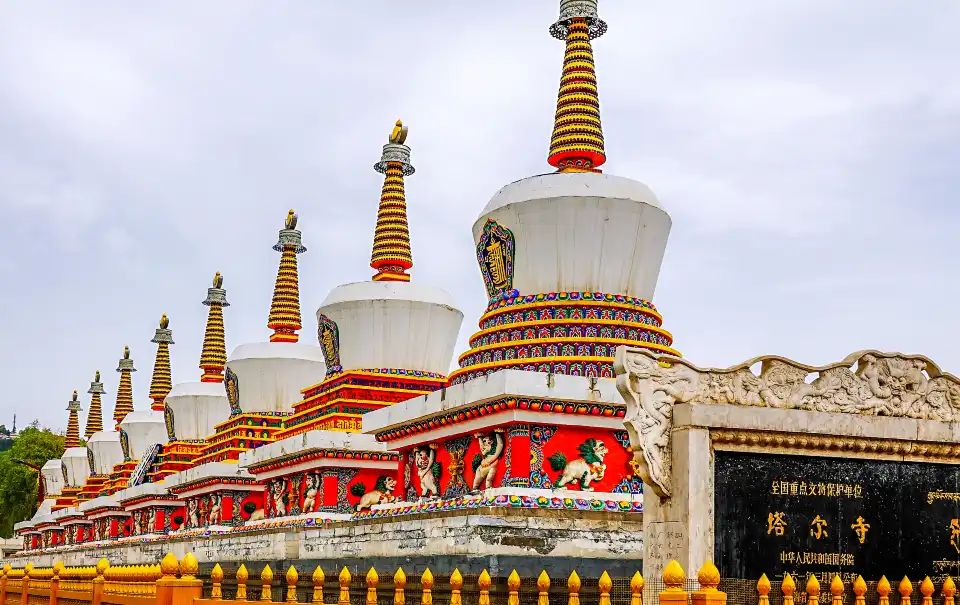
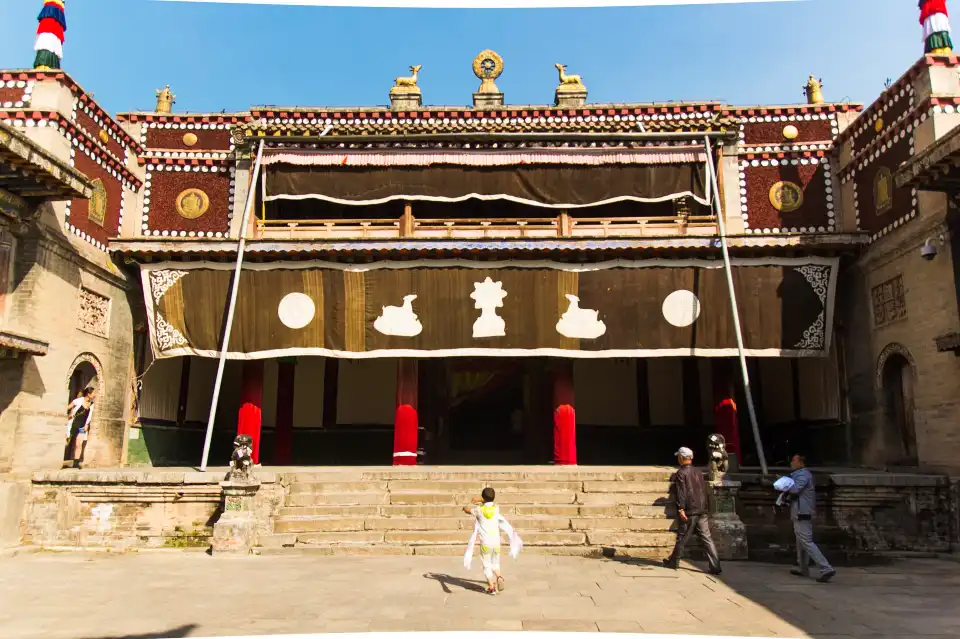
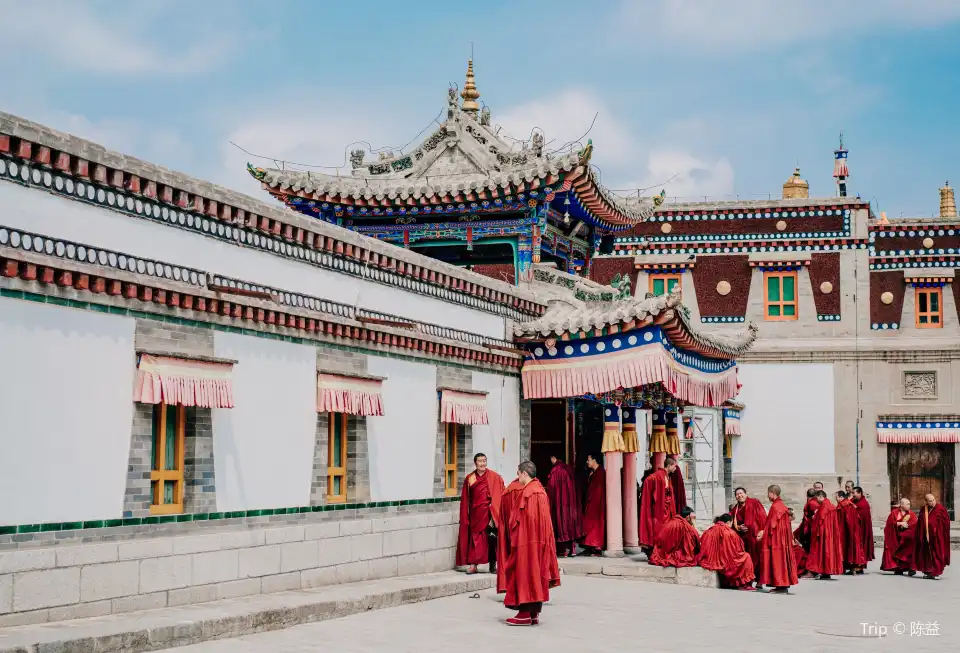
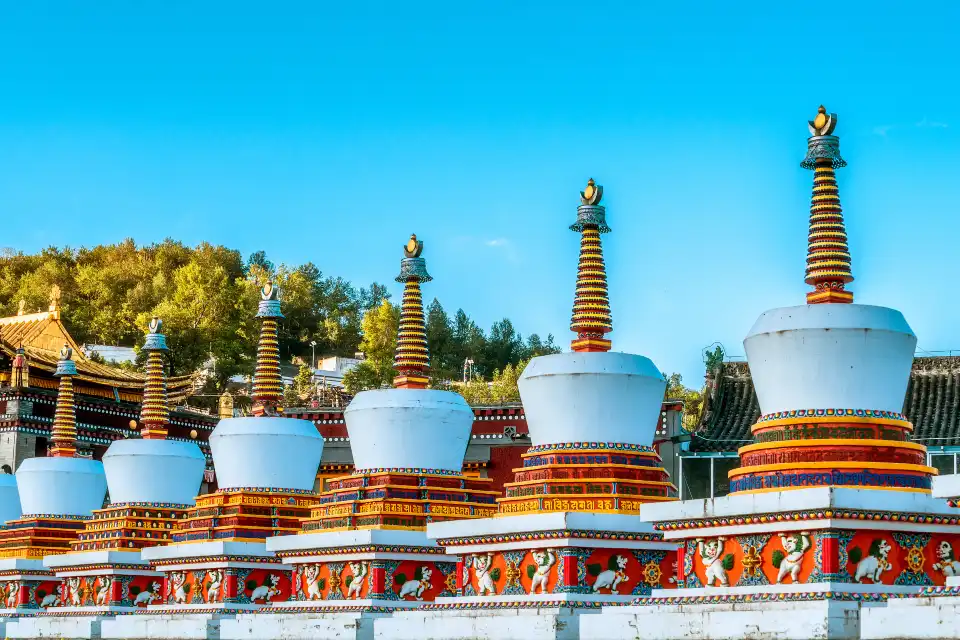
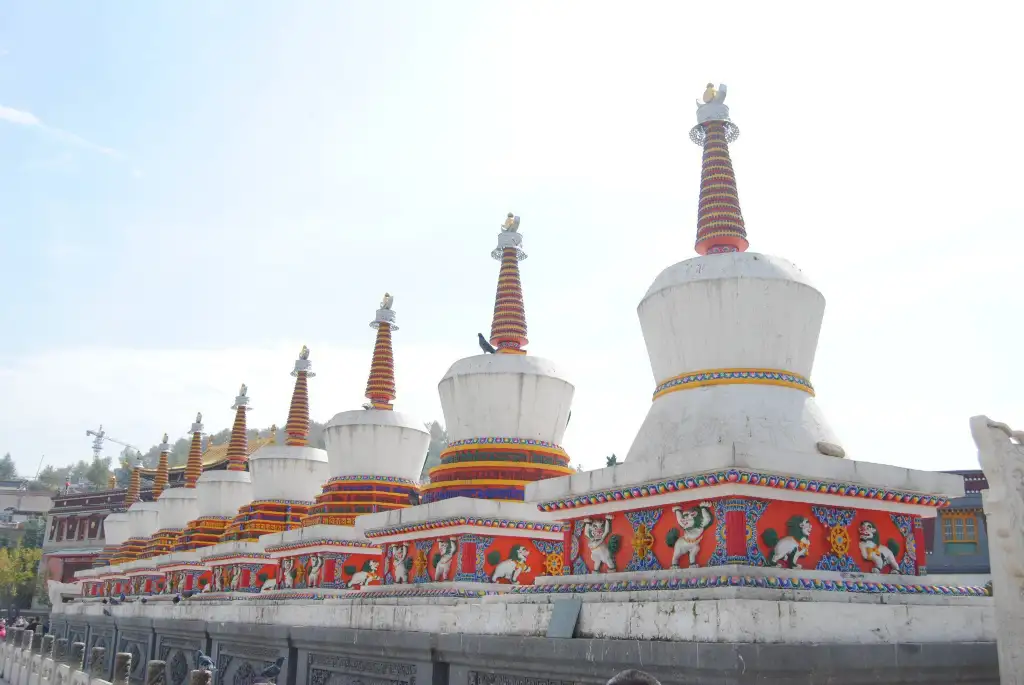
Kumbum Monastery is one of the important monasteries of the Gelug (Yellow Hat) sect of Tibetan Buddhism and the birthplace of Tsongkhapa, the founder of the Yellow Hat sect. The monastery features magnificent architecture, abundant treasures, and a strong religious atmosphere, making it one of the more popular travel destinations in Xining. Overview of the visit It has distinct differences in architectural layout compared to Han Chinese Buddhist temples in inland China: the complex here is not symmetrically arranged along a central axis. The monastery is an ancient architectural complex composed of numerous halls, scripture halls, stupas, and colleges, with each sutra hall, main hall, and stupa irregularly distributed on a small hill. Travelers can explore the site in a relatively free manner rather than following a straight path along a central axis. The Great Golden Roof Hall of Kumbum Monastery is the center of the entire architectural complex. It is said that Master Tsongkhapa was born here, and when he was born, his umbilical cord blood dripped on this spot, from which a bodhi tree grew. Later, a stupa was built around the tree, and a monastery was constructed, hence the name. Believers hold that this tree and stupa are the embodiment of the master.
The three unique features of the attraction: butter sculptures, murals, and appliqué embroidery. Butter sculptures are made by mixing butter with various pigments to mold and carve into figures of Buddhas, people, flowers, birds, animals, and pavilions. Travelers can admire exquisite butter sculptures at the butter sculpture hall inside the temple (located far from the main gate). Vibrant centuries-old murals can be appreciated in the main halls, corridors, and front galleries of the temple. Appliqué embroidery involves cutting colored satin into desired shapes, such as Buddha figures or animals, stuffing them with wool or cotton, and embroidering them onto cloth hangings. In the temple's great sutra hall, two rare large appliqué embroidery pieces—"Sixteen Arhats Displaying Divine Powers" and "Eight Immortals Crossing the Sea"—hang on either side. The four major religious festivals (based on the lunar calendar): 1. Cham dance (14th day of the first month) and butter sculpture exhibition (15th day of the first month); 2. Cham dance (14th day of the fourth month), Buddha unveiling, and Cham dance (15th day of the fourth month); 3. Buddha unveiling, Cham dance (6th day of the sixth month), and golden Buddha procession (8th day of the sixth month); 4. Full-day Buddha unveiling (22nd day of the ninth month) and Cham dance (23rd day of the ninth month). During these festivals, activities like Buddha unveiling and ritual dances take place, attracting large crowds of devotees and travelers, creating a lively atmosphere.

Other visitors' reviews of Kumbum Monastery
Show More ReviewsThis sacred site of the Gelug school of Tibetan Buddhism is solemn and profound. The Eight Auspicious Symbols Stupa and the golden roof of the Great Golden Tile Hall are breathtaking, and the "three artistic wonders" of butter sculptures, murals, and appliqué embroidery are particularly distinctive. It is recommended to hire a guide to understand the stories behind the exhibits; remember to dress appropriately, photography is not allowed inside the halls, and respect religious customs. This is a well-deserved cultural attraction along the Qinghai-Gansu route.