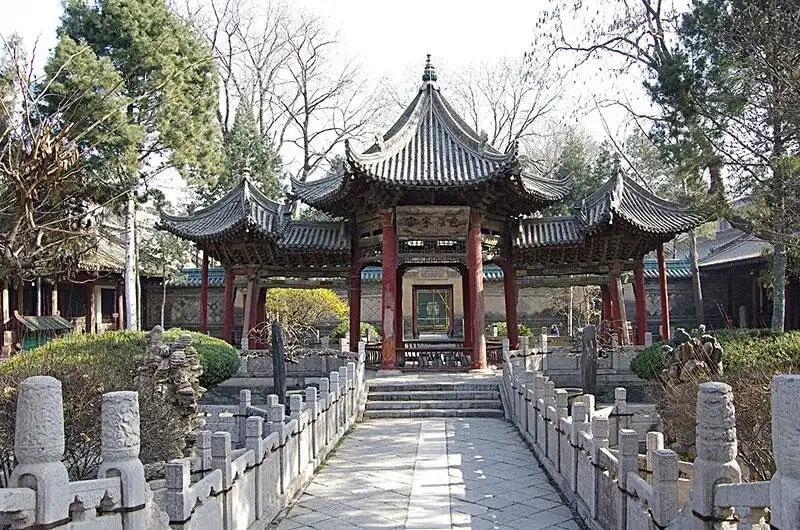
Huajue Lane Great Mosque(Xi'an Great Mosque)
西安化觉巷清真大寺 based on 1,570 review
Closed for the day Opening hours of Huajue Lane Great Mosque
Huajue Lane Great Mosque Highlights: Must-See Features and Attractions
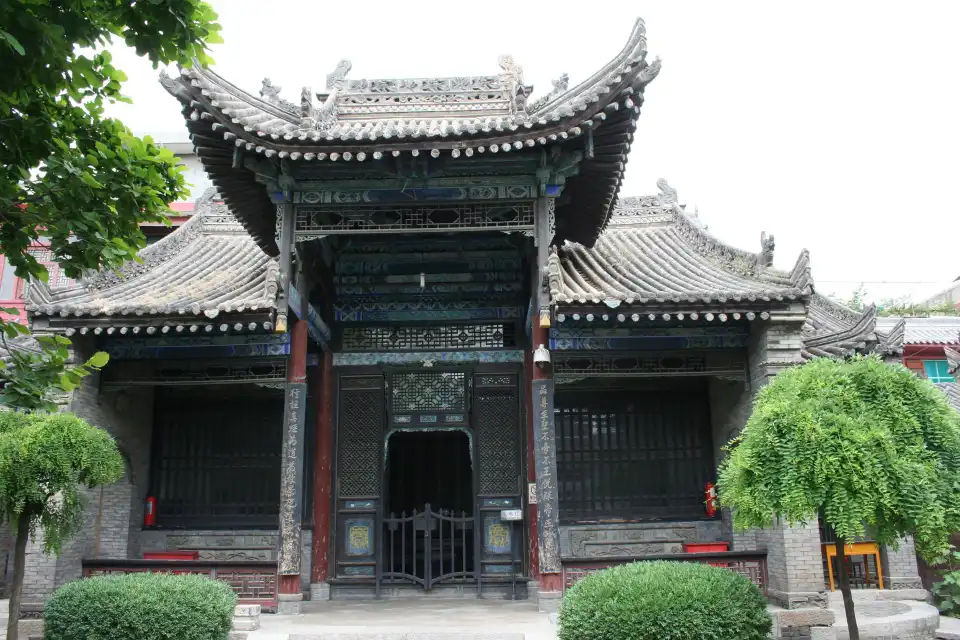
The temple is located in the alley of Huimin Street. It was first built in the Tang Dynasty and rebuilt in the Qing Dynasty. It adopts the Chinese classical architectural style, with flying eaves, pavilions and towers everywhere. On many wooden doors and brick walls in the temple, you can see a lot of wood carvings and brick carvings, which depict Chinese floral patterns in the three-dimensional style of Islamic art.
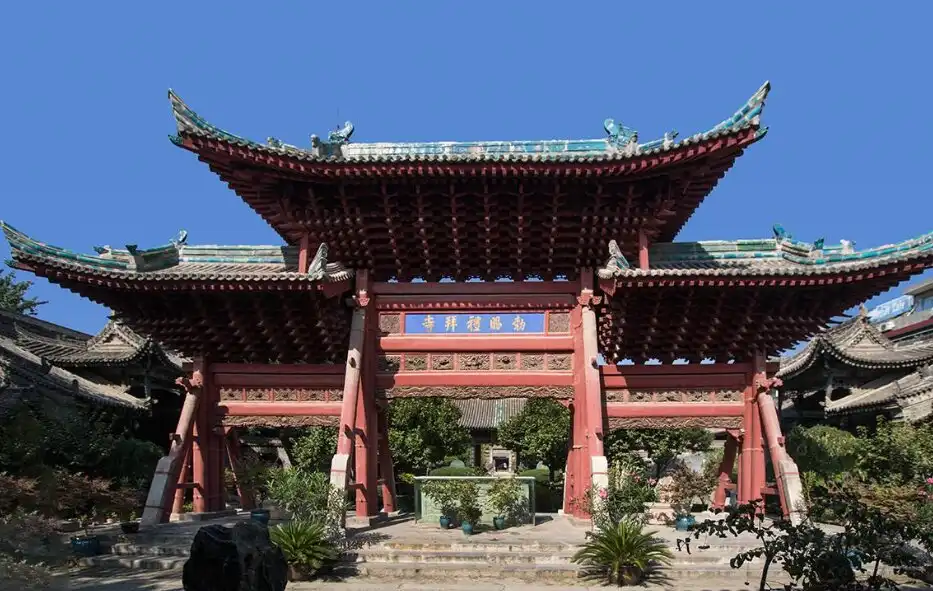
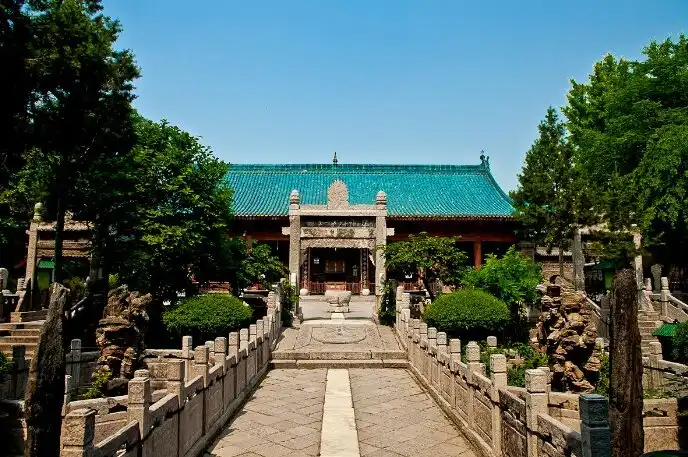
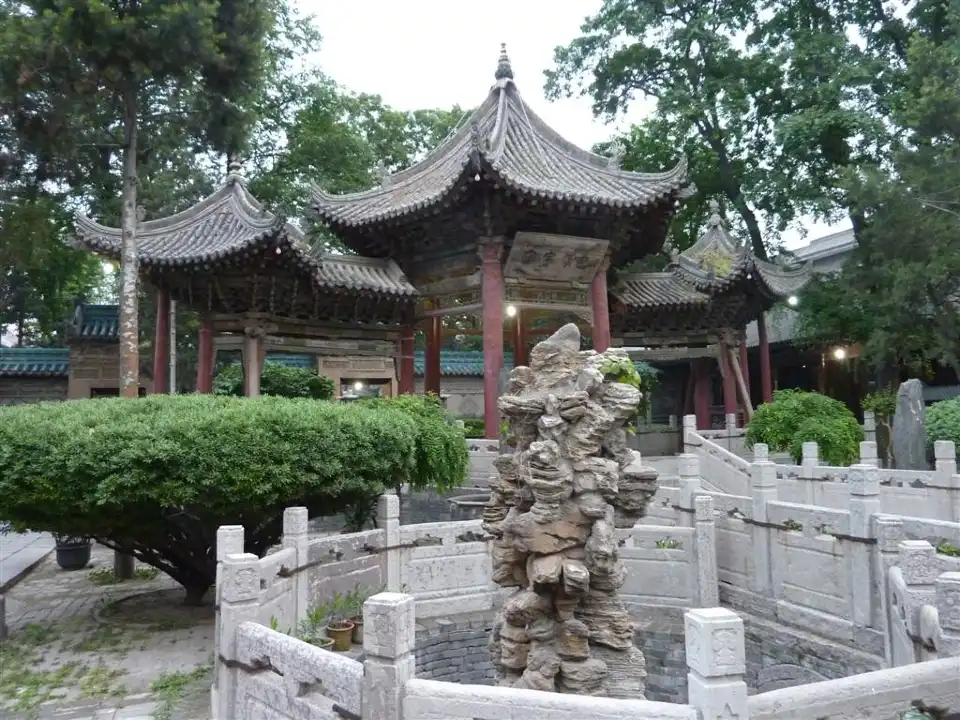
The temple is not large in area, and the pattern is also the traditional Chinese courtyard style with central axis symmetry. Visitors can walk forward along the central axis to visit, which is very easy. The screen wall in the temple is the starting point of the central axis. Along the central axis, the main buildings are arranged in sequence, such as the wooden archway, the five-room building (two doors), the stone archway, the imperial repair hall (three doors), the Xingxin building, the three-door (four doors), the Phoenix Pavilion, the platform, and the prayer hall.
The prayer hall is a very important building in the temple and a place for nearby Hui people to worship. The main hall has a peacock blue glazed tile roof, and the ceiling caisson painting in the hall is very exquisite.
There is a stone tablet around the stone archway with the words "Dao Fa Can Tian Di" written on it, which is the handwriting of Song Dynasty calligrapher Mi Fu; there is a horizontal plaque "Chi Ci Bai Li Temple" on the door of the Imperial Repair Hall, which is the handwriting of Ming Dynasty calligrapher Dong Qichang. These are not to be missed by calligraphy lovers.

Other visitors' reviews of Huajue Lane Great Mosque
Show More ReviewsAbout 100 meters from the Gao Family Courtyard in the Muslim Quarter stands a grand mosque, truly ancient and rustic. Even on a rainy day, it possessed a unique charm. The Xi'an Grand Mosque (Huajue Lane Mosque) is one of the largest and best-preserved ancient Islamic architectural complexes in China. Originally built in the Tang Dynasty, it underwent repairs and expansions during the Song, Yuan, Ming, and Qing Dynasties. The mosque's architecture blends traditional Chinese palace style with Islamic cultural elements, featuring a rigorous layout, carved beams and painted rafters, towering ancient cypress trees, and numerous steles. As a national key cultural relics protection unit, it is not only a holy site for Muslim worship but also a precious physical testament to the history of Islam in China and the exchange between Chinese and Western cultures, possessing extremely high historical, artistic, and religious value.