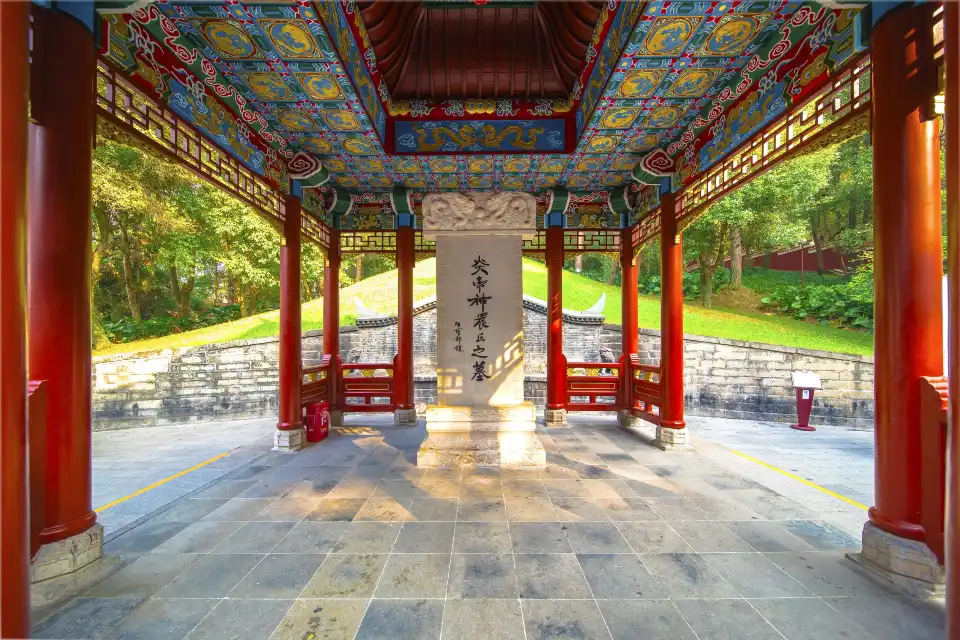
Mausoleum of Emperor Yan
炎帝陵 No. 1 of Best Things to Do in Zhuzhou
Closed for the day Opening hours of Mausoleum of Emperor Yan
Mausoleum of Emperor Yan Highlights: Must-See Features and Attractions
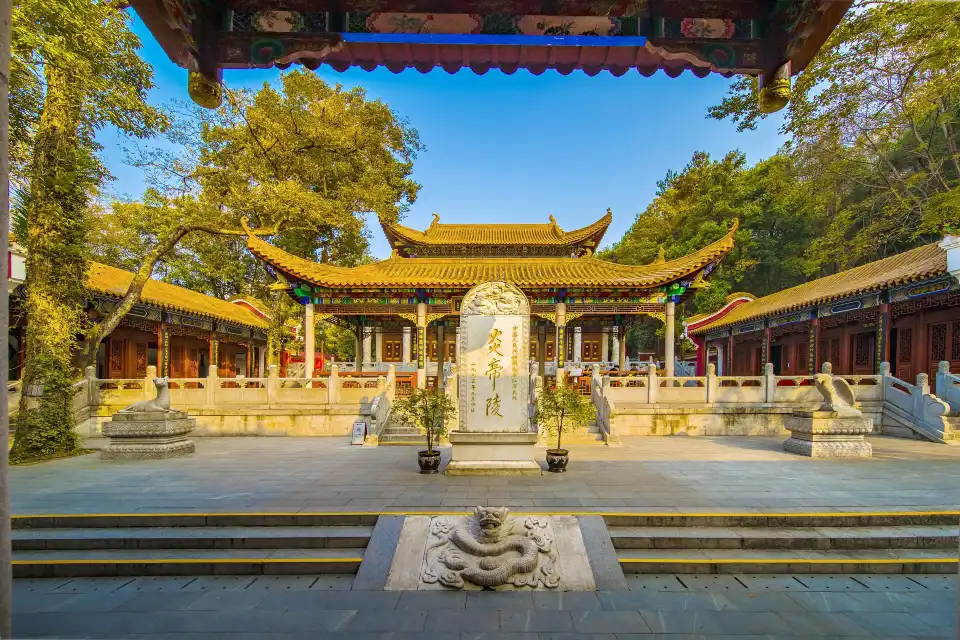
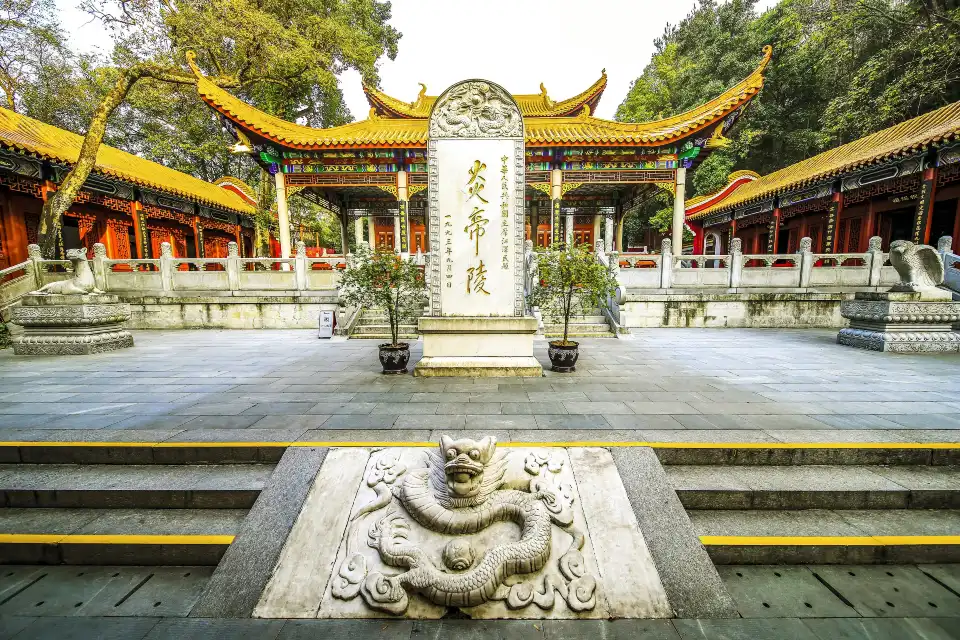
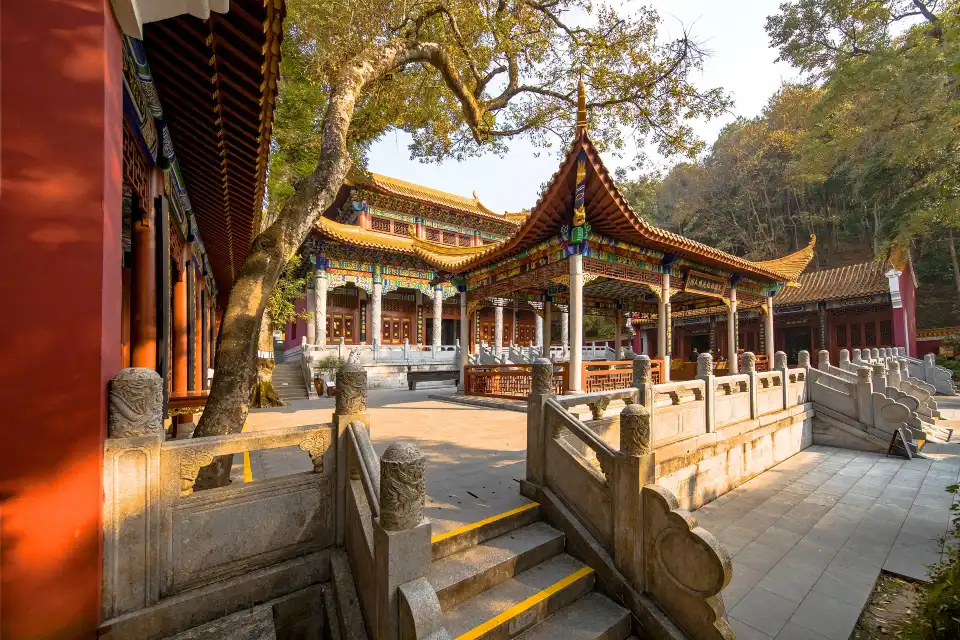
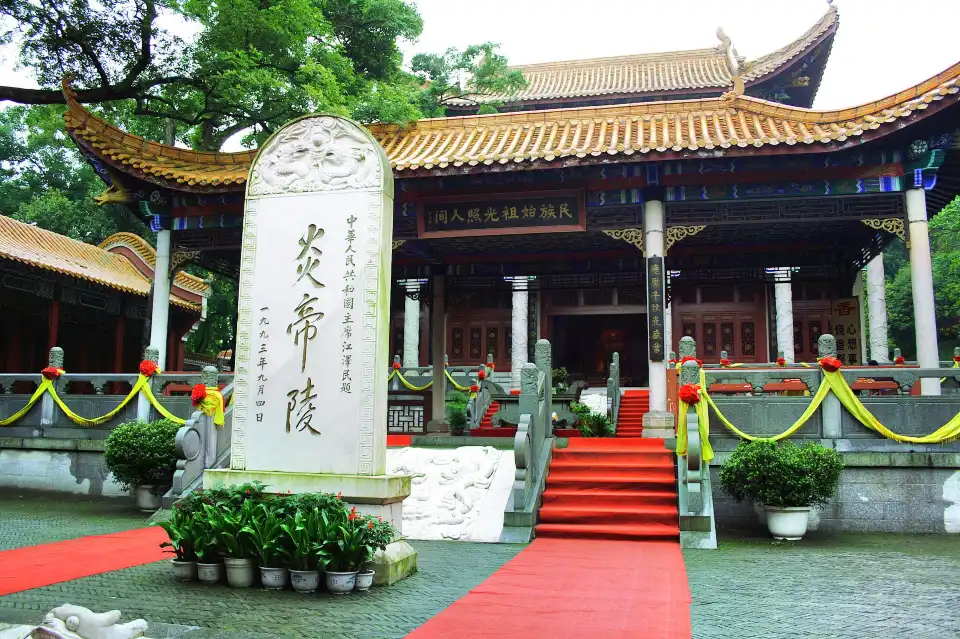
Mausoleum of Emperor Yan, located in Yanling County, Zhuzhou, is the resting place of Emperor Yan Shennong, one of the ancestral founders of the Chinese nation. The site features towering ancient trees and picturesque scenery. For thousands of years, sacrificial ceremonies before the mausoleum have endured without decline, with offerings and incense continuing year-round. The attraction includes key sites such as the Emperor Yan Mausoleum Hall, Imperial Stele Garden, Huangshan Stele Forest, Angel Mansion, Sacred Fire Altar, Shennong Grand Hall, Pilgrimage Square, Shengde Forest, Emperor Yan Mausoleum Archway, Chongde Archway, Luyuan Slope, Dragon Brain Stone, Dragon Claw Stone, and Herb-Washing Pool—all aligned along a north-south central axis. The Emperor Yan Mausoleum Hall, situated at the western foot of Yanling Mountain (also known as Huangshan), serves as the main attraction. The grand hall, with its golden tiles and red walls, showcases distinct Qing-style architecture, exuding solemnity and grandeur. Passing through the Noon Gate, Ceremony Pavilion, Mausoleum Hall, and Tombstone Pavilion leads to Emperor Yan's tomb mound. The tombstone, inscribed in 1827 by County Magistrate Shen Daokuan during the Qing Dynasty, stands before the lush, grassy mound surrounded by flourishing flowers and trees. As one of the ancestral founders of the Chinese nation, Emperor Yan has been revered and honored by emperors and commoners alike since ancient times. Legends trace folk worship of Emperor Yan back to the Xia Dynasty, official ceremonies to the Zhou Dynasty, and imperial rituals to the Tang Dynasty, flourishing further in the Song Dynasty. Subsequent emperors followed the tradition of "holding ceremonies every three years," commemorating each event with inscribed steles. In addition to the admission ticket, offerings such as incense, firecrackers, and auspicious fruits for worshiping Emperor Yan require separate fees.
Mausoleum of Emperor Yan Reviews: Insider Insights and Visitor Experiences
Mausoleum of Emperor Yan Photos: Trip Moments
 Yandi Mausoleum one-day trip guide📍Address: Luyuanpo, Luyuan Town, Yanling County, Zhuzhou City 🎫Admission: Adult CNY 62; free for children under 14 and seniors 65+; half-price for full-time students and seniors aged 60–64; free for military personnel and people with disabilities with valid ID 🚞Sightseeing shuttle: CNY 20 round trip (optional, the full central axis walk takes about 15 mins) ⏰Hours: 8:00 AM–5:30 PM, last entry at 4:30 PM, recommended visit duration 2.5–3 hours 🚗Transportation Self-drive: About 3 hours from Changsha via Hengyan Expressway; parking is CNY 15/day with EV charging stations available Public transit: Take high-speed rail to Yanling Station, then a 20-minute taxi ride to the scenic area; shuttle buses are available from Yanling Bus Station ⏱Recommended itinerary (enter in the morning for better lighting and fewer crowds) 09:00 Ticket check at Visitor Center → Que Gate, Five Grains Totem Pillar, Ancient Camphor Tree in Shengde Forest 09. 40 Shennong Hall | View the giant statue of Yandi and stone carvings depicting his life, including tasting herbs and teaching agriculture; 10:30 traditional ancestor worship ceremony 10. 30 Yandi Mausoleum Hall (core area! Five-courtyard layout: Wu Gate → Ceremony Pavilion → Main Hall → Stele Pavilion → Yandi Tomb), please remain quiet and respectful 11. 30 Imperial Stele Garden | 51 imperial sacrificial steles from the Ming and Qing dynasties, scan the QR code for audio guides 12. 10 Stroll along the Mishui River boardwalk and Sacred Fire Terrace for river views 13. 00 Return or head to Yanling County for a meal ✨Must-see highlights ▫️Shennong Hall: Red walls and yellow tiles with symmetrical central axis, perfect for traditional-style photos ▫️Yandi Mausoleum Hall: The main mausoleum, the core site for ancestral worship ▫️Imperial Stele Garden: Sacrificial steles from past emperors, rich in history ▫️Mishui River Boardwalk: Quiet and serene by the water, less crowded 🍜Food (in the county): Yanling rice noodles, Hakka free-range chicken, stuffed tofu, mountain wild vegetables; local specialty: Yanling yellow peaches (in season) 💡Important tips The scenic area provides free eco-friendly incense. Do not buy overpriced incense at the entrance. Please keep your voice down in the mausoleum and tomb areas. Dress appropriately (avoid overly revealing clothing or flip-flops). There are many stairs, so wear comfortable shoes and bring water. There are few convenience stores in the park. If you have extra time, you can combine this with a visit to [Shennong Valley], which is about 30km away from Yandi MausoleumOliv.@ B@k3r

 Zhuzhou Family Trip Perfect Guide📍 Highlights: Yan Emperor Mausoleum Ancestral Search, Liling Porcelain Valley Art, Fantawild Dream Kingdom, Xiangjiang River Night Tour 👫 Suitable for: Families with children, culture enthusiasts, amusement park fans, food explorers 💰 Budget allocation: Transportation: 1200 RMB (high-speed rail/self-driving + local charter) Accommodation: 1500 RMB (Fantawild nearby themed hotel/city center river view room) Meals: 800 RMB (Liling roasted meat, Youxian dried tofu, Zhuzhou flavored crayfish) Tickets & experiences: 1200 RMB (Fantawild + Yan Emperor Mausoleum + ceramic DIY) Shopping: 300 RMB (Liling underglaze porcelain, Yanling yellow peaches) 📅 Itinerary Day 1: Ancestor of China & Millennia of Porcelain 🚄 Morning: Arrive in Zhuzhou High-speed rail to Zhuzhou West Station, charter directly to Yan Emperor Mausoleum (2-hour drive) Check in at Zhuzhou Marriott Hotel (Xiangjiang panoramic view) or Fantawild East Wing Hotel (family-themed room) 🏯 Morning: Civilization Pilgrimage Yan Emperor Mausoleum Scenic Area (ticket 60 RMB, must-see Shennong Hall, Sacred Fire Altar) Participate in the Opening Noon Gate Ceremony (weekends 9:30 AM, free participation if wearing Hanfu) 🍲 Noon: Zhuzhou Flavor Code Must-try list: Liling stir-fried pork (with roasted meat) Youxian blood duck (ginger and spicy flavor) Shapoli soft-shelled turtle (rich gelatinous soup) 🏺 Afternoon: Ceramic Aesthetic Impact Liling Porcelain Valley (free, check out the unique architectural cluster) Hongguan Kiln Experience Center (98 RMB for wheel throwing + underglaze painting) 🌉 Evening: Industrial City Neon Xiangjiang Riverside Scenic Belt walk (Piano Square light show) Recommended night snack at Hejia Tu Night Market (flavored crayfish + grilled oysters) Day 2: Fantasy Park & Tea Country Leisure Time 🎢 All day: Childlike Joy Explosion Zhuzhou Fantawild Dream Kingdom (ticket 299 RMB, must-try rides:) "Fly With You" (5D flying over China) "Ancient Butterfly Love" (holographic projection of Liang Zhu) Bring raincoat for water rides (expensive to buy inside, can bring your own) 🍵 Evening: Zen Ending Youyi Manor (tea picking experience 50 RMB/person) or Shennong Park boating (30 RMB/boat) ✈️ Return Souvenirs Buy Liling underglaze porcelain tea cups (starting at 150 RMB) Yanling yellow peaches (seasonal July-September) Return from Zhuzhou West Station 💡 Travel Tips ✔ Transportation: Charter recommended for Yan Emperor Mausoleum (about 600 RMB round trip), use "Didi" for cheaper city taxis ✔ Hidden experiences: Liling Porcelain Valley night view is more magical than daytime (lights on at 7:30 PM) Fantawild may close for maintenance on Tuesdays/Wednesdays (check official website in advance) ✔ Pitfall warnings: Be cautious buying scenic spot "Yan Emperor Holy Water" (ordinary mineral water with label) 💰 Budget flexible adjustment: Family trips prefer Fantawild hotels (includes early entry privileges) Cultural trips can replace with Chaling Workers and Peasants Government Old Site (free red tourism spot) 🏮 Zhuzhou is a dual-faced city of hardcore and romance! Two days and one night, from the civilization spark 5,000 years ago to the modern park’s sound and light feast, this train-brought city is more exciting than you imagine~ 🚂JOELLE WEBB

 A must-see for parents! Yanling Three-Day Family Trip Itinerary GuideDay 1: Explore Red Culture 📍Red Army Slogan Museum Transportation 🚌: Drive yourself or take the bus in Yanling County Highlights ✨: Interactive exhibits help kids learn about revolutionary history, the authentic slogan wall is super impressive📸! ✨Day 2: Pilgrimage and Ancestral Roots Journey 📍Emperor Yan Mausoleum (Luyuan Town, Luyuanpi, Yanling County, Zhuzhou City) 🕘 Opening Hours: Summer 8:00-17:30 | Winter 8:00-17:00 💰 Tickets: Adults 59 RMB | Children half price Activities 👑: · Participate in Qingming/Chongyang Festival ceremonies (check dates in advance) · Visit the thousand-year-old ancient cypress tree 🌳 · Let kids experience traditional farming displays Pearl Curtain Waterfall: The highest waterfall in Hunan, super refreshing in summer 💦 Tree Embracing Rock Wonder: A perfect trendy photo spot 📸 Family Stream Trekking: Bring a net to catch small fish and shrimp 🦐 Recommended Gear 🎒: Non-slip sandals + change of clothes + mosquito repellent spray 💯 Family Travel Tips: 1. About 1 hour driving between attractions, prepare snacks and cartoons 2. July-August is the best time for water activities, bring several sets of clothes 3. The local farmhouse bamboo tube rice is delicious 😋 🔥 Moms, save this! This guide can save you 3 days of planning~Matthew@345 Turner

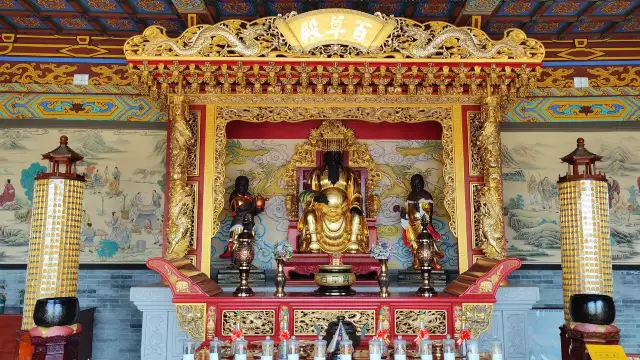 Yandi Mausoleum in Jincheng: The Root of Civilization Hidden Deep in the Taihang MountainsDriving into the mountains of Jincheng, the red walls and black tiles of the Yandi Mausoleum gradually emerge among the green pines and cypresses. There are no noisy crowds, only the gentle sound of wind passing through ancient trees, as if telling the stories of five thousand years of civilization. From afar, the mausoleum complex is built along the mountain, with tiered halls ascending the slope. The upturned eaves gleam with a warm golden hue under the sunlight, embodying both the solemnity of royal architecture and the elegance of ancient mountain buildings. Walking here, every sight is steeped in the weight of history. Entering the mountain gate, the first thing you notice is the fresh scent of plants and the atmosphere of history. Inside the main hall, the statue of Emperor Yandi Shennong stands solemn and dignified, his flowing robes seeming to show him teaching people to farm and tasting hundreds of herbs. Legend has it that Yandi founded agricultural civilization here, cultivating wild grains into the five cereals, teaching the ancestors to use plows and hoes to cultivate the land, allowing hunter-gatherers to settle into farming life. The murals inside vividly recreate these legends—from sowing seeds to making farming tools, from tasting herbs to educating the people—each stroke delicate and lifelike, transporting visitors back to the dawn of civilization. Passing through the main hall, the side halls display many precious artifacts. Stone millstones, bone hoes, and pottery farming tools quietly rest in glass cases. These simple implements witness the transformation of the ancestors from primitive living to slash-and-burn farming and confirm Yandi’s hardworking character of "farming himself, weaving by his wife." Strolling through the stele corridor, inscriptions left by scholars over the ages are dazzling. Some praise Yandi’s merits, others reflect on the vicissitudes of time. The calligraphy ranges from bold and vigorous to delicate and elegant. Each stone tablet is a vivid piece of history, allowing one to understand the inheritance of civilization through the flowing brushstrokes. Behind the mausoleum, the Yandi tomb is surrounded by dense pines and cypresses, which are strong and upright with lush branches and leaves, said to be over a thousand years old. Sunlight filters through the foliage, casting mottled shadows on the ground. The wind rustles the treetops, as if singing praises to this ancestor of the Chinese nation. Standing before the tomb and overlooking the patchwork fields below, one can almost see Yandi teaching the people to farm. The golden rice paddies and green wheat fields are his gifts to future generations and a testament to the enduring agricultural civilization. Here, the scenery and culture have long been integrated. The magnificent buildings carry heavy history, and the beautiful mountains and waters nourish the roots of civilization. Walking through every part of the Yandi Mausoleum, you can feel the Chinese people's reverence for their ancestors and respect for civilization. Those halls, steles, and ancient cypresses are not just scenery but memories etched into the nation’s very bones, reminding us where we come from and where we are going.AMOS WRIGHT

 Zhuzhou · Industrial Memory Three Days Two Nights, Locomotives and Ceramic Valley【City Card】Zhuzhou, the cradle of China's electric locomotives. From steam locomotives to high-speed trains, it holds a chapter of railway history. 【Hidden Gems】 Zhuzhou Power Valley — China’s core high-speed rail research and development base, take the kids to see the maglev train and experience the simulated cockpit, where kids push the lever and shout "Go" 🚄 Liling Ceramic Valley — the birthplace of world-famous underglaze polychrome porcelain, let the kids try pottery wheel throwing and painting ceramic plates, even if they make a crooked cup 🏺 Yandi Mausoleum — the ancestral tomb of the Chinese nation’s forefather, with rituals dating back to the Han dynasty, bring the kids to drum and pray for blessings, kids beat the drum nine times 🥁 【Spring Blossoms】 Shizihu Cherry Blossoms — thousands of cherry trees along the city lake shore, their reflections like clouds, kids feed the black swans. 👨👩👧 Three-Day Leisure Tour Day 1 Power Valley Arrive in Zhuzhou, stay in Tianyuan District. In the afternoon, watch the maglev train, kids enter the simulated cockpit and push the lever, the scenery on the screen flies by. Day 2 Liling Ceramic Valley In the morning, play with clay on the pottery wheel, kids get their faces muddy. In the afternoon, paint ceramic plates, drawing crooked suns. Day 3 Yandi Mausoleum + Shizihu Lake In the morning, drum and pray for blessings, kids count the nine beats. In the afternoon, enjoy cherry blossoms by the lake and feed the swans. Have Xianggan from You County for lunch. 🍜 Must-eats: You County Xianggan, Liling Fried Rice Noodles, Yanling Yellow Peaches 🏡 Accommodation: Hotels in Tianyuan District Historical Highlights: Yandi Mausoleum temple built in the Song dynasty; Liling ceramics originated in the Eastern Han dynasty.damien_weston_92

 Pay Homage at the Yan Emperor Mausoleum, Enjoy Tranquility at XiyueIn Zhuzhou, nestled in the heart of eastern Hunan and embraced by mountains, lies a sacred site that carries the five-thousand-year cultural heritage of China—the Yan Emperor Mausoleum. As the resting place of the Yan Emperor Shennong, the ancestor of the Chinese nation, this site is not only a spiritual home for Chinese people worldwide seeking their roots but also a cultural sanctuary rich in history and natural beauty. Upon entering this land, the first sight is the majestic Noon Gate, where red walls and yellow tiles stand solemn and dignified against the backdrop of ancient pines and cypresses, with the echoes of antiquity seeming to linger in the upturned eaves. Walking along the bluestone path, the inscriptions in the Imperial Stele Garden remain clear despite the passage of time, recording the reverence and posthumous honors bestowed upon the Yan Emperor by successive emperors; inside the Shennong Hall, the statue of the Yan Emperor sits centrally, with deep and kind eyes, silently watching over the prosperity of future generations. As you move between the mausoleum buildings, the incense smoke mingles with the fresh scent of plants, while the morning bells, evening drums, and birdsong from the mountains blend into a peaceful harmony that naturally calms the mind. Here, you can sincerely pay respects at the Yan Emperor Mausoleum, honoring the great achievements of the ancestor who “taught people to farm, tasted hundreds of herbs, and established midday markets”; you can stroll along the banks of the Mi River, watching the rippling blue waves and listening to the flowing water, feeling the tranquility and comfort of nature; or pause beneath ancient steles and cypresses to read the weight of history and imagine the scenes of ancient ancestors working and living on this land. Every building, every stele, every ancient tree tells the story of the Yan Emperor and the origins of Chinese civilization, inspiring awe for the wisdom and dedication of the forebears. When the day’s pilgrimage and exploration come to an end, there is no need for weary travel—Xiyue Hotel awaits your return nearby. The hotel is cleverly located adjacent to the Yan Emperor Mausoleum scenic area, just a short drive away, offering a peaceful retreat away from the hustle and bustle while maintaining convenient access. Upon entering the hotel lobby, warm lighting and natural wood décor create a cozy and elegant atmosphere that instantly dispels travel fatigue. The guest rooms are fully equipped, with soft bedding, clean bathrooms, and thoughtful toiletries, every detail reflecting care for the guests. Looking out the window, you can enjoy the picturesque view of dark-tiled roofs and green mountains or the fresh greenery of distant hills, bringing a sense of relaxation and delight. At Xiyue Hotel, you can shed your fatigue and enjoy a moment of leisure. Wake up to birdsong in the morning, open the window to breathe the fresh mountain air, and then set off leisurely to the Yan Emperor Mausoleum to witness the solemn scene of sunrise illuminating the ancient tomb; in the evening, return from the mausoleum, brew a cup of tea in your room, and review the photos taken during the day, reminiscing about the pilgrimage experience. The hotel staff always greet you with a smile and are ready to assist, providing professional and attentive service so every guest feels the warmth and comfort of home. A fulfilling journey to trace your roots requires both spiritual renewal and physical rest. The Yan Emperor Mausoleum nourishes the soul with millennia of cultural heritage, while Xiyue Hotel comforts the body and mind with a comfortable stay. Here, you can freely switch between ancient civilization and modern comfort, exploring the roots of Chinese culture at the Yan Emperor Mausoleum with a sense of history’s weight and solemnity, and enjoying a quiet, comfortable lodging experience at Xiyue Hotel to relax and reflect. A trip to Zhuzhou should begin with paying respects to ancestors at the Yan Emperor Mausoleum and soothing your heart at Xiyue Hotel. Let the thousand-year cultural heritage and thoughtful hospitality accompany you, creating an unforgettable spiritual journey filled with worship and rest, leaving behind beautiful memories of roots and comfort.株洲志成商務賓館

 Chenzhou Yandi Mausoleum - Visit the mausoleum of Yandi, the ancestor of the Chinese nation.🏝Yandi Mausoleum is located in Yanling County, Zhuzhou, and is the mausoleum of Yandi Shennong, the ancestor of the Chinese nation. The area is full of ancient trees and beautiful scenery. For thousands of years, the sacrificial activities in front of the mausoleum have been held continuously. The Yandi Mausoleum Scenic Area includes the Yandi Mausoleum Hall, Yubei Garden, Huangshan Stele Forest, Angel Mansion, Sacred Fire Platform, Shennong Hall, Pilgrimage Square, Shengde Forest, Yandi Mausoleum Archway, Chongde Archway, Luyuanpo, Longnao Stone, Longzhao Stone, Medicine Washing Pool, and other attractions, all of which are distributed along the north-south central axis. 🏝Yanling County is not far from Guidong County, Chenzhou. Yandi Mausoleum is a very important mausoleum of the ancestor of the Chinese nation. Temples were built in the Song Dynasty, and sacrifices were made in every dynasty. However, the destruction was so thorough that only six ancient steles from the Qing Dynasty remain to prove that this is the Yandi Mausoleum. 🏝Yandi Shennong's life and his contribution to the Chinese nation, as well as the sacrifices made to Shennong in various dynasties and modern times. The Yandi Mausoleum has been damaged several times in history, and the current scenic area is basically newly built. As descendants of Yandi and Huangdi, the Yandi Mausoleum represents the spiritual sustenance of the nation, the birthplace of civilization, and the unification of the Chinese nation has become the common wish of all children. 🏝The entire scenic area is large, with a focus on sightseeing, sacrificial altars, mausoleum stele forests, and the main road to the main hall is spectacular, guarded by deer and eagles, and facing each other. 🚥[Transportation Guide] ⭐️You can choose to take a bus at the bus stop at the East Bus Station or in front of the county government. ⭐️Self-driving or taxi: Depart from the urban area of Zhuzhou and search for "Yandi Mausoleum" on the navigation system.Gr@c3 J@cks0n

 Check in at China’s No.1 Mausoleum this autumn and winter! A nanny-level guide to the Yan Emperor Mausoleum, warming your body and enriching your knowledgeThe Yan Emperor Mausoleum in autumn and winter—red walls, yellow tiles, and red leaves, few people and peaceful, perfect for photos. After a tiring walk, enjoy a warm bowl of Yanling stuffed tofu. This root-seeking trip is simply legendary! 🚗 Transportation Guide: Self-driving fans rejoice, public transport is also convenient · Self-driving: From Changsha, take the Jinggang’ao Expressway to Hengyan Expressway, 3 hours direct. Free parking at the scenic spot entrance with plenty of spaces. · Public Transport: Take the high-speed train from Zhuzhou West Station to Yanling Station, then transfer to a bus or taxi for 17 km to the scenic area. Taxi fare is about 30 yuan. · Scenic Area Shuttle: 20 yuan per person. For those who don’t want sore legs, just go for it. Staying warm is the priority when touring in autumn and winter! 🎫 Tickets and Hours: Money-saving tips · Tickets: 60 yuan for adults, half price for students and seniors, free for children under 1.2 meters. · Opening Hours: Autumn and winter 08:00-17:30, last entry at 17:00. Recommended to arrive by 9 AM for good lighting and to catch the early worship ceremony. · Hidden Perk: New Year’s Day features the grand first worship ceremony with a full atmosphere and blessing ribbons to take home. Don’t miss out! 🌟 Must-Do Route: Explore the highlights in 3 hours with all photo spots marked 1. Quemen Square: The Han-style Que gate in autumn and winter is full of ancient charm, with red leaves as the backdrop, every snap is a masterpiece. 2. Shennong Hall: Arrive early to touch the white marble dragon-patterned steps in front of the hall. Locals say stepping on the dragon’s head brings a good harvest. The third step in the center is the smoothest. 3. Yan Emperor Mausoleum Hall: The five-entry palace is grand. Walk around the tomb mound to pray sincerely for blessings. 4. Sacred Fire Platform: Overlook the entire scenic area with red walls, green trees, and blue sky. The autumn and winter sunlight is absolutely stunning. 5. Imperial Stele Garden: Find the Kangxi Emperor’s inscription “Blessing the People,” touch it to soak up good luck, and try the fun coin-standing blessing game. 6. Mi River Scenic Belt: It’s windy by the river in autumn and winter, remember to wear a windproof jacket. A sunset walk here is super healing. 🍲 Warming Food: Autumn and winter food list, every bite warms your heart 1. Yanling Stuffed Tofu: Crispy outside, tender inside, rich soup, warms you from head to toe. Available in restaurants around the scenic area, average price 38 yuan. 2. Mugwort Rice Cakes: Autumn and winter exclusive! Soft, glutinous, sweet, and can dispel cold. Street snack stalls sell 3 for 5 yuan. Don’t miss out. 3. Yanling Dried Yellow Peaches: Dry weather in autumn and winter calls for a pack of sweet and sour dried yellow peaches, refreshing and hydrating, a top choice for souvenirs. 🛏 Accommodation Recommendations: Best value picks here · Near the scenic area: Yanling Xiongsen International Holiday Hotel, with floor-to-ceiling windows and good lighting, includes breakfast, average 280 yuan/night. · In the county town: Homestays offer better value, clean and comfortable rooms for 150 yuan, plus you can explore the county night market at night. ⚠️ Pitfall Avoidance Guide: Avoid these traps 1. Don’t buy the “Peace Apples” sold by the scenic area for 20 yuan each—it’s a rip-off. Just bring your own three incense sticks for blessings. 2. It’s windy in the scenic area during autumn and winter. Wear a windproof jacket and sneakers. Don’t freeze yourself wearing a short skirt just for photos. 3. Keep quiet during worship, respect traditional culture, and don’t make loud noises or film TikTok videos. Visiting the Yan Emperor Mausoleum in autumn and winter lets you feel the greatness of “Shennong tasting hundreds of herbs” and find inner peace among red walls and yellow leaves. Quickly invite your family and friends for this warm and knowledge-enriching root-seeking journey!MelliQuintessenceZephyr

 Zhecheng One-Day Tour Travel Guide Highlights: History and Culture, Natural Scenery, Food Experience Suitable for: Students, Budget Travelers, Visitors Who Enjoy a Slow PaceZhecheng One-Day Tour Travel Guide Highlights: History and Culture, Natural Scenery, Food Experience Suitable for: Students, Budget Travelers, Visitors Who Enjoy a Slow Pace Itinerary: Recommended Zhecheng breakfast: spicy soup, pan-fried buns, fried dough sticks. Recommended shop: Old Town street breakfast stalls, affordable prices, authentic taste 9:00-11:30 Ronghu Ecotourism Area (Admission: Free, Budget: 20 RMB) Ronghu is a famous ecological tourism area in Zhecheng, with clear lake water and beautiful scenery. You can stroll along the lakeside, enjoy the view, and take photos. You can also rent a bicycle (about 20 RMB/hour) to ride around the lake and feel the gentle breeze. 11:30-13:00 Lunch (Budget: 50 RMB) Recommended Zhecheng specialties: Duozi mutton, Zhecheng smoked chicken, sweet potato vermicelli. Recommended restaurants: Time-honored restaurants or local farmhouses, moderate prices, generous portions. 13:00-15:00 Yan Emperor Zhu Xiang’s Mausoleum (Admission: Free, Budget: 10 RMB) The Yan Emperor Zhu Xiang’s Mausoleum is an important historical and cultural site in Zhecheng, believed to be the tomb of Yan Emperor Zhu Xiang. You can visit the mausoleum, learn about Yan Emperor culture, and feel the weight of history. You can buy incense (about 10 RMB) to worship the Yan Emperor and pray for peace and health. 15:00-17:00 Qianshuyuan Garden (Admission: Free) Qianshuyuan Garden is a famous botanical garden in Zhecheng, planting a variety of trees and flowers. You can stroll through the garden, admire the plants and trees, and breathe fresh air. You can also bring some snacks and drinks (about 20 RMB) for a picnic in the garden and enjoy a leisurely afternoon. 17. 00-18:30 Dinner (Budget: 50 RMB) Recommended Zhecheng snacks: cold noodles, baked flatbread, braised beef. Recommended places: Night market or snack street, wide variety, cheap prices. 18. 30-20:00 Zhecheng Ancient City Wall (Admission: Free, Budget: 0 RMB) The Zhecheng Ancient City Wall is a symbol of Zhecheng’s history and culture, well preserved. You can walk along the city wall, enjoy the night view, and feel the charm of the ancient city.Luna789~Anderson

 The Romance of an Industrial City: Zhuzhou's Locomotives, Old Factories, and the Achievements of the Young🚂🚂A city pulled by trains, don't hide anymore. Zhuzhou City, Hunan Province, also known as the Blessed Land of Shennong, is a city shaped by small trains. It is an important industrial hub in China, home to Asia's largest non-ferrous metal smelting base and a key R&D and manufacturing center for aircraft engines and electric locomotives, earning it the title "Cradle of China's Electric Locomotives." The intersection of the Beijing-Guangzhou and Shanghai-Kunming railways here forms a crucial "cross-shaped" railway hub. Today, Zhuzhou continues to thrive in industries like bullet trains, aviation, hard alloys, ceramics, fireworks, and apparel. Its remarkable industrial achievements have forged the city's historical glory and enriched its cultural heritage. · *Must-Visit Attractions:** 📍📍Emperor Yan's Mausoleum Scenic Area, Fantawild Happy World, Yunlong Water Park, Shennong Valley Scenic Area, Shennong Grand Theater, Jiuxian Lake Scenic Area, Hualu Valley Scenic Area, Shennong City Emperor Yan Cultural Theme Park, Zhuzhou Museum, Qiu Jin's Former Residence, China Power Valley Exhibition Center, Zhuzhou International Karting Track, Liling Ceramics Museum, CRRC Zhuzhou Locomotive Technology and Culture Exhibition Center, Shanhe Aviation Research Base, Yuxin Bookstore, Piano Square, Wanfeng Lake Park, Five-Star Jianning Post Station. · *Local Delicacies:** 🥗🥗Yanling Yellow Peaches, Liling Xiandu Spicy Dried Duck, Zhuzhou Tangrenshen, Liling Stir-Fried Pork, You County Dried Tofu, Lusong Baiguan Luffa, You County Rice Noodles, Chaling Beef Offal Platter, Lukou Wangshihuang Yellow Chili, Shifeng Tianxin Pork Knuckle. · *Must-Explore Streets:** 🚶🚶Xiangjiang River Scenic Corridor, Lusong Dahan Yue Center JOJO Street, Liling Riverside on Both Banks, Lusong Zhongguling Food Street, Tianyuan Chinatown, Liling Porcelain Port, Lukou Xiaoqinglong Night Market, Liling 1915 Block, Art Street, Lusong Apparel Market. · *Transportation Guide:** 🚙🚙**By Air:** Zhuzhou has no airport; fly to Changsha Huanghua International Airport first, then take a bus or taxi to Zhuzhou (about 1 hour). · *By Train:** Zhuzhou has multiple train stations, with Zhuzhou Station (downtown, accessible for regular and bullet trains) and Zhuzhou West Station (high-speed rail hub) being the main ones. · *By Long-Distance Bus:** Multiple bus stations connect Zhuzhou to nearby cities. · *Public Transit:** Zhuzhou's bus system is well-developed, covering most attractions. · *Taxi/Ride-Hailing:** Taxis and ride-hailing are plentiful, but booking ahead is advised during peak hours or holidays.BookwormsWorld

 Tribute to the "Ancestor of Humanity" Yan EmperorPaying tribute to the "Ancestor of Humanity" at the Yan Emperor Mausoleum in Zhuzhou offers a deeply cultural experience far beyond ordinary sightseeing, through solemn worship, participation in rituals, and understanding traditions. 🏮 How to Pay Tribute: Key Methods Overview To make your tribute experience more immersive, you can choose from several options: 1. Regular Tour and Personal Worship · Main Content: Visit the mausoleum hall and stele pavilion along the north-south central axis, ending at the Yan Emperor’s tomb mound. At the bowing pavilion or in front of the mausoleum hall, you can sincerely bow or silently pay respects. · Experience Highlights: Basic yet solemn, with flexible timing. 2. Participate in the Park’s Ritual Experience · Main Content: Join the simplified version of the "Yan Emperor Mausoleum Ceremony" held daily in the park. · Experience Highlights: Directly experience traditional rites such as drum beating, gong ringing, and offering tributes. On major holidays like National Day and Mid-Autumn Festival, the ceremonies are usually grander and may include special segments like "Double Festival Reunion." 3. Learn About the Millennia-Old Ritual Tradition · Main Content: Observe the imperial ritual steles left by successive emperors who sent officials to perform sacrifices, located in the Imperial Stele Garden and Stele Forest. · Experience Highlights: These stone tablets are tangible evidence of the "Yan Emperor Mausoleum Ceremony" (a national intangible cultural heritage), helping you deeply understand why the ritual tradition "with fragrant offerings and continuous ceremonies throughout the year" endures. 4. Encounter Cultural Interactive Activities · Main Content: During holidays, the park offers immersive activities such as "Meeting Grandpa Yan Emperor" and traditional Chinese herbal medicine culture interactions. · Experience Highlights: Lighthearted and lively, suitable for families with children, providing different perspectives on Yan Emperor culture. 💡 Practical Guide for Paying Tribute To make your tribute journey smoother, here are some key tips: · Confirm Activities in Advance: Before joining the ritual experience, it is recommended to call the park ticket office (+86-731-26321666 or +86-731-26325111) to confirm the exact time of the day’s events. · Dress and Behavior: When entering the core mausoleum area, dress appropriately, maintain solemnity, and avoid loud noises. · Arrange Transportation: From Yanling County town to the park, you can take the tourist bus line from Yanling East Bus Station, with 9 round trips on weekdays. · Plan Combined Visits: If time allows, combine the Yan Emperor Mausoleum with the nearby Shennong Valley National Forest Park for a complete "Shennong Journey" from culture to nature. 💎 Core Spirit: Connection and Inheritance Whether it’s a simple bow or participating in a full ceremony, the essence of paying tribute is to complete a spiritual connection with the ancestor of civilization. As recorded on the ritual steles through the ages, this concerns ancestral identity, national identity, and cultural heritage. We hope this guide helps you plan an unforgettable root-seeking tribute journey. If you have further questions about transportation, accommodation, or other specific details, feel free to ask me.Abigail King Abigail20

 Tracing China's roots | Yan Emperor mausoleum 6-day, 5-night relaxed luxury trip | complete CNY 16,000 guideTracing China's roots | Yan Emperor mausoleum 6-day, 5-night relaxed luxury trip | complete CNY 16,000 guide If you're tired of rushed, checklist-style travel, consider starting a quiet journey to trace your roots in Yanling. The country's first imperial mausoleum is tucked deep in the Luoxiao Mountains, where historic sites, primary forest, and Hakka village life all come together. Save this in-depth itinerary. 💰Budget note: CNY 16,000 (luxury trip for 2, including upscale homestays, private car service, specialty meals, attraction tickets, and experiences; does not include major transport to and from the destination) ✅Day 1 | Arrival in Yanling, first taste of small-town life Arrive in Yanling in the afternoon and check in to a boutique homestay in town to rest. Stroll the old street at dusk to soak up the slow rhythm of small-city life. ✨Food spots to try: Yanling stuffed tofu and mugwort rice cakes, with a soft mugwort wrapper filled with dried bamboo shoots and cured pork, a genuine Hakka flavor. For dinner, try a local rustic dish to get used to the mild spiciness of eastern Hunan. ✅Day 2 | Full-day visit to the Yan Emperor mausoleum Spend the whole day at the Yan Emperor mausoleum. Walk slowly along the sacrificial avenue and check out Huaxia Square, Shennong Hall, the imperial stele garden, and the sacred fire altar. Red walls and yellow tiles frame millennia-old cypresses, and the inscriptions record imperial sacrificial rites through the ages. Take time to visit the tomb and absorb the deep culture of Shennong rather than rushing through. Walk along the Mi River at sunset and watch the light spread over the water for a perfect atmosphere. 🍲Lunch recommendation: try the Yanling "first bowl," a layered dish of egg rolls, meatballs, and dried bamboo shoots that serves as the signature starter at a Hakka banquet and symbolizes steady advancement. ✅Day 3 | Hike and breathe in Shennong Valley National Forest Park Drive to Shennong Valley, whose 100,000 mu of primary forest make it a natural oxygen bar. Walk the forest boardwalks, admire the beaded curtain waterfalls, and listen to the stream. Avoid the midday sun and amble slowly through bamboo-grove gorges. Return to the homestay at dusk and relax with a cup of high-mountain tea. 🔥Dinner must-try: firewood-smoked cured pork stir-fried with mountain bamboo shoots, where pine-smoked cured meat pairs richly with fresh wild bamboo shoots. ✅Day 4 | Day trip to the Cloud Courtyard highland retreat Head to the Cloud Courtyard today. Wait for the highland sea of clouds at dawn, and enjoy tea terraces unfolding across the slopes with expansive views. Visit ancient mountain villages to learn about Hakka mountain living. In your free time, try picking tea and tasting local brews. Temperatures are cooler on the mountain, so bring a light jacket. 🥘Dinner suggestion: try Huangmen-style Lingxian white goose, tender and juicy, a Yanling signature dish. ✅Day 5 | Wander red historical villages, try heritage crafts Visit Yejia ancestral hall and Shuixi village to read the area's revolutionary history. In the afternoon, join a local hands-on session to learn how to make rice cakes. Wander through fields and capture healing pastoral scenes. In the evening, arrange a full Hakka ten-bowl meat banquet, with dishes like tuo tuo pork and braised Hakka specialties served in sequence for an immersive look at Hakka food rituals. ✅Day 6 | Leisurely town stroll and departure Get up early to visit the local farmers' market and pick up Yanling dried yellow peaches, dried bamboo shoots, and cured meats as souvenirs. Have a simple bowl of local rice noodles for lunch, pack up, and end the journey of tracing your roots. 💡Travel tips 1. Mountain areas have large temperature swings between morning and night, so wear comfortable, slip-resistant shoes for hiking. 2. Maintain solemnity during ancestral rites, and buy incense in town ahead of time if you plan to use it in the scenic area. 3. Mountain roads are winding, so reduce speed and drive cautiously if self-driving. 4. Hakka cuisine tends to be rich and oily; if you prefer lighter food, tell the restaurant in advance.NIKOLAS WALKER


Other visitors' reviews of Mausoleum of Emperor Yan
Show More ReviewsTransportation is quite convenient. Just walk a few hundred meters from Yanling Station and you can catch a special bus for only 5 yuan. There are many buses, and the journey usually takes about half an hour. Most of the buildings in the Yandi Mausoleum are quite new, but as one of the ancestors of the Chinese nation, it seems that many emperors throughout history have come to worship here, and in recent years, many provincial governors have also come to worship here.