Palace Museum of The Manchurian Regime(Puppet palace)
伪满皇宫博物院 based on 125 reviews
 No. 4 of Best Things to Do in Jilin
Open Opening hours of Palace Museum of The Manchurian Regime
Palace Museum of The Manchurian Regime Highlights: Must-See Features and Attractions
The Palace Museum of the Manchurian Regime is a cultural tourism landmark in Changchun that combines the dual attributes of "museum + attraction". It is currently a national first-class museum, a key cultural relics protection unit, one of the first batch of national AAAAA tourist attractions, a national patriotic education demonstration base, a national research and practice education base for primary and secondary schools, one of China's "most innovative museums", and an influential project unit of the International Council on Monuments and Sites.
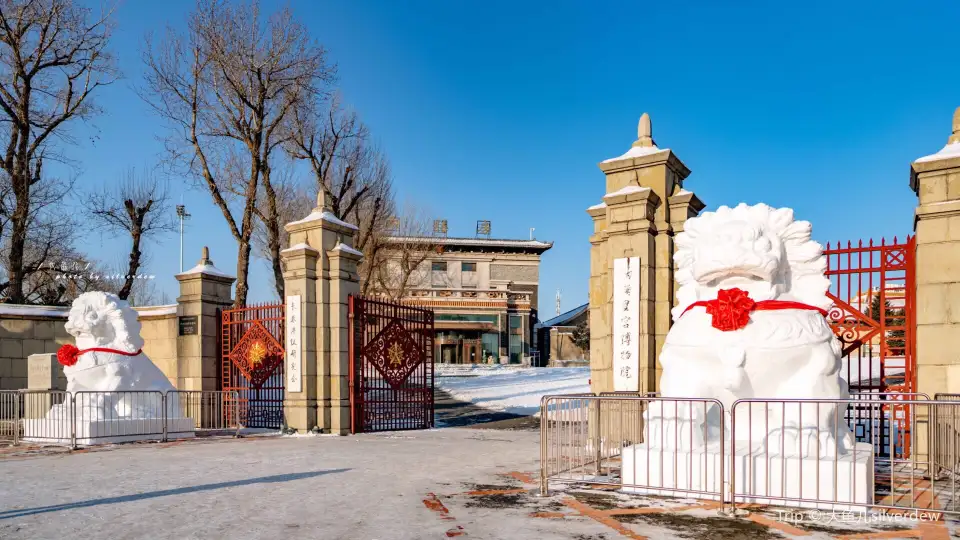
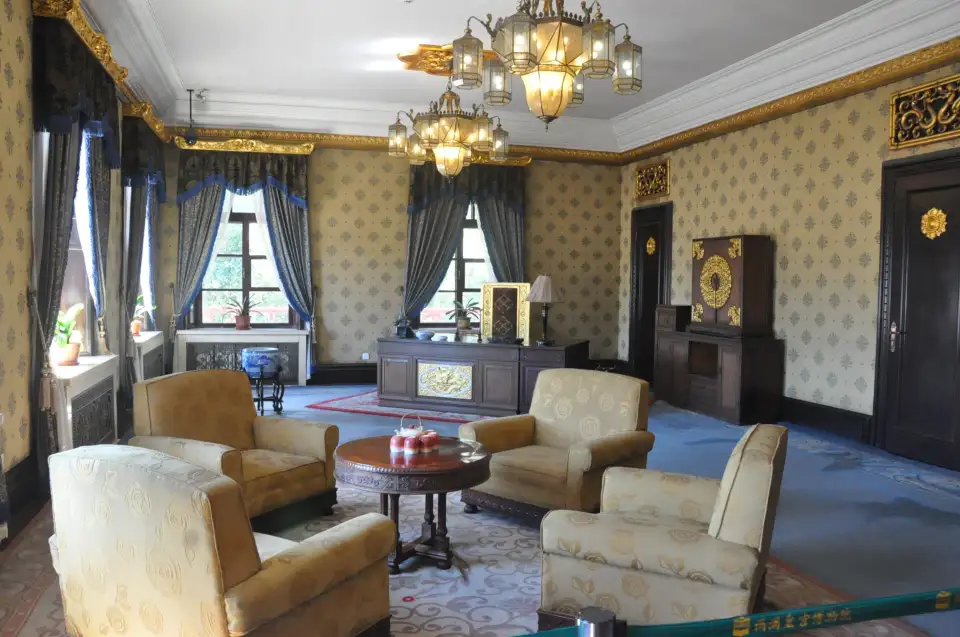
The Palace Museum of the Manchurian Regime is located at No. 5 Guangfu North Road, Kuancheng District, Changchun, Jilin Province. It was originally the Changchun salt warehouse in the late Qing Dynasty and later served as the official office of the Jilin-Heilongjiang Salt Tax Bureau during the early Republic of China. From 1932 to 1945, it was the imperial residence of Puyi, the puppet emperor of the Manchurian regime. In 1962, it became the Exhibition Hall of Imperialist Aggression in Northeast China and later the Exhibition Hall of the Manchurian Regime Palace. In 2000, it was officially renamed the Palace Museum of the Manchurian Regime, becoming an important site for patriotic education.
In recent years, the Palace Museum of The Manchurian Regime has embraced the vision of "becoming a pioneer in innovative operations among China's museums and attractions." Through its development strategy focusing on academic excellence, creative revitalization, innovation-driven growth, and open sharing, it has achieved leapfrog progress in various operations and overall enhancement in museum management. The museum integrates six functional areas: the imperial core zone, the exhibition hall of northeast China's occupation history, the museum eye art palace, the M+ creative block, the interactive experience zone, and the administrative area.
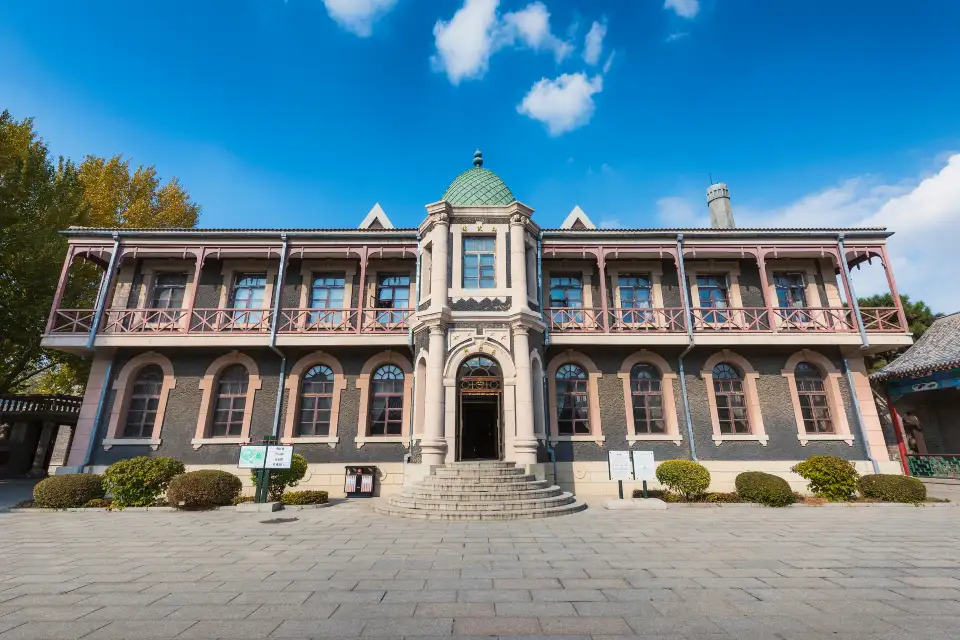
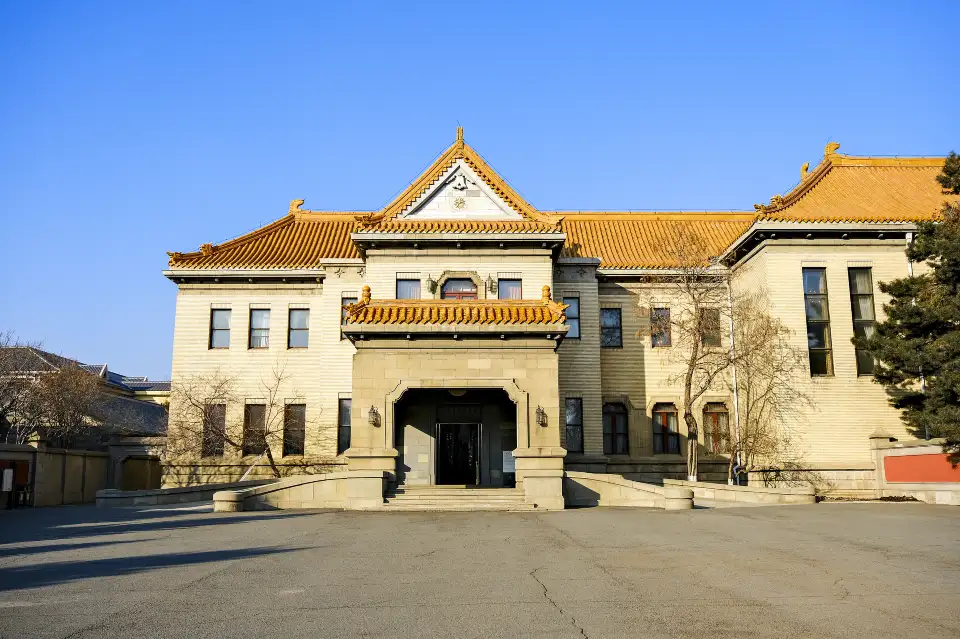
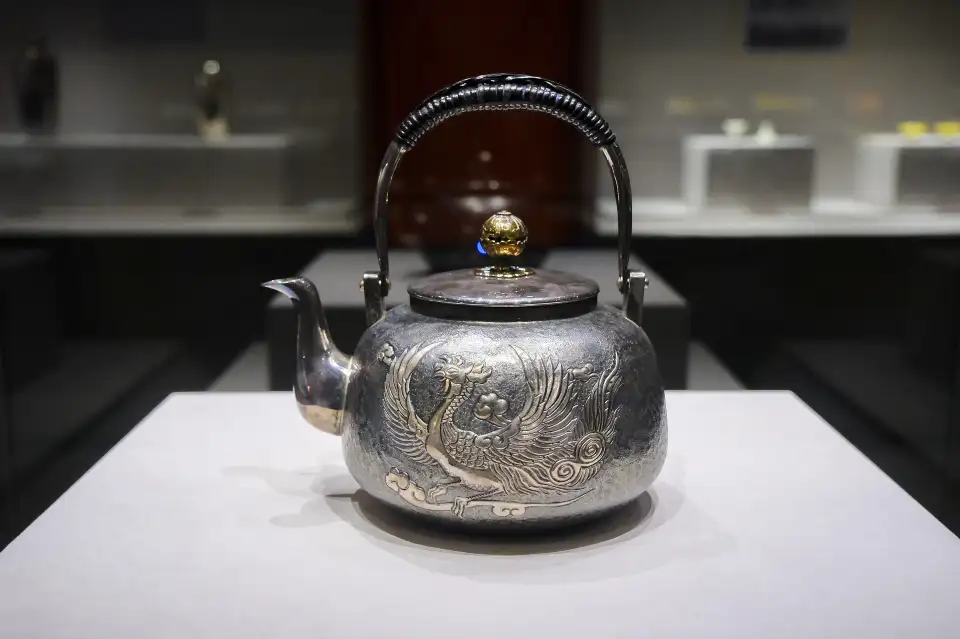
The palace museum of the Manchurian regime currently has 39 original displays of the Manchurian court including the Jixi building, Qinmin building, and Tongde hall, along with 4 large-scale permanent exhibitions and 12 thematic exhibitions. It has saved over 73,000 art pieces, including a large collection of Manchurian court relics, Japanese modern artifacts, northeastern China modern artifacts, folk relics, representative modern paintings and calligraphy, sculptures, and works by intangible cultural heritage inheritors.