Metro Manila Travel Guide 2025: Top places, Itinerary & Deals | Trip.com | December 2025
About Metro Manila
Recommended trip: 2–3 day(s)
Recommended trip: 2–3 day(s)Metro Manila Local Experiences Map






Trending in Metro Manila
Metro Manila Local Travel Guide 2025
Metro Manila Brief Guide
Manila, the bustling capital city of the Philippines, beautifully combines colonial history in Intramuros with modern malls and vibrant street food scenes. Explore nearby islands for exciting island-hopping adventures or enjoy traditional adobo at local eateries. This guide will help you navigate the city’s cultural sites and discover hidden gems.
Metro Manila Must-try local experiences
1. Explore Intramuros Historic District Intramuros, Manila's walled city from Spanish colonial times, is full of old buildings and stories of the past. Walk around Fort Santiago to see where national hero Jose Rizal was held, then visit San Agustin Church, the oldest stone church in the Philippines, and Casa Manila, a recreated Spanish house with period furniture. Visit Manila Cathedral for its grand facade and serene interiors, or take a bamboo bike tour or a kalesa horse cart ride to explore more of the area. It's a great half-day spot to learn about Manila's history while enjoying the mix of ruins and restored sites. 2. Relax in Rizal Park Rizal Park is a big green space in the city center, named after Jose Rizal, and perfect for a break from the traffic. Stroll through the gardens, visit the Rizal Monument where people pay their respects, or rent a bike to loop around the ponds and fountains. It's common to see locals picnicking or families flying kites, so grab some snacks and join in. This open park feels welcoming and free, with shaded paths for easy walking. 3. Discover Bonifacio Global City Bonifacio Global City, or BGC, is a modern area in Taguig with sleek buildings, shops, and places to eat. Head to the Mind Museum for hands-on science exhibits like planetarium shows and dinosaur models that kids and adults love. Browse high-end stores at Bonifacio High Street or try international foods from Korean BBQ to Italian pasta at outdoor cafes. It's a lively spot for a full day of shopping and casual fun in a clean, walkable neighborhood. 4. Watch Manila Bay Sunsets Manila Bay offers some of the best sunsets in the city, with the sky turning orange over the water. Walk along the Baywalk path for street performers and fresh coconut vendors, or book a short sunset cruise for a relaxed view from the boat. Evenings here draw crowds of locals and visitors, so arrive early for a good spot. It's a simple, free way to end the day with a peaceful vibe. 5. Enjoy Shows at the Cultural Center of the Philippines The Cultural Center of the Philippines, or CCP, is a hub for the arts right by Manila Bay. Catch a traditional dance show like tinikling with bamboo poles or a musical theater performance that mixes Filipino stories with live bands. Check the schedule online for evening slots, and grab tickets in advance as they fill up. It's an easy intro to local performing arts in a modern building with good seating. 6. Visit Quiapo Church and Market Quiapo Church is a busy Catholic spot famous for the Black Nazarene statue, where devotees pray and hold big processions in January. Right outside, the market sells everything from fresh fruits to herbal remedies and cheap clothes in a lively, crowded setup. Wander the stalls for a feel of daily Manila life, but watch your pockets in the throng. This area shows the blend of faith and street energy in one spot. 7. Learn at the Bahay Tsinoy Museum Bahay Tsinoy, the Museum of the Chinese in Philippine Life, located in Intramuros, explores how Chinese immigrants have shaped Filipino culture. See exhibits on festivals, food like lumpia, and old photos of Binondo, Manila's Chinatown. Guided tours explain the history in about an hour, making it quick and interesting. It's a small museum that's eye-opening for anyone curious about Manila's multicultural roots. 8. Savor Filipino Cuisine Manila's food scene is all about bold flavors from home cooking and street stalls. Try adobo, tender chicken or pork in soy-vinegar sauce, or sinigang, a sour tamarind soup with seafood or meat. Don't miss lechon, crispy roast pig, and street eats like isaw, grilled intestines, or taho, warm tofu with syrup. End with halo-halo, a shaved ice dessert loaded with fruits, beans, and leche flan. Head to market carts for an affordable taste of everyday Filipino meals. 9. Shop at Greenhills and Divisoria Markets Greenhills Shopping Center in San Juan mixes air-conditioned stores with open-air stalls for jewelry, clothes, and ukay-ukay secondhand finds—haggle to get deals down 20-50%. Divisoria Market in Tondo is a massive bargain spot for fabrics, toys, and souvenirs, set amidst the chaos of vendors and jeepneys. Both are weekend hotspots, so go early to beat the heat and crowds. They're great for finding unique gifts while honing your bargaining skills. 10. Capture Photos in Binondo Binondo, the world's oldest Chinatown, is packed with colorful streets, lanterns, and food smells for great shots. Snap the arched gates, busy Ongpin Street with gold shops, and steam from dim sum carts. Walk to hidden alleys for quieter temple views or people watching at noodle stands. It's a compact area that's photogenic any time, but mornings catch the soft light best. 11. Visit Manila Ocean Park Manila Ocean Park in the Bay Area has an underwater tunnel where you walk with sharks, rays, and colorful fish overhead. Watch sea lion shows or the jellyfish display that glows in the dark, plus bird aviaries outside. It's family-friendly with shows timed every hour, and entry includes most attractions. Spend a couple of hours here for a cool escape from the heat.
Metro Manila Best cities to visit
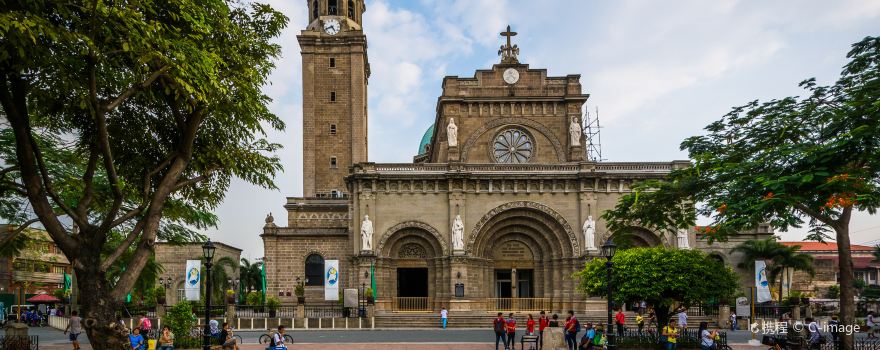
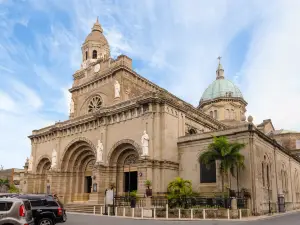
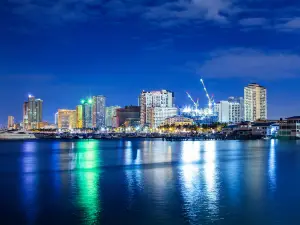
Manila blends Eastern and Western cultures, featuring both modern high-rise buildings and historic structures filled with charm. Visitors can explore famous historical sites such as Manila Cathedral and Fort Santiago.
Metro Manila Transportation
By air Ninoy Aquino International Airport (MNL): Located between the cities of Pasay and Parañaque, NAIA is the Philippines' primary international gateway and the only airport serving Metro Manila. NAIA has four terminals, though Terminal 4 is currently closed for rehabilitation. Note that covered walkways do not connect the terminals, so you will need to take a taxi, Grab, or shuttle bus to transfer between them. This can take up to several hours, depending on traffic. By bus Various bus terminals across Metro Manila, such as the Parañaque Integrated Terminal Exchange (PITX), serve provincial routes connecting the capital with nearby and distant provinces. By sea Ferries and other sea transport services connect Manila with other islands in the Philippines. This is a slower but often cheaper option.
Metro Manila Best Time to Visit
The best time to visit Metro Manila is during the dry season from January to April. This period offers the most conducive weather for exploring and enjoying outdoor activities due to the lower likelihood of rain and generally pleasant temperatures. Additionally, during these months, there are various festivals such as Ati-Atihan, Dinagyang, and the Feast of the Black Nazarene, enhancing the cultural experience for visitors.
Metro Manila Travel Tips
1. Check Visa and Entry Rules Most visitors from over 150 countries are eligible for a 30-day visa-free stay, provided their passport has at least six months' validity and one blank page. Download the eTravel app for free health registration 72 hours before arrival—no tests or quarantines needed. 2. Allow Extra Time for Airport (NAIA) Transfers NAIA's four terminals are spread out without a satellite hall—budget 20-60 minutes between them via shuttle or taxi, plus traffic. Arrive 3 hours early for internationals. 3. Protect Against Dengue Mosquitoes Dengue risks are year-round, with outbreaks every 2-5 years. Always use DEET repellent (30%+), wear long sleeves at dusk, and stay in screened rooms; no vaccine for travelers yet. 4. Drink Only Bottled Water Tap water isn't safe due to microbes—stick to sealed bottles from stores like 7-Eleven, not street vendors. Avoid ice in drinks unless from trusted spots; boil or filter if needed. 5. Book a Grab Ride for Safety Traffic can be bad, so use the Grab app for metered rides—cheaper and safer than yellow taxis, which may rig meters. Share your trip details and pay cashless to avoid haggling. 6. Watch for Pickpockets in Crowds To avoid petty theft in MRTs or Divisoria, use zip bags, skip jewelry, and store passports in hotel safes. Avoid "helpful" strangers offering tours that end in fees. 7. Eat Street Food from Busy Stalls Sample isaw or taho from high-turnover vendors for freshness—start small to test your stomach. Peel fruits; malls like SM have safer options. 8. Follow Smoking and Vaping Rules No smoking in public, including streets and malls—vaping's banned too. Use designated areas only. Possession of any drugs means life in prison - police raids are common. 9. Bargain Politely at Markets Haggle 30-50% off at Divisoria or Greenhills—smile, start low, and walk away if needed; no bargaining in fixed-price malls. Small bills help with change.
Metro Manila Useful Guide
When traveling in Metro Manila, understanding and adhering to traffic rules and regulations is crucial to ensure safety on the roads. Be aware of natural disaster risks such as earthquakes and typhoons, and ensure preparedness by having an emergency kit and a family emergency plan in place. Always have important emergency contact numbers saved, such as the National Disaster Risk Reduction and Management Council (NDRRMC) at (02)8911-1406, the Philippine National Police (PNP) at 117 for immediate assistance in any crisis, and the Emergency 911 National Office at 911 in case of emergency.
Trip.Best: Metro Manila





Things to do in Metro Manila
What to do
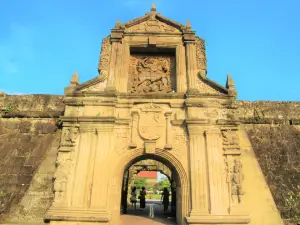

Manila Ocean Park
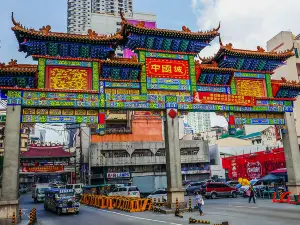
Chinatown
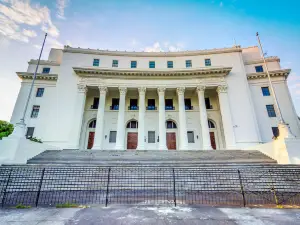
National Museum of Fine Arts
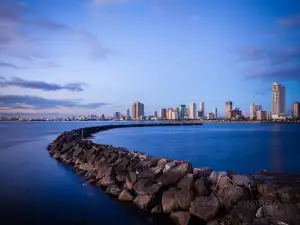
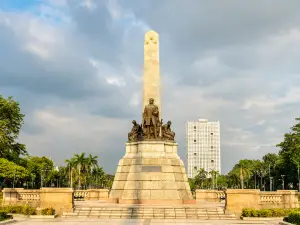
Rizal Park
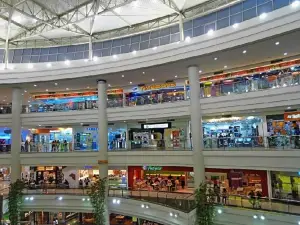
Robinsons Place Manila
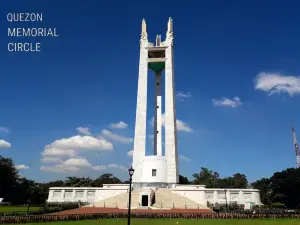
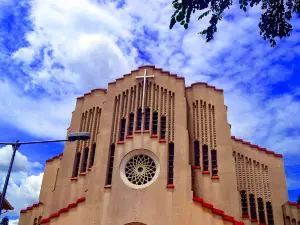
National Shrine of Our Mother of Perpetual Help
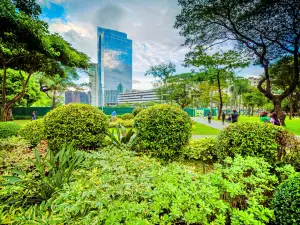
Ayala Triangle Gardens
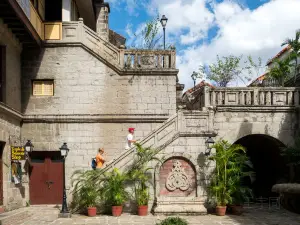
Where to stay



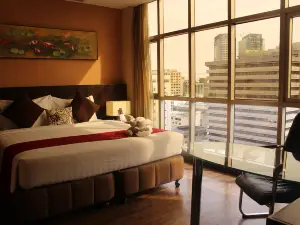
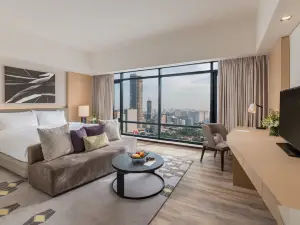

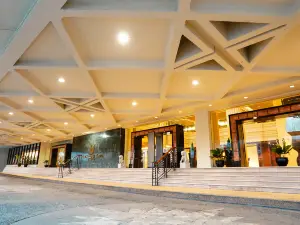

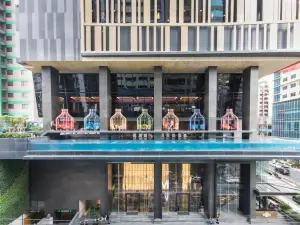
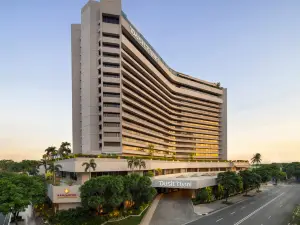
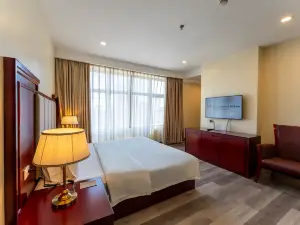
What to eat






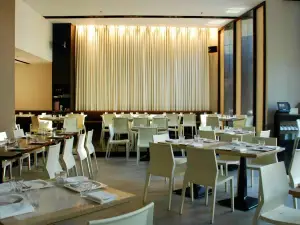


Metro Manila Moments: Through Travelers' Eyes

I've been asked so many times, this is really not Southeast Asia, it's Nanning…

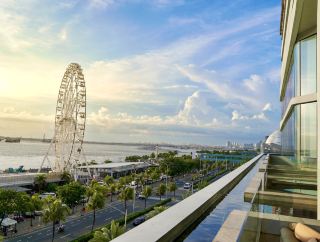
🌅 Review of C Lounge @ Conrad Manila 🇵🇭

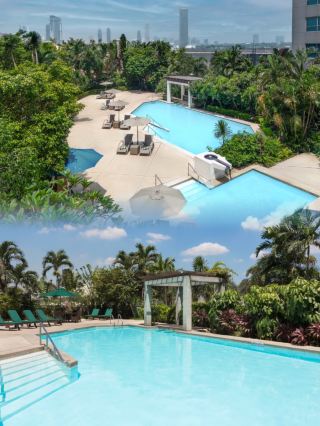
Stayed for a week. So comfortable!

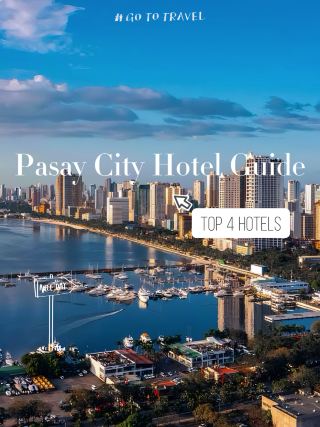
Top Hotels in Pasay City

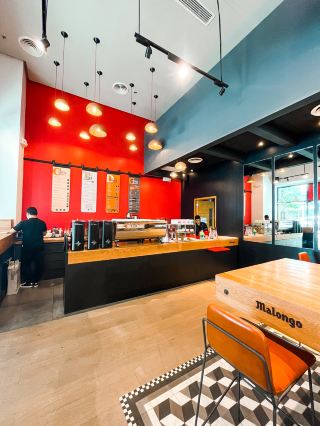
Check Out This Modern French Cafe in Makati

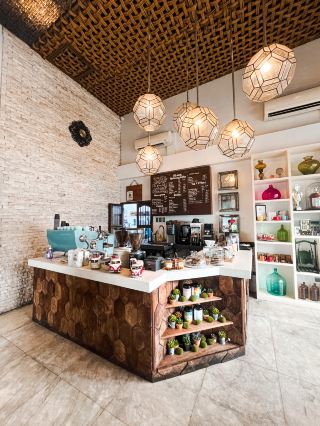
A Cafe with a Cause ⭐️

THE PHILIPPINES 3 weeks guide Book your accommodation in part of Manila called Makati, where all the restaurants, street food, and shops are. On the morning of day 2 catch a flight to Coron. After arriving in Coron town, get yourself a bike for around 600 pesos per day. One day will be enough as Coron Island on its own is not really exciting so you won't really need much time for exploring. The best thing about Coron is the surrounding islands around and therefore the Island hopping tours. On day 4 in the morning, you will board the ferry to Palawan, El Nido. It costs around 1760 pesos per person and takes around 5 hours. But it´s worth it because now you are at one of the most spectacular places of this Philipines El Nido is a town on the very north of Palawan Island and is home to many pristine white sandy beaches and chilled vibes. From El Nido on day 7 in the morning join a van going to Puerto Princesa. In Puerto Princesa, you can visit Iwahig Open Prison and treat yourself in some nice accommodation as we did. Cebu Island is where the best waterfalls are. Words can´t describe how much fun it is to hike all the waterfalls levels! On the morning of day 8, you will arrive by plane from Puerto Princesa to Cebu Island. From the airport make your way directly down to Moalboal. That is where all the accommodation and restaurants for tourists are and you will be closer to all the waterfalls and sunrise hikes. Just a 2 hours long ferry ride from Cebu will bring you to Bohol Island. An Island with such unique landscapes has a lot to offer! Rice terraces, sunrise hikes, the chocolate hill, waterfalls, cave... But the main reason for a lot of people going to Bohol is Tarsier. The tiny little monkey-like looking animal is endangered spices and active only during the night. Stunning waterfalls, lovely local people and slow life are waiting for you on Siquijor Island. From Siquijor Island to Siargao - your last stop.


AirAsia Anniversary Celebration! Let's go see the crystal-clear sea!

Best of Metro Manila
Top 20 Premium Hotels near Metro Manila

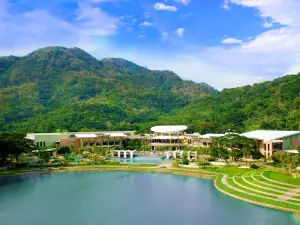
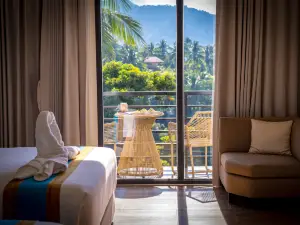


Top 50 4-Star Select Hotels near Metro Manila







Other recommended cities
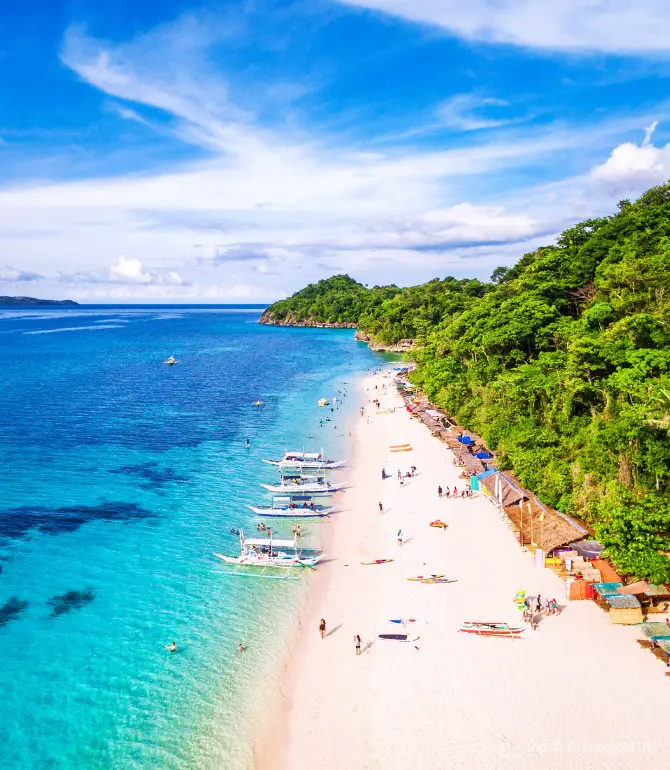
Boracay Island
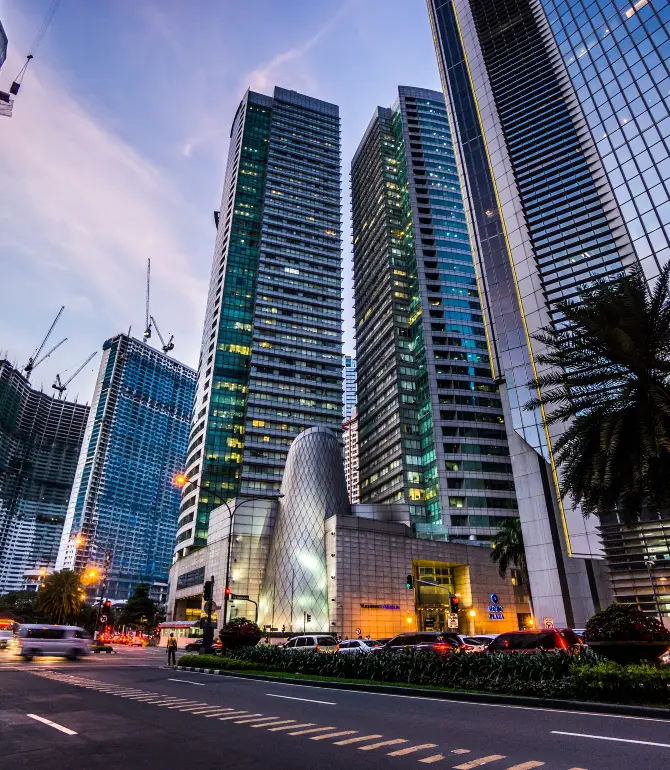
Manila
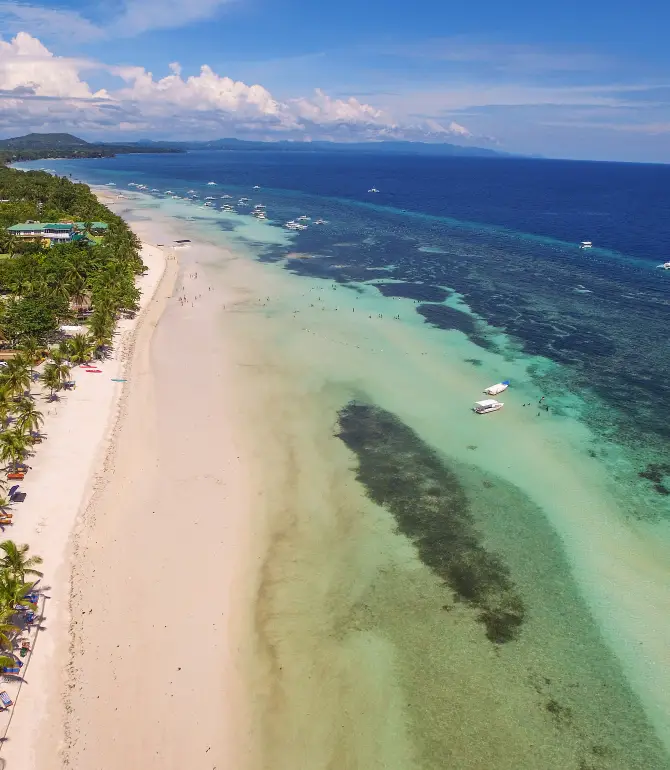
Bohol Island

Palawan
About
Site Operator: Trip.com Travel Singapore Pte. Ltd.