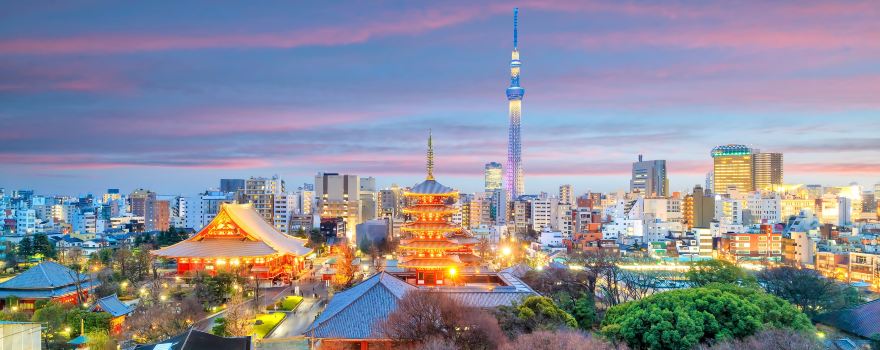
Tokyo Travel Guide 2025: Top Attractions, Things to do & Itinerary | Trip.com | December 2025
About Tokyo
Recommended trip: 3–5 day(s)
Recommended trip: 3–5 day(s)Current weather conditions
 11°C
11°CTokyo Local Experiences Map






Trending in Tokyo
Tokyo Local Travel Guide 2025
Tokyo Brief Guide
Tokyo, Japan’s vibrant capital, buzzes with neon-lit streets and serene temple gardens. Wander the iconic Shibuya, explore hidden shrines, and enjoy delicious ramen at local stalls. And don’t miss out on savoring fresh sushi from Tsukiji Market early in the morning. Tokyo truly offers something for everyone—use our guide to plan your perfect trip!
Tokyo Must-try local experiences
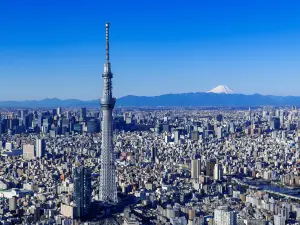
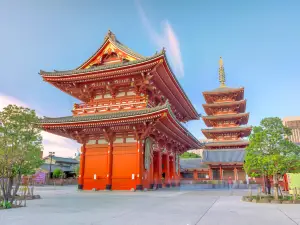
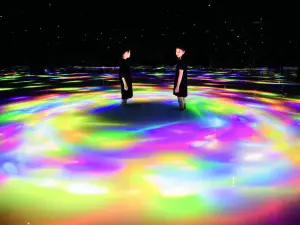
1.Temple Dawn & Quiet Lanes Catch dawn at Senso-ji in Asakusa—Tokyo’s oldest temple glows with red gates and incense, free of crowds; stroll Nakamise-dori for fresh mochi or prayer beads, a serene kick steeped in history. Then wander Yanaka’s narrow lanes—wooden homes, small temples, and teahouses pour matcha amid flowering trees; it’s Tokyo’s slow heartbeat, perfect for a quiet escape. Hit Senso-ji pre-7 AM—bring a light scarf for the morning chill. 2. Neon Street Thrills Walk Shibuya Crossing—hundreds surge under flashing signs, Tokyo’s kinetic core. Watch from Mag’s Park rooftop, then dive in for the full rite-of-passage rush. Nearby, Akihabara’s electric maze buzzes with anime shops and arcades—hunt manga at Mandarake or test retro games; it’s pop culture raw. Hit Shibuya at dusk for the light show—comfy shoes rule Akihabara’s sprawl. 3. Skyline Views Climb Tokyo Skytree’s 634-meter frame in Sumida—hit the decks at dusk as the city ignites below, skipping the mall hum for the skyline’s pull; clear days snag Fuji’s silhouette. Pair it with a high-rise bar—Roppongi’s Mori Tower or Shinjuku’s Park Hyatt—where drinks frame the twinkling expanse; linger past 9 PM when the pulse settles. Book Skytree online—bring a camera for both; the glow’s worth it. 4. Sumo & Stage Traditions Cheer a sumo basho at Ryogoku Kokugikan—grunts, stomps, and ritual pack centuries of raw tradition; snag tickets early for January, May, or September to catch the sweat-soaked drama. Then see Kabuki at Ginza’s Kabukiza Theatre—vivid makeup and dramatic flair unfold 400-year roots; single-act tickets with English earphones ease you in. Arrive early for sumo’s pre-match buzz—dress light for Kabuki’s warm seats. 5. Blossom Picnics Picnic under Shinjuku Gyoen’s cherry blossoms in spring—locals sprawl with combini bentos as petals drift; hit it early for a spot, a vibrant yet chill ritual of Tokyo’s seasons. It’s nature’s pause amid the urban grind—grab snacks at a 7-Eleven nearby; a blanket beats the grass damp. 6. Fresh Market Bites Taste Tsukiji’s outer market—fresh tuna, grilled eel, and tamagoyaki hit hard at no-frills stalls; grab sushi at a counter or snacks to go, Tokyo’s food soul in every bite. Morning catches the fishmongers’ peak—cash or mobile pay seals quick grabs; it’s a flavor punch no reservation needs. 7. Nature Day Treks Hike Mount Takao’s paths—an hour from Shinjuku by Keio Line, cedars and shrines line trails with Fuji peeking clear days; quiet woods slice the city hum. It’s a green reset—pack water and grippy shoes; early trains dodge the weekend rush. 8. Indie Shopping Strolls Shop Shimokitazawa’s quirky streets—indie haunts and vintage racks hum low-key; start near Shirohige’s Cream Puff Factory for a Totoro puff, then roam the artsy sprawl. It’s Tokyo’s offbeat escape—hit midweek for calm browsing; a tote bag hauls your finds. 9. Immersive Dining & Art Savor an omakase night in Ginza or Ebisu—chef-driven sushi or kaiseki unfolds in intimate rhythm; book ahead for pristine flavors and sake that linger. Then explore TeamLab Planets in Toyosu—LED strings, mirrored floors, and wade-through water rooms jolt the senses; reserve tickets and wear shorts for the splash. Evenings kick omakase’s quiet glow—TeamLab’s glow hits post-5 PM.
Tokyo Must-see Attractions
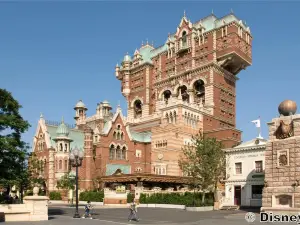
Tokyo’s landmarks weave a vibrant thread—spanning fantasy, film, nature, and skyline icons. Here’s why these five stand out.
Tokyo Food Guide
Tokyo’s food scene is a masterclass in flavor—here’s seven dishes that define it, from street-side legends to refined icons no food lover should miss.
Tokyo Transportation
Tokyo, Japan’s capital and a global hub, is easily accessible by air, rail, bus, or ferry from international and domestic locations. By Air Narita International Airport (NRT): Located about 60 km (37 miles) east of central Tokyo in Chiba Prefecture, NRT handles most international flights and some domestic routes. To City Center (Shinjuku/Shibuya): Narita Express (N’EX): JR East’s high-speed train to Tokyo Station (~60 minutes), Shinjuku (~80 minutes), or Shibuya (~90 minutes). Pay via Suica/Pasmo, cash, or credit card. Operates 7:30 AM–9:40 PM, every 30–60 minutes. Keisei Skyliner: Faster to Ueno (41 minutes) or Nippori (36 minutes). Pay via Suica/Pasmo or purchase single-ride tickets. Operates 7:20 AM–10:00 PM. Airport Limousine Bus: To major hotels or stations (e.g., Shinjuku, ~70–100 minutes). Pay via cash, credit card, or book online. Operates 7:00 AM–11:00 PM. Taxis: ¥25,000–30,000+ depending on traffic (60–90 minutes, plus tolls). It's generally recommended to explore alternative transportation options as taxis in Tokyo are quite expensive. Haneda Airport (HND): about 22 km (14 miles) south of central Tokyo in Ota Ward, HND serves primarily domestic flights and a growing number of international routes. Closer and more convenient than NRT. To City Center (Shinjuku/Shibuya): Tokyo Monorail: To Hamamatsucho (JR Yamanote Line, ~15 minutes). Pay via Suica/Pasmo or tickets. Operates 5:00 AM–midnight. Keikyu Line: To Shinagawa (12 minutes) or Asakusa (30 minutes). Pay via Suica/Pasmo. Operates 5:00 AM–11:50 PM. Airport Limousine Bus: To Shinjuku or Shibuya (~45–60 minutes). Operates 6:00 AM–11:00 PM. Taxis: ¥7,000–12,000 plus tolls; depending on traffic (20–40 minutes). By Train Tokyo Station: Central hub for Shinkansen (bullet trains) on Tokaido (Osaka/Kyoto), Tohoku (Sendai), Hokuriku (Kanazawa), and Joetsu (Niigata) lines. Also serves JR Yamanote and Chuo Lines. Tokyo Station is central; connect to the JR Yamanote Line or take a taxi to Shinjuku/Shibuya. Shinjuku/Ueno Stations: Secondary Shinkansen stops, serving Hokuriku/Joetsu Shinkansen. Activate the Japan Rail Pass at airports or Tokyo Station for intercity travel; use Suica/Pasmo for local trips to save pass validity. By Bus Shinjuku Expressway Bus Terminal (Busta Shinjuku) and Tokyo Station (Yaesu/Minami-Ginza Exit) serve long-distance routes to Osaka (6-8 hours), Kyoto (7-8 hours), or Nagoya (~5 hours) via Willer Express or JR Bus. Both terminals are central; use the JR Yamanote Line or the Metro for other areas. Buses are cheaper but slower than the Shinkansen. By Ferry Port of Tokyo: Serves domestic routes to islands like Oshima (6-10 hours) or Hokkaido (36+ hours). Limited seasonal international cruises (e.g., to China, Korea). To City Center: From Takeshiba Terminal, take the Yurikamome Line to Shimbashi or take a taxi.
Tokyo Where to Stay
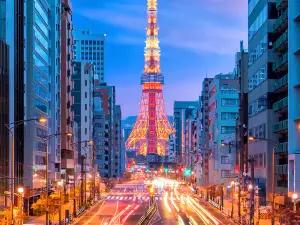
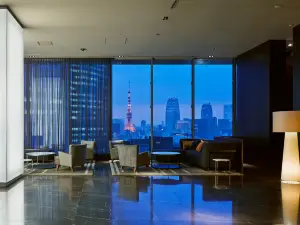
Tokyo’s neighborhoods pulse with distinct rhythms—here’s where to rest your head, tailored to your travel style, from vibrant hubs to timeless lanes.
Tokyo Best Time to Visit
Tokyo’s humid subtropical climate features four distinct seasons, with temperatures ranging from -2°C to 37°C (28°F to 99°F). Summers are hot/humid, winters are cold/dry, and typhoons impact late summer. Late March to April is perfect for cherry blossoms, and October to November is ideal for fall foliage and mild weather. Sakura Season (March–May): Mild temperatures 8°C–22°C (46°F–72°F), low humidity, and minimal rain. Cherry blossoms (late Mar–Apr). Ideal for gardens, street food, and festivals (Sanja Matsuri in May). Peak crowds; hotels +40% (book 6+ months ahead). Rainy & Hot Season (June–August): 22°C–37°C (72°F–99°F), humidity 80–95%, heavy rains in June. Low-season hotel deals (25% off), empty indoor attractions. Fireworks festivals (Sumida River, July).Typhoon risk (Aug–Sep); extreme heat limits outdoor time. Fall Season (September–November): Comfortable 15°C–23°C (59°F–73°F), crisp air, vibrant foliage. Food festivals (Tokyo Ramen Show) and fewer crowds than spring. Early Sep typhoons; hotel rates spike during foliage peak. Winter Season (December–February): Cold -2°C–12°C (28°F–54°F), dry, rare snow. Illuminations (Roppongi Hills, Shibuya Sky), the lowest hotel rates. Shorter daylight hours; some gardens/temples close early.
Tokyo Travel Tips
1. Book Key Attractions Early Spots like the Ghibli Museum, SHIBUYA SKY, and Harry Potter Studio Tour sell out fast—slots drop weeks or months ahead. Check official sites or trustworthy apps like a month out; last-minute walk-ins rarely work. 2. Pack Light for Trains Tokyo’s subways and trains cram at rush hour—6-9 AM and 5-8 PM. Skip bulky bags to avoid glares or delays; lockers at stations (300-700 JPY) stash extras. Stand right, walk left on escalators—locals move fast. 3. Carry Cash, Expect Cards Small shops and day trips lean on yen—7-Eleven or Japan Post ATMs work best. Big stores and transit take cards or IC passes like Suica; load one at stations for seamless taps. 4. Bow and Be Quiet at Shrines At temples or shrines, slip off shoes where marked, keep voices low, and bow lightly before praying—two bows, two claps, one bow. It’s respect that fits you in; noise stands out. 5. Sort Trash or Carry It Tokyo’s bins are rare—recycle rules split paper, plastic, cans. Look for labeled bins at stations or convenience stores; otherwise, pocket a small bag for later. Littering’s a fineable faux pas. 6. Smoke Only Where Allowed Street smoking’s banned in most wards—fines can be high. Use marked smoking rooms or cafe patios; flicking cigarette butts risks a police stop. Signs are clear—heed them. 7. Skip the Tip, Say Thanks Tipping’s not expected—service is baked in. A warm “arigatou gozaimasu” (thank you very much) shows appreciation; extra cash puzzles staff. 8. Dress for Weather Shifts Summer hums humid, winter chills deep—layers adapt to swings. Spring and fall surprise with rain; pack an umbrella and comfy shoes—Tokyo demands walking. 9. Dodge Golden Week Crowds Late April to early May—Golden Week—floods Tokyo with holiday travelers. Sights clog, rates jump; shift a week earlier or later for calmer streets and easier bookings. 10. Map Offline Routes WiFi dips beyond hotels—download Google Maps offline or rent a pocket WiFi at the airport. Station exits tangle; match signs to your route ahead of time.
Tokyo Useful Guide
Japanese is the official language. Signs are often bilingual, but English is not common outside popular tourist areas.
Trip.Best: Tokyo




Things to do in Tokyo
What to do


Warner Bros. Studio Tour Tokyo - The Making of Harry Potter


Where to stay


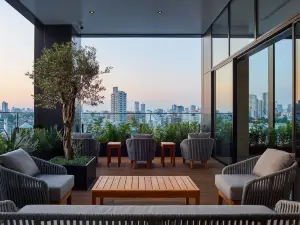
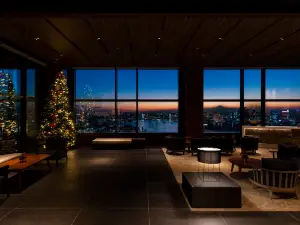
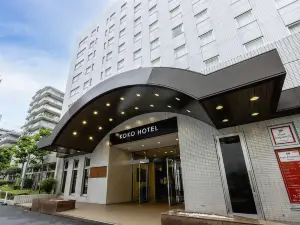

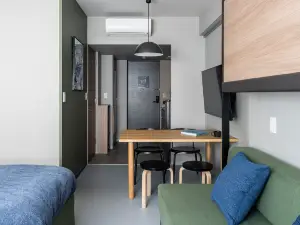



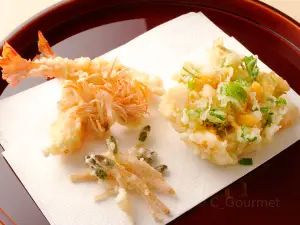
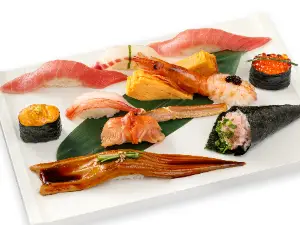
What to eat






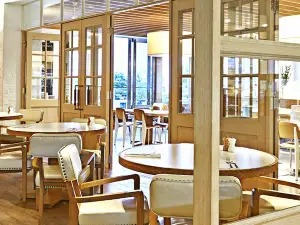
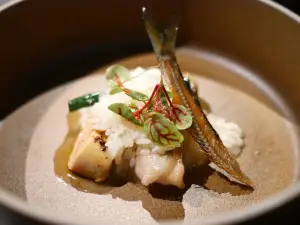

Tokyo Moments: Through Travelers' Eyes
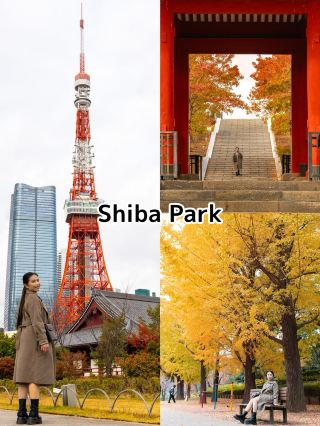
shiba park autumn 🍁🍂

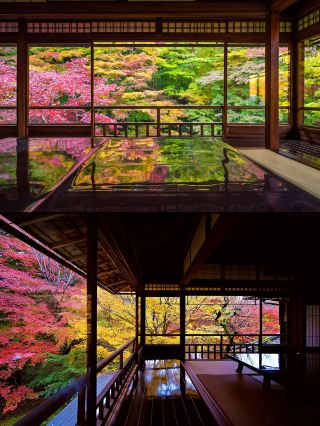
Japan's Ultimate Luxury Custom Tour Aman + fufu, just go for it with your eyes closed

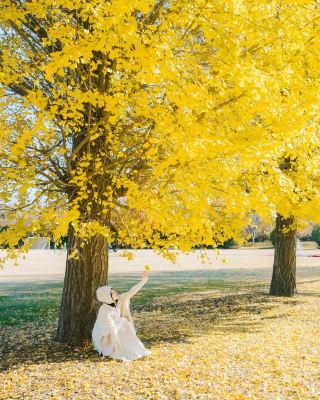
Showa Memorial Park Ginkgo Photoshoot|The Junior's White Dress Photoshoot Is Absolutely Stunning

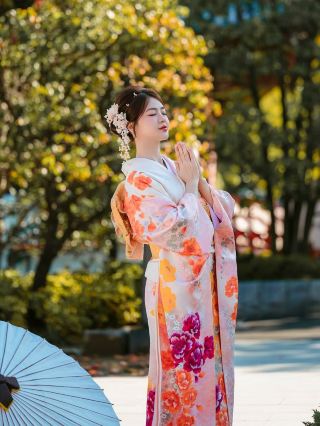
First Kimono Experience in Tokyo|Asakusa Temple Photoshoot Guide


Shinjuku Gyoen | Another year of Tokyo autumn


The Most Beautiful Christmas Tree Collection

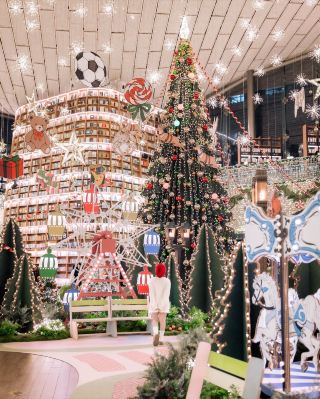
Seoul Ginza Christmas Check-in Guide: Starfield Library is a must-visit!

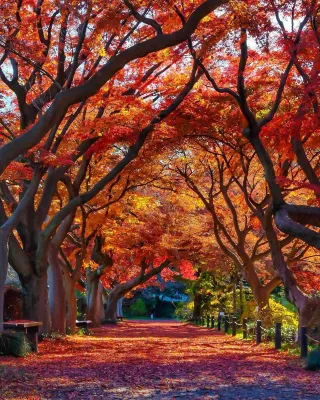
The "Autumn Leaves Tunnel" at Koishikawa Botanical Garden in Tokyo is about to open

Tokyo: FAQ

What's the most popular attractions in Tokyo?

Things to do near Tokyo for family & child?
How to get to Fujikawaguchiko from Tokyo?
How to get to Yokohama from Tokyo?
How to get to Tokyo from Nagoya Airport?
How to get to Tokyo from Sapporo?
Best of Tokyo
Top 10 Instagrammable Hotels in Tokyo
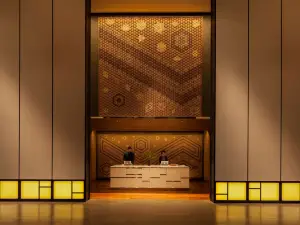
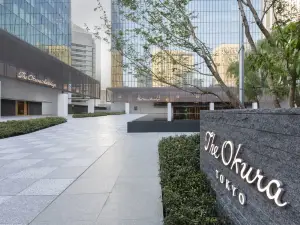

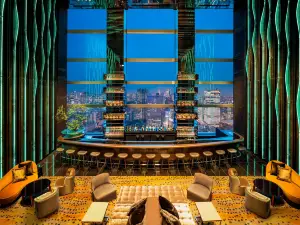
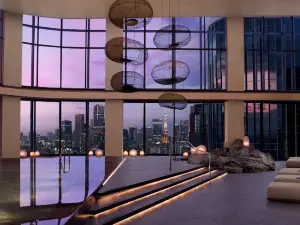


Top 10 Hot Spring Hotels in Tokyo


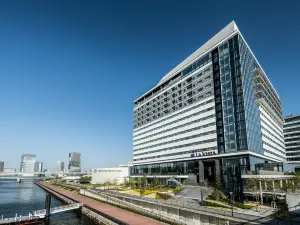
Top 20 Gourmet Hotels in Tokyo
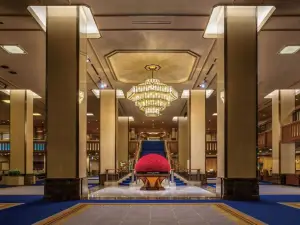
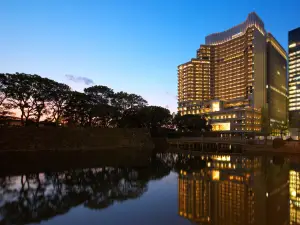
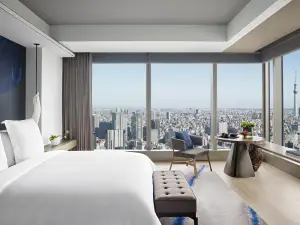
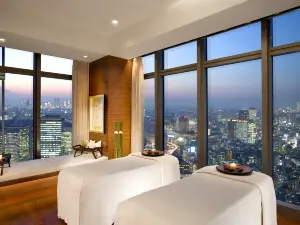

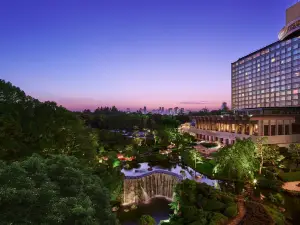


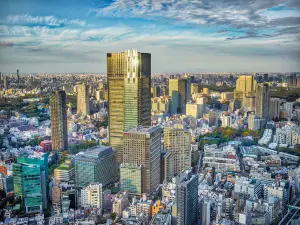

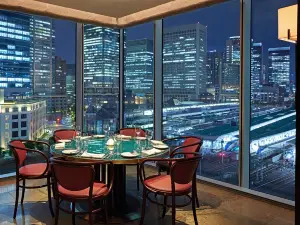
Top 20 Premium Hotels in Tokyo

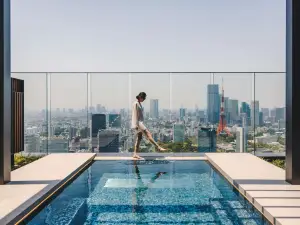
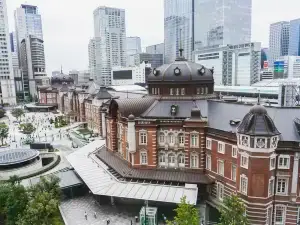
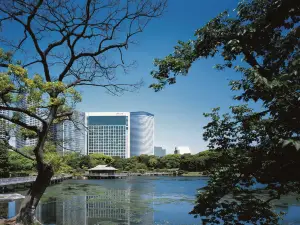

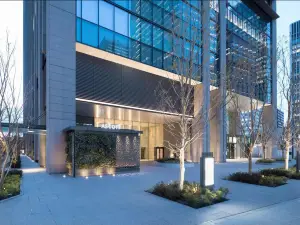



Top 20 4-Star Select Hotels in Tokyo


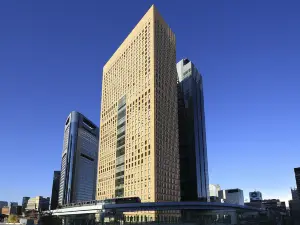
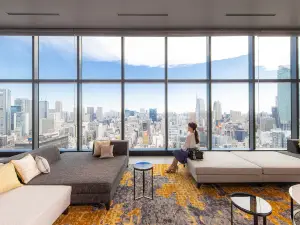
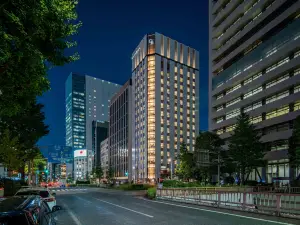

Top 50 Best Things to Do near Tokyo

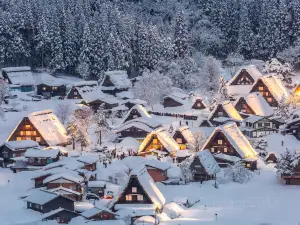

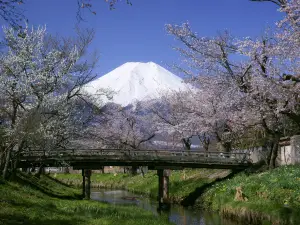
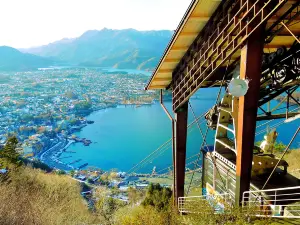
Top 50 Family-friendly Attractions near Tokyo
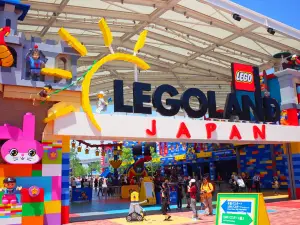
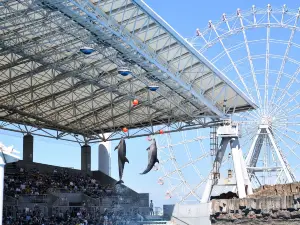
Port Of Nagoya Public Aquarium
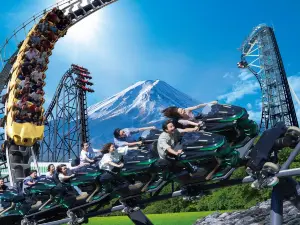

Izu Shaboten Park

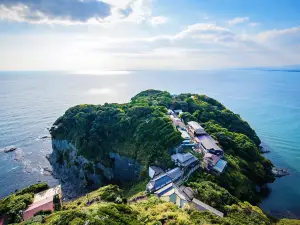
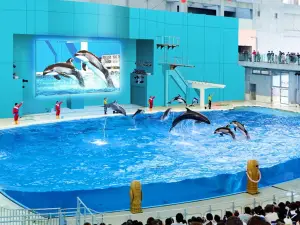
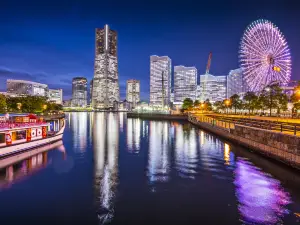
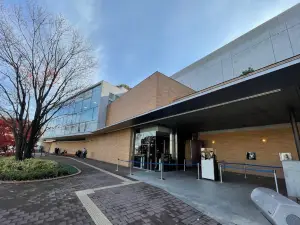
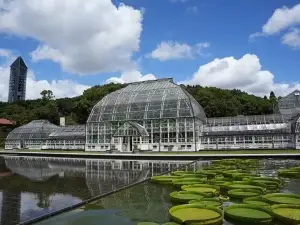
Higashiyama Zoo and Botanical Gardens
Top 50 Fall Viewing Attractions near Tokyo

Kenroku-en
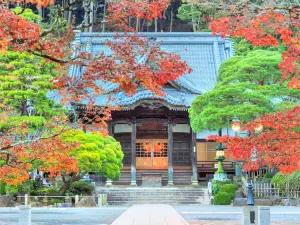
Shuzenji

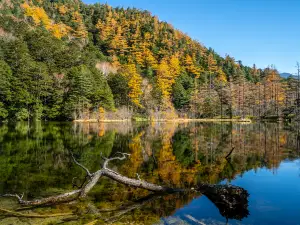
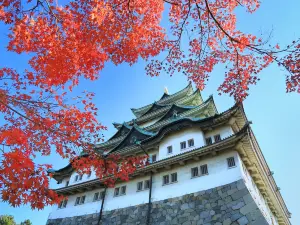
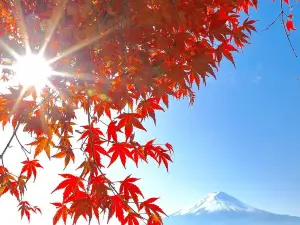
Oishi Park
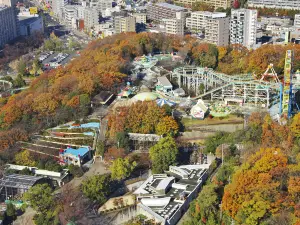
Higashiyama Zoo and Botanical Gardens
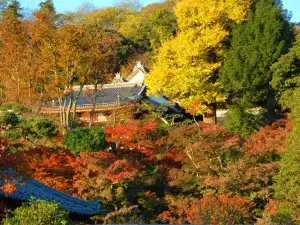
Top 20 Luxury Hotels near Tokyo
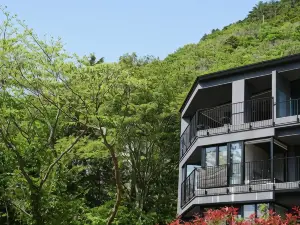

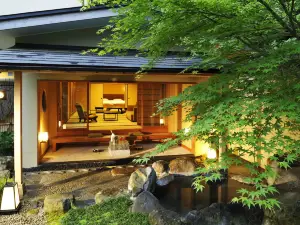
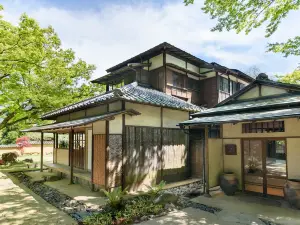
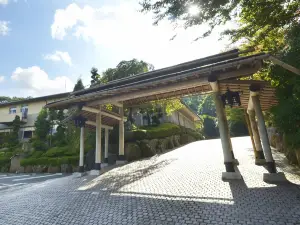
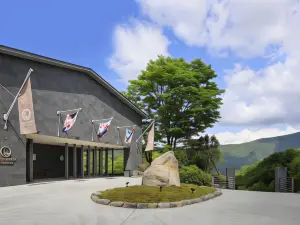

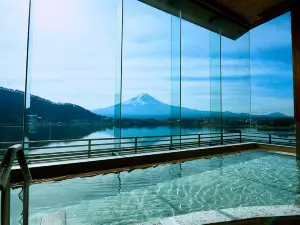
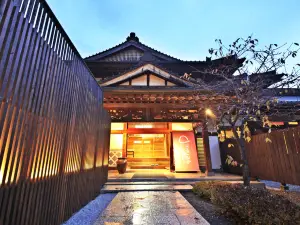
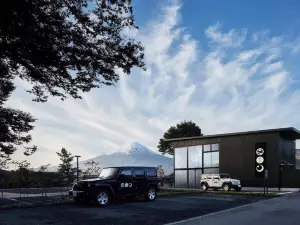
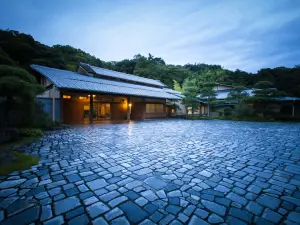
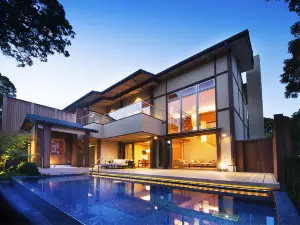
Top 50 Scenic Hotels near Tokyo


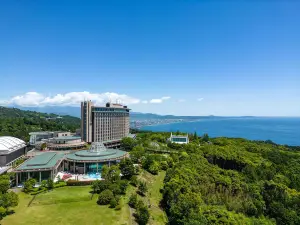

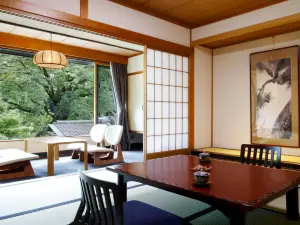
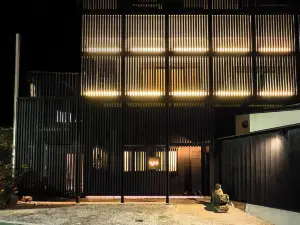

Other recommended cities
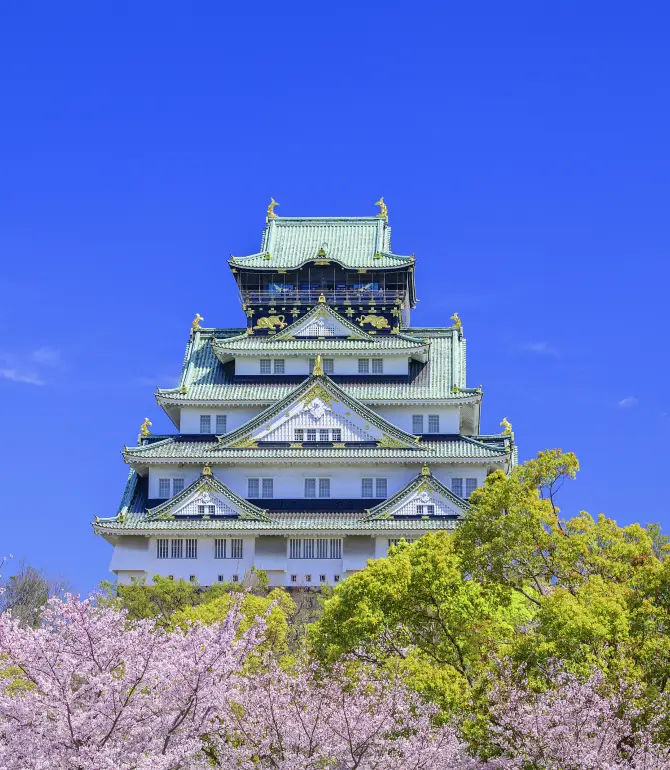
Osaka
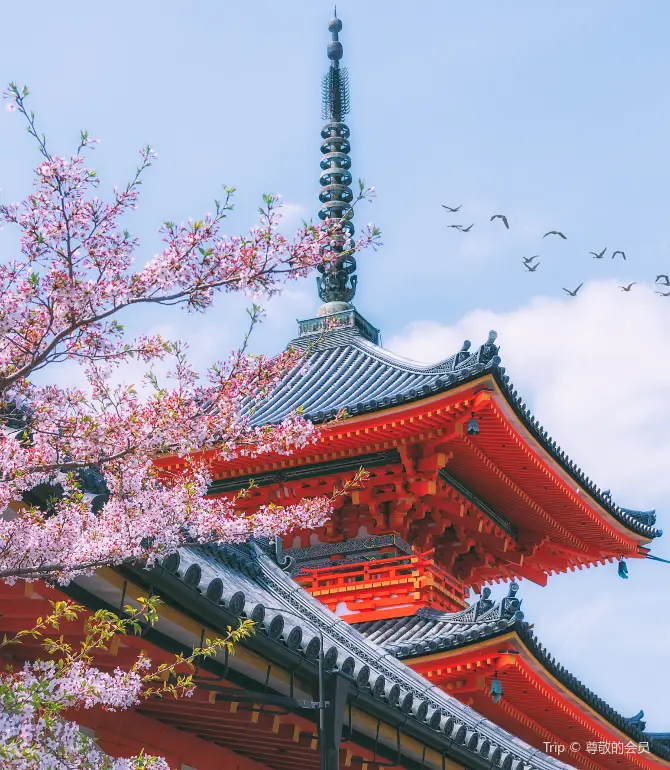
Kyoto
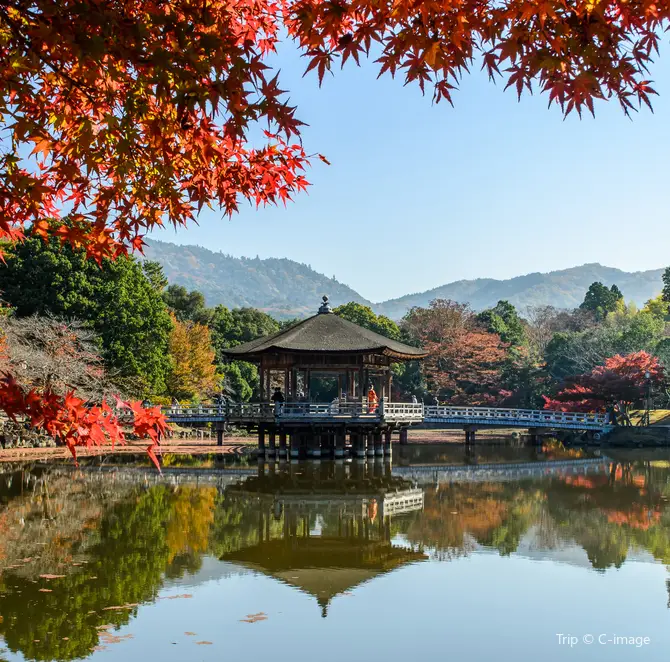
Nara
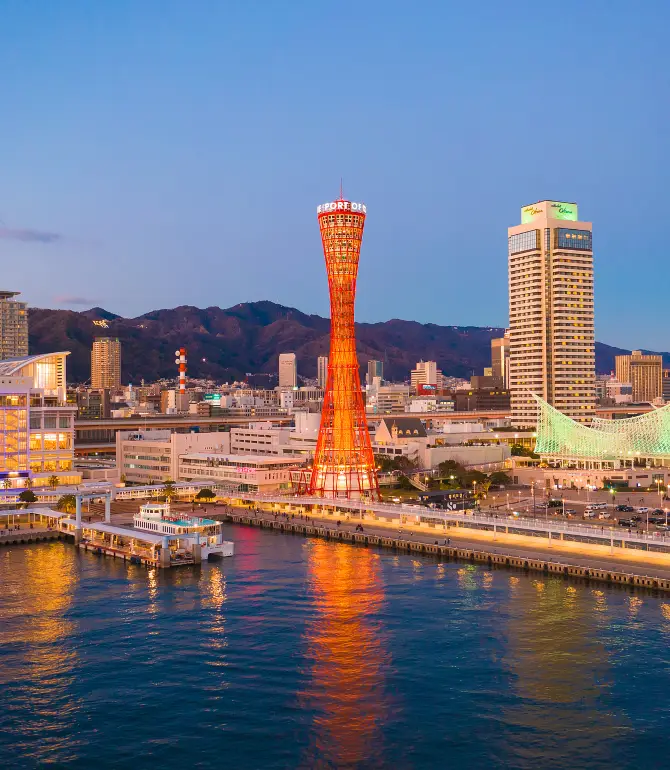
Kobe
About
Site Operator: Trip.com Travel Singapore Pte. Ltd.