Beijing 2026 Guide: Must-see attractions, local cuisine, and practical tips! | Trip.com
 Local GuidesLast updated on Trip.com: 18/03/2026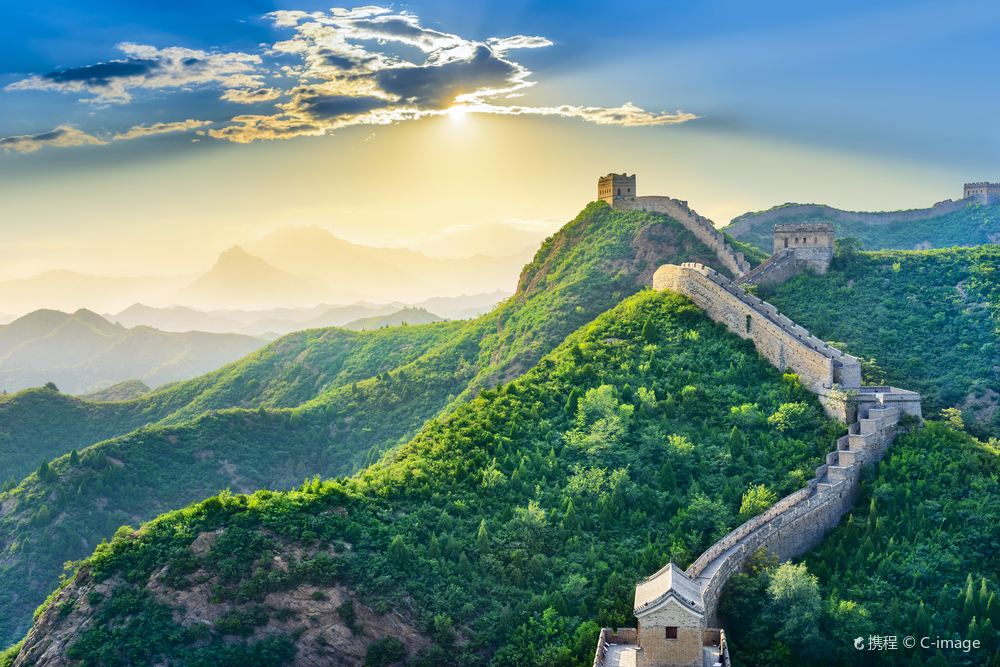
Beijing Brief Guide

Beijing, the historic capital of China, is awe-inspiring with its rich history, vibrant culture, and modern urban charm. Experience its unique charm as you stroll through the hutongs and discover the imperial glory hidden behind the gates of the Palace Museum. Plan your ideal journey in Beijing and explore its vast heritage.
Beijing Must-try local experiences
Explore Beijing's Historic Heart
Walk through Tiananmen Square into the Forbidden City, where 600 years of crimson walls and golden roofs await. Scale Jingshan Hill for a sweeping view, then drift to the Summer Palace—paddle across Kunming Lake or trace the Seventeen Arches Bridge. Visit the Temple of Heaven, where emperors honored the skies, or linger in Beihai Park's quiet gardens. Let Beijing pull you back through centuries of dynasties and dreams.
Discover Beijing's Museum Gems
Dive into Beijing’s past at the National Museumof China, tracing 5,000 years of Chinese civilization with endless precious cultural relics. The Capital Museum in Xicheng reveals China‘s history through Bronze Vessels, porcelain, calligraphy works, paintings, coins, jades, seals, needlework, and Buddhist statues, some relics dating back to the New Stone Age; UCCA Center for Contemporary Art stuns with annual exhibits. Peek at the Red Brick Art Museum’s architecture or browse Song Gallery’s minimalist space. Each hall draws you deeper into different eras.
Wander Vibrant Hutong Alleys
Pedal or stroll through Beijing's hutongs, gray-brick lanes pulsing with bikes and chatter. Nanluogu Xiang buzzes with indie shops, Shichahai blends lakeside bars, and Temple of the White Dagoba hides a White Stupa. Hit Yangmeizhu Byway for boutiques, Wudaoying Alley for cafes, and West Xinglong Street for art. Rickshaws speed the spin—old Beijing's soul hums here.
Climb the Great Wall
Ascend the Great Wall, its watchtowers rising over rugged hills. Badaling lays out smooth trails; MuTianYu lifts you to unforgettable views by cable car. Jinshanling Great Wall dares with steep, wild paths; Great Wall at Simatai staggers with dramatic drops. Huanghuacheng Lakeside Great Wall edges water—each ridge tells a tale—choose your stretch.
Have an Adventure at Universal Beijing
Experience the thrills of Universal Beijing Resort, where cinematic worlds collide—cast spells in Harry Potter's realm, enjoy friendly banter with Megatron, or chase adventures with the Minions. Thrills roll from coasters to live-action stunts, pulling you through film-fueled adventures. Beijing's blockbuster escape awaits.
Marvel at Peking Opera
Watch Peking Opera Performances—painted faces, falsettos, and flips spin Qing tales. Chang'an Grand Theatre and Mei Lanfang Grand Theatre dazzle with craft; Huguang Guild Hall or Lao She Tea House add tea and xiangsheng—lively crosstalk comedy that shines if you catch the banter. Beijing's stage lights up boldly.
Discover Sacred Ancient Temples
Explore Beijing's soul at Lama Temple, alive with Tibetan chants and towering Buddhas. Confucius Temple honors scholars with carved tablets; Zhihua Temple plays live Buddhist music from centuries past. Fahai Temple shines with Ming murals; Hongluosi draws singles to pray for romance. Tanzhe Temple stands with 1,400-year-old Emperor Ginkgo trees—each site whispers its own story.
Shop Eclectic Beijing Markets
Browse Beijing's markets—Pan Jia Yuan brims with jade, scrolls, and vintage treasures; Wangfujing Night Market fires up with skewers, dumplings, and souvenir stalls. Qianmen Street lines up classic shops, Liulichang Culture Street offers art stands, and hutong boutiques shine with one-of-a-kind finds. Deals call from every turn—take a memory of Beijing home.
Savor Authentic Beijing Cuisine
Try Peking Duck, its crisp skin and tender meat rolled with sauce—a city must. Savor Beijing hot pot bubbling with lamb, or slurp Zhajiang noodles with savory meat sauce. From street stalls sizzling with skewers to fine restaurants plating delicate imperial pastries, Beijing's flavors span bold and hearty to refined bites.
Admire Beijing's Colorful Fall
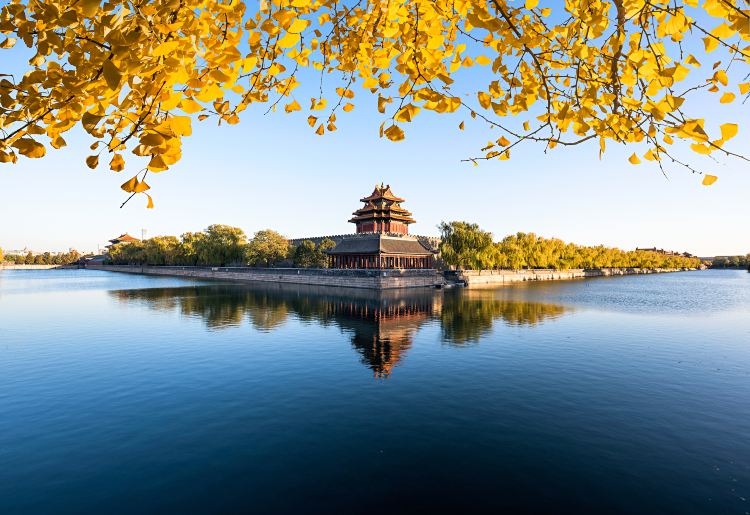
Seek Beijing's autumn blaze at Pofeng Ridge and Xiangshan Park, where red leaves splash across hills, framing ancient sites. Stroll Diaoyutai Yinxing Avenue under golden ginkgo, spot the Jiaolou Building's amber glow in the Forbidden City, or catch Yuanmingyuan Park's withered lotus charm. Fall paints the city bold.
Revel in Winter Adventures
Hit Beijing's Winter Olympic venues in Yanqing for snow tubing or ski runs that carve the slopes. Lace up at Shichahai Rink in the city for ice skating or pedal a retro ice bike. Snow dusts the scene—winter's playground calls.
Beijing Must-see Attractions
Beijing is a city rich in cultural heritage and modern attractions, featuring landmarks like the historic Forbidden City, the iconic Badaling Great Wall, the picturesque Summer Palace, the traditional Prince Kung's Palace Museum, and the contemporary Universal Beijing Resort. Each of these landmarks offers unique insights into China's past and present.
Universal Beijing Resort
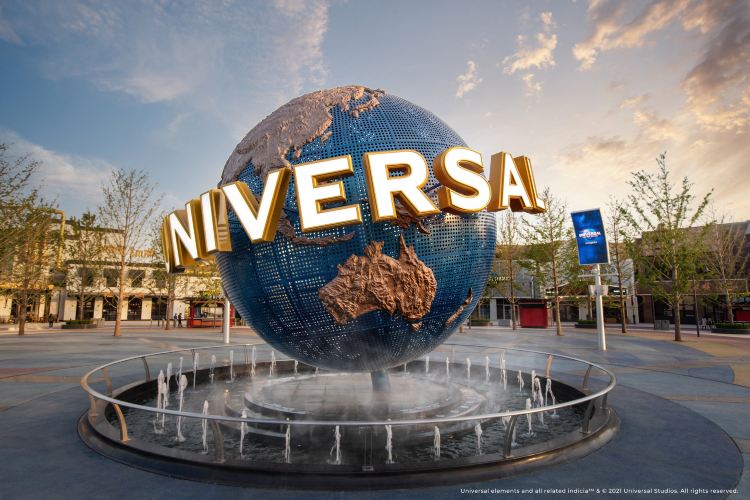
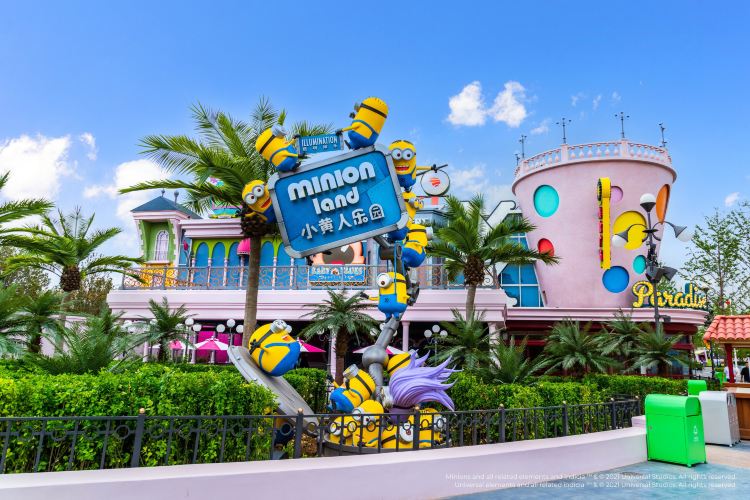

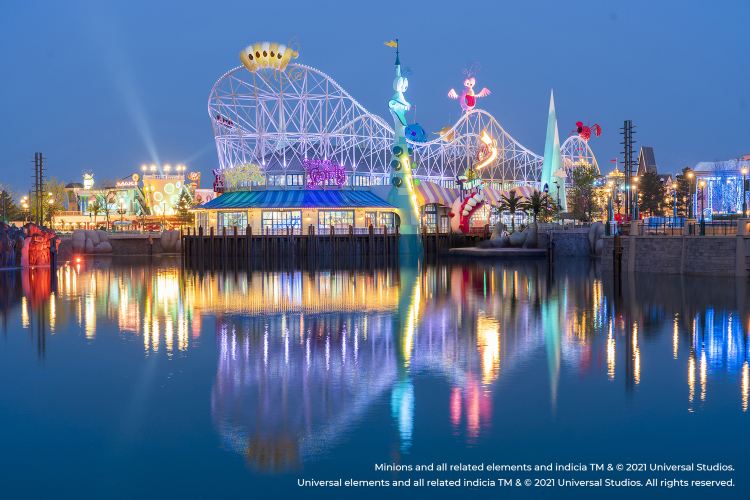
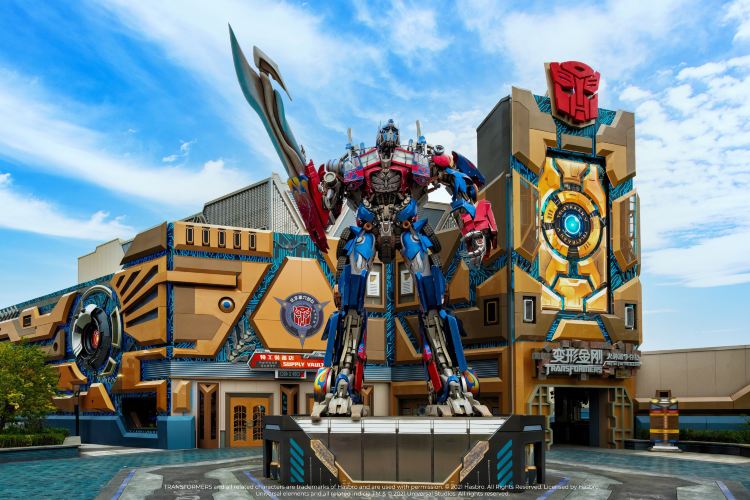
Universal Beijing Resort in Tongzhou is a wild movie mashup—seven themed lands burst with fun since 2021. Hogwarts casts spells, Transformers rumble, and Kung Fu Panda’s noodle shop serves up whimsy. Jurassic dinos, Minions, and Hollywood glitz clash in a thrilling ride. Beyond the gates, CityWalk hums with shops and eats, while two hotels—one grand, one sleek—tie into the themes. It’s a must for kids, thrill-seekers, or film fans—Beijing’s loudest modern blast.



The Palace Museum (Forbidden City)
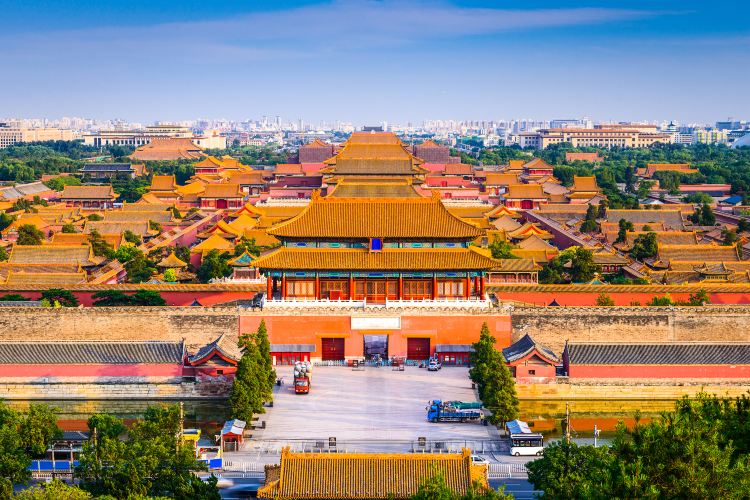
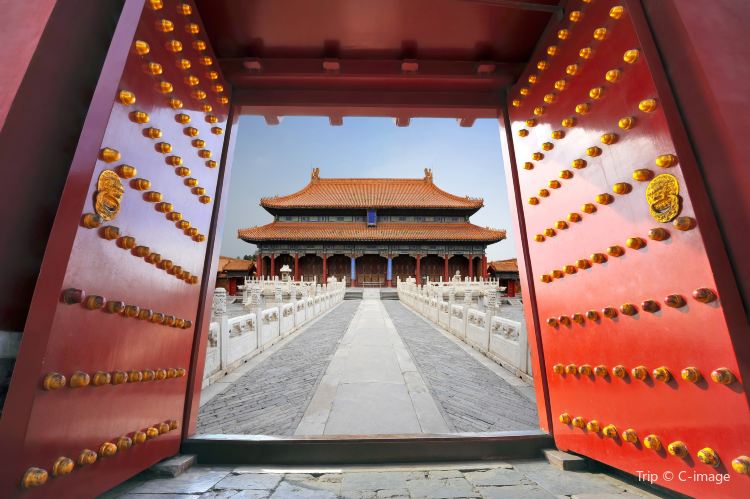
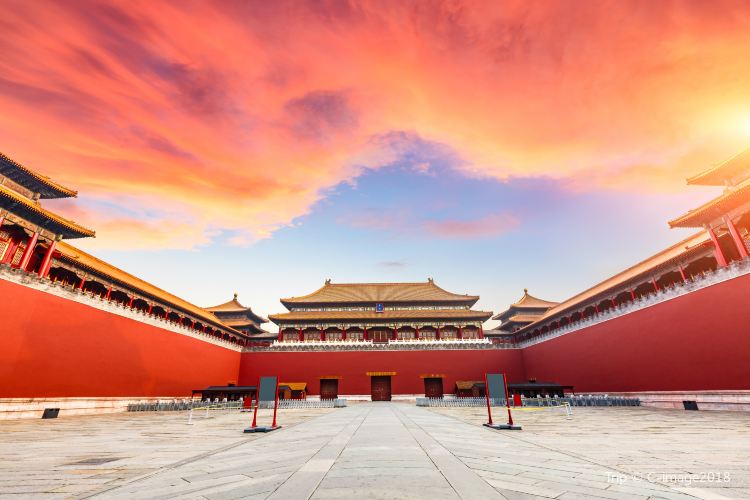
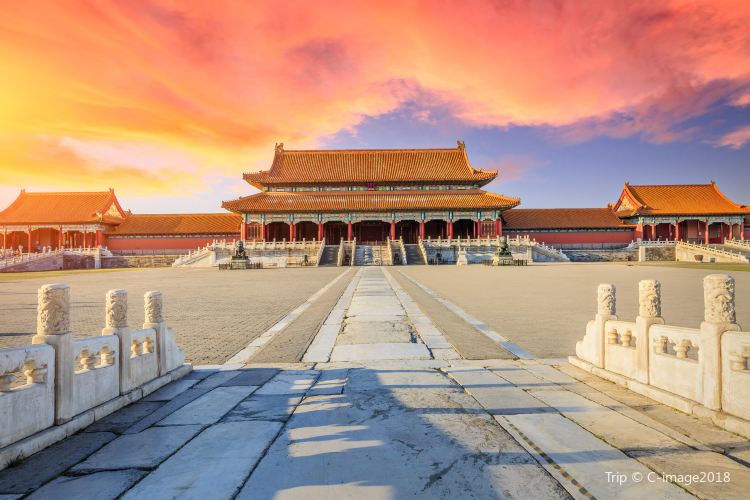
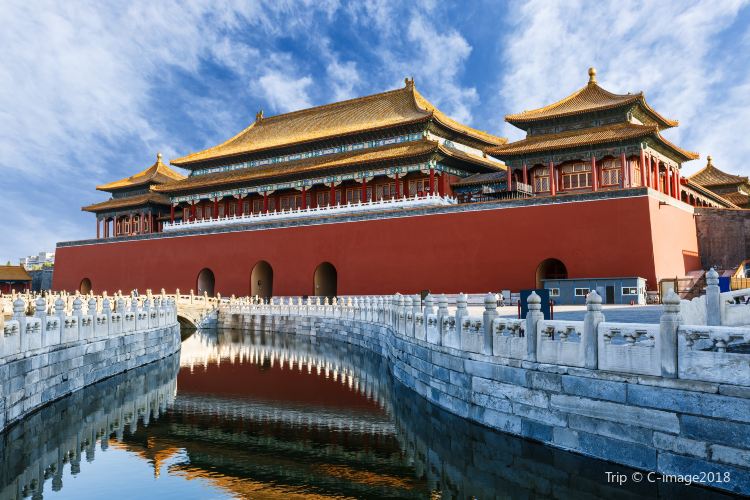
The Palace Museum—Forbidden City’s public face since 1925—spans 180 acres (72 hectares), a 600-year Ming-Qing epic. Red walls and golden roofs frame throne rooms like the Hall of Supreme Harmony and royal relics—bronzes, jade, silks. Wander halls packed with 1.8 million artifacts, some recreating imperial life down to the curtains. It’s Beijing’s dynastic core, alive and unmissable.
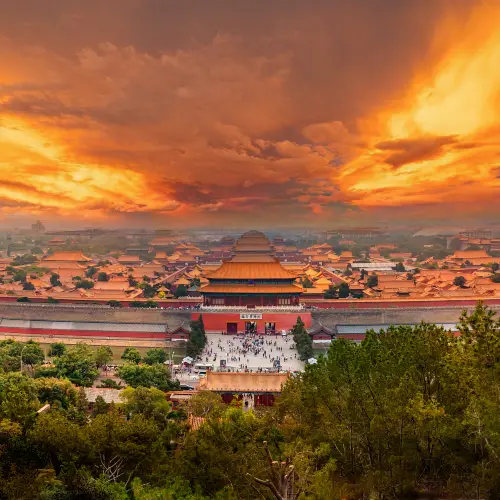

Badaling Great Wall
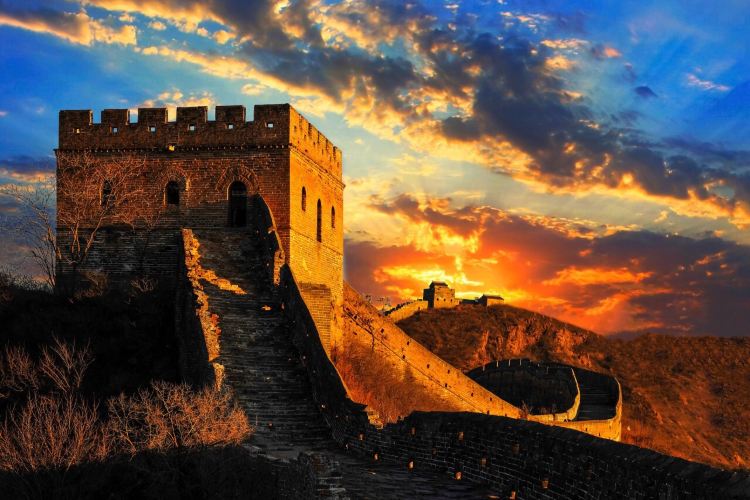
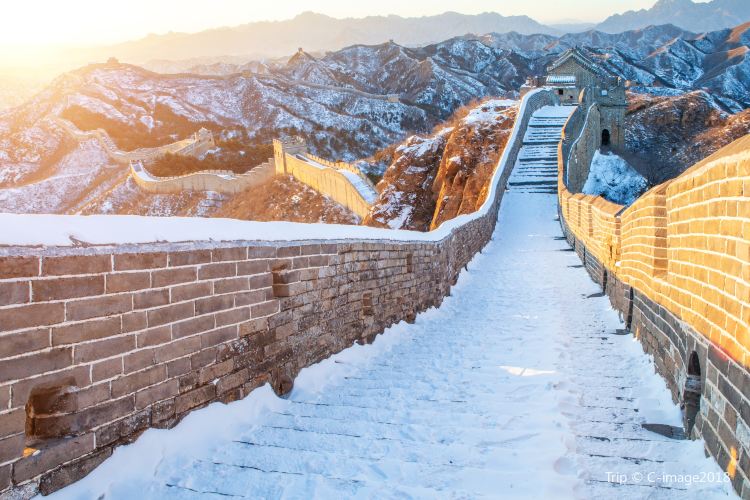
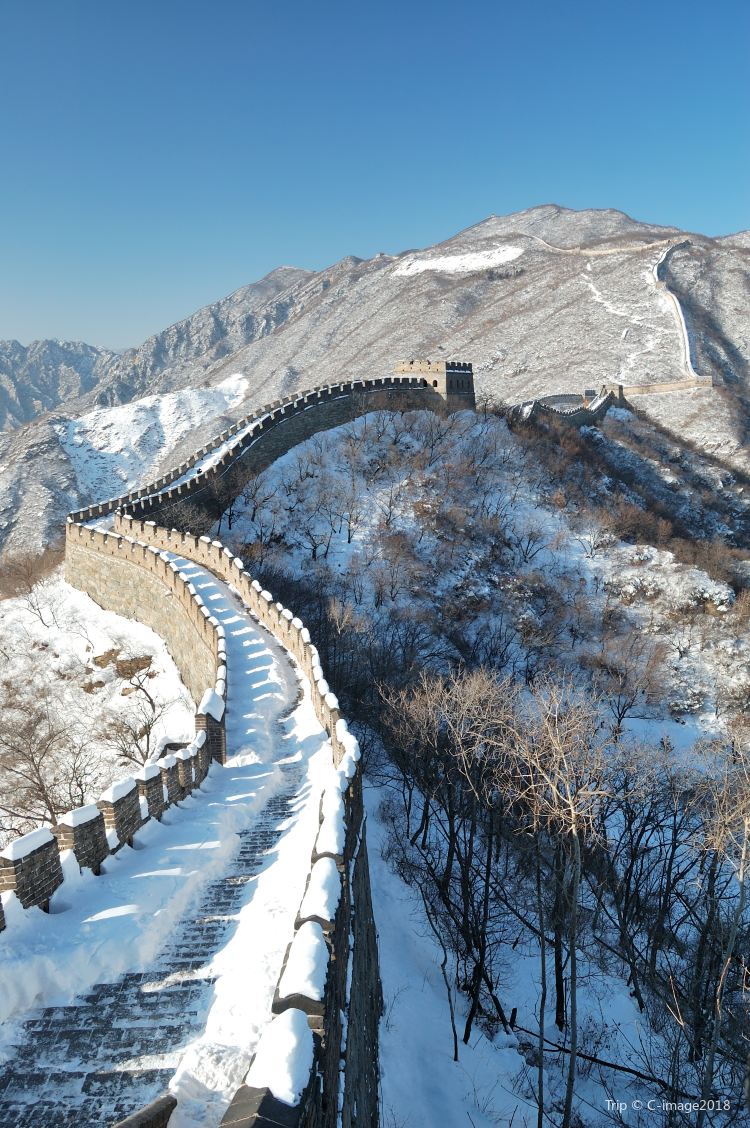

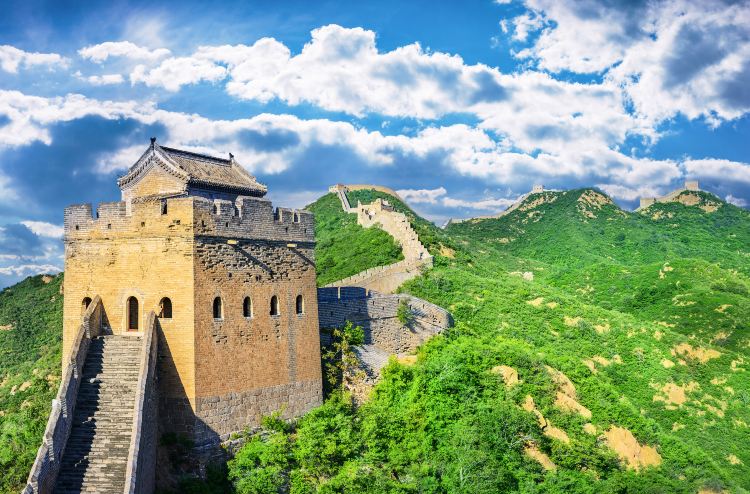
Badaling Great Wall rolls out 80 kilometers northwest of Beijing’s core—a Ming Dynasty stretch from 1505, perched where mountains meet military might, guarding the capital’s northern flank. Restored to flex its UNESCO status, its stone watchtowers and steep ramps climb through rugged green, a testament to China’s ancient might—12 km of wall you can trace with your boots. Cable cars whisk you up for a hawk’s-eye view of peaks and plains, or a toboggan sled drops you back down—half history lesson, half playground. It’s Beijing’s most-trodden Great Wall chunk—world leaders have walked it—but the crowds don’t dim its raw pull; it’s where the past stands tall.


Summer Palace
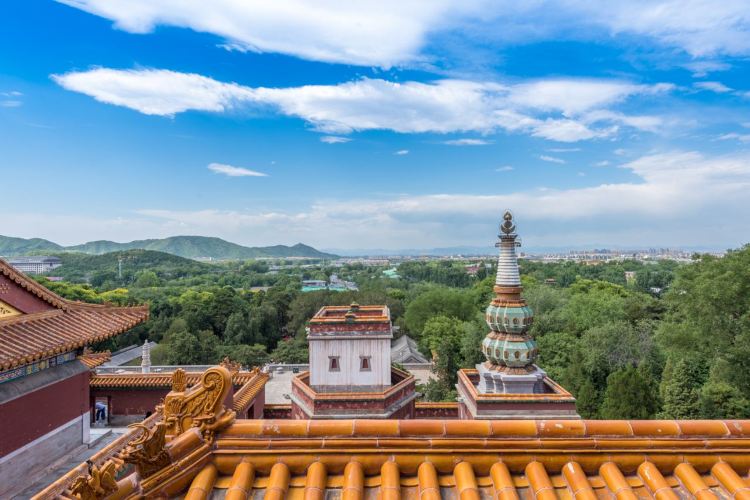
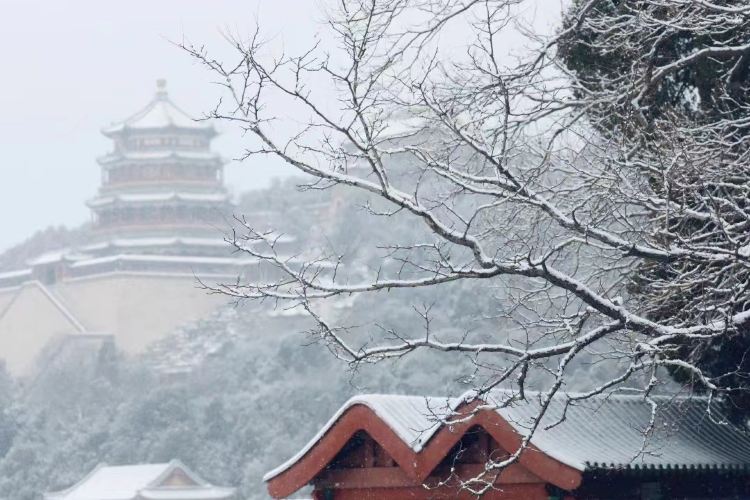
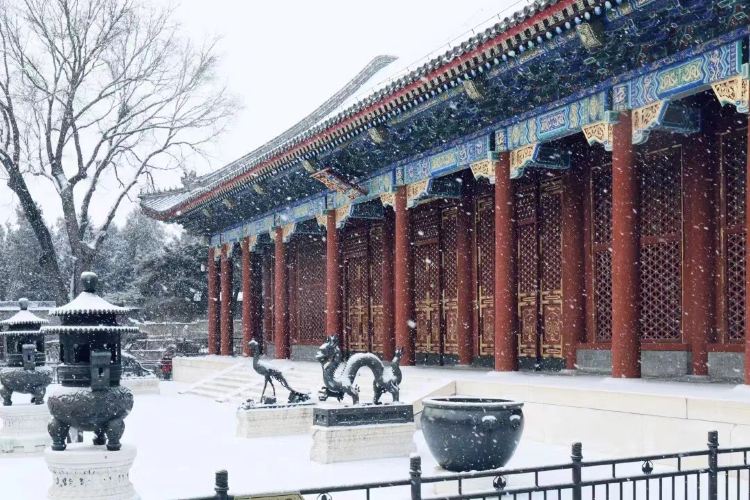
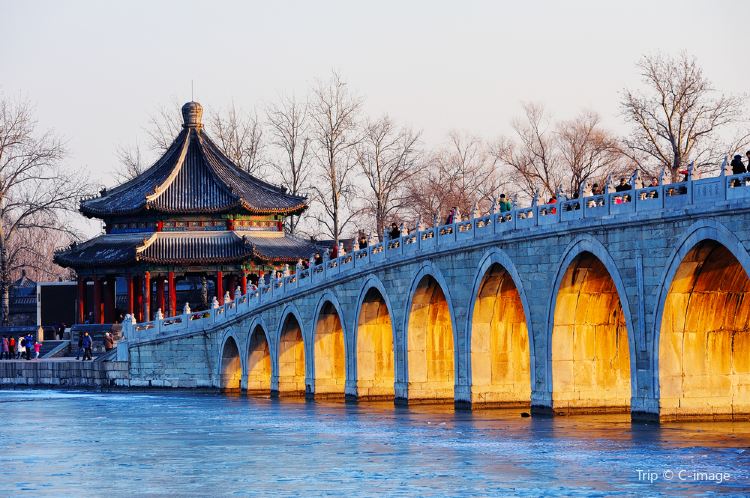
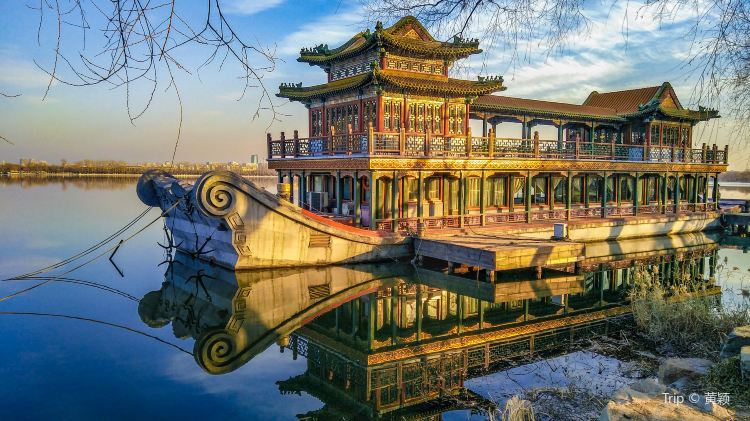
Summer Palace—Yiheyuan—spreads over Beijing’s northwest like a Qing royal daydream, a UNESCO gem where emperors ditched summer heat for Kunming Lake’s cool ripple and Longevity Hill’s shade. It’s China’s grandest imperial garden—300 hectares of lotus ponds, arched bridges, and over 3,000 pavilions, halls, and towers, all stitched into hills and water by hands that knew how to fake nature’s best. Paddle a boat across the lake past the Seventeen Arch Bridge, or roam the Long Corridor’s painted beams—some catch Peking opera echoes from an old theater tucked inside. It’s Beijing’s imperial escape hatch—calm, green, and heavy with history.



Prince Kung's Palace Museum
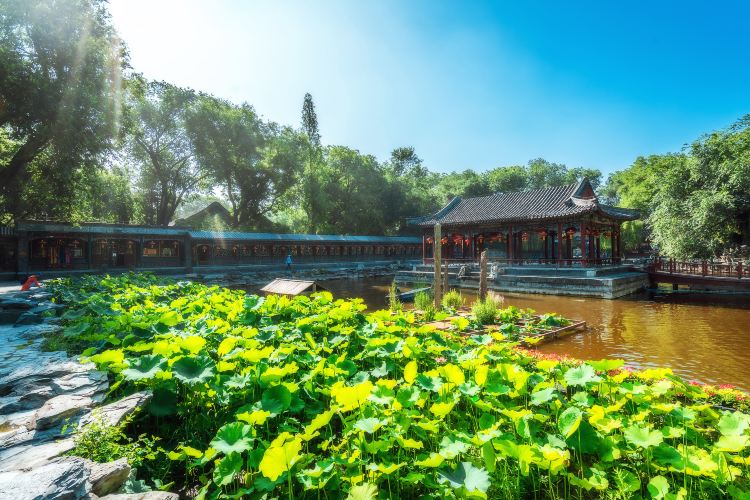
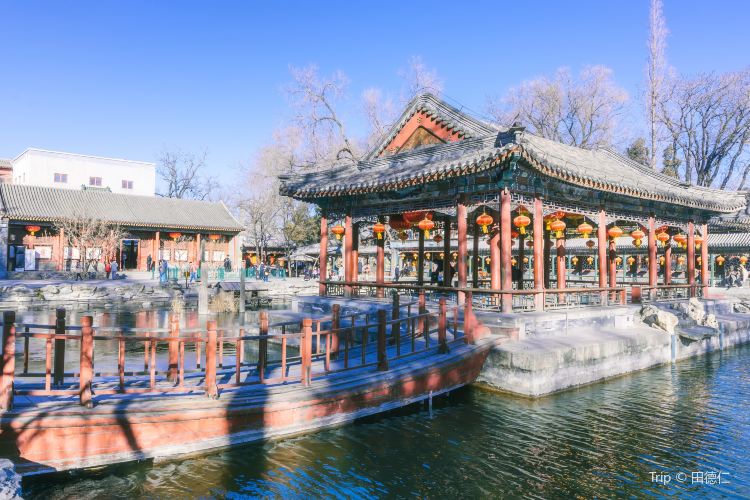
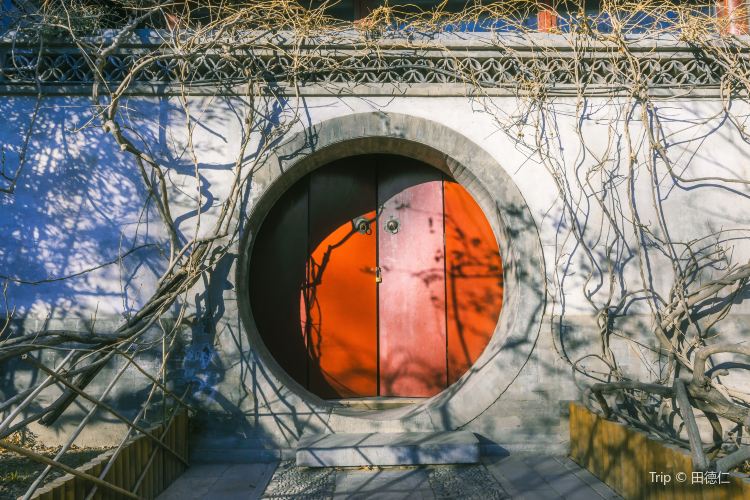
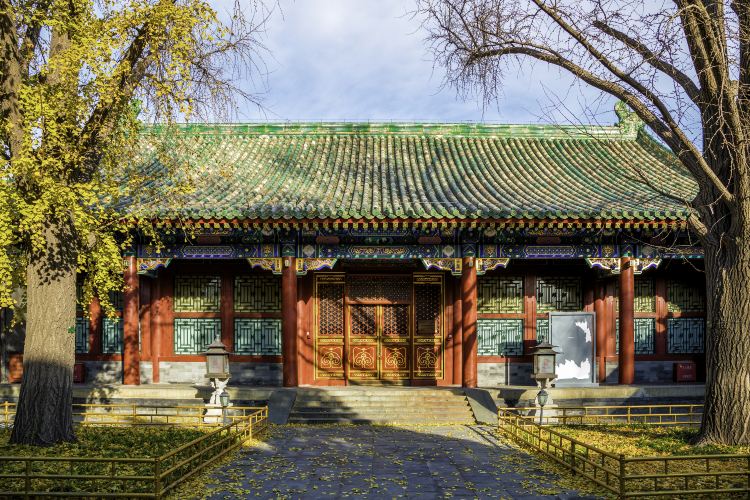
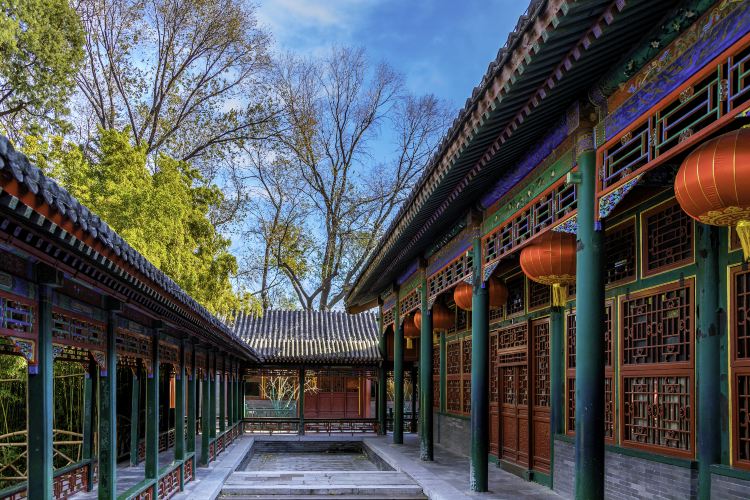
Prince Kung’s Palace Museum—or Gong Wang Fu—sits in Xicheng, a Qing noble’s pad turned time capsule, spilling Beijing’s dynastic swagger through gray-brick courtyards and carved beams. Once home to a power-player prince, it’s now a peek into Qing elite life—rooms brim with ancient paintings, calligraphy, porcelain, and furniture, relics of a gilded past. The Cuijin Garden out back steals the show—artificial hills, koi ponds, and 20+ scenic nooks weave a quiet maze; a grand opera house inside still belts Peking tunes some days. It’s Beijing’s noble underdog—less crowded than the palaces, just as rich in history.
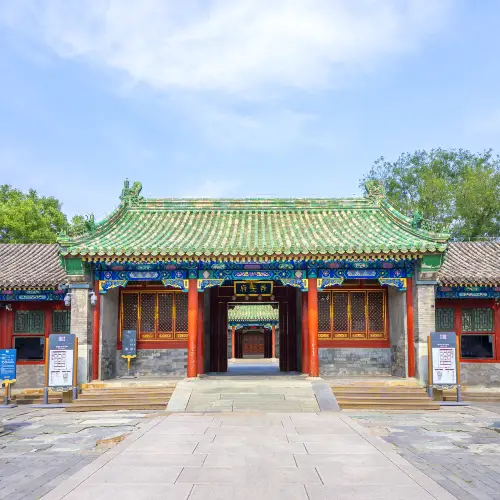
Beijing Food Guide
Beijing’s food scene thumps with Jing cuisine—street carts and old kitchens sling dishes that carry the capital’s northern bite.
Peking Duck
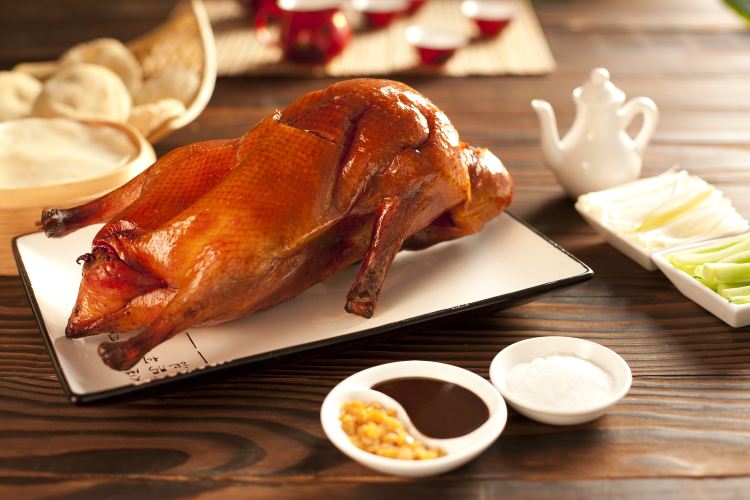
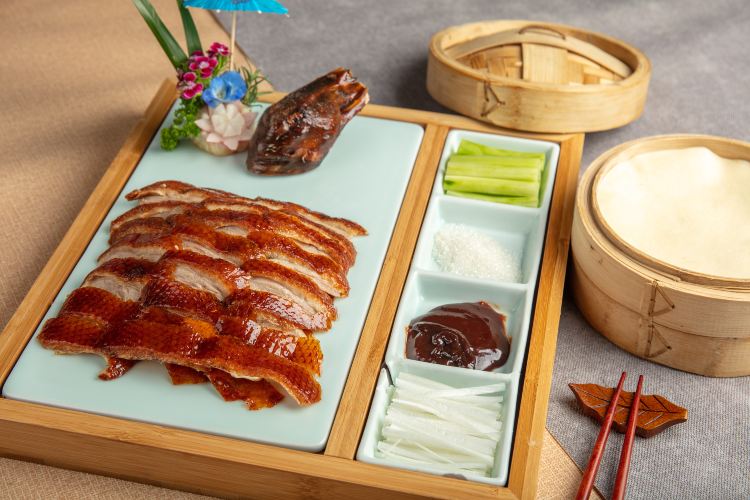
Peking Duck reigns as Beijing’s culinary king—roasted whole till the skin crisps golden and the meat stays juicy, a craft born in the Yuan Dynasty’s imperial kitchens. Sliced thin at the table, it’s tucked into pancakes with spring onions, cucumber, and sweet bean sauce—crunch, fat, and tang in every bite. Quanjude’s fruitwood flames and Bianyifang’s braised ovens lock in that Jing legacy—it’s the capital’s pride, a must-try etched in Beijing’s bones.
Beijing Style Barbecue
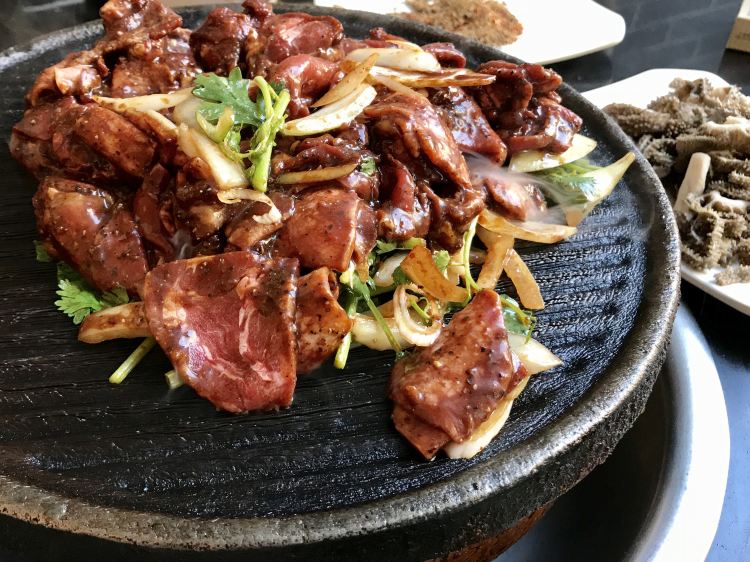
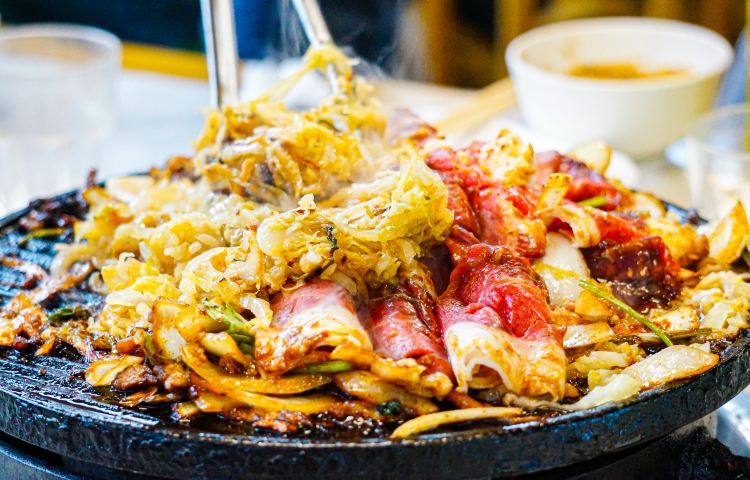
Zhi Zi Roast Meat, often referred to as traditional Beijing Roast Meat, is a distinctive local specialty of Beijing's culinary scene. Historically, the grill used for Zhi Zi Roast Meat was crafted from nailed iron bars with an uneven surface, enabling the separation of excess fat from the meat, resulting in a less oily dining experience.
The selection of wood for roasting is meticulous, favoring naturally aromatic varieties that enhance the meat's flavor and aroma. This signature dish is a must-try for anyone visiting Beijing.
Jing Jiang Rousi (Shredded Pork in Beijing Sauce)
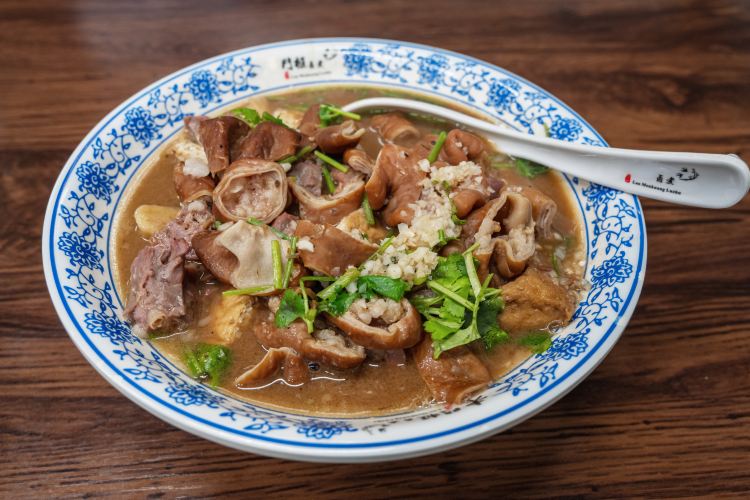
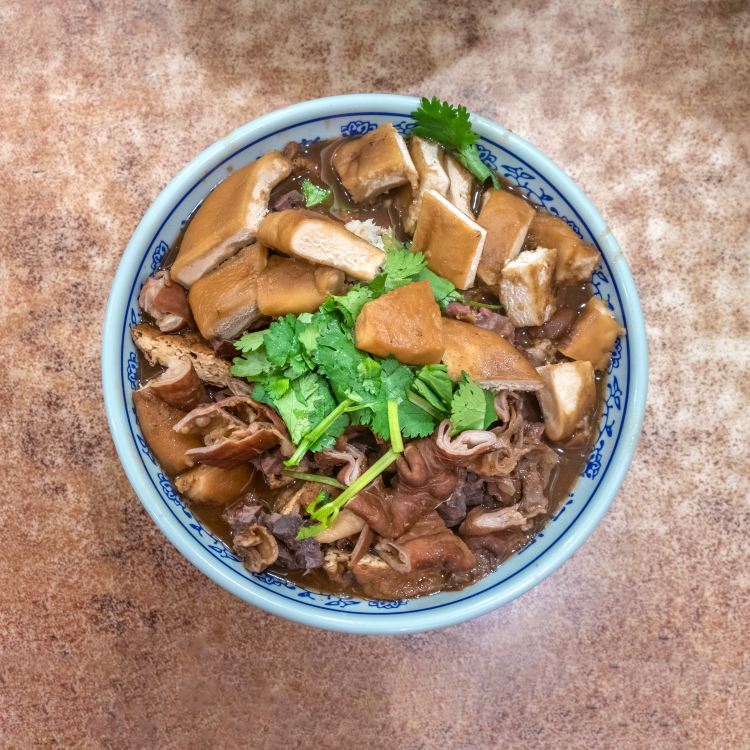
Jing Jiang Rousi tosses pork—shredded fine, stir-fried fast, then coated in a glossy, sweet soybean sauce that clings tight. A Beijing-born Jing dish, it comes with tofu skin wrappers or scallions for a roll-your-own twist—salty-sweet and straight-up local. It’s a restaurant fixture—capital flavor with a northern kick.
Instant-Boiled Mutton (Beijing Hotpot)
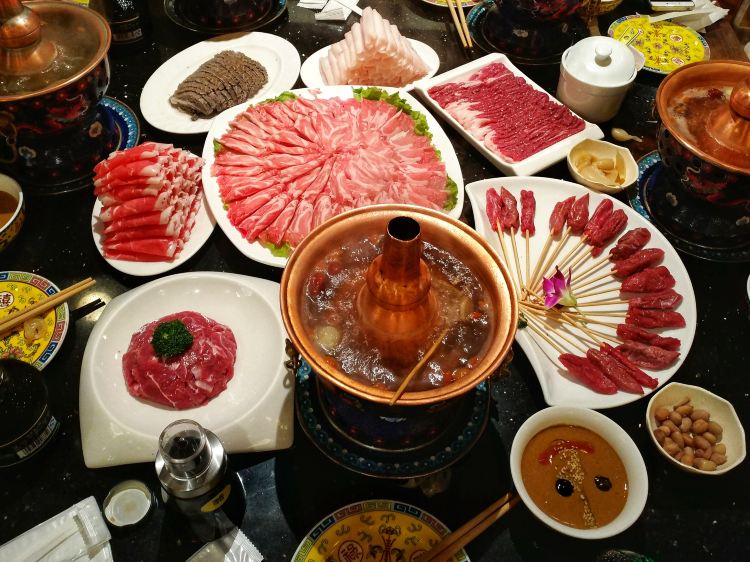
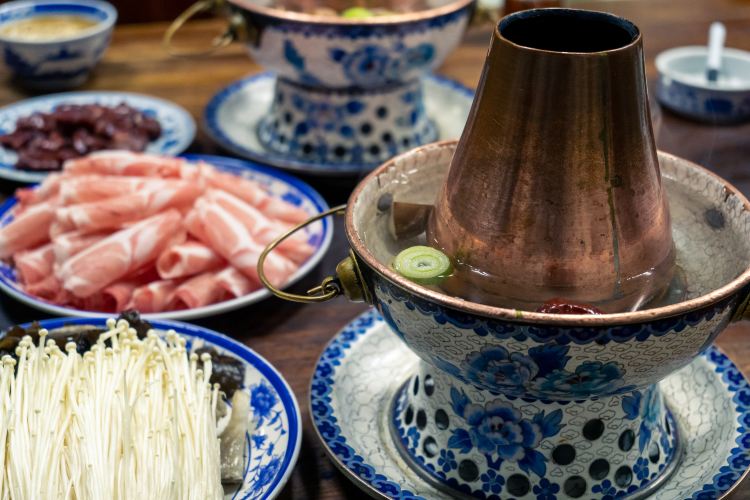
Instant-Boiled Mutton heats Beijing’s winters—thin mutton slices swished in bubbling broth, a hotpot ritual with Mongol roots that’s pure local warmth. Pull ’em out quick, dip in sesame paste, chive blossoms, and fermented tofu—tender, rich, a cold-night punch. Donglaishun’s knife cuts and broth keep it capital-classic—Beijing owns this one.
Donkey Rolling
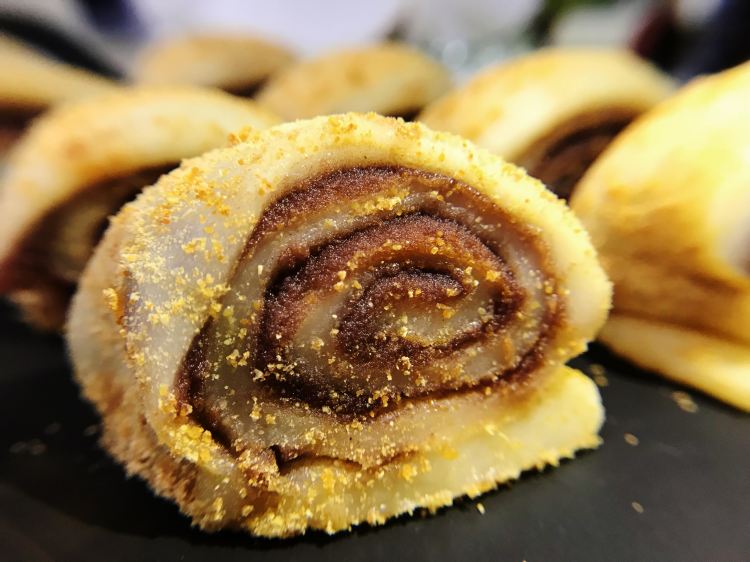
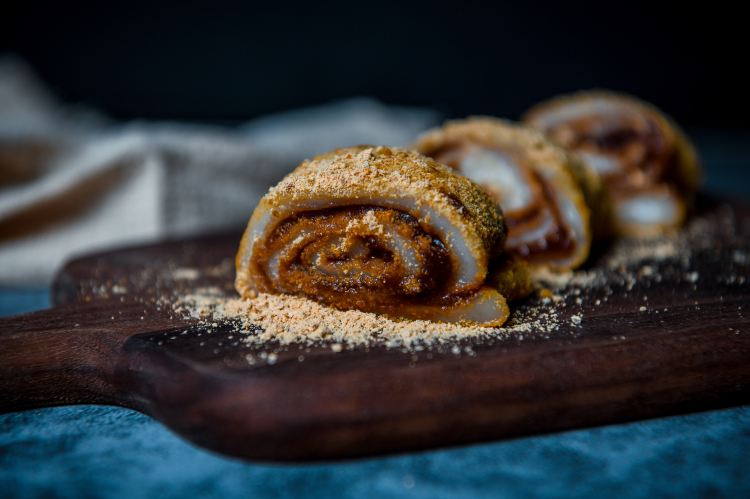
It is one of the traditional snacks of old Beijing, with a layer of soybean flour on the outside, presenting a golden color, sweet bean filling, and soft to the bite. It is said that the name Donkey Rolling comes from the soybean flour sprinkled during the production process, resembling the yellow earth raised by wild donkeys rolling in the outskirts of old Beijing.
During production, glutinous rice flour is steamed with water and then rolled into a dough, wrapped with red bean paste filling, rolled in soybean flour, cut into small segments, and thus made. With a unique flavor, it is a classic among Beijing snacks.
Tanghulu
Tanghulu strings hawthorn berries on bamboo—candied hard in a sugar shell that snaps red and glossy, a Beijing street treat from Song Dynasty hawkers. The haw’s tart snap balances the sweet—some mix in strawberries and other fruit now—but the classic’s a Hutong regular. It’s the capital’s candy—simple, sharp, all Beijing.
Beijing Transportation
How to Get There
Beijing, China’s capital, is a major global transportation hub, easily accessible by air, rail, bus, or road from international and domestic locations.
By Air
Beijing Capital International Airport (PEK): The primary gateway, located 32 km (20 miles) northeast of downtown. Serves international flights and extensive domestic routes.
To City Center from PEK: Airport Express (Line 2, 25–30 minutes, ¥25) connects to downtown metro lines. Airport shuttles (40 minutes, ¥30-50) or taxis (¥120–180, depending on traffic) are also available.
Beijing Daxing International Airport (PKX): A newer airport, 46 km (29 miles) south of the city, handling additional international and domestic flights.
To City Center from PKX: Daxing Airport Express (Line 4, 20–30 minutes, ¥35) links to downtown. Shuttles (1 hour, ¥40) or taxis (¥180–250) are options.
By Train
Beijing South Station and Beijing West Station: Central hubs for high-speed trains (G-series), connecting to Shanghai (4–6 hours), Tianjin (30 minutes), Xi’an (4–6 hours), Hong Kong (9 hours), and many other locations.
Beijing Railway Station: Serves high-speed and regional routes. Beijing North Station handles slower trains and routes to the Badaling Great Wall.
To City Center: All major stations are linked to Beijing’s metro system.
By Bus
Key Bus Stations: Liuliqiao, Sihui, and Zhao Gongkou Bus Stations connect Beijing to regional destinations like Tianjin (1.5 hours) or Chengde (3 hours).
Local Transportation
Metro:
Beijing Metro, with 30 lines, covers major attractions like the Forbidden City, Tiananmen Square, and Summer Palace.
Operates 5:00 AM–11:30 PM.
Fares: ¥3–10 based on distance; use tickets, Yikatong card, or mobile payments (WeChat/Alipay).
Buses:
An extensive network connects attractions within the city and reaches areas like the Great Wall (e.g., Bus 877 to Badaling).
Fares: ¥1–15. Only a small number of buses still accept cash (exact change). Alternatively, you can use a Yikatong card or mobile payments (Alipay/WeChat). Most stops lack English signage; use Baidu maps or Amap to navigate.
Taxis and Ride-Hailing: Taxis are plentiful; DiDi offers ride-hailing with an English interface.
Bike shares:
Bike-sharing (Meituan, HelloBike) is ideal for areas like Houhai Lake or the 798 Art District. Scan QR codes via Alipay/WeChat (no cash/card).
Cost: ~¥1–2 per 30 minutes via mobile apps.
Beijing Where to Stay
Beijing’s stay spots hum with variety—imperial echoes meet neon beats across districts that pulse day and night. From Tiananmen’s historic sprawl to Sanlitun’s late-night glow, here’s five areas to crash that let you tap the city’s soul.
Tiananmen Square
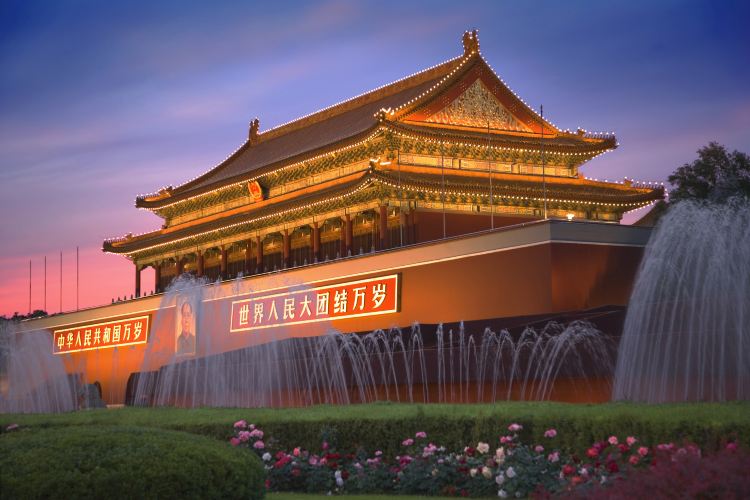
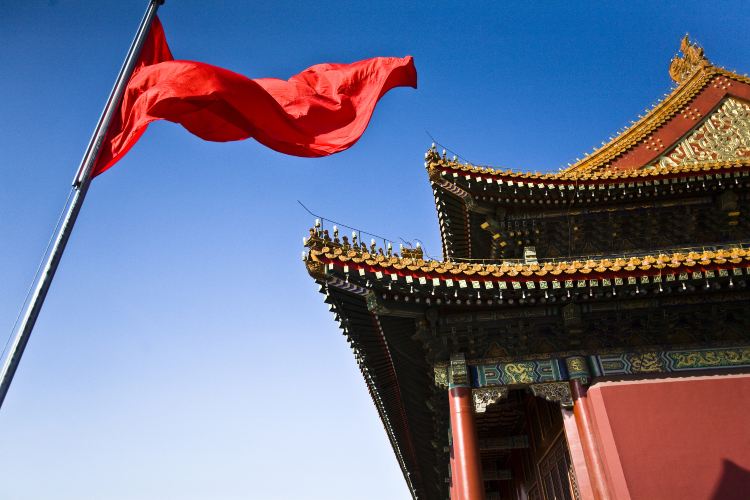
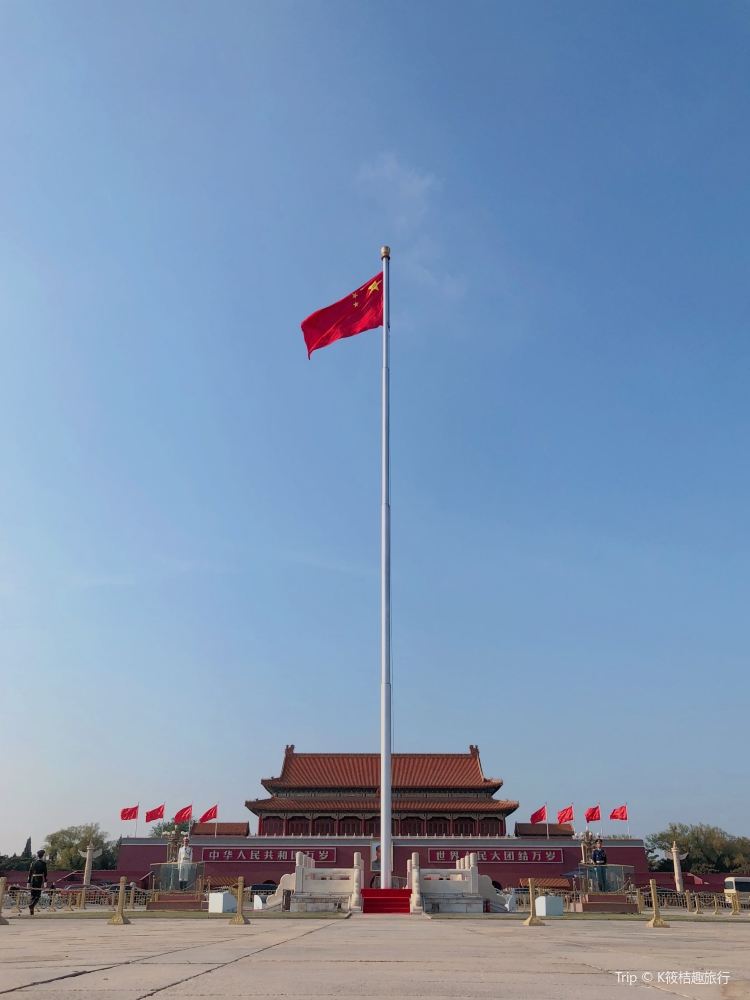
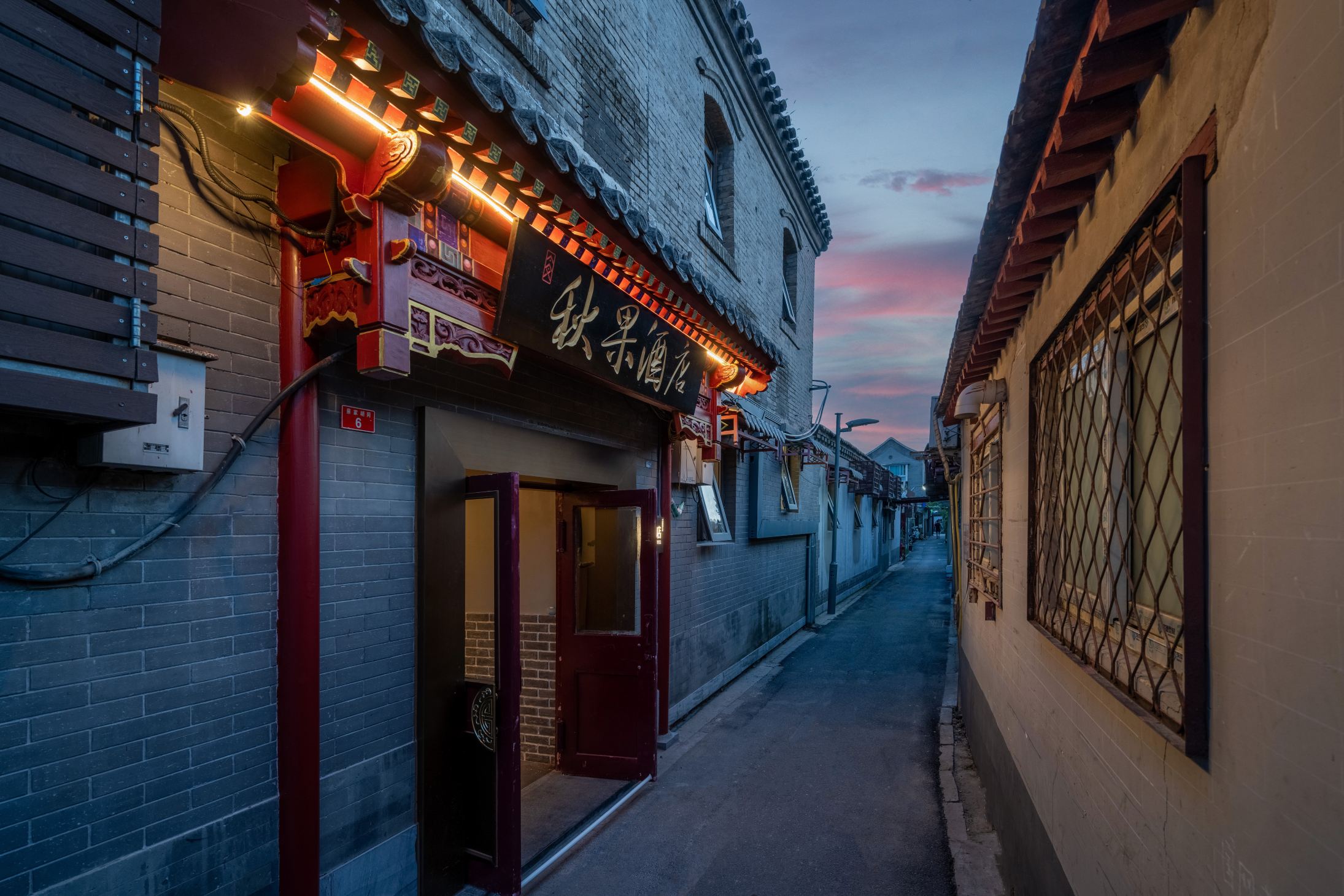
Tiananmen Square sits right in the center—Beijing’s historic core where the Forbidden City’s red walls loom north and Mao’s Mausoleum hulks south. You’re steps from Tiananmen Tower’s glow, the Monument to the People’s Heroes, and the Great Hall’s stark lines—history buffs and urban explorers plant here for the raw weight of it all. Night flips the square quiet—lit-up facades cast a hush over the sprawl—while Wangfujing’s food stalls and noodle joints buzz a quick stroll east. Metro Lines 1 and 2 knot right under—Forbidden City’s a stop away, Hutongs a short ride. It’s for those who want Beijing’s past at their doorstep—central, no frills.
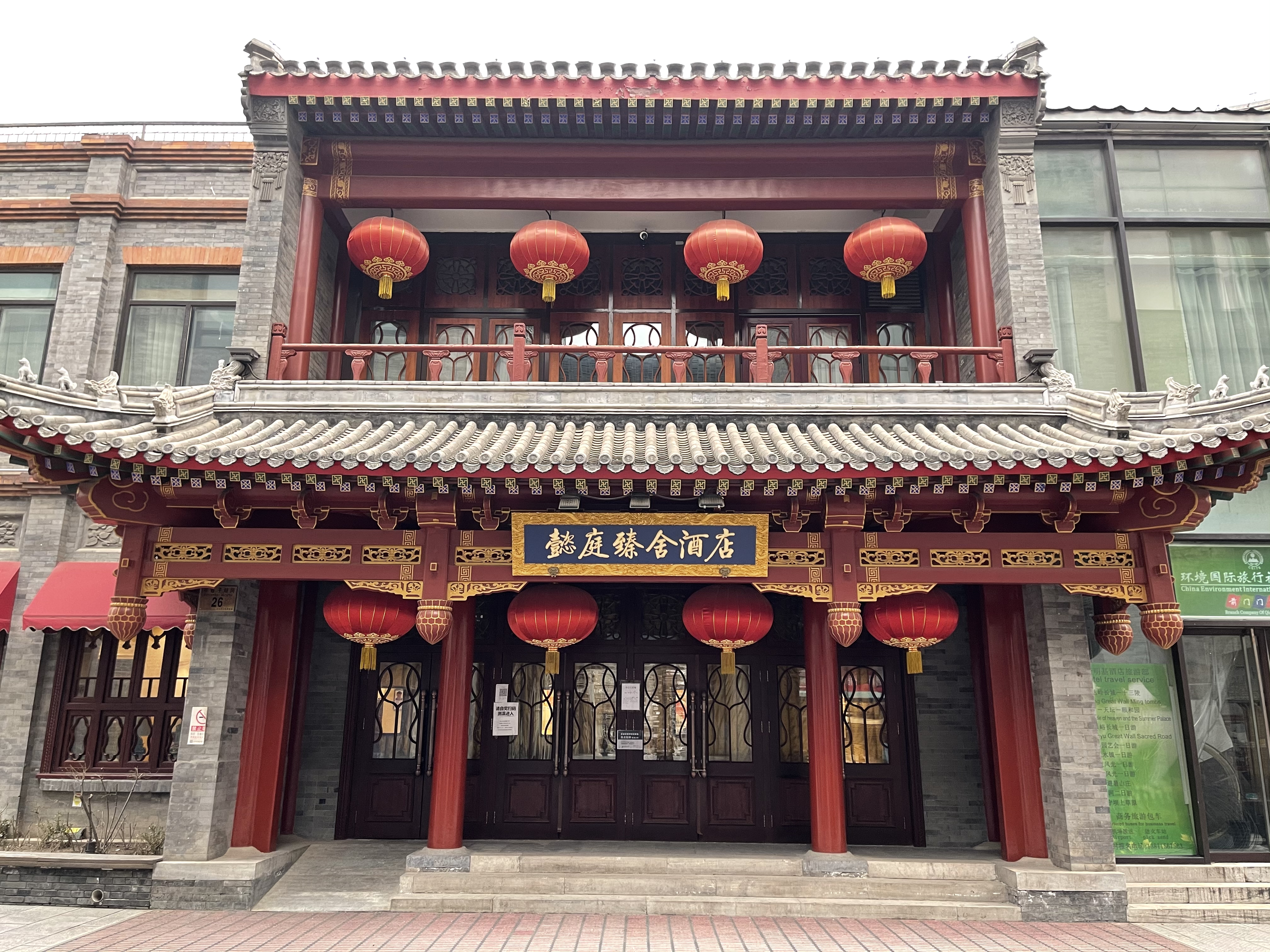
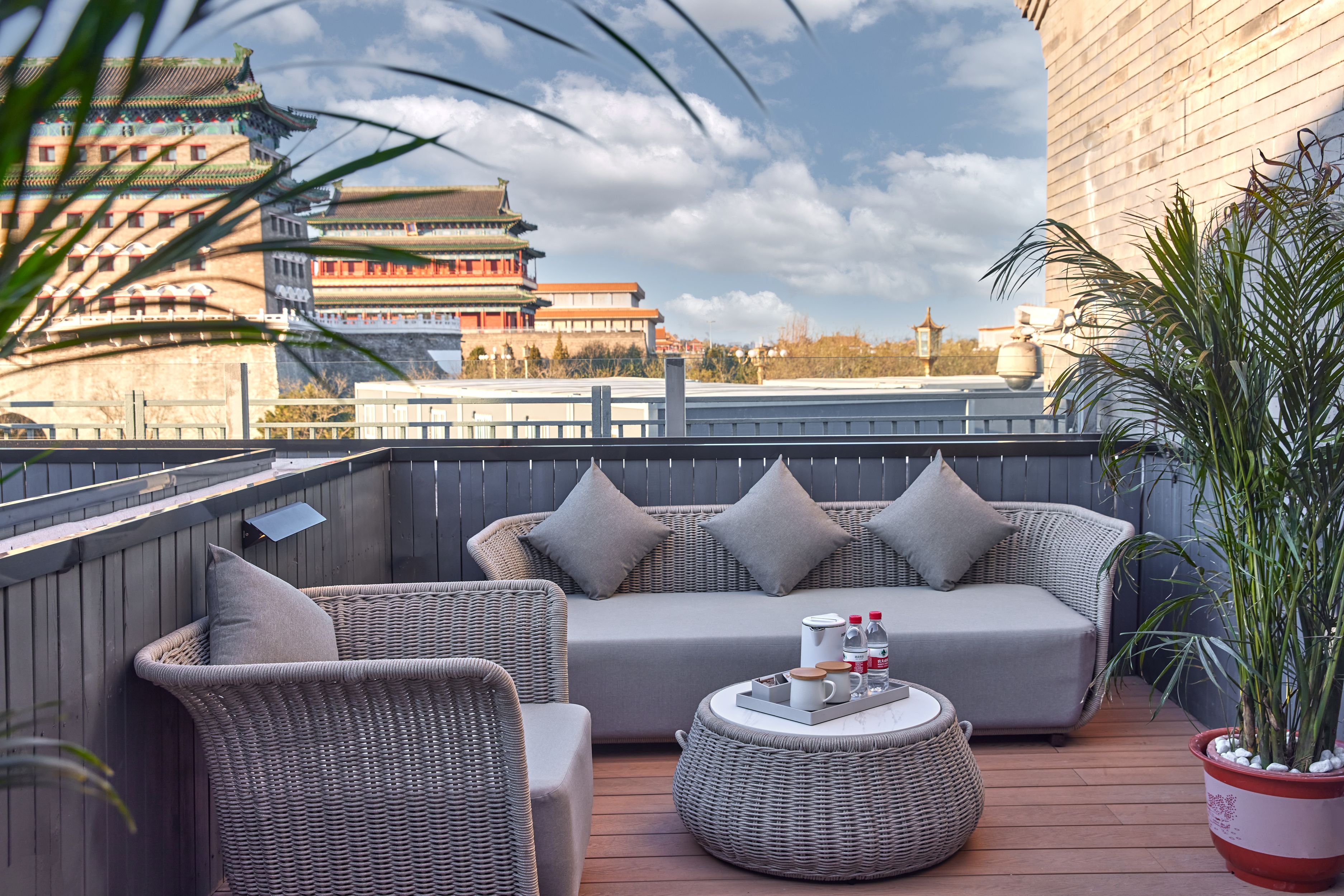
Universal Beijing Resort
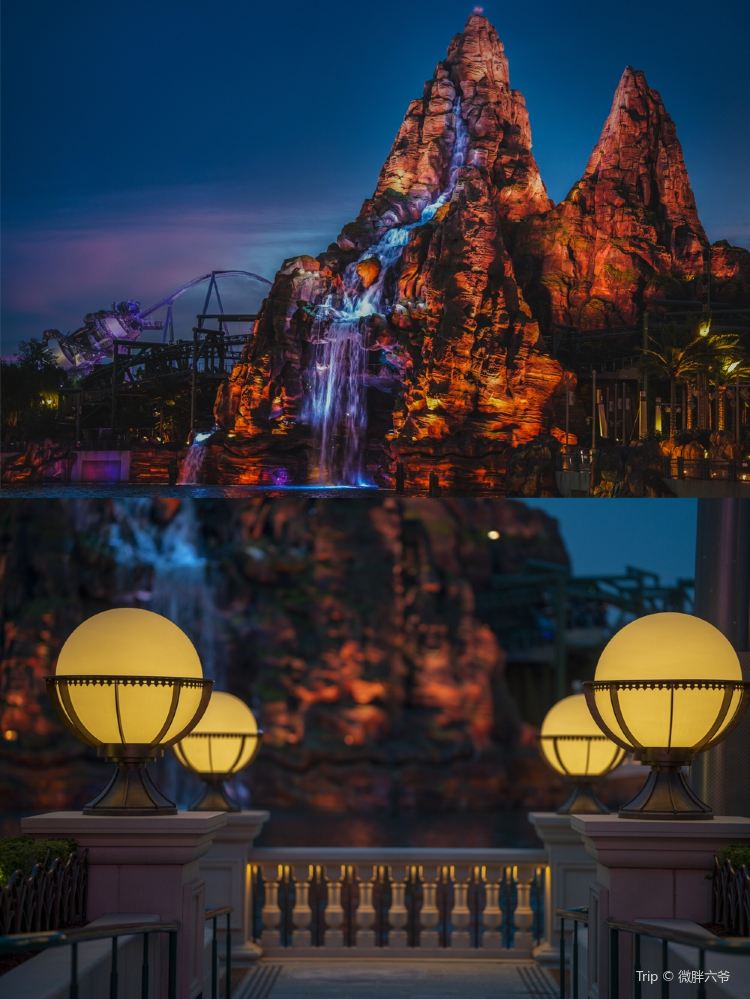
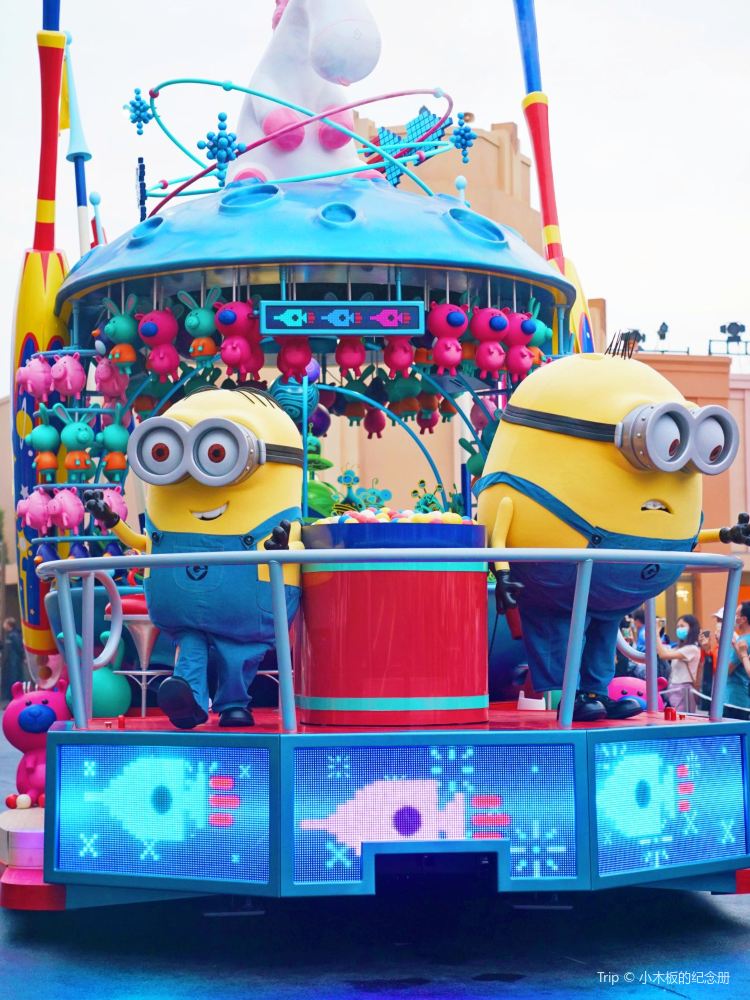
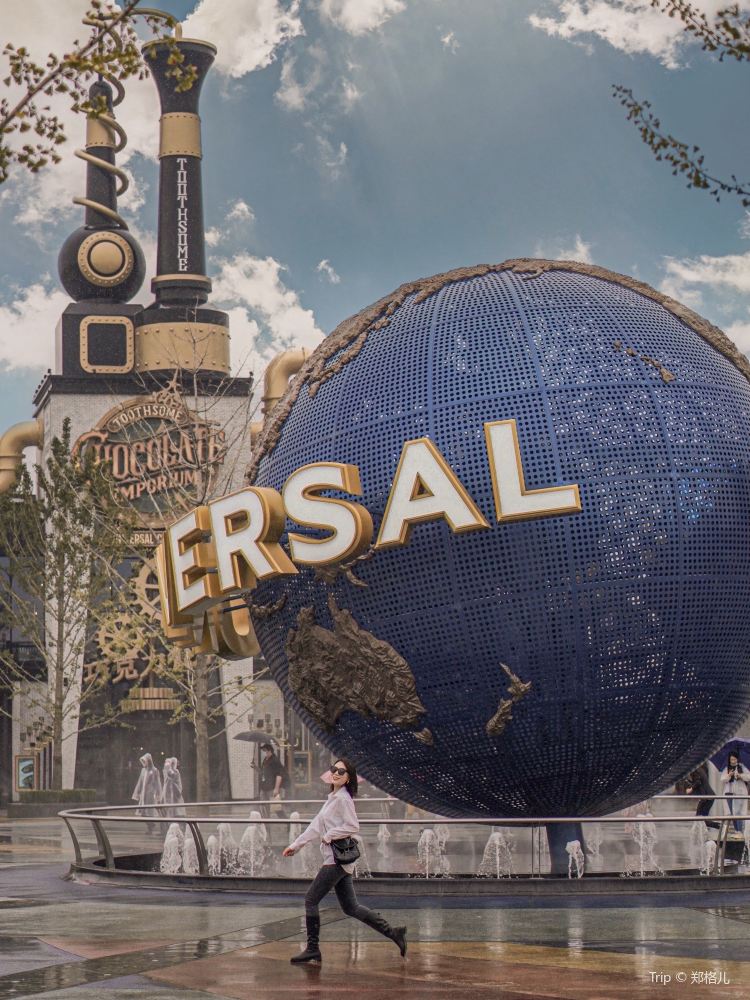
Universal Beijing Resort sprawls in Tongzhou, southeast of the core—a 2021-built playground where seven lands mash Hollywood with a Beijing twist. Harry Potter’s Hogwarts looms over wands and robes, Kung Fu Panda’s noodle shack nods local, and Jurassic World’s dinos roar beside Minion chaos—families, thrill-seekers, or movie fans dive into the nonstop hum. Beyond the gates, CityWalk’s eats and shops keep the buzz, while two on-site hotels—one grand, one sleek—drop you into the theme without a commute. Metro Line 7 (Huazhuang stop) links it up—40 minutes from downtown—but staying here locks you in the fun bubble.
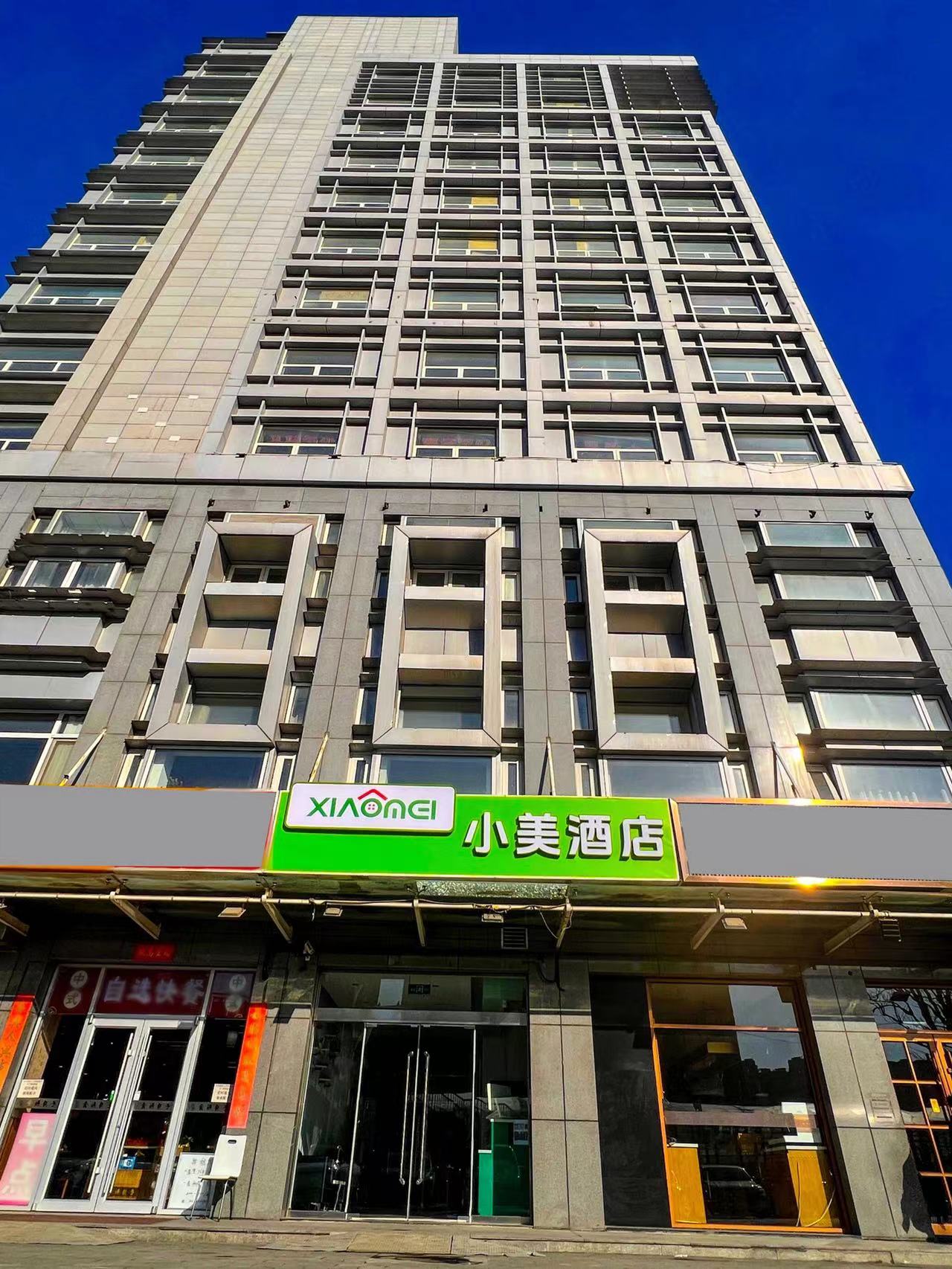
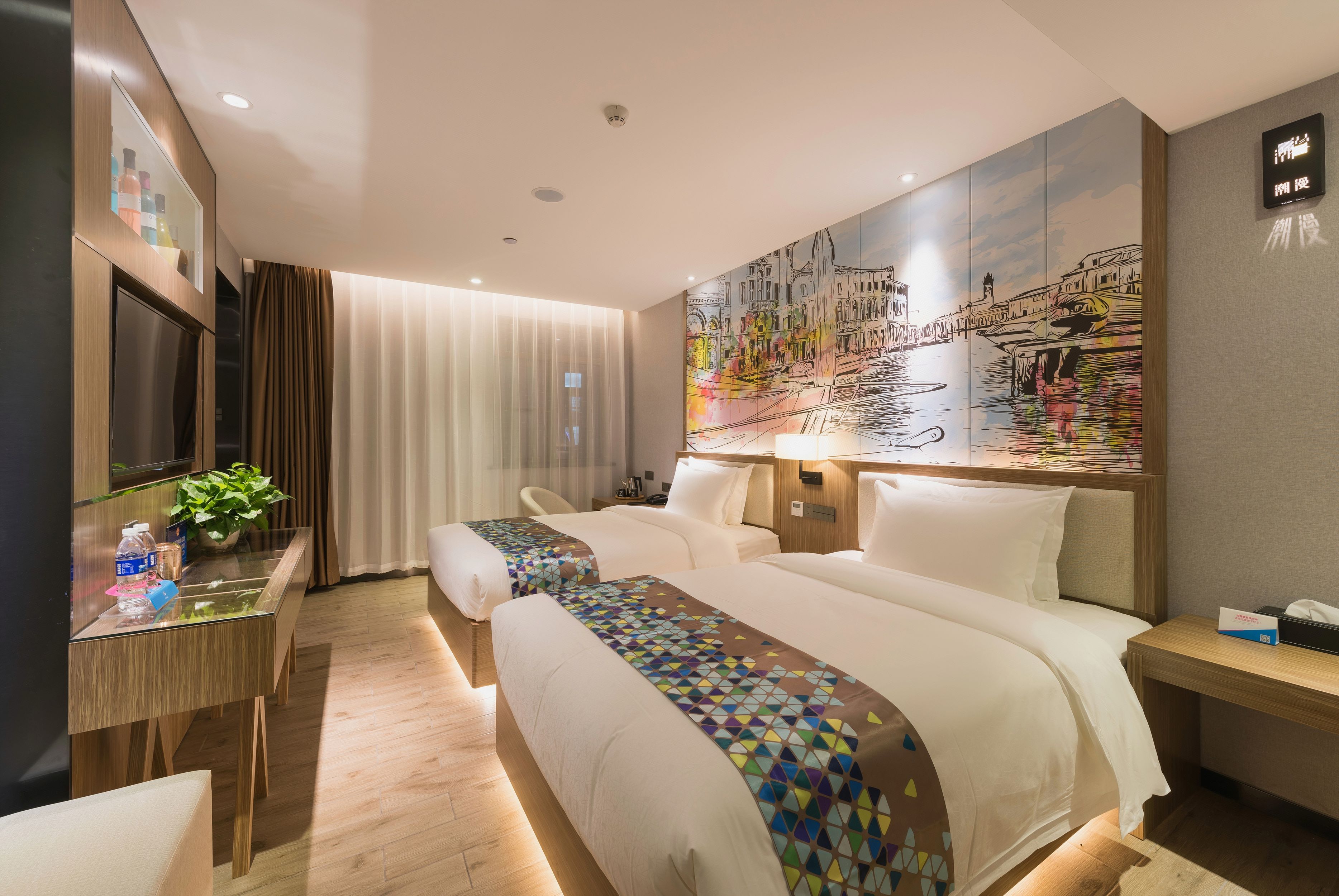

Bird's Nest (National Stadium)
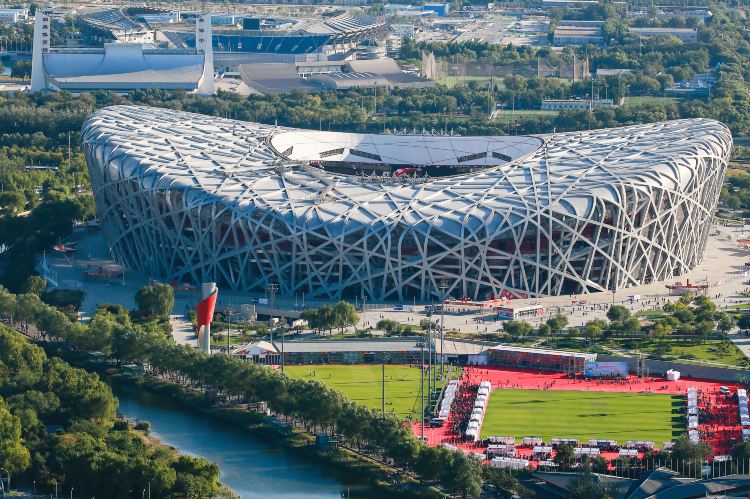
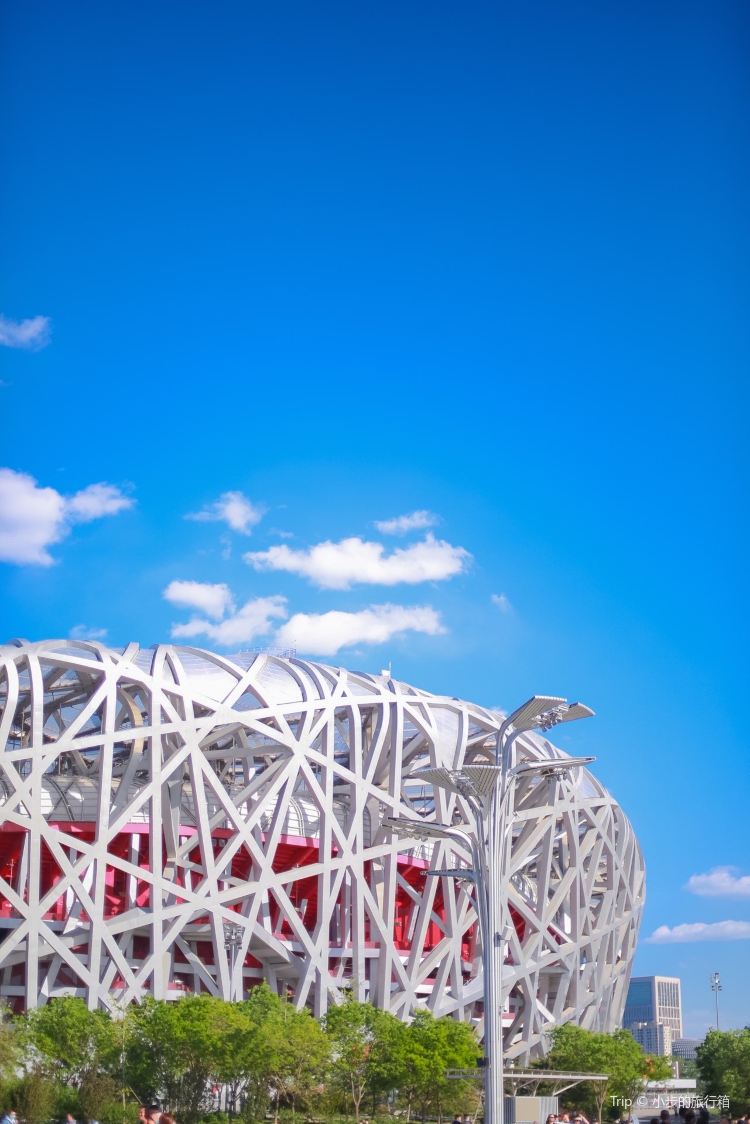
The Bird’s Nest anchors Olympic Park in Chaoyang—its steel weave, born for the 2008 Games, still hums as Beijing’s modern flex. Sports fans and design geeks are drawn here—tours hit the stadium bowl where Bolt sprinted, and winter’s ice fest turns it snowy if you time it right. Night lights it red and gold—stroll the plaza or peek the Water Cube’s blue glow next door; Linglong Pagoda’s sleek curve looms nearby too. Metro Line 8 (Olympic Sports Center) drops you close—20 minutes to Sanlitun’s buzz—it’s for those chasing Beijing’s new edge with a side of green.
Beijing Best Time to Visit


Beijing Travel Tips
1. Set up Alipay and WeChat Pay Before Your Trip
Beijing is mostly cashless. Download Alipay or WeChat before your trip. Link an international card and complete real-name verification for QR code payments, as some vendors don’t accept cash.
2. Use Apps for Subway and Bus Payments
Download “Beijing Subway” or “Yitongxing” and link to Alipay/WeChat for QR code payments on Beijing’s subways and buses. Scan when boarding/exiting buses to avoid overcharges. Single-trip tickets are also available at the stations (vending machines have English menus).
3. Translate with Baidu or YouDao
Download Baidu Translate or YouDao for translations in Beijing, as Google is unavailable. Use photo translation for menus or signs, as English is limited outside major attractions.
4. Navigate with Amap and DiDi
Some Western apps don’t work in Beijing. Download Amap for navigation and DiDi Chuxing for ride-hailing before you travel. They offer limited English support, so learn key features and link payment for smooth use.
5. Use Chinese Names for Navigation
Many Chinese map apps, like Amap, don’t recognize some English names for hotels, attractions, or restaurants. Before navigating, find the Chinese name of your destination via online search. Copy the Chinese characters into Amap or DiDi Chuxing for accurate results. Save these names in a note for quick access during your trip.
6. Avoid Driving in Beijing
Beijing’s complex license plate restrictions and heavy traffic make driving challenging. Parking is scarce, and fines are common for unfamiliar drivers. Use subways or DiDi ride-hailing instead.
7. Monitor Air Quality
Beijing’s air quality has improved, but sandstorms can occur in spring (March–April), and dust may linger in spring or winter. Download IQAir AirVisual to check real-time air quality and weather forecasts. Bring a mask (e.g., N95) for protection during dusty days, especially when visiting outdoor sites like the Forbidden City or Great Wall.
8. Respect Hutongs and Temples Etiquette
Keep noise low in Beijing’s hutongs to respect the residents. At temples and sites like the Forbidden City, stay quiet, don’t touch artifacts, follow the rules, and avoid littering to honor cultural heritage.
9. Carry Passport for Checks
Carry your passport in Beijing for police ID checks at subways or public spaces and for real-name ticket bookings at attractions like the Forbidden City or Summer Palace. Keep a photocopy as a backup in case of loss.
10. Book Top Attractions Early
Reserve tickets for the Forbidden City and National Museum of China via official apps and websites using your passport information for real-name entry. Most Beijing museums close Mondays; check hours to avoid disappointment.
11. Access Blocked Apps Safely
Some Western apps (e.g., Google, WhatsApp, Instagram) are unavailable in Beijing. Use a pre-bought eSIM with roaming data or download a special plugin before travel to access blocked sites securely.
12. Understand Tipping Customs
Tipping isn’t common in Beijing, especially at local restaurants, and may confuse staff. At large hotels, small tips are acceptable but not mandatory. A smile is enough to show appreciation.
13. Claim Tax Refunds on Shopping
Overseas travelers can claim a Value-Added Tax refund on purchases of at least 200 CNY made in a single day at designated tax-free stores in Beijing. Request a tax refund invoice and application form at the store, and process your refund instantly at the shop or airport counters when departing, using mobile payments, bank cards, or cash.
14. Save Emergency Contacts
Save Beijing’s emergency numbers: 110 for police, 120 for medical, and 12345 for English-speaking tourist help. Keep your hotel’s address in Chinese for quick assistance if lost.
Beijing Useful Guide
Local Language
Mandarin Chinese is the official language.
English signage is widespread in tourist areas, but English is not widely spoken.
Local APP
WeChat: China’s all-in-one app for messaging, social media, and digital payments. English interface available.
Alipay: A leading payment app for cashless transactions at restaurants, shops, and public transport. Its “Transport” feature supports metro and taxi payments. English version available.
DiDi: China’s top ride-hailing app, offering taxi and private car services with an English interface. Integrates with Alipay or WeChat for seamless payments.
Baidu Maps: The most reliable navigation app in China, offering detailed maps, real-time traffic, and transit routes for metro and buses. Superior to Google Maps for local accuracy. Alternative: Amaps app.
Youdao Dictionary: A Chinese-English dictionary and translation app, perfect for communicating with non-English-speaking taxi drivers or reading menus. Includes offline OCR for scanning signs.
Internet and Communication
Staying connected in Beijing is essential for navigation, payments, and communication, given China’s reliance on mobile apps and limited access to some Western services.
eSIMs: eSIMs are a convenient option for travelers, enabling instant activation without the need for a physical SIM card. Purchase online before your trip; activate upon arrival. Ensure your device supports eSIM.
Local SIM Cards: Local SIMs from providers like China Mobile, China Telecom, or China Unicom offer reliable 4G/5G coverage in Beijing. Available at airports or official provider shops.
Present your passport at the time of purchase; airport staff can assist with setup. China Unicom often has better English support.
Wi-Fi: available in hotels, hostels, and some cafes (e.g., Starbucks) but less common in public spaces like parks or streets. Many Wi-Fi networks require a Chinese phone number for SMS verification.
Currency and Payment
The official currency is the Chinese Yuan (CNY, ¥), also known as Renminbi (RMB). Notes come in denominations of ¥1, ¥5, ¥10, ¥20, ¥50, and ¥100; coins are available in denominations of ¥0.1, ¥0.5, and ¥1.
Digital Payments:
Beijing is essentially a cashless city, with mobile apps dominating transactions. WeChat Pay and Alipay are widely accepted. Link a foreign bank card (Visa/Mastercard) to WeChat or Alipay before arrival.
Cash:
Cash is rarely needed but can be useful for small vendors (e.g., street food stalls), single-ride tickets on public transportation, or in rural areas. Carry small denominations (¥1–20) for convenience.
Credit/Debit Cards:
Visa and Mastercard are accepted at major hotels, upscale restaurants, and some retailers in Beijing, but less common at smaller venues. American Express is rarely accepted.
Notify your bank of travel plans to avoid card blocks
ATMs and Cash Withdrawals:
ATMs accepting foreign cards (Visa/Mastercard) are widely available at banks, airports, and shopping areas. Most offer English interfaces.
Look for PLUS (Visa) or Cirrus (Mastercard) logos. American Express is rarely accepted, except at select ATMs in airports or high-end hotels.
Fees: ¥10–15 per withdrawal (some banks waive for partners). Home bank fees: ~3% + $5 (check your issuer). Currency conversion fee: 1–3% (Visa/Mastercard rate).
Reliable Banks: Bank of China, ICBC, China Construction Bank, HSBC China.
Weather in Beijing

17°
/
6°
16°
/
1°
15°
/
3°
16°
/
5°
16°
/
3°

14°
/
3°
12°
/
2°
 Trending in Beijing
Universal Beijing Resort unveils new fifth anniversary offerings@Universal Beijing ResortUniversal Beijing Resort unveils new fifth anniversary offerings
Beyond Chengdu: your guide to adorable pandas@Chengdu Research Base of Giant Panda BreedingBeyond Chengdu: your guide to adorable pandas
Badaling Great Wall cultural market opens with intangible heritage creations@Badaling Great WallBadaling Great Wall cultural market opens with intangible heritage creations
Beijing: FAQ

What's the most popular attractions in Beijing?
How to get to Yanjiao from Beijing?
How to get to Shenzhen from Beijing?
How to get to Daweishan from Beijing?
How to get to Wutaishan from Beijing?
How to get to Tianjin Binhai International Airport from Beijing?
Popular destinations
Bangkok
Tokyo
Kuala Lumpur
Los Angeles
Shanghai