
Why has "sustainable" become the most important word in your passport? It’s no longer just a trent: it’s a global rescue mission. According to the UN World Tourism Organization, tourism related CO2 emissions are on track to climb by 25% by 2030 if we don't pivot now.
But here is the exciting part: you aren't alone. The Trip.com Sustainable Travel Consumer Report 2024 mention that 92% of travelers now need more eco conscious ways to see the world.
Why Our Planet Can No Longer Wait for "Someday"
Sustainable tourism is not simply about cutting down on plastic user planting trees; it is a philosophy of travel – one that aims to reduce negative environmental impacts to the greatest extent possible while simultaneously creating maximum benefits for local communities and cultures.
Why Sustainable Travel is important?
The urgency of this shift is backed by rigorous data from global organizations. According to the United Nations World Tourism Organization (UNWTO), transport related emissions from tourism are expected to account for 5.3% of all man made CO2 emissions by 2030 if we do not change our habits.
Furthermore, the Global Sustainable Tourism Council (GSTC) emphasizes that sustainability is built on four pillars:
- Sustainable management.
- Economic and social impacts which may support local residents.
- Cultural impacts .
- Environmental impacts and reducing pollution.
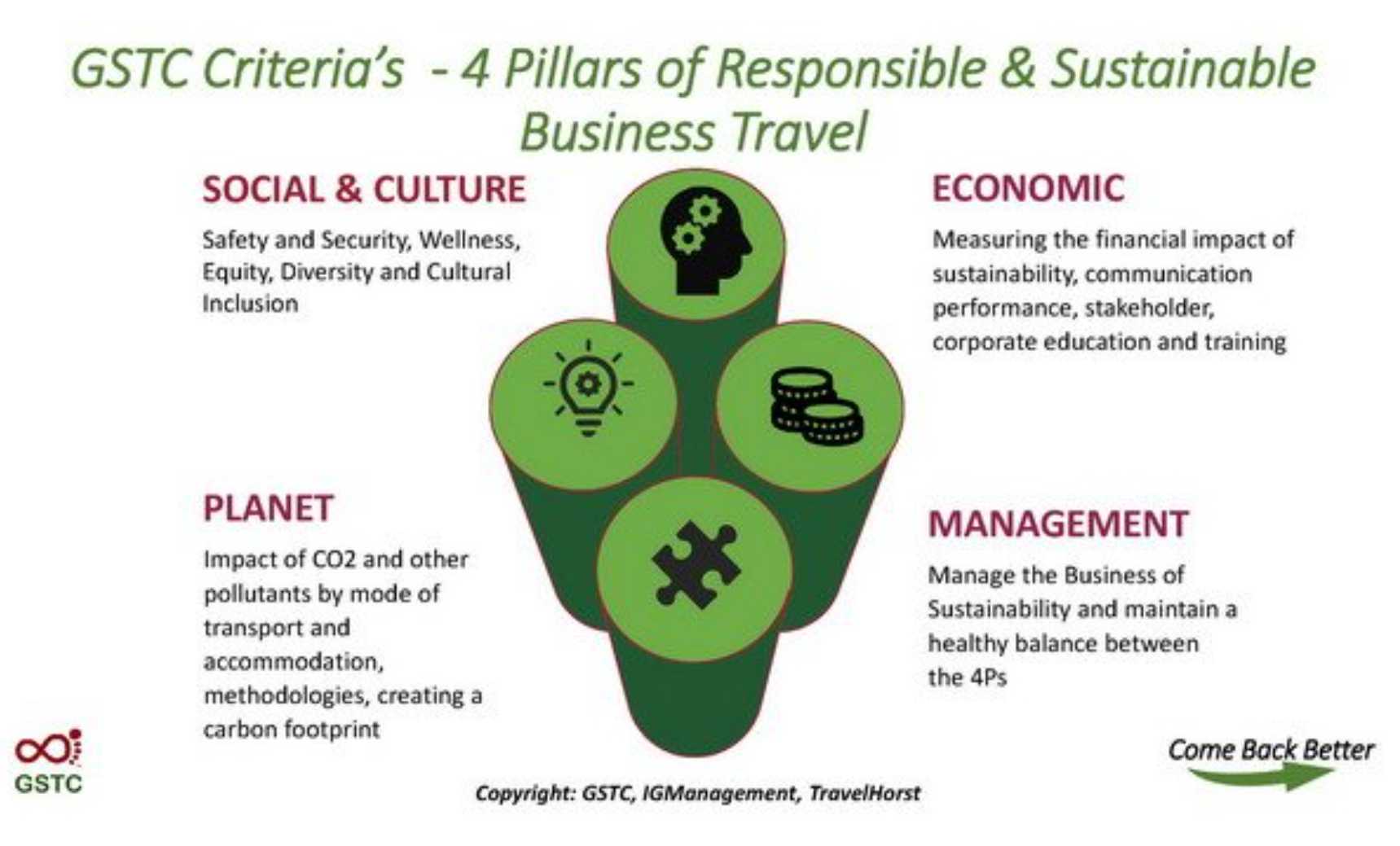
Insights from the Trip.com 2024 Sustainable Travel Consumer Report
Our latest research, the 2024 Sustainable Travel Consumer Report, reveals a world ready for change. There will introduce some key insights that define our current landscape:
- Widely recognised: Over 92% of travellers now appreciate the significance of sustainable travel.
- A Growing Commitment: The report highlights that 76% of travellers intend to make more environmentally conscious choicesin the next 12 months, with this figure set to rise further as more people become aware of the importance of eco-friendly travel.
- The Desire for Impact: Two-thirds of travelers express a wish to "leave the places they visit better than when they arrived."
[Image: An infographic showing the 92% awareness statistic and the four pillars of GSTC sustainability.]
Try To Travel Plastic Free? The Ultimate Gear Guide for the Zero Waste Nomad
The most common misconception is that "going green" requires a massive lifestyle overhaul or a luxury budget. In reality, Sustainability is about the little, daily choices made by millions of travellers, who, by making these choices, can have a positive impact on the environment.
1. Master Your Flight Footprint
Air travel is responsible for a significant amount of carbon emissions, but Trip.com's innovative tools can help you make responsible choices.
Choose Lower Emission Flights: Choosing direct flights reduces carbon emissions more than connecting flights.
2. Sustainable Habits Accompany Every step
Your actions on the ground are just as impact as your choice of transport.
- The "Bring Your Own" Revolution:
- 64% of sustainable travelers now carry their own reusable water bottle.
- 68% use reusable shopping bags to avoid single use plastics.
- Energy Conservation: 77% of environmentally conscious travelers adopt simple habits, such as switching off the air conditioning and lights when leaving their hotel room.
- Slow Travel: Instead of hopping between five cities in a week, spend more time in one location. This reduces transport emissions and allows you to support the local economy more deeply.
3. Support Local Communities
True sustainability includes the people who call your destination home.
- Eat Local: Choose independent restaurants over global chains. This reduces the "food miles" of your meal and ensures your money stays in the community.
- Authentic Experience Journey: 75% of travelers wish to participate in genuine cultural activities. Trip.com supports this demand by prioritizing the promotion of tourism programmers that give back to local cultural heritage.

The Eco Economist’s Secret: How Sustainable Habits Actually Put Money Back in Your Pocket
A primary barrier to eco tourism is the perceived "green premium." However, being sustainable can actually save you money.
Affordable Sustainable Accommodations
You don’t need to stay in a $1,000 a night eco lodge to be sustainable. Many budget friendly hotels are adopting green practices to reduce their own operational costs (like electricity and water), passing those savings on to you.
Feature | How it Saves Money | Impact |
Water Conservation | Reduced utility bills for hotels. | Lower room rates for guests. |
Digital Check in | Less paper and staffing overhead. | Faster, cheaper service. |
Local Sourcing | Lower transport costs for food/supplies. | Support for local farmers; fresher food. |
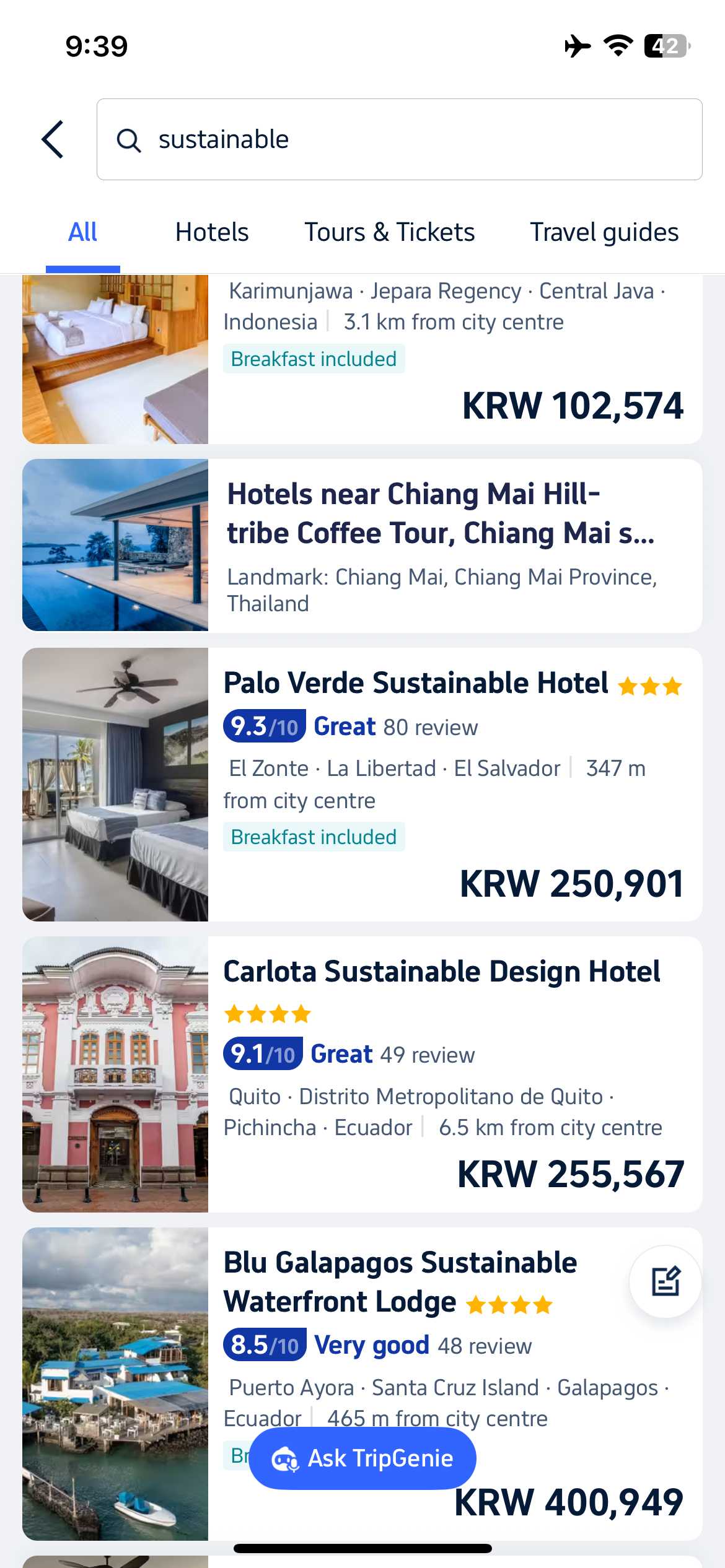
How to find them on Trip.com:
Utilize our search filters to search sustainable. These properties have been independently verified for their environmental and social standards.
What’s Trending in 2025? Is Trip.com Keeping Pace with the Global Green Revolution?
The landscape of sustainable travel is shifting faster than ever. As we enter 2025, the industry has moved beyond simple plastic reduction to a more profound "Regenerative" and "Tech Driven" era. So, how does Trip.com measure up against the latest global trends and competitor activity?
1. The Rise of Regenerative Travel: From "Less Harm" to "More Good"
The biggest trend of 2025 is Regenerative Tourism—the idea that travel should actively improve a destination rather than just "minimizing damage."
- The Trend: Global travelers are now finding "Purposeful Journeys" where they participate in coral restoration, reforestation, or local community projects.
- Trip.com’s Move: We have anticipated this shift through our $100 Million Tourism Innovation Fund, launched in May 2025.This fund supports people who are trying to create more sustainable travel, helping to grow new businesses that focus on restoring ecosystems and empowering indigenous communities.
2. "Coolcations" & The New Migration
As global temperatures rise, a new trend called "Coolcations" has emerged, where travelers swap traditional sun soaked beaches for higher altitudes and latitudes.
- The Trend: A surge in interest for destinations like Norway, Iceland, and the Japanese Alps during peak summer months.
- Trip.com’s Move: Our platform has seen a 53% year on year increase in searches for slow paced, cooler climate cultural experiences. We’ve responded by expanding our curated "Slow Tourism" itineraries,Crowds in over-tourism regions can be reduced by highlighting destinations that offer natural cooling and lower density.
3. AI as the "Green Copilot"
Technology is no longer just for booking; it’s for optimizing impact.
- The Trend: Competitors are increasingly adopting artificial intelligence technologies to deliver personalized carbon data.
- Trip.com’s Move: We have gone a step further with Trip Community, a fully integrated ecosystem launched in late 2025. Through the integration of AI-driven strategising (Trip.Planner) with authentic user generated content (Trip.Moments), we help travelers discover "off the beaten path" alternatives to overcrowded hotspots, effectively distributing tourism dollars more equitably across the globe.
4. The EV & Low Carbon Mobility Boom
Transport remains the hardest sector to decarbonize, but the transition is accelerating.
- The Trend: A shift toward rail travel and electric vehicle (EV) rentals is dominating the European and APAC markets.
- Trip.com’s Move: Since implementing Carbon Labels for car rentals in April 2025, we have seen a steady month on month growth in EV bookings, particularly in Norway, Australia, and Japan. We are currently one of the few platforms providing transparent, real time CO2 data across flights, hotels, and car rentals simultaneously.
Summary: Trip.com vs. The Industry
2025 Global Trend | Common Industry Practice | Trip.com Initiative |
Regenerative Travel | Basic donation at checkout. | $100M Innovation Fund to build restorative infrastructure. |
Over-tourism Control | Higher taxes or limits. | AI-driven "Undertourism" suggestions to divert traffic to hidden gems. |
Decarbonization | Buying carbon credits. | Direct SAF (Sustainable Aviation Fuel) partnerships and EV-first rental filters. |
Rural Revitalization | Occasional heritage tours. | 34 Country Retreats creating 40,000+ local jobs directly. |
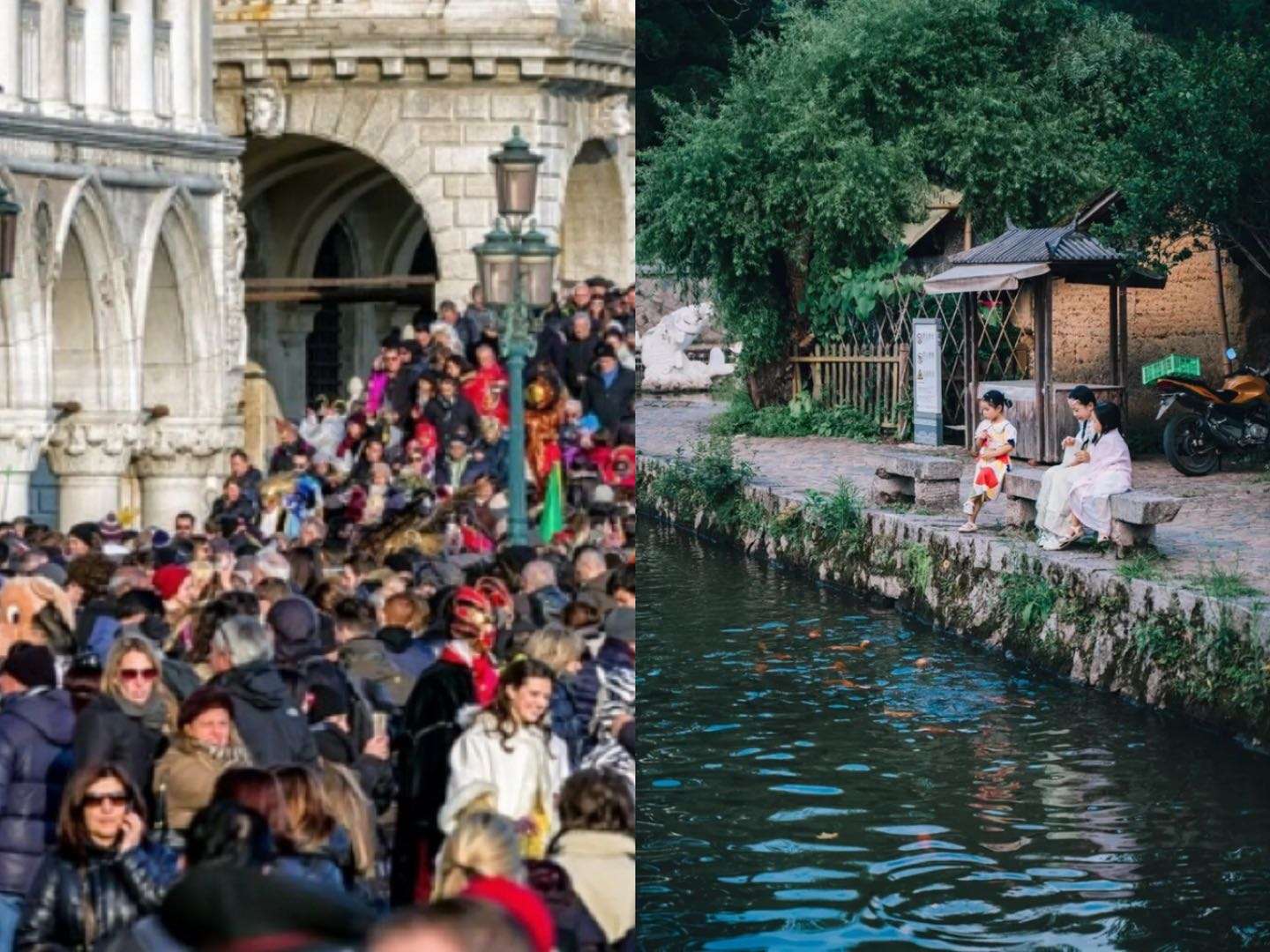
Overtourism and Off-Peak Tourism
Trapped Between a Rock and a Green Place? Cracking the Code on Sustainable Budgeting
Despite high intent, many travelers face hurdles. We address the most common challenges identified in our 2024 report.
Challenge 1: Budget Constraints
The Data: Roughly 49% of travelers feel that sustainable options are too expensive.
The Solution: Focus on "Habitual Sustainability." Walking, cycling, or using public transport for sightseeing is not only the most sustainable choice—it’s the cheapest. 43% of travelers are already planning their sightseeing around public transport to save money and the planet.
Challenge 2: Lack of Awareness & Green washing
The Data: 48.1% of travelers find the concept of sustainability confusing, and 39% don't trust green labels.
The Solution: Trip.com is committed to transparency. We don’t just use "green" buzzwords; we provide data-backed labels. Whether it's the specific CO2 tonnage of a flight or a hotel's official certification, we provide the evidence you need to trust your choice.
Willingness to Pay: A Global Snapshot
While cost is a barrier, a significant portion of the global community is ready to invest:
- 43% of global travelers are willing to pay more for options with a verified sustainable certification.
- Travelers in the APAC region currently show the highest willingness to pay a premium for eco-friendly features compared to other regions.
From now until stock last, you can enjoy up to 8% off hotel deals on Trip.com when you register as a member on desktop or app!
Just Starts Here
The future of Trip.com sustainable travel is a collaborative effort. While we provide the data, the filters, and the carbon-offsetting tools, the real impact comes from your choices. By choosing a lower-emission flight, staying in a certified green hotel. Local cultures are respected and the act of travel is turned into an act of conservation
Ready to plan your next green getaway? Visit our [Sustainability Hub] or search the "Sustainable" on your next time at Trip.com.