

Embark on a 6-day adventure through Nanjing's rich tapestry of history and natural beauty. Begin your journey at the Niushou Mountain Cultural Tourism Zone, immersing yourself in spiritual heritage for an entire day. Day two unfolds with a visit to the Grand Baoen Temple Heritage and Scenic Area, a historic site that sets the tone for a serene Qinhuai River Boat Tour and an insightful stop at the Confucius Temple. The third day is dedicated to the treasures of the past, with the Oriental Metropolitan Museum and the Presidential Palace of Nanjing offering a deep dive into the region's history. Day four invites you to the tranquil Xuanwu Lake and the vibrant Hongshan Forest Zoo, providing a full day of natural splendor and wildlife encounters. The penultimate day is a cultural feast, with the Nanjing Museum, Ming Xiaoling Mausoleum, and Sun Yatsen Mausoleum showcasing the city's legacy. Your final day takes you to the picturesque Slender West Lake, a fitting conclusion to your Nanjing odyssey. Each day is carefully curated to ensure a blend of education, relaxation, and exploration, making your trip an unforgettable experience.




6 Days in Nanjing Itinerary: Day 1
Niushou Mountain Cultural Tourism Zone

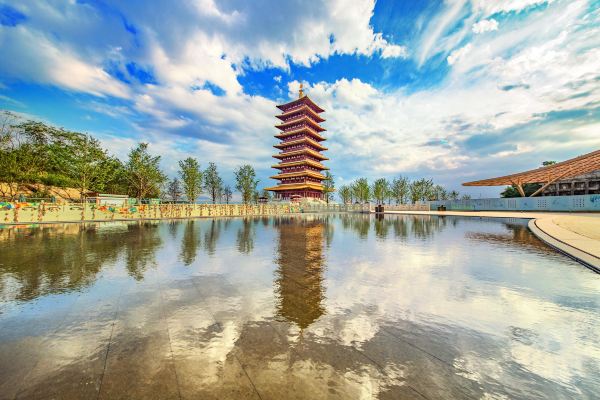
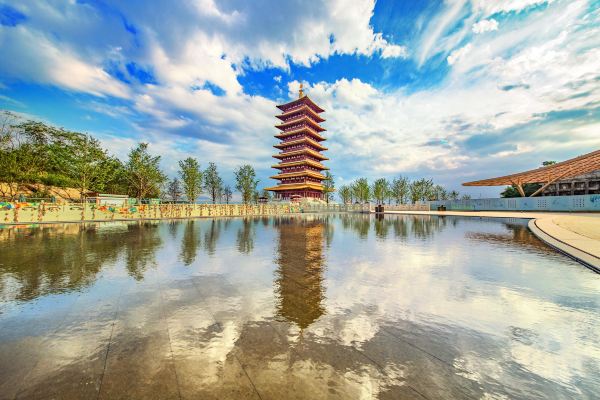
Kicking off our Nanjing journey, Niushou Mountain Cultural Tourism Zone stands as our first encounter with the city's profound spirituality and cultural depth. Nestled within the scenic Jiangning District at No. 18 Ningdan Avenue, this attraction isn't just a feast for the eyes but a sanctuary for the soul. Allocate a full day to immerse yourself in the serene beauty and historical significance of Niushou Mountain. Here, you can explore ancient Buddhist relics, marvel at the architectural masterpiece of the Usnisa Palace, and wander through tranquil gardens that echo with centuries of contemplative footsteps. The fusion of natural splendor and cultural treasures makes Niushou Mountain a must-visit destination that sets the tone for our Nanjing odyssey.
Attraction info
- No. 18 Ningdan Avenue, Jiangning District, Nanjing
- Suggested tour duration: 0.5-1 day
- Open from 8:30am-5:30pm
Recommended nearby restaurants

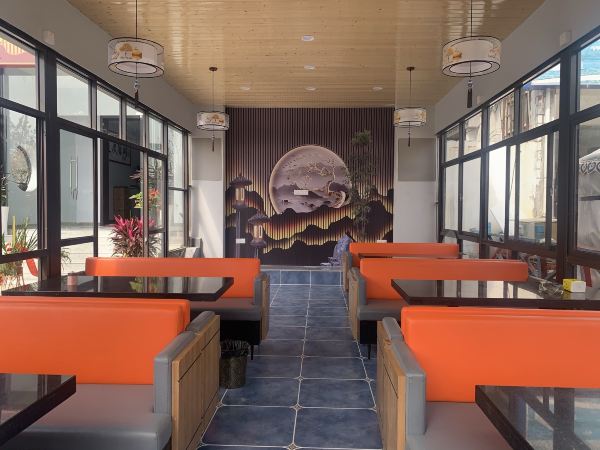
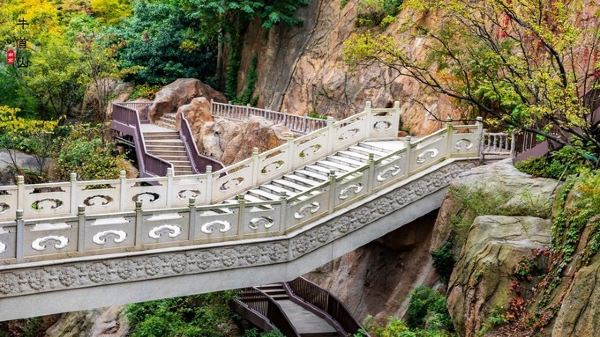
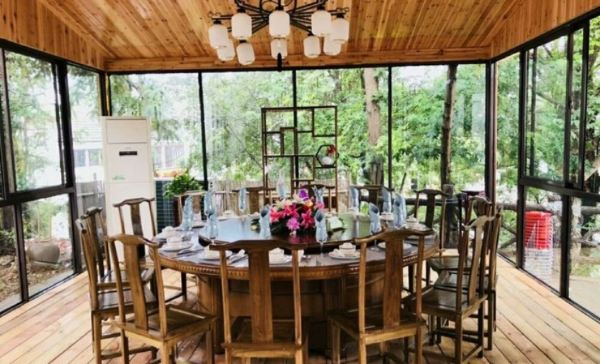

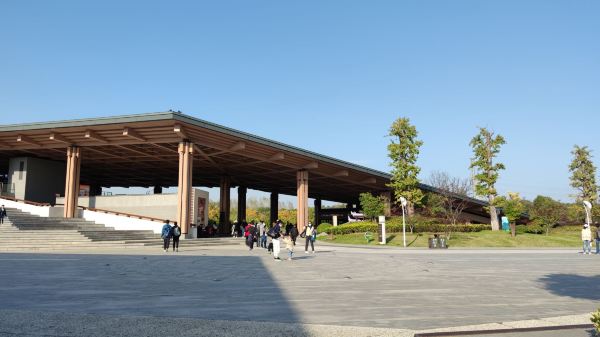
Where to Stay Tonight
6 Days in Nanjing Itinerary: Day 2
Grand Baoen Temple Heritage and Scenic Area
Begin your second day with a serene visit to the Grand Baoen Temple Heritage and Scenic Area, a site brimming with historical significance. Nestled at No. 1 Yuhua Road in the Qinhuai District, this ancient temple complex promises a peaceful two-hour journey through China's rich cultural past. As you wander through the temple's grandeur, you'll be enveloped by the echoes of dynasties that once revered this sacred space. The architectural marvels and the spiritual ambiance make it a perfect preamble to the day's cultural exploration.
Attraction info
- No. 1 Yuhua Road, Qinhuai District, Nanjing
- Suggested tour duration: 2-3 hour
- Open on Mon-Fri,9:00am-5:30pm;Open on Sat-Sun,8:30am-5:30pm,Climbing the tower stops at 17:00, please arrange your travel time accordingly.
Recommended nearby restaurants

Qinhuai River Boat Tour
After immersing yourself in the tranquility of the Grand Baoen Temple, set sail on a captivating Qinhuai River Boat Tour. Glide along the gentle currents for an hour, enveloped by the picturesque views of Nanjing's historic waterfront. The boat trip offers a unique vantage point of the city's ancient architecture and bustling river life, creating a serene interlude in your day's adventure.
Attraction info
- Qinhuai River Scenic Area, Qinhuai District, Nanjing
- Suggested tour duration: 1-2 hour
- Open from 9:00am-10:00pm,Daytime Cruise operation hours: 09:00-18:30 Night Cruise operating hours: 18:30-22:00
Recommended nearby restaurants
Confucius Temple
Conclude your day's journey at the Confucius Temple, located within the Qinhuai River Scenic Area. Spend two hours in the ancestral hall that pays homage to the great philosopher Confucius. This temple is not only a site of cultural reverence but also a bustling hub where ancient wisdom meets the vibrancy of modern-day Nanjing. The temple's intricate designs and the surrounding area's cultural activities will provide a rich tapestry of experiences to round off your day.
Attraction info
- Qinhuai River Scenic Area, Qinhuai District, Nanjing
- Suggested tour duration: 2-3 hour
- Open from 9:00am-10:00pm
Where to Stay Tonight
6 Days in Nanjing Itinerary: Day 3
The Oriental Metropolitan Museum
Begin your third day in Nanjing with a visit to The Oriental Metropolitan Museum, a treasure trove of the region's past. Located at No. 302, Changjiang Road, Xuanwu District, this museum offers a two-hour journey through time. As you wander through the exhibits, you'll be captivated by the extensive collection that showcases the ancient civilization of the area. The museum's architecture and state-of-the-art displays create an immersive experience, making it a must-visit for history buffs and curious travelers alike.
Attraction info
- No. 302, Changjiang Road, Xuanwu District, Nanjing
- Suggested tour duration: 2-3 hour
- Open on Tue-Sun,9:00am-5:30pm;Closed from 01/01-12/31,Mon;Open from 9:00am-6:00pm during Chinese public holidays
Recommended nearby restaurants
Presidential Palace of Nanjing
Continue your historical exploration with a stop at the Presidential Palace of Nanjing, just a stone's throw away from the museum at No. 292, Changjiang Road, Xuanwu District. Set aside two hours to immerse yourself in the grandeur of this significant site. The Presidential Palace is not only a stunning example of historical architecture but also a museum that tells the stories of pivotal moments in China's modern history. Stroll through its halls and gardens, and let the echoes of the past envelop you in this serene yet powerful landmark.
Attraction info
- No. 292, Changjiang Road, Xuanwu District, Nanjing
- Suggested tour duration: 2-4 hour
- Open from 03/01-10/14,Tue-Sun,8:30am-6:00pm;Open from 10/15-12/31,Tue-Sun,8:30am-5:00pm;Closed on Mon;Open from 01/01-02/29,Tue-Sun,8:30am-5:00pm;Open from 8:30am-5:00pm during New Year's Day,Spring Festival,Ching Ming Festival,Labour Day,Dragon Boat Festival,Mid-Autumn Festival,China's national day;Closed during New Year's Eve
Where to Stay Tonight
6 Days in Nanjing Itinerary: Day 4
Xuanwu Lake
Kickstart your fourth day with a tranquil morning at Xuanwu Lake, nestled at No. 1 Xuanwu Lane in the heart of Nanjing's Xuanwu District. This scenic spot offers a day's worth of exploration with its five interconnected islands, each boasting traditional gardens, temples, and a rich tapestry of flora and fauna. The serene waters and picturesque landscapes provide a perfect backdrop for leisurely strolls or paddle boat adventures, making it an ideal spot to immerse yourself in nature's embrace and escape the city's hustle.
Attraction info
- No. 1 Xuanwu Lane, Xuanwu District, Nanjing
- Suggested tour duration: 0.5-1 day
- Open from 8:00am-8:00pm
Recommended nearby restaurants
Hongshan Forest Zoo
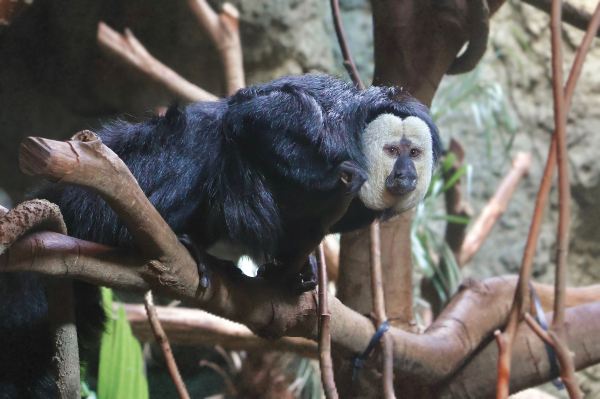
Continue your day's adventure with a visit to the Hongshan Forest Zoo, located at No.168 Heyan Road, Xuanwu District. This expansive wildlife sanctuary promises a full day of fun and education, where you can come face-to-face with a diverse array of animals from around the globe. The zoo's commitment to conservation and animal welfare, along with its interactive exhibits and engaging activities, make it a must-visit for animal lovers and families alike. Get ready to be captivated by the exotic creatures and the lush greenery that make Hongshan Forest Zoo a highlight of Nanjing.
Attraction info
- No.168 Heyan Road, Xuanwu District, Nanjing
- Suggested tour duration: 1 day
- Open from 8:30am-6:00pm
Recommended nearby restaurants
Where to Stay Tonight
6 Days in Nanjing Itinerary: Day 5
Nanjing Museum
Begin your fifth day with a cultural deep-dive at the Nanjing Museum, one of the first museums established in China. Located at No. 321, Zhongshan East Road, this expansive museum is a treasure trove of art and history. Spend about 3 hours exploring its vast collection, which spans ancient pottery, Ming Dynasty jade, and exhibits that tell the story of Nanjing's rich past. The museum's architecture itself is a blend of traditional and modern styles, making it a visual treat as well as an educational one.
Attraction info
- No. 321, Zhongshan East Road, Xuanwu District, Nanjing
- Suggested tour duration: 3-5 hour
- Open on Tue-Sun,9:00am-5:00pm;Closed on Mon;Open from 9:00am-5:00pm during Chinese public holidays
Recommended nearby restaurants

Ming Xiaoling Mausoleum
Next, step into the solemn grounds of the Ming Xiaoling Mausoleum, resting place of the Hongwu Emperor, founder of the Ming Dynasty. Set aside 2 hours to wander through the scenic area, located at No. 7 Shixiang Road. As a UNESCO World Cultural Heritage site, the mausoleum is not only a place of eternal rest but also a masterpiece of Chinese architectural design. The Sacred Way, lined with stone statues, leads visitors to the intricately decorated archways and the impressive mausoleum itself.
Attraction info
- No. 7 Shixiang Road, Xuanwu District, Nanjing
- Suggested tour duration: 2-4 hour
- Open from 02/01-11/30,6:30am-6:30pm;Open from 12/01-01/31,7:00am-5:30pm
Recommended nearby restaurants

Sun Yatsen Mausoleum
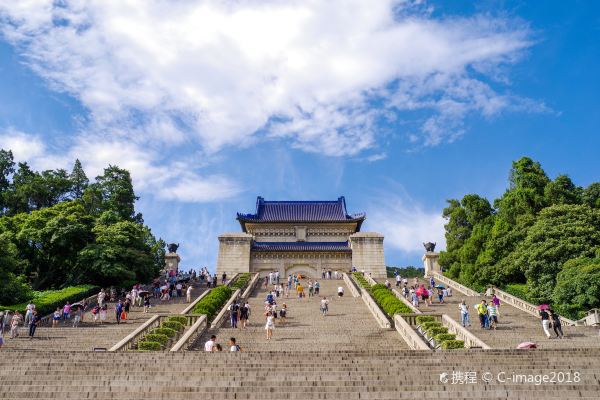
Conclude your day's journey at the Sun Yatsen Mausoleum, a site of profound historical significance. Dedicate an hour to this attraction on Shixiang Road, where the father of modern China, Dr. Sun Yat-sen, is interred. The mausoleum is a symbol of the Chinese spirit, with its grand staircase of 392 steps leading to the majestic hall. The serene surroundings and the mausoleum's architectural beauty offer a moment of reflection on China's journey through the ages.
Attraction info
- Shixiang Road, Xuanwu District, Nanjing
- Suggested tour duration: 1-2 hour
- Closed on Mon;Open on Tue-Sun,8:00am-5:00pm;Open from 8:00am-5:00pm during New Year's Day,Spring Festival,Ching Ming Festival,Labour Day,Dragon Boat Festival,Mid-Autumn Festival,China's national day,Chinese public holidays
Recommended nearby restaurants


Where to Stay Tonight
6 Days in Nanjing Itinerary: Day 6
Slender West Lake
Begin your final day with a tranquil morning at Slender West Lake, a picturesque waterway that embodies the grace of Yangzhou. Set aside a generous three hours to meander through this slender ribbon of water, which has inspired poets and artists for centuries. Located at No. 28, Dahongqiao Road, within the Yangang Lake Scenic Area, this scenic spot is a masterpiece of classical Chinese garden design. As you stroll along the banks, you'll encounter willow-lined paths, elegant bridges arching over the calm waters, and traditional pavilions where you can pause and reflect. The lake's serene atmosphere provides a perfect setting to contemplate the beauty you've experienced throughout your journey, making it an ideal conclusion to your six-day Nanjing itinerary.
Attraction info
- No. 28, Dahongqiao Road, Yangang Lake Scenic Area, Yangzhou City
- Suggested tour duration: 3-5 hour
- Open from 1/1-12/31(Daytime),6:00am-7:30pm;Open from 1/1-12/31(Nighttime),6:30pm-10:00pm,Slender West Lake Park Tour Time: Daytime admission ends at 17:15, and the latest exit time is 19:30 (if you leave the park after this time, you will need to purchase a night tour ticket). Night tour admission time is 18:30, night tour admission ends at 21:30, and the latest exit time is 22:00.
Recommended nearby restaurants


Where to Stay Tonight
Top Things to Do in Nanjing-2025
 Based on 54 review
Niu Shou Shan, also known as Tianque Mountain, is named after the twin peaks on the top of the mountain that resemble the double horns of an ox's head. The Niu Shou Shan has beautiful scenery and is known as the "Spring Niu Shou". In ancient times, there were beautiful Jinling scenery such as Niu Shou Yanlan and Zutang Zhenxi. There are also many historical sites, such as Yue Fei's Anti-Jin Fortress and Zheng He Cultural Park.
Buddha's Peak Palace
The Buddha's Crown Palace is themed on the worship of the Buddha's skull relic. It is divided into two parts, the large dome and the small dome, which represent external and internal worship. The Buddha's Crown Palace uses the original mine pit to build an underground palace with six floors underground and three floors above ground, which is very solemn and majestic. In recent years, the Buddha's skull relic of Sakyamuni will be worshipped in Niu Shou Shan for a long time. Tourists can visit the Buddha's Crown Palace on special Buddhist festivals. For the specific time of worshipping the relic, please call the Attraction for consultation.
Thousands of years of history
Niu Shou Shan is a Buddhist holy place. The Buddhist Cave Temple built by Sikong Xu Du in the second year of Tianjian in Liang Dynasty (503) was the first temple in Niu Shou Shan. Li Yu, the last emperor of Southern Tang Dynasty, renamed it Hongjue Temple. Emperor Daizong of Tang Dynasty "once dreamed of the Pratyekabuddha from Niu Shou Shan coming to see him", so there is a Pratyekabuddha Pagoda. In the Tang Dynasty, Master Fa Rong, who was known as "Dharma of Dongxia", founded the Niutou Zen Sect in Niu Shou Shan, which was called "Niutou of Jiangbiao" in ancient times. The establishment of the Niutou Zen Sect played an important role in bridging the transformation of Indian Zen into Chinese Zen!
Peach Blossom Creek
Taohua Creek is located at the eastern entrance of Niu Shou Shan, covering a total area of 14.87 hectares, or about 220 mu. The peach blossom varieties selected are 26 kinds of peach blossoms suitable for growing in Nanjing. It is a new landscape created by Niu Shou Shan Attraction. A stream meanders down from Yinlong Lake, with gurgling water and peach blossoms planted on both sides. In spring, the flower buds gradually bloom, and the sea of flowers is intoxicating.
 Based on 46 review
 Based on 3 review
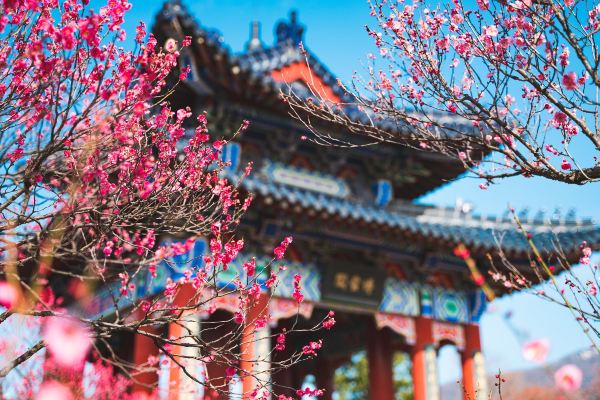
Zhongshan Mountain National Park is located in eastern Nanjing and has long been known as one of the "Four Famous Mountains of Jiangnan". Because purple shale is exposed on the slopes, it shines with a golden glow under the sun, hence it is also called Zhongshan Mountain National Park. Zhongshan Mountain National Park covers an area of 31 square kilometers, with its main peak at an elevation of 448 meters. It is renowned as "the dragon coiling on Zhongshan Mountain National Park" and is a gathering place for Nanjing's famous historical sites. The majestic and solemn Sun Yat-sen Mausoleum, the grand Ming Xiaoling Mausoleum, the vivid stone carvings of the Sacred Way, the Plum Blossom Mountain and Plum Blossom Valley with their sea of fragrant blossoms, the ancient and serene Linggu Temple, and numerous pavilions and terraces are dotted among the pine and bamboo forests. This gives Zhongshan Mountain National Park both the natural charm of a mountain forest and the ingenious architectural masterpieces created by humans, forming a famous scenic area centered around the Sun Yat-sen Mausoleum, which is listed as one of the "Top 40 Tourist Destinations in China".
 Based on 491 review
The Ming Tomb is located in the Zhongshan scenic area. It is the mausoleum of Emperor Zhu Yuanzhang and Empress Ma of the Ming Dynasty. The grand tomb showcases the architectural and stone carving achievements of the early Ming period and directly influenced the design of imperial tombs during both the Ming and Qing dynasties.
Cemetery area distribution
The tomb complex is divided into two main sections: the winding sacred path leading to the tomb and the main burial structures where Emperor Zhu Yuanzhang was laid to rest. The Ming Tomb's principal structures include the Civil and Military Gate (main entrance), the Sacrificial Hall, the Square City, the Ming Tower, and the Treasure Dome (mound), all arranged along a traditional central axis and enclosed by walls. Its innovative layout—"court in front, living quarters behind; square in front, round behind"—along with architectural features like the Square City with Ming Tower and the Treasure Dome, set the standard for imperial mausoleum construction during China's Ming and Qing dynasties. Recognized as a milestone in the evolution of Chinese imperial tombs, it pioneered design elements that influenced subsequent dynastic burial sites.
Sacred Way
The Sacred Way stretches 2,400 meters from Xiamafang to the main gate of The Ming Tomb, winding through a serene and deep path that breaks from the traditional straight layout of Chinese imperial tombs. Divided into two sections—Stone Elephant Road and Wengzhong Road—it features striking stone carvings on both sides, including 12 pairs of towering stone animals and 2 pairs each of civil and military officials. These sculptures, carved from single stone blocks, showcase simple yet exquisite craftsmanship with clear patterns. During fall, the ginkgo trees and red maples create a picturesque scene, drawing crowds of photography-loving visitors.
Hall of Enjoyment
The Hall of Enjoyment, also known as the Ming Tomb Hall, was originally the place to enshrine the memorial tablets of Emperor Zhu Yuanzhang and Empress Ma. The original hall was destroyed, but the 3-layer Sumeru pedestal base and 6 large carved stone steps with cloud-dragon landscape reliefs remain. It now serves as a historical exhibition room.
Fangcheng
The Fangcheng is a massive structure in front of the Ming Tomb's burial mound, built with large stone slabs and featuring a Sumeru base at its bottom. The Ming Tower stands atop the Fangcheng—its original yellow-glazed roof was destroyed but later restored. Visitors can ascend to the Ming Tower via the walkways on either side of the Fangcheng.
Baoding
North of the Square City lies the Precious Dome, also known as the Precious City, with a diameter of approx. 400m. This was the burial site of Emperor Zhu Yuanzhang and Empress Ma. Entering through the central archway of the Square City leads to a vaulted tunnel. After climbing 54 steps and exiting the tunnel, you'll reach the southern wall of the Precious Dome, where later generations inscribed "This mountain contains the tomb of Ming Taizu (Emperor Zhu Yuanzhang)." Visitors cannot proceed further. Beneath the Precious Dome lies the underground palace of Zhu Yuanzhang's tomb, which remains unexcavated.
Plum blossom garden and cherry blossom garden
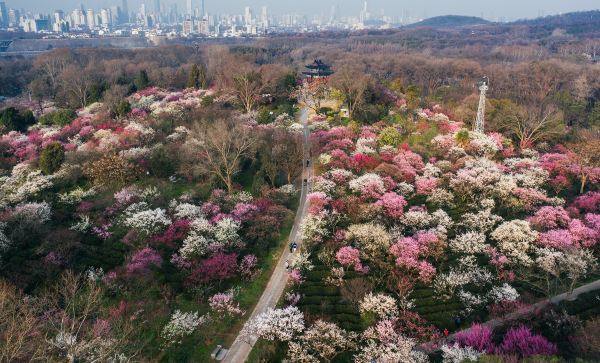
Plum Blossom Hill is located directly south of The Ming Tomb, covered with plum trees, and features Plum Blossom Valley at its base, home to over 13,000 plum trees. The wintersweet garden at The Ming Tomb stretches along both sides of the central axis from the Golden Water Bridge to the Soul Tower, spanning more than 80 acres with over 3,000 wintersweet trees. It includes three major variety groups and over 60 cultivars. The best time to admire the wintersweets is from December to late February each year.
On Plum Blossom Hill, you can also see the Tomb of Sun Quan. Near the Stone Elephant Path of the Sacred Way lies a cherry blossom garden, where visitors flock in late March and early April to admire the blooms. The Honglou Literary Garden is a landscape that embodies the culture of "Dream of the Red Chamber" and the rich Jiangnan style. To the north, Zixia Lake offers a perfect retreat to escape the summer heat.
* All user reviews in this article have been translated by machine.
* The information above is subject to change at any time. For the latest information, please check the websites of hotels and attractions.