
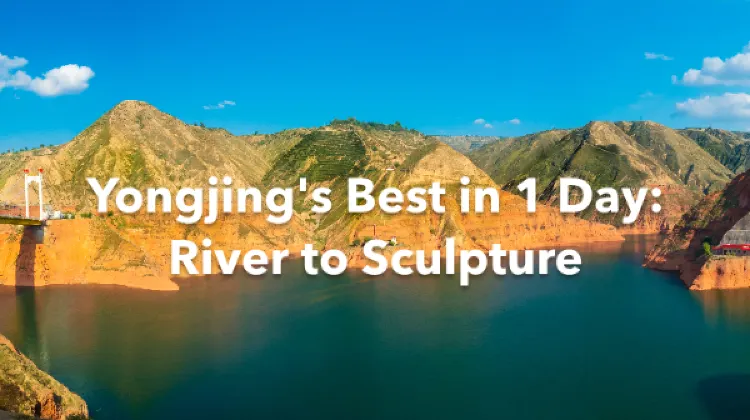
Embark on a whirlwind adventure through Yongjing with a one-day itinerary designed to showcase the region's connection to the mighty Yellow River. Begin your journey at the iconic Yellow River Steel Bridge, a marvel of engineering that offers breathtaking views and a deep sense of history, with an hour to soak in its grandeur. Next, delve into the cultural significance of the area with a visit to the Yellow River Mother Sculpture, a poignant statue that pays homage to the river's nurturing role in Chinese civilization; a brief but impactful half-hour stop. The climax of your day is an immersive experience at Liujiaxia, where the entire day is dedicated to exploring this magnificent reservoir area, known for its stunning landscapes and recreational opportunities. From the marvels of engineering to the artistry of sculptures and the natural beauty of Liujiaxia, your day in Yongjing is sure to be filled with awe-inspiring moments and picturesque memories.

1 Day in Yongjing Itinerary: Day 1
Yellow River Steel Bridge

Begin your Yongjing adventure with a visit to the iconic Yellow River Steel Bridge, a testament to the region's engineering prowess. Nestled under the majestic Baita Mountain, this bridge offers a unique vantage point to appreciate the might of the Yellow River. Allocate an hour to stroll across its span, feel the pulse of Lanzhou City, and capture the essence of the river that has nourished civilizations for millennia.
Attraction info
- Under the Baita Mountain on the north side of the middle section of Binhe Road, Chengguan District, Lanzhou City
- Suggested tour duration: 1 hour
- Open 24 hours
Recommended nearby restaurants
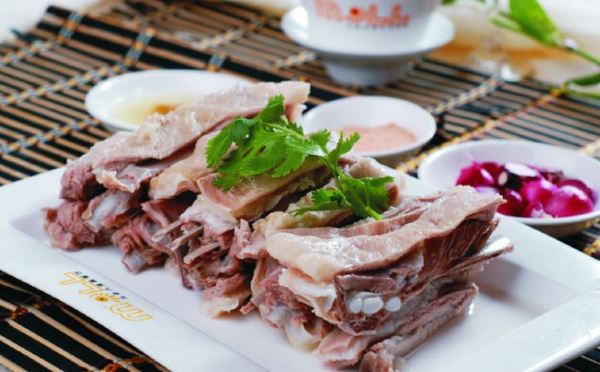
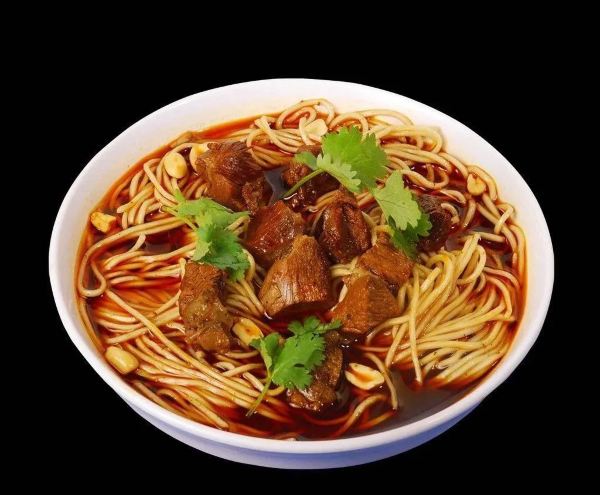
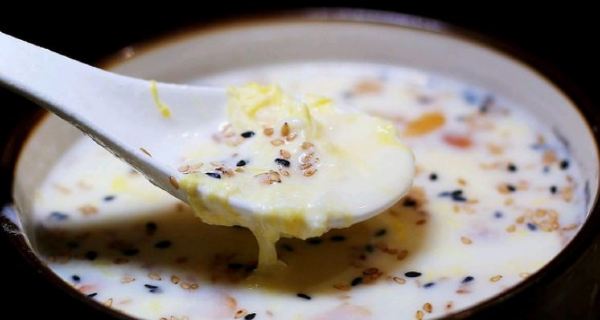

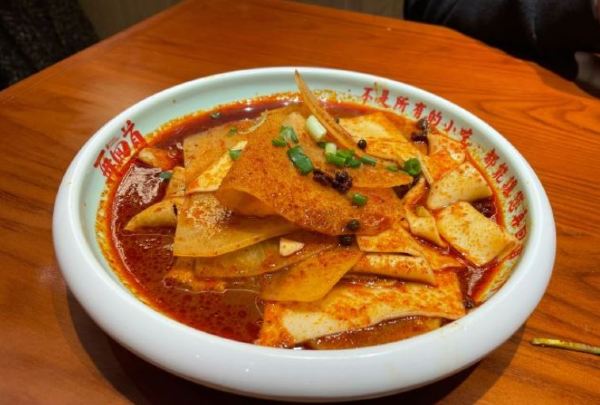
Yellow River Mother Sculpture
Next, immerse yourself in local culture at the Yellow River Mother Sculpture, just a short journey from the bridge. This half-hour stop allows you to reflect on the profound symbolism of the statue, which pays homage to the nurturing spirit of the Yellow River, often referred to as the cradle of Chinese civilization. Situated on the serene banks of the river, the sculpture is a poignant reminder of the bond between nature and the people of Lanzhou.
Attraction info
- Middle section of Binhe Road, Qilihe District, Lanzhou City (north side of Xiaoxihu Park)
- Suggested tour duration: 0.5-1 hour
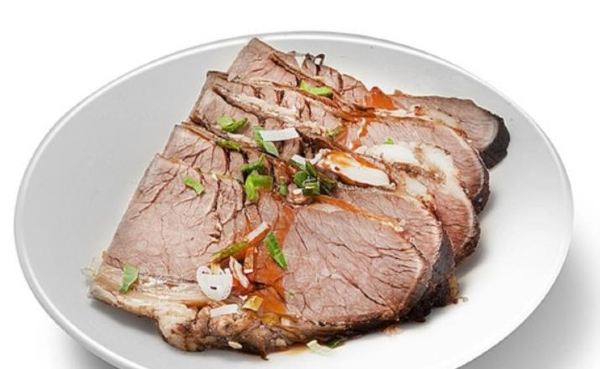
Recommended nearby restaurants
Liujiaxia
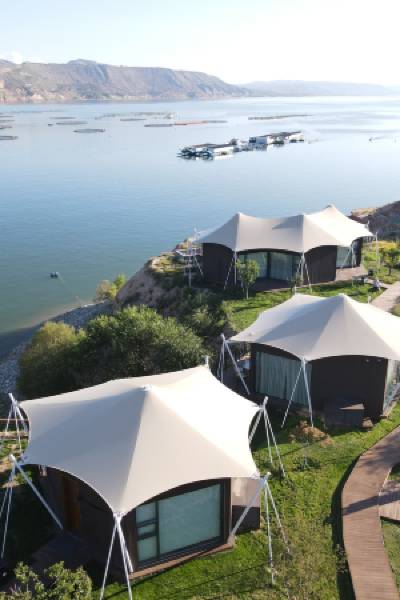
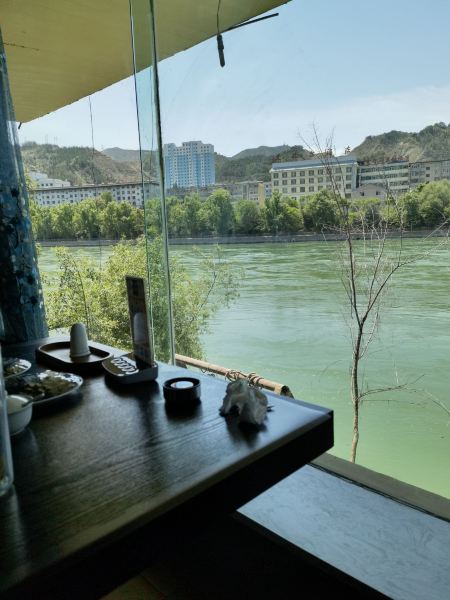
Conclude your day with an escape to Liujiaxia, a breathtaking destination that warrants a full day's exploration. Here, the grandeur of the Yellow River is complemented by the stunning landscapes of Yongjing. Liujiaxia is not just a place, but an experience, where the harmonious blend of water and land creates a symphony of natural beauty. From boating to historical sites, Liujiaxia offers a tranquil retreat to cap off an unforgettable day.
Attraction info
- Chuanbei Rd, Yongjing Xian, Linxia Huizuzizhizhou, Gansu Sheng, China
- Suggested tour duration: 0.5-1 day
- Open 24 hours
Recommended nearby restaurants


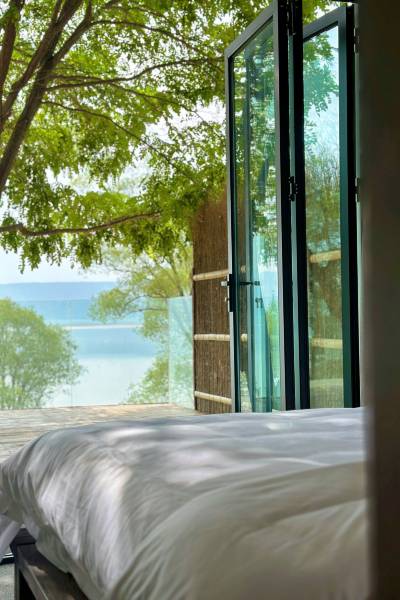
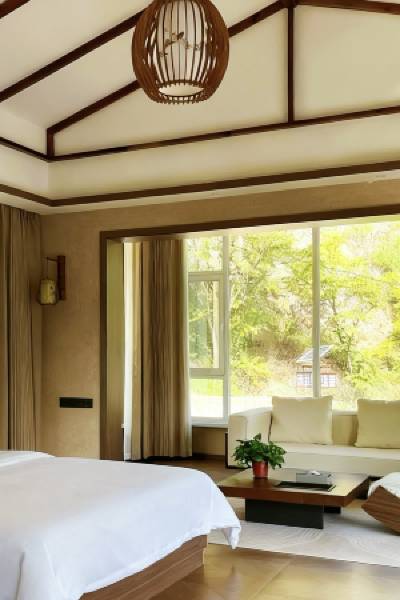
Where to Stay Tonight
Top things to do in Yongjing-2025
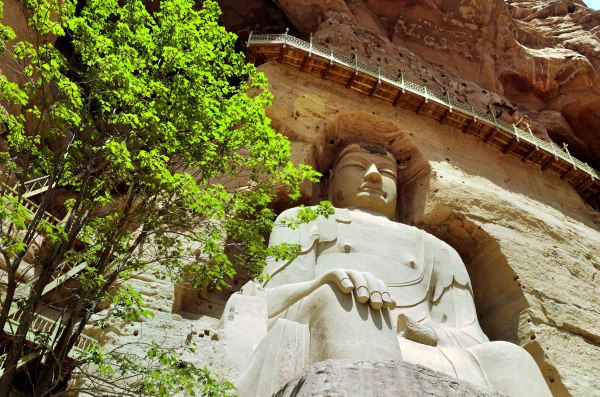
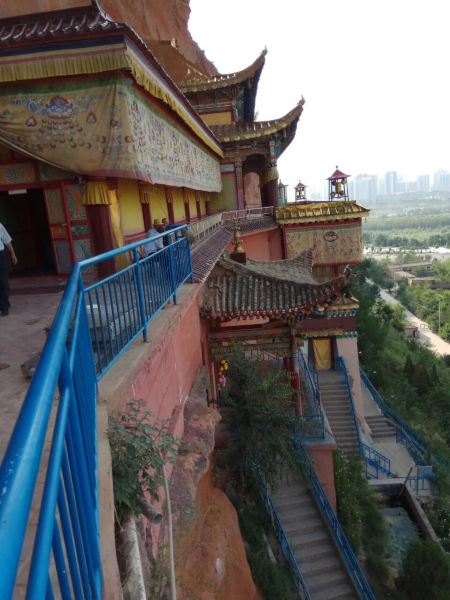
Located in the upper reaches of Liujiaxia Reservoir, on the north bank of the Yellow River in Sigouxia, southwest of Yongjing County. On the steep and dangerous red sandstone cliffs 2 kilometers long from north to south, the cave shrines are lined up one after another, and the plank roads are suspended in the air. It is magnificent and spectacular. It is one of the three largest caves in Gansu and one of the five largest caves in my country.
Bingling Temple was formerly known as "Tangshu Cave", which means "ghost cave" in Qiang language. It was called "Longxing Temple" in Tang Dynasty, "Lingyan Temple" in Northern Song Dynasty, and "Bingling Temple" after the Yongle Period of Ming Dynasty. Bingling is called "Benlang" in Tibetan language, which means "one hundred thousand Buddhas".
Bingling Temple Grottoes were first built in the first year of Jianhong in the Western Qin Dynasty (420 AD). Since the Sixteen Kingdoms period, it has gone through the Northern Wei, Northern Zhou, Sui, Tang, Song, Yuan and Ming dynasties, with a history of more than 1,600 years. During the period when the Western Qin Dynasty built its capital in Linxia, the king personally visited the grottoes and wrote inscriptions, the originals of which are still preserved on the rock walls. From the time the grottoes were carved in 420 AD to the Song Dynasty, the grottoes had a great influence on Han Buddhism, Pure Land Buddhism, Huayan Buddhism and Zen Buddhism. At the end of the Yuan Dynasty and the beginning of the Ming Dynasty, the Yellow School (Gelug School) of Tibetan Buddhism was introduced to Bingling Temple.
Bingling Temple Grottoes, based on the inheritance of folk art from previous generations, absorbed foreign Buddhist art and created vivid sculpture and painting art with a brand-new attitude and concise approach. Its relief pagodas and Tantric murals are as famous as those of Mogao Grottoes and Maijishan Grottoes.
The grottoes are divided into three parts: the upper temple, the cave ditch and the lower temple. The lower temple is more spectacular. They are distributed on a cliff 200 meters long and 60 meters high. There are 196 caves and niches in Bingling Temple Grottoes, 694 stone statues, 82 clay sculptures, and more than 900 square meters of murals. The larger Maitreya Buddha statue from the Tang Dynasty is 27 meters high, and the smaller statue is 10 centimeters high. Among them, there are 2 caves and 1 niche excavated in the Western Qin Dynasty, 8 caves and 25 niches excavated in the Northern Wei Dynasty, 2 caves in the Northern Zhou Dynasty, 2 caves in the Sui Dynasty, and 20 caves and 113 niches in the Tang Dynasty.
The artistic achievements of Tang Dynasty works were quite high, and there were more than 3,000 monks at that time. The ink inscription of the famous monk Faxian in the first year of Jianhong in the Western Qin Dynasty (420 AD) in this cave is the earliest chronological inscription preserved in the caves in China. It provides a mark for the dating of other ancient caves in the country and has very important historical value.
The main body of the cave statues and murals is composed of the large seated Buddha in the natural cave No. 169 and all the small and medium-sized caves in the cliff face. Cave No. 169 was formerly known as Tangshu Cave, and is now called "Tianqiao Cave". It is 15 meters high, 8 meters deep and 20 meters wide. It is one of the earliest and best preserved caves in my country. There are three types of shapes in the cave: Buddha niches, stone carvings, and stone-based clay sculptures. Niche No. 171, located on the cliff of the cave, has a large seated Maitreya Buddha statue made of stone-based clay from the Tang Dynasty. It is carved against the mountain and is 27 meters high, majestic and solemn. The Western Qin "Manjusri Bodhisattva Asking about Illness" in the cave is one of the earliest Vimalakirti Sutra Transformations seen in my country. The original Cave No. 16 is now located in the Sleeping Buddha Hall opposite the cave group. The 8.6-meter-long clay sculpture of Bingling Temple Reclining Buddha is a reclining Buddha from the Northern Wei Dynasty, which has very important research value. The 25-cm-tall maid statue from the Tang Dynasty is one of the more precious existing cave statues in my country, and fully embodies the style of the prosperous Tang Dynasty.
Next to the cliff at the entrance of Bingling Temple stands the steep Sister Peak, surrounded by scenic spots such as the Mandarin Duck Cave and the Medicine Spring, with green mountains and clear waters, dangerous peaks and strange rocks.
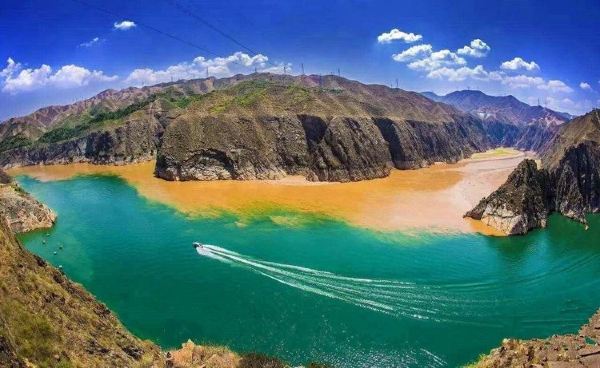
The Huangtao Intersection is a spectacular scene formed by the intersection of the Yellow River and the Tao River. It has been broadcast on CCTV channels many times. This is the place where the mother river, the Yellow River, and its second largest tributary, the Tao River, meet. The blue Yellow River meets the orange Tao River. , intersect in front of Longhui Mountain in a "Y" shape, with clearly defined Jingwei and Jingwei, forming a world wonder of the "Meeting of Huangtao". "Huang-Tao Intersection" is also known as "Two Dragons Playing with Pearls". There are two giant dragons, one orange and one blue. The intersection of the orange Tao River and the blue Yellow River forms the magnificent landscape of the Huang-Tao Intersection with clear distinctions. When you take a boat from the dam pier to Bingling Temple, you will have close contact with the "Huang-Tao Intersection" and feel the unique charm of the Yellow River. People often say that "the Yellow River in the world is noble and pure", what you will see in Yongjing is "the Yellow River in the world is always blue".
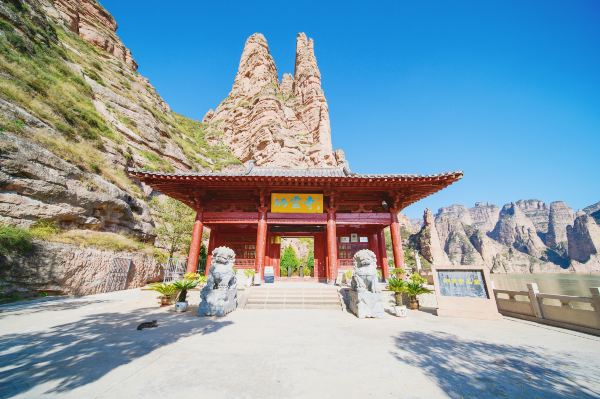
Bingling Temple World Cultural Heritage Tourist Area is located in Yongjing County, Linxia Hui Autonomous Prefecture, Gansu Province. This cultural attraction combines Buddhist cave art with natural scenery, covering a total area of 180 square kilometers. It consists of three main sections: Bingling Lake, Gansu Bingling Danxia National Geopark (Bingling Stone Forest), and Bingling Temple Caves. In December 2020, it was designated as a National 5A-level Tourist Attraction by China's Ministry of Culture and Tourism.
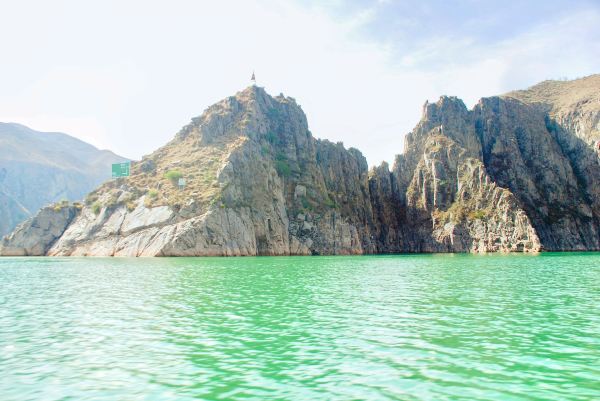
Bingling Lake is the reservoir of Liujiaxia Hydropower Station, named after the Bingling Temple at its far end. With crystal-clear, unpolluted water meeting national Grade II drinking standards, this vast misty lake stretches like an endless green silk ribbon through mountain ranges, blending southern China's elegance with the plateau's grandeur—a dream destination for travelers. Liujiaxia Hydropower Station, China's first independently designed million-kilowatt hydro project in Asia, is recognized as a National Industrial Heritage Education Base.
The Binglingshi Stone Forest is a Danxia landform composed of Cretaceous purplish-red fine sandstone from the early Cenozoic era. In 2011, it was officially designated as the Gansu Bingling Danxia National Geopark by the Ministry of Land and Resources. Within the geopark, thousands of towering peaks and countless crisscrossing ravines form a labyrinth of winding tributary valleys, creating a surreal stone forest landscape alongside uniquely shaped rock formations. This natural sculpture gallery holds immense value for geological research, tourism development, natural aesthetics, and ecological conservation.
The Bingling Temple Grottoes, dating back over 1,600 years to the Western Qin period of the Sixteen Kingdoms era, is a nationally protected cultural heritage site and was inscribed on the UNESCO World Heritage List in 2014. The grotto complex consists of three main sections: the Lower Temple area, Upper Temple area, and Donggou area. It preserves 216 cave shrines, over 800 Buddhist statues, more than 1,000 square meters of murals blending Tibetan and Han Chinese artistic styles, 56 stupas, and 438 cultural relics. The site contains ink inscriptions from the first year of Jianhong era (420 AD) of Western Qin - the earliest dated Buddhist cave inscription found in China, which serves as a crucial benchmark for dating early grotto art.
The Bingling Temple World Cultural Heritage Tourist Area boasts abundant resources, where natural views and cultural landscapes complement each other to create a magnificent and mysterious panorama. Every visitor can embark on a perfect journey here to explore cultural heritage and experience the beauty of nature.
 Based on 12 review
* All user reviews in this article have been translated by machine.
* The information above is subject to change at any time. For the latest information, please check the websites of hotels and attractions.