Heshun Ancient Town
和顺古镇景区 based on 58 reviews
 No. 6 of Night Attractions in Yunnan
Opening hours of Heshun Ancient Town
Heshun Ancient Town Highlights: Must-See Features and Attractions
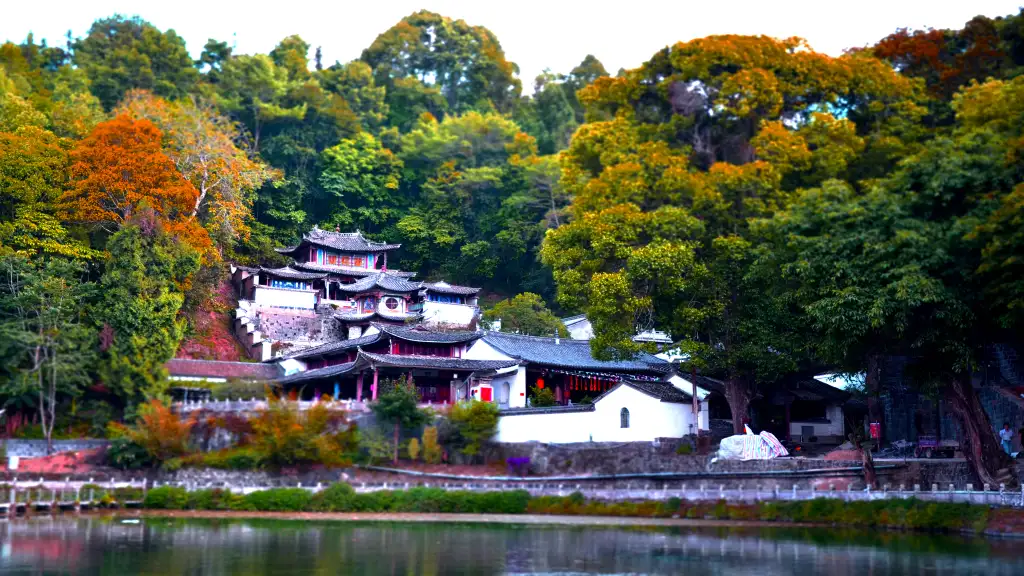
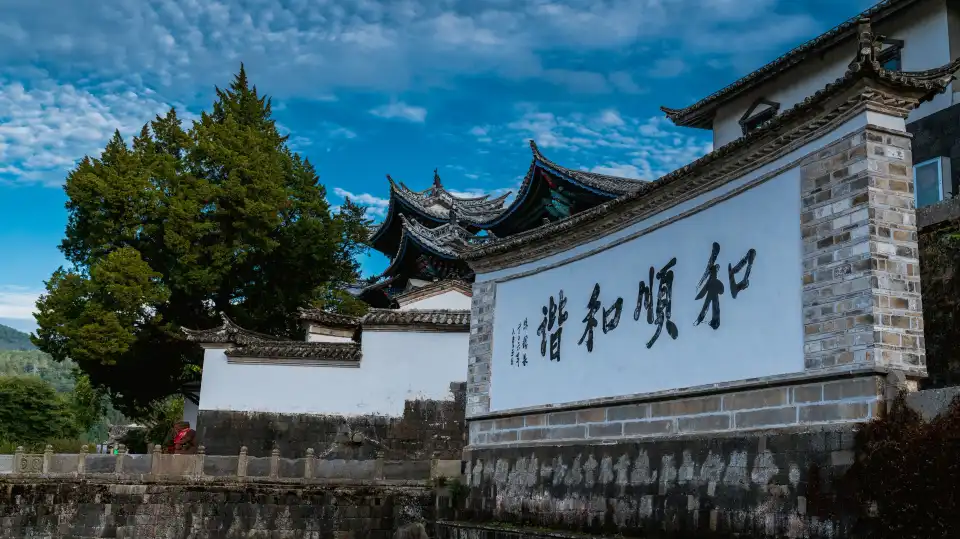
Heshun Ancient Town is located southwest of Tengchong city, a borderland ancient town with over 600 years of history. Originally settled by military households guarding the frontier, the village was named "Heshun" (meaning "river follows") due to a small river encircling it. Later, locals refined the name to its current form, inspired by the phrase "scholars harmonious, people compliant." As Yunnan's renowned hometown of overseas Chinese and a key caravan hub on the Southwest Silk Road, generations of ancestors traveled to Myanmar for trade—their descendants now spread across more than ten countries and regions. Here, traditional central plains family values, borderland customs, and Western influences brought back from Southeast Asia blend seamlessly in the alleyways, making the entire town resemble an open-air museum of Sino-Western architectural fusion.
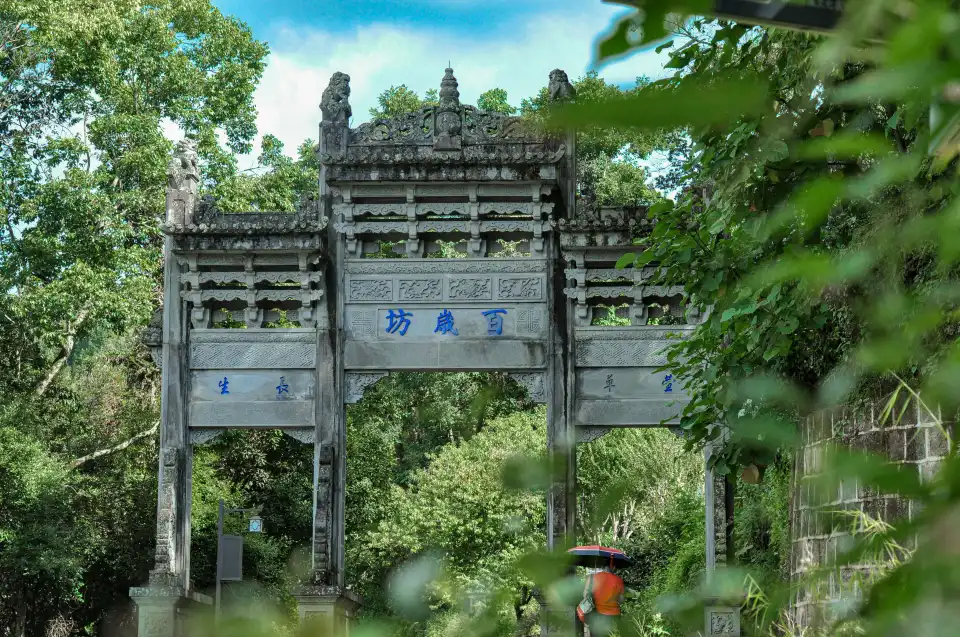
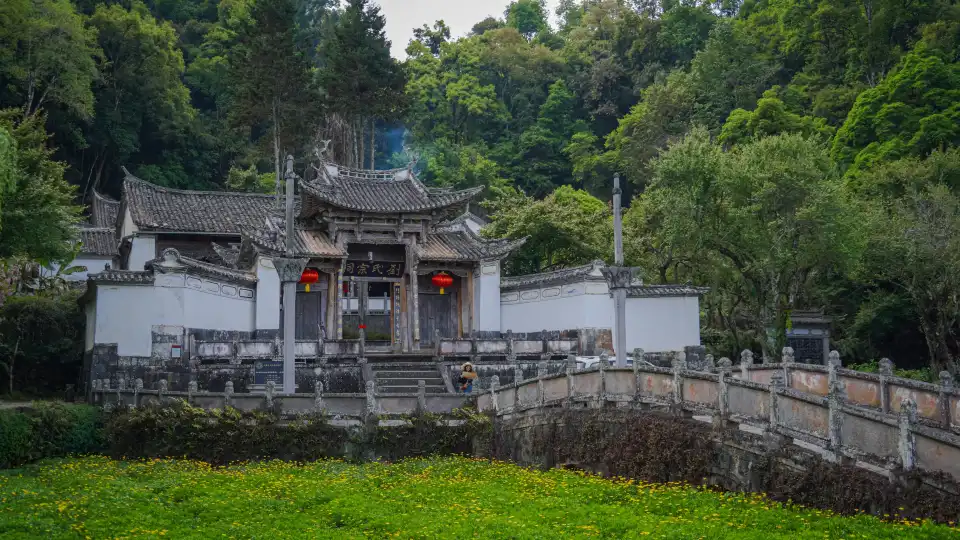
The ancient town rises gradually along the mountain facing the flatland, with ancestral halls, memorial archways, and old residences from the Ming and Qing dynasties spreading across the slopes. Clan ancestral halls like the Cun and Liu family halls line the alleys—the Liu ancestral hall stands by a stream, housing a teahouse where visitors can sit and enjoy hot tea brewed with Longtan spring water and chestnut charcoal fire. The curved building dwelling museum gets its name from structures following the winding lanes, featuring three courtyards with ingenious East-meets-West designs; the TV series "Beijing Love Story" filmed scenes here. Crossing Shuanghong Bridge leads to a hillside library founded in the late 1920s by overseas Chinese from Myanmar, still serving locals with its 100,000-volume collection today. Ai Siqi's former residence, the Jade King's house, Zhongtian Temple, Wenchang Palace, and the Sino-Myanmar Anti-Japanese War Museum each hold unique histories worth exploring in depth.
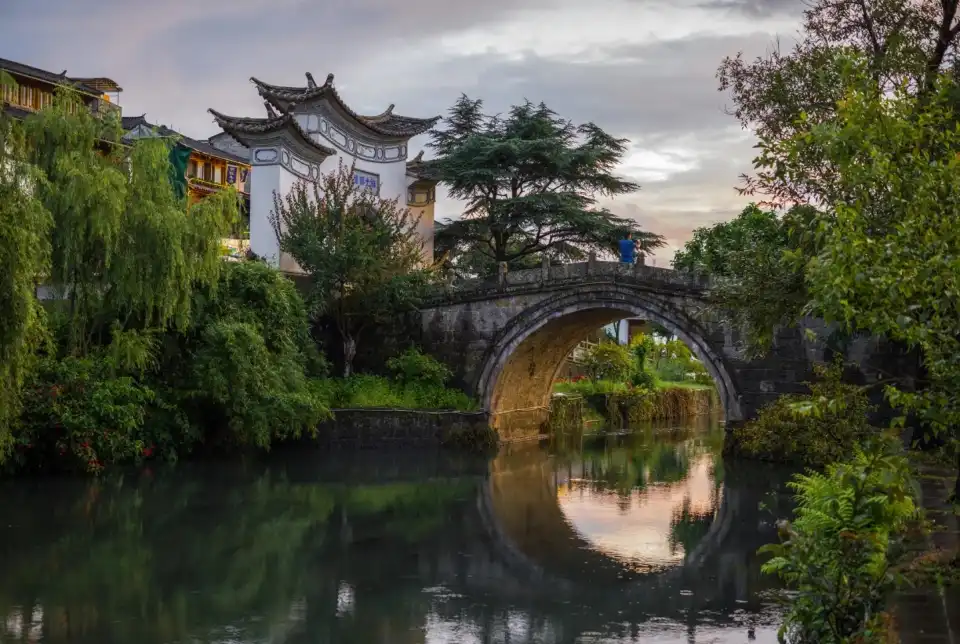
A clear stream winds around the village, with weeping willows brushing the banks. Along the river stand several laundry pavilions built successively since the Guangxu era of the Qing dynasty—a thoughtful gesture from men traveling abroad to their families back home, providing shelter for women washing clothes by the river. This earned them the poetic name "wifeloving pavilions." Watching locals pound laundry and chat by these pavilions offers a deeper taste of the ancient town's daily life than hurried checkins. The lanes of Heshun gather shops preserving old crafts like shadow puppetry, rattan weaving, and traditional papermaking, perfect for a leisurely stroll.
Heshun takes its food seriously: the local specialty "Dajiu Jia" (literally "life-saving dish") is actually stir-fried rice cakes, thinly sliced and cooked with eggs, ham, and pickled vegetables—oily, fragrant, and named after a legend involving an exiled emperor. The pine pollen cakes from old street-side shops, made with pine pollen and red beans, are delicately sweet and soft. Sweet "Tounao," slow-cooked earthen pot stews, and the traditional banquet "Sandishui" served only for guests are all worth saving room for. The ancient town is sizable—too big to explore in one day—so consider staying at an inn converted from an old residence, many of which retain their original two- or three-courtyard layouts. Wake up naturally, enjoy a bowl of Dajiu Jia at the town entrance, then bask in the sun by the riverside laundry pavilion, adjusting to the rhythm of Heshun life.
