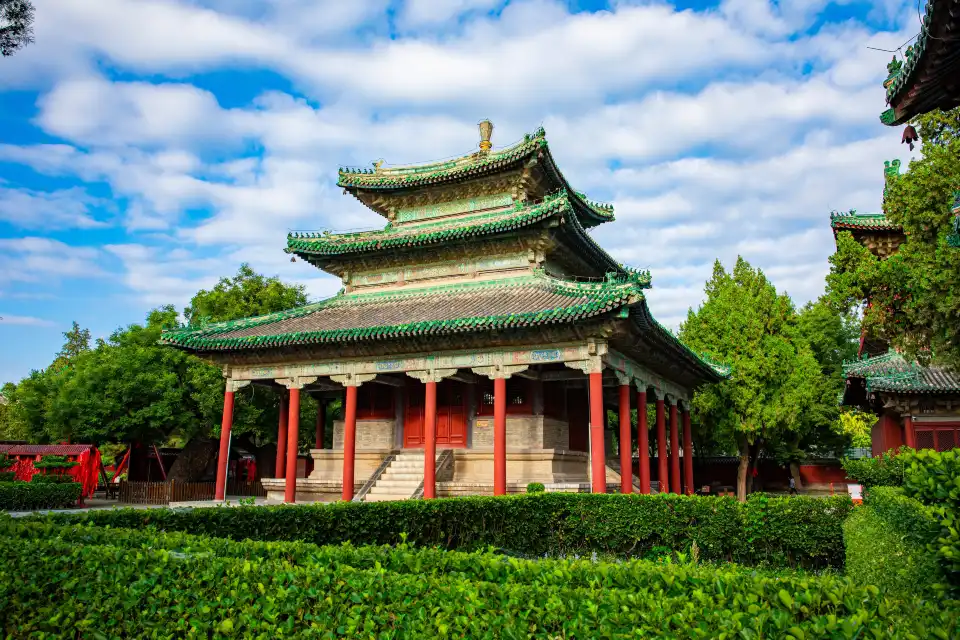
Dabeige Pavilion is closed for maintenance.
Longxing Temple(Big Buddha Temple)
隆兴寺 based on 35 reviews
 No. 12 of Best Things to Do in Hebei
Open Opening hours of Longxing Temple
Longxing Temple Highlights: Must-See Features and Attractions
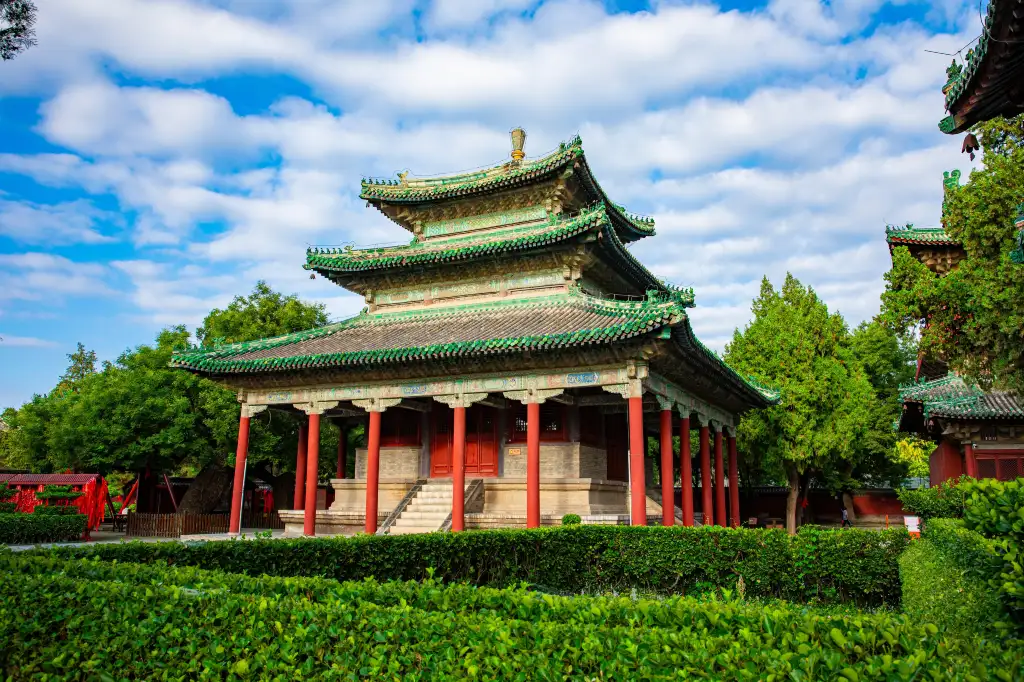
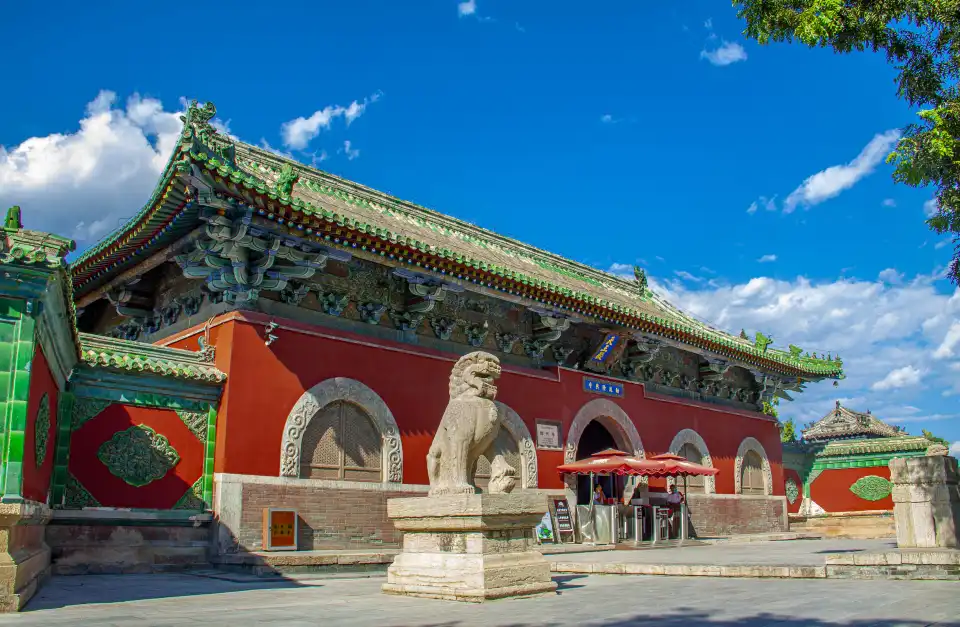
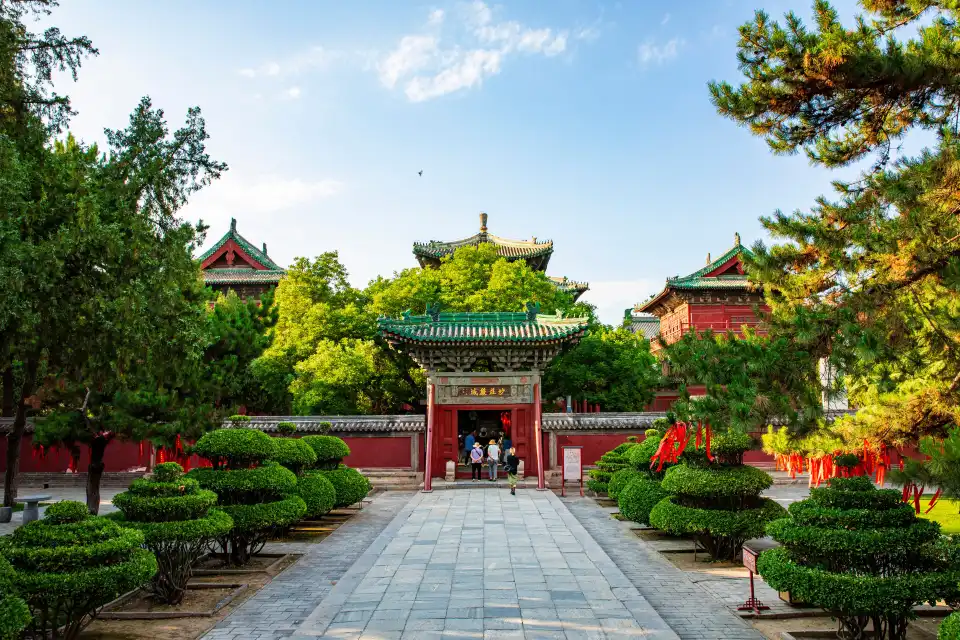
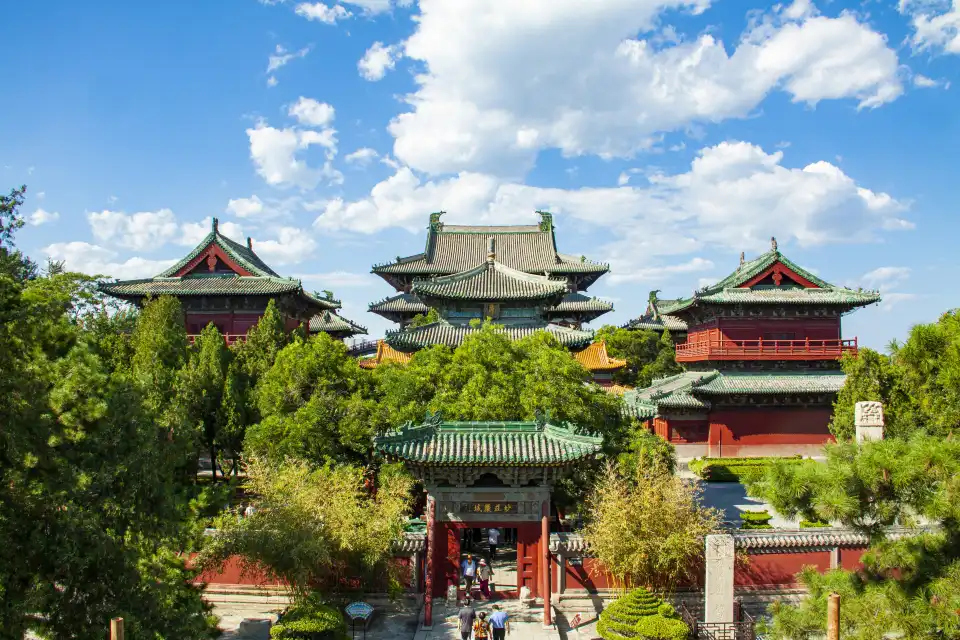
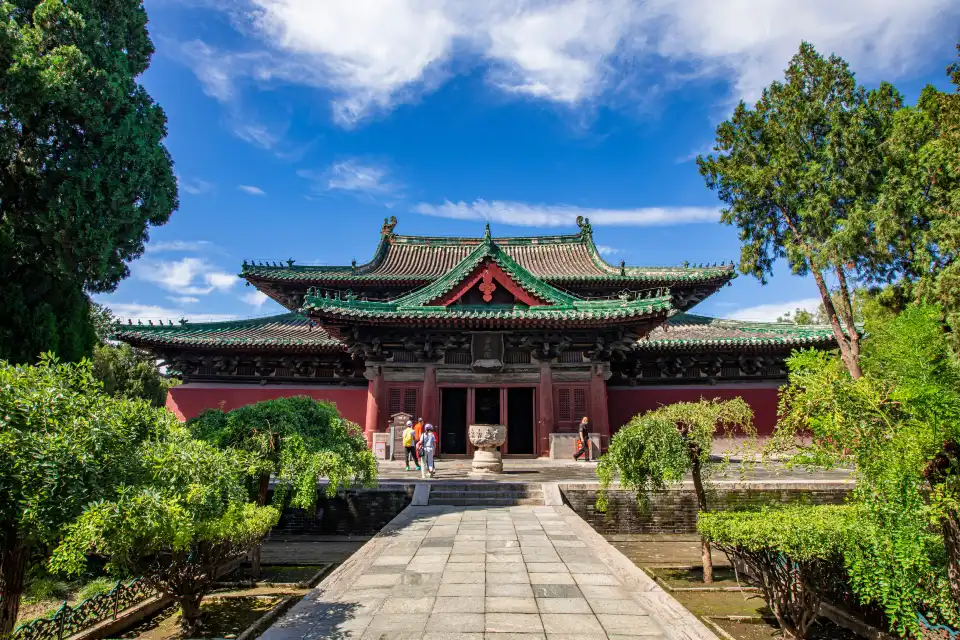
Longxing Temple, also known as the Great Buddha Temple, is one of China's most historically significant Buddhist monasteries with extensive architectural scale and remarkable preservation. This ancient architectural complex holds outstanding historical and cultural value as a monumental religious site.
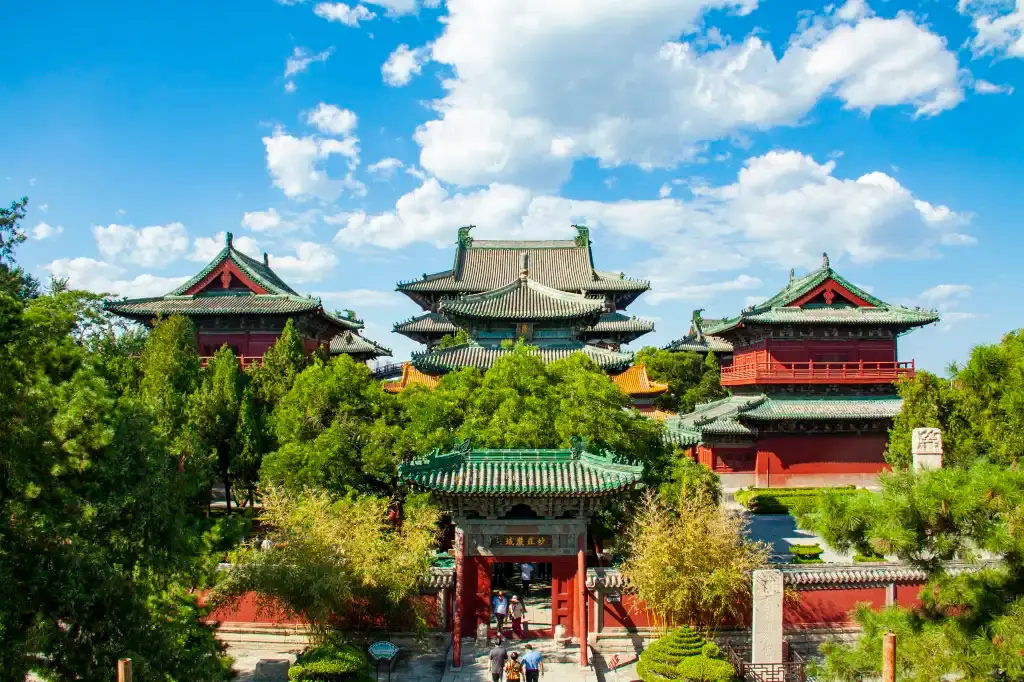
Longxing Temple traces its origins back to 586 AD during the Sui Dynasty, initially named Longcang Temple before being renamed during the Tang Dynasty. In 971 AD under Emperor Taizu of the Northern Song Dynasty, an imperial decree commissioned the casting of a magnificent 42-arm bronze statue of the Thousand-Hand Guanyin Bodhisattva within the temple, accompanied by the construction of the Great Mercy Pavilion. Subsequent expansions formed a Song Dynasty architectural complex centered around this pavilion. The temple underwent repairs and additions during the Jin, Yuan, and Ming Dynasties. Major renovations ordered during the reigns of Kangxi and Qianlong in the Qing Dynasty established its final layout: monastic living quarters in the east, Buddhist ceremonial spaces in the center, and imperial lodging in the west. In 1710, Emperor Kangxi personally inscribed the "Longxing Temple" plaque as a mark of reverence. From the late Qing through the Republic era, social upheaval and warfare led to the temple's decline. After the founding of New China, systematic restoration and preservation efforts by the government gradually restored the temple to its former grandeur.
Longxing Temple boasts an expansive scale and diverse architectural styles, stretching approximately 600 meters from north to south and 200 meters from east to west. Its main structures are symmetrically arranged along a central axis, featuring key buildings such as the Heavenly King Hall, Mani Hall, Ordination Platform, Great Mercy Pavilion, Amitabha Hall, Vairocana Hall, and Dragon Soaring Garden from south to north. Visitors can explore along the central axis, with a complete tour typically taking 2–3 hrs. The temple is also known as the "Great Buddha Temple," a name derived from its enshrined 21.3-meter-tall Thousand-Armed and Thousand-Eyed Guanyin statue in the Great Mercy Pavilion. This majestic bronze statue, commissioned by Emperor Zhao Kuangyin during the Northern Song Dynasty, stands as one of China's most monumental ancient copper-cast Buddhist sculptures, earning the temple its nickname and making it a must-see attraction.
The Mani Hall is another must-see highlight, featuring a vividly colored seated Avalokitesvara statue on its northern wall. This unique statue combines lifelike realism with divine beauty in its posture and vibrant hues. Lu Xun once praised it as "personifying divinity," earning it the title "Goddess of Eastern Beauty." The hall itself boasts distinct Song Dynasty architecture, with its original structure preserved. Its particularly special bracket set design was hailed by renowned architect Liang Sicheng as a "singular example" of Song-era construction, making it an architectural masterpiece of immense artistic and research value.
Beyond these two main attractions, the temple houses other equally precious artifacts and structures. These include the Longxing Temple Ordination Platform in the Ordination Hall, the Northern Song Dynasty revolving sutra cabinet in the Revolving Sutra Cabinet Hall, the 7.4-meter-tall Northern Song wooden Maitreya statue in the Cishi Pavilion, imperial stele inscriptions by Emperors Kangxi and Qianlong in the Imperial Stele Pavilion, and the Sui Dynasty Longcang Temple Stele revered as the "origin of regular script"—all rare historical treasures worth admiring in detail. Additionally, the Dajue Liushi Hall ruins and Longteng Garden offer unique experiences, making them highly recommended stops for visitors.
Other visitors' reviews of Longxing Temple
Show More ReviewsA Thousand-Year-Old Temple, Enduring Zen Spirit (AI Writing) Longxing Temple, located east of Zhengding County, Shijiazhuang City, Hebei Province, is a thousand-year-old temple that shines like a pearl on the land of Yan and Zhao, bearing the weight of history and the profoundness of Zen. Since its construction in the sixth year of the Kaihuang era of the Sui Dynasty (586 AD), it has weathered many storms and experienced several periods of rise and fall, yet it has always maintained a solemn and dignified demeanor, guarding the faith and civilization of this land. Longxing Temple is world-renowned for its unique architectural art and precious cultural relics. The temple's buildings are arranged along a central axis, layer upon layer, showcasing the grandeur and rigor of Buddhist architecture. Among them, the Mani Hall is the temple's jewel. Its "cross-shaped" floor plan breaks the traditional temple layout, with upturned eaves and exquisite brackets, making it a marvel of ancient Chinese wooden architecture. Inside the hall, a colorful suspended sculpture of Guanyin sitting in reverse, with a compassionate face and flowing robes, seems about to descend from the sky, inspiring awe in visitors. Furthermore, the 21.3-meter-tall bronze Guanyin statue with a thousand hands and eyes is the tallest existing ancient bronze Buddhist statue in China. Its gleaming bronze shines brightly, exuding a majestic aura and showcasing the exquisite craftsmanship of the ancients. Strolling through the temple, ancient cypress trees stand verdant, and the sounds of chanting fill the air. The prayer flags in the Great Compassion Pavilion flutter gently in the wind, as if whispering stories of a thousand years ago; the powerful inscriptions on the Longzang Temple Stele record the eastward spread of Buddhism. Every brick and tile tells a story of vicissitudes, every beam and pillar is engraved with faith. Here, time seems to slow down, the hustle and bustle is filtered out, and only the tranquility of the soul intertwines with the echoes of history. Longxing Temple is not only a sacred site of Buddhist culture but also a treasure trove of art and history. The murals, inscriptions, and Buddhist statues treasured within the temple all demonstrate the exquisite craftsmanship and wisdom of ancient Chinese art. The flowing lines of the flying apsaras in the murals and the compassionate eyes of the Buddha statues are like amber of time, solidifying the aesthetics and spirit of the Tang and Song dynasties. Walking through it feels like traveling through time, conversing with the ancients, and feeling the pulse of civilization. Today, Longxing Temple still burns brightly with incense, and amidst the sounds of morning bells and evening drums, believers and tourists come and go in an endless stream. It is not only a witness to history but also a spiritual haven. Here, one can find a sanctuary for the soul, feel the weight of a thousand years of faith, and appreciate the timeless beauty of traditional architecture and art. Longxing Temple, in its silent presence, tells the story of an ancient people's eternal pursuit of compassion and wisdom. If you seek tranquility and a touch of Zen, why not step through the vermilion gates of Longxing Temple, let your footsteps resonate with history, and let your heart converse with time?