Seven Star Buddha Temple Ruins
七个星佛寺遗址Open Opening hours of Seven Star Buddha Temple Ruins
Seven Star Buddha Temple Ruins Highlights: Must-See Features and Attractions
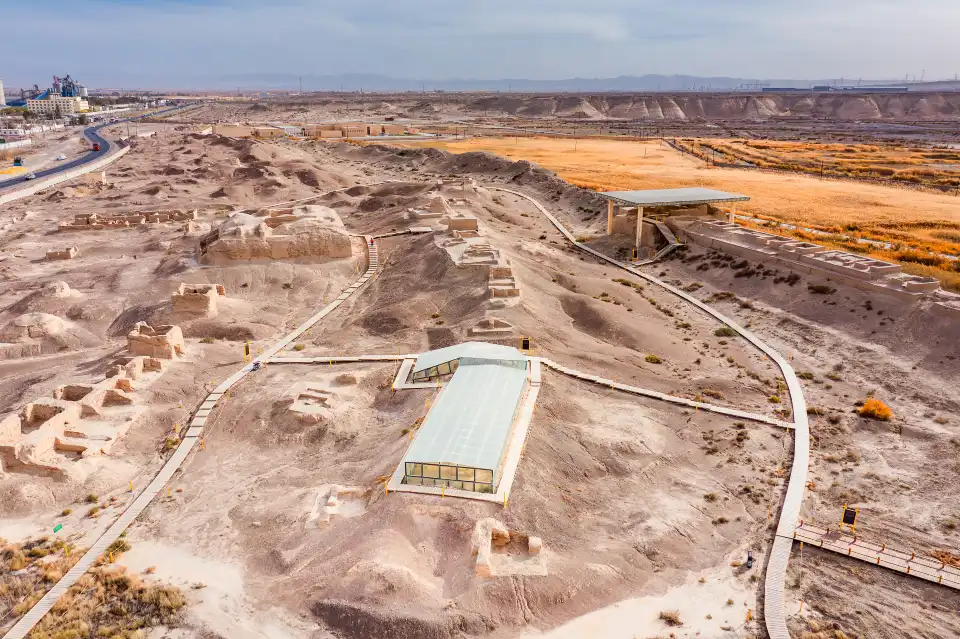
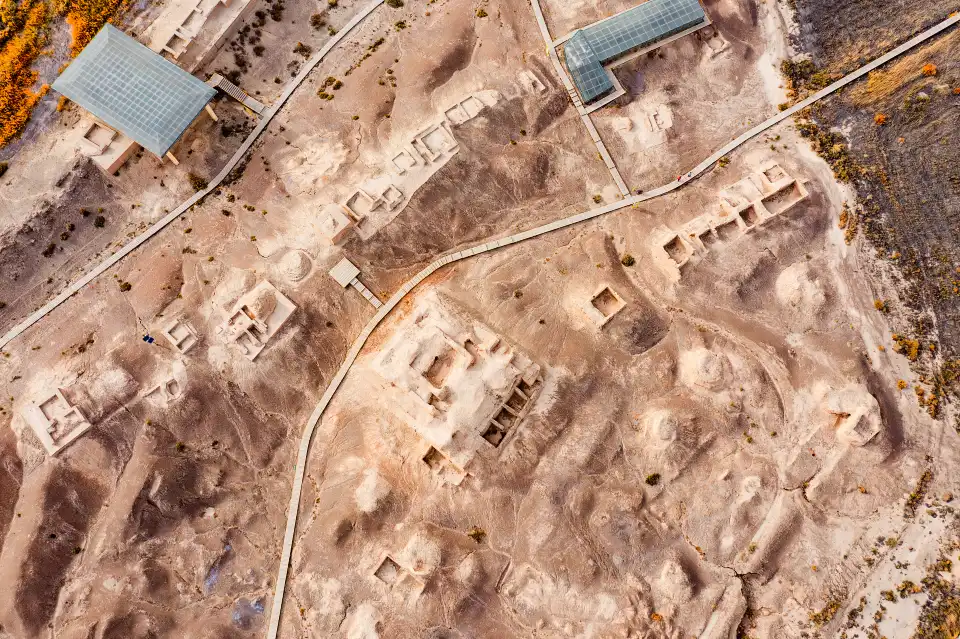
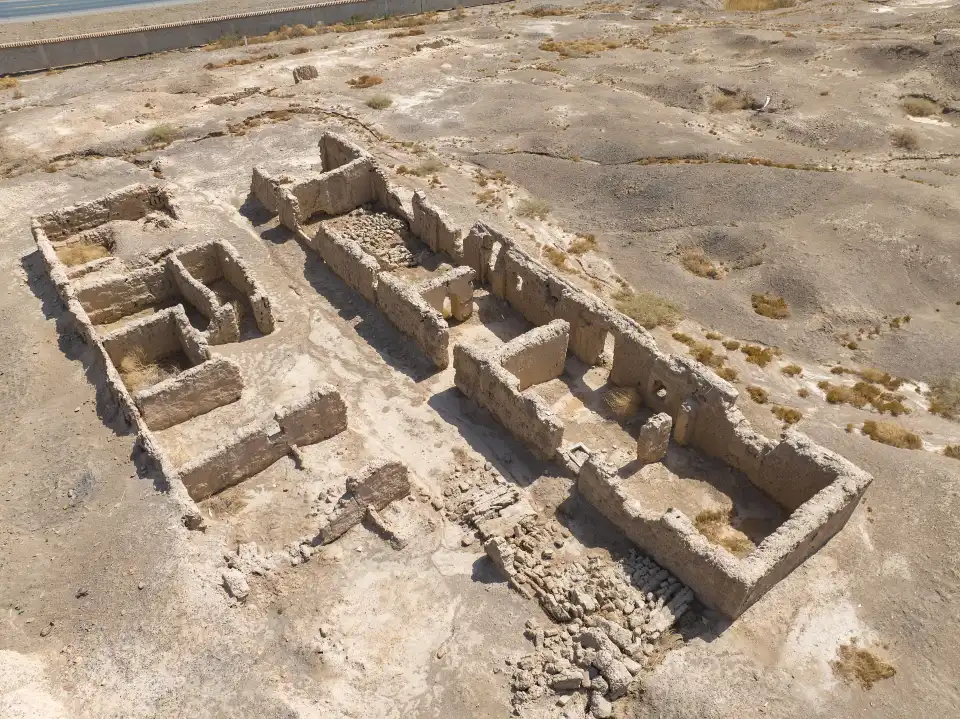
On the vast land of Xinjiang, the dust of history conceals countless treasures of civilization, located in Yanqi Hui Autonomous County of Bayingolin Mongol Autonomous Prefecture.Seven Star Buddha Temple RuinsThis ancient temple, dating back to the Jin and Tang dynasties, stands as a significant testament to the eastward spread of Buddhism along the Silk Road. With its unique cultural value and weathered historical charm, it captivates countless history enthusiasts and adventure seekers.The Seven Stars Buddhist Temple, known as "Ming Wu" in Uyghur (meaning "a thousand rooms"), was once a significant Buddhist center in the ancient Yanqi Kingdom. The ruins are located on a Gobi terrace at the southern foot of the Huola Mountains, consisting of the South Temple, North Temple, and cave complexes. During its peak, the site was a gathering place for monks and dotted with pagodas, serving as a core hub for Buddhist dissemination among the Thirty-Six Kingdoms of the Western Regions. Research indicates the temple was built between the 3rd and 4th centuries AD and remained active until the Song and Yuan dynasties. Together with the Kizil Caves and the Gaochang Ruins, it outlines the track of Buddhism's spread along the northern route of the Silk Road.
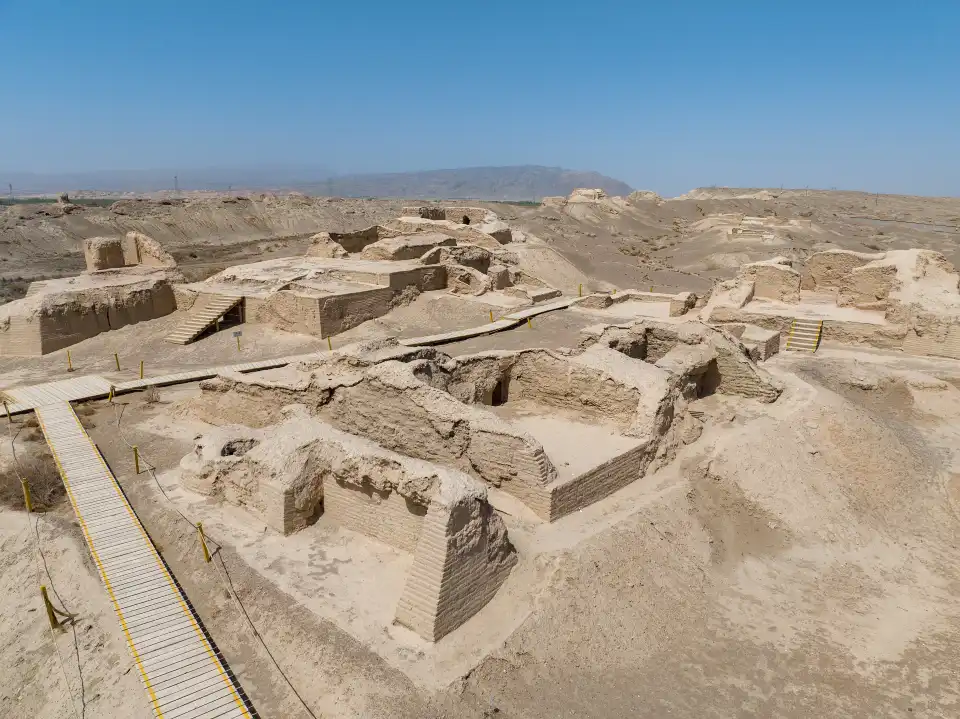
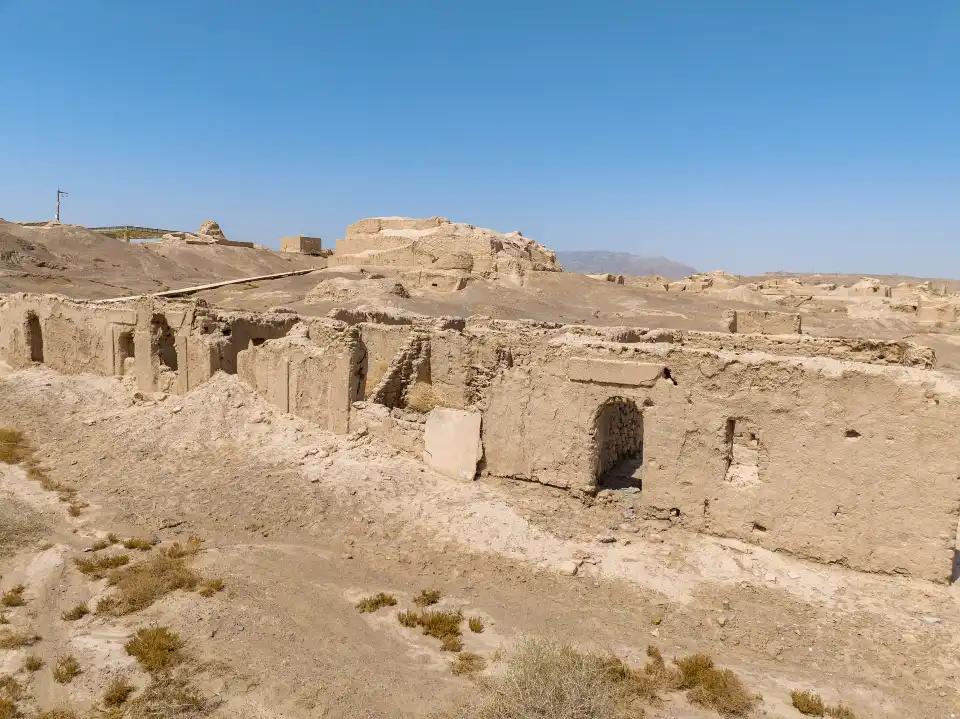
The ruins feature scattered remnants of stupas, monastic cells, and temple foundations, where despite centuries of wind and sand erosion, the grand layout of the "Seven-Hall Monastery" can still be discerned. Archaeological discoveries—such as clay Buddha statues, mural fragments, and Sanskrit palm-leaf manuscripts—attest to this site's former glory as a sacred hub where Buddhist art intersected with diverse cultures. Particularly invaluable are the Tocharian manuscripts and Gandharan artistic elements with Hellenistic influences unearthed here, revealing Yanqi's unique role as a crossroads of Eastern and Western civilizations. The artifacts from the Qixing Buddhist Temple serve as crucial keys to understanding the history of Buddhism in the Western Regions. The murals depict serene Buddha faces with flowing robes, blending the elegance of India's Gupta Dynasty with the linear beauty of Central Plains painting traditions. Excavated clay Bodhisattva statues adorned with jeweled crowns and cascading necklaces reflect the aesthetic tastes of Central Asia's Kushan Empire. Additionally, Sogdian documents and Chinese inscriptions found at the monastery ruins offer vivid evidence of bustling Silk Road trade and monastic exchanges.
It is worth mentioning that the eminent Tang Dynasty monk Xuanzang passed through Yanqi during his westward journey to obtain Buddhist scriptures. In his "Great Tang Records on the Western Regions," he documented this area as having "over ten monasteries with more than two thousand monks." Although he did not specifically mention the Qigexing Buddhist Temple, his description of the prosperous scene closely matches the scale of the ruins, providing important clues for later generations to reconstruct history.