

Lingfeng trail admission guidelines
Wanfenglin Scenic Area
万峰林景区 based on 44 reviews
 No. 6 of Fall Viewing Attractions in Guizhou
Open Opening hours of Wanfenglin Scenic Area
Wanfenglin Scenic Area Highlights: Must-See Features and Attractions
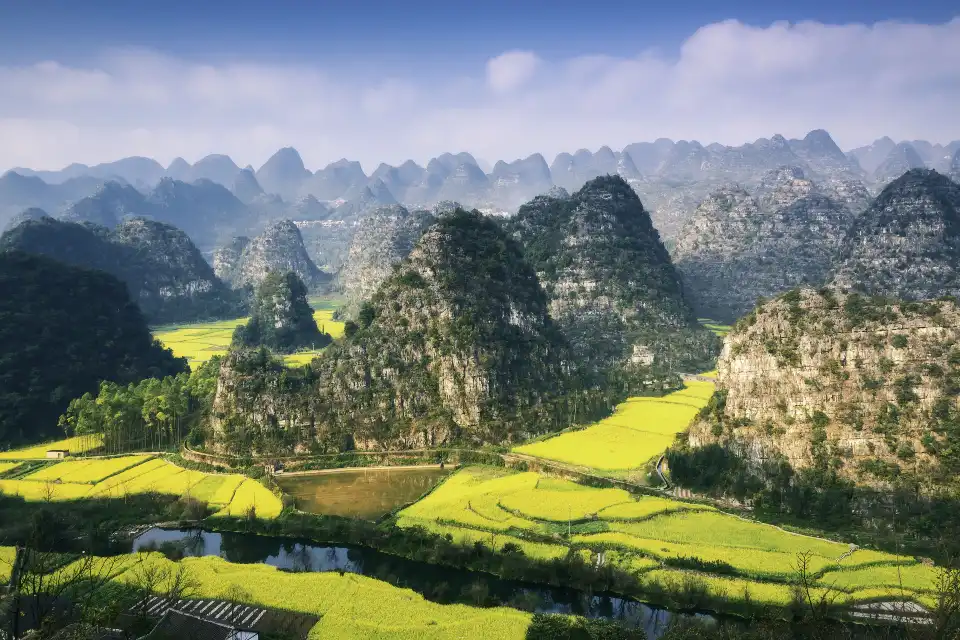
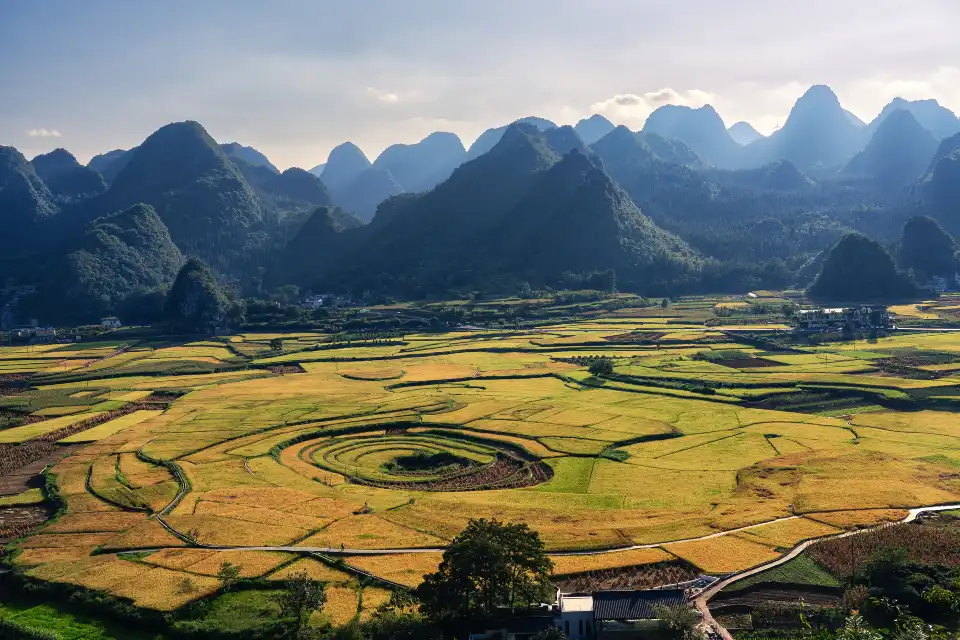
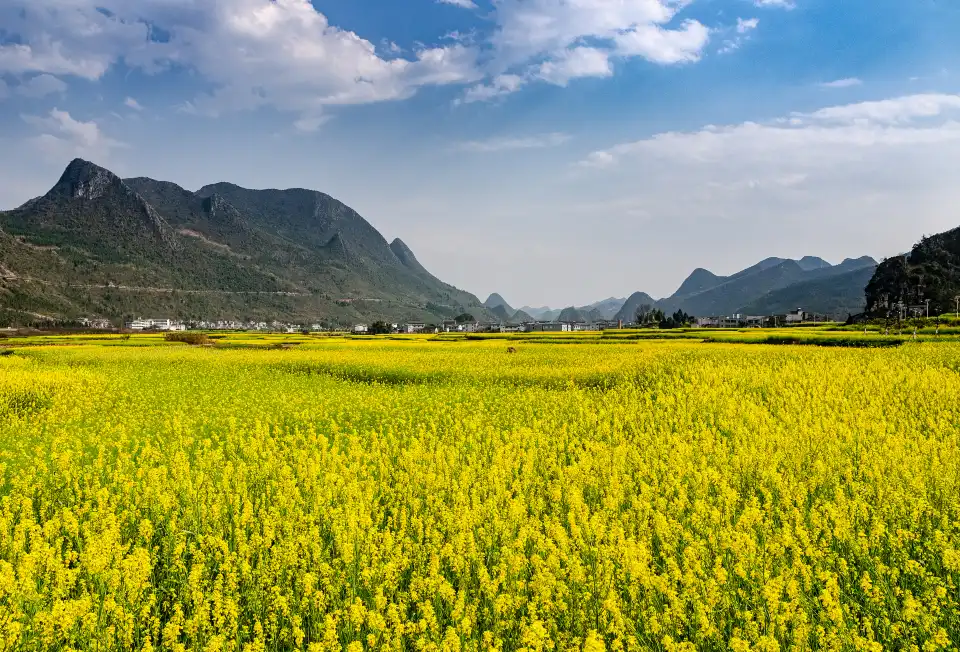
Wanfenglin Scenic Area is located in the southwest of Xingyi City, Guizhou Province, in the hinterland of Southwest Guizhou on the southeastern edge of the Yunnan-Guizhou Plateau, between 104 51' and 104 58' east longitude and 24 58' and 25 42' north latitude. The southern end borders Guangxi, the west reaches Sanjiangkou at the junction of Yunnan, Guangxi and Guizhou, and the north is connected to the main peak of Wumeng Mountain. The peak is 1,600 meters above sea level, with an average altitude of 1,200 meters. The forest coverage rate is 68.5%, and the total area is more than 2,000 square kilometers. It is a typical area for the development of conical karst peak forest landforms in the world. Wanfenglin has a pleasant climate, with an average annual temperature of 16-18 , no severe cold in winter and no scorching heat in summer. The average temperature in July is 21-26 . It is listed in the national summer resort city rankings and is an excellent leisure and tourism place in China.Wanfenglin Scenic Area is dominated by conical peak forests and peak clusters with Triassic strata rocks, among which are various geological relic landscapes such as karst caves, funnels, underground rivers, sinkholes and sedimentary strata. The peak clusters and peak forests are widely distributed, diverse in types, rich in form and well developed, which are extremely rare in China and even in the world. They are typical representatives of the conical karst landforms formed in the transition slope zone from the western Yunnan-Guizhou Plateau to the Guangxi hills, and are the "China Conical Karst Large Museum".The scenic resource types of the scenic area are mainly natural landscapes such as pastoral scenery and strange peaks and mountains, supplemented by cultural landscapes such as ethnic minority villages. In terms of natural resources, according to the form of the peak forest, Wanfenglin is divided into karst isolated peaks, valley peak forests, karst cone peaks, blade-shaped stone peaks and other types, forming a magnificent and vast karst landscape, which is a typical representative of the cone-shaped karst landform landscape and has great geological research value; in terms of cultural resources, the long history of the Buyi people has accumulated a rich national culture. Whether it is their clothing, language, or living customs, they all contain a strong national cultural atmosphere. The "Eight Sounds Sitting Singing" which enjoys the reputation of "living fossil of sound" and "sound of nature" is the folk rap art passed down from generation to generation by the Buyi people. It has a history of more than a thousand years and has been rated as a "national intangible cultural heritage."
Other visitors' reviews of Wanfenglin Scenic Area
Show More ReviewsIt's definitely worth it, absolutely worth the trip! I fell in love with it immediately. First, take the sightseeing bus, then hike, stopping to take photos and sit down for a coffee. It's truly breathtaking, like a fairyland. The light shining down creates a beautiful, layered effect on the mountains. There was mist in the morning, which I loved. Xingyi is going to be a huge hit!