Lingering Garden(Liuyuan Garden)
留园 based on 853 reviews
 No. 3 of Fall Viewing Attractions in Jiangsu
Open Opening hours of Lingering Garden(Liuyuan Garden)
Lingering Garden(Liuyuan Garden) Highlights: Must-See Features and Attractions
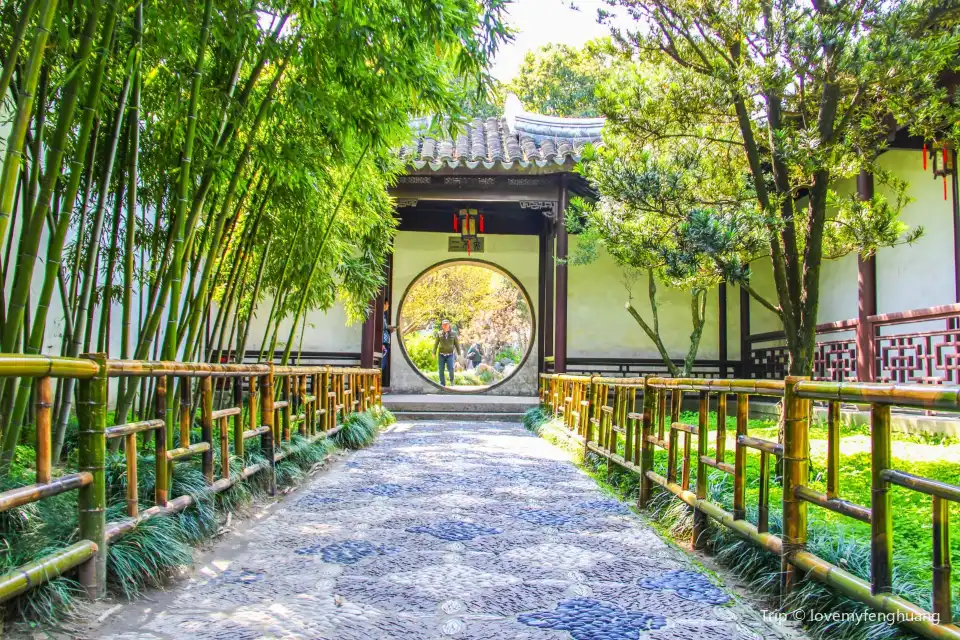
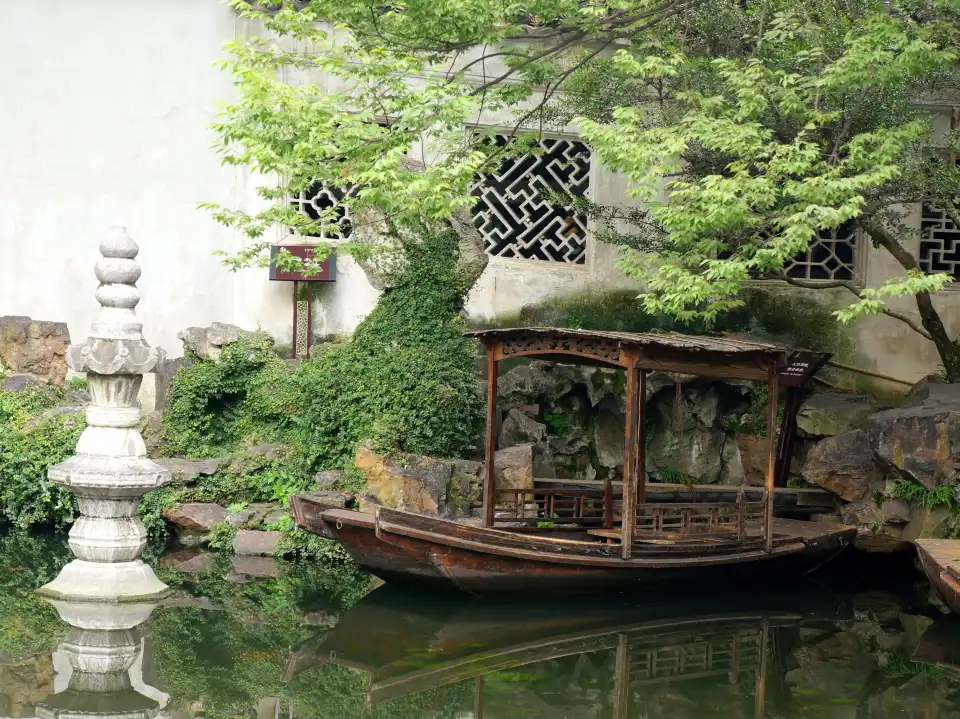
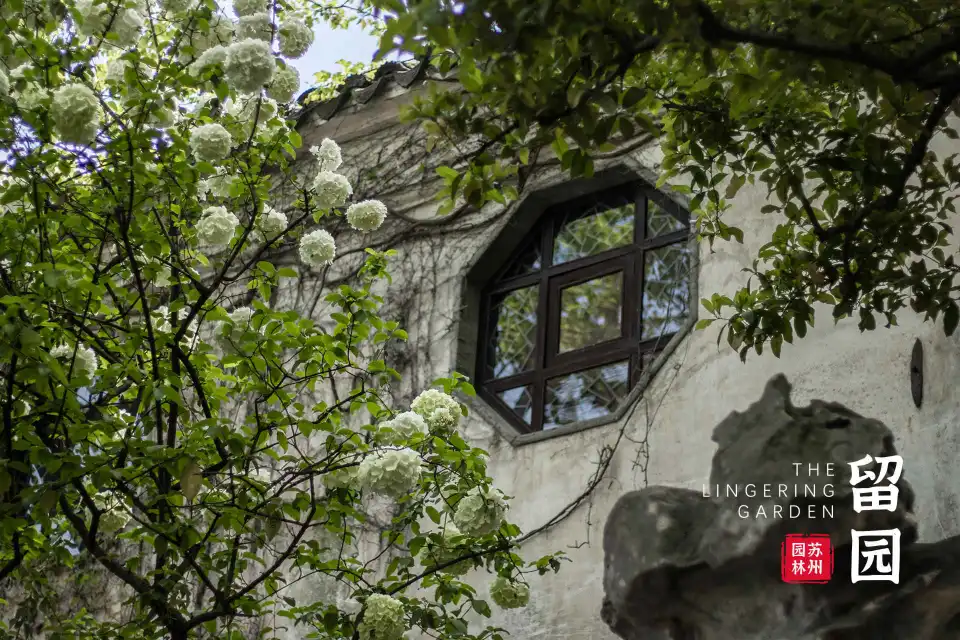
The Lingering Garden, along with the Humble Administrator's Garden in Suzhou, the Summer Palace in Beijing, and the Chengde Imperial Summer Resort in Hebei, are collectively known as China's Four Great Gardens. The Lingering Garden is known for the graceful beauty of its Chinese pavilions, rock collections, winding paths, the greenery which fills the park, and its jade-colored pond. Here, one can experience the calm of visiting an area in between that of a landscape garden and a natural landscape. The Lingering Garden was built in the Ming dynasty, in the 21st year of Emperor Wanli's reign (1593 CE) by Xu Taishi, a bureaucrat of the Ming court, as the landscape garden of his private residence. The garden was called the "East Garden" at the time. In the Qing dynasty, in the early years of Emperor Guangxu's reign, the garden was purchased by a bureaucrat by the name of Sheng Kang, who renamed it the "Lingering Garden". The garden is divided into four themed sections. Within a single garden, one can have a taste of four distinct scenes, namely natural landscapes, countrysides, mountain forests, and flower gardens.
Other visitors' reviews of Lingering Garden(Liuyuan Garden)
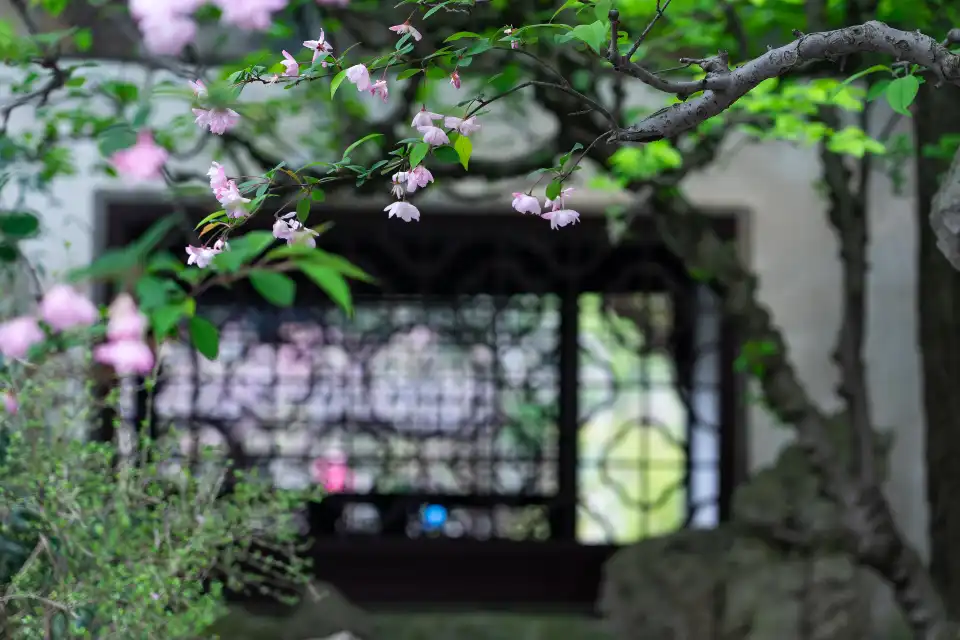
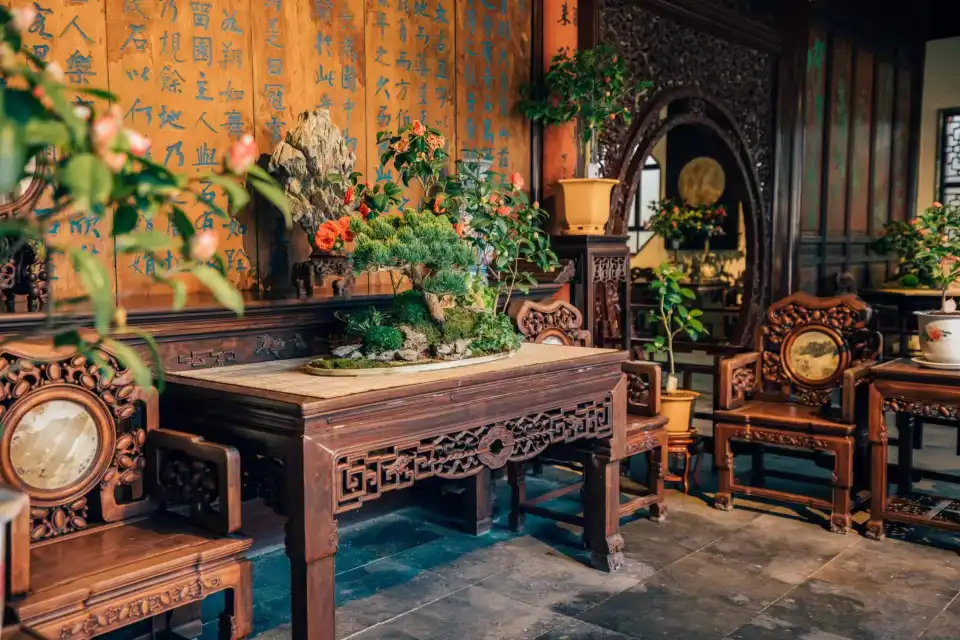
Show More ReviewsIt's definitely worth a visit. I especially loved the pavilions and terraces in the courtyard. The carved window lattices and various classical wooden furniture exuded the exquisite feel of a Chinese garden. The mahogany furniture paired with the lush greenery visible through the openwork window lattices was absolutely gorgeous. I loved it!