Xiyuan Temple(Ring Temple)
西园寺 based on 59 reviews
 No. 19 of Fall Viewing Attractions in Jiangsu
Closed for the day Opening hours of Xiyuan Temple
Xiyuan Temple Highlights: Must-See Features and Attractions
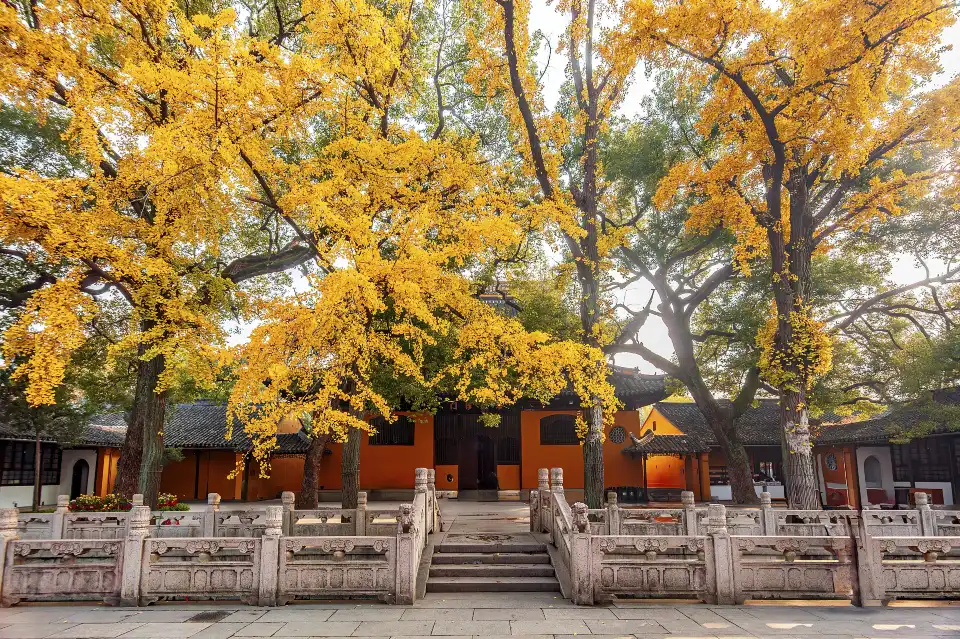
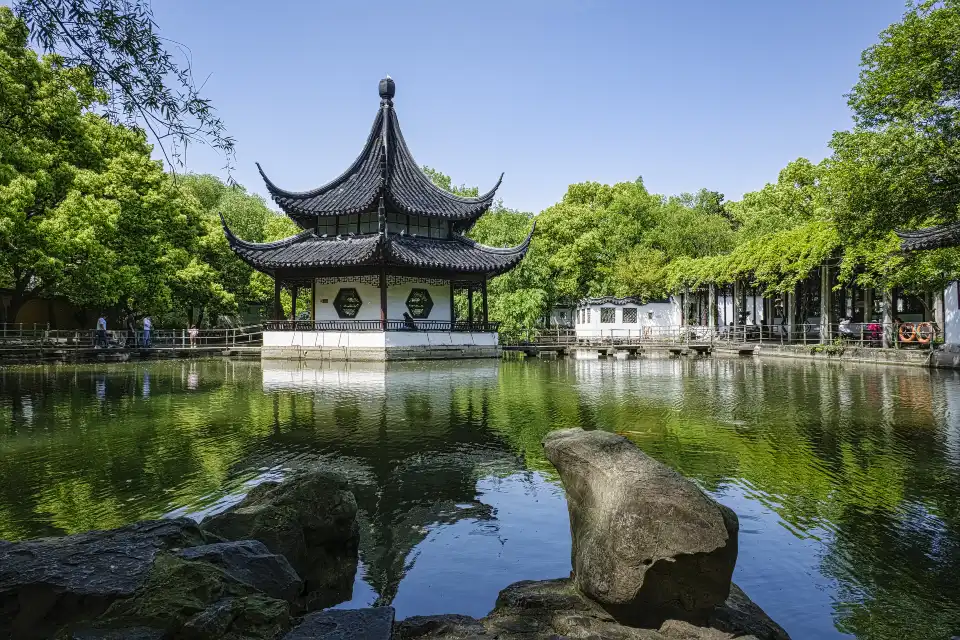
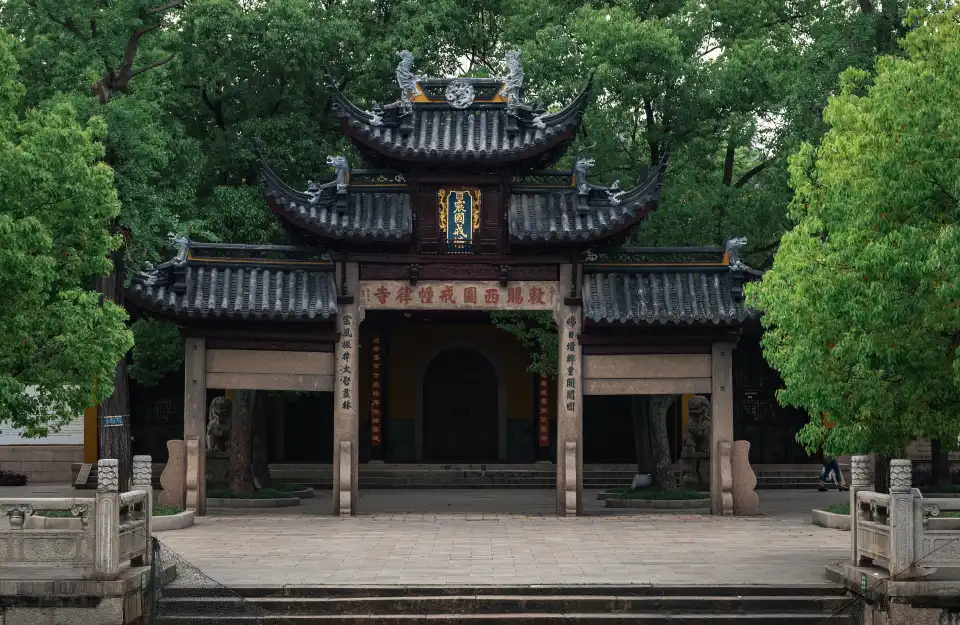
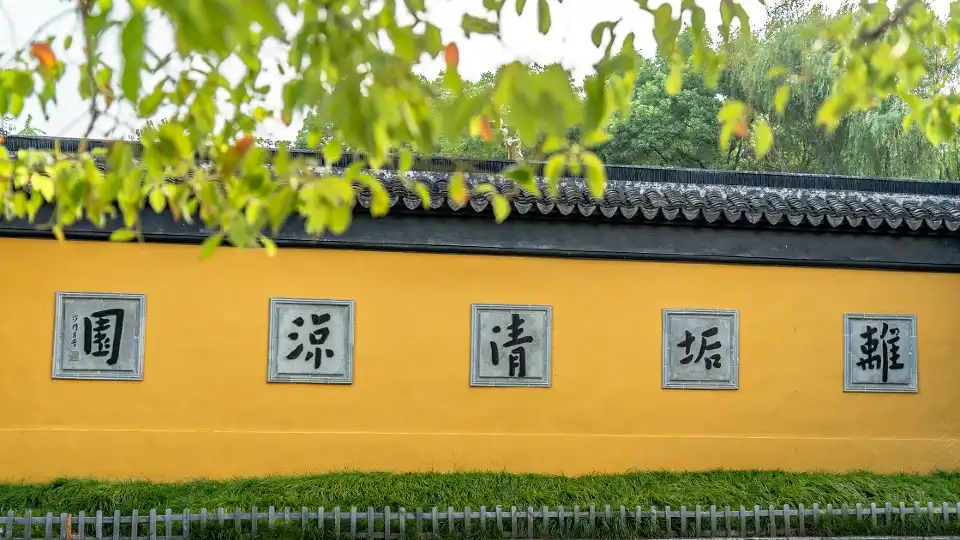
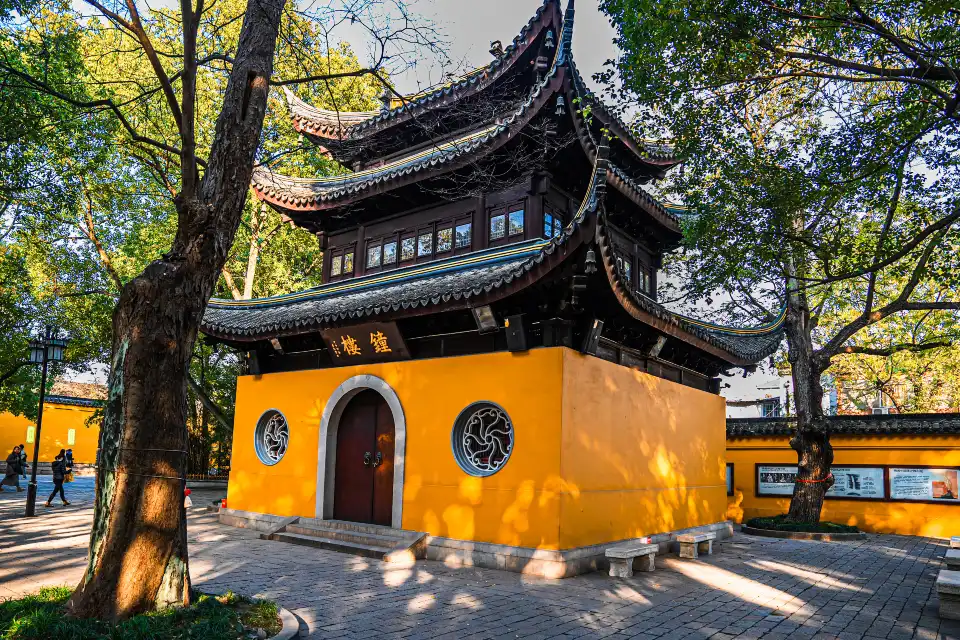
Xiyuan Temple has many aliases. On Baidu or Google maps, the locations marked as Jiechuang Temple, Xiyuan Ancient Temple, or Xiyuan all refer to the same place - Xiyuan Temple. Originally built during the Yuan Dynasty (1264-1294 AD) and named Guiyuan Temple, its current structures were reconstructed in the Qing Dynasty. During the Ming Jiajing period, it was temporarily converted into a private garden by Xu Taishi, the Grand Secretary of the Imperial Stud who later built the Lingering Garden. Today, as a temple garden in Suzhou, its architectural blend of temple and garden features likely reflects this Ming Dynasty influence. The main buildings align along a north-south central axis for sequential viewing. Outside the temple's southern entrance stands a screen wall inscribed "Jiechuang Temple," flanked northward by parallel Fude Bridge and Zhihui Bridge spanning Shangtang River. Across the river, an imperial archway bears the inscription "Imperially Bestowed Xiyuan Jiechuang Temple," with its central vertical plaque "Zhenguo Jiechuang" granted by Emperor Guangxu. Beyond the archway lies the mountain gate marking temple entry. Inside, a pine-filled plaza greets visitors. Xiyuan Temple boasts ancient trees including century-old camphors and gingkos. Proceeding north along the path reveals bell and drum towers on either side, leading to the Mahavira Hall. The northern Tripitaka Pavilion houses scriptures but isn't publicly accessible. East stands the Guanyin Hall, while the west features the must-see Five Hundred Arhats Hall containing gilded Qing-era arhat statues of diverse postures. After paying respects to the 13m tall camphor-wood Thousand-Armed Guanyin at the center, visitors participate in the signature "counting arhats" tradition: men start left, women right, counting statues until reaching one's nominal age - this arhat symbolizes your present life. Note the number to claim a corresponding interpretation card at the hall entrance. South of the Arhats Hall stands a Ji Gong statue, with a Mad Monk statue to the north - both showcasing remarkably lifelike drapery, said to be competing masterpieces by the lead sculptors. Further west lies the temple's highlight: Xiyuan Garden, embodying classic Suzhou landscaping. Its tadpole-shaped Liberation Pond, with head south and tail curling southeast, channels water throughout the garden to connect with the Xiangji Pond before the Mahavira Hall, mirroring Jiangnan garden's aquatic aesthetics. The central lakeside pavilion amidst rockeries and pagodas scarcely resembles a temple setting. The pond once housed two 400-year-old Ming Dynasty giant softshell turtles - extremely rare creatures worldwide - though one passed in 2007. A bronze turtle statue at the pond's southwest corner offers photo opportunities. The east-side "Four-Faced Hall" serves as a Buddhist merchandise store for souvenirs like prayer beads. Its terrace features two 400-year-old Ming wisterias, with a 500-year-old specimen to the south. The south-side Propagation Department distributes free scripture booklets. Locally revered for wish-granting efficacy, Xiyuan Temple attracts continuous devotees on lunar calendar's 1st/15th days, especially during Spring Festival. Dharma assemblies occur on Buddhist holidays. The temple's vegetarian restaurant (west of Heavenly King Hall, south of Arhats Hall) serves three noodle dishes at just 10 CNY per person. Nearby Gongdelin, an established vegetarian eatery, offers slightly pricier but delicious options like vegetarian "chicken" and "sweet-and-sour ribs." Nearby attractions include Hanshan Temple (west), Lingering Garden (east), Ding Garden and Tiger Hill (north) for customizable tour routes.

Other visitors' reviews of Xiyuan Temple
Show More ReviewsFollowing Guide Chen on a tour of the temple, I truly experienced the profoundness of Buddhism! She guided us step-by-step, from the number of incense sticks to the proper words for making wishes. Although it was hot, her explanations calmed our minds. The entire tour was soothing and filled with a Zen-like atmosphere. I'm so grateful to have met Guide Chen.