Vietnam Travel Guide 2025: Top places, Things to do & Itinerary | Trip.com | December 2025
About Vietnam
Recommended trip: 7–12 day(s)
Recommended trip: 7–12 day(s)Vietnam Local Experiences Map

Trending in Vietnam
Vietnam Local Travel Guide 2025
Vietnam Brief Guide
Vietnam, a Southeast Asian gem, captivates travelers with its blend of rich history, vibrant culture, and stunning landscapes, from the limestone karsts of Ha Long Bay to the bustling streets of Hanoi and Ho Chi Minh City. Known for its flavorful cuisine, including pho and banh mi, and warm hospitality, Vietnam offers diverse experiences for budget travelers, luxury seekers, and adventure enthusiasts alike. Plan your perfect Vietnam adventure with our comprehensive guide.
Vietnam Must-try local experiences
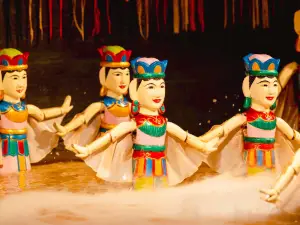
1. Dive into the Heart of Hanoi's History Step back in time and immerse yourself in the pulsating energy of Hanoi's Old Quarter. Discover the charm of its bustling streets, hunt for one-of-a-kind souvenirs, and immerse in the rich history of iconic landmarks such as Hoan Kiem Lake and Bach Ma Temple. 2. Unearth the Secrets of the Cu Chi Tunnels Venture into the Cu Chi Tunnels, a sprawling underground network pivotal in the Vietnam War. As you navigate through these historic tunnels, you will gain insights into the resilience and ingenuity of the past. 3. Navigate the Mekong Delta's Watery Maze Embark on a mesmerizing boat journey through the Mekong Delta's labyrinthine waterways. Drift past floating markets and into the heart of local villages, offering a window into Vietnam's rural essence. 4. Weave Through Vietnam's Cultural Fabric Embark on a journey to understand the soul of Vietnam through the art of traditional water puppetry, the flavors of cooking classes, the ceremonies of tea, and the serenity of ancient temples and pagodas. 5. Savor the Essence of Vietnamese Cuisine Indulge your senses in the iconic flavors of Vietnamese dishes like Pho and Goi Cuon. Wander through local markets and street food stalls to uncover the hidden gems of Vietnam's culinary landscape. 6. Discover Vietnam's Marketplaces Immerse in the dynamic buzz of Vietnamese markets, such as the iconic Ben Thanh Market and the historic lanes of Hoi An, where unique souvenirs and local crafts await the adventurous shopper. 7. Frame the Wonders of Ha Long Bay Set sail on a visual voyage through Ha Long Bay, where you can capture the majestic limestone karsts, mysterious caves, and floating villages that define this UNESCO World Heritage site. 8. Immerse in Sapa's Majestic Vistas Capture the essence of Sapa's terraced rice fields and the colorful culture of its ethnic minority villages. Breathtaking landscapes and vibrant local life create a tapestry of unforgettable images. 9. Marvel at the Golden Bridge Phenomenon Stand in awe at the Golden Bridge in Da Nang, a pedestrian bridge cradled by the hands of stone giants, offering vistas that will take your breath away. 10. Rejuvenate on Phu Quoc Island Escape to the pristine beaches of Phu Quoc Island, renowned for its crystal-clear waters, silken sands, and lush greenery. Embrace activities like snorkeling and diving in this paradise that beckons you to relax and rejuvenate.
Vietnam Best cities to visit
Vietnam’s capital, where ancient traditions meet vibrant street life. Hanoi buzzes with an energetic yet nostalgic charm, blending the hustle of motorbike-filled streets with quiet moments in lakeside cafes or ancient pagodas. Key Experiences: Wander the chaotic Old Quarter for street food like pho or bun cha at local stalls; visit Hoan Kiem Lake and the serene Ngoc Son Temple; explore the historic Ho Chi Minh Mausoleum and the Temple of Literature, a 11th-century Confucian site; enjoy a traditional water puppet show at Thang Long Theatre; or take a cyclo tour through bustling streets. Best For: History buffs, food lovers, and those seeking an authentic Vietnamese urban experience.
Vietnam Transportation
Visitors to Vietnam can arrive at three main airports: Noi Bai International Airport in Hanoi, Tan Son Nhat International Airport in Ho Chi Minh City, and Da Nang International Airport in Da Nang. Many travelers opt for cheaper indirect flights that connect through hubs like Bangkok, Singapore, or Hong Kong, often benefiting from layovers at no extra cost. Direct flights from some countries, such as Australia, are limited, so it's advisable to consider flights from nearby Asian hubs.
Vietnam Best Time to Visit
Vietnam’s tropical climate makes it a year-round destination, but the best time to visit depends on regional weather differences and your preferences for festivals or crowd levels. Spring (February-April) and autumn (September-November) are ideal for most regions, offering mild temperatures and lower humidity. North Vietnam (Hanoi, Ha Long Bay) has distinct seasons: cold, drizzly winters (December-February, 10-20°C) and hot, humid summers (June-August, 25-35°C), with spring and autumn providing pleasant weather (20-25°C). South Vietnam (Ho Chi Minh City, Mekong Delta) is consistently warm (25-35°C), with a dry season (December-April) and a wet season (May-November) marked by short, heavy rains. Central Vietnam (Hoi An, Da Nang) sees warm, dry weather from January to August, but typhoons are possible in September-November. To balance weather and crowds, aim for March-April or October for nationwide travel.
Vietnam Travel Tips
1. Book Popular Attractions in Advance: Halong Bay cruises often require advance booking due to high demand and visitor limits. Plan ahead to secure your spot and ensure a smooth visit. 2. Respect Pagoda and Temple Etiquette: When visiting pagodas and temples, dress modestly by covering shoulders and knees. Remove your shoes before entering sacred spaces and avoid touching sacred objects. Some sites provide sarongs for visitors. 3. Street Food Savvy: While Vietnamese street food is delicious, choose vendors wisely. Look for busy stalls with high turnover and where locals eat. Avoid raw vegetables unless you're sure they've been washed in purified water. Carrying hand sanitizer is always a good idea. Eat when locals do, check hygiene, and try local dishes. Brush up on street food etiquette and basic Vietnamese phrases to enhance your experience. 4. Taxi Scam Awareness: To avoid taxi scams, use reputable companies, or ride-hailing apps like Grab. Be cautious of fake taxis with similar logos and phone numbers. Ensure the driver wears a uniform and has a visible ID. Use maps to check the route and fare. Avoid taxis at tourist spots and always have small change. 5. Photography Restrictions: Avoid taking photos of military installations, airports, and personnel as it is strictly prohibited and may result in confiscation of equipment or arrest. In some cultural and religious sites, photography may be restricted or require permission. Always ask before taking photos to avoid offending locals. Using drones requires permission from the Ministry of Defense, and many popular sites prohibit drone usage. 6. Dress Appropriately for Weather: Vietnam's weather varies greatly from north to south. Pack light, breathable clothing for the south and warmer layers for the north.
Vietnam Useful Guide
Emergency Numbers: Police: 113 Fire: 114 Ambulance: 115 Safety Advice: - Vietnam is generally safe, with low violent crime rates against tourists, but petty theft (pickpocketing, bag-snatching) is common in Hanoi, Ho Chi Minh City, and Nha Trang. Keep valuables secure and avoid leaving items unattended on beaches. - Traffic is chaotic; use pedestrian crossings and stay alert when crossing streets. - Beware of scams, such as rigged taxi meters or fake tour operators; use reputable companies.
Trip.Best: Vietnam

Popular Destinations
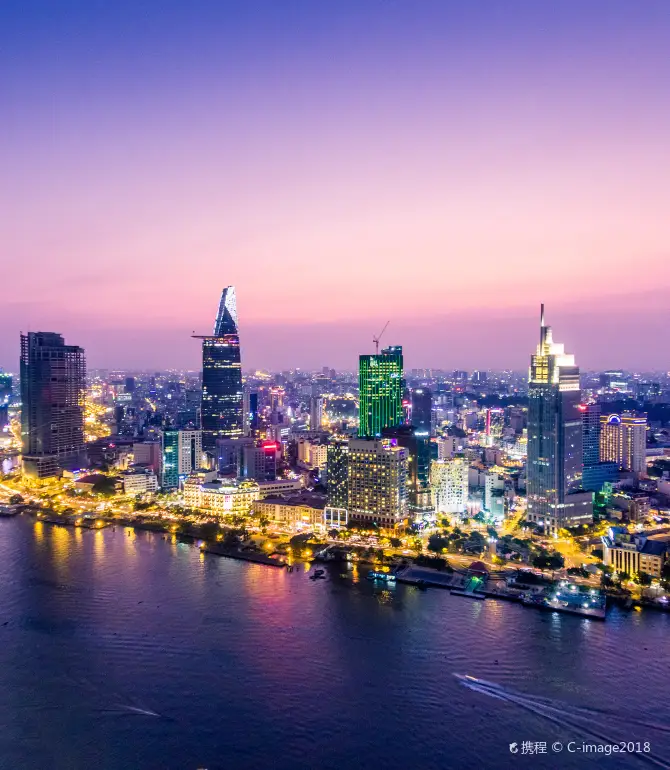
Ho Chi Minh City
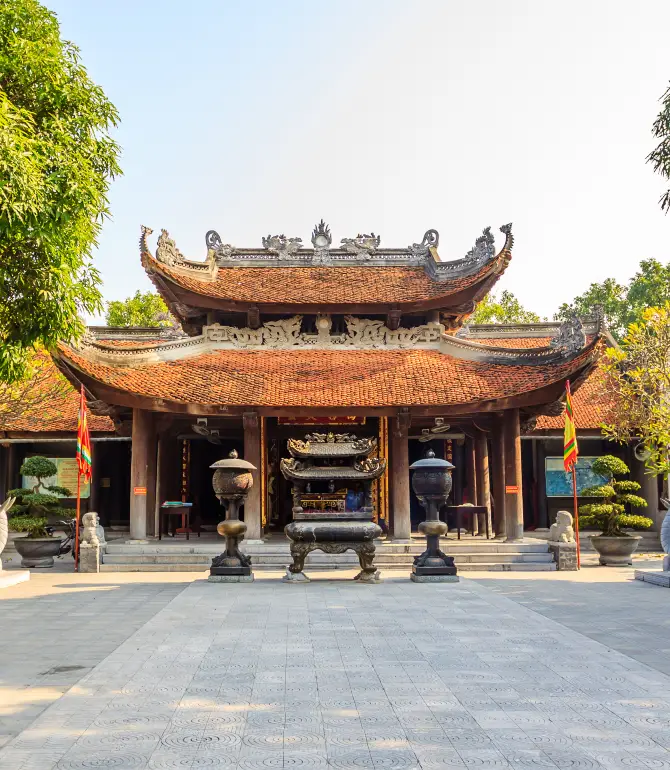
Hanoi
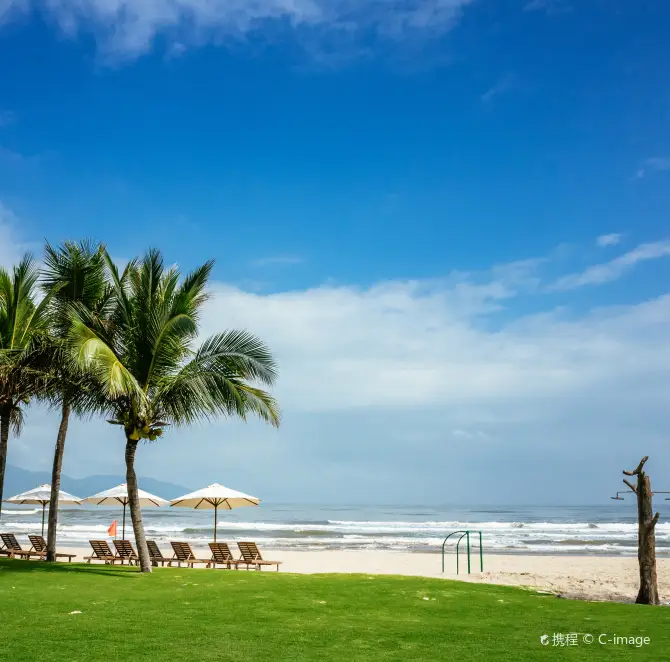
Da Nang
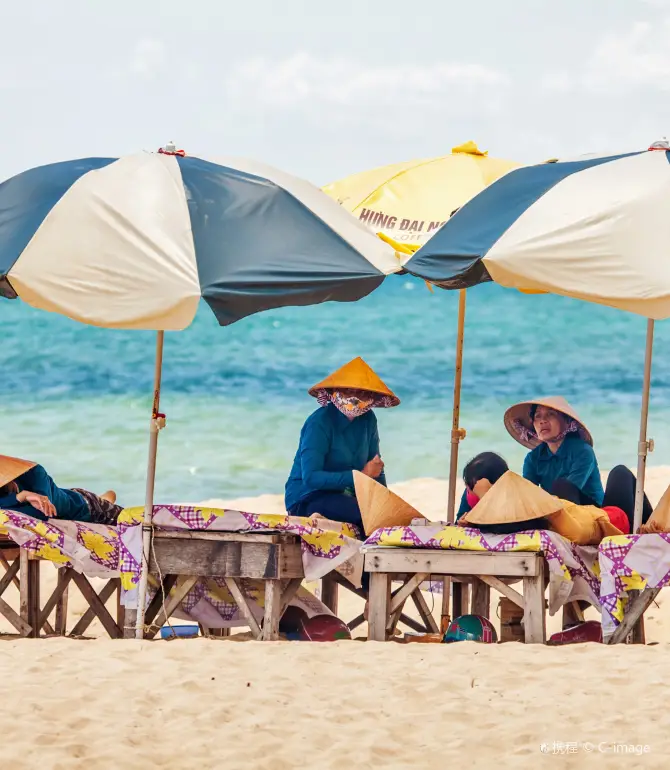
Phu Quoc Island
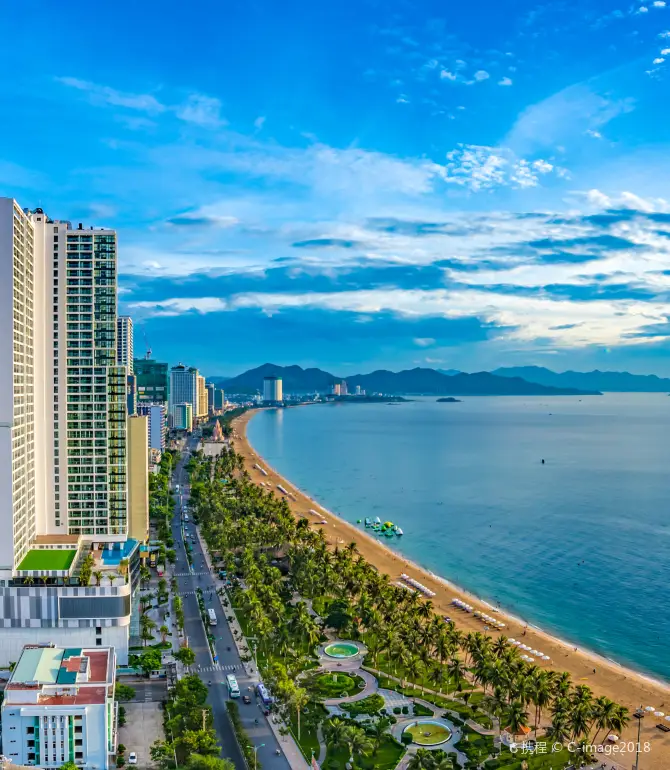
Nha Trang
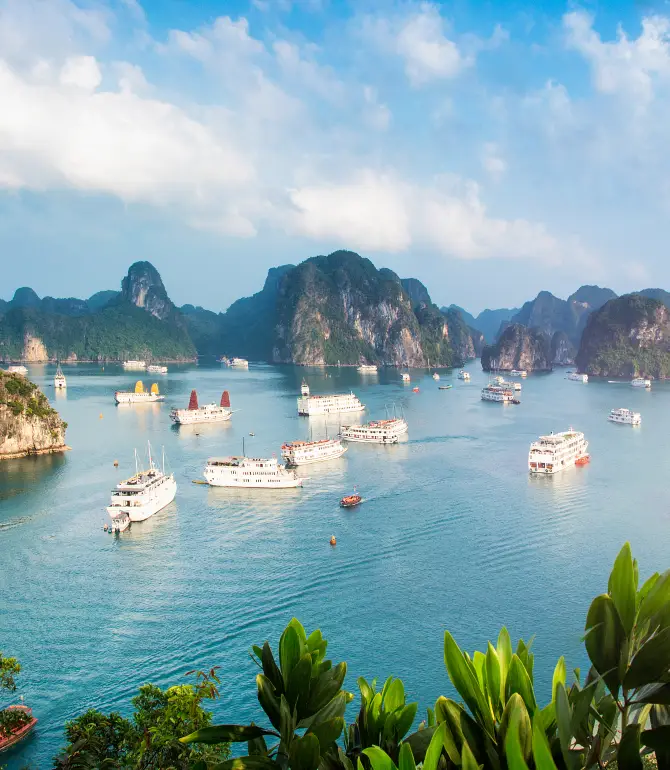
Ha Long Bay
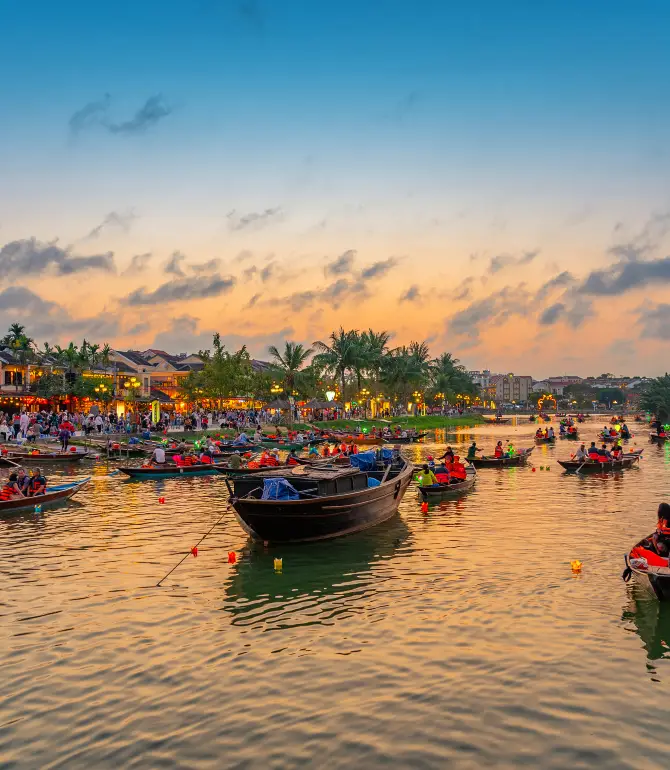
Hoi An
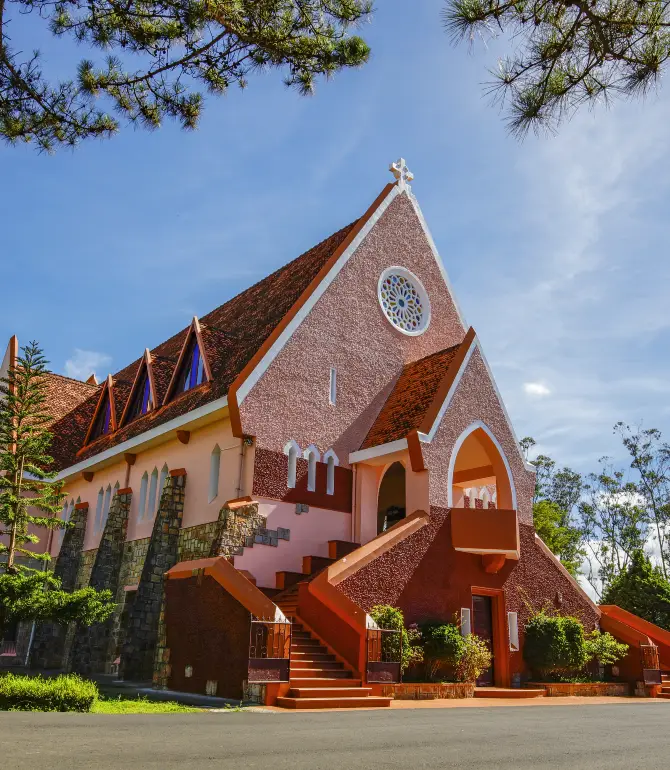
Dalat
Things to do in Vietnam
What to do





What to eat
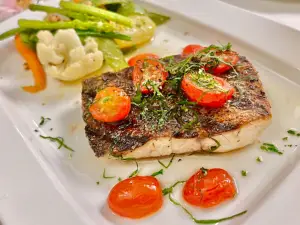
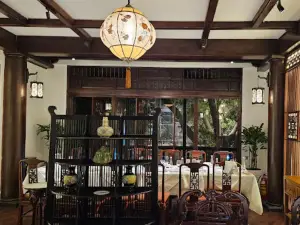
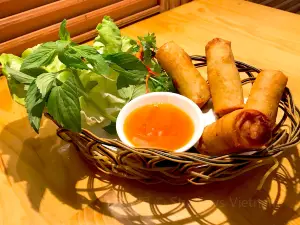
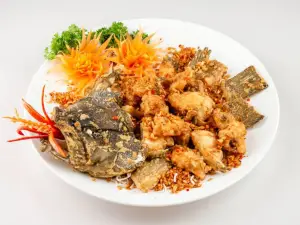
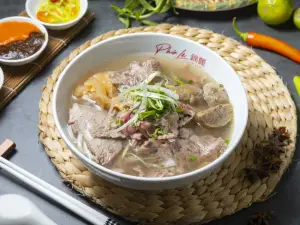
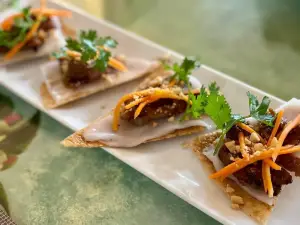
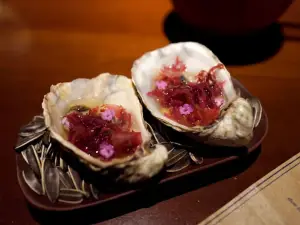
Vietnam Moments: Through Travelers' Eyes
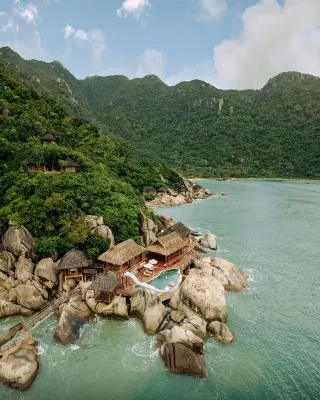
Lying in the mountains and sea of Six Senses Ninh Van Bay

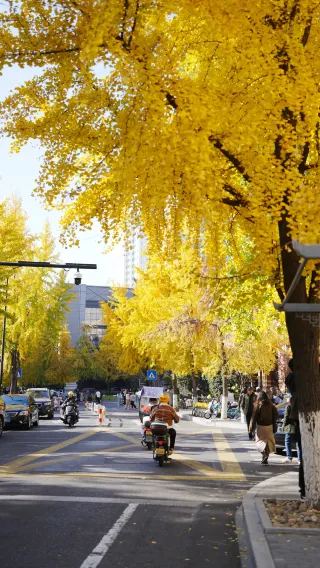
Qingyin Street, Hangzhou|Golden Romance Limited to Autumn and Winter

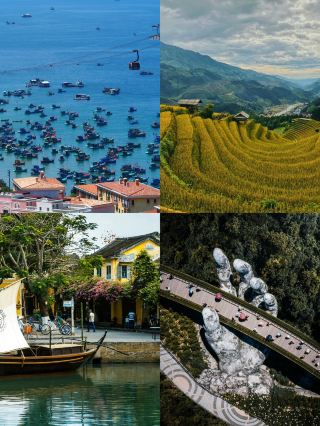
A must-do sunset cruise in Phu Quoc Island

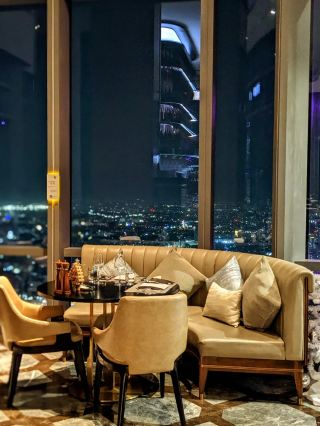
Oriental Pearl


Festive Sky-High Tea
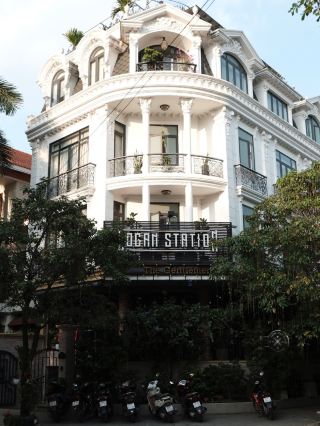
Logan Station — A Quiet, Cozy Spot Perfect for Work & Christmas Vibes ✨

See You Hanoi
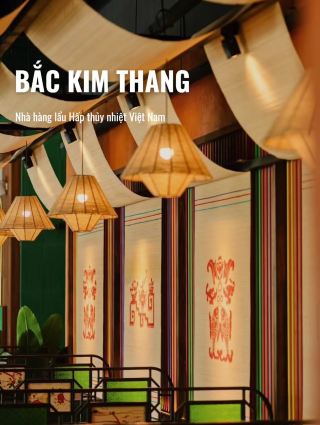
Bac Kim Thang Thiso Mall Sala
Best of Vietnam
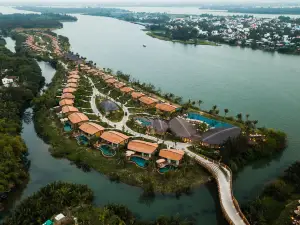
Top 50 Hotels with Villas in Vietnam
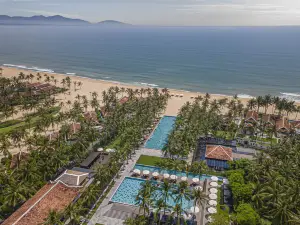

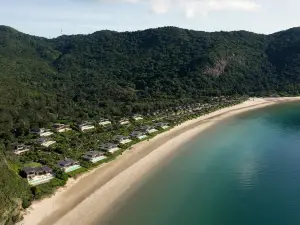
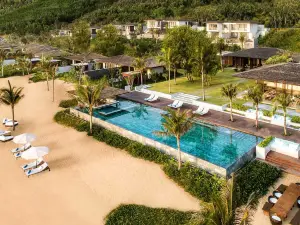
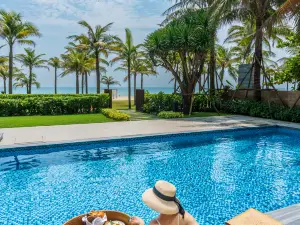
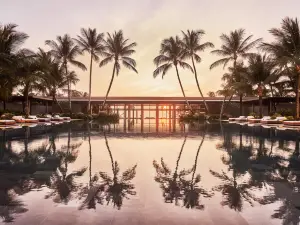
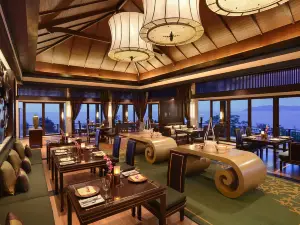
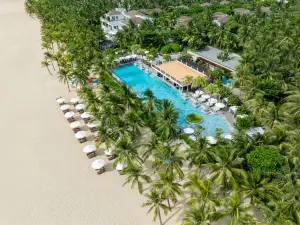
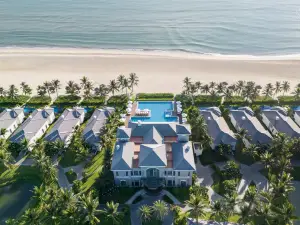
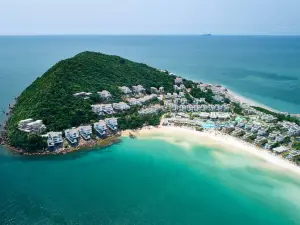
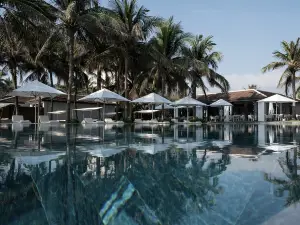
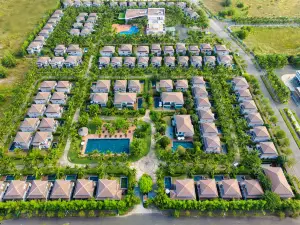
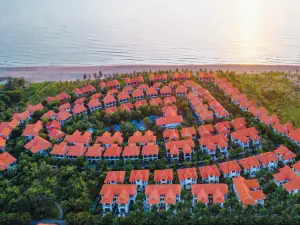
Top 20 Premium Hotels in Vietnam

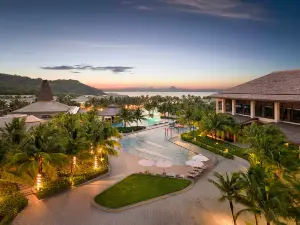
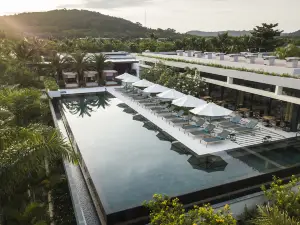

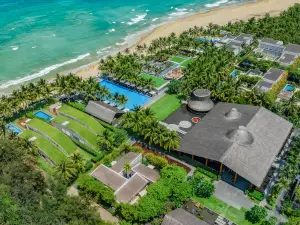
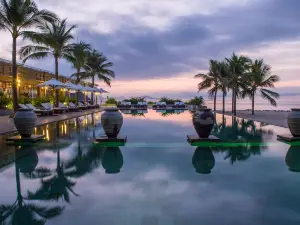
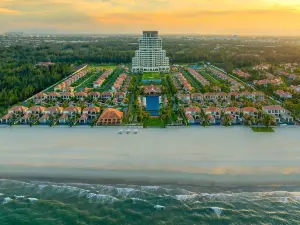
Top 20 4-Star Select Hotels in Vietnam

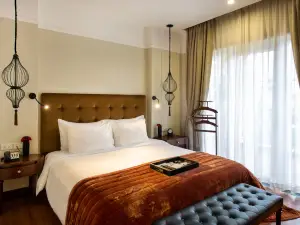




About
Site Operator: Trip.com Travel Singapore Pte. Ltd.