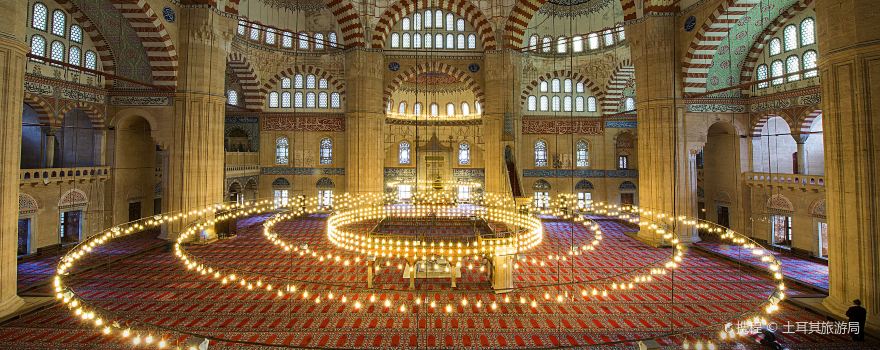
Türkiye Travel Guide 2025: Top places, Things to do & Itinerary | Trip.com | December 2025
About Türkiye
Recommended trip: 7–12 day(s)
Recommended trip: 7–12 day(s)Türkiye Local Experiences Map

Trending in Türkiye
Türkiye Local Travel Guide 2025
Türkiye Brief Guide
Turkey, a country bridging Europe and Asia, combines diverse cultures, ancient history, and varied landscapes—from Istanbul's Hagia Sophia and Cappadocia's rock formations to Olüdeniz's Mediterranean beaches. Enjoy local flavors like kebabs, baklava, and mezze, alongside UNESCO sites such as Ephesus's Roman ruins. This guide will help you plan your perfect trip.
Türkiye Must-try local experiences
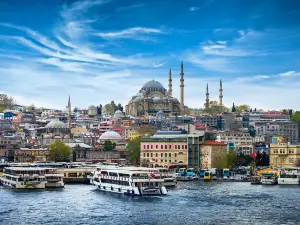
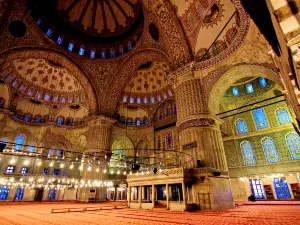
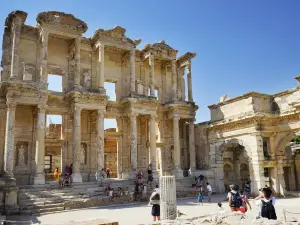
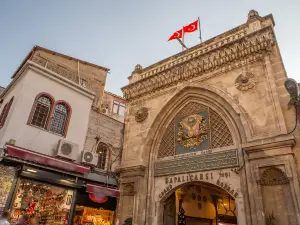
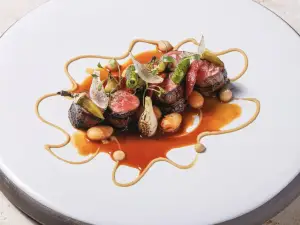
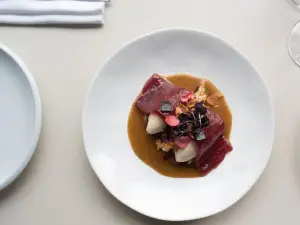
1. Explore Istanbul's Historical Wonders Dive into Istanbul's mesmerizing past by visiting iconic landmarks such as the Hagia Sophia, the Blue Mosque, and the Topkapi Palace. Marvel at the stunning Byzantine and Ottoman architecture that tells stories of empires spanning centuries, creating unforgettable memories in the city's historic heart. 2. Hot Air Balloon Ride over Cappadocia Rise with the sunrise in a hot air balloon over Cappadocia's surreal fairy chimneys, valleys, and ancient cave dwellings for a breathtaking bird's-eye view. This magical experience offers panoramic vistas of the region's unique rock formations bathed in golden morning light—perfect for photos and pure wonder. 3. Visit Cappadocia's Underground Cities Go deep into the vast underground cities of Derinkuyu and Kaymakli, engineered centuries ago as hidden refuges for early Christians. Wander through intricate tunnels, chambers, and ventilation systems that reveal ingenious ancient engineering and a gripping slice of history. 4. Explore the Ancient City of Ephesus Step back in time at the remarkably preserved ruins of Ephesus, home to the grand Library of Celsus and massive Great Theater. Stroll along marble-paved streets once trodden by Romans, imagining the bustling life of this once-thriving empire hub. 5. Relax on Turkey's Turquoise Coast Unwind on the pristine beaches and swim in the crystal-clear waters of the Turquoise Coast, with highlights in Antalya, Fethiye, and Bodrum. This stretch perfectly blends lazy beach days with thrilling water activities, from snorkeling to yachting amid stunning Mediterranean scenery. 6. Experience Pamukkale's Thermal Pools Soak in the warm, mineral-rich waters cascading over Pamukkale's dazzling white travertine terraces, while exploring the nearby ancient ruins of Hierapolis. Capture epic photos at sunset when the terraces glow ethereally— a natural wonder that's both relaxing and visually spectacular. 7. Relax in a Traditional Turkish Bath (Hammam) Treat yourself to an authentic Turkish hammam experience, complete with steaming saunas, invigorating body scrubs, and soothing massages. Emerge feeling rejuvenated and refreshed, embracing a centuries-old ritual that's a cornerstone of Turkish wellness culture. 8. Watch a Whirling Dervish Performance Witness the hypnotic Sufi whirling dervishes ceremony, a spiritual dance symbolizing unity with the divine through rhythmic spinning and live music. This profound cultural ritual, held in historic venues, leaves you captivated by its mystique and grace. 9. Immerse in Turkish Tea Culture Sip strong black tea from tulip-shaped glasses in a traditional teahouse (çay evi), chatting with locals over endless refills. This everyday ritual fosters connections and offers a genuine taste of Turkish hospitality and daily life. 10. Attend Istanbul's Tulip Festival Time your visit for April to catch Istanbul's vibrant Tulip Festival, when millions of colorful tulips bloom across parks like Gülhane and Emirgan. Stroll through seas of flowers in full splendor, celebrating the city's Ottoman-era love for this iconic bloom. 11. Savor Turkish Cuisine Go on a flavor-packed journey with must-tries like juicy kebabs, fresh meze platters, sweet baklava, and robust Turkish coffee or tea. From street vendors to fine eateries, every bite connects you to Turkey's rich culinary heritage, blending Middle Eastern and Mediterranean influences. 12. Shop at the Grand Bazaar and Spice Market Get lost in the vibrant chaos of Istanbul's Grand Bazaar or Spice Market, haggling for handmade carpets, aromatic spices, jewelry, and teas. This sensory overload of sights, sounds, and scents is a shopper's paradise and a true cultural immersion. 13. Cruise the Bosphorus Strait Hop on a scenic boat tour along the Bosphorus, gliding past Istanbul's skyline dotted with palaces like Dolmabahçe, Ottoman mansions, and fortress views. Sunset cruises offer romantic vistas spanning Europe and Asia, with onboard narration that brings the waterway's history to life. 14. Paraglide over Ölüdeniz in Fethiye Launch from Babadağ Mountain for a thrilling tandem paraglider over Fethiye's stunning Blue Lagoon in Ölüdeniz, soaring like a bird above turquoise waters and beaches. This adrenaline rush provides unbeatable aerial views and is beginner-friendly with expert pilots.
Türkiye Best cities to visit
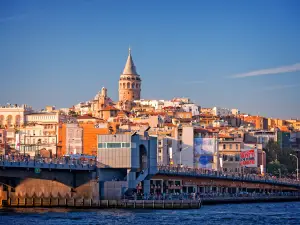
Discover Istanbul, the vibrant heart of Turkey where East meets West across the Bosphorus Strait. Wander through historic gems like the iconic Hagia Sophia and the serene Blue Mosque, then lose yourself in the bustling Grand Bazaar for spices, carpets, and souvenirs. End your day with a sunset cruise on the strait, savoring fresh seafood and skyline views that blend ancient minarets with modern skyscrapers.
Türkiye Transportation
Turkey, a central hub connecting Europe and Asia, offers diverse entry options for international travelers via plane, bus, car, and ferry. Flying is generally the fastest and most convenient option, while land and sea travel offer scenic, budget-friendly alternatives. By Air: Air travel is the most popular way to reach Turkey, thanks to its extensive network of modern international airports and frequent flights. Istanbul Airport (IST): The most significant and central hub, located on the European side, with extensive global connectivity and modern facilities. It is ideal for most international travelers. Istanbul Sabiha Gökçen International Airport (SAW): Located on the Asian side, this airport is a hub for low-cost carriers, offering cheaper flight options, though it is further from Istanbul's main tourist attractions. Antalya Airport (AYT): A primary gateway for tourists visiting the Mediterranean coast and beach resorts. Ankara Esenboğa Airport (ESB): Serves the capital city and the central Anatolia region. Izmir Adnan Menderes Airport (ADB): The main airport for accessing the Aegean coast and historical sites like Ephesus. Dalaman (DLM) and Bodrum-Milas (BJV) Airports: Popular for charter flights during the summer season, serving popular resorts like Marmaris and Fethiye. By Bus: International bus travel is a cost-effective, but slow, option for reaching Turkey from various European and Middle Eastern countries. Several bus companies operate routes to and from Turkey, connecting cities like Istanbul and Ankara with destinations across Europe. Prominent Turkish bus companies include Kamil Koç, Metro Turizm, and Pamukkale Turizm, which have widespread networks. By Car: Driving to Turkey offers flexibility and the chance to explore the countryside, but it is a long journey from Western Europe. The main road border crossings connect Turkey with Bulgaria (e.g., Svilengrad-Kapekule corridor), Greece, Georgia, Iran, Iraq, and Syria. Requirements: Drivers need to have a valid driver's license, vehicle registration documents, and a Green Card (international motor insurance), which can be obtained at the border if needed. By Train: While the days of the fabled Orient Express are over, limited international passenger train services still exist. Currently, there are slow, nightly trains such as the Bosphorus Express connecting Istanbul with Sofia (Bulgaria) and Bucharest (Romania), allowing connections to other European cities. Turkey has been developing an impressive network of high-speed domestic trains, but international connectivity remains limited compared to other modes of transport. By Ferry: Ferries offer scenic entry points, especially from nearby Greek islands and Cyprus. Frequent ferry services connect the Greek Aegean islands (like Kos and Rhodes) with Turkish coastal towns (like Bodrum and Marmaris). Ferries also run between Girne (Kyrenia) in Northern Cyprus and Taşucu/Silifke in Turkey.
Türkiye Best Time to Visit
The best time to visit Türkiye is during spring (from March to May) and autumn (from September to October). These seasons offer mild weather which is perfect for exploring the numerous historical and natural sites across the country. During spring, the blooming nature adds a vibrant touch to the scenery, while autumn prolongs the warmth of summer, making popular spots less crowded and more enjoyable. Moreover, temperatures in autumn range from 20°C to 30°C, contributing to a pleasant travel experience, especially for visiting ancient sites.
Türkiye Travel Tips
1. Check Entry Requirements in Advance Some nationals, like Singaporeans, can enter Turkey without a visa for up to 90 days within any 180-day period. Travelers from the US, UK, and EU countries may also be eligible for this exemption. If your nationality requires a visa, apply for an e-Visa online through the Turkish government website in advance. Ensure your passport is valid for at least 6 months after your departure and has at least 1 blank page for stamps. Always check the latest rules on official sources since requirements can change. 2. Use Turkish Lira Wisely Upon arrival, exchange your currency for Turkish Lira (TR) at banks, ATMs, or authorized exchange offices for the best rates. Avoid airport kiosks due to high fees. While credit and debit cards are accepted in hotels and larger shops in tourist areas like Istanbul and Antalya, carry some cash for street vendors and tips. Inform your bank of your travel plans to prevent card issues, and use ATMs linked to your home bank to minimize fees. 3. Dress Modestly for Sites When visiting religious sites like Istanbul's Blue Mosque, wear clothes that cover your shoulders, knees, and cleavage to respect local customs. Women should bring a lightweight scarf for their hair if needed; many places offer loaner coverings at the entrance. This approach makes entry easier and helps you connect more with the culture. 4. Haggle Smartly in Bazaars In markets like Istanbul's Grand Bazaar or Antalya's old town, haggling is normal and enjoyable. Start by offering half of the seller's price and negotiate with a smile. This is mainly for informal vendors selling souvenirs or spices. Avoid bargaining in fixed-price stores. Polite haggling can build confidence and help you find better deals, making shopping more fun. 5. Guard Against Pickpockets and Scams Turkey's popular tourist spots, including crowded ferries on the Bosphorus or lively streets in Fethiye, can attract opportunistic thieves, so keep your wallet, phone, and valuables in a secure money belt or a front pocket rather than a backpack. Stay alert in high-traffic areas by avoiding flashy displays of cash or jewelry, and consider using a cross-body bag with anti-slash material for added security. 6. Opt for Bottled Water Tap water in cities like Istanbul is safe for locals, but tourists often prefer bottled or purified water to avoid stomach issues from unfamiliar minerals or bacteria. To stay hydrated and eco-friendly, carry a reusable bottle and refill it at your hotel or restaurants with filtered water. 7. Choose Metered Taxis or Apps To avoid overcharging by dishonest drivers, always ask the driver to turn on the meter at the start of your taxi ride. Using trusted ride-hailing apps like BiTaksi or Uber can provide clear pricing and tracking. For airport transfers in busy places like Antalya, book through your hotel or a reliable service like Trip.com to skip long lines. 8. Tip Thoughtfully In Turkish culture, tipping shows appreciation. If there’s no service charge, add about 10% to your restaurant bill. For taxis, round up the fare and leave small coins for hotel porters or tour guides. Tipping isn't required, but it helps the service industry and can lead to friendlier interactions. Keep loose change handy, as exact change isn't always available, and adjust your tips based on the service you receive. 9. Get a Local SIM Card When you arrive at airports like Istanbul or Antalya, visit a Turkcell or Vodafone kiosk to buy a prepaid SIM card. These cards offer good data packages at lower prices than international roaming, which you need for maps, bookings, and staying connected. You'll activate the SIM with your passport, and topping up is easy through apps or convenience stores. 10. Practice Cultural Etiquette When visiting Turkish homes, mosques, or traditional eateries, take off your shoes. Use your right hand for handshakes, passing food, and receiving items, as the left hand is considered unclean. Keep public displays of affection to a minimum, especially in conservative areas, to respect local customs.
Türkiye Useful Guide
Turkey is generally safe for tourists in popular destinations like Istanbul, Antalya, and Fethiye, with low crime rates against visitors, but exercise caution in crowded areas and avoid travel within 10km of the Syrian border or in southeastern regions. Stay vigilant against pickpockets in markets and public transport, keep a low profile during protests, and monitor local news for updates. Save these key numbers: 112 (universal emergency for police, ambulance, fire); 155 (police); 110 (fire).
Trip.Best: Türkiye







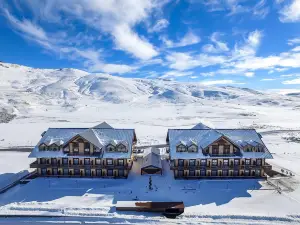
Popular Destinations
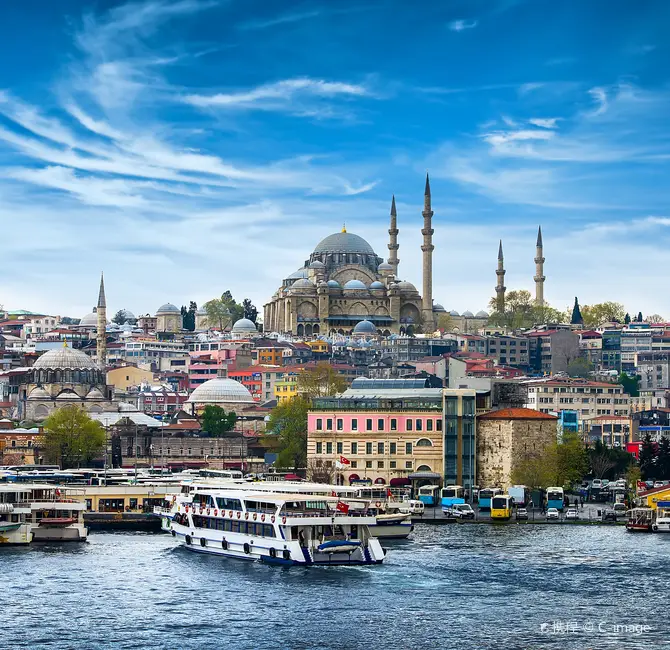
Istanbul
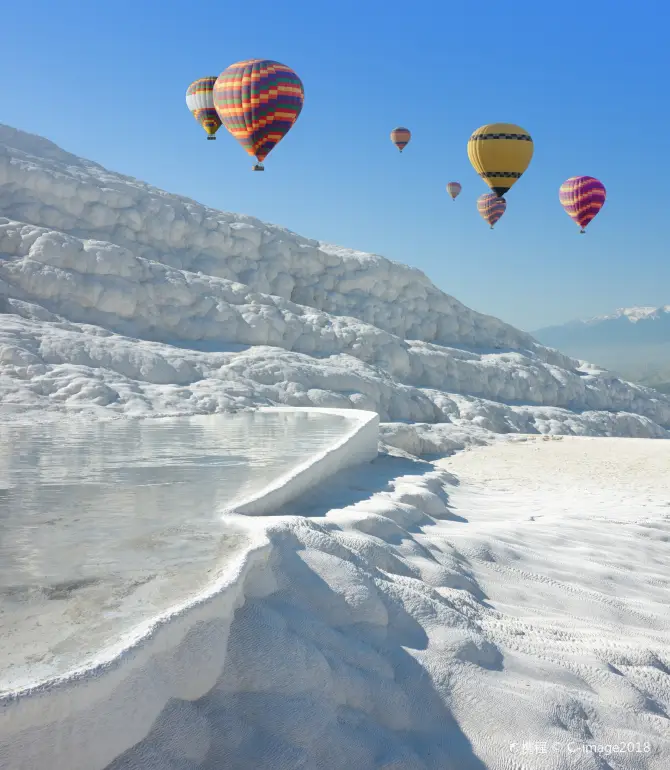
Pamukkale
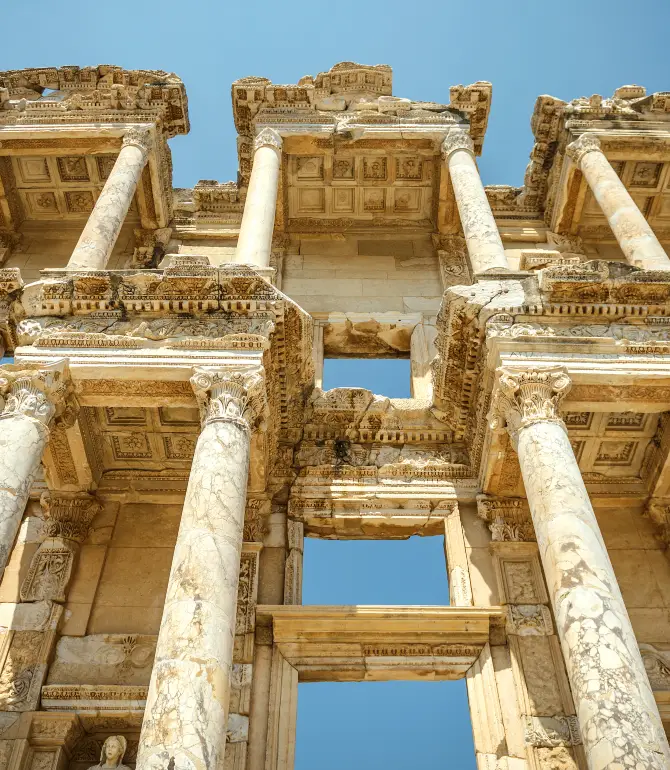
Ephesus

Cappadocia

Antalya
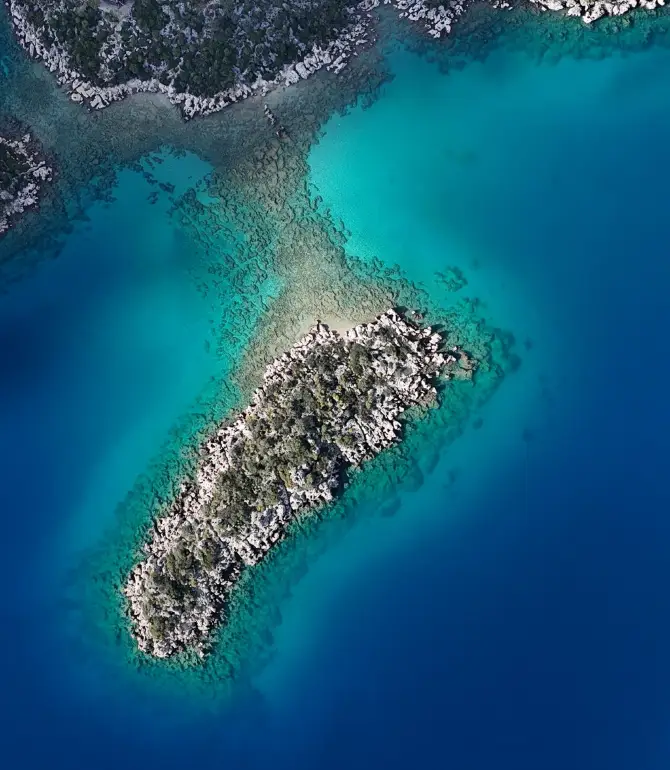
Town of Kas
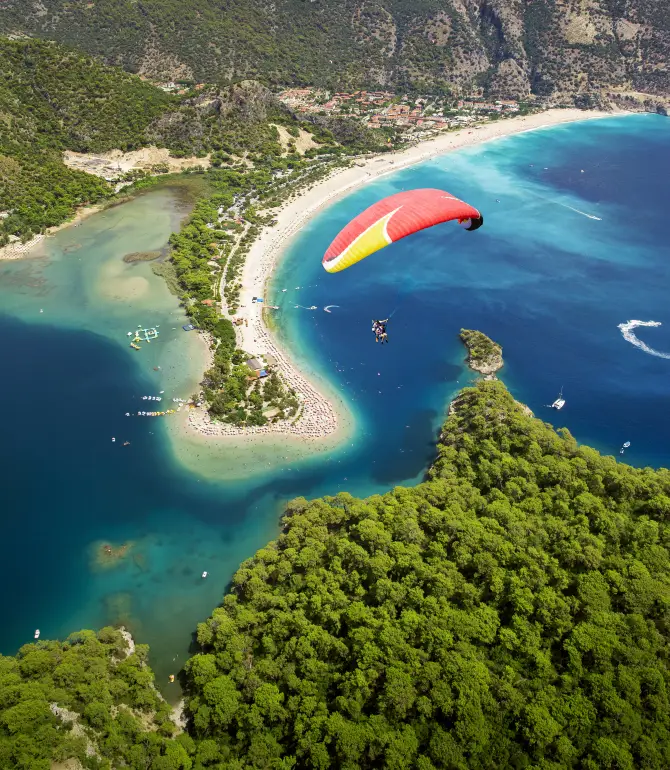
Fethiye

Bodrum
Things to do in Türkiye
What to do



What to eat




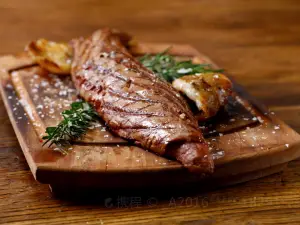

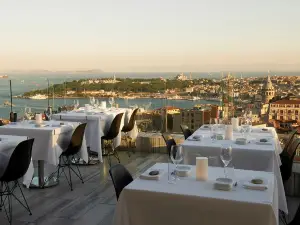
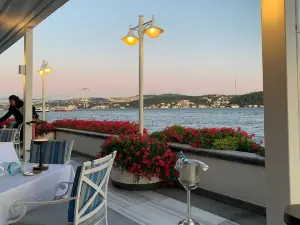
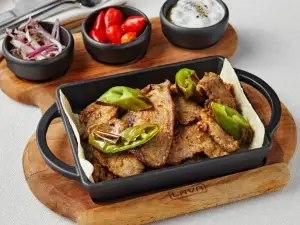
Türkiye Moments: Through Travelers' Eyes

The Blue Mosque is free to enter! But you must know these rules


This trip to Gutokbuku really felt like a paradise, looking for a place where you can really relax and get away from the hustle and bustle, Anjiruya is certainly an option you can't miss. The hotel's biggest selling point is the 36 detached stone villas, each incorporating Mediterranean and Turkish styles, whether you want to enjoy the sunset over the Aegean Sea or to enjoy the tranquility surrounded by greenery. The hotel is in a great location, right in the middle of the hills facing the sea, the landing address is Demir Mevkii, Gölköy, Bülent Ecevit Cd, just a few minutes walk from the seaside, easy access. In terms of transportation, it has holiday car shuttles, so you don’t have to worry about too heavy luggage or inconvenient access in bad weather, which is especially courteous for travelers with seniors or children. Entering the hotel, you will definitely be enveloped in its tranquil atmosphere - the garden villa is hidden in the greenery, outside the pool, fruit trees and flowers, comfortable enough to read a book on the terrace around the clock. The sea view villa offers a large view of the Aegean Sea, and the sunrise and sunset are so beautiful that you can't wait to close your eyes. If you encounter a cloudy and rainy day, the guest rooms are designed with a sense of feeling, allowing you to enjoy the natural views indoors. The best thing about Anjiruya is the quality of service. Whether at check-in, any questions you have, or if you are looking for assistance with a schedule, the staff will be proactive and helpful. The daily free afternoon tea is super popular with travelers, with authentic dim sum, Turkish tea and fresh fruit, super chill. The hotel spa and wellness facilities are equally not to be missed, really feel healed, it is recommended to make sure to book a spa or meditation. Photo-worthy spots include the villa's private poolside, garden and terrace overlooking the sea. Surrounding attractions You can explore the local markets and small coastal villages of Gutokbuku on the way, and you can spend every day so hea in the hotel, completely stress-free. Real insights: I almost spent the entire holiday resting by the pool, with my back to the mountains and the sea, to enjoy both the vibrant sunrise and the refreshing and gentle sunset. It is recommended not to arrange too many trips, give yourself time to slowly feel the unique tranquility here. Booking tips: Sea view rooms and garden rooms are in demand during peak season, so early booking is recommended. The spa requires an appointment in advance. City travel notes: Gutokbuku sells leisurely, slow life, remember to prepare swimsuits, sunglasses, light shoes when going out; pay attention to the weather forecast during the rainy season, you may wish to arrange more indoor activities or relaxing days. #Turkey Vacation #Enjoy the World Villa #Quiet Vacation #Gutokbuku Trip ##November Good Places 2025

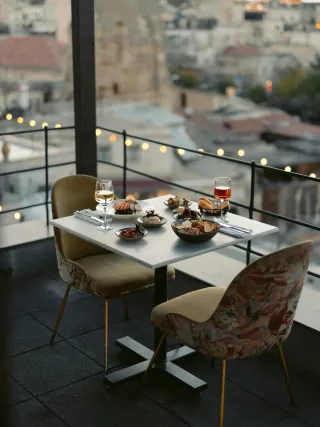
Turkey Heartfelt Travel Guide Full Relaxation Score


Having traveled to many places, I arrived in Istanbul

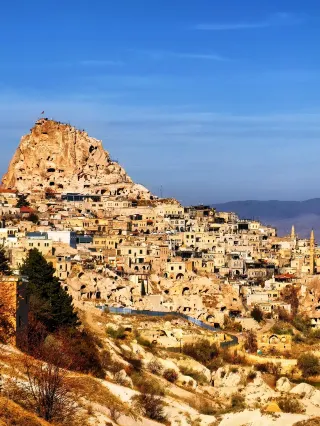
Encounter a shower of hot air balloons and Van Gogh's Starry Night in Goreme


Dyed by the autumn breeze, attend a red maple leaf rendezvous


This newly opened magical hotel in Istanbul~I stayed for a whole week

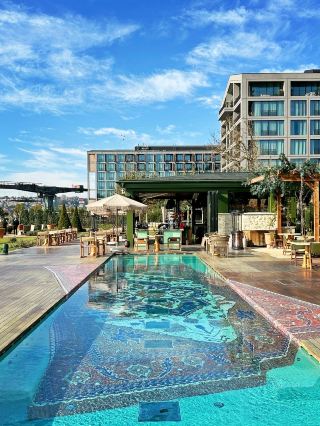
The newly opened luxury hotel Aliée in Istanbul is amazing~both the environment and the views are stunning
Best of Türkiye
Top 20 Gourmet Hotels in Türkiye



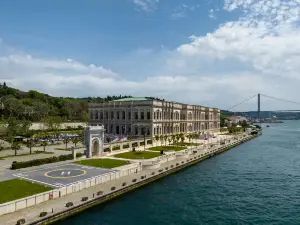






Top 10 Hotels with Villas in Türkiye



Top 20 Premium Hotels in Türkiye








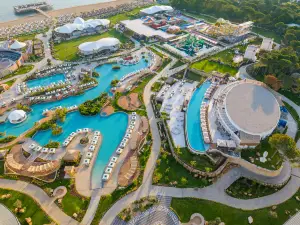


Top 20 4-Star Select Hotels in Türkiye


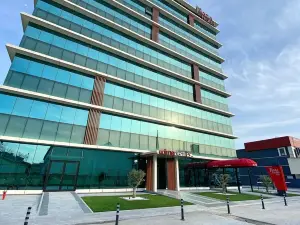


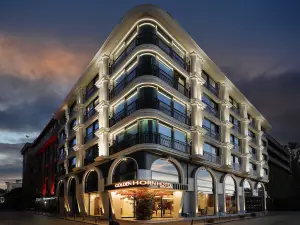

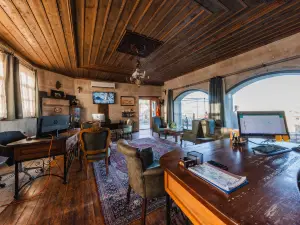


About
Site Operator: Trip.com Travel Singapore Pte. Ltd.