

Embark on a 2-day adventure through Xi'an, a city where China's rich history is palpably alive. Begin your time travel at the Emperor Qinshihuang's Mausoleum Site Museum, dedicating 2 hours to marvel at the awe-inspiring terracotta army that has guarded the emperor's resting place for millennia. Next, immerse yourself in the grandeur of the Tang Dynasty at the Daming Palace National Heritage Park, a historic site that demands another 2 hours to fully appreciate its ancient splendor. Conclude your first day with a visit to the formidable Fortifications of Xi'an, where a 1-hour stroll atop the city walls offers panoramic views and a sense of the military might of old. On your second day, delve deep into the region's past at the Shaanxi History Museum, where a full day is well-spent amongst the treasures of Chinese civilization. Finally, let the Tang Dynasty Furong Garden transport you to a world of cultural heritage and monumental beauty, rounding off your trip with 2 hours in this enchanting setting. This itinerary is crafted to ensure you experience the essence of Xi'an, leaving with memories of its timeless allure.

2 Days in Xi'an Itinerary: Day 1
Emperor Qinshihuang's Mausoleum Site Museum

Begin your Xi'an adventure with a visit to the Emperor Qinshihuang's Mausoleum Site Museum, a monumental tribute to China's first emperor. Located a mere 1.5 km east of the emperor's final resting place in Lintong District, this museum offers a two-hour journey through ancient history. Marvel at the life-size terracotta warriors, each one uniquely carved, standing guard over their sovereign in silent eternity. This UNESCO World Heritage site is not just a museum; it's a gateway to the past, where the echoes of the Qin dynasty still resonate.
Attraction info
- 1.5 km east of Qin Shihuang Mausoleum in Lintong District, Xi'an City
- Suggested tour duration: 2-3 hour
- Open from 03/16-11/15,8:30am-6:30pm;Open from 11/16-03/15,8:30am-6:00pm
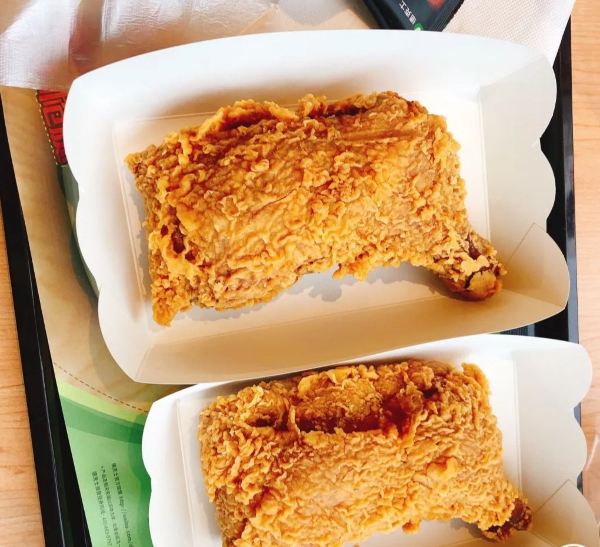
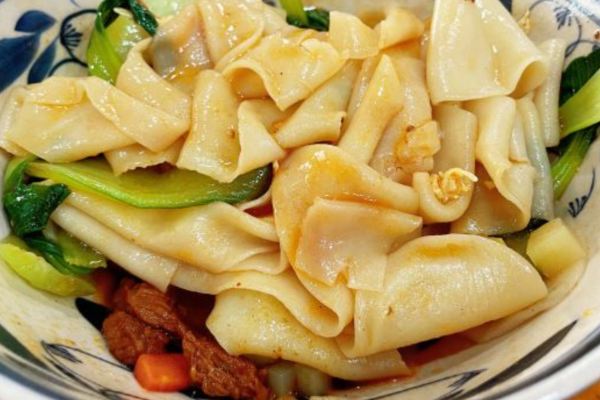
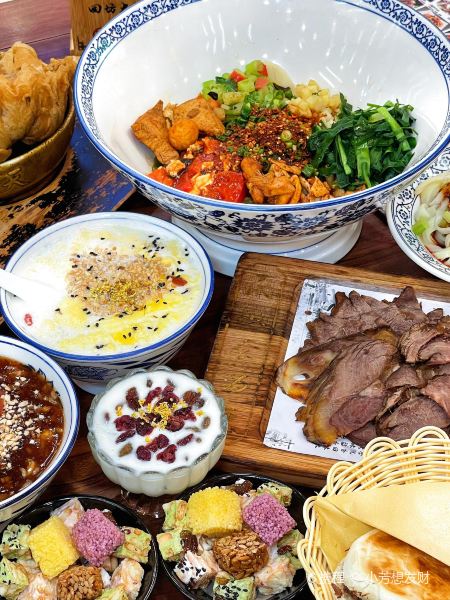
Recommended nearby restaurants

Daming Palace National Heritage Park
Continue your historical exploration at the Daming Palace National Heritage Park, a sprawling testament to the Tang Dynasty's grandeur. Nestled in Taihua South Road, Weiyang District, the park invites you for a two-hour stroll through what was once the heart of Chinese power and culture. The remnants of palatial halls, intricate gardens, and vast courtyards whisper stories of emperors and courtiers who walked these grounds more than a millennium ago.
Attraction info
- Taihua South Road, Weiyang District, Xi'an City
- Suggested tour duration: 2-4 hour
- Open from 04/16-10/15,8:30am-7:00pm
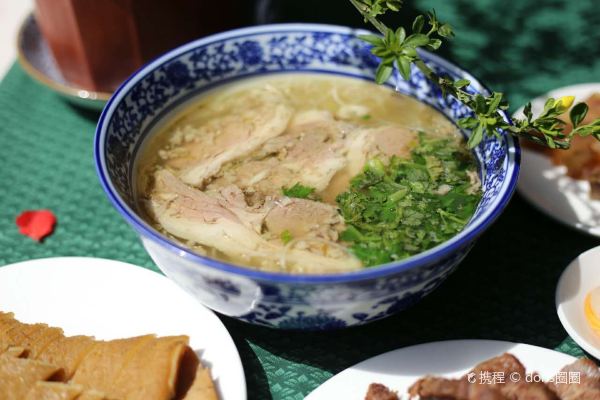
Recommended nearby restaurants


Xi 'an City Wall
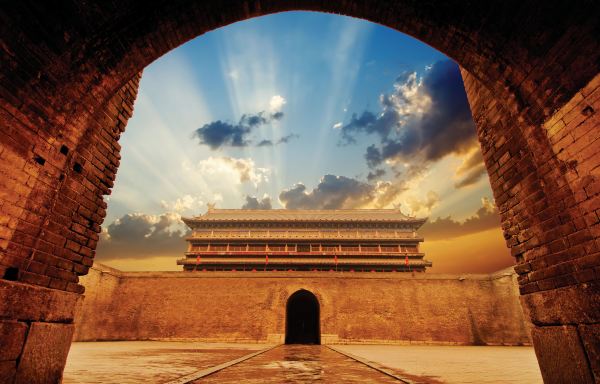
Conclude your day with the formidable Fortifications of Xi'an, an enduring symbol of military might and ancient architecture. Encircling the city center, these walls boast a history that spans centuries and dynasties. Spend an hour at any of the four main gates: the resplendent Dongchanglemen, the storied Xi'an Dingmen, the majestic South Yongning Gate, or the imposing Bei'an Yuanmen. As you walk atop these ramparts, you're treading the line between past and present, with panoramic views of the city that was once the start of the Silk Road.
Attraction info
- The city center of Xi'an, Shaanxi Province, is rectangular, with four gates: Dongchanglemen (Xi'an City Wall, Huancheng East Road, Xincheng District, Xi'an), Xi'an Dingmen (West Street and Xijuyuan Lane) Nearby Xi'an City Wall (Huancheng West Road), South Yongning Gate (No. 2 South Street, Beilin District, Xi'an), Bei'an Yuanmen (Intersection of North Street and Huancheng North Road, Xincheng District, Xi'an)
- Suggested tour duration: 1-4 hour
- Open from 8:00am-10:00pm,8:00-22:00: South entrance of Yongning Gate (South Gate), North entrance of Yongning Gate (South Gate), Zhongshan Gate (Little East Gate), Jianguo Gate 8:00-20:00: Changle Gate (East Gate), Anding Gate (West Gate), Anyuan Gate (North Gate), Wenchang Gate, Hanguang Gate, northwest city entrance, northeast corner entrance, Shangde Gate
Recommended nearby restaurants
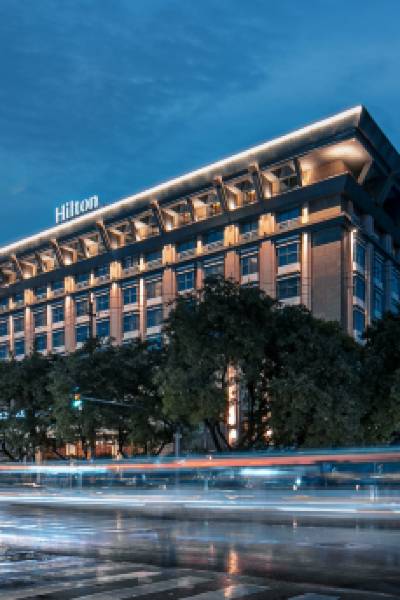
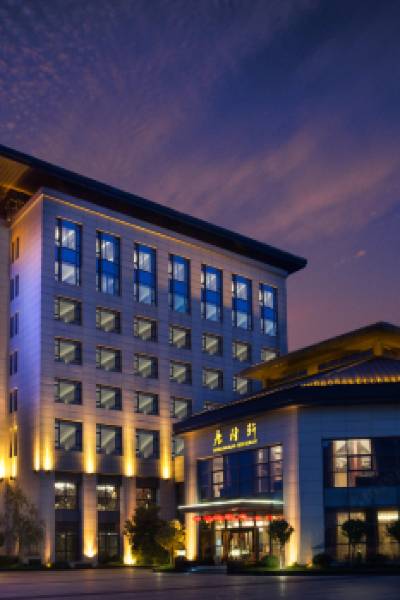
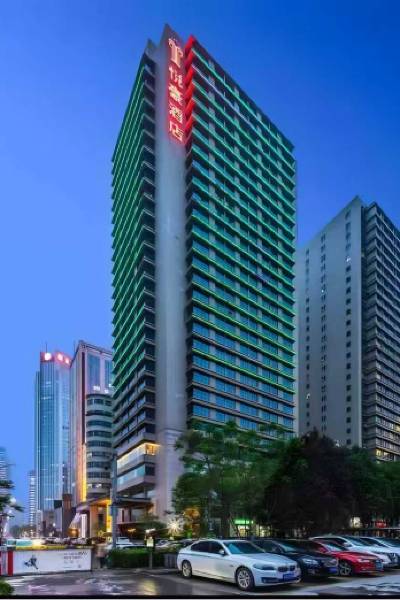
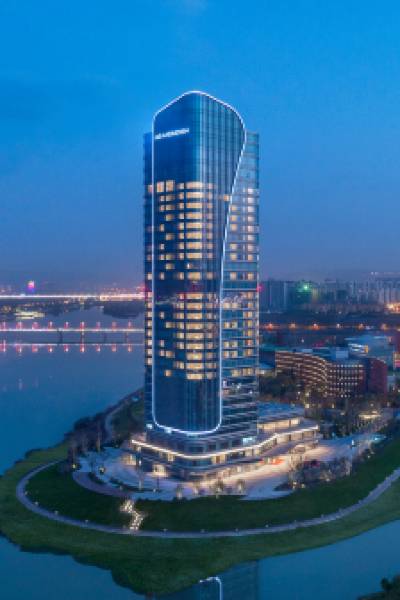
Where to Stay Tonight
2 Days in Xi'an Itinerary: Day 2
Shaanxi History Museum
Begin your second day with a deep dive into the rich tapestry of Chinese history at the Shaanxi History Museum. Nestled near the iconic Big Wild Goose Pagoda, this treasure trove offers a full day's exploration into the ancient world. With its vast collection of artifacts, the museum serves as a window into the profound legacy of the Shaanxi province, from the earliest dynasties to the golden age of Chinese civilization. As you wander through the halls, you'll encounter exquisite bronzes, Tang Dynasty murals, and rare terracotta figurines, each piece narrating a story of the bygone eras.
Attraction info
- No. 91 Xiaozhai East Road, Yanta District, Xi'an (Northwest Side of Big Wild Goose Pagoda)
- Suggested tour duration: 0.5-1 day
- Open from 11/15-03/14,Tue-Sun,9:00am-5:30pm;Open from 03/15-08/10,Tue-Sun,8:30am-6:00pm;Closed from 09/01-08/10,Mon;Open from 08/11-08/31,Mon-Sat,8:30am-6:00pm;Open from 09/01-11/14,Tue-Sun,8:30am-6:00pm;Open from 08/11-08/31,Sun,8:30am-8:00pm;Open from 9:00am-5:30pm during New Year's Day,Spring Festival;Open from 8:30am-6:00pm during Ching Ming Festival,Labour Day,Dragon Boat Festival,Mid-Autumn Festival,China's national day;Closed during New Year's Eve
Recommended nearby restaurants
Tang Paradise
After immersing yourself in historical wonders, step into the Tang Dynasty Furong Garden, where history and culture blend seamlessly with natural beauty. A mere two-hour visit transports you back to the flourishing period of the Tang Dynasty, celebrated as a pinnacle of Chinese cultural achievement. The garden, a world cultural heritage site, is a living monument to this golden age, featuring reconstructed historical buildings, traditional performances, and lush landscapes. Stroll along the serene pathways, enjoy the vibrant cultural shows, and let the spirit of ancient Xi'an captivate your senses.
Attraction info
- No. 99, Furong West Road, Qujiang New District, Xi'an
- Suggested tour duration: 2-3 hour
- Open from 9:00am-10:00pm
Recommended nearby restaurants
Where to Stay Tonight
Top Things to Do in Xi'an-2025
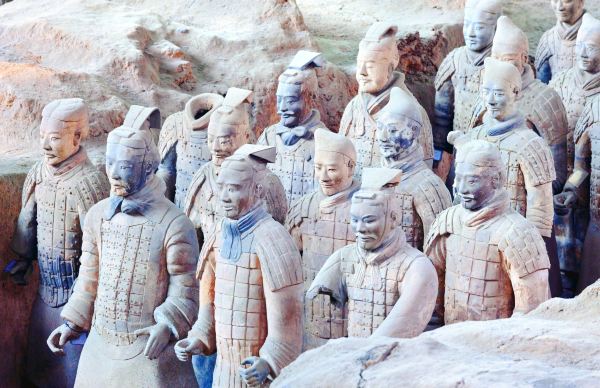
Emperor Qinshihuang's Mausoleum Site Museum, also known as the Terracotta Army, is located about 1.5 kilometers east of the Mausoleum of the First Qin Emperor and forms part of the extensive necropolis. There were more than a thousand terracotta soldiers unearthed here, each with a different facial expression. Standing before the massive underground army, you will feel the extraordinary might of the Qin Emperor that enabled him to unify six warring states two thousand years ago. The Qin Emperor Ying Zheng began building the mausoleum for himself at the age of 13. Nearly 720000 men and 38 years were required to complete this vast project.
 Based on 7,879 review
Xi'an City Wall is a landmark of this ancient city. The city walls that we see now were built in the early years of the Ming dynasty and they are now more than 600 years old. The walls were built on the foundations of the imperial city of the Tang Dynasty and they are formed together with a series of defensive installments such as moats and turrets. At present, Xi’an City Wall can be accessed by many city gates. Visitors can choose the nearest one to them. The South Gate is the visitor entrance of Xi’an City and is also the city gate with more tourists. Cycling on the ancient walls is a good experience. Riding on the wall overlooking the ancient capital of the thirteenth dynasty, you will have a feeling of travelling through time.
 Based on 1,290 review
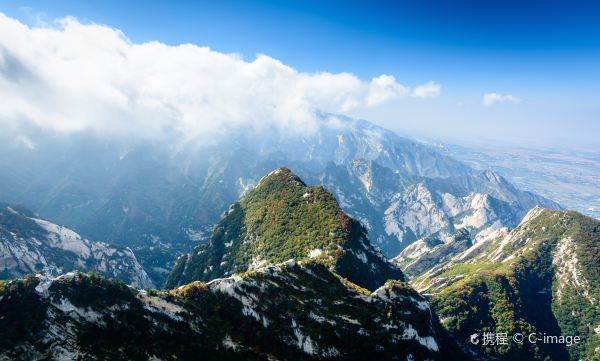
Mount Hua, formerly known as "Xiyue", is one of the five famous mountains in China. It is located in Huayin City, Shaanxi Province. Huashan is also known as "Taihuashan". It is the birthplace of Chinese civilization. The "Hua" in "Zhonghua" and "Huaxia" comes from Huashan. The words "strange and dangerous" are the essence of Huashan's scenery. "Since ancient times, there has been only one road to Huashan" describes the steepness of Huashan. The Attraction has many thrilling attractions such as Changkong Plank Road, Kitesurfing, Qianchi Chuang, Baichi Gorge, Laojun Ligou, etc., which are carved out on the steep cliffs. Those who visit them in person will be amazed.
Huashan Attraction covers a vast area, including the Main Peak Attraction, Xiyue Temple Attraction, Xianyu Attraction, etc. The Main Peak Attraction is the core Attraction of Huashan, including "Huashan One Road" and the five main peaks in the southeast, northwest, and center. Huashan in most people's minds refers to the Main Peak Attraction.
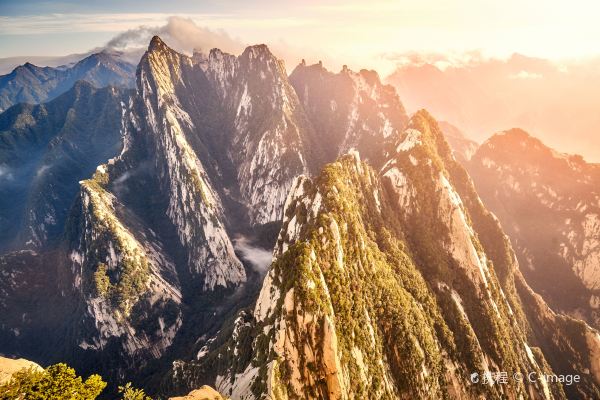
Five main peaks
The East Peak is about 2,100 meters above sea level and is named for its location in the east. There is a platform on the top of the peak, which is high and dangerous with a wide view. It is a good place to watch the sunrise. It is called Chaoyang Terrace, and the East Peak is also called Chaoyang Peak. The East Peak consists of four peaks, one main peak and three s-ervant peaks. The peak where Chaoyang Terrace is located is higher, the Yunv Peak is in the west, the Shilou Peak is in the east, and the Botai is in the south. There are more than dozens of landscapes on the East Peak. There is a natural stone pattern on the cliff on the side of the East Shilou Peak, which looks like a giant palm print. This is the Huayue Immortal Palm, which is listed as the first of the eight scenic spots in Guanzhong. The story of the giant spirit opening the mountain and guiding the river originated from this.
The West Peak is about 2,000 meters above sea level. Because there is a huge rock on the top of the peak that looks like a lotus petal, ancient literati often called it Lotus Peak or Hibiscus Peak. Xu Xiake wrote in his "Diary of Traveling to Mount Taihua": "There is a rock rising on the peak, and there are stone pieces covering it, like a lotus flower." This stone must be referring to it. There are many landscapes on the West Peak, including Cuiyun Palace, Lotus Cave, Giant Spirit Foot, Axe-Split Stone, Sheshen Cliff, etc., and there are many beautiful myths and legends. Among them, the well-known story of Chenxiang splitting the mountain to save his mother is circulated here.
The South Peak is over 2,100 meters above sea level and is the highest peak of Huashan. The ancients called it the "Head of Huashan". On one side of the South Peak is a thousand-foot cliff, standing straight like a knife, and below is a deep ravine, which is separated from Sangong Mountain and Sanfeng Mountain. The South Peak consists of one peak and two peaks. The east side is called Songhui Peak, and the west side is Luoyan Peak. The origin of the name of Luoyan Peak is said to be because the migrating wild geese often land here to rest.
The North Peak is about 1,600 meters above sea level, with cliffs on all sides, covered with clouds above and connected to the earth veins below. It stands tall and unique, and is also called Yuntai Peak because it looks like a cloud platform. Li Bai of the Tang Dynasty wrote in his poem "A Song of the Cloud Platform of Mount Xiyue to Complimentary Danqiuzi": "Three peaks stand as if about to collapse, and the green cliffs and red valleys are high. The golden essence of the White Emperor mobilizes his vitality, and the stones become lotus flowers and the clouds become platforms." The famous story of "Taking Huashan by Strategy" took place here. There are many landscapes on the mountain, including the Zhenwu Hall, Jiaogong Stone Chamber, Changchun Stone Chamber, and the place where Laojun hung the plow.
The Middle Peak is the only way to the other four peaks. It is located in the middle of the East, West and South Peaks. The forests on the peak are lush and green, and the environment is quiet. There is a Taoist temple named Yunu Temple on the top of the peak. It is said that it was the place where Qin Mu Gong's daughter Nong Yu cultivated herself in the Spring and Autumn Period, so it is also called Yunu Peak.
Main landscape:
There are more than 210 famous Attraction in Huashan. From ancient times to the present, countless literati and poets have left various classic poems here.
- Skywalk
The Changkong Plank Road is located on the east side of the Huashan South Peak. It was built by the master of the Huashan School, Taoist He Zhizhen of the Yuan Dynasty, who wanted to get away from the world and practice Taoism. He built it by inlaying stone piles on the cliffs and paving wooden boards. At the end of the plank road, you can see the "Hezu Cave" where Master He practiced self-cultivation. The road builders chiseled stone holes on the cliffs, wedged stone piles into the holes, and laid wooden boards about 40 cm wide between the stone piles. Visitors must stick to the cliff wall, pull the iron chain with their hands, step on the wooden boards, and move forward slowly sideways.
- Xiyue Temple
Xiyue Temple, also known as Huayue Temple, is a temple where emperors of all dynasties worshipped and offered sacrifices to Shaohao, the Great Emperor of Xiyue. It was first built during the Yuanguang period of Emperor Wu of the Han Dynasty (134-129 BC) at the entrance of Huangshengu (now Huangfuyu) at the foot of Huashan Mountain. It was moved to its current location during the reign of Emperor Huan of the Eastern Han Dynasty (147-167 AD) and renamed today. It was rebuilt many times during the Tang, Song, Ming and Qing dynasties.
- Canglong Ridge
The steps on Canglong Ridge are only 2 feet wide, with deep ravines on both sides, as steep as a knife. The height difference between the ridge and the top is about 500 meters, and the slope is more than 45 degrees. Looking at the green pines and white clouds in the distance and hearing the sound of the wind is dizzying.
- Jinsuoguan
Jinsuoguan is one of the five passes of Huashan Mountain. It is built on a stone archway at the entrance of the three peaks. It is the throat of the Wuyun Peak to the four peaks of East, West, South and Center. There is no way to pass after the pass, so it is also called Tongtianmen. Taoists believe that Huashan is the fairyland of gods. Only after passing Tongtianmen can you enter the fairyland. Therefore, there is a folk song that "after passing Jinsuoguan, there is another world".
- There has been only one road to Mount Huashan since ancient times
"There has been only one road to Mount Hua since ancient times" refers to the "Huashan Valley" hiking trail, which includes various scenic spots along the Huashan hiking trail since ancient times. When connected together, it is what is commonly referred to as "There has been only one road to Mount Hua since ancient times."
How to visit
Huashan has two mountain gates (entrances): East Gate and West Gate (also known as Huashan Gate). Take the cable car up the mountain and go to the East Gate; if you climb the mountain on foot, enter from the West Gate. Huashan currently has two cable cars, the East and West Lines, which reach the North Peak and the West Peak respectively (please plan the climbing route in advance before purchasing the ticket and purchase the corresponding ticket type, and you cannot change it midway.).
Route 1: Hiking route
There has been only one road on Mount Huashan since ancient times. It is an ancient mountaineering road with a total length of 12.5 kilometers and 9,567 steps. It takes about 4 hours to hike from Yuquanyuan, through Wuli Pass, Shaluoping (night climbing), Qianchi Chuang, Baichi Gorge, etc. to the North Peak, and then start the tour from the North Peak.
Route 2: "Up West and Down West", a mountaineering route suitable for the Seniors and tourists with children
This route goes up the West Peak Cableway of Mount Huashan and down the West Peak Cableway, that is, going up from the west and down from the west. The whole route takes a relatively short time, about 4 hours, and is also more energy-saving, making it more friendly to the Seniors and tourists with children.
Route 3: "Up West and Down North", a one-day mountaineering route chosen by 80% of tourists
This route goes up by cable car from the West Peak of Mount Huashan and down by cable car from the North Peak, that is, going up from the west and down from the north. The entire route is a classic one-day tour route, which takes about 6 hours. You can visit all the attractions without backtracking. Most tourists choose this route because this road almost goes straight down, which is easier and faster than the uphill road.
Route 4: "North up and north down", a time-saving, economical and panoramic mountaineering route
This route goes up by cable car at the North Peak of Huashan and down by cable car at the North Peak, that is, going up from the north and down from the north. The whole route is a relatively low-cost cable car mountaineering route. If your sightseeing time is limited, you can choose this route and visit the North Peak, which has the Memorial Pavilion, Ear-Crushing Cliff, Canglong Ridge, Huashan Sword Contest Monument, panoramic Huashan and other attractions.
 Based on 727 review
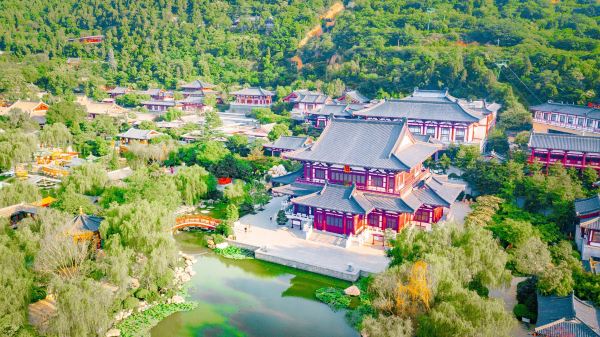
Huaqing Palace (Huaqing Hot Spring & Lishan Mountain) is located 30 kilometers east of Xi'an, adjacent to the Terracotta Warriors. It is well-known at home and abroad for its eternal hot spring resources and numerous historical events, and has become a landmark scenic Attraction for Chinese Tang Palace cultural tourism.
【Palace Scenic Spots】
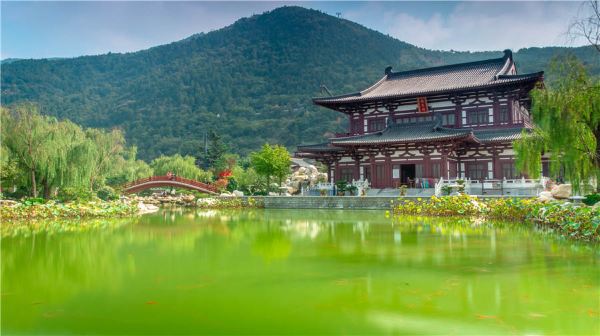
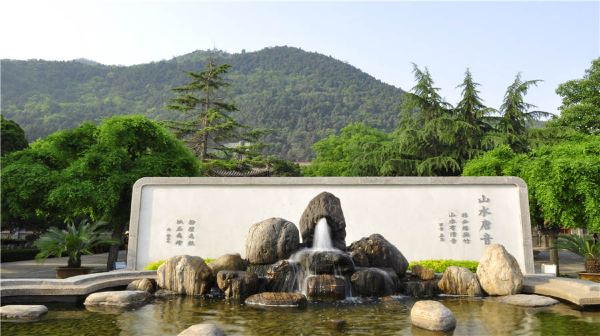
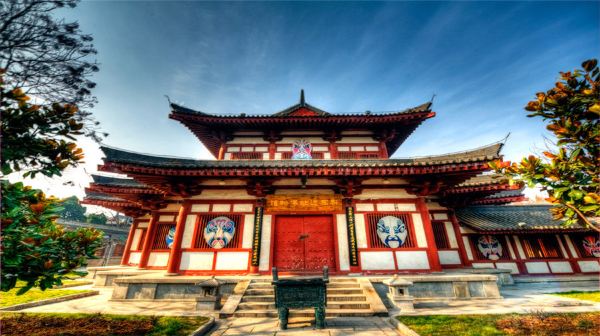
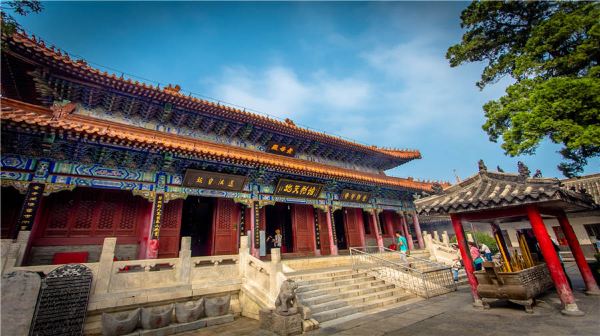
▲Huaqing Palace has a long history. Emperors of the Zhou, Qin, Han, Sui and Tang dynasties built palaces and villas here. The palace houses cultural areas such as the Tang Imperial Hot Springs Site Museum, the site of the Xi'an Incident - the Five-Room Hall, the Jiulong Lake and Furong Lake Scenic Area, the Tang Pear Garden Site Museum and iconic buildings such as the Feishuang Hall, the Wanshou Hall, the Changsheng Hall, the Huanyuan and the Yuwang Hall.
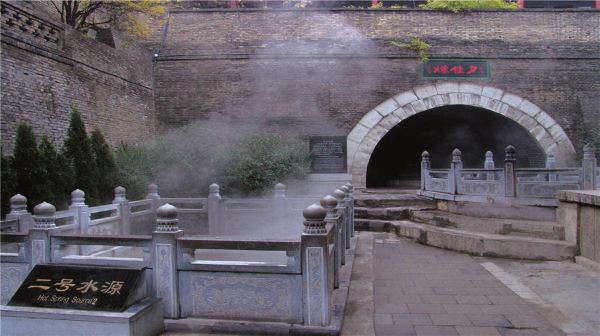
▲“Ode to Hot Springs” Monument
Lishan Hot Springs are known as the "No. 1 Imperial Spring in the World" because they were developed and utilized early and were favored by emperors of all dynasties. As early as 6,000 years ago during the Yangshao period, the ancestors of Jiangzhai began to use Lishan Hot Springs. The long-standing Lishan Hot Springs embody rich cultural connotations and are an indispensable and important part of the history and culture of the Chinese nation.
The stone tablet in the Attraction is 154 cm high, 72 cm wide and 19 cm thick, with a coiled dragon head and a trapezoidal base. It was engraved by Yuan Chang, the governor of Yongzhou in the Northern Wei Dynasty. The inscription reads, "Hot springs are the natural prescription, the original medicine of heaven and earth, and the people of all nations are supported by hot springs. Guests with illnesses who sleep on the hot springs all come to visit and heal their sufferings with water." This tablet is the earliest existing physical material in Huaqing Palace.
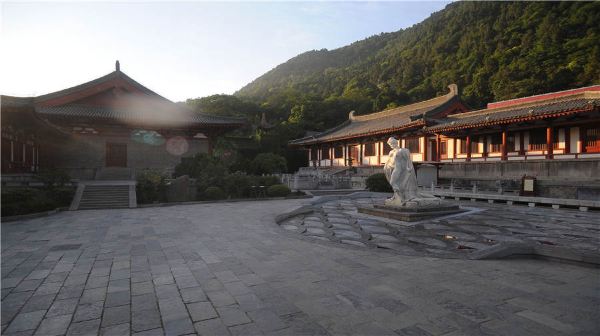
▲Tang Yutang Site Museum
This is the location of the bathhouse where Yang Guifei's bathing scene is described in "The Song of Song of Everlasting Sorrow". After the An-Shi Rebellion, the original building was barely left. In 1982, when the Lintong County People's Government was building the "Imperial Concubine Pavilion", they accidentally discovered the ruins of a Tang Dynasty bathhouse. After excavation and sorting, it was built into the Tang Huaqing Palace Imperial Hot Spring Relics Museum. This hot spring pool is small and exquisite, with a unique design. It is 3.6 meters long from east to west and 2.9 meters wide from north to south, and its shape is similar to an ellipse. Next to the east of the Imperial Concubine Pool is the imperial bath used exclusively by Emperor Xuanzong of the Tang Dynasty. In the Tang Dynasty, a Nine Dragon Hall was built on the pool. Outside the hall, there are nine dragons carved from white jade, spouting water from their mouths. The bath is shaped like a realistic lotus, so it is also called "Lotus Bath".
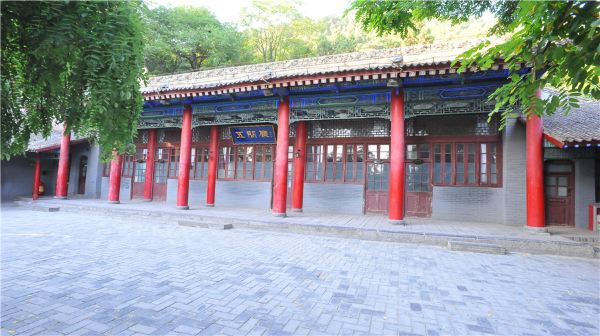
▲The site of the Xi’an Incident
The five halls of Huaqing Palace are where the Xi'an Incident took place. To this day, bullet marks from the fierce fighting during the military rebellion are still preserved on the glass windows and walls of the five halls. The tables, chairs, beds, sofas, tea sets, stoves, carpets, telephones, etc. used in the offices of each room are all reproduced and placed in their original appearance.
【Historical Events】
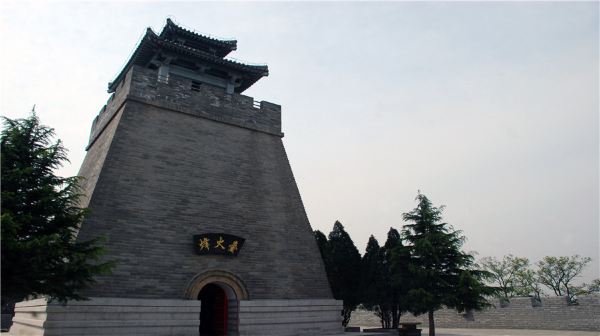
▲Deceiving the Lords with Beacon Fires
In 779 BC, King You of Zhou got the beautiful Bao Si, but she never smiled. For this reason, King You and the treacherous minister Guo Shifu discussed a clever plan and lit the beacon tower on Mount Li. The princes of the world watched the beacon and quickly led their troops to rescue him. King You told the princes: "I raised the beacon to make the queen smile", so Bao Si laughed. The princes from all walks of life came with courage and returned with resentment. Seeing that King You was incompetent and the people were alienated, the Quanrong Kingdom took the opportunity to lead troops to attack. When the troops were at the foot of the mountain, King You of Zhou hurriedly raised the beacon to mobilize troops, but none of the princes came to rescue him. King You fled to the foot of Mount Li with Bao Si and was killed by the Quanrong. The historical allusions of "a smile is worth a thousand gold", "a smile loses the world", and "playing with princes with beacon fire" were left behind.
- Su Dongpo wrote poems at Mount Li
During the Jiayou period of the Northern Song Dynasty, the hot springs of Mount Li were painstakingly renovated by Liu Ziyong and others. They were so beautiful that tourists flocked to them, chanting poems and writing fu, expressing their feelings and nostalgia. Among these numerous poems and fu, the masterpieces such as "Lady Guoguo's Night Tour" and "Mount Li" written by the emerging literary giant Su Shi during his visit to Mount Li are outstanding.
- Xi'an Incident
The Xi'an Incident, also known as the "Double Twelve Incident," was a mutiny launched by Zhang Xueliang and Yang Hucheng at Huaqing Pool, detaining the then Chairman of the Nationalist Government's Military Commission.
【Performance】
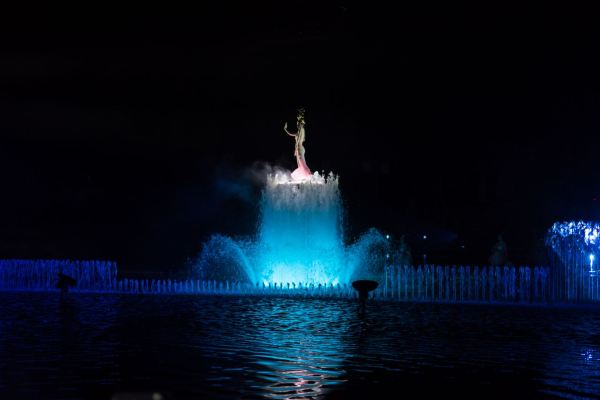
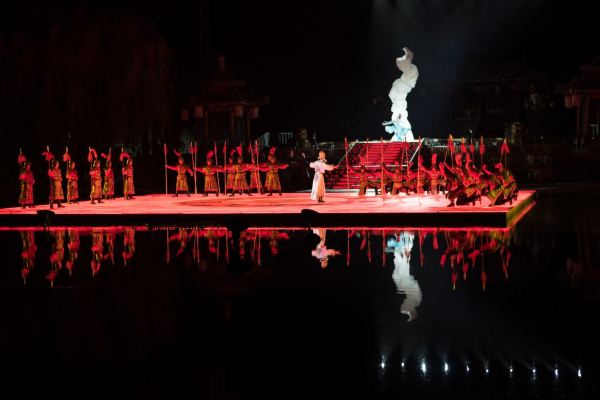
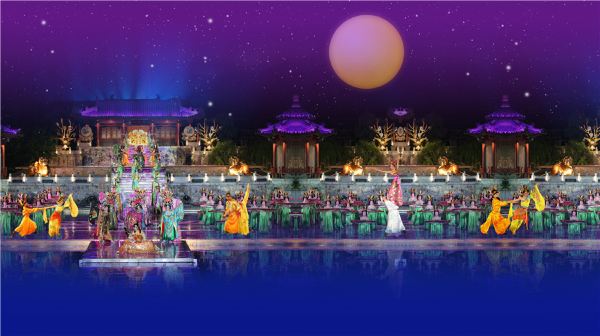
▲Performance of "The Song of Everlasting Sorrow". The Attraction launched the large-scale real-life historical dance drama "The Song of Everlasting Sorrow" in 2007, and the multimedia video drama "Xuanjing Changsheng Palace" in 2012.

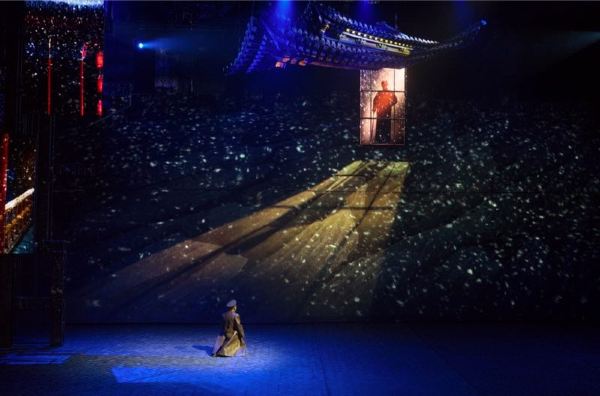
▲There is also " 12·12 Xi'an Incident" adapted from historical events, which truly and vividly shows the little-known historical original appearance of the "Xi'an Incident".
* All user reviews in this article have been translated by machine.
* The information above is subject to change at any time. For the latest information, please check the websites of hotels and attractions.