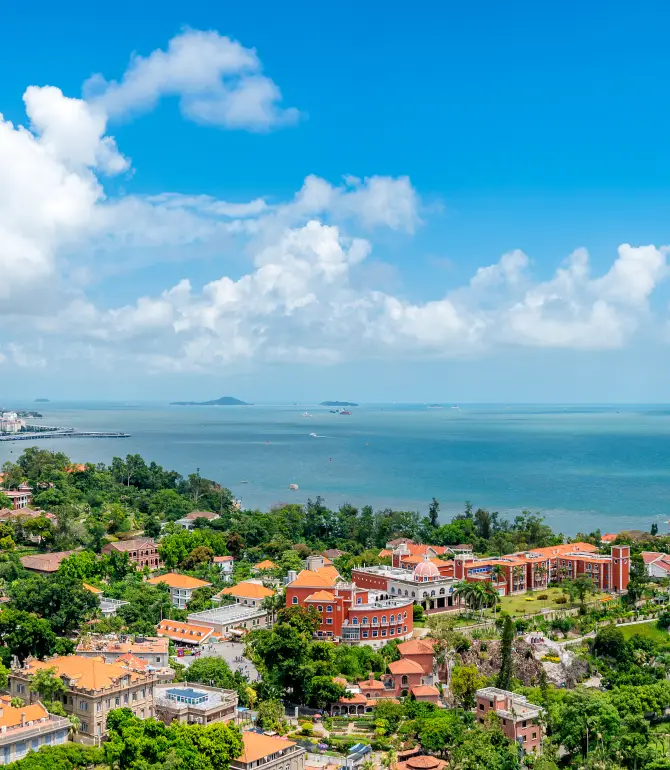
Chongqing Travel Guide 2026: Top Attractions, Local Food & Travel Tips | Trip.com
About Chongqing
Recommended trip: 2–5 day(s)
Recommended trip: 2–5 day(s)Current weather conditions
 17°C
Chongqing Local Experiences Map










Trending in Chongqing
Chongqing Local Travel Guide 2026
Chongqing Brief Guide
China’s mountain metropolis on the Yangtze River, Chongqing, stuns with a multi-tiered cityscape carved into steep hills, where riverside neon meets misty valleys. Explore its delicious spicy cuisine, hilly terrain, and unique city views. This guide will help you plan your perfect Chongqing adventure.
Chongqing Must-try local experiences
1. Take a Night Cruise on the Yangtze River Embark on a night cruise along the Yangtze and Jialing rivers to see Chongqing's illuminated skyline and vibrant nightlife, including landmarks like Hongya Cave and Chaotianmen Bridge. 2. Discover the Dazu Rock Carvings Explore the UNESCO World Heritage Site of Dazu Rock Carvings, featuring intricate Buddhist sculptures and carvings from the 7th century. 3. Experience Hongya Cave Cultural Center Wander through Hongya Cave Cultural Center, a multi-level complex with traditional architecture, shops, and restaurants, offering stunning views of the Jialing River. Capture the unique beauty of the Hongya Cave stilt houses, highlighting the traditional architecture and vibrant colors. 4. Walk through Ciqikou Ancient Town Stroll through Ciqikou Ancient Town, with its narrow streets, traditional teahouses, and local crafts, to experience the charm of old Chongqing. 5. Sample Local Cuisine Chongqing is famous for its spicy hot pot, but don't miss other local dishes like Chongqing noodles and spicy chicken. 6. Explore the Jiefangbei Pedestrian Street Discover the bustling Jiefangbei Pedestrian Street, a shopper's paradise with modern malls, department stores, and local boutiques.
Chongqing Must-see Attractions
Chongqing is a city of both natural and urban wonders, featuring attractions like the Yangtze River Cableway, the UNESCO-listed Three Natural Bridges, the culturally rich Hongyadong Commercial Street, and Ciqikou Ancient Town, as well as the scenic Chongqing Two-River Cruise, all of which offer visitors a blend of breathtaking landscapes, historical insights, and modern entertainment. The Yangtze River Cableway in Chongqing, a unique aerial tramway, offers a distinctive experience as it stretches 1,166 meters across the Yangtze River, connecting the Yuzhong and Nan'an districts. Opened in 1984 and listed as a cultural relic, it serves as a symbol of the city and a testament to local ingenuity in urban transportation. While it was once a major means of public transit, today it is a tourist attraction providing breathtaking views of the city's landscape, including skyscrapers and the river below, especially striking at night. The cableway has also been a source of inspiration for filmmakers, capturing the essence of Chongqing in various movies and TV dramas. Visitors can enjoy this memorable ride, which takes approximately 4 to 6 minutes, and immerse themselves in the panoramic vistas of the bustling metropolis. Three Natural Bridges, also known as Wulong Tiankeng Three Bridges Site, is a breathtaking natural attraction located in Chongqing, China, renowned for its geological wonders and scenic beauty. This UNESCO World Heritage Site features three colossal limestone natural bridges named Tianlong, Qinglong, and Heilong, which translate to Sky Dragon,Green Dragon, and Black Dragon, respectively. These bridges are part of a larger conservation area that includes karst canyons and caves, offering visitors a unique experience of China's natural heritage. Visitors can explore the area and enjoy the stunning rock formations, deep canyons, and crystal-clear waters that make up this natural wonder. The site has also gained popularity in pop culture, having been featured in films like "Curse of the Golden Flower" and "Transformers 4". With a recommended sightseeing time of 2-3 hours, the Three Natural Bridges provide a memorable journey through China's dramatic landscapes, making it a must-visit for nature enthusiasts and those interested in geological formations. Hongyadongin Chongqing, also known as Hongya Cave, is a vibrant blend of historical architecture and modern leisure experiences. This attraction is renowned for its stilted buildings, a distinctive architectural style of Southwestern China, which have been preserved and integrated into a bustling "three-dimensional aerial pedestrian street". Visitors can explore various themed streets, including Dynamic Bar Street, Chongqing-style Street, Feast Food Street, and Exotic-style Street, each offering a unique blend of food, entertainment, and shopping. The area's cultural significance is highlighted by its history as a military fortress and the earliest developed pier in ancient China, now transformed into a space where visitors can immerse themselves in Bayu culture and enjoy panoramic river views. The stunning nightscape, with the complex illuminated from 18:00 to 22:00, is a must-see, offering a dreamlike ambiance against the backdrop of the city's skyscrapers. Ciqikou Ancient Town in Chongqing, also known as "Little Chongqing," is a historic and culturally rich destination that offers a glimpse into the traditional architecture, shops, food, and customs of old Chongqing. The town's narrow pedestrian streets are lined with shops selling porcelain, handicrafts, and gifts, while restaurants and tea shops provide a taste of local flavors and a view of Chongqing's past. Visitors can enjoy traditional snacks and activities such as Sichuan Opera, and during the Chinese New Year, the town hosts a bustling temple fair. With its ancient buildings and teahouses, Ciqikou is a representation of Old Chongqing and a symbol of the city's historical charm. The Chongqing Two-River Cruise offers a unique experience to witness the convergence of history and modernity along the banks of the Yangtze and Jialing river. This night cruise highlights the city's vibrant lights and iconic landmarks such as Hongyadong, Qiansimen, and Chaotianmen Square. The journey, lasting approximately 45-60 minutes, allows visitors to immerse themselves in the panoramic views of Chongqing's skyline, which has been celebrated for its beauty since the Qing Qianlong era. Additionally, travelers can enjoy cultural performances like the Face-changing of Sichuan Opera and Chinese Tea Art on select boats, adding an element of traditional entertainment to the scenic tour.
Chongqing Food Guide
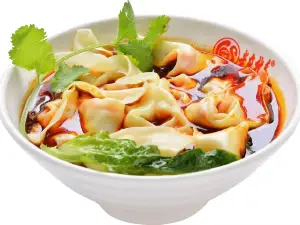
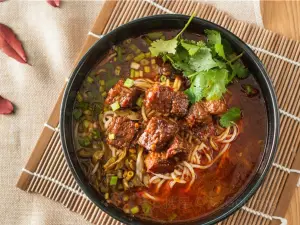
Chongqing's cuisine is renowned for its spicy, fresh, and fragrant characteristics, from the spicy oil-dipped hotpot and Chuan Chuan to the al dente and chewy Xiaomian and Hot and Sour Noodles, to the gold ingot-shaped wontons, all reflecting this mountain city's love and pursuit of spicy flavors and rich ingredients. Known as the "City of Hotpot," Chongqing hotpot is famous for its spiciness, freshness, and oiliness, and is a traditional Chongqing cuisine that originated on the banks of the Jialing River in Chongqing during the late Ming and early Qing dynasties. Chongqing hotpot offers a variety of dishes, evolving from traditional tripe hotpot to clear broth hotpot and yuanyang (mixed) hotpot, with a rich selection including beef tripe, pork throat, duck intestines, and beef blood curd, and unique seasonings made from Pixian broad bean paste, Yongchuan fermented black beans, Ganzi butter, and Hanyuan Sichuan pepper. Chongqing hotpot emphasizes the use of broth and natural flavors, allowing diners to choose ingredients according to personal taste, adjust the heat, control the duration of the meal, and enjoy an interactive dining experience. Chongqing Xiaomian (spicy noodles) is one of the four distinctive features of Chongqing, belonging to Sichuan noodle dishes, represented by spicy vegetarian noodles, and an indispensable element of Chongqing's breakfast culture. Chongqing Xiaomian are chewy with rich seasonings, including lard, spicy oil, soy sauce, vinegar, green onions, ginger and garlic water, sesame, and Sichuan pepper powder, which can be customized according to personal preferences, such as 'less spicy,' 'extra spicy,' 'no garlic,' etc. In recent years, with the emergence of pre-made Chongqing Xiaomian, they have started to spread across the country and even the world, becoming a characteristic industry of Chongqing. Chongqing Xiaomian shops are scattered throughout the streets and alleys of Chongqing, with an average daily sale of 13 million bowls of noodles. Chongqing's Chuan Chuan is a type of snack where various vegetables are skewered on bamboo sticks and dipped into a boiling hotpot to eat, characterized by its spicy, delicious, and juicy flavors. The base of Chongqing chuan chuan is mainly beef fat, spicy and fragrant, hot but not dry, with an aroma that overflows, embodying the spicy life taste of Chongqing people. The ingredients for chuan chuan are diverse, including various meats, vegetables, and bean products, with freshness guaranteed. Beef Chuan Chuan is especially popular, paired with fresh coriander or pickled peppers for a unique flavor. Chongqing Hot and Sour Noodles is a widely popular traditional local snack in Chongqing, featuring hand-made noodles from sweet potato and pea starch, with a firm and chewy texture, and spicy and sour taste, and known as "the best noodles under heaven." The production of sour and spicy noodles is meticulous, with chili oil being the soul, requiring a blend of various spices and ingredients, paired with broth and various seasonings, to ensure that each bite offers an explosive taste experience. It is often accompanied by bean sprouts, coriander, and pickled vegetables to add layers of texture, and it is recommended to eat while hot to experience the best flavor. Chongqing wontons are a traditional delicacy with a history of over 1500 years, known for their thick skin and ample filling, resembling the shape of gold ingots. The preparation method is exquisite, with the meat filling requiring a mix of 30% fat and 70% lean, seasoned and wrapped in dough, then boiled and served with red oil broth and greens, offering a smooth and delicate taste. Chongqing wontons are not only available in red oil style but also in clear broth and garlic sauce varieties, among which the red oil wontons are particularly loved by diners for their spicy and aromatic broth.
Chongqing Transportation
Chongqing, a vast municipality in southwest China, is a major transportation hub, accessible by air, rail, bus, or road from international and domestic locations. By Air Chongqing Jiangbei International Airport (CKG): The primary gateway, located ~25 km (15 miles) northeast of downtown. Serves international and domestic flights. To City Center from CKG: Metro Line 10 (45–60 minutes, ¥3–12) connects to downtown via stations like Hongqihegou. Airport shuttles (60–90 minutes, ~¥20–35) serve key areas like Jiefangbei and North Railway Station. Taxis cost ~¥70–130, depending on traffic. By Train Chongqing North Railway Station: The largest hub for high-speed trains (G-series), connecting to Chengdu (1.5–2 hours), Beijing (10–12 hours), Shanghai (10.5–12 hours), Xi’an (5–6 hours), and other major cities. Chongqing West and East Railway Stations handle high-speed and regional routes. Chongqing Station (Caiyuanba) manages slower trains. To City Center: All major stations connect to Chongqing’s metro. By Bus Chongqing Long-distance Bus Terminal and Shapingba Station connect to regional destinations like Wulong (3 hours) or Dazu (2 hours). By Road Driving or private transport is possible via expressways like the G50 (to Shanghai) or G65 (to Chengdu). Road travel is less recommended for international visitors due to complex driving regulations, language barriers, and Chongqing’s hilly terrain. Chongqing’s public transportation is efficient and affordable, with English signage in metro stations and key areas, though its hilly topography can complicate navigation. Metro: Chongqing Rail Transit (CRT), with 15 lines, covers all major attractions like Hongyadong, Ciqikou Ancient Town, and Liziba’s “train-through-building”. Lines 2 and 3 use monorail designs to navigate the city’s terrain. Operating 6:00 AM–11:30 PM. Fares and Payment Options: Distance-based, ¥3–15. Single-journey tickets can be purchased at vending machines (English interface, accepts ¥1 coins and ¥5–20 bills). Yikatong Card: Rechargeable, offers 10% metro fare discount, valid for buses/ferries. Mobile QR Codes: Use Alipay/WeChat “Chongqing Public Transport Code” mini-program to scan at gates. Keep tickets until exiting; use Baidu Maps for navigation. Lines may be at different elevations due to hilly terrain. Buses: An Extensive network complementing the metro system and covering areas beyond metro reach, like the Nanshan Scenic Area. Less tourist-friendly due to signage and announcements in Chinese only. Use Baidu maps or Amap to plan your route. Fares: ¥2–15, payable via cash (exact change), Yikatong card, or Alipay/WeChat QR codes. Taxis and Ride-Hailing: DiDi is the primary ride-hailing app with an English interface, ideal for getting car rides, including taxis. Bicycles: Bike-sharing (Meituan, HelloBike) is limited due to Chongqing’s hilly terrain, best for flat areas like Jiefangbei CBD. Cost: ~¥1–2 per 30 minutes via mobile apps. Cycling is challenging due to elevation changes. Cableways: the Yangtze River Cableway provides scenic cross-river transport between the Yuzhong and Nan’an districts, located near Hongyadong. Fares: ~¥10–20, payable via Yikatong card or mobile payments. Popular for tourists; expect queues during peak times. Book via "CQ Cableway" WeChat for timed slots
Chongqing Where to Stay
Chongqing is a vibrant city in Southwest China, renowned for its unique topography and bustling urban areas. The city's accommodations are spread across several key districts, each offering distinct experiences for travelers. Jiefangbei is the heart of Chongqing, known for its thriving commercial activities and proximity to major attractions. This area is characterized by a high concentration of shopping malls, restaurants, and entertainment venues, making it a prime spot for those who enjoy urban conveniences. The iconic People's Liberation Monument, a symbol of the city's wartime history, is a notable landmark here. Visitors can easily access the Hongya Cave, which offers a blend of traditional architecture and modern shopping experiences. The region is well-connected with several subway stations, including Linjiangmen, Jiaochangkou, and Xiaoshizi, facilitating easy movement around the city. Guanyinqiao Pedestrian Street, located in the Jiangbei district, is Chongqing's northern economic and cultural center. This area is a shopping paradise, featuring a plethora of plazas, theaters, restaurants, bars, and hotels. It's an ideal place for people-watching and immersing oneself in the local urban lifestyle. The pedestrian street is an oasis of comfort, offering an array of retail options across different price points. Visitors can enjoy the local ambiance under the shade of dense foliage, where the community gathers for leisure activities. The area is easily accessible via Metro Line 3 and Line 9, which leads directly to Guanyinqiao Station, making it a convenient location for travelers. Hongya Cave, situated in the Yuzhong district, is a cultural landmark known for its distinctive stilted architecture and enchanting night views. This riverside attraction is a must-visit for its traditional Bayu architectural style and its position as a symbol of Chongqing's history and culture. The area comes alive in the evening with illuminated shops and bustling crowds. Visitors can explore a variety of local shops, enjoy regional cuisine, and capture panoramic shots of the river views. The street's proximity to attractions like the Yangtze River Cableway and Chaotianmen Square adds to its appeal. Public transportation options include taxis and the nearby Xiaoshizi Station on Metro Line 1.
Chongqing Best Time to Visit
Spring (March–May) and Fall (September–November) are Chongqing’s optimal seasons, offering mild weather, clear skies, and ideal conditions for exploring its dramatic landscapes, riverside attractions, and fiery cuisine. Spring: 2–25°C (54–77°F), with light rain and decreasing fog. Cherry blooms at Nanshan Botanical Garden (peak: late March). Wulong Karst without summer crowds; cable cars offer mist-free views. Summer: Hot, humid 28–40°C (82–104°F), with intense thunderstorms. Fall: Crisp, sunny 16–26°C (61–79°F); minimal fog. Golden ginkgos along the Yangtze Riverwalk, hot springs at Beiwenquan (Beibei District). Chongqing Hot Pot Food Culture Festival (October) with riverside dining and spice competitions. Winter: Chilly, foggy 5–10°C (41–50°F); rare light snow in highlands. See the mist-shrouded skyscrapers and neon-lit hillsides ("Fog City" magic). Budget Perk: Hotels drop 30% (except New Year’s Eve and Spring Festival).
Chongqing Useful Guide
Mandarin Chinese is the official language. English signage is widespread in tourist areas, but English is not widely spoken. WeChat: China’s all-in-one app for messaging, social media, and digital payments. English interface available. Alipay: A leading payment app for cashless transactions at restaurants, shops, and public transport. Its “Transport” feature supports metro and taxi payments. English version available. DiDi: China’s top ride-hailing app, offering taxi and private car services with an English interface. Integrates with Alipay or WeChat for seamless payments. Baidu Maps: The most reliable navigation app in China, offering detailed maps, real-time traffic, and transit routes for metro and buses. Superior to Google Maps for local accuracy. Alternative: Amaps app. Youdao Dictionary: A Chinese-English dictionary and translation app, perfect for communicating with non-English-speaking taxi drivers or reading menus. Includes offline OCR for scanning signs. Staying connected in Chongqing is essential for navigation, payments, and communication, given China’s reliance on mobile apps and limited access to some Western services. eSIMs: eSIMs are a convenient option for travelers, enabling instant activation without the need for a physical SIM card. Purchase online before your trip; activate upon arrival. Ensure your device supports eSIM. Local SIM Cards: Local SIMs from providers like China Mobile, China Telecom, or China Unicom offer reliable 4G/5G coverage in Chongqing. Available at airports or official provider shops. Present your passport at the time of purchase; airport staff can assist with setup. China Unicom often has better English support. Wi-Fi: available in hotels, hostels, and some cafes (e.g., Starbucks) but less common in public spaces like parks or streets. Many Wi-Fi networks require a Chinese phone number for SMS verification. The official currency is the Chinese Yuan (CNY, ¥), also known as Renminbi (RMB). Notes come in denominations of ¥1, ¥5, ¥10, ¥20, ¥50, and ¥100; coins are available in denominations of ¥0.1, ¥0.5, and ¥1. Digital Payments: Chongqing is largely a cashless city, with mobile apps dominating transactions. WeChat Pay and Alipay are widely accepted. Link a foreign bank card (Visa/Mastercard) to WeChat or Alipay before arrival. Cash: Cash is rarely needed but can be useful for small vendors (e.g., street food stalls), single-ride tickets on public transportation, or in rural areas. Carry small denominations (¥1–20) for convenience. Credit/Debit Cards: Visa and Mastercard are accepted at major hotels, upscale restaurants, and some retailers in Chongqing, but less common at smaller venues. American Express is rarely accepted. Notify your bank of travel plans to avoid card blocks ATMs and Cash Withdrawals: ATMs accepting foreign cards (Visa/Mastercard) are widely available at banks, airports, and shopping areas. Most offer English interfaces. Look for PLUS (Visa) or Cirrus (Mastercard) logos. American Express is rarely accepted, except at select ATMs in airports or high-end hotels. Fees: ¥10–15 per withdrawal (some banks waive for partners). Home bank fees: ~3% + $5 (check your issuer). Currency conversion fee: 1–3% (Visa/Mastercard rate). Reliable Banks: Bank of China, ICBC, China Construction Bank, HSBC China.
Trip.Best: Chongqing






Plan Your Chongqing Trip
What to do
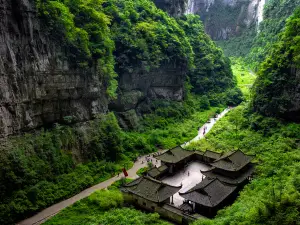


Where to stay





What to eat





Chongqing Moments: Through Travelers' Eyes

cyberpunk City

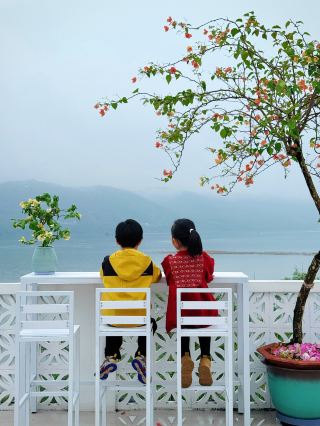
1 hour from Chongqing! This newly discovered gem of a homestay is unbelievably beautiful

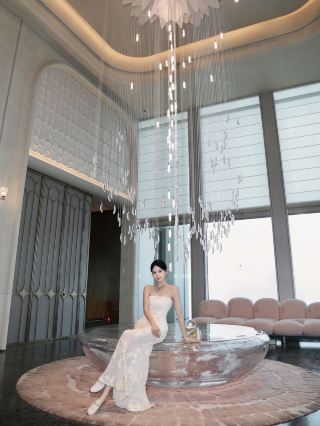
This Chongqing hotel is a must-recommend after my stay

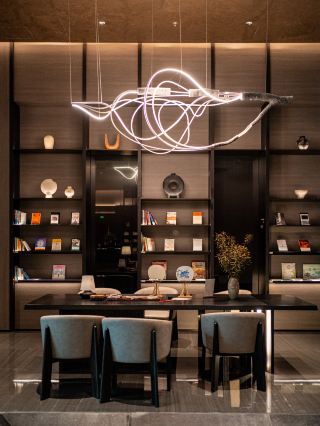
Chongqing Jiangbeizui Top Pick | A Very Comfortable Stay at Atour 3.6

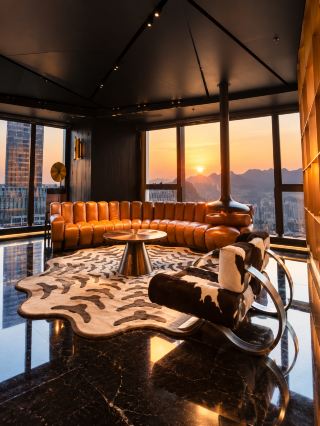
# Are Chongqing hotels really this competitive? Enjoy the night view of the two rivers from the 44th floor

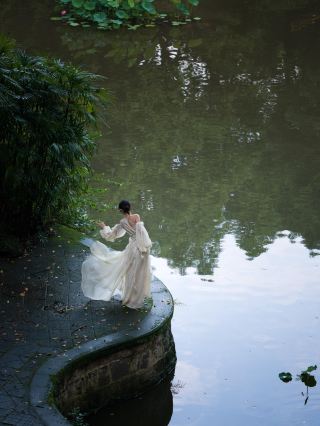
After Rain, Eling Park Turned into a Little Jiangnan 🌿

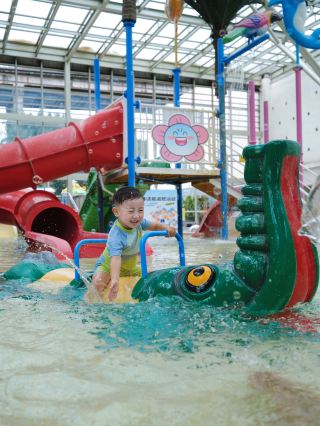
It's not that I can't afford Hokkaido, it's just that Chongqing hot springs are a better value

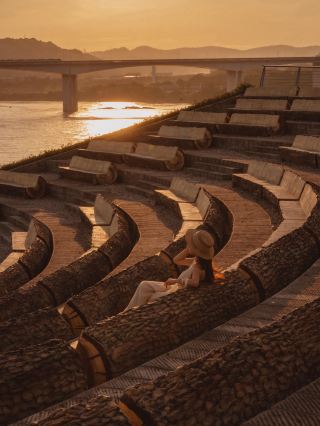
I Found an Empty Sunset Theatre by the Yangtze 🌅
Chongqing FAQ

Things to do near Chongqing for family & child?

How to get to Emeishan from Chongqing?
How to get to Chengdu from Chongqing?
How to get to Jiuzhaigou from Chongqing?
How to get to Wulong from Chongqing?
How to get to Jiuzhaigou from Chongqing?
Best of Chongqing
Top 50 Cultural Hotels in Chongqing


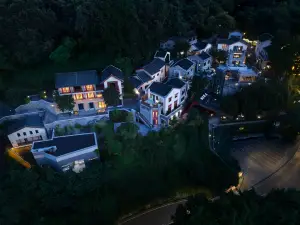




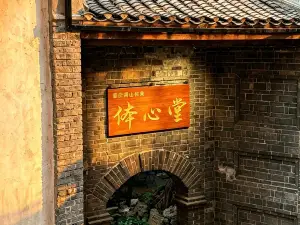

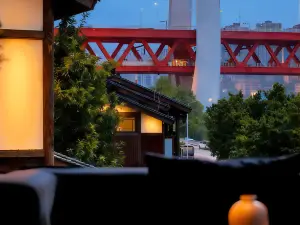


Top 50 Fall Viewing Attractions in Chongqing


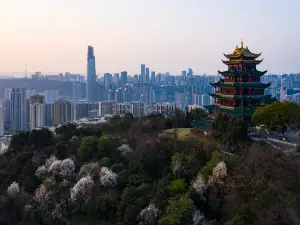





Top 50 Instagrammable Hotels in Chongqing
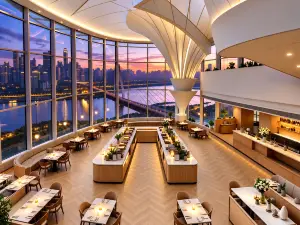


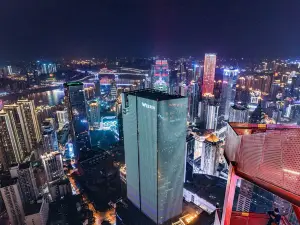


Top 10 Ski Resorts in Chongqing




Top 50 Vacation Homes in Chongqing

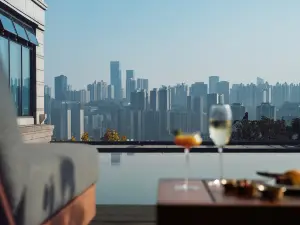


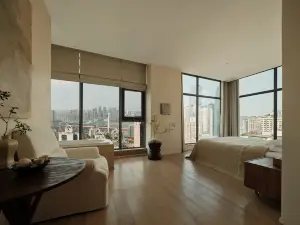
Top 10 Hot Springs Attractions in Chongqing
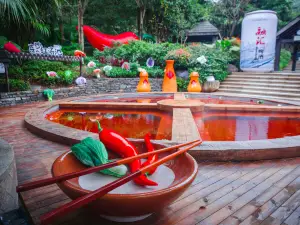
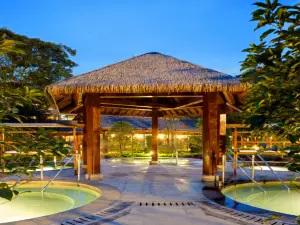


Top 10 Hot Spring Hotels in Chongqing


Top 10 Gourmet Hotels in Chongqing


Popular Ancient Town Hotels in Chongqing
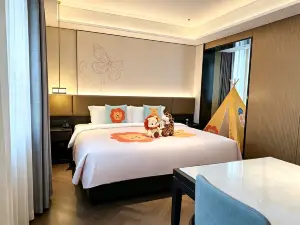
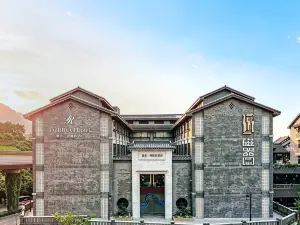
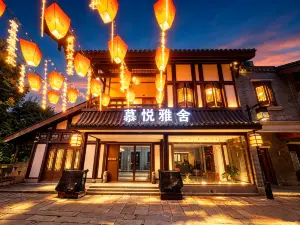
Top 20 Premium Hotels in Chongqing


Other recommended cities

Hangzhou
Shanghai
Chengdu