Kizil Caves
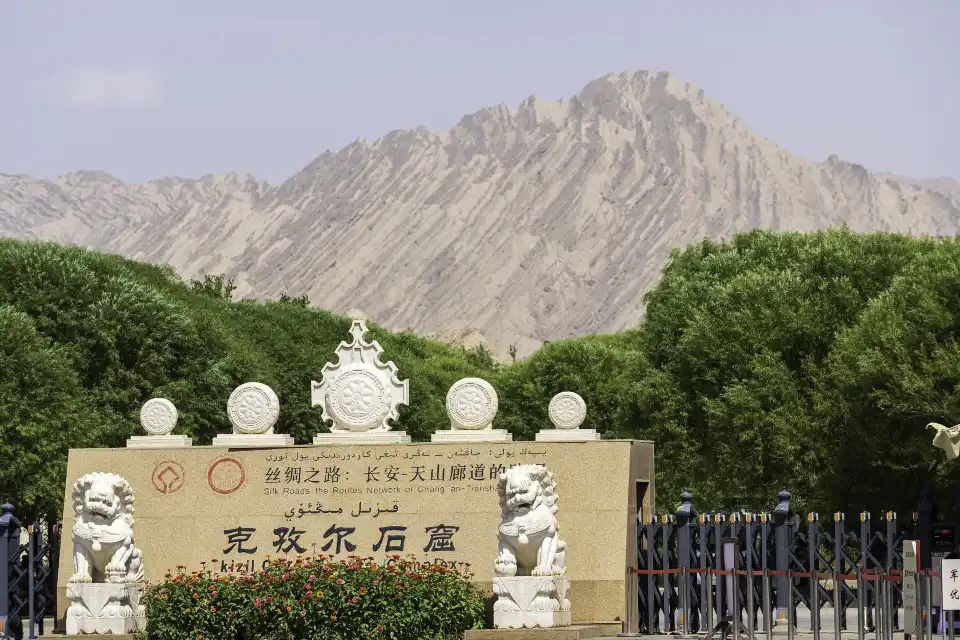
克孜尔千佛洞 based on 17 reviews
Closed for the day Opening hours of Kizil Caves
Kizil Caves Highlights: Must-See Features and Attractions
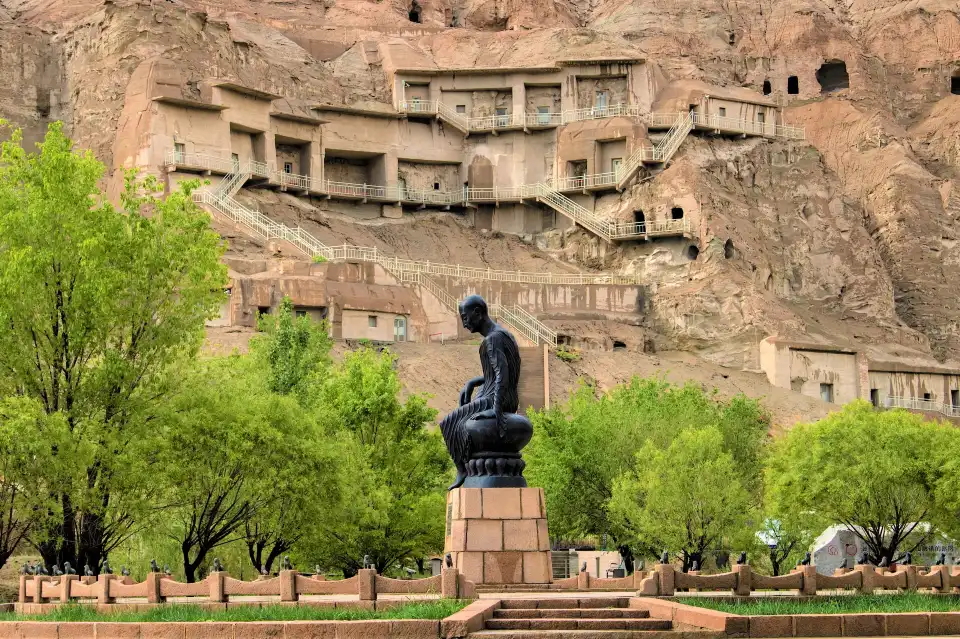
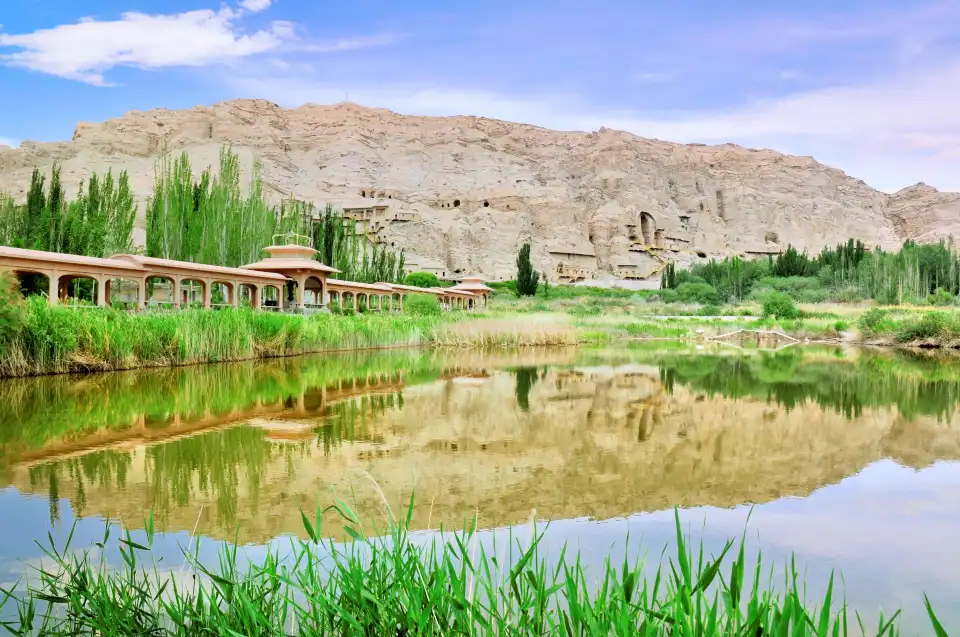
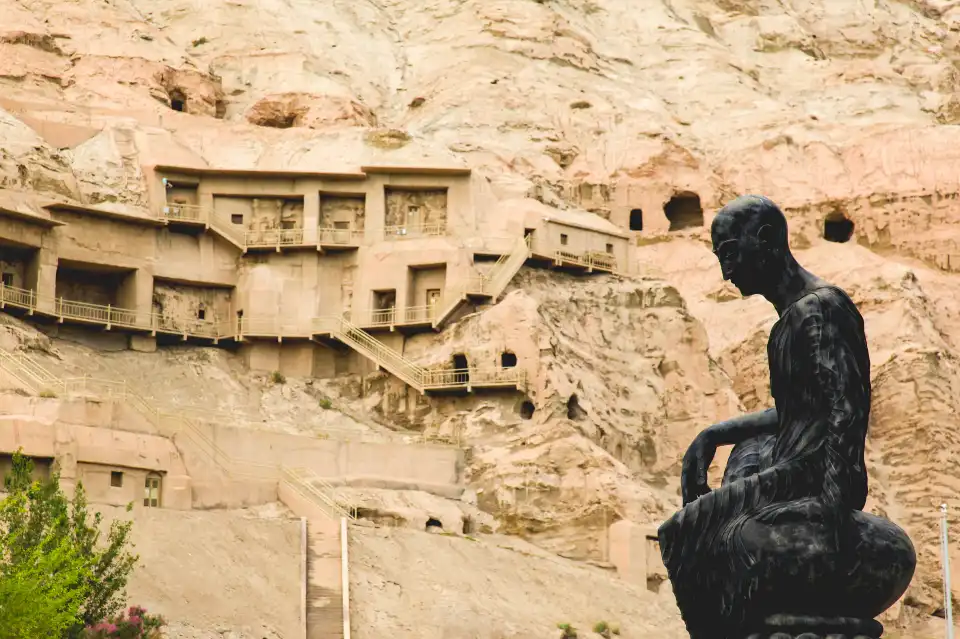
Kizil Caves are carved into the cliffs along the river, making them one of the earliest large-scale grotto complexes in China. The cave layouts generally fall into two categories: one is for worship, viewing statues, and preaching, including central pillar caves with a central pillar for circumambulation and worship, as well as large statue caves with high ceilings and standing Buddha statues on the main wall; the other is for monks to live and meditate, also known as monastic cells, which contain simple living facilities like hearths and sleeping platforms. Caves of different layouts are often distributed in groups, and one group may constitute a single temple.
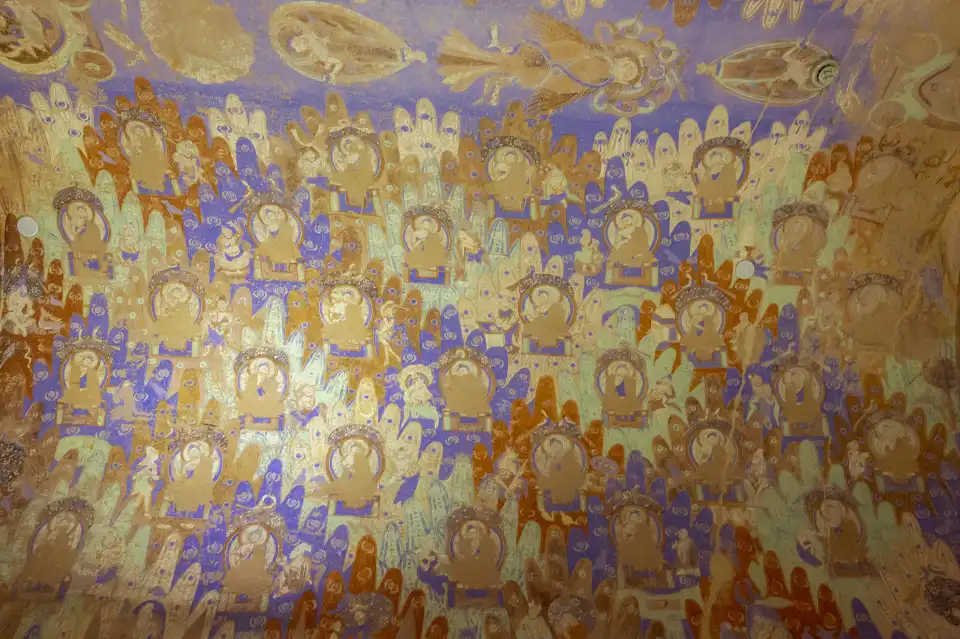
Most of the statues are damaged, but thousands of square meters of murals remain, with themes primarily focusing on the life of the Buddha, karmic tales, and Jataka stories, as well as scenes of Maitreya preaching and monks meditating. The diamond-shaped grid composition on the vaulted ceilings features one painting per grid, covering the entire ceiling with Buddhist stories, which is a typical technique of Kucha murals. The paintings extensively use blue pigment ground from lapis lazuli, which remains vivid even after more than a thousand years. The walls of Cave 38 are painted with about 20 musicians holding instruments like the konghou, pipa, pan flute, and bili, leading researchers to call it the "Music Cave," providing a direct look into the music and dance of Kucha at that time.
A statue of the eminent Kucha monk Kumarajiva stands in the plaza in front of the caves. Looking up from the statue at the row of deep cave entrances on the cliff, and then comparing them with the remaining murals inside, the imagination of the ancient Silk Road kingdom becomes grounded in reality.
Kizil Caves Reviews: Insider Insights and Visitor Experiences
Kizil Caves Photos: Trip Moments
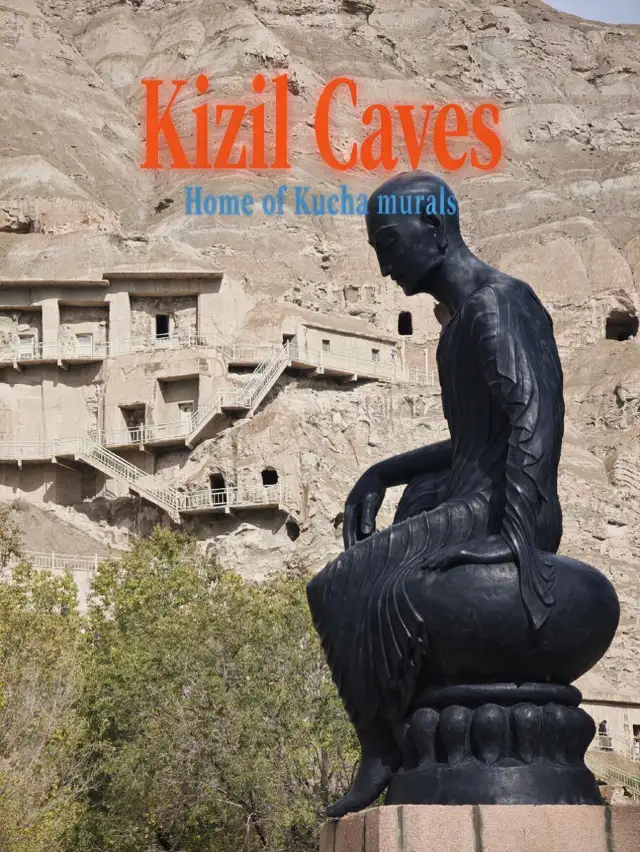 Kizil Caves | A hidden realm of Kucha murals that predates DunhuangWhen visiting Southern Xinjiang, don't miss the Kizil Caves. Many people only know the Mogao Caves, but few realize that this cave complex, located at the foot of Que'ertage Mountain in Baicheng, is the earliest large-scale cave complex excavated in China and is known as the hometown of Kucha murals. Unlike bustling tourist spots, it is quiet and restrained, carrying the weight of history polished by wind and sand, making it perfect for slowing down and savoring. 🌿 The first sight upon arrival: the vastness of the wild The caves are distributed along the cliffs of the Muzart River. The yellowish-brown mountains stretch endlessly, and the river flows quietly at the bottom of the valley, open and desolate. There is no ornate gate or scenery; as far as the eye can see, there is only the Gobi, the river valley, and the cliffs. The biggest difference between the Kizil Caves and other caves is its layout. The individual caves are scattered across the cliffs. As you walk slowly along the path, the view unfolds bit by bit. The wind blows from the valley, and with only the sound of the wind in your ears, you can instantly calm your mind and shed the restlessness of your journey. 🎨 On the rock walls, a thousand years of Kucha splendor are preserved The murals here predate the Mogao Caves in Dunhuang. A thousand years ago, Kucha artists ground lapis lazuli, ochre, and malachite to paint on the rough rock walls. The content of the murals mainly focuses on Jataka tales, and the diamond-grid composition is a unique hallmark of Kizil. Inside each diamond grid, ancient stories are told—flying devatas, musicians, animals, and landscapes, all with lively and elegant lines. Due to historical reasons, many murals are damaged, colors have peeled off, and many statues are gone. At first glance, it might seem dilapidated, but it is precisely this imperfection that has a more striking power. The remaining colors are still bright, allowing you to imagine how colorful the rock walls were back then. Guides will take you into the caves in groups. Photography is strictly prohibited inside the caves, and you cannot shine flashlights directly on the murals. With no photos to keep, all the awe must be remembered by the eyes. This regret of not being able to take photos actually makes the viewing process more focused. 📖 Visiting tips: know these in advance to double your experience ▪️Visit process: First, watch two documentaries at the Digital Exhibition Center to learn about Kucha history and the stories behind the murals. Then, take the shuttle bus to the cave area and follow the guide into the caves in groups. The documentaries are highly recommended; watching them before seeing the actual sites will give you a much deeper understanding. ▪️Caves: The open caves are rotated, so the caves you can visit each time are not fixed—it's all about serendipity. ▪️Attire: It is cool inside the caves and windy in the valley, so long sleeves are recommended. Avoid wearing overly revealing clothing. Be sure to use sun protection, as the Gobi sun is very strong. ▪️Important reminder: Photography and video recording are strictly prohibited inside the caves. Flash can cause irreversible damage to the murals. Do not touch the rock walls. ▪️Duration: It is appropriate to reserve 2.5–3 hours in total for the Digital Center + cave trails, allowing for a relaxed pace. 💡 A few personal thoughts Many tourists are in a rush and skip the Kizil Caves to head straight to popular internet-famous spots. But in my eyes, the soul of Southern Xinjiang is hidden in these Silk Road relics. Re'sitan Road is full of vibrant, everyday life; the Tianshan Grand Canyon is a masterpiece of nature's craftsmanship; and the Kizil Caves are a spiritual poem left on the earth by ancient Kucha. It is not noisy or flashy; it carries imperfection and tranquility. Standing beneath the cliffs, looking at those thousand-year-old murals, it feels as if you can hear the lingering echoes of Kucha music and dance from a millennium ago. If you come to Baicheng, set aside half a day for Kizil to encounter the Kucha civilization that spans a millennium.SerenadeWhispers

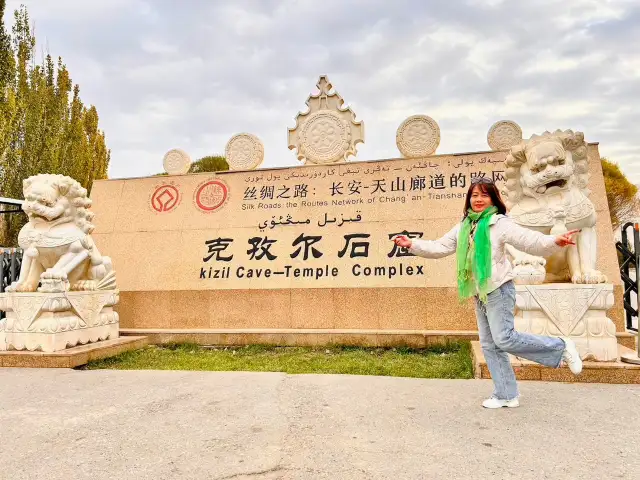 Kizil Thousand-Buddha Caves.Located in Baicheng County, Xinjiang, China, the Kizil Thousand-Buddha Caves are carved into the steep cliffs at the southern foot of the Tianshan Mountains. As one of China's earliest large-scale Buddhist grotto complexes, its history dates back to the 3rd to 8th centuries AD. It stands alongside the Mogao Caves in Dunhuang as a premier representative of ancient Chinese Buddhist art. Originally consisting of over 300 caves, around 200 remain today. The complex features diverse architectural layouts, including central-pillar caves, monastic cells, and worship halls. Its true crowning glory lies in the extensive murals preserved within. Depicting the Buddha's past lives (Jataka tales), karmic parables, and religious rituals, the art style seamlessly blends Indian, Persian, and Central Asian influences—a testament to the cultural flourishing of the ancient Kucha Kingdom. Distinct from the Buddhist art of China's Central Plains, the Kizil murals are characterized by their vibrant colors, strong three-dimensional figures, and continuous narrative compositions. Widely regarded as one of the earliest treasure troves of Buddhist art along the Silk Road, these murals hold immense religious significance and provide invaluable insights into early East-West cultural exchanges. 📸 Travel Photography Tips: · The soft light of early morning or late afternoon is ideal for capturing the rugged exterior of the grottoes and the striking textures of the landscape. · Keep in mind that interior photography is prohibited in most caves; take this time to immerse yourself in the space and appreciate the interplay of light and shadow. · Incorporate the surrounding desert and canyon scenery to give your shots a profoundly historic and beautifully desolate atmosphere.Peter lee 彼得大帝1

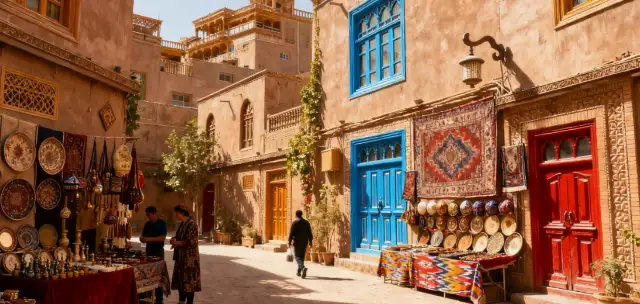 I was in Southern Xinjiang, encountering a magical journeyI had long heard that Southern Xinjiang holds a romance unique to itself. This time, I finally embarked on a 12-day, 11-night trip through Southern Xinjiang, starting from Kashgar and ending in Urumqi. Along the way, it truly felt like living a splendid dream~ As soon as I arrived at Kashgar Old Town, I was captivated by the scene before me 🥰. The ancient buildings were arranged in an orderly yet charming way, with brightly colored doors, windows, and walls, as if every corner was telling a long-standing story. Walking along Hetian Old Street, the rich ethnic atmosphere hit me instantly. The distinctive handicrafts and the aroma of delicious food kept my eyes glued, wishing I could take every single thing with me in my eyes. Next, I went to the secret Tatat Mystic Lop Nur Lake, where the scenery was simply breathtaking 🌊! The lake water was crystal clear, surrounded by desert and poplar trees that complemented each other, forming a stunning picture. I also experienced drone aerial photography; from high above, the grandeur of the entire area was fully visible, making me feel like I had a "God’s eye view"—super cool~ At the Muji volcanic crater, I was even more amazed by nature’s craftsmanship 😮. The unique volcanic landforms looked like the Earth had accidentally spilled its paint palette, with all kinds of strange colors intertwined. Standing there, I felt as if I had become one with heaven and earth. The Red Flag Lap Port’s national gate was solemn and sacred, filling me with a strong sense of pride 🇨🇳. The Panlong Ancient Road’s winding and twisting highway resembled a giant dragon coiling through the mountains. Driving on it was thrilling and fun, with every turn bringing a different surprise. The Kizil Thousand Buddha Caves were also worth seeing; although the ancient murals have weathered the years, their exquisite details are still visible, as if they could take me back thousands of years in time. The special experiences during the trip were fantastic too! Visiting a Tajik family, the warm hosts prepared special local dishes for us. Chatting with them and listening to their ethnic stories felt especially heartwarming ❤️. Also, the popular Xinjiang yogurt was rich and creamy, with a sweet and sour taste that instantly delighted my taste buds~ By the way, the accommodations this time were especially comfortable. The hotels were very nice, allowing me to rest well after each day’s activities and recharge for the next day’s journey. Plus, the travel agency’s little steward service was very thoughtful; whenever there was a problem, they helped solve it promptly. Really reliable~ This 12-day Southern Xinjiang trip allowed me to encounter breathtaking scenery, experience interesting activities, and feel warm hospitality. It was truly an amazing journey, and I hope to have the chance to come again in the future~Luna@890 Foster1

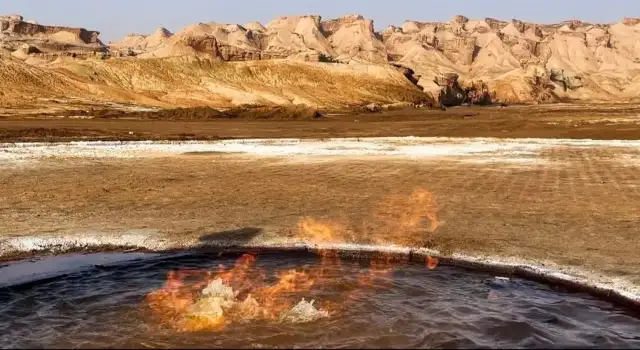 The Kizil Township Red Stone Forest Scenic Area in Baicheng County, Aksu, Xinjiang: The Fiery SpringForget the saying that water and fire are incompatible. In Xinjiang, tossing a flame into a spring can create a romantic scene in the wilderness. On the vast expanse east of Baicheng County, Aksu Prefecture, Xinjiang, at the southern foot of the Tianshan Mountains, lies a vast Yardang landform—the Kizil Township Red Stone Forest Scenic Area. This hidden gem is famous for its "Fiery Spring." There are two Fiery Springs here, one dry and one wet. They ignite when exposed to fire, yet the flames don't extinguish the water, creating a unique spectacle of "water and fire blending." The Fiery Spring is a natural phenomenon where underground natural gas, due to crustal movement and geological structure, rises through cracks and pores to the surface and reacts with oxygen in the air, producing flames. The blazing fire and spring water intertwine; water cannot extinguish the fire, and fire cannot dry up the water. It's a truly magnificent sight. The land surrounding the Fiery Spring exhibits unique textures and colors due to the saline-alkali influence of the Yardang landform. If you happen to be passing through Baicheng, be sure to visit between 8 and 9 pm. Gather around the Fiery Spring, look up at the stone forest bathed in the golden hues of the setting sun, and experience a romantic and magnificent scene.Samuel Harrington

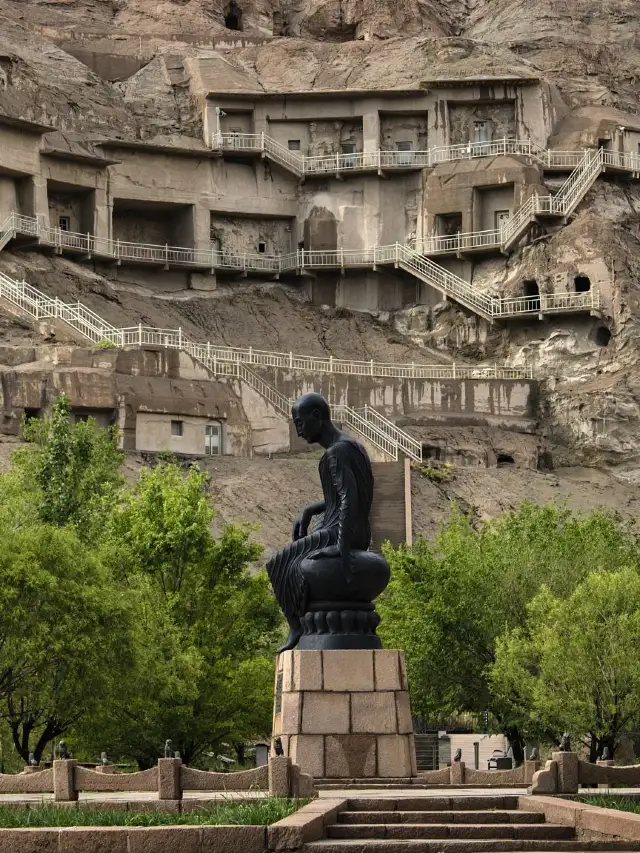 Don't miss these must-visit hidden gems for your 2-day Aksu tripHey everyone! Here is your 2-day Aksu travel guide! The Kizil Caves went viral after the "Silk Road Ancient Rhyme" performance at the Spring Festival Gala. There is also an all-inclusive, worry-free itinerary where you can view thousand-year-old murals, visit the Musician Cave, and immerse yourself in Qiuci music and dance. Don't miss out! . Don't scroll away! All the essential tips are below. . Must-visit attractions: 🗻 Tianshan Tomur Grand Canyon, Xinjiang: A living museum of geological evolution 🏯 Kuqa Wangfu: Rich in Uyghur and Qiuci cultural features with colorful scenery 🎨 Kizil Thousand Buddha Caves: One of the earliest and largest existing sites with unique cave shapes and magnificent murals! It went viral after the "Silk Road Ancient Rhyme" performance at the Spring Festival Gala. You can see the "Flying Apsaras" in the thousand-year-old murals up close, and enjoy digital exhibitions and VR experiences for an immersive feel of Qiuci music and dance. It is super interesting! . Notes: 1. The Kizil Caves are a must-visit.✨ They became popular after the "Silk Road Ancient Rhyme" performance at the Spring Festival Gala; be sure to take a close look at the "Heavenly Palace Music" in Cave 38! 2. You can take a bus from the airport to the city, or ask for the taxi fare in advance for a smoother ride.✈️ 3. Local specialties like walnuts and raisins are reasonably priced, so buy as you need.🥜 4. You must try the pot meat and baked buns; they are incredibly delicious.😋 5. Don't miss the VR experience at the Qiuci Museum for an immersive look at Silk Road culture.📜 . Click the card below to unlock exclusive travel deals.AvaMacLeod92

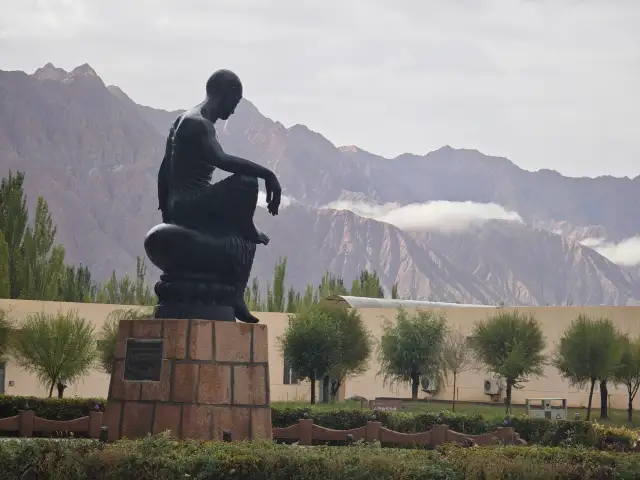 Kizil Caves | Explore the hidden Buddhist realm of the Western Regions that predates Dunhuang by 200 years📍Kizil Caves (Kizil Thousand Buddha Caves), located in Baicheng County, Aksu, is the earliest large-scale cave complex in China and a World Heritage site! Excavated in the 3rd century, it predates the Mogao Caves by over 200 years✨ A pinnacle of ancient Kucha Buddhist art, famous for its unique diamond-grid murals and Kucha blue pigment, it's absolutely stunning! 💡Key highlights & must-visit spots Admission is CNY 70 (includes shuttle bus). Currently, 6 caves in the West Valley are open. You must follow a guide to visit, and photography is strictly prohibited inside the caves📵 ✨Cave 38 (Music Cave): Features murals of celestial musicians and dancers; the flying apsaras are incredibly lifelike. It's the most popular cave! A must-see for music lovers🎵 ✨Cave 17: Diamond-grid Jataka story murals with well-preserved colors and a wall full of thousand Buddhas. The visual impact is incredible! ✨Cave Art Museum: High-definition mural replicas. Can't quite grasp the caves? Visit here first to double your understanding📚 ✨Kumarajiva Square: Feel the profound atmosphere of the great monk's hometown, a spiritual recharge station for culture lovers🔋 ✨Cave Observation Deck: Overlook the panoramic view of the cliffside caves along the Weigan River. Every shot is a masterpiece📸 🗺️Recommended tour route Visitor Center ▶️ Cave Art Museum ▶️ Take the shuttle bus to the cave area ▶️ Follow the guide to visit the open caves in the West Valley ▶️ Kumarajiva Square ▶️ Observation deck for panoramic photos. The whole trip takes 2–3 hours and is easy and relaxing~ 🌄Recommended one-day itinerary nearby Drive about 1.5 hours from Kuqa to reach the Kizil Caves. On the way back, stop by: 1️⃣ Kizilgaha Beacon Tower: A Han Dynasty beacon tower and World Heritage site. It's absolutely stunning at sunset🌅 2️⃣ Subashi Buddhist Temple Ruins: An ancient temple site visited by Xuanzang, full of desolate atmosphere🏚️ 3️⃣ Tianshan Mysterious Grand Canyon: Red canyon landscape. The perfect combination of culture and nature to complete your day trip!🏔️ 📝Tips: Remember to bring your ID! Don't forget sun protection and hydration! Flash photography and touching the murals are prohibited inside the caves! The best time to visit is May–June or September–October; don't miss out!Noah Martinez.6

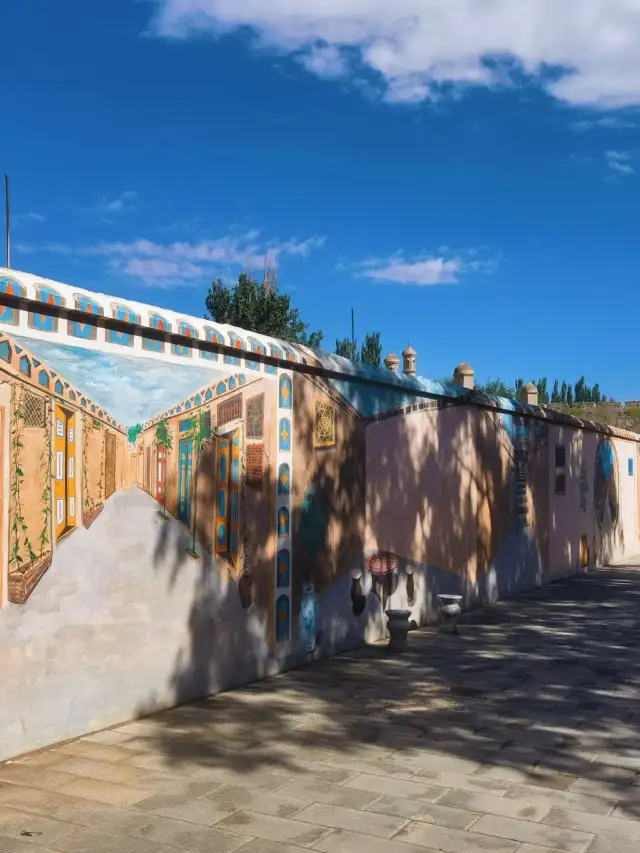 Aksu region 2-day tour packed with essentials, recommended to saveFriends! Aksu is definitely a hidden gem for traveling in Xinjiang. The natural scenery alone is breathtaking. This time, we’ve specially put together an all-inclusive 2-day tour guide covering food, accommodation, and transportation. Just pack your bags and go, enjoy stress-free fun! Whether it’s the magnificent Tianshan secret spots or local specialties, everything is clearly arranged for you. Check it out and save it for your trip! · - An amazing journey awaits below. Start your adventure now ↓ · - must-visit attractions: 📚 Xinjiang Tianshan Tomur Scenic Area · Grand Canyon Known as a living museum of Xinjiang’s geological evolution. Every photo is a masterpiece. The layered canyon is truly breathtaking! 🏰 Kuqa Palace Rich in Uyghur and Kucha cultural features 🎶, with colorful and unique styles. Experience the historical atmosphere and ethnic charm! 🎨 Kizil Thousand Buddha Caves Built early and large in scale, with unique cave shapes and magnificent murals ✨! After the hit "Silk Road Ancient Charm," this has become a popular spot to explore Silk Road civilization. The "Heavenly Palace Music" in the musician’s cave is especially stunning 🎷, and you can also experience the whirling dance in VR, blending technology with tradition! · - Tips: 1️⃣ [Airport transportation] Aksu Airport is 15 km from the city center. It’s recommended to arrange transportation in advance 🚗, as taxis are less convenient at night~ 2️⃣ [July climate] Avoid the midday sun 🌞. Days are hot but mornings and evenings are cool. Remember to bring sunscreen and a light jacket~ 3️⃣ [Local customs] Respect local ethnic minority customs 🙏. Wear long clothes when entering temples and avoid loud noises~ 4️⃣ [Food specialties] Be sure to try roasted buns and mixed noodles 🍴. The staple foods are spicy, so prepare some cooling herbal tea~ 5️⃣ [Outdoor activities] The blooming grasslands and beautiful canyons are worth visiting ✨. Wear non-slip shoes for hiking and stay hydrated~ · - Tap below to easily enjoy the all-inclusive package and start a great-value holiday!DreamChaser123!

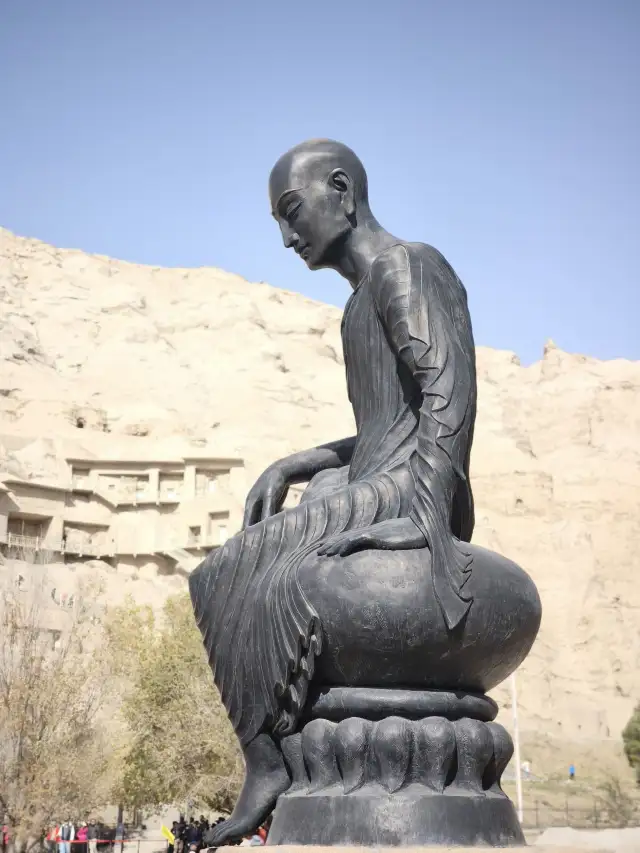 The one-day chartered car service in Kuqa and Baicheng is so worth it! A double harvest of cultural history + natural wondersI booked the one-day chartered car service in Kuqa/Baicheng based on Trip.com's recommendation, and the experience truly exceeded my expectations! The itinerary perfectly combined cultural history and natural wonders, making for a very rewarding day 🎉 In the morning, we strolled through the Kizil Thousand Buddha Caves, where the depth of thousand-year-old mural art and Buddhist culture really hits you, allowing you to quietly feel the weight of history. In the afternoon, we visited the Kizil Red Stone Forest and Flaming Spring. The spectacular Danxia landforms combined with the unique sight of fire being lit on the water were stunning—every photo we took looked like a professional shot 📸 Our driver was a steady, punctual, and reliable professional. The route was well-planned, and they helped us avoid tourist traps and arranged for guides. It was a pure sightseeing experience with no hidden costs. The entire trip was relaxed and efficient—highly recommended! Travel tips: Chartered car travel is worry-free and effortless. Just follow the driver's route, and you can hit all the cultural and natural attractions in one day. The pace is just right~BJU. Mia 3062

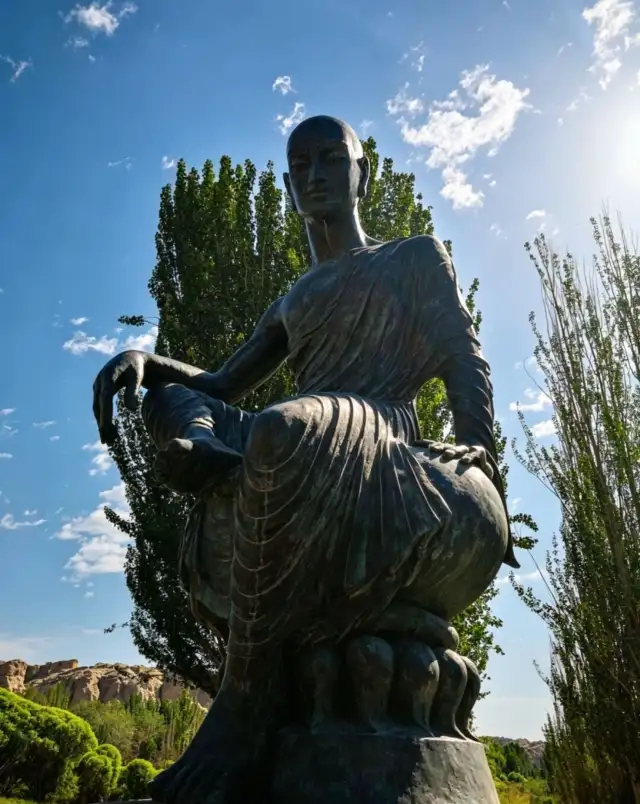 Xinjiang Kizil | Encountering the Millennium KumarajivaVisiting the Kizil Caves in Kuqa, Xinjiang, was the most healing and awe-inspiring part of my journey through the Western Regions. This is the ancient sacred land of Kucha and the hometown of the great monk Kumarajiva. Standing before the Thousand Buddha Caves, I instantly understood what it means to have a "thousand-year cultural heritage, nourishing silently." As the foremost of China's Four Great Buddhist Translators, Kumarajiva traveled westward during turbulent times and translated scriptures in Chang'an, completing 74 sutras in 384 volumes throughout his life. He broke the constraints of obscure ancient translations, making Buddhist texts elegant in rhythm, concise in wording, and profound in meaning—combining the solemnity of Sanskrit classics with the beauty of Chinese. What moves people even more is that everyday words we casually use—world, cause and effect, reincarnation, compassion, heartland, the vast world, heart-to-heart connection, immaculate—are all derived from his translations. The wisdom from a thousand years ago has long been integrated into the daily language and spiritual world of the Chinese people. Standing quietly with my family before the statue of the master to pray, gazing at the weathered cave murals, with the evening breeze cool and the atmosphere serene and solemn. Compared to bustling tourist spots, this place is better suited for calming the mind, emptying thoughts, and touching the depth of history. The real experience is never just checking off a scenic spot, but crossing time and space to converse with the sages. Only after visiting Kizil can one truly understand the gentleness and profoundness of the Western Regions.RoamingVoyager.

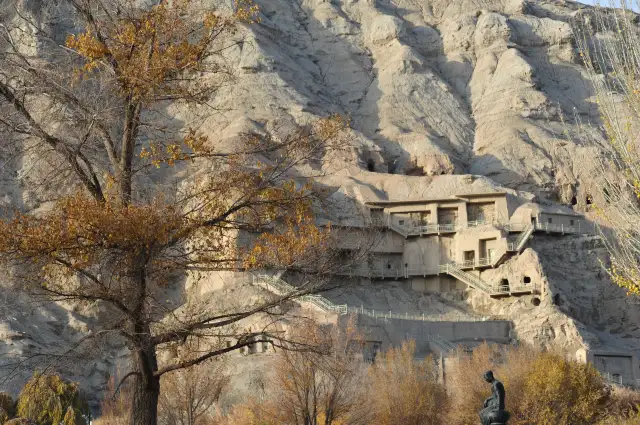 Kizil Thousand-Buddha Caves Travel Guide~🌈Highlights: Only 6 caves are open to the public. The guide said there are more than 3,000 caves, but all the statues were taken by foreigners, so there are only paintings and caves left. It is now an archaeological site. 🕐️Opening hours: There are only 1,000 tickets available each day. The attraction closes at 19:00. You need to book tickets one day in advance. Most visitors are elderly people. I don't think it's very interesting. 🏝️Recommended route: I went there after visiting the Red Stone Forest. It is a 40-minute drive from the Red Stone Forest and 72 km from Kuqa. 💗Other tips: 1. Drones are not allowed. You need to leave your drone in the car. Drones are not allowed within 5 km of the attraction. 2. You need to store all your bags before entering the caves. Cameras are not allowed in the caves, but you can take your phone. 3. You are not allowed to record or take photos during the tour. You can only listen to the guide. I don't think it's very interesting. 4. The ticket price is about CNY 70. I bought a discounted ticket for CNY 35. The guide will take a group of 10 people into the caves.Gastronomic Adventures

 [Xinjiang Aksu Super Guide] — Explore the Magical Treasure at the Foot of the Tianshan Mountains!Did you know? Aksu is not just a geographical name; it’s a magical land full of countless surprises and legends! Whether you love adventure, culture, or just want to relax, this place has it all! Ready? Let’s embark on this journey full of wonders together! 🚀✨ 🔥[Hot Highlights]🔥 Aksu, a treasure hidden on the southern slopes of the Tianshan Mountains! Here you’ll find ancient cities thousands of years old, mysterious grottoes, magnificent canyons, and enchanting ethnic customs. Come with me, and in one trip, you’ll gain a heart full of emotions and stories! 🌄🎉 1. Baicheng — A Journey Through Millennia of Ancient Charm 🏺 Baicheng is Aksu’s cultural gem! It was once an important node on the Silk Road. The ancient city walls, traditional handicrafts, and rich ethnic customs will make you feel like you’ve traveled back to the prosperous times thousands of years ago. Don’t forget to try the local specialties — lamb kebabs and baked naan bread, guaranteed to explode your taste buds! 🤤🔥 Recommended spots: ✔️ Baicheng Ancient City Wall ✔️ Local Ethnic Handicraft Market ✔️ Specialty Food Street 2. Daolang Tribe — Experience the Pristine Ethnic Charm 🌿🎶 The Daolang Tribe is one of the most representative ethnic settlements in Aksu. The locals are warm and hospitable, preserving their ancient way of life. Step into the tribe, listen to a folk song, sip some butter tea, and time seems to slow down. Don’t forget your camera to capture those innocent smiles and colorful ethnic costumes! 📸💖 Highlights: ✔️ Ethnic Dance Performances ✔️ Unique Handicraft Experiences ✔️ Untouched Natural Scenery 3. Kizil Grottoes — A Millennia-Old Mural Miracle 🖼️⛪ As a cultural treasure on the Silk Road, the Kizil Grottoes are famous for their exquisite murals and Buddhist art. Walking into the grottoes feels like stepping into the Buddhist heyday thousands of years ago. Each mural tells an ancient story that inspires awe. This place is not only a temple of art but also a sanctuary for the soul. 🧘♂️✨ Must-see: ✔️ Detailed Mural Appreciation ✔️ Grotto History Stories ✔️ Quiet Meditation Moments 4. Tianshan Grand Canyon — A Natural Wonder 🌊🏞️ Last but not least, don’t miss the Tianshan Grand Canyon! Here you’ll find bizarre peaks, emerald streams, and cascading waterfalls. Hiking through it, you’ll feel the power and tranquility of nature, instantly forgetting the city’s hustle and bustle. Bring your camera and good mood to capture the most breathtaking scenery! 📷🌈 Recommended activities: ✔️ Hiking and Adventure ✔️ Waterfall Viewing, Sunrise and Sunset Photography ✔️ Picnicking and Camping Experience Tips: ✅ Best travel time: Spring and autumn, with pleasant weather and the most beautiful scenery! ✅ Transportation advice: Arrange your transport in advance. Aksu is vast, so renting a car for self-driving is recommended! ✅ Safety reminders: Prepare for altitude sickness and weather changes with proper medicine and clothing! 🌟[Conclusion]🌟 Aksu, a land full of mystery and charm, is waiting for your exploration! Bring your curiosity and courage to discover those hidden beautiful corners! Every journey is the most precious memory in life. Come join me, and together at the foot of the Tianshan Mountains in Xinjiang, let’s write our own story! 🌍✈️ Like this guide? Give it a thumbs up and share it to let more friends feel the charm of Aksu! 💖🤝Price_Caleb_97

- 新疆攻略
- 阿克蘇旅行
- 西域人文
- 自然美景
- 旅行打卡
Magnificent Danxia Landform and Stunning Canyon SceneryThis time, we’re not sharing a trip to a popular metropolis, but instead taking you to explore a lesser-known yet unforgettable gem: Aksu, China. Located in the southwestern corner of Xinjiang, Aksu is known as the "Jiangnan Beyond the Great Wall," boasting grand natural landscapes and rich cultural heritage. Aksu is more than just a city; it connects the southern foothills of the Tianshan Mountains and the banks of the Tarim River. Whether you’re a nature enthusiast or someone eager to experience the unique charm of Xinjiang, Aksu will captivate you. Highlights of Aksu The most distinctive feature of an Aksu trip is its blend of desert, oasis, snow-capped mountains, and cultural heritage. The itinerary includes visits to the Kizil Thousand-Buddha Caves, Kuqa Grand Canyon, Tarim Poplar Forest, and the culturally vibrant streets of the city. Each attraction offers a sense of purity and closeness—perfect for photography, food, leisurely walks, or simply unwinding. Recommended Attractions 1. Kizil Thousand-Buddha Caves One of China’s oldest grotto temples, housing numerous murals and Buddhist cultural artifacts. Early reservations are recommended, and the on-site guides are highly professional, providing insights into the millennia-old civilization of the region. 📍 Address: Kuqa County, Aksu Prefecture, Xinjiang ⏰ Opening Hours: Daily 9:00 AM - 6:00 PM (slight adjustments on weekends and holidays) 2. Kuqa Grand Canyon The red rock walls within the canyon resemble an alien landscape. The hiking route is not too challenging, but wearing proper sports shoes is advised. During summer, the canyon is exposed to strong sunlight, so bring a hat, sunscreen, and other protective gear. Small stalls inside the canyon sell water and snacks, so no need to worry. 📍 Address: Near National Highway 318, Kuqa County, Aksu Prefecture, Xinjiang ⏰ Opening Hours: Daily 8:00 AM - 7:00 PM 3. Tarim Poplar Forest Every autumn, the golden poplar forest is breathtakingly beautiful, with the trees reflecting on the lake. Early October is the best time to visit for stunning photos. 📍 Address: Around the Tarim River, Shaya County, Aksu Prefecture, Xinjiang ⏰ Opening Hours: Open all day, best in autumn 4. Aksu Old Town The old town of Aksu is full of ethnic charm, with street corner cafes and local lamb skewer stalls. A stroll here offers a completely different pace from inland cities. Evening visits are recommended to experience the laid-back Xinjiang lifestyle. Practical Travel Tips 1. Aksu is a remote area with long distances between attractions. Plan your transportation in advance, consider hiring a driver or renting a car, or book shuttle buses on platforms like trip.com. 2. Xinjiang’s air is dry, and the temperature difference between day and night is significant. Bring sunscreen, hydrating products, and a light jacket. 3. Prepare enough drinking water before entering the poplar forest and canyon. Local restaurants mainly serve beef and lamb dishes; try the vegetable platters, roasted buns, and thin-skinned dumplings—they’re excellent! 4. Photography is prohibited in some caves of the Kizil Thousand-Buddha Caves. Please respect the site’s regulations. 5. Mobile payment may not be convenient in some parts of Xinjiang, so carrying cash is advisable. Transportation Guide Aksu has a civil airport with flights connecting to major cities like Urumqi. Avoid traveling during the harsh winter or peak seasons for better ticket prices. Taxis and shuttle buses are available in the city to reach major attractions.震彈彈1
Other visitors' reviews of Kizil Caves
Show More ReviewsThe murals in Kizil Thousand Buddha Caves are badly damaged, which makes people sad. Among the few open caves, none of them are well preserved. Some tourists complained that they could not see anything. In fact, how many people can understand the ancient murals and the Western Region culture? I don’t understand it either, but I think it is a blessing to be able to stand in this Buddhist land!