Dushanzi Grand Canyon
独山子大峡谷 No. 9 of Best Things to Do in Northern Xinjiang
Closed for the day Opening hours of Dushanzi Grand Canyon
Dushanzi Grand Canyon Highlights: Must-See Features and Attractions
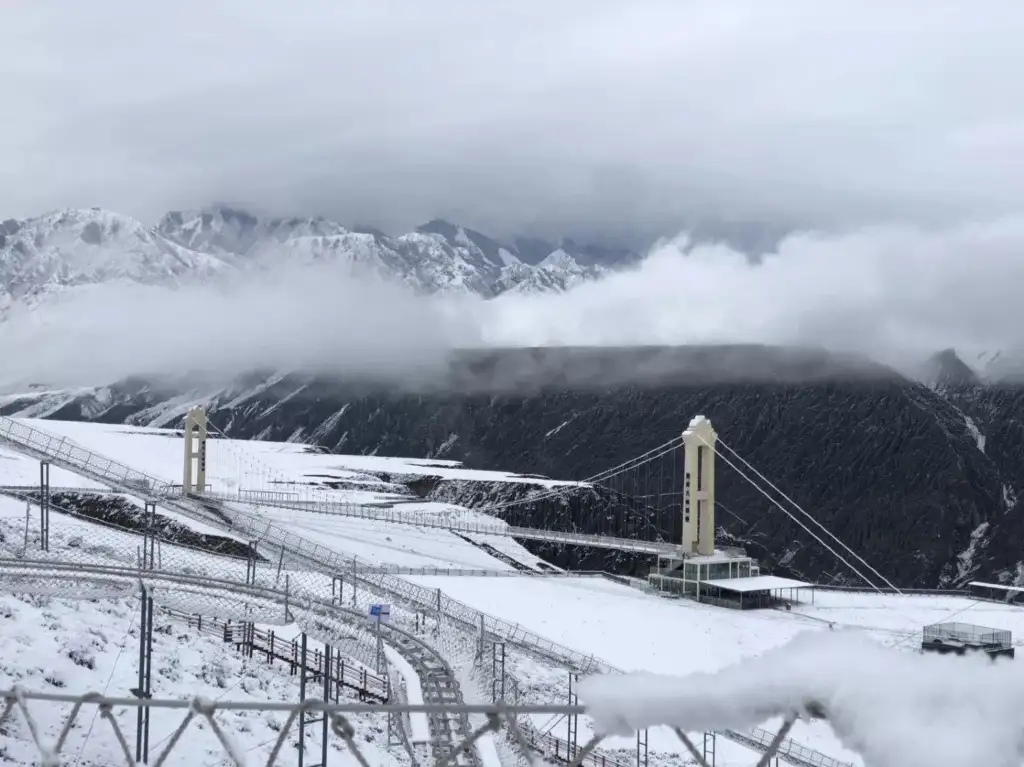
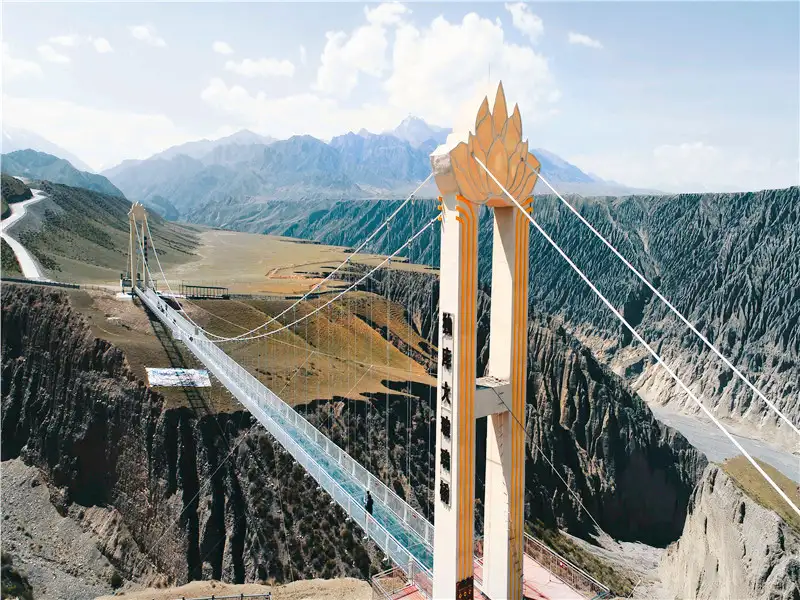
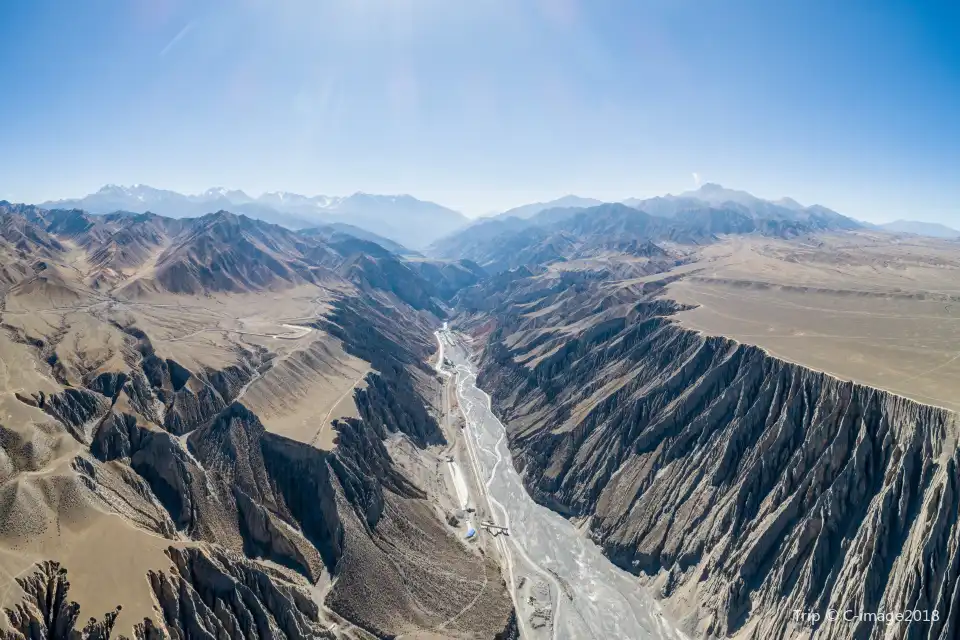
Dushanzi Grand Canyon is located in Dushanzi District, Karamay City, Xinjiang, about 28 km south of the urban area, with accessible roads for vehicles. The canyon floor is 100–400m wide, while the canyon shoulders span 800–1,000m. With a height of up to 200m from base to shoulder and an elevation of 1,070m, this attraction features spectacular canyon terrain.
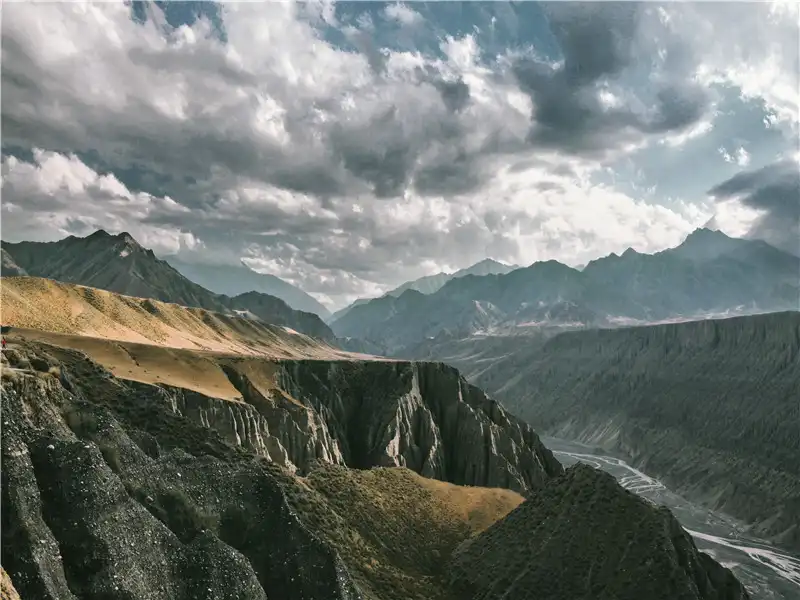
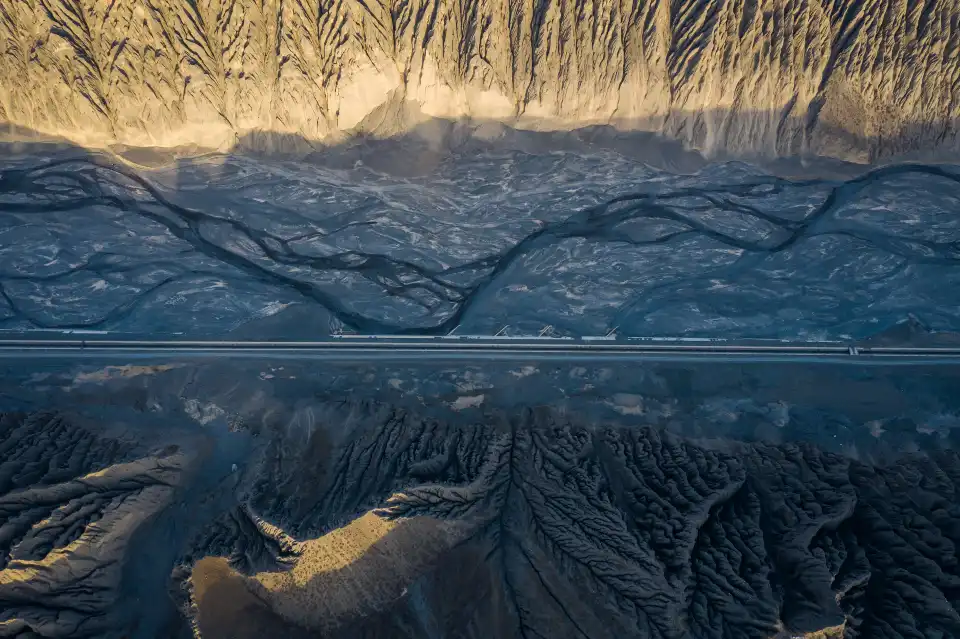
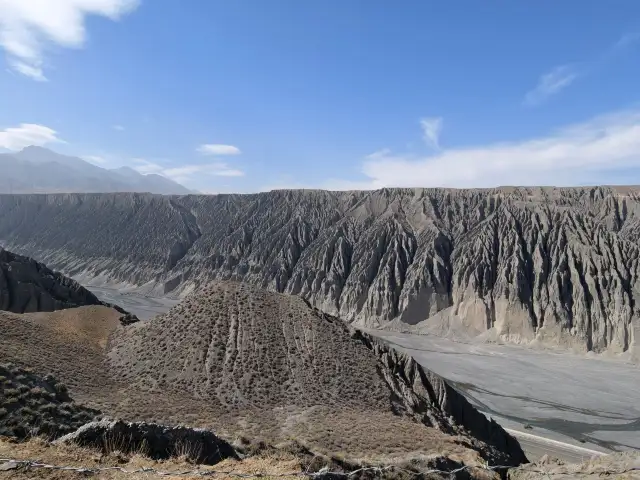
After breaking through the Tianshan Mountains, the river carved out a spectacular canyon in the sloping plains southwest of Dushanzi. The terraces on both sides of the canyon are clearly visible, with at least nine distinct levels. The terrace surfaces feature desert grasslands dotted with wormwood and feather grass. Within Dushanzi, the Kuitun River flows through the Dushanzi Grand Canyon, which runs nearly north-south. The canyon walls are steep cliffs, while the river at the bottom alternately converges and diverges. The canyon shoulders are covered in desert grasslands. Standing at the canyon's edge, visitors are treated to a classic grand canyon panorama.
The meltwater from Tianshan Mountain and rainwater carve out these unique canyon views by forming alluvial gullies through the local soil. The canyon begins at the mountain's base, creating distinct soil layers across the grassland, primarily in shades of gray and black. Though fed by abundant snowmelt, the water turns turbid as it carries sediment through these mineral-rich soils.
Dushanzi Grand Canyon Reviews: Insider Insights and Visitor Experiences
Dushanzi Grand Canyon Photos: Trip Moments

- travel2026
- 新疆
- 大峽谷
- 崖上咖啡店
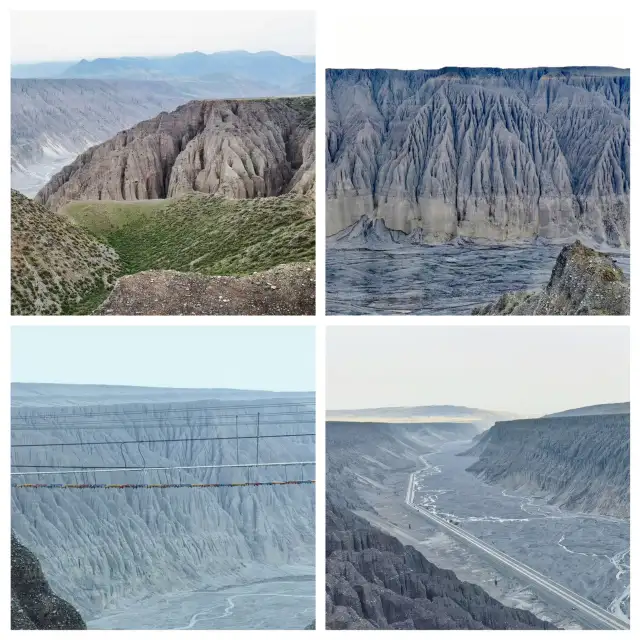
[First Stop in Southern Xinjiang] Dushanzi Grand Canyon Guide: Beyond Stunning Views, Check Out the Ultra-Chill CLIFF CAFÉ!Choosing between Northern and Southern Xinjiang for your first trip? Since my friend had already seen the North, we decided to dive deep into Southern Xinjiang! Our first stop: Dushanzi Grand Canyon—the legendary starting point of the Duku Highway! We lucked out with perfect weather, arriving around 11 AM. The canyon is vast and breathtaking, featuring unique water-eroded landforms and a road snaking through the middle that provides an incredible visual punch. Visiting at the end of the summer meant fewer crowds and a very relaxing vibe. After exploring the trails, we headed to the only panoramic spot in the area, CLIFF CAFÉ. ☕ CLIFF CAFÉ Experience & Budgeting Tips: Vibe: Both indoor and outdoor seating. The interior features industrial design with floor-to-ceiling windows—perfect for photos and relaxing. Food: We had sandwiches and pasta; honestly, the quality was surprisingly good for a tourist spot. Price Warning: It’s pricey. The signature "Shepherd’s Legend" (milk coffee topped with a layer of milk skin) is RMB 67! A simple lunch for three cost over RMB 300. Budget travelers might prefer the eateries at the entrance. 🚠 High-Altitude Thrills (Cable Car & Cliff Walkway): We spotted some brave souls on the cliffside wooden walkway—definitely for the adventurous! We stuck to the cable car for the return trip: Price: ~RMB 40/person (two per car). Experience: You get a bird's-eye view of the canyon, and the open-air breeze is incredibly refreshing in the heat. Sun Protection Tips: The area is very open with almost no shade. Bring hats, sunglasses, and sunscreen to avoid getting burned! We spent over two hours here soaking it all in. Dushanzi Grand Canyon is unique and powerful—a must-visit if you're on the Duku Highway or exploring Southern Xinjiang!車厘子Cherry1
- dushanzigrand
- แกรนด์แคนยอนตูซานจื่อ
- ตูซานจื่อ
- เที่ยวซินเจียง
- xinjiangtravel
- ถนนตูคู่
- dukuhighway
- คาเฟ่หน้าผาซินเจียง
- ไอศกรีมโคนดำแคนยอน
- เที่ยวธรรมชาติ
- รีวิวที่เที่ยว
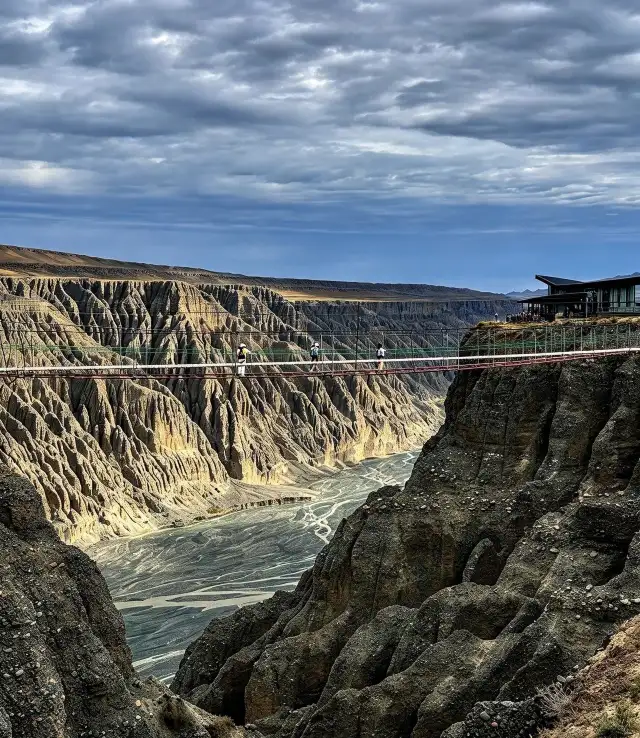
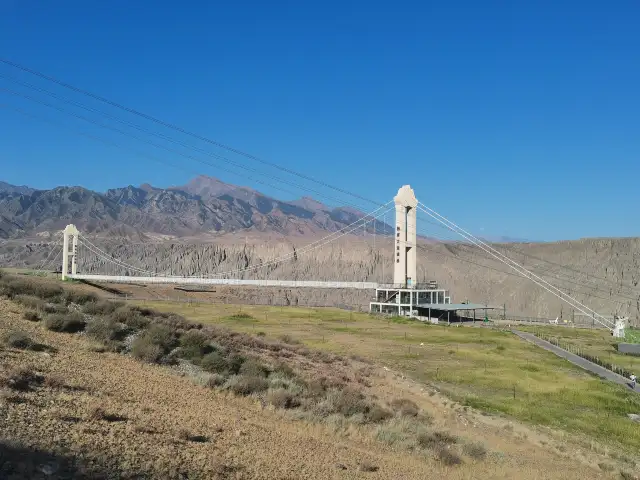
An In-Depth Review of Dushanzi Grand Canyon Cliff Cafe: Experience the Sky Bridge and Breathtaking Canyon Views in Xinjiang 🏔️If you're seeking a destination that offers a blend of "slow life," unique shopping, and spectacular cliffside photo opportunities along China's famous Duku Highway, the Dushanzi Grand Canyon Cliff Cafe (独山子大峡谷) in the Xinjiang Uyghur Autonomous Region is an absolute must-visit. This spot has transformed rugged geological fault lines into a sophisticated and classic retreat. The contemporary black steel architecture of the cafe stretches across the horizon, perfectly complementing the suspension bridge that spans the deep ravine and the jagged, saw-toothed rock formations. Trust me, the real-life scenery is incredibly grand, meticulously designed, and truly a feast for the eyes. ☕️✨ Masterpiece Check-in Spots and Photo Highlights: 1. Panoramic Sky Suspension Bridge: This is the iconic shot everyone recognizes. At eye level, the bridge stretches across the gorge, framed by the canyon walls. The late-morning sun accentuates the textures of the sandstone cliffs and the glistening river below, making it the perfect spot for a wide-angle, chic travel photo. 🌉📸 2. Modern Glass Hall & The Golden-Maned White Horse: A dream for portrait enthusiasts. Massive floor-to-ceiling windows offer sweeping views of the mountain range and the endless highway. Inside, a stylish pure white horse statue with a flowing golden mane adds a high-fashion vibe. The warm, diagonal sunlight creates soft, eye-catching portraits that feel both cozy and sophisticated. 🐎🪟 3. Open-Air Terrace & The Upside-Down Black Ice Cream: Step out onto the concrete terrace to find large, pastel-colored tent pavilions and comfy sofas. It's the perfect spot to enjoy the mountain breeze. Don't forget to photograph your dessert—like the signature upside-down black ice cream—against the backdrop of towering limestone cliffs and dense pine forests. These vertical shots tell a wonderful, relaxing travel story. 🍦🌲 💡 Essential Info and Advice for Travelers: • A Geological Wonder at the Start of the Duku Highway: The Dushanzi Grand Canyon was carved over ten thousand years by snowmelt from the Tianshan Mountains eroding through granite and sediment layers. The park is exceptionally well-managed, featuring sky swings and glass bridges with top-tier safety standards. For the most vibrant views and clear blue skies, visit during the transition between spring and summer (June – September) each year. 🏔️☀️ • Tips: Since the outdoor terrace is exposed to direct sunlight and strong mountain winds, be sure to bring a hat, sunglasses, and wear comfortable sneakers. For content creators, wearing light, solid colors like white or cream will provide a stunning, elegant contrast against the dark steel structures and the earthy tones of the canyon walls. 👒👟Benrii2
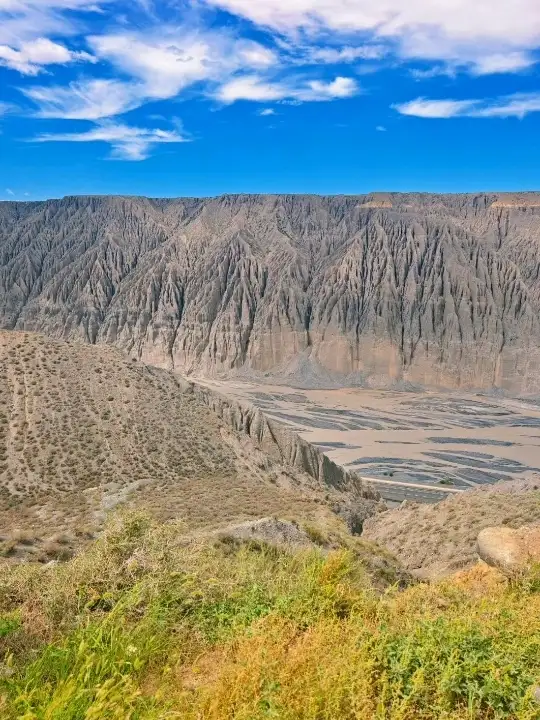 Dushanzi Grand Canyon — The Earth Split Open in XinjiangOn the edge of the Dushanzi District, the Dushanzi Grand Canyon stretches like a vast wound carved into the land—deep, silent, and powerful. Over millions of years, wind and water have cut through the earth, exposing layers of rock in dramatic bands of red, brown, and ochre. The canyon walls drop sharply into narrow ravines, where light and shadow constantly reshape the landscape. From above, the terrain looks almost otherworldly—like a cracked surface revealing the planet’s hidden structure. There is little vegetation here, only raw geology and space. The silence is immense, broken only by wind moving through the canyon. At sunrise and sunset, the entire gorge glows, as if the rocks themselves are absorbing and releasing light. Walking along the edge paths or viewing platforms, the scale becomes difficult to grasp. Every turn reveals deeper folds in the earth, each one telling a story far older than memory. 📍 Location: Dushanzi Grand Canyon 🏜️ Known for: Erosion canyon landscapes, dramatic cliffs, desert geology ✨ Highlights: Layered rock formations, vast canyon depth, sunrise/sunset lighting, aerial viewpoints 📸 Best moment: Golden hour, when the canyon walls turn warm and shadows deepen dramatically Some landscapes are shaped gently. Dushanzi Grand Canyon is shaped by force—time, wind, and the slow breaking of stone. 🏜️✨Emily1013

- chinaextremeadventures
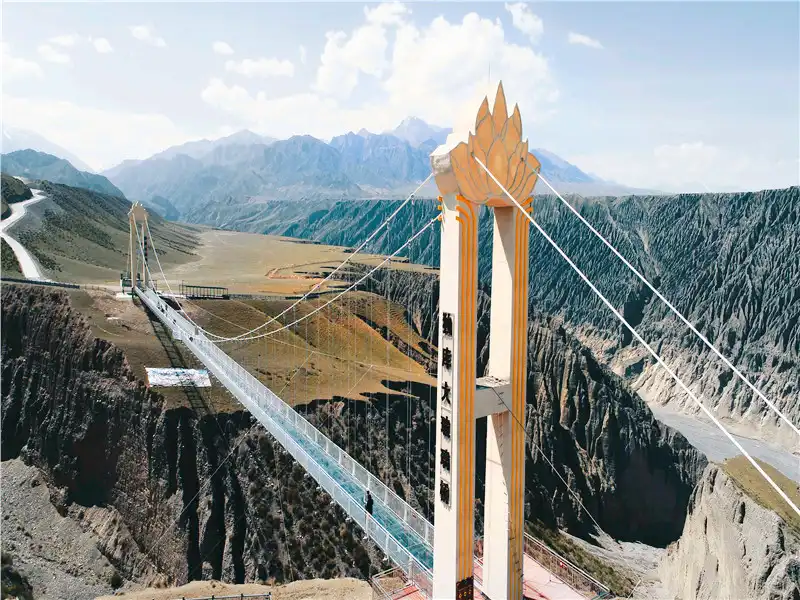
Dushanzi Grand Canyon 独山子大峡谷We spent a couple of hours vibing at Dushanzi Grand Canyon (独山子大峡谷), and OMG—this place is unreal! The views here are just next level. Swipe right on Mother Nature, because this canyon is totally flexing. There’s way more than just gawking at the epic scenery (which, honestly, is already 🤯). You can opt for package tickets, which are definitely more worth it if you want a taste of all the adrenaline-pumping activities available. Here’s the tea: We dared to stroll the epic glass bridge—yeah, looking straight down into the canyon will get your heart racing! We also managed to catch a wild tightrope walking performance (seriously, these pros have nerves of steel). But the real star was my 12-year-old son, who absolutely crushed the hanging planks challenge (步步惊心) and then hopped on a “cycling through the air” adventure (空中单车) right across the canyon. Like, is he even scared of anything?! My excuse for not joining: someone had to be the official camera crew, right? (Also, my legs turned to jelly just watching him—hard relate!) It was hilarious and a little bit savage how quickly he finished—barely got my money’s worth on those challenge tickets. Note for families: If your kids are mini daredevils, bring your A-game (and maybe a slow-motion camera 😆). INFO DROP: - Address: Dushanzi Grand Canyon, Karamay City, Xinjiang, China - Opening hours: 8:30 AM – 8:00 PM (double-check before you go!) - Tickets: Basic entry and package activity tickets available onsite and via trip.com Whether you’re here for the insane views or up for testing your nerves on the glass bridge and sky-high adventures, Dushanzi Grand Canyon is a must-stop in Xinjiang. Just don’t forget your camera…and maybe a little courage!Sheryl Wanders
 Xinjiang travel guide📍Basic info Dushanzi Grand Canyon, next to the zero-kilometer starting point of the Duku Highway, is a vast ravine carved by the Kuitun River over millions of years, with a strong wilderness feel and featured in the film Pegasus. 🚗Transport: driving is preferred, about 30 minutes from Dushanzi city center, free parking at the scenic area; no public buses, best visited as a stop on the northern Xinjiang loop. ⏰Open: peak season May–October, 9:30 AM–9:00 PM, last entry at 8:30 PM; allow 2–3 hours for your visit. 🎫Ticket tips If you're only here for the natural scenery, buy the basic sightseeing ticket; there's no need to force a purchase of the entertainment package. - Basic admission: about CNY 28; students and people aged 60–65 pay half price; free admission for those 65 and older. - The glass bridge, rail cart, cliff swing, and other attractions are pay-to-play; buy them as needed. If you're just taking photos and enjoying the view, you don't need a combo ticket. 📸Two suggested routes ✅Route 1 (scenic and photo-only, 2 hours, recommended) Enter from the visitor center → Tianshan Eye main viewing platform (best spot for a full canyon panorama) → cliffside wooden boardwalk, with multiple viewing platforms along the way. Stroll along the cliff edge to see the crisscrossing canyon walls; walk to the cliff-edge café for a break and wait for sunset—the warm golden light on the cliffs is best for photos. You don't necessarily need to go down to the canyon floor; the views from the boardwalk are already impressive. ✅Route 2 (thrill-seeker version, 3–3.5 hours) Check in at the viewing boardwalk → optional: Duku glass bridge or rail cart down to the valley floor; explore the river valley, then return after viewing the canyon landforms. Suitable for visitors who enjoy high-altitude attractions. ✨Photo tips 1. After 5:00 PM the light is softer—avoid harsh midday light; wear light-colored clothing to enhance the wilderness vibe. 2. Use a wide-angle lens for the canyon's sweeping ravines and a telephoto lens to capture rock wall textures. 3. Drones must be registered in advance at the scenic area's police station; do not fly them without permission. ⚠️Important tips 1. The canyon is very windy with strong UV—bring a sun hat, sunglasses, and high-SPF sunscreen; even in summer bring a windbreaker, as temperatures vary significantly between day and night. 2. Some boardwalk steps are loose or covered with sand and gravel—wear non-slip athletic shoes; do not climb over railings or approach the cliff-edge scree, and watch children closely. Safety first. 3. Food and drinks in the park are expensive; bring your own water and snacks. For meals, return to Dushanzi town for better value. 💡Itinerary linkup: after your visit you can head straight to the zero-kilometer starting point of the Duku Highway to begin the Tianshan road trip; if you're short on time, treat the Dushanzi Grand Canyon as a brief opener for the Duku route—a 1.5-hour stop is enough.VictoriaHarrison753

 Dushanzi Canyon stunning hidden gem📍Dushanzi Grand Canyon A 4A-level fairyland scenic spot in Karamay, Xinjiang! 🤩 Address: Beside National Highway 217, Dushanzi District, Karamay City Opening hours: year-round 10:00 AM–7:30 PM (extended to 8:30 PM in July and August) Admission: 30 yuan 💰 (great value!) 🌊 A natural wonder millions of years in the making A breathtaking canyon carved by Tianshan snowmelt over thousands of years Every photo looks like a blockbuster shot 📸 Known as the "Duku hidden gem, a wonder of millions of years"! 🌟 Must-see highlights: ➡️ Stunning red canyon landforms ➡️ Spectacular Tianshan snow-capped peaks backdrop ➡️ Cool geological fault landscapes 🔥 Tips: ✔️ Best time to visit is July and August ✔️ Recommended to shoot backlit photos between 4 PM and 6 PM ✔️ Remember to bring sunscreen and sunglasses ✔️ Drone footage is absolutely amazing! Feels like the Colorado Grand Canyon of China 🏜️ Nature lovers, don’t miss out!MatleenaKokko

- travelersvoice
- chinatravelcircle
- 新疆旅行
- 中國
- travel2026
Experience the Spectacular Wonders of Dushanzi Grand CanyonLocated southwest of Karamay’s Dushanzi District, the Dushanzi Grand Canyon is renowned as a "billion-year geological marvel." Carved by eons of snowmelt from the Tianshan Mountains and torrential rains, this "scar on the earth" reaches depths of over a hundred meters, with sheer cliffs that look as if they were sliced by a giant blade. The vertical walls, layered like a massive staircase, exude a powerful, post-apocalyptic beauty. It is also an iconic filming location for the movie Pegasus and the northern gateway to the famous Duku Highway. I. Best Time to Visit & Lighting Recommended Seasons (May – October): Summer (June – August): Cool breezes with the snow-capped Tianshan Mountains providing a stunning backdrop to the grey-brown canyon. Autumn (September – October): Clear skies and crisp air offer the best light and shadow contrast. Best Time of Day: Morning (10:00 AM – 12:00 PM) or 1–2 hours before sunset. Avoid the harsh midday sun; low-angle sunlight highlights the intricate textures of the cliff walls, while the sunset bathes the entire canyon in a warm, golden orange. II. Core Experiences & Activities The scenic area is well-equipped. You can choose to simply enjoy the views or try popular high-altitude activities. We recommend allowing 1.5 to 3 hours: Cliffside Boardwalk (Must-do): A well-maintained path along the canyon edge with multiple observation decks overlooking the Kuitun River bed hundreds of meters below. Don't miss the "Celebrity Spot" featured in Pegasus, which offers a sense of rugged adventure. High-Altitude Thrills (Optional & Paid): Duku Glass Bridge: A transparent suspension bridge spanning the gorge hundreds of meters above the ground. "Step by Step Startle" / Cliff Swings / High-Altitude Biking: Perfect for adrenaline junkies looking to experience weightlessness on the edge of the abyss. Ground Rail Slides / Ziplining: Convenient and fun ways to travel between the cliff top and viewing platforms. Cliffside Café: A scenic spot to enjoy coffee while overlooking the canyon’s textures and the distant Tianshan range—perfect for photos with an atmospheric vibe. III. Practical Travel Tips Wind, Dust & Sun Protection: The open terrain is prone to high winds and dust. Wear sunglasses, a hat (with a chin strap), and a light windbreaker. Protect your camera gear. There is little shade along the paths, so apply sunscreen and bring plenty of water. Outfit Suggestions: The canyon’s natural tones are muted greys and browns. Wear bright, high-saturation colors (like bright red, ginger yellow, or pure white) or outdoor-style gear to stand out against the vast background. Safety Warning: The soil at the cliff edge is loose and fragile. Stay within the fenced areas and on the boardwalks at all times. Do not climb over railings for photos at undeveloped edges.遊歷時代的ME
 Dushanzi Grand Canyon❤Recommended Reasons: Dushanzi Grand Canyon is located near the starting point of the Duku Highway and is one of the filming locations for the movie "Pegasus 2." Besides marveling at the natural wonders sculpted by nature, visitors can experience thrilling activities such as leaping across the canyon and heart-pounding steps. You can also enjoy distant views of snow-capped mountains and close-up sights of the canyon from the glass plank road. This is a place full of challenges and natural beauty. Dushanzi Grand Canyon is situated within the Dushanzi area of Karamay, Xinjiang, close to the starting point of the Duku Highway. It can serve as the first sightseeing spot when traveling along the northern section of the Duku Highway, showcasing its magnificent scenery. The canyon features a unique landform at an altitude of 1,070 meters, with the height from the valley floor to the valley shoulder about 200 meters. The canyon walls are steep cliffs, carved and sculpted by years of rain and snowmelt, covered with folds resembling knife cuts and axe chops, presenting a majestic and rugged landscape.DogCakePenRain

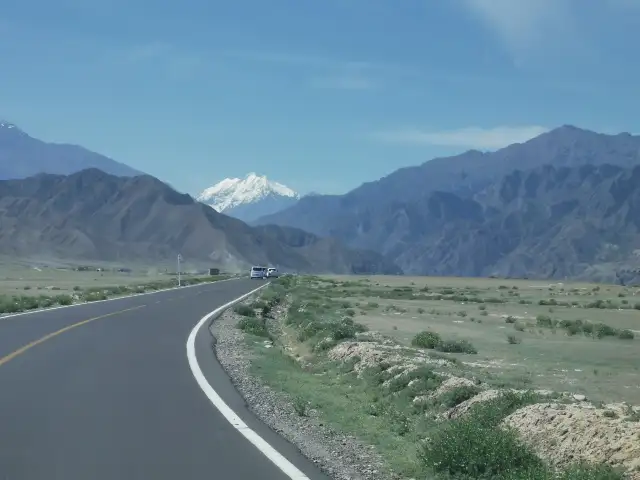
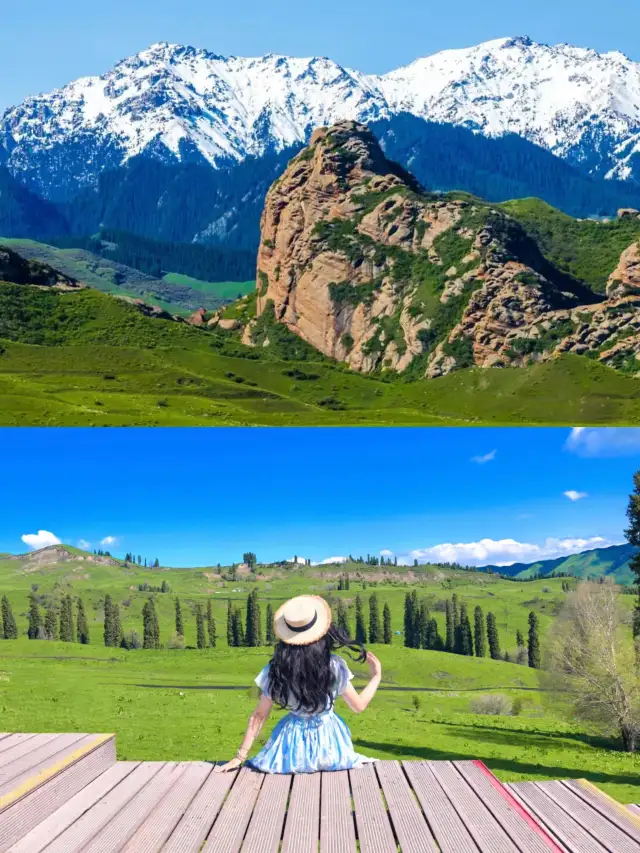 Northern Xinjiang 13-Day Itinerary (Altay + Ili + Desert + Duku Highway)Local Tips: How to Explore Northern Xinjiang Like a Pro? Northern Xinjiang Grand Loop Guide: Witness the Majestic and Gentle Beauty of Xinjiang in One Trip A trip to Xinjiang is a must in a lifetime, and Northern Xinjiang is undoubtedly a dream destination you cannot miss! Here, you'll find vast grasslands, gem-like lakes, mysterious forests, and exotic towns. Here's a super detailed guide to the Northern Xinjiang Grand Loop, ready to take you on an unforgettable journey! Northern Xinjiang 13-Day Itinerary (Altay + Ili + Desert + Duku Highway) Day 1: Urumqi - Desert Highway - Ulungur Lake - Altay Day 2: Altay - Kanas Lake Day 3: Kanas - Three Bays - Fish Viewing Platform - Hemu Village Day 4: Hemu Village - Aid Xinjiang Bridge - Hemu Viewing Platform - Five-Colored Beach - Burqin Day 5: Burqin - Urho Ghost City - Kuytun Day 6: Kuytun - Sayram Lake - Guozigou Valley - Lavender Base - Yining Day 7: Yining - Yizhao Highway - Xiata - Zhaosu Day 8: Zhaosu - Kalajun Grassland - Bagua City - Tekes Day 9: Tekes - Qiaxi Grassland - Nalati Air Grassland - Nalati Town Day 10: Nalati - Duku Highway - Dushanzi Grand Canyon - Kuytun Day 11: Kuytun - Tianshan Tianchi Lake - Urumqi Day 12: Urumqi - Kumtag Desert - Shanshan Day 13: Shanshan - Flaming Mountain - Grape Valley - Tuyugou Valley - Urumqi Transportation: Northern Xinjiang covers a vast area with long distances between attractions. It is recommended to opt for car rental or self-driving. Renting a car allows you to enjoy the scenery more comfortably and stop for photos anytime; self-driving offers more freedom but requires attention to road conditions. Accommodation: Book accommodations in advance. Options vary greatly, so choose based on your budget and needs. Cuisine: Northern Xinjiang offers a rich variety of food, such as roasted lamb, pilaf, naan, big plate chicken, and yogurt. Be sure to try the local specialties but pay attention to food hygiene. Weather: The climate in Northern Xinjiang is unpredictable, with significant temperature differences between day and night. Even in summer, it's advisable to bring warm clothing. Also, prepare for sun protection by using sunscreen, sunglasses, and hats. Tickets: Research ticket prices and discount policies for attractions in advance. Some sites offer discounts for students, seniors, and military personnel. Cultural Customs: Northern Xinjiang is home to multiple ethnic groups. Respect local religious beliefs and customs, such as dressing appropriately when entering mosques and avoiding touching others' belongings without permission.新疆向导侯彬彬6

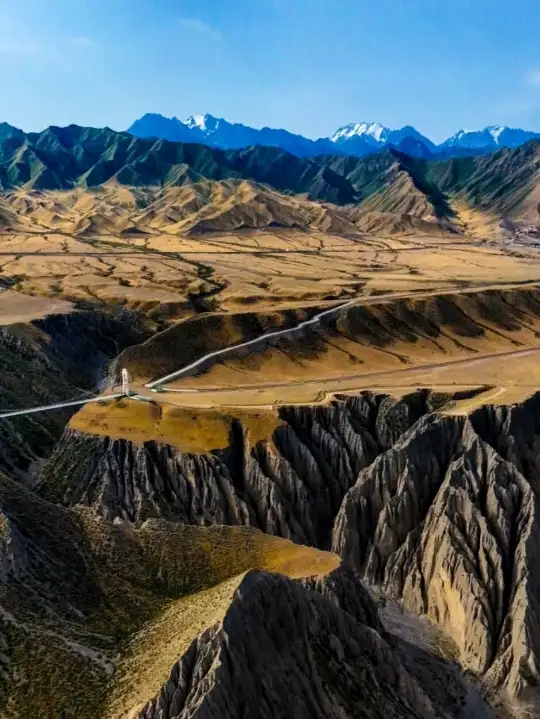 🏜️ Dushanzi Grand Canyon | Nature's Masterpiece Carved by TimeLocated in Dushanzi District, Karamay, Xinjiang, Northwest China, the Dushanzi Grand Canyon is a spectacular landscape sculpted over millions of years by the relentless flow of the Kuitun River. Standing at the canyon's edge, you'll witness a breathtaking maze of towering cliffs, deep ravines, and dramatic rock formations stretching across the earth like a giant natural sculpture. Layers of grey and ochre rock reveal the story of geological time, while shifting sunlight paints the canyon in ever-changing shades throughout the day. Whether admired from panoramic viewing platforms or photographed from above, the immense scale of the canyon leaves visitors humbled by the power of nature. It is one of Xinjiang's most striking hidden gems, where rugged beauty meets boundless horizons. 📍 Location: Dushanzi Grand Canyon, Dushanzi District, Karamay, Xinjiang, Northwest China 🏜️ Highlight: A magnificent canyon carved by the Kuitun River over millions of years ⛰️ Feature: Towering cliffs, dramatic ravines, geological formations, panoramic viewpoints, and spectacular desert landscapes 🍃 Atmosphere: Wild, majestic, and awe-inspiring 📸 Best for: Landscape photography, road trips, geological exploration, and sunset viewing ✨ Signature feeling: Standing above the vast canyon as endless layers of rock reveal the extraordinary artistry of time. At Dushanzi Grand Canyon, every cliff tells a story millions of years in the making. 🏜️✨Emily1012
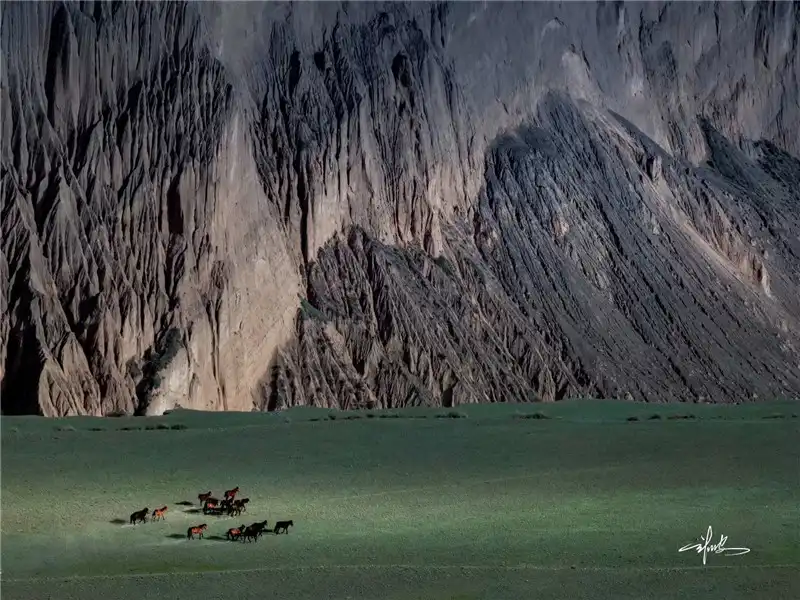
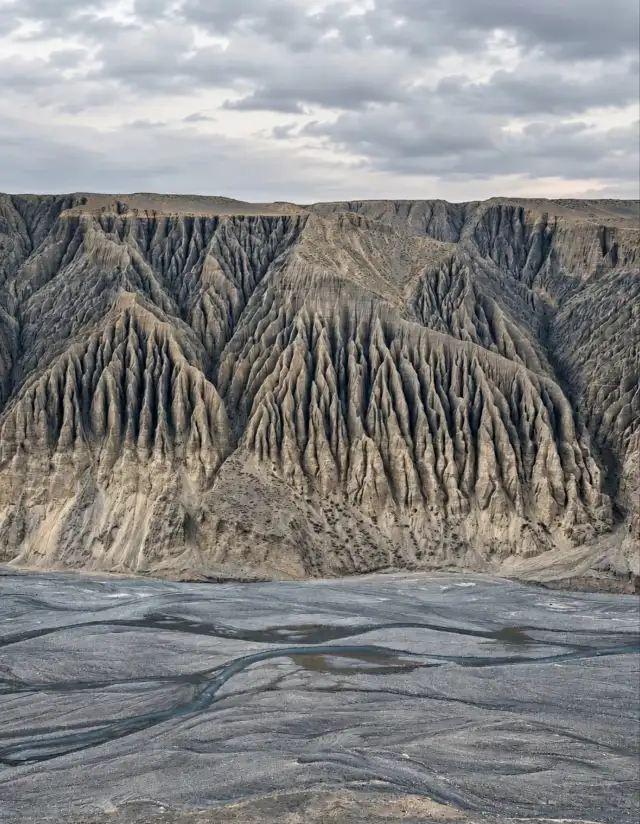 Dushanzi Grand Canyon Ultimate Guide | Attractions, Transport, and Tips in One Page🏞️ Dushanzi Grand Canyon · Complete Guide [Introduction] Scenic Area Overview Dushanzi Grand Canyon is located about 30 km south of Dushanzi District, Karamay City, Xinjiang, right near the northern starting point of the Duku Highway. The canyon was formed by the Kuitun River system originating from the Tianshan Mountains, which has eroded and cut through the Tianshan alluvial fan over hundreds of millions of years (geologists generally agree on a timescale of hundreds of millions of years). The canyon walls are steep, with crisscrossing gullies, reaching depths of tens to over a hundred meters. Unlike the "Wind-Eroded Castles" of Ghost City, the Grand Canyon is a masterpiece of water erosion. The canyon walls are densely covered with almost parallel vertical folds, resembling earthen forests combed by a giant comb, with a very strong texture, known as the "Duku Secret Realm, a Billion-Year Wonder." Known features: - Canyon wall texture: Densely arranged vertical grooves, looking like ten thousand horses galloping from above, and like carvings on the wall when viewed up close. It is one of the most recognizable textures among all canyons in Xinjiang. - First stop on Duku Highway: During the Duku Highway opening period (June–October), this is the first stop when entering the mountains. In winter, after the Duku Highway is closed, the canyon itself can be reached from the Dushanzi urban area via provincial roads, unaffected by the road closure. - Cliffside activities: Glass bridge, cliff swing, high-altitude bicycle, thrill walk, etc. It is a cluster of thrilling projects "built on the edge of the canyon" that is rare in Xinjiang. - Highly photogenic: The canyon has strong lines, and silhouettes of people standing on the edge of the valley make for great photos, which is also very friendly to non-photographers. > One-sentence positioning: A 0.5–1 hour stopover attraction that is well worth the stop—in seasons when you don't take the Duku Highway, it is the only natural wonder worth seeing on the Kuitun-Wusu corridor. 🕘 [Opening Hours] - Open all year round (the canyon is a natural landscape + supporting amusement park-style management), regular hours are around 10:00 AM–7:00 PM, shorter in winter, subject to seasonal announcements. - Recommended visit time: 1–1.5 hours (sightseeing + photos, add more for cliff projects). - Notes: - Most cliffside activities are closed in winter (check on-site for glass bridge availability). Visiting in winter is purely for viewing the canyon + photos, so manage expectations. - Approaching areas without guardrails on the edge of the valley is strictly prohibited. The soil layer on the cliff edge is loose, and collapses have occurred many times in history. All sightseeing activities must be within the areas designated by the scenic spot. - The canyon is located in a windy area, and the winter chill is severe, so leave immediately after taking photos. - The canyon was free in the early years, but has been managed with fees in recent years, and ticket prices and project combinations are adjusted frequently—be sure to verify the current price list before quoting. - Senior discount: Those 65 and older can get discounts on the main entrance ticket with valid ID (experience projects are not exempt), subject to window verification. - Project consumption: It is recommended to let guests choose and pay for themselves. The itinerary package only includes the entrance ticket to avoid complaints about "forced consumption." ⛺ [Activities] Recommended order (1–1.5 hours): 1. Entrance viewing platform: First look at the panoramic view of the canyon, take a wide-angle shot of the whole thing first. 2. Walk west along the cliff-top trail: Find the cliff section with the densest texture for close-ups. In winter, the contrast between the snow at the bottom of the valley and the dark cliff walls is stronger. 3. Cliffside silhouette spot: Let guests stand on the edge of the cliff (within the designated safe area) to take backlit silhouettes. Shoot with the light for textures, and against the light for silhouettes. Spend a few minutes on both. 4. Experience projects (mainly in summer): The cliff swing is the most popular. Swinging out leaves you suspended over the canyon—recommended for youth groups. Middle-aged and elderly groups are not scheduled by default; let guests decide on-site. Winter play: - The best time for canyon + snow scenery is 1 day after snowfall, with black and white cliff walls. - Only walk the sightseeing trail, do not play projects, do not stay long. 30 to 45 minutes is enough—it is just an "appetizer" on the long drive of D3. Key points: - When taking photos on the cliff edge, always stand within the scenic area's guardrails/designated lines. Do not cross the line even for the perfect shot. This is a hard rule. - Hold on tight to hats and scarves when it's windy. - The scenic area's catering is simple. Arrange main meals in Kuitun/Dushanzi urban area or Wusu. 🚌 [Transport] | Method | Description | |---|---| | Charter/Self-drive (only reasonable way) | Dushanzi urban area → Canyon approx. 30 km / 40 mins; Dushanzi, Kuitun, and Wusu urban areas are all within a 1-hour circle | | On-the-way route | Sayram Lake → Kuitun (along G30) → South to Dushanzi to see the canyon → North to Karamay. A detour of about 60–70 km in exchange for a core attraction is worth it. In winter, the whole route is mainly G30 national highway, which is easy to drive even in snowy weather | | Duku Highway season | When Duku is open from June to October, this is the first attraction when entering the Duku Highway from Dushanzi, naturally connected | Note: There is no direct public transport to the canyon. You cannot get there without a chartered car. 🧡 [Preparation] - Wear: Windbreaker (windy on the cliff top), comfortable non-slip shoes (cliff top trail is sand + gravel). - Protection: Sunglasses, sunscreen, lip balm; prepare for winter cold at the same level as Karamay. - Photography: Wide-angle for panoramic shots, medium-telephoto for cliff texture close-ups; take portrait silhouettes in backlit positions. - Safety: Do not cross guardrails, do not go to the bottom of the valley, do not stand on cliff edges without guardrails. - Documents: ID card (for senior discount verification); Dushanzi Grand Canyon is not a border management area, no border pass required. - Other: Thermos, power bank; experience projects have queues in peak season, go early in the morning if you want to play. Summary: Dushanzi Grand Canyon is a high-value spot where you can "trade 1 hour on the way for a billion-year wonder"—in winter, it is not affected by Duku road closures, is not time-sensitive, and has cheap tickets. It is embedded in the long-distance drive of D3, just right to set the pace for the day.SaaraM?kel?

- adventuretrips
- chinaextremeadventures
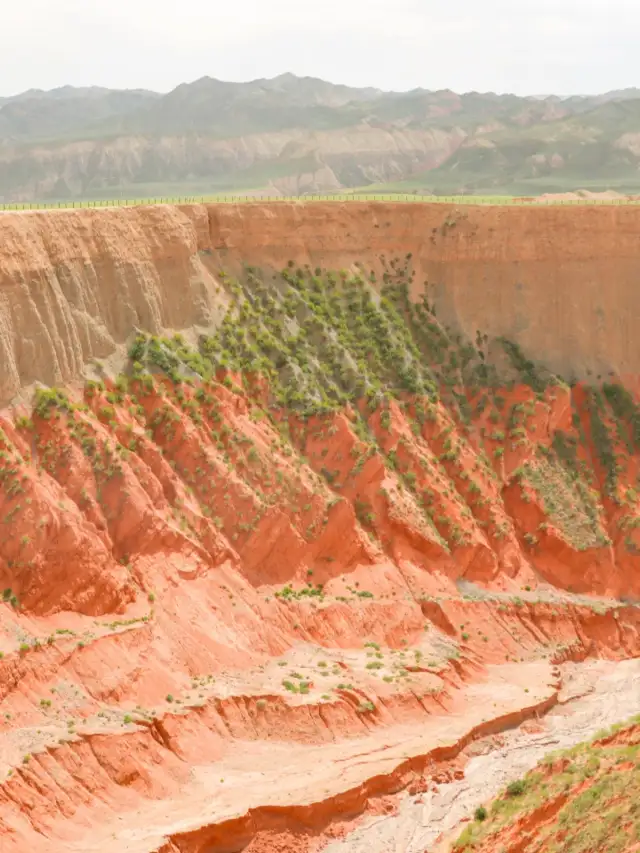
Dushanzi Grand Canyon: My Wildest Raw Nature Adventure in Xinjiang#adventuretrips I used to believe real adventuretrips must involve dense forests or rushing rivers. But my visit to Dushanzi Grand Canyon completely rewrote my definition of outdoor adventure. This raw, untamed geological wonder on the start of Duku Highway delivers pure wilderness thrills you can never get from ordinary scenic tours. Stepping into the canyon felt like landing on an alien land. Carved by thousands of years of river erosion, the 200-meter-deep gorge features rugged layered rock walls in stunning red, brown and golden hues. The jagged cliff folds and vast barren terrain stretch endlessly, bringing an overwhelming sense of nature’s power. Unlike polished commercial resorts, every view here is wild, authentic, and full of unpredictable surprises. This trip became a true adventure because I dared to try its iconic extreme cliff challenges. I walked across the 186-meter glass bridge hanging above the deep valley. The 5D broken-glass special effects under my feet triggered constant adrenaline rushes, making every step nerve-wracking yet addictive. I also tried the cliff swing, swinging high above the canyon abyss with nothing but open wilderness below. The moment I soared in the wind, my heart raced faster than it ever had on regular travels. Besides thrilling rides, I hiked the cliff wooden walkways and wandered different viewing platforms. Every turn offered a brand-new perspective of the massive canyon. Standing on the edge watching sunlight paint the rocky textures warmer and deeper, I felt tiny against nature’s magnificent masterpiece. This is exactly what adventure trips mean to me: stepping out of comfort zones, confronting wild nature, and collecting unforgettable bold experiences. Ordinary sightseeing lets you watch scenery, but Dushanzi Grand Canyon lets you explore and feel it firsthand. Here’s a question for all adventure lovers! Do you prefer thrilling man-made cliff challenges or simply hiking and soaking in wild natural landscapes? Have you ever been shocked by Xinjiang’s breathtaking geological wonders? Drop your thoughts and adventure stories below!Janc C


Other visitors' reviews of Dushanzi Grand Canyon
Show More ReviewsHeading towards the vast wilderness of northern Xinjiang, the first magnificent stretch of the Duku Highway begins at the Dushanzi Grand Canyon. This hidden realm, stretching along the edge of the Junggar Basin, is a monumental fissure etched into the earth by the winds and snows of the Tianshan Mountains and the waters of the Kuitun River over millions of years, concealing the unique desolation and grandeur of Northwest China. Upon first glimpse of the canyon, one is struck by its utterly primal awe. On the flat, boundless Gobi Desert, the earth abruptly breaks apart, a deep ravine plunging into the sky and stretching for tens of kilometers without end. A vertical drop of two hundred meters creates a breathtaking spectacle of cliffs; layers upon layers of sandstone and conglomerate walls are steep and rugged, covered with folds eroded by flowing water and wind, their intricate patterns resembling the earth's unfolding veins, or the countless strokes of time, rough yet powerfully imbued. Layers of gray-black, yellowish-brown, and reddish-brown rock stacked upon each other on the cliff face are silent imprints of millions of years of geological changes. The nine-tiered, terraced landscape, eroded by wind and snow throughout the seasons and carved by rivers, imbues every inch of rock with the weight of time. Gone are the gentle embraces of verdant mountains and clear waters; here lies the rugged grandeur of the northern wilderness—desolate, magnificent, and majestic, a breathtaking natural beauty in its own right. Standing on the viewing platform, the vast Gobi Desert stretches to the horizon, with the river meandering through the valley, its shallow flow gently smoothing the cracks in the earth. A long, howling wind sweeps across the rugged cliffs, dispelling all the anxieties of the journey. Beneath the blue sky and white clouds, the rugged canyon and the clear sky reflect each other; the vastness of heaven and earth makes one feel insignificant, and all worries are dissolved by the immensity of the mountains and rivers. Dushanzi Grand Canyon is an epic masterpiece of nature, a testament to the grandeur of northern Xinjiang. Unadorned and unrefined, it stands against the backdrop of millions of years of history, its spirit defined by the vast wilderness and towering mountains. This initial journey to the canyon allowed me to understand the majestic vastness of Northwest China and encounter the most healing freedom and openness.