Red Sea Scenic Spot
红海景区 No. 15 of Family-friendly Attractions in Xinjiang
Closed for the day Opening hours of Red Sea Scenic Spot
Red Sea Scenic Spot Highlights: Must-See Features and Attractions
The Red Sea Scenic Spot boasts abundant tourism resources, featuring beautiful natural scenery, rich cultural views, a long history, and profound cultural heritage. It mainly consists of five core scenic areas: the folk culture village, the Kashi River ancient Silk Road, the golden poplar island, the Red Sea Bay water park, and the Red Sea wetland park. It is an ecological attraction integrating lakes, rivers, grasslands, wetlands, deserts, and poplar forests. The entire attraction uses the ancient Silk Road as a golden thread to organically connect oasis water views, desert landscapes, and historical-cultural views. With its long-standing culture, magnificent scenery, and exotic charm, it attracts numerous visitors from home and abroad, making it a distinctive comprehensive tourist attraction in Xinjiang.
As a vital hub of the Silk Road civilization, the Red Sea Scenic Spot has long been a gathering place for culture and commerce, serving as a crucial window and platform for the exchange and integration of Eastern and Western civilizations. Its unique pivotal location makes it a crossroads connecting different civilizations: one path links Chang'an in Central China to the eastern coastal regions, another connects Kashgar to ancient Rome in Western Europe, and the third extends from Khotan to ancient India in South Asia. The ancient poplar-lined routes, camel caravans, and merchant travelers once bustling through the thriving Silk Road town of Yutazhou bear witness to its rich historical legacy. The fading memories of beacon towers and pavilions recount the splendid legends of the Silk Road, while its folk customs and the resilient poplar-dwelling people showcase the harmonious daily lives and thriving traditions of diverse ethnic groups.
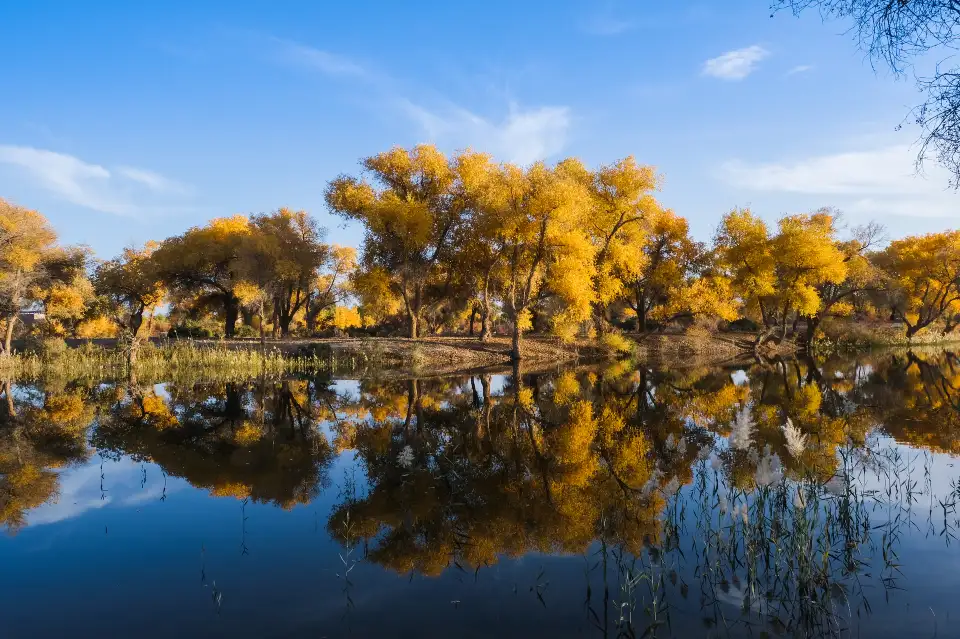
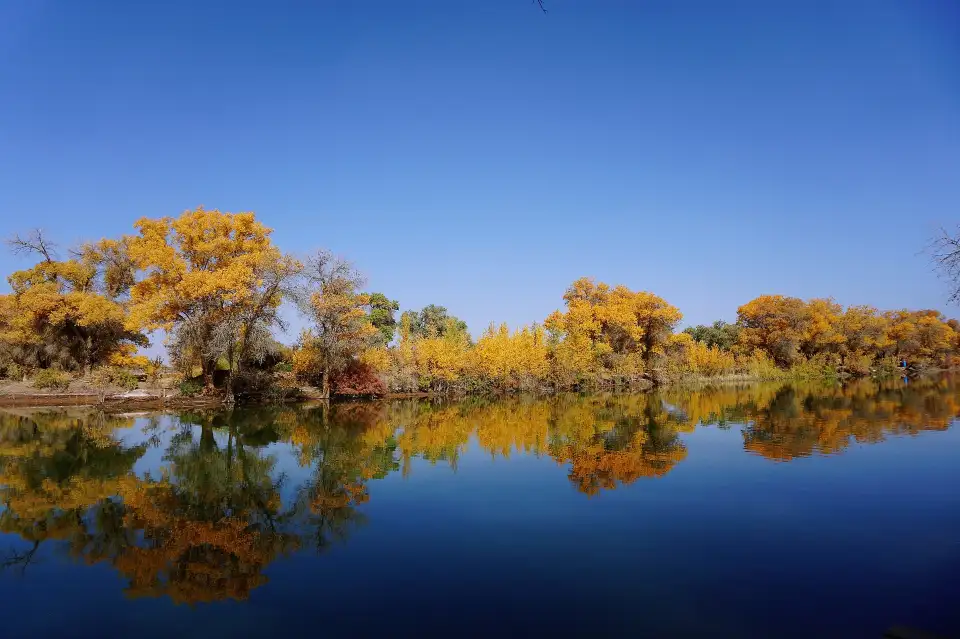
The Red Sea Scenic Spot features unique natural ecological views, combining the graceful beauty of southern Chinese water towns with the vast magnificence of deserts and Gobi. The Red Sea Reservoir—a blue water body nurtured by the Yarkand River Basin—is adorned with green willows, lush reeds, flocks of birds, and schools of fish, shining like a dazzling pearl in the oasis beyond the Great Wall. The Kashi River wetland boasts abundant vegetation, herds of cattle and sheep, winding boardwalks, and murmuring streams, exuding a serene and refreshing pastoral charm. The 6,000-acre poplar forest on the golden poplar island is the world's largest contiguous natural wild poplar forest. Its awe-inspiring shapes, towering momentum, tenacious will, and indomitable spirit vividly showcase the resilience of natural life and the grandeur of desert scenery.
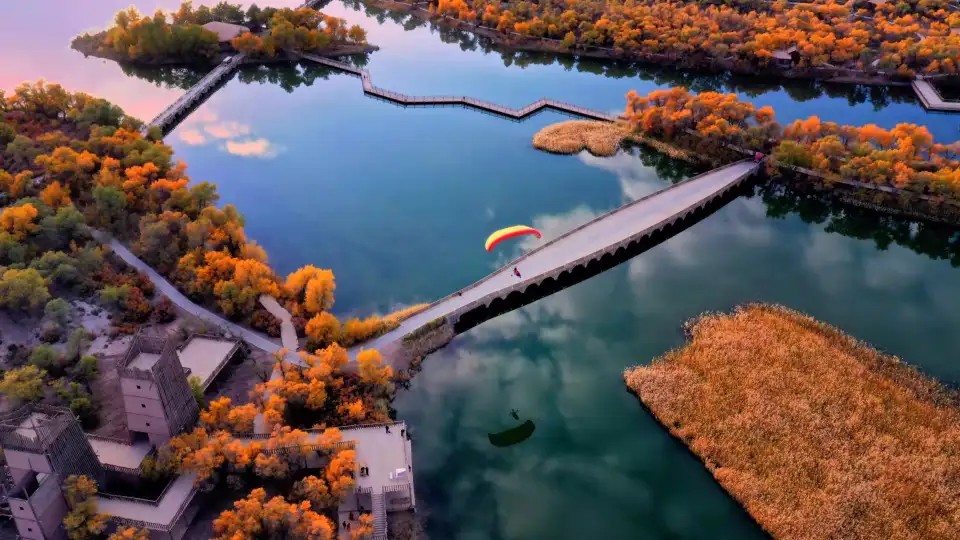
The Red Sea Scenic Spot is located in Anaku Township, also known as Red Sea Township, 12 km from Maralbexi county. The attraction began its preparatory work in 2009 and was successfully established as a national 4A-level attraction in 2014. With a total planned area of 148 km² and a core area of 80 km², the attraction features a 38-km touring loop. It mainly consists of five core view areas: the folk culture village, the Kashgar River ancient Silk Road, the golden poplar island, the Red Sea Bay water park, and the Red Sea wetland. The entire attraction is organically integrated by the golden ribbon of the Silk Road, blending these five view areas into one, making it a holy land for enjoying natural scenery and choosing vacations, as well as a paradise for experiencing folk customs and tasting local delicacies.
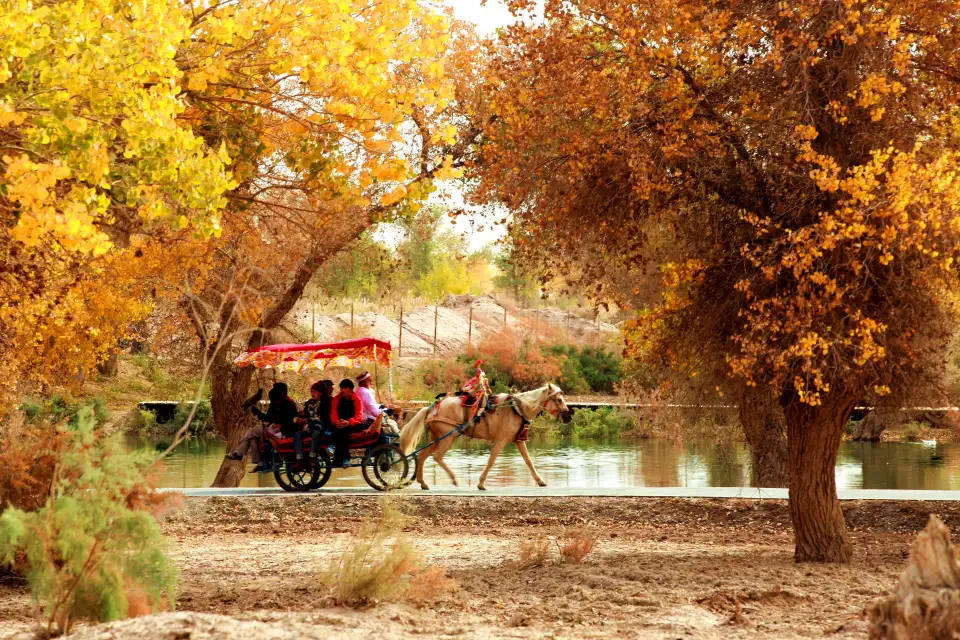
Folk culture village:It showcases folk culture, where we can experience the beautiful life scenes of the ethnic people who have long inhabited the poplar forests, including their daily routines, diet, and thriving generations.
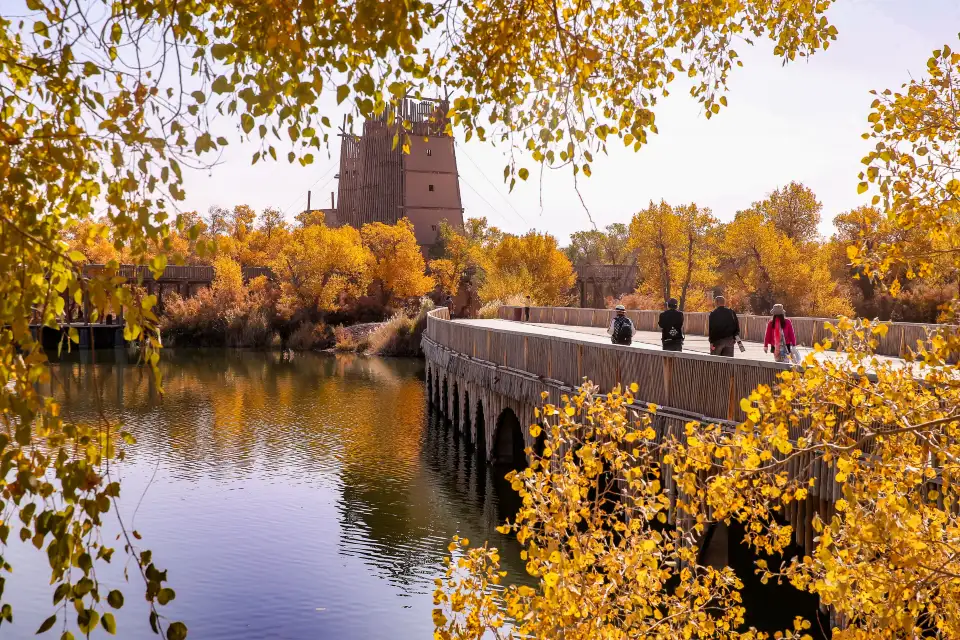
Kashgar river silk road:It showcases the essence of Western Regions culture and Han-Tang culture. The ancient road features 10 pavilions and 18 beacon towers, recreating the prosperous scene of camel caravans, horse caravans, and merchant travelers along the ancient Silk Road, as depicted in the phrase "beyond the long pavilion, beside the ancient road." At the same time, it also displays the culture of beacon towers and pavilions.
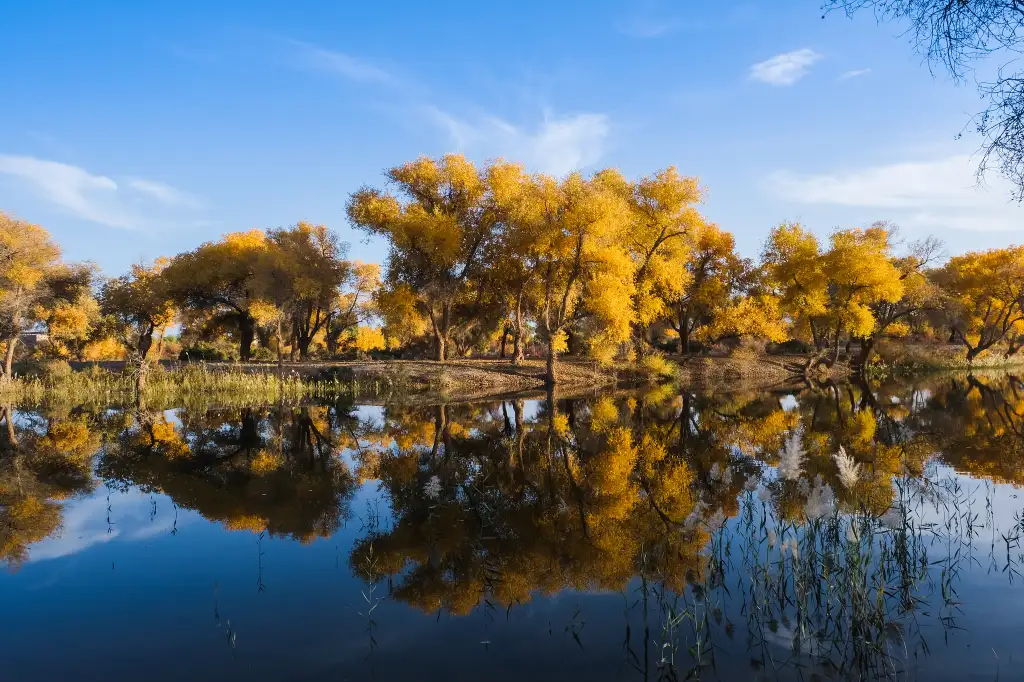
Golden poplar island: The world's wild poplars, China's Maralbexi! With 3.26 million acres of pristine wild poplar forests, Maralbexi boasts ancient, intact, and vast stretches of poplar woods. Every October to November is the prime viewing season for Maralbexi's poplars in their full glory. Here, you can witness the desert poplars embodying the poetic scene of "a lone smoke rising straight in the vast desert, the round sun setting over the long river," as well as the graceful waterside poplars. You'll find weather-beaten yet steadfast fallen poplar trunks alongside vibrant gray poplars. This place allows you to observe poplars at every stage of growth, showcasing their legendary 3,000-year lifespan: "living without dying for a thousand years, standing without falling for another thousand, and remaining unrotted for yet another thousand." The golden poplar island is a microcosm and window into the 3.26 million-acre poplar forest. The primitive central tribe features live demonstrations by intangible cultural heritage inheritors of traditional handicrafts. The ancient road wrestling arena displays Maralbexi County's protected intangible cultural heritage items like kokpar and horse racing. The poplar labyrinth and poplar museum let you experience the convergence of poplar culture along the Silk Road. The farming tribe exhibits livestock such as Maralbexi sheep, Bactrian camels, poplar chickens, pheasants, peacocks, ostriches, and alpacas, as well as crop cultivation. The first Silk Road tandoor once roasted a 400 kg whole camel, breaking the Guinness World Record. Thirteen wooden cabin hotels around the island await you and your family or friends for a relaxing getaway, where you can enjoy the scenery and savor delicious food.
Honghaiwan water parkIt showcases water culture and red culture. Here you can see 15 views including the Jiangnan-style landscape beyond the Great Wall, the Honghai Reservoir with its seamless water-sky horizon, Diaoyu Island, the Yunyang sailing boat hotel, and the Li Yunyang Memorial Hall. It also serves as a water recreation base integrating dining, water activities, swimming and cruises.
Red Sea Wetland Park:It showcases the wetland culture of the Gobi Desert in the Western Regions. Migratory birds flying from Central Asia to the Indian Ocean pass through this area, where you can observe many rare wild bird species and experience the harmonious coexistence of humans and nature.
The entire Red Sea Scenic Spot takes water as its soul and roads as its threads, organically connecting five major view areas. The water comes from the Kashgar River, and the roads are the ancient Silk Road routes. We also vividly compare it to the strategic concept of "the Belt and Road" proposed by the nation. Maralbexi County is also committed to turning the attraction into a "museum" and "living fossil" on the Silk Road.