
Guangfu Ancient City
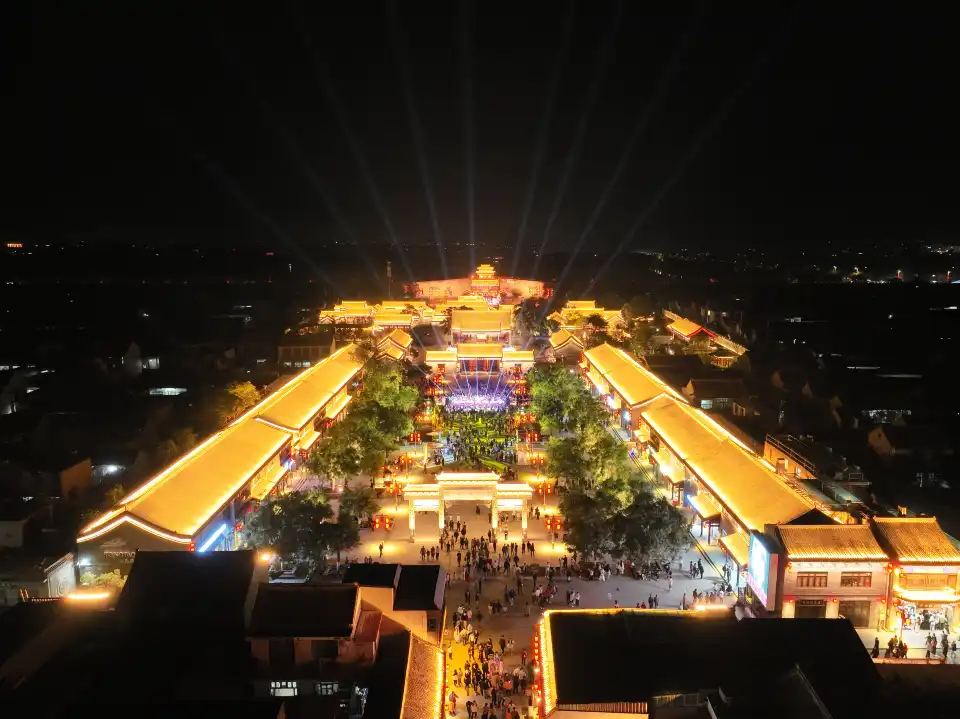
广府古城 No. 4 of Night Attractions in Hebei
Opening hours of Guangfu Ancient City
Guangfu Ancient City Highlights: Must-See Features and Attractions
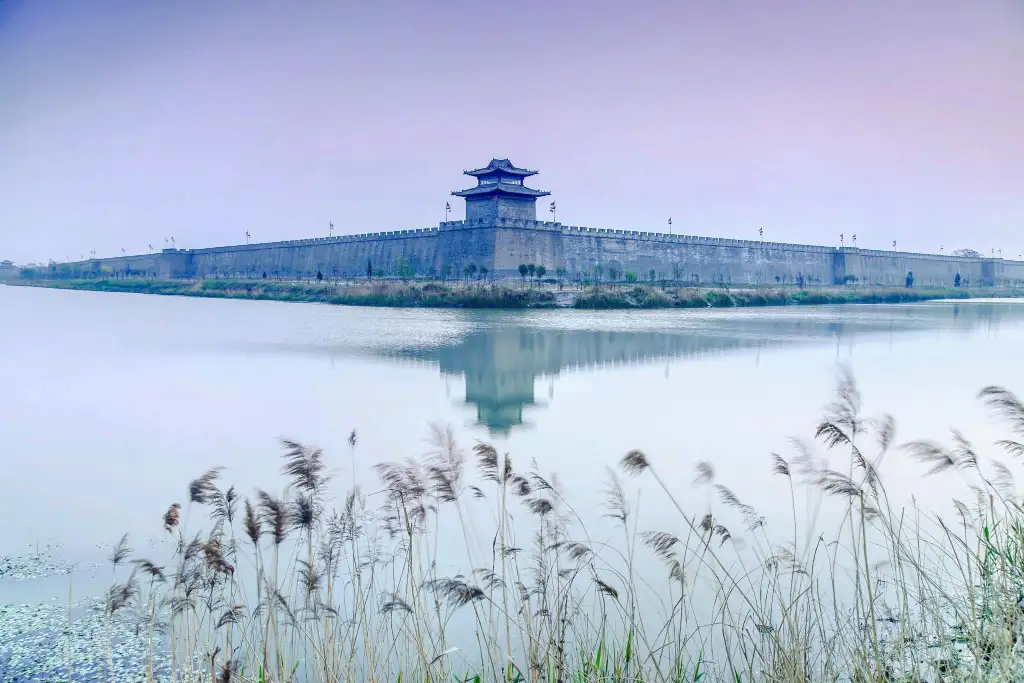
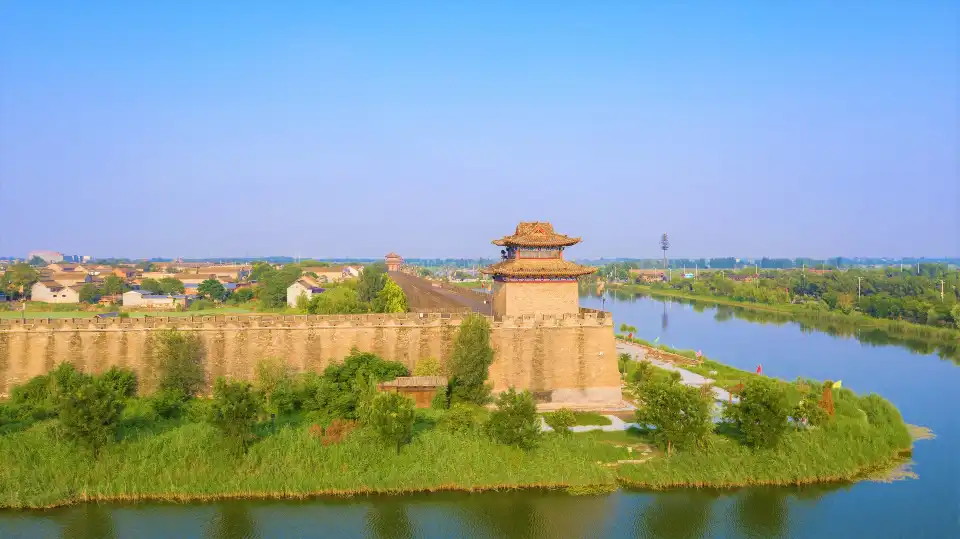
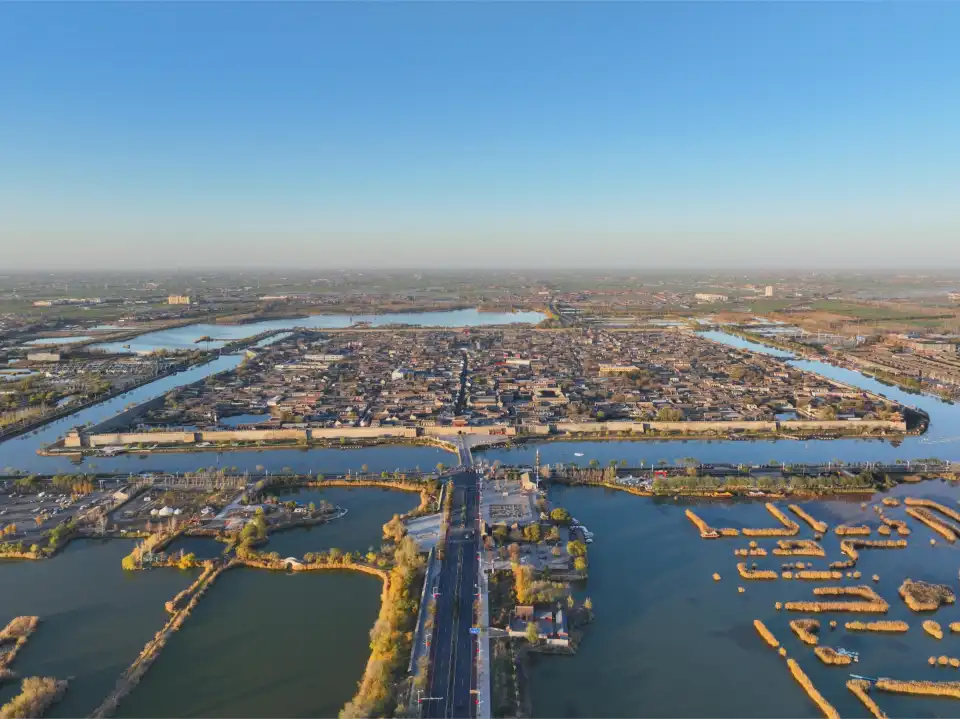
Guangfu Ancient City is located in Guangfu town, Yongnian district, Handan city, Hebei province. It is a national 5A-level attraction, a famous historical and cultural town in China, and a wetland park with profound historical heritage. Featuring beautiful northern water town scenery and a long-standing tai chi culture, it is China's unique ancient town, water town and tai chi town.
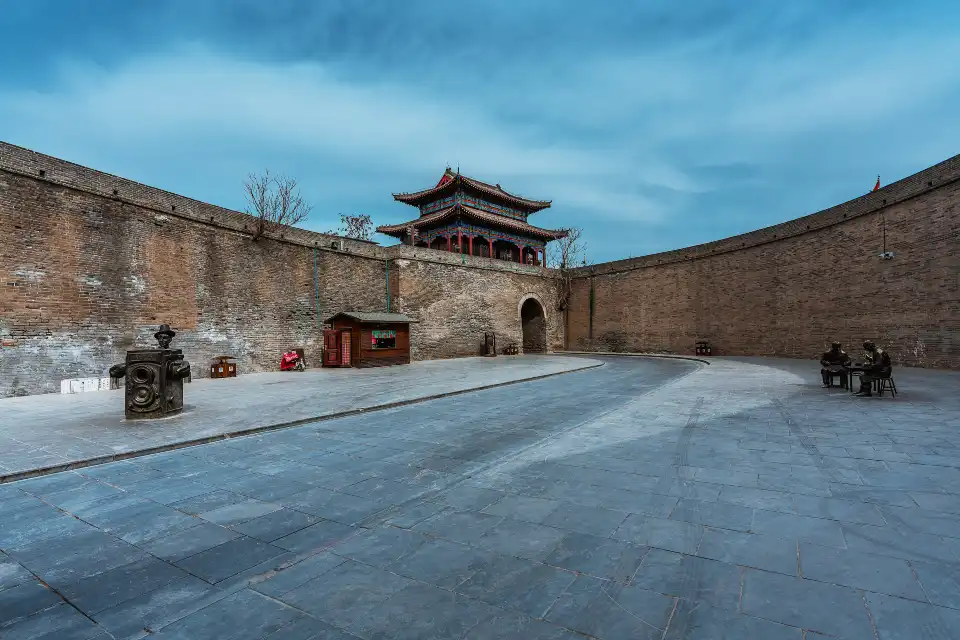
The ancient town. Guangfu ancient town has a history of over 2,600 years, with its city walls stretching 4.5 km in circumference and covering an area of 1.5 square kilometers. The town boasts numerous historical relics, including two national-level protected sites - Guangfu ancient town itself and Hongji bridge, along with over 20 provincial and municipal protected sites such as the former residences of Yang Luchan, Wu Yuxiang and Wu Ruqing.
The water town. Guangfu ancient town is located in the Yongnian depression covering an area of 46,000 mu. Surrounding the town walls is a 5 km moat that's 100 m wide, with wetlands beyond it. This "town between two waters" forms a unique view of Guangfu. The depression has perennial water accumulation with lush reeds, thriving fish and shrimp, lotus ponds, and migratory birds, earning it the reputation of "little Jiangnan in the north".
The city of taiji. Guangfu ancient town is the birthplace of Yang-style and Wu-style taijiquan, where the founders of the two major schools, Yang Luchan and Wu Yuxiang, were born. It is a renowned hometown of taiji, from which taijiquan spread across China and the world.

Other visitors' reviews of Guangfu Ancient City
Show More ReviewsGuangfu Ancient City is a 5A scenic area in Handan, a rare combination of a water town, an ancient city, and a Tai Chi city in northern China. Entry is free, but separate tickets are required to climb the city walls, visit the government offices, and see the former residences. Key attractions: 1. Ming Dynasty City Wall: Well-preserved, offering panoramic views of the surrounding depressions and waterways, perfect for photos; the South Gate, Yanghe Gate, is a landmark photo spot. 2. Tai Chi Cultural Sites: The former residences of Yang Luchan and Wu Yuxiang, the birthplace of Yang and Wu styles of Tai Chi, where you can see late Qing Dynasty residences and inscriptions on Tai Chi theory. 3. Guangping Government Office: A Ming and Qing Dynasty government office complex, recreating the layout of an ancient government office; often featuring light shows and folk performances at night. 4. Night Cruise on the Moat: Enjoy a boat ride with a strong nighttime atmosphere; iron flower performances are also held on holidays.