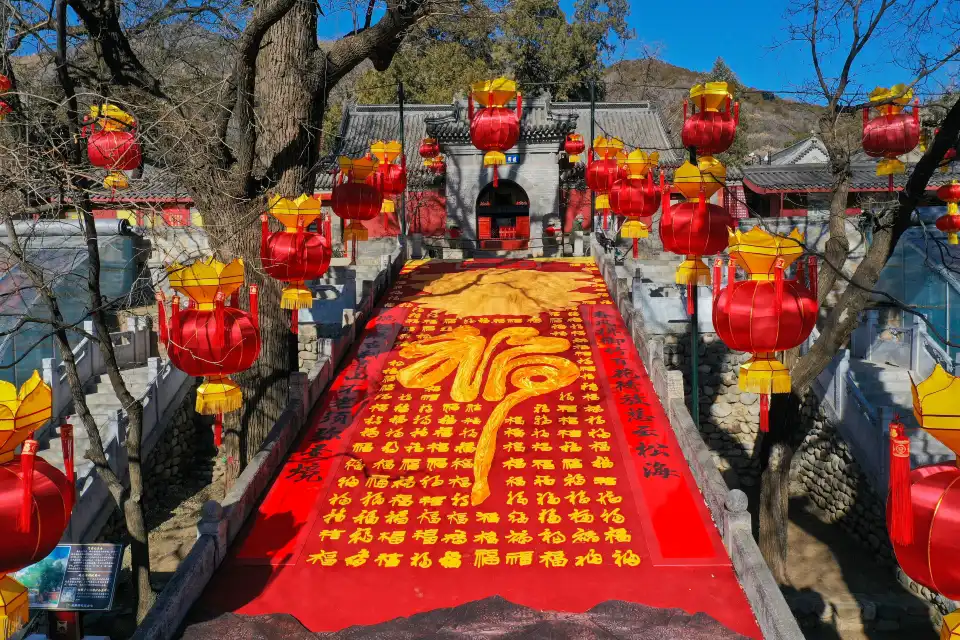
Hongluosi
红螺寺 based on 166 reviews
 No. 8 of Fall Viewing Attractions in Beijing
Open Opening hours of Hongluosi
Hongluosi Highlights: Must-See Features and Attractions
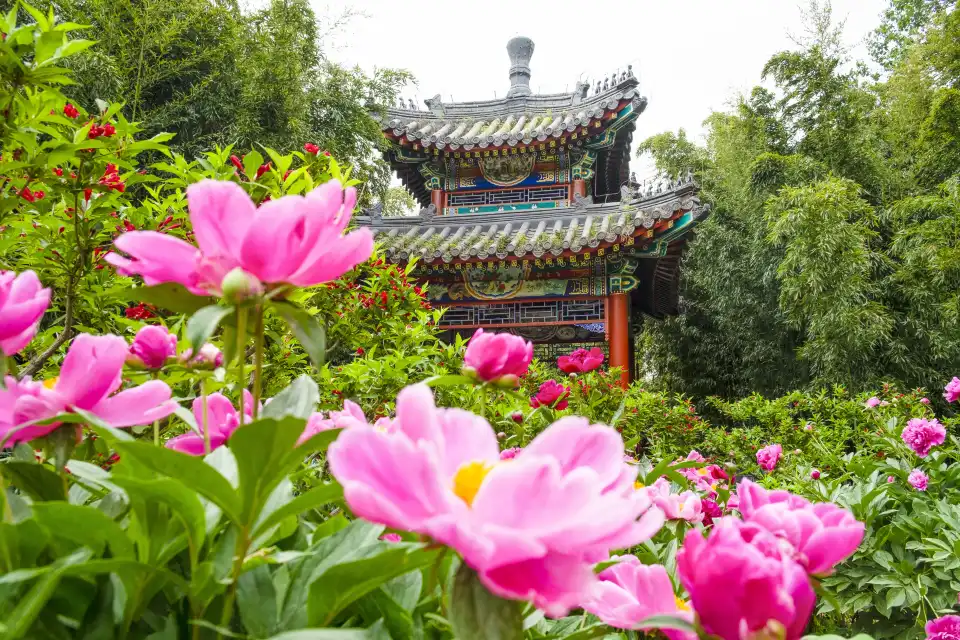
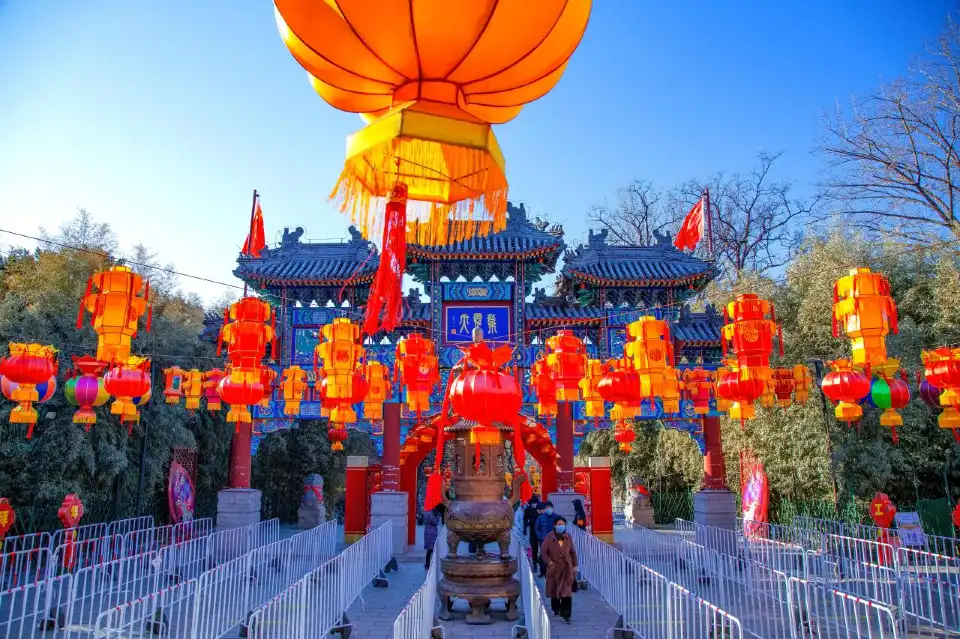
Hongluosi was built during the Eastern Jin Dynasty and is a Buddhist garden in northern China. There is a saying that "Putuo is in the south, and Hongluosi is in the north," making it a sacred place for blessings in Beijing since ancient times. The temple features towering ancient trees, with the characteristics of "admiring flowers in spring, escaping the heat in summer, viewing red leaves in autumn, and appreciating the Three Friends of Winter in winter."
Hongluosi is divided into two parts: the main temple area near the grand hall and the Five Hundred Arhat Forest, and the other is the Guanyin Temple on the mountaintop, which is said to be extremely efficacious for praying for children. Incense is available throughout the temple, with no fixed requirement for donations—visitors may contribute as they wish.
The main temple area and the Five Hundred Arhats Grove are not very large, with a perimeter of a few hundred meters. It takes about an hour to walk around. Besides praying for blessings, the main attraction of the main temple area is admiring the abundant plants in Hongluosi. Among them, three scenic spots—"Imperial Bamboo Grove," "Male and Female Ginkgo Trees," and "Wisteria Clinging to Pine"—are known as the three wonders of Hongluosi.
Imperial Bamboo Forest
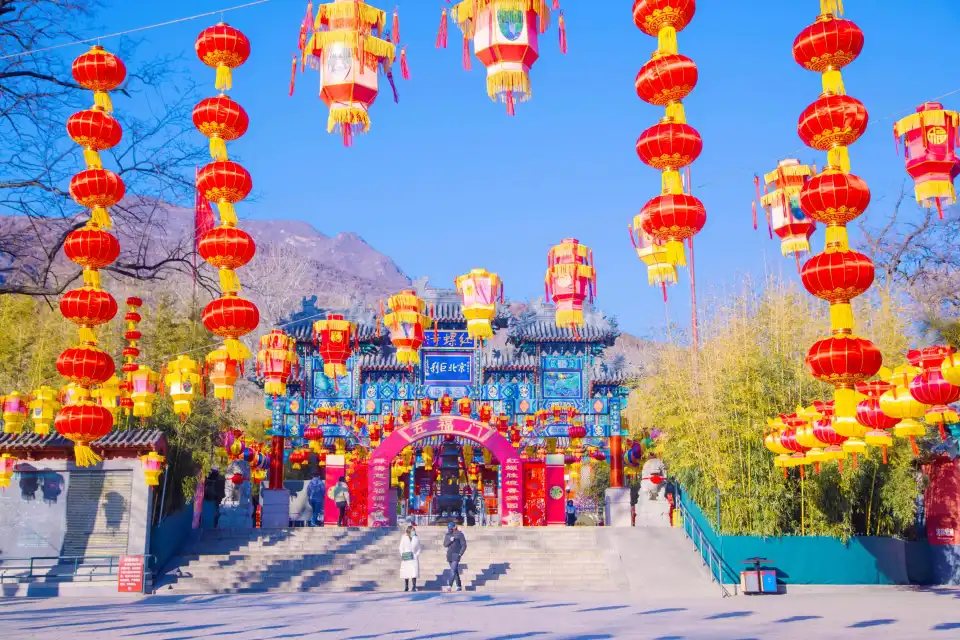
The Imperial Bamboo Forest in front of the mountain gate currently has over a million bamboo plants. This bamboo grove has been cultivated for more than 600 years and was specially protected by order of Emperor Kangxi. The thriving bamboo presents a magnificent and spectacular sight.
Wisteria-Clad Pine
The Wisteria-Clad Pine is located in the courtyard behind the Great Buddha Hall, where two thick wisteria vines have completely covered the branches of a flat-topped pine tree. Every early May, the wisteria flowers bloom in abundance, resembling strings of purple agate hanging from the branches, forming a beautiful floral canopy.
Male and Female Ginkgo Trees
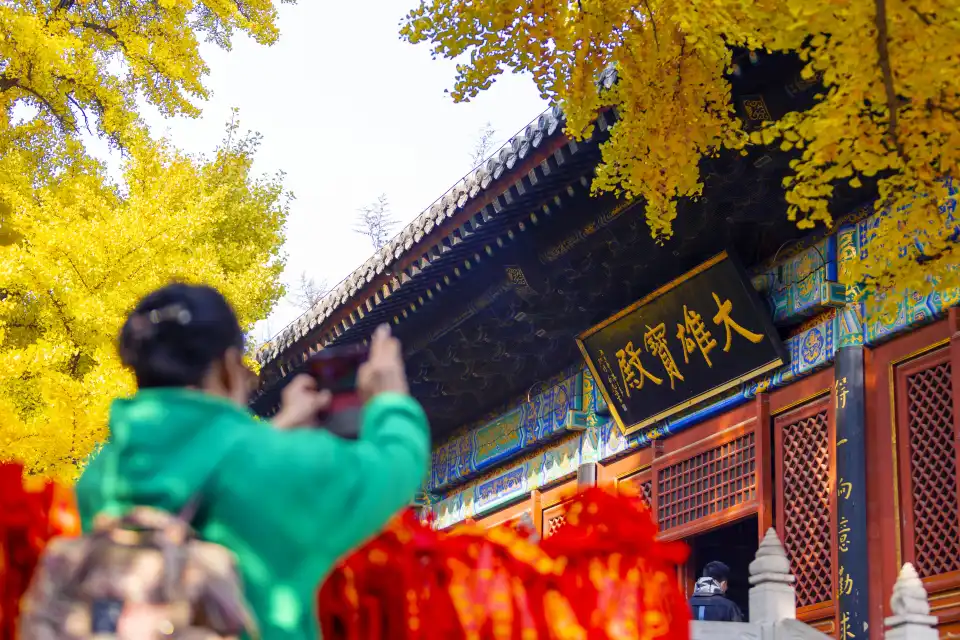
The male and female ginkgo trees refer to the two ancient ginkgo trees in front of the Mahavira Hall. The eastern one is female, bearing fruit but no flowers, while the western one is male, flowering but bearing no fruit. Both trees are tall and robust, over a thousand years old. The slightly larger male tree stands over 30m high with a circumference of 7m, making it truly magnificent. Remarkably, it has ten straight branches growing upward from its roots, creating a unique shape. Every fall, the golden ginkgo leaves enhance the grandeur of the Mahavira Hall, captivating visitors and inviting them to linger.
After visiting the temple, you can follow the mountain path to climb towards the back hill. There are approximately over a thousand steps, and it generally takes more than two hours to reach the Guanyin Temple at the summit. Along the way, different statues of Guanyin Bodhisattva appear at intervals, making the journey very interesting. The Guanyin Temple at the summit is said to be particularly efficacious for prayers for children, attracting many worshippers. From the mountaintop, looking back down, you can see layers of distant mountains and towns, offering a breathtakingly expansive view.
If you don't have enough stamina, you can also take the attraction's slideway up and down the mountain. The approximately 800m slideway leads directly to the Guanyin Temple at the summit.
Other visitors' reviews of Hongluosi
Show More ReviewsThe mountain at Hongluo Temple is absolutely stunning, though the climb requires some stamina. It has a different style from other temples I've visited, which I really enjoyed. The park below the temple is also gorgeous, beautifully designed and charming.