Simatai single-sided wall open丨Partial performance cancellation notice
Simatai Great Wall
司马台长城 based on 501 reviews
 No. 1 of Best Things to Do in BEIJING W TOWN
Open Opening hours of Simatai Great Wall
Simatai Great Wall Highlights: Must-See Features and Attractions
AuthenticGreat WallAttraction]
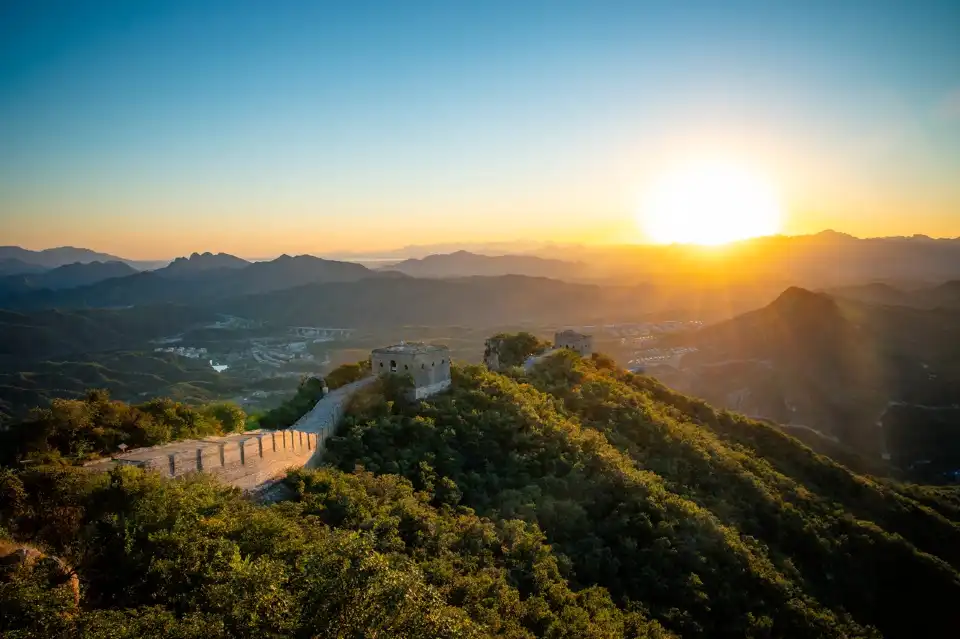
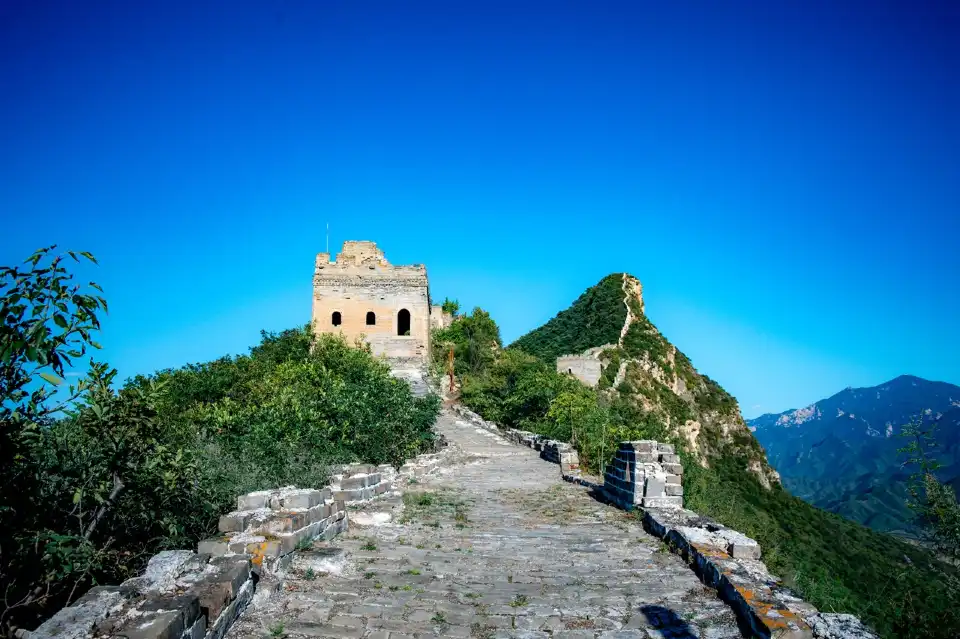
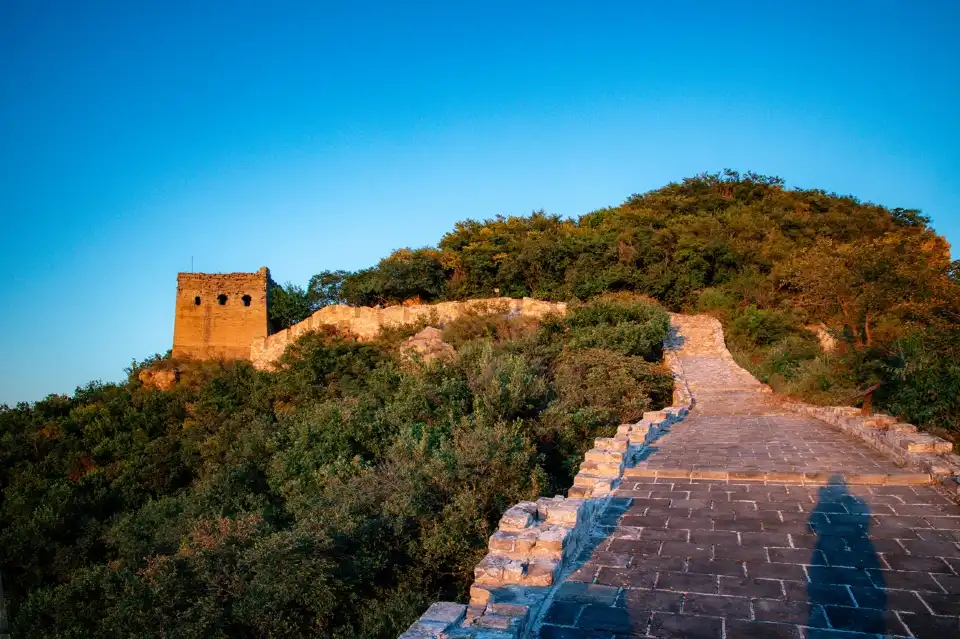
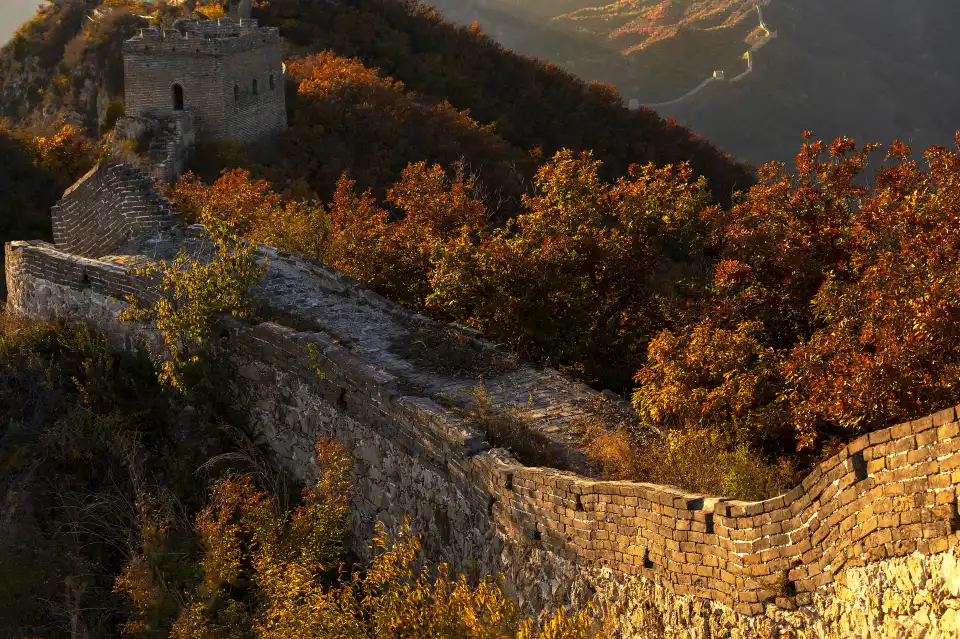
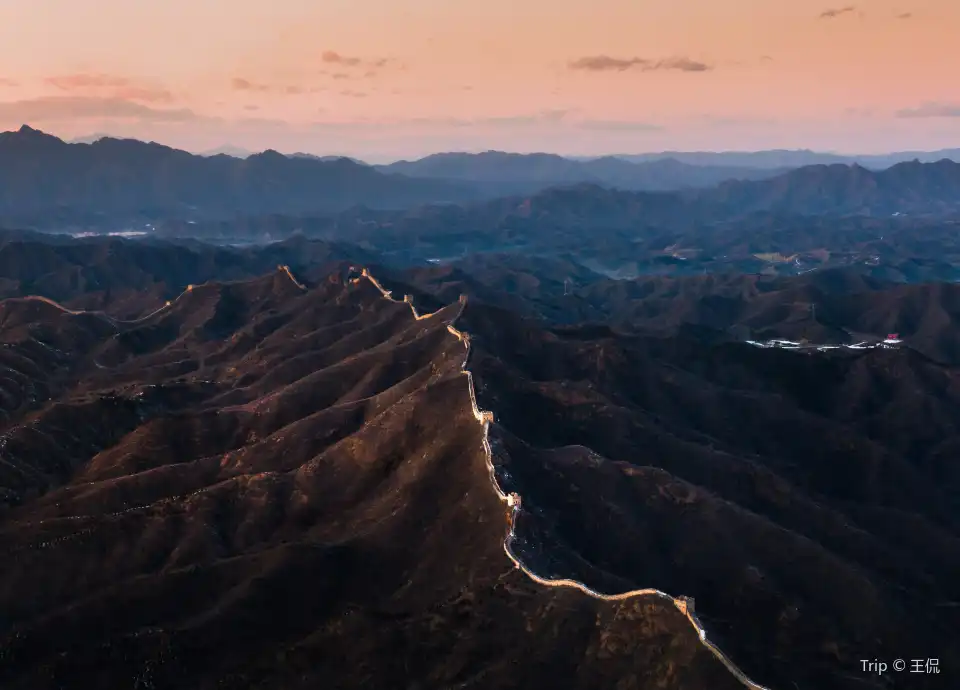
Simatai Great Wall is one of the latest opened sections in BeijingGreat WallAttraction, located at the border of Beijing and Hebei, has preservedMing Great WallThe original Great Wall was built along razor-edged mountain ridges, making it extremely precipitous and creating diverse wall forms in this section. The eastern segment has 16 watchtowers, while the western segment has 18.BadalingCompared to other attractions like the Great Wall, Simatai Great Wall is farther from the city center, so it has always had few visitors.Badaling Great WallThat kind of overcrowding phenomenon. In addition, the Simatai Great Wall was developed relatively late, avoiding the issue of excessive renovation, and withBadaling Great WallIn comparison, this place appears more authentic, with dilapidated walls and ruins stretching as far as the eye can see. Every fall, the red leaves here attract many travelers to admire the crimson-covered mountains from the ancient Great Wall, offering a completely different experience from viewing the foliage at Fragrant Hills.
Simatai Great Wall east section introduction:
Simatai one-sided wall is now open:
The Simatai Great Wall, hailed by UNESCO as the "original Great Wall," was officially inscribed on the World Heritage List in 1987. It has gained global acclaim for its five distinctive marvels: thrilling ascents, dense watchtower distribution, picturesque scenery, ingenious design, and complete preservation. The Times of the UK once ranked it as the "top of the world's 25 must-see landscapes." A professional saying circulates in the industry: only by climbing Simatai can one truly understand the Ming Dynasty Great Wall. Unlike other standardized restoration sections, Simatai completely retains its authentic Ming-era features, serving as the definitive model for studying the military engineering, frontier defense wisdom, and architectural aesthetics of the Ming Dynasty Great Wall.
The opening of the Simatai single-sided wall showcases one of the rarest and most unique ridge-core remnants along the Great Wall. Centered around this perfectly preserved Ming Dynasty single-sided wall as its landmark feature, complemented by four exceptionally rare original Ming structures, these layered and mutually enhancing elements create China's only authentic outdoor classroom of Ming frontier defense. Together, they fully reconstruct the military system and cultural heritage of the Great Wall as it existed six centuries ago.
Single-sided wall [the Great Wall's perfectly preserved single-sided wall]:
The single-sided wall, as an irreplaceable gem of the Great Wall, is the only surviving original structure of its kind along the entire wall, with no replicas or restoration alterations, preserving the authentic architectural style of the Ming dynasty. Ming border garrison troops mastered the military strategy of "using terrain to fortify defenses," innovating the wall's construction by leveraging Simatai's steep ridges and cliffs: abandoning the conventional dual-wall structure, they utilized the sheer outer cliffs as a natural defensive barrier, building only a single orderly defensive wall on the inner side, creating the unique marvel of the single-sided wall.
It is not a naturally collapsed ruin, but a functional structure deliberately designed, precisely laid out, and completely preserved under Ming military planning, serving as the physical embodiment of Qi Jiguang's frontier defense philosophy. This entire wall section perfectly integrates natural barriers with man-made defenses, shattering the public's conventional perception of the Great Wall as having "twin high walls in continuous regularity." Walking along the single-sided wall on the precipitous ridge, with one side flanked by the solid ancient Ming wall and the other by sheer cliffs dropping thousands of feet, visitors directly experience both the majestic grandeur and the harsh realities of Ming frontier defense.
It is precisely because of this unique form and heritage that the industry consensus emerged: only by climbing Simatai can one truly understand the Ming Dynasty Great Wall. Ascending this single-sided wall allows genuine comprehension of the ancients' supreme military wisdom in "using natural barriers as defenses and craftsmanship to repel enemies," as well as the Ming Great Wall's construction philosophy of adapting to local conditions and following natural advantages. It serves as a precious physical specimen for studying the Ming Dynasty Great Wall's frontier defense system and architectural techniques.
[Four rare supporting relics]
1. Octagonal dome-top watchtower: A rare octagonal watchtower on the Great Wall, built without wooden beams or iron nails, relying solely on interlocking brick-and-stone physics for load-bearing, representing the pinnacle of Ming Dynasty masonry craftsmanship;
2. Twin lotus stone carving: an original Ming dynasty relief carving on the arched gate of the enemy tower, embodying soldiers' wishes for national peace and family reunion on the frontier;
3. Ming dynasty wall-attached platform: The only intact original wall-attached platform along the entire Beijing Great Wall, used for stationing troops and storing military provisions, restoring the authentic scenes of frontier defense life;
4. Arrow window arch lintel: The original Ming dynasty brick and stone arch features refined lines, embodying the architectural aesthetics of the Ming dynasty Great Wall.
The Simatai Great Wall takes the single-sided wall as its core framework and four exceptionally rare original Ming structures as its cultural pillars, perfectly preserving the historical appearance, military system, and humanistic stories of the 600-year-old Ming Dynasty Great Wall. This opening strictly follows the cultural relic revitalization principle of "minimal intervention and preservation of original state," bringing these long-secluded frontier remnants out of obscurity and transforming them into a living cultural classroom accessible to the public for climbing, viewing, interpreting, and reflecting. It truly achieves mutual empowerment between heritage conservation, cultural transmission, and tourism integration, enabling more people to ascend the Simatai Great Wall and understand the Ming Dynasty Great Wall.
Travel route reference
The hiking trail at Simatai Great Wall is relatively steep. It takes more than 1 km of uphill walking from the foot of the mountain to the watchtower, requiring a certain level of physical strength. At the base of the Great Wall, there is a cableway that directly reaches near "East Tower 8" and "East Tower 5". Visitors with limited physical strength can choose to take it. The cableway costs CNY 90 for a one-way trip and CNY 160 for a round-trip.

Other visitors' reviews of Simatai Great Wall
Show More ReviewsAutumn at Simatai reveals the most authentic side of the Great Wall. Untouched by excessive restoration, the ruins intertwine with the crimson leaves, and the single-sided wall stands like a sharp blade amidst the vibrant colors of the forest. Climbing to a high vantage point, the autumn hues of the Yanshan Mountains stretch as far as the eye can see, a collision of historical desolation and natural splendor. If you happen to visit when the morning mist hasn't yet dissipated, and a sea of clouds blankets the ridgeline, you'll feel that all the grandeur of the Great Wall has been bestowed upon Simatai. A visit in autumn is truly worthwhile.