Ming City Wall Ruins Park
明城墙遗址公园 based on 68 reviews
Opening hours of Ming City Wall Ruins Park
Ming City Wall Ruins Park Highlights: Must-See Features and Attractions
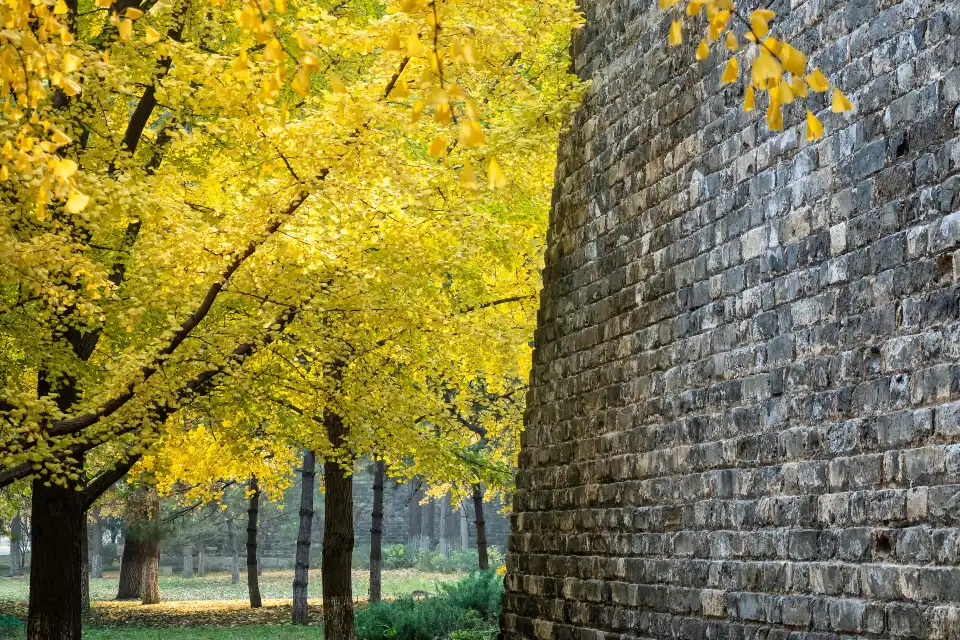
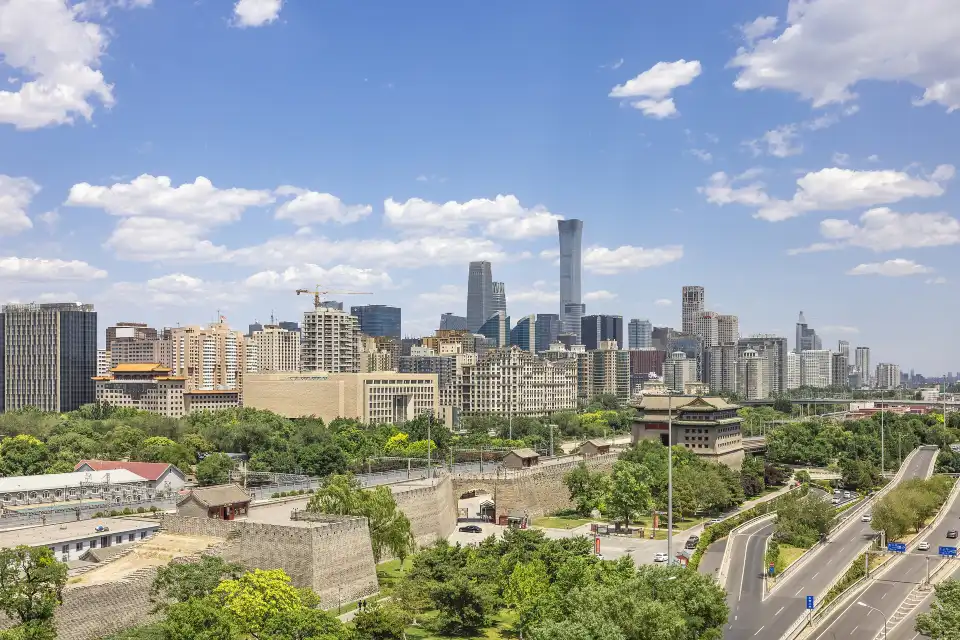
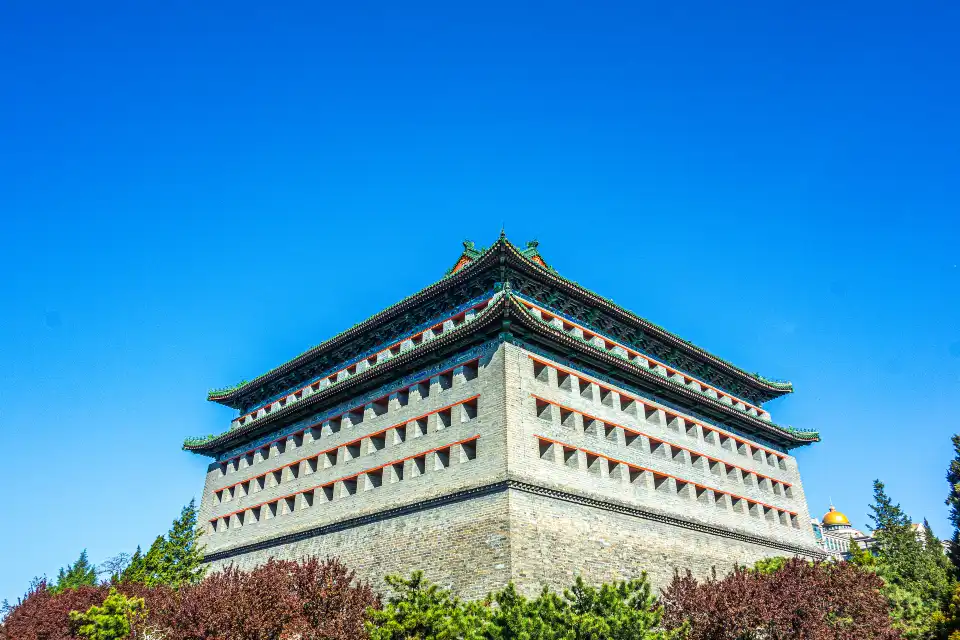
Ming City Wall Ruins Park is located beside Chongwenmen Street in Beijing, close to Beijing Railway Station. It is an urban park with the relatively well-preserved Ming Dynasty city wall in Beijing as its main body. There is a Ming Dynasty city wall about 1 km long in the park, surrounded by lawns, trees, flowers and plants. Many tourists take morning exercises and walks on the green land in the park, which has a beautiful environment. Climbing the city wall, you can see some Ming Dynasty monuments and simple cultural relics exhibitions. There are fewer tourists in the park now, so it is a good place for tourists who like quietness to visit Beijing monuments.
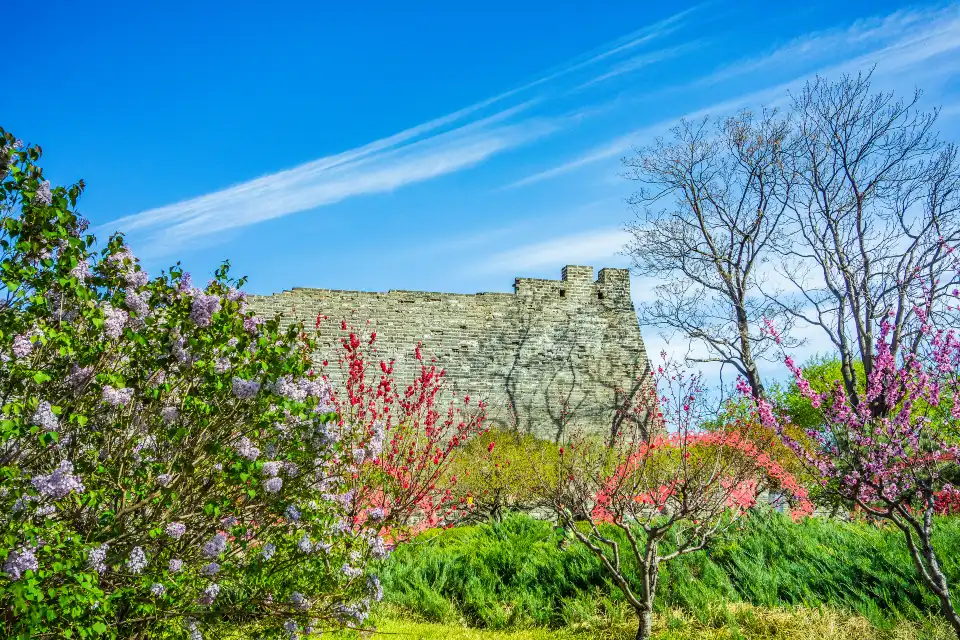
The outer green area is where many Residents from the surrounding area come to do morning exercises. There are many trees and flowers planted against the city wall, and the environment is very beautiful. Among them, the circle of plum trees at the foot of the city wall is famous. Every March, the plum blossoms are in full bloom against the city wall, which is very beautiful. Many tourists come here to take photos and sketch. In addition, there are also the Jingfeng Railway Signal Station and the Train Voucher Cave, where you can see the ancient railway and station ruins, which can be visited briefly.
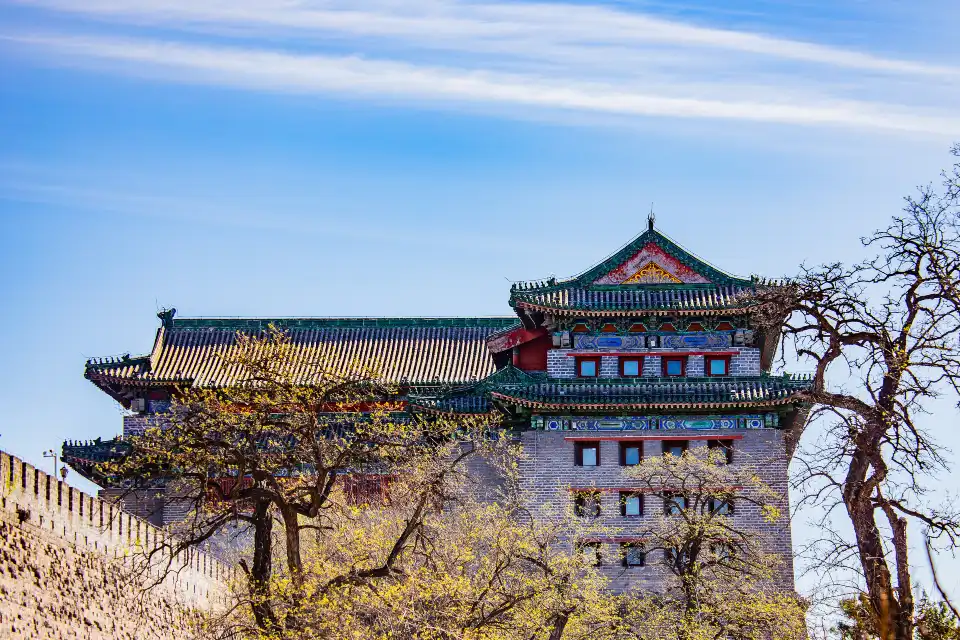
The city wall in the park is the most well-preserved Ming Dynasty city wall in Beijing (other city walls no longer exist), and is one of the oldest symbols of Beijing. The city wall is about 1.5 kilometers long, and the main tourist area is the approximately 200-meter-long area on the east side and the southeast corner tower of Beijing. The west side is an unrepaired city wall with the yellow soil of the rammed earth foundation exposed. It looks primitive and simple, and can only be visited briefly.
On the east side of the city wall, you can see Ming Dynasty relics such as flagpole stone and ancient cannons, as well as inscriptions on the city wall when the Eight-Nation Alliance invaded Beijing. They are all of great historical value and worth seeing. In the southeast corner tower, there are some historical exhibitions, including old cannons, photos of city towers, etc., as well as some art exhibitions such as photography and painting about modern Beijing. You can visit them one by one to learn about the history and present of Beijing.
Other visitors' reviews of Ming City Wall Ruins Park
Show More ReviewsThe plum blossoms at the foot of the city wall are in full bloom, and the peak flowering period should be in late February. Park Introduction Beijing Ming City Wall Ruins Park is located in the city center, starting from the southeast corner tower in the east and ending at Chongwenmen in the west, with a total area of about 15.5 hectares, of which the city wall ruins and the southeast corner tower in the city cover an area of about 3.3 hectares, and the green area is 12.2 hectares. Historically, the Ming City Wall is about 40 kilometers long and was built in the 17th year of Yongle in the Ming Dynasty (1419 AD), with a history of more than 580 years. The existing city wall from Chongwenmen to the southeast corner tower is about 1.5 kilometers long. It is a part of the original Beijing inner city wall, the only remaining section, and the symbol of Beijing City. Its southeast corner tower is the largest corner tower of the city wall in the country. It was built in the first year of Zhengtong in the Ming Dynasty (1436 AD) and is a national key cultural relic protection unit. Due to years of disrepair and human destruction, the city wall is seriously damaged. In order to protect the cultural heritage and reproduce the style of the ancient capital, the Beijing Municipal Party Committee and the Municipal Government conscientiously practiced the important thought of "Three Represents" and decided to thoroughly renovate the surrounding environment of the Chengpei ruins, repair the city wall, and build the Ming City Wall Ruins Park. The park uses simple design techniques to highlight the incomplete beauty of the city wall. Strolling through the park, the ancient trees and green grass, the ancient Ming city wall and the deep and solemn corner tower seem to tell people about the vicissitudes of the nation. The park's "Old Trees and Ming Walls", "Walking in the Remains", "New Rhyme of the Ancient Buildings", "Green Battlements" and other landscapes have a long history and rich connotations, showing the profound cultural accumulation of Chongwen, which adds infinite reverie.