Yin Xu
殷墟 based on 47 reviews
 No. 3 of Best Things to Do in Anyang
Open Opening hours of Yin Xu
Yin Xu Highlights: Must-See Features and Attractions
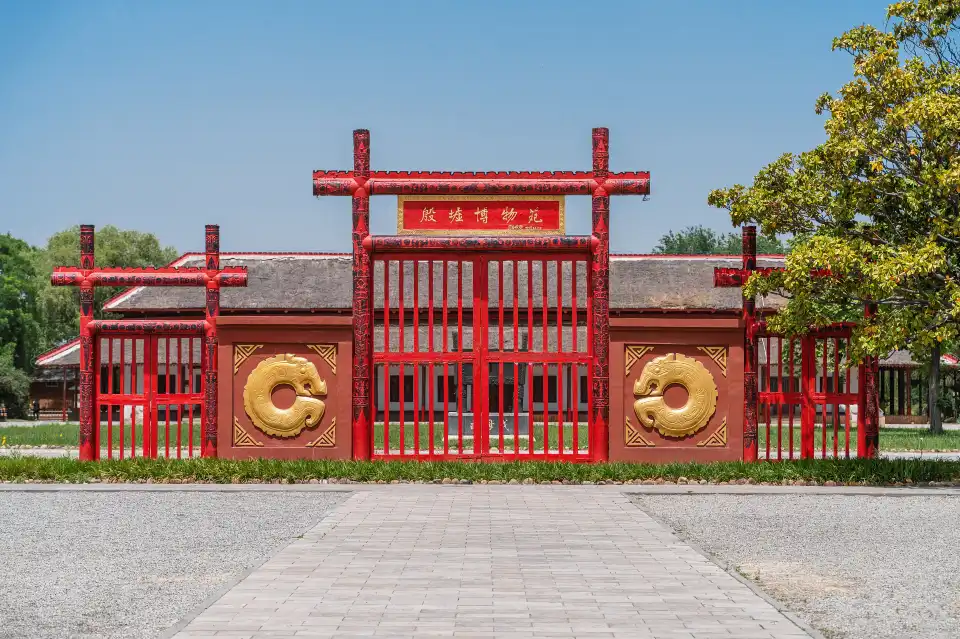
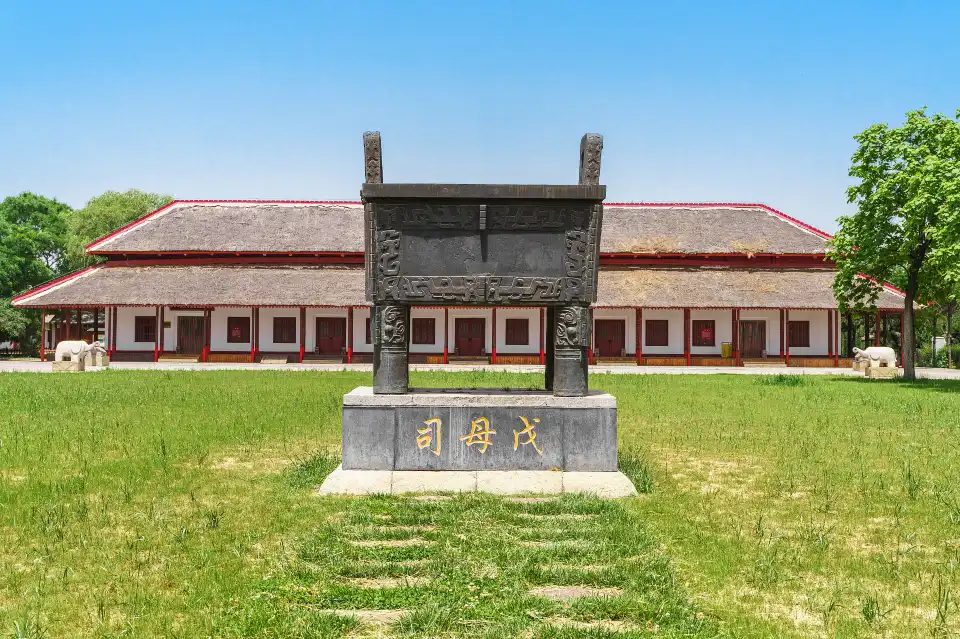
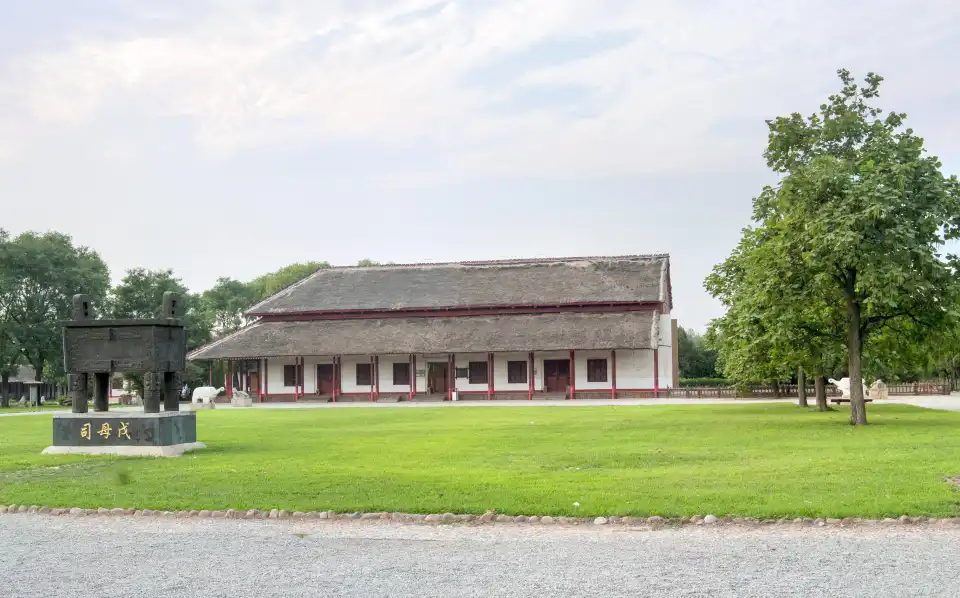
Yin Xu is the ruins of the late Shang Dynasty capital in China, the first historically confirmed capital city, located in Yindu District, Anyang. A large number of cultural relics with precious historical value have been unearthed at Yin Xu, including bronze ware and oracle bone inscriptions. Among them, the 875 kg "Simuwu rectangular ding" is a treasured bronze artifact, while the oracle bone inscriptions represent ancient Chinese writing and the precursor to Chinese characters. Their discovery altered China's archaeological chronology, pushing the credible recorded history of China back to the Shang Dynasty.
The Yin Xu royal tomb site within the attraction is academically recognized as the royal burial ground and sacrificial site of the Shang dynasty. The palace area has yielded a large quantity of oracle bones, bronze artifacts, including the famous "Simuwu rectangular ding." Thirteen royal tombs, over 2,000 burial pits, sacrificial pits, and chariot pits have been discovered here. The eastern section of the royal tomb site features numerous sacrificial pits containing human (sacrificial victims) and animal skeletons, serving as a public sacrificial ground for the Shang royal family to honor their ancestors.
The Yin Xu palace and temple complex site served as the venue for Shang kings to handle state affairs and reside, representing the most significant ruins and component of Yin Xu, encompassing over 80 architectural foundations including palaces and temples. To the west and south of the palace and temple complex lies a manually excavated defensive moat encircling the structures, functioning similarly to a palace city. The temple complex is also recognized as one of the renowned "classical city-states" among ancient civilizations worldwide.
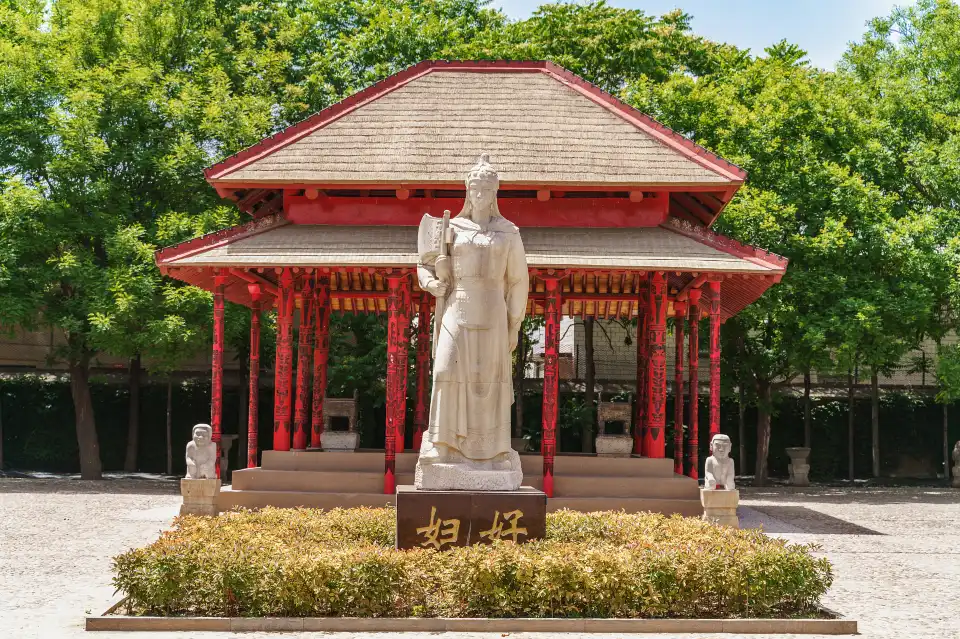
Within the palace and temple ruins area lies the tomb of Fu Hao, the consort of King Wu Ding of the Shang dynasty. This is the only well-preserved tomb of a Shang royal family member discovered to date, and the only one that can be linked to oracle bone inscriptions to confirm its age, owner, and identity. The tomb chamber contained 16 sacrificial victims and yielded over a thousand artifacts, including bone objects, jade pieces, and bronze vessels.
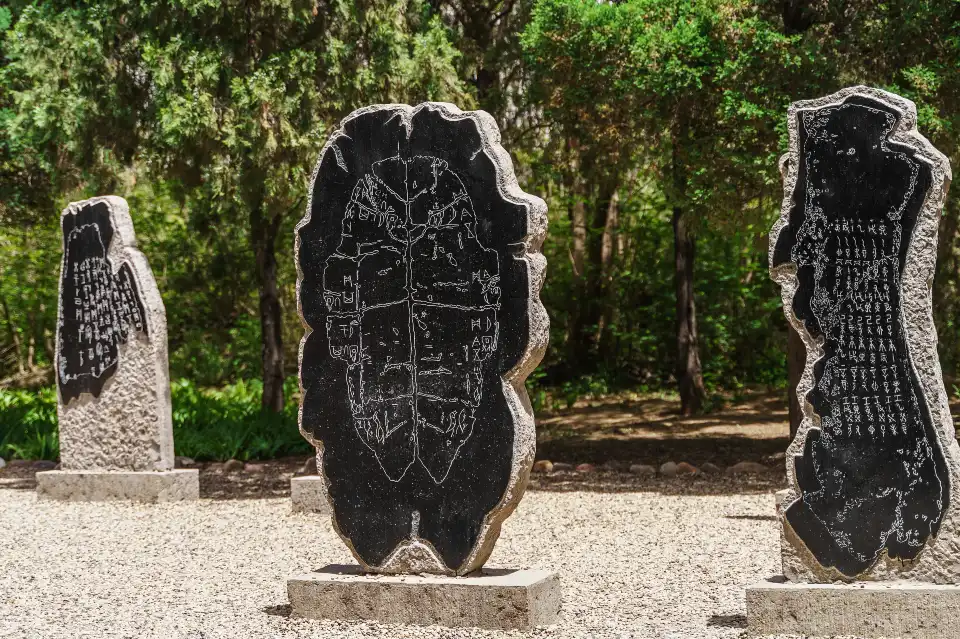
In the eastern part of the attraction, there is also an "Oracle bone stele forest" that displays a large number of oracle bone inscriptions in the form of stone carvings. Visitors who are interested can go and take a look.
Other visitors' reviews of Yin Xu
Show More ReviewsI visited Yinxu on the morning of September 10th, 2026. It comprises three sites: the Yinxu Museum, the Yinxu Royal Tombs, and the Yinxu Ancestral Temple Site. A combined ticket costs 120 yuan per person. The Yinxu Museum's main collection consists of artifacts unearthed from the tombs of Fu Hao and Ya Chang. The Ancestral Temple Site is the famous tomb of Fu Hao! After exiting the museum, you take a shuttle bus to the Ancestral Temple Site. However, the shuttle bus to the Royal Tombs only runs once an hour, with long intervals. Generally, tourists can't wait. I give Yinxu four stars.