Harbin Travel Guide 2026: Top Attractions, Things to Do & Deals | Trip.com | February 2026
About Harbin
Recommended trip: 2–4 day(s)
Recommended trip: 2–4 day(s)Current weather conditions
 -12°C
-12°CHarbin Local Experiences Map






Trending in Harbin
Harbin Local Travel Guide 2026
Harbin Brief Guide
Harbin, the capital of China’s northernmost province, is famous for its epic winter ice and snow festival, Russian-influenced architecture, and freezing Siberian climate. From the dazzling Ice and Snow World’s giant illuminated sculptures to historic Central Street and nearby Snow Town, it offers a unique cold-weather adventure. This guide will help you plan your perfect trip!
Harbin Must-try local experiences
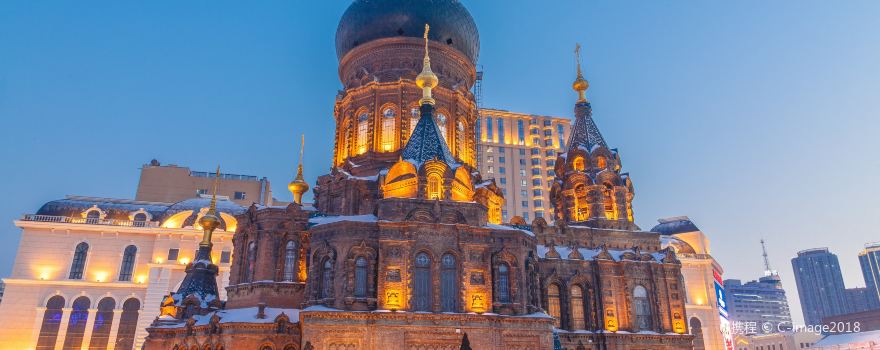
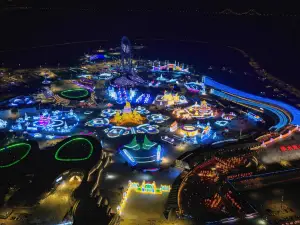
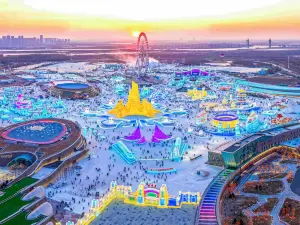
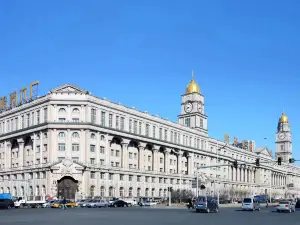
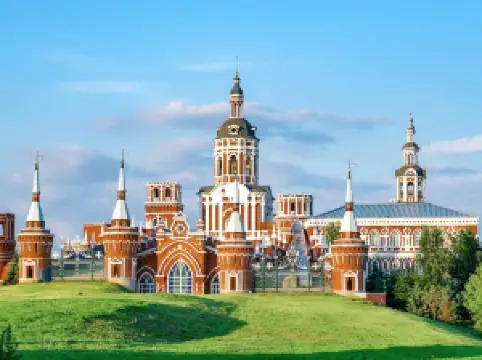
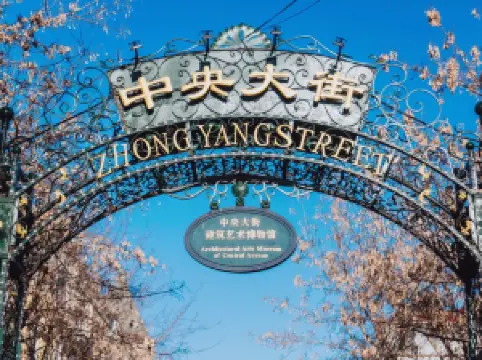
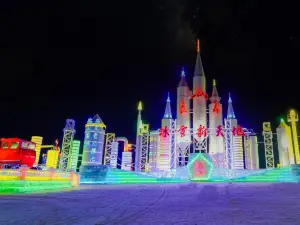
1. Explore the China Harbin Ice and Snow World Experience the magic of the China Harbin Ice And Snow World, where you can marvel at massive ice sculptures illuminated by colorful lights and enjoy various ice activities. 2. Stroll along Zhong Yang Street Take a leisurely walk down Zhong Yang Street, a pedestrianized street showcasing European architecture, shops, and cafes, offering a glimpse into Harbin's cosmopolitan past. 3. Discover the Siberia Tiger Park Embark on a thrilling adventure at the Siberia Tiger Park, home to majestic Siberian tigers in a semi-natural habitat. 4. Visit the Harbin Construction Art Museum Admire the stunning Byzantine-style design of Harbin Construction Art Museum, a symbol of Harbin's Russian heritage and now a museum showcasing the city's multicultural history. 5. Savor Authentic Northeastern Chinese Cuisine Indulge in the hearty and flavorful cuisine of Northeastern China, including specialties like Guo Bao Rou, Di San Xian, and Harbin-style dumplings. 6. Visit the Harbin Central Market Explore the Harbin Central Market, a bustling marketplace where you can shop for local produce, snacks, and unique souvenirs. 7. Experience the Thrill of Dog Sledding Embark on an exhilarating dog sledding adventure through the snowy landscapes surrounding Harbin, led by a team of energetic huskies.
Harbin Must-see Attractions
Harbin, a city renowned for its International Ice and Snow Festival, offers a diverse array of attractions including the world's largest Siberian Tiger Park, a panoramic Songhua River cableway, the historic St. Sophia Cathedral and adjacent Sophia Square, and the unique Harbin Polarpark, providing visitors with experiences ranging from wildlife conservation to architectural history and polar-themed entertainment.
Harbin Food Guide
Harbin, a city in Northeastern China, is renowned for its culinary delights such as the sweet and sour Guo Bao Rou, the street snack Grilled Cold Noodles, the culturally symbolic Harbin Red Sausage, and the traditional Pig Slaughter Dish, each reflecting the region's rich gastronomic heritage and local flavors.
Harbin Transportation
Harbin's transportation network makes it accessible year-round, though winter snow can cause minor delays—plan ahead for flights and trains during the Ice Festival (January–February). By Air Harbin Taiping International Airport (HRB), 33–41 km northwest of downtown (40–60 min drive). Serves 50+ routes to major Chinese cities (Beijing 2h, Shanghai 3h, Guangzhou 4h, Shenyang 1.5h) and international spots like Seoul, Osaka, Vladivostok, and Los Angeles. Airport → City options: Airport shuttle buses (8 lines, ¥20, 50–70 min to Harbin Railway Station or Central Street; runs 6:00 AM–last flight). Taxi/Didi: ¥100–150, 40–60 min (insist on meter; app English-friendly). By Train Harbin West Railway Station (HSR hub, 10 km southwest of the center) and Harbin Railway Station (central, near attractions). Over 100 daily HSR trains. From stations: Metro Line 2/3 to center (¥2–5, 10–20 min) or Didi (¥20–50).
Harbin Where to Stay
Harbin is a fascinating destination that offers a diverse range of accommodation options, each with its own unique characteristics and charm. The city's accommodation scene is a reflection of its regional diversity, providing options for every type of traveler, from those seeking luxury experiences to budget-conscious visitors.
Harbin Best Time to Visit
The optimal period to visit Harbin is during the winter months, specifically from December to February. This season offers the unique experience of the Harbin International Ice and Snow Festival, which officially starts on January 5th but often opens for visitors in late December. The festival showcases magnificent ice and snow sculptures, and visitors can engage in various winter activities such as skiing and ice fishing. Despite the cold, with temperatures dropping as low as -38.1 degrees Celsius, the city's transformation into a winter wonderland is a sight to behold and attracts tourists from around the globe. For those interested in less crowded times, it is advisable to avoid peak days and visit after the opening ceremonies or in February.
Harbin Useful Guide
Mandarin Chinese (Standard Chinese, using Simplified characters) is the official language in Harbin and across China. Navigating with English is challenging outside major tourist spots like the Ice and Snow Festival or Central Street, where bilingual signage and basic English from younger locals (under 40) or staff can help. Rely on translation apps.
Trip.Best: Harbin







Things to do in Harbin
What to do
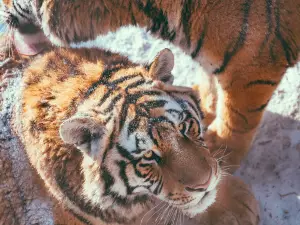
Siberia Tiger Park
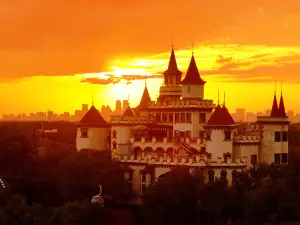

Harbin Polarland·Polarland



Poseidon Underwater World
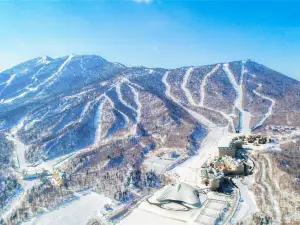
Yabuli Ski Resort
Where to stay
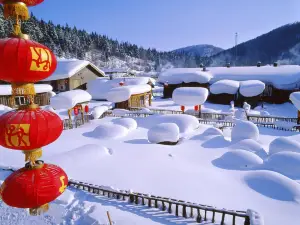


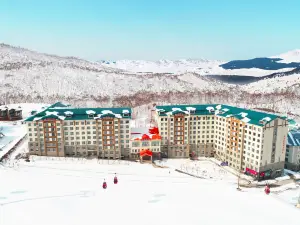

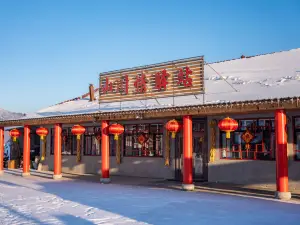

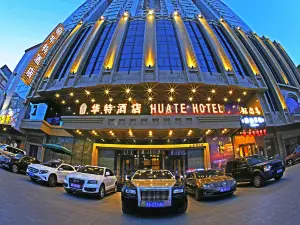
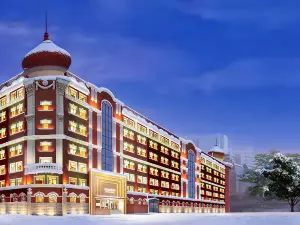
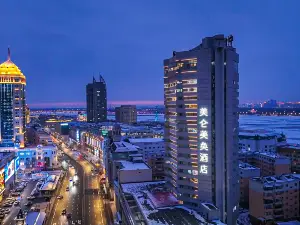

What to eat
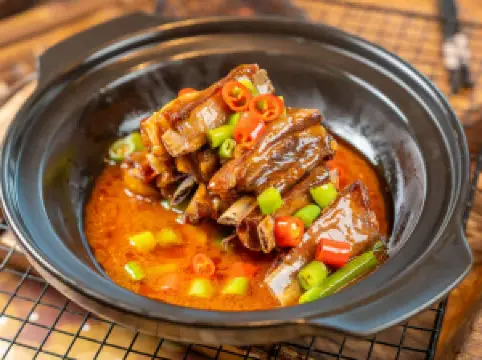





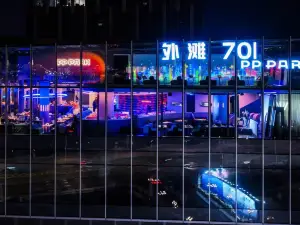





Luxiya Western Restaurant (xitoudaojiedian)
Harbin Moments: Through Travelers' Eyes

Here's a travel itinerary for Harbin, the coldest city in China.

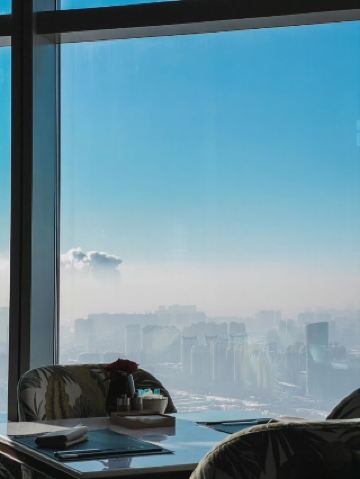
Experience Harbin's winter and enjoy a warm and happy winter stay amidst the snow and ice.


Harbin Locals' Secret Citywalk Route – A Must-Visit Before Ice and Snow World!


Experience Harbin's winter at -20°, hiding in the hotel to watch the river turn into "land"

Southern potatoes venture into Harbin – here's a fun guide to get yours!

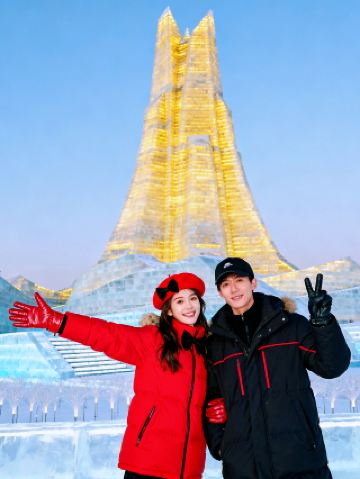
Harbin + Snow Town + Changbai Mountain + Yanji︱The Ultimate Travel Guide

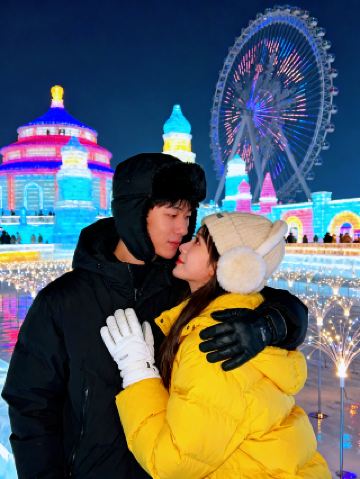
How to travel in Northeast China for the first time? This guide is all you need!
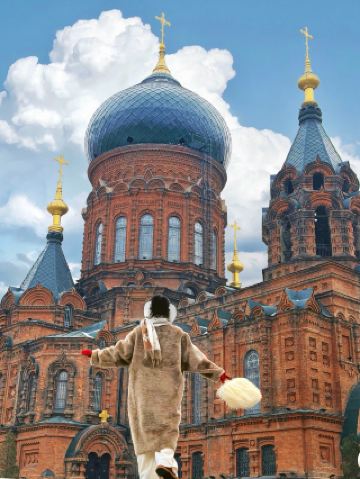
Just follow the photo spots at Saint Sophia Cathedral to take great pictures

Harbin: FAQ

What's the most popular attractions in Harbin?

Things to do near Harbin for family & child?
Any recommended attractions about nature scenery in Harbin?
How to get to Harbin from Nanjing?
How to get to Harbin from Guangzhou?
How to get to Mohe from Harbin?
Best of Harbin
Popular Instagrammable Hotels in Harbin


Top 10 Hot Springs Attractions in Harbin

Yabuli Forest Hot Spring

Dolphin Castle Hot Spring Water Park

Yingxian Yingjie Hot Spring Scenic Area

Popular Gourmet Hotels in Harbin


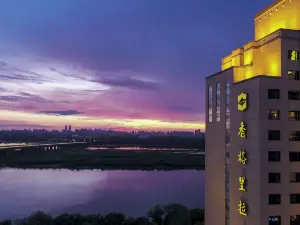
Top 20 Premium Hotels in Harbin

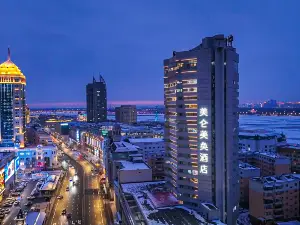





Top 20 4-Star Select Hotels in Harbin










Top 50 Best Things to Do near Harbin
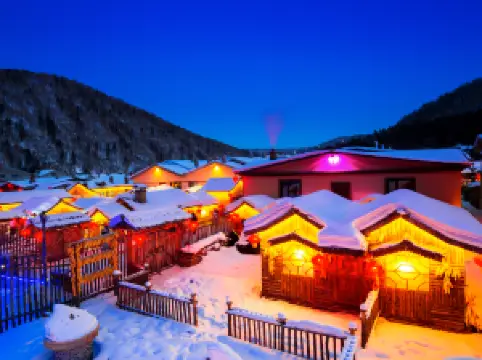
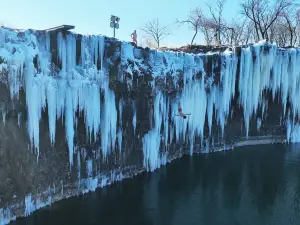
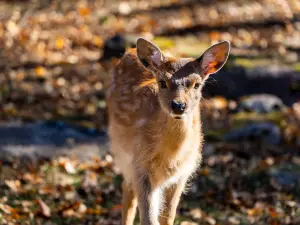

Top 50 Family-friendly Attractions near Harbin
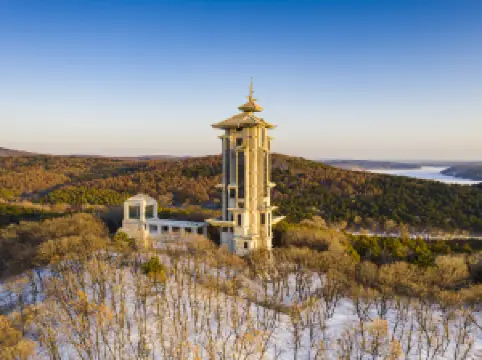

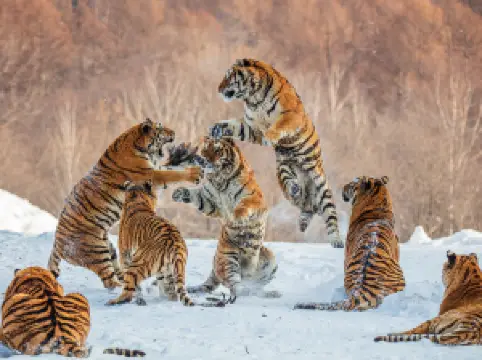
Hengdao Tiger Forest Park

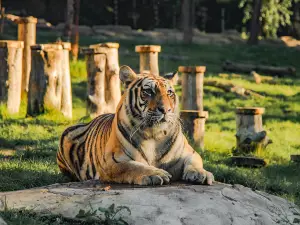
Jilin Provincial Siberian Tiger Park
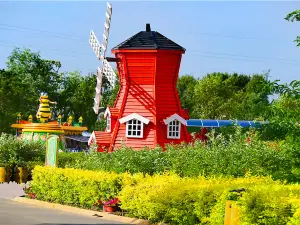
Longsha Zoological and Botanical Gardens
Top 20 Ski Resorts near Harbin


Songhua Lake Ski Resort
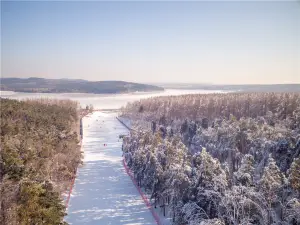
Jingyuetan Skiing Field
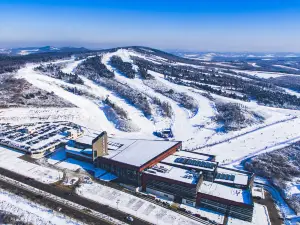
Tianding Mountain Ski Resort

Changchun Temple Xiangshan Ski Resort

Lotus Hill Ski Resort
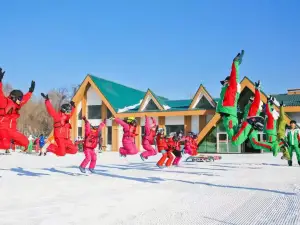
Xuexiang Ski Field
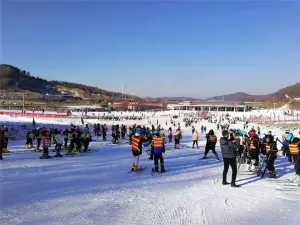
Mingshan Oasis Ski Resort
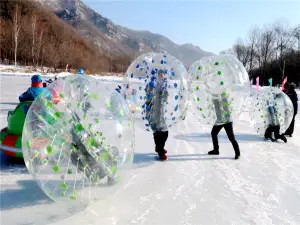
Jiufeng Mountain Ski Field

Hengdao Ski Field

Ji Ski Field

tie li ri yue xia hua xue chang
Top 50 Premium Hotels near Harbin
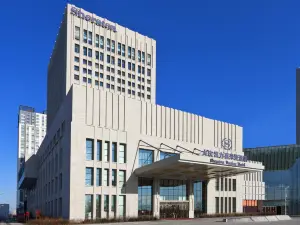

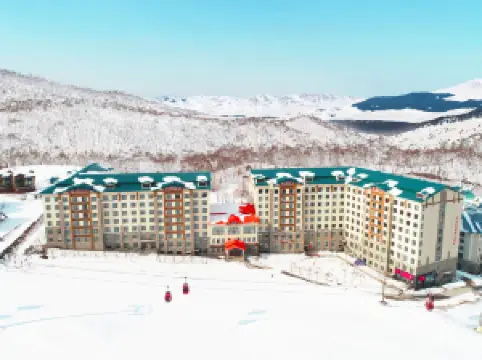
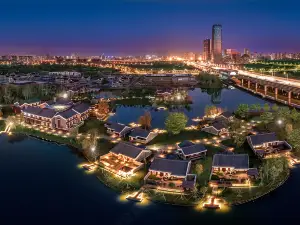
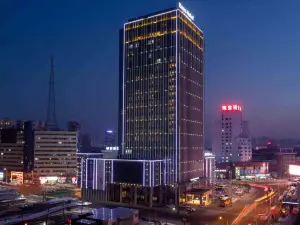

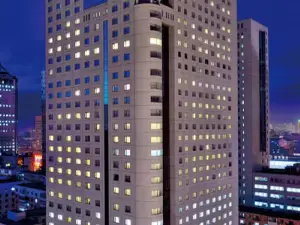
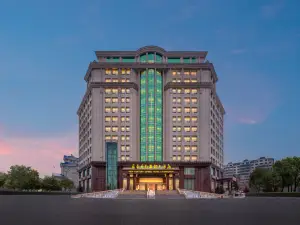
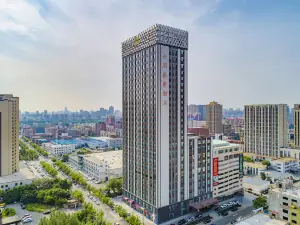



Top 10 Hot Springs Attractions near Harbin
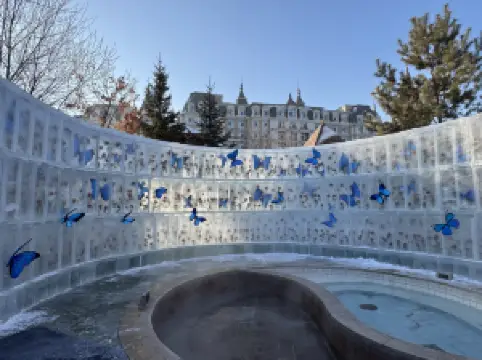
Guoxin Nanshan Hot Spring

Shuishi Forest Hot Spring Resort

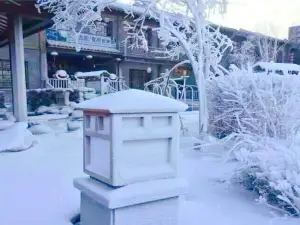
Daqing Beiguo Hot Spring
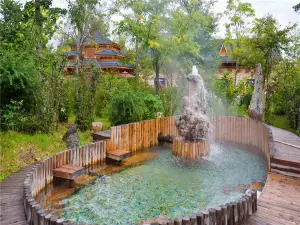
Baoyu Forest Ecological Town

Jichunquan Dujia Hot Spring

Heming Lake Wetland Hot Spring Resort

Yulong Hot Spring

Other recommended cities

Hangzhou
Shanghai
Chengdu
Xiamen
About
Site Operator: Trip.com Travel Singapore Pte. Ltd.