15 Best Ski Resorts in China: Harbin, Yabuli, Altay & Chongli
Contents
- Ski Resorts in China: Opening Dates and Prices at a Glance
- Which Ski Resort in China Suits You?
- Beginners and families: short slopes, wide runs, short queues
- Advanced skiers and powder chasers: drop, length and snow quality
- Ski plus city: resorts within an hour of an airport or high-speed station
- Budget skiing: early season, March and midweek
- Jilin Ski Resorts: Changbai Mountain, Beidahu and Songhua Lake
- Wanda Changbaishan International Ski Resort: 43 runs and a full resort village
- Changbaishan Huamei Resort: small drop, wide runs, good for beginners
- Beidahu Ski Resort: 74 runs and nearly 900 m of drop
- Vanke Songhua Lake Resort: a 5.23 km run and 50 pistes
- Heilongjiang Ski Resorts: Harbin and Yabuli
- Yabuli Ski Resort: 56 runs across three connected mountains
- Harbin Hot Snow Miracle: indoor snow all year
- Xinjiang Ski Resorts: Urumqi and Altay
- Silk Road International Resort, Urumqi: 21 runs and the Xuanzang Avenue drop
- Baiyun International Ski Resort, Urumqi: cheap, wide and close
- Jiangjunshan International Ski Resort, Altay: city-edge skiing and sunsets
- Keketuohai International Ski Resort: the earliest opening in China
- Jikepulin International Ski Resort: Hemu powder and off-piste terrain
- Chongli Ski Resorts: Winter Olympic Terrain an Hour from Beijing
- Wanlong Ski Resort: firm, fast groomers and the earliest start in Chongli
- Genting Secret Garden: the Olympic halfpipe and reliable night skiing
- Thaiwoo Ski Resort: a ski town at the foot of the lifts
- Beijing Ski Resorts: A Same-Day Option
- Nanshan Ski Resort, Miyun: the biggest in Beijing
- Ski Passes, Gear and Getting to China's Resorts
- When to go: season, Chinese New Year and midweek
- How to buy lift passes for less
- What to pack
- Flights, rail and transfers
- Where to Stay: Ski-In Hotels or City Hotels?
- Ski-in hotels inside the resort
- City and gateway hotels
- More China Travel Guides
Show more
Skiing in China starts earlier than most travellers expect. Keketuohai in northern Xinjiang opened on 20 October 2026, Wanlong in Chongli followed on 23 October, and Yabuli in Heilongjiang held its opening ceremony on 6 November. The Changbai Mountain resorts come next, from mid-November, and the hills around Beijing usually wait until late November or early December.
This guide compares 15 ski resorts in China across Jilin, Heilongjiang, Xinjiang, Hebei's Chongli and Beijing: opening dates for the 2026-27 season, lift-pass prices, terrain, night skiing, transfer times from the nearest airport or high-speed station, and where to stay. Prices are adult day-pass references in CNY; they climb in peak weeks and over Chinese New Year.
The list runs from the resorts that open first to those that open last. Opening day shifts by a few days each season with snowfall and temperature, so confirm on the resort's own channel in the week you travel.
| Resort | Region | 2026-27 opening | Season | Day pass |
| Keketuohai International Ski Resort | Altay, Xinjiang | 20 October (open) | Mid-October to May | ¥280–580 |
| Wanlong Ski Resort | Chongli, Hebei | 23 October (open) | October to late March | ¥400–800 |
| Yabuli Ski Resort | Shangzhi, Heilongjiang | 6 November (open) | November to April | ¥300–500 |
| Beidahu Ski Resort | Jilin City, Jilin | 7 November trial, mid-November full | November to April | ¥350–500 |
| Jiangjunshan International Ski Resort | Altay, Xinjiang | Mid-November | Mid-November to March | ¥260–460 |
| Jikepulin International Ski Resort | Hemu, Xinjiang | Mid-November | Mid-November to April | ¥380–580 |
| Silk Road International Resort | Urumqi, Xinjiang | Mid-November | Mid-November to March | ¥180–380 |
| Baiyun International Ski Resort | Urumqi, Xinjiang | Mid-to-late November | Late November to March | ¥120–200 |
| Vanke Songhua Lake Resort | Jilin City, Jilin | Around 20 November | Late November to March | ¥360–500 |
| Wanda Changbaishan International Ski Resort | Fusong, Jilin | 21 November | November to April | ¥220–380 |
| Changbaishan Huamei Resort | Fusong, Jilin | 14 November trial, 21 November official | Mid-November to March | ¥150–350 |
| Genting Secret Garden | Chongli, Hebei | November (phased opening) | November to March | ¥280–480 |
| Thaiwoo Ski Resort | Chongli, Hebei | November (phased opening) | November to late March | ¥340–790 |
| Nanshan Ski Resort | Miyun, Beijing | Late November to early December | December to February | ¥220–520 |
| Harbin Hot Snow Miracle | Harbin, Heilongjiang | Open year-round (indoor) | All year | ¥200–400 |
Two rules of thumb hold every season. The further north the resort, the longer it stays open: Keketuohai and Jikepulin can still be skiing in April, while Nanshan near Beijing usually closes at the end of February. And terrain matters more than fame: a vertical drop under 200 m is learnable in two days, while anything over 500 m deserves three or more days on the hill.
The same 900 m drop is a playground for an advanced skier and a punishment for a first-timer. Choose by the skier you are, not by the name you have heard most often.
For a first trip, skip anything with more than 500 m of vertical. You want a gentle pitch, a wide run and a magic carpet without a queue; those three decide how much you actually learn in two days. Changbaishan Huamei (about 140 m of drop and 15 extra-wide runs), Baiyun in Urumqi (about 300 m, wide beginner terrain) and Nanshan in Beijing, which is mostly beginner and intermediate, are the steadiest choices.
Families should also weigh the warm-up options: a heated indoor area, a children's play zone and a hotel within walking distance save a surprising amount of energy. Both Changbai Mountain resorts and Thaiwoo do this well, with large indoor spaces a child can step into the moment they get cold.
If you already carve, look at vertical drop and season length before anything else. Beidahu (nearly 900 m of drop, 74 runs, six night runs) and Silk Road in Urumqi, where the Xuanzang Avenue run drops about 700 m, are the technical picks. For dry, cold powder and long alpine runs, Keketuohai and Jikepulin in Altay are in a different league from anything near Beijing.
One warning: advanced runs at these resorts are often left ungroomed after fresh snow. Check the snow board at the top before dropping in, and on unfamiliar terrain take a day guide rather than skiing black runs alone on day one.
If part of your group does not ski, or you want two days on snow and three days in the city, choose a pairing with fast transfers. Beijing plus Chongli is an hour by high-speed rail between them; Harbin plus Yabuli adds the Ice and Snow World and Central Street; Urumqi plus Silk Road gives you the Grand Bazaar and Xinjiang food after skiing.
Check the transfer before you book. Chongli costs half a day each way from central Beijing, Yabuli is about three to four hours round trip from Harbin city, while Urumqi's resorts are within an hour of the centre, which is far more forgiving.
Peak-week pricing is brutal: the same room can cost more than double between a midweek date and Chinese New Year. Three ways to cut the bill: ski in the first weeks of the season (mid-November to early December), when resorts have just opened, lifts are quiet and rooms are cheap; ski in March, when daytime snow turns soft and forgiving; and always book Monday to Thursday.
If you only want to try skiing once, you do not need to fly north at all. Indoor snow parks in the bigger cities are a cheaper way to find out whether you like the sport before committing to a week in Xinjiang or Heilongjiang.
Jilin is the easiest Chinese ski province to reach: there is an airport at Changbai Mountain, half an hour from the slopes, so you land and ski the same day without a chain of transfers. The four main resorts divide the work neatly. Wanda Changbaishan is the biggest and most complete, Huamei is cheaper and friendlier to beginners, Beidahu is where you go when you can already ski, and Songhua Lake wins on long runs and resort facilities.
Jilin opens roughly a month after Xinjiang. This season Beidahu started trial skiing on 7 November, Huamei on 14 November with official operation from 21 November, and Wanda and Songhua Lake around 20 November. In early November you are mostly on a couple of machine-snowed runs.
Wanda Changbaishan International Ski Resort sits inside the Changbai Mountain International Resort in Fusong County, about 340 to 438 m of vertical drop. Beginner and advanced terrain are separated cleanly, so a family skiing at different levels does not spend the day waiting for each other.
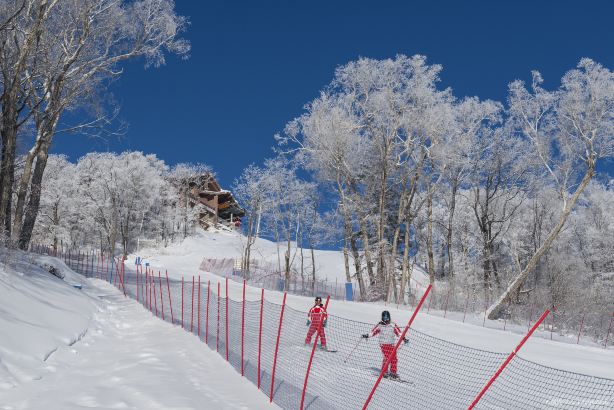
Opening is set for 21 November this year. Day skiing generally runs 8:30 to 16:30, with night skiing from 16:30 to 21:00 once snow and lighting are ready, usually from mid-December. Day passes cost roughly ¥220 to ¥380 and rise over New Year and Chinese New Year. Most rooms in the resort hotels include two adult ski passes with lift, skis, boots, poles and helmet, which is usually cheaper than buying a pass and a room separately.
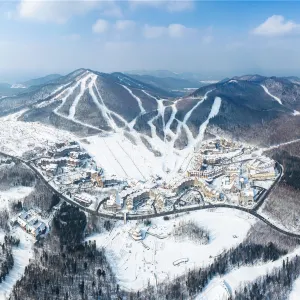
 - **Magnificent Scenery:** Changbai Mountain's Tianchi Lake, like a deep blue sapphire, is nestled atop the mountains. The lake's color changes with the light and weather, creating a dreamlike spectacle.
- **Rich Landscapes:** In addition to Tianchi Lake, there are the magnificent Changbai Waterfall, the steaming Julong Hot Spring, the pristine and mysterious valley forests, and colorful alpine gardens, offering a diverse range of natural landscapes.
- **Excellent Ecology:** As the "Source of the Three Rivers in Northeast China," Changbai Mountain boasts a complete ecosystem, abundant vegetation, and numerous rare plants and animals, making it an ecological paradise.
**Tourism Facilities:**
- **Convenient Transportation:** The scenic area has multiple entrances, and is surrounded by transportation hubs such as an airport and train station. The internal transportation system is well-developed, facilitating easy access to various attractions.
- **Diverse Accommodation:** From budget hotels to high-end resorts, such as Club Med Changbai Mountain Resort and Park Hyatt Changbai Mountain, a wide range of accommodations are available to meet the needs of different travelers. - Dining Options: Numerous specialty restaurants offer dishes like iron pot stew and Korean cuisine, while various snack shops and restaurants are also available within and around the scenic area, providing diverse culinary choices.
Cultural Experiences:
- Rich Historical Heritage: Changbai Mountain is the birthplace and spiritual symbol of the Manchu and other northern ethnic minorities, boasting rich myths, legends, and historical stories that embody its unique ethnic culture.
- Abundant Cultural Activities: The scenic area has created immersive cultural tourism consumption scenarios such as the "Cloud Top Market" and the "Edelweiss" coffee camp, as well as cultural and creative IP activities related to "The Lost Tomb," offering a rich cultural experience.
The airport is the selling point: Changbaishan Airport is a 20 to 30 minute drive. Flying into Changchun Longjia instead and continuing by high-speed rail or private car takes four to five hours. Book Changbaishan flights early; capacity on the route is tight in peak weeks.
Changbaishan Huamei Resort, formerly the Luneng resort, sits next to the Wanda area. The top of the hill is about 1,034 m with roughly 140 m of vertical drop, and after expansion there are 15 extra-wide runs totalling about 12 km. Most are beginner runs, with some teaching slopes and a small obstacle course; wide, gentle and sheltered from wind, it is a comfortable place for all ages.
Trial skiing began on 14 November and official operation on 21 November. Hours are mostly daytime, 8:30 to 16:30; night sessions are not daily, so ask before booking. Day passes run about ¥150 to ¥350 including basic gear, higher at weekends and in peak weeks. Hotels inside the resort, including Swissôtel and MGallery, typically bundle two ski passes and rental, so compare room-plus-pass against pass-only before booking.
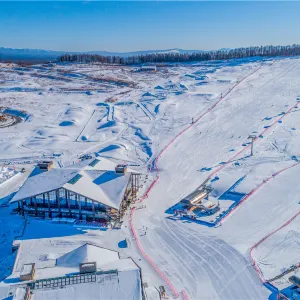

Transfers are shared with the Wanda area, 20 to 30 minutes from Changbaishan Airport, and the two resorts are about ten minutes apart by taxi. With children under six, or on a first snow trip, Huamei is the friendlier of the two: gentler slopes, fewer people, no queue for the magic carpet. Learn the basics here, then move to Wanda for longer runs; two days and one night is enough.
Beidahu Ski Resort sits in Beidahu Town, Yongji County, about an hour from Jilin City. It has 74 runs, six floodlit night runs and the highest night-skiing terrain in the country, which suits anyone who wants to sightsee by day and ski after dark.

Trials began on 7 November with full opening in mid-November. Day skiing is about 8:30 to 16:30; night skiing depends on weather and snow conditions. Day passes cost roughly ¥350 to ¥500 without gear, more at weekends and holidays, and early-bird pre-sales plus on-site ski-and-stay packages are cheaper again.
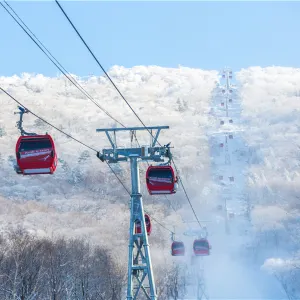

From Jilin City it is about an hour by road, and about two hours from Changchun Longjia Airport; direct shuttles and private cars run through the season. The beginner zone sits well away from the advanced terrain, so on a first visit choose accommodation with a shuttle rather than staying far out, where the round trip eats half a day of skiing.
Vanke Songhua Lake Resort, in Qingshan Street, Fengman District of Jilin City, has 50 runs, about 220 hectares of skiable area and roughly 55 km of pistes in total, including five competition-standard runs certified by the International Ski Federation, terrain parks and tree runs. The longest run is 5.23 km, which is why it attracts skiers who want distance rather than steepness.
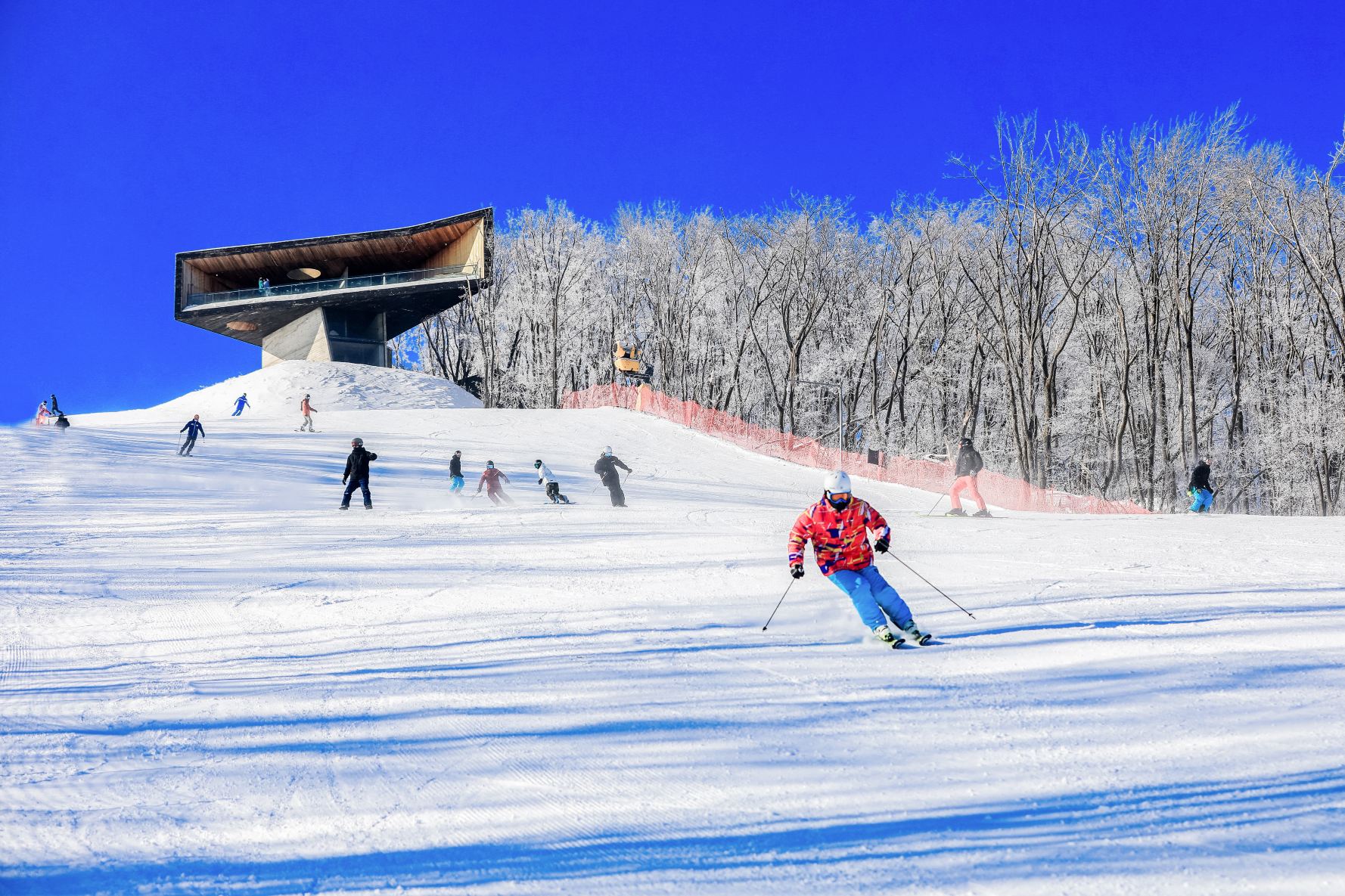
The resort usually opens around 20 November, with daytime skiing about 8:30 to 16:30 and some evening sessions until 21:00. Multi-day passes are the better value: early-bird two-day passes with gear run about ¥720 to ¥800, three-day passes about ¥1,000 to ¥1,100 and five-day passes about ¥1,500 to ¥1,700. Season passes start around ¥3,200 for night skiing and ¥7,000 to ¥9,000 for full days. All are reference prices; the resort publishes final rates each season.

It is about 40 minutes from central Jilin City and 1.5 to 2 hours from Changchun Longjia Airport, with shuttles inside the resort. Hotels and restaurants cluster in the resort town at the foot of the hill. A day trip works, but for three days or more the saved driving and fatigue beat the price difference of staying outside.
Yabuli is the name that made Chinese skiing known abroad: it was one of the country's first alpine resorts and has hosted the Asian Winter Games, which is why Harbin and Yabuli are so often booked together in winter. Harbin itself also has indoor snow, open all year, which is a useful backup when the outdoor hills are still bare in November.
Yabuli opened on 6 November this year, the earliest in northeast China. Harbin's outdoor city resorts wait until early December, so in November the skiing is at Yabuli, not in the city.
Yabuli Ski Resort, in Shangzhi City, links the Sunshine, Xintiwei and Haohanling areas into one lift network of 56 runs, from beginner practice slopes to off-piste terrain. High mountains and dense forest keep the snow drier than at city resorts, and national teams still train here, so you will see serious skiers working on technique when you arrive.
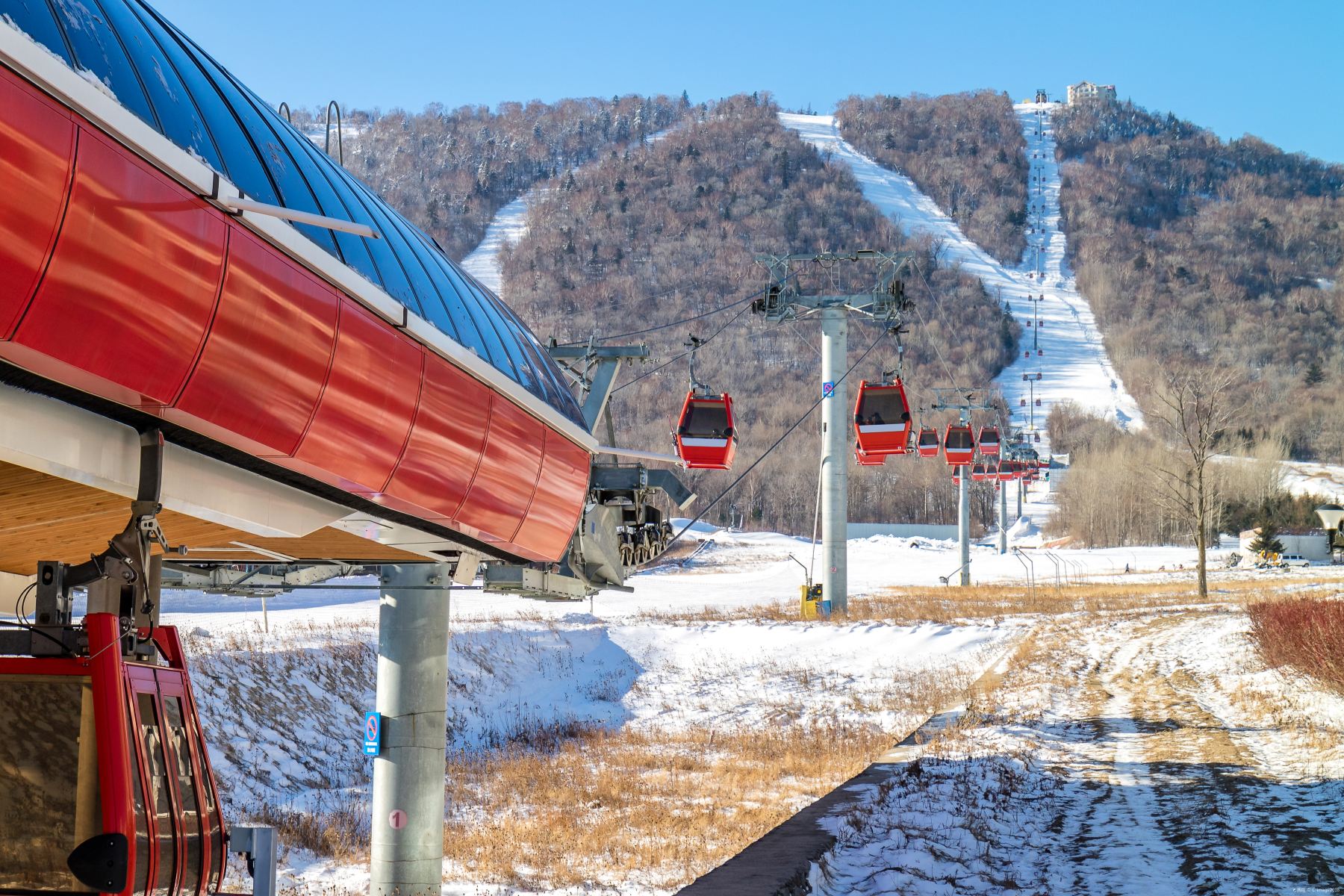
Opening day was 6 November. Hours vary by area, generally 8:30 to 16:30 by day with some night skiing. The three-mountain pass costs about ¥300 to ¥500 on weekdays, cheaper than buying single areas; beginners can start with one area and add the others later. From Harbin, high-speed rail reaches Yabuli West in about 1.5 hours, then a 20 to 30 minute drive; a private car from Taiping Airport takes about three hours.
Yabuli is spread out, and the ski areas are a drive apart. Pick one or two mountains a day rather than trying all three, or the transfers will cost you a morning. Temperatures on the mountain run several degrees lower than in Harbin, so pack a down jacket and a face mask.
Harbin Hot Snow Miracle, in the city, keeps real snow at sub-zero temperatures year-round, so it is not tied to the winter season at all. There are beginner and intermediate runs, a snow play area and an ice park, which makes it the practical choice for families: whatever the weather outside, or even in July, there is somewhere to slide.
Hours are generally 10:00 to 21:00 with last entry one to two hours before closing; check the day's listing. Passes run about ¥200 to ¥400 depending on two-hour or four-hour sessions and whether gear is included, and snow-play tickets cost less than ski passes. A taxi from a city hotel takes 20 to 30 minutes, and the metro plus a short walk also works.
The runs are short and the drop is small, so treat it as a warm-up or a children's introduction rather than a ski day. A workable Harbin plan is two days at Yabuli, one evening here and one night at the Harbin Ice Festival.
Xinjiang has become the fastest-moving part of Chinese skiing. Urumqi County alone has two 5S-rated resorts, the top grade in the national rating system, both within an hour of the city: land at Urumqi, drop your bags and be on snow the next morning.
The snow is dry, powder days are frequent and lift queues are shorter than in the northeast. The trade-off is a short winter day and serious cold, often minus ten during the day in December and January, so bring proper layers. Both Urumqi resorts open in mid-to-late November, later than Altay.
Silk Road International Resort sits on Nanhua Road in Urumqi County at 1,800 to 2,500 m, with 21 runs, more than 30 km of pistes and 500 to 700 m of vertical drop; the Xuanzang Avenue run alone drops about 700 m. Beginners get their own separate gentle slope, so they are not dodging experts all morning.
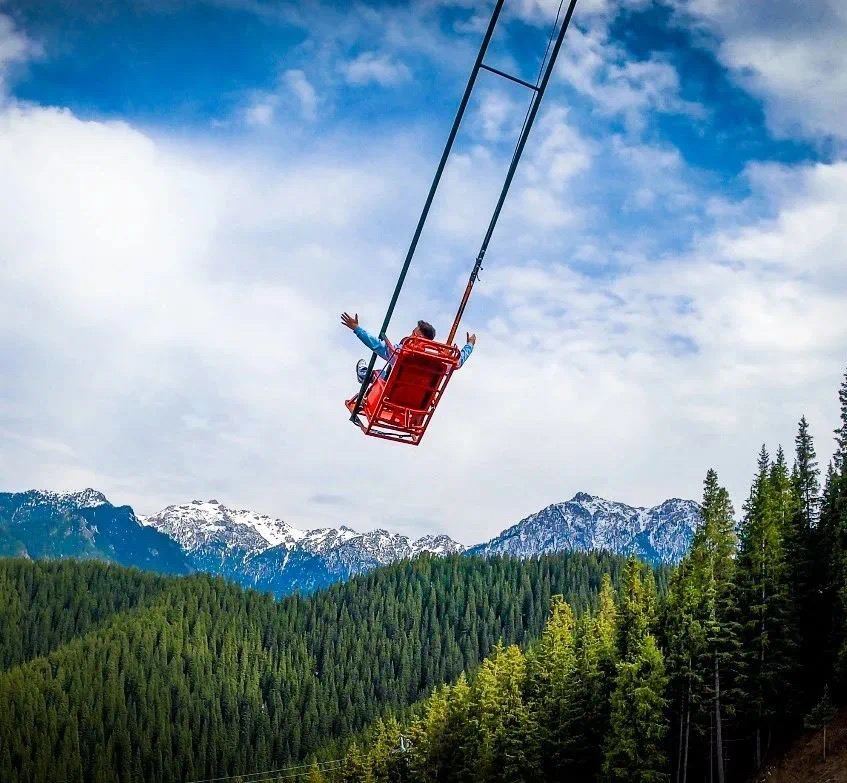
Opening is expected in mid-November. Day skiing runs 10:00 to 18:30 and night skiing 19:30 to 22:30 when conditions allow. Day passes cost about ¥180 to ¥240 with your own board on weekdays and ¥280 to ¥380 with rental gear and access to the advanced terrain; weekends add 20 to 30 per cent, and night passes run about ¥120 to ¥160.

It is 38 to 45 km from downtown Urumqi, a 50 to 60 minute drive. The long run takes about ten minutes to descend, so beginners should warm up on the mid-mountain practice area before taking the cable car to the top.
Baiyun International Ski Resort is also in the Shuixigou area, at about 1,800 to 2,000 m, with roughly 300 m of vertical drop, 8 to 10 beginner, intermediate and advanced runs, a snowboard park and snow-tubing lanes. It is the cheaper of the two Urumqi resorts, which makes it a good first day.
Day sessions are normally 10:30 to 18:30; night skiing is not always offered. Day passes cost about ¥120 to ¥160 with gear on weekdays and ¥160 to ¥200 at weekends, and beginner packages appear from time to time. It is 40 to 45 km from the city, about an hour by road, or a bus to Shuixigou followed by a taxi.

Baiyun's short runs suit a half-day warm-up. With only one day and an appetite for long runs, go to Silk Road instead; the two are close enough to ski one a day while staying in the Shuixigou area.
Jiangjunshan International Ski Resort is on Jiangjunshan Road in Altay City, about ten minutes from the centre, and is one of the few urban alpine resorts in China. Runs cover beginner to advanced terrain, with a viewing platform at the summit for sunset, and hilltop parties and electronic music through the season; the mood is very different from the northeast.
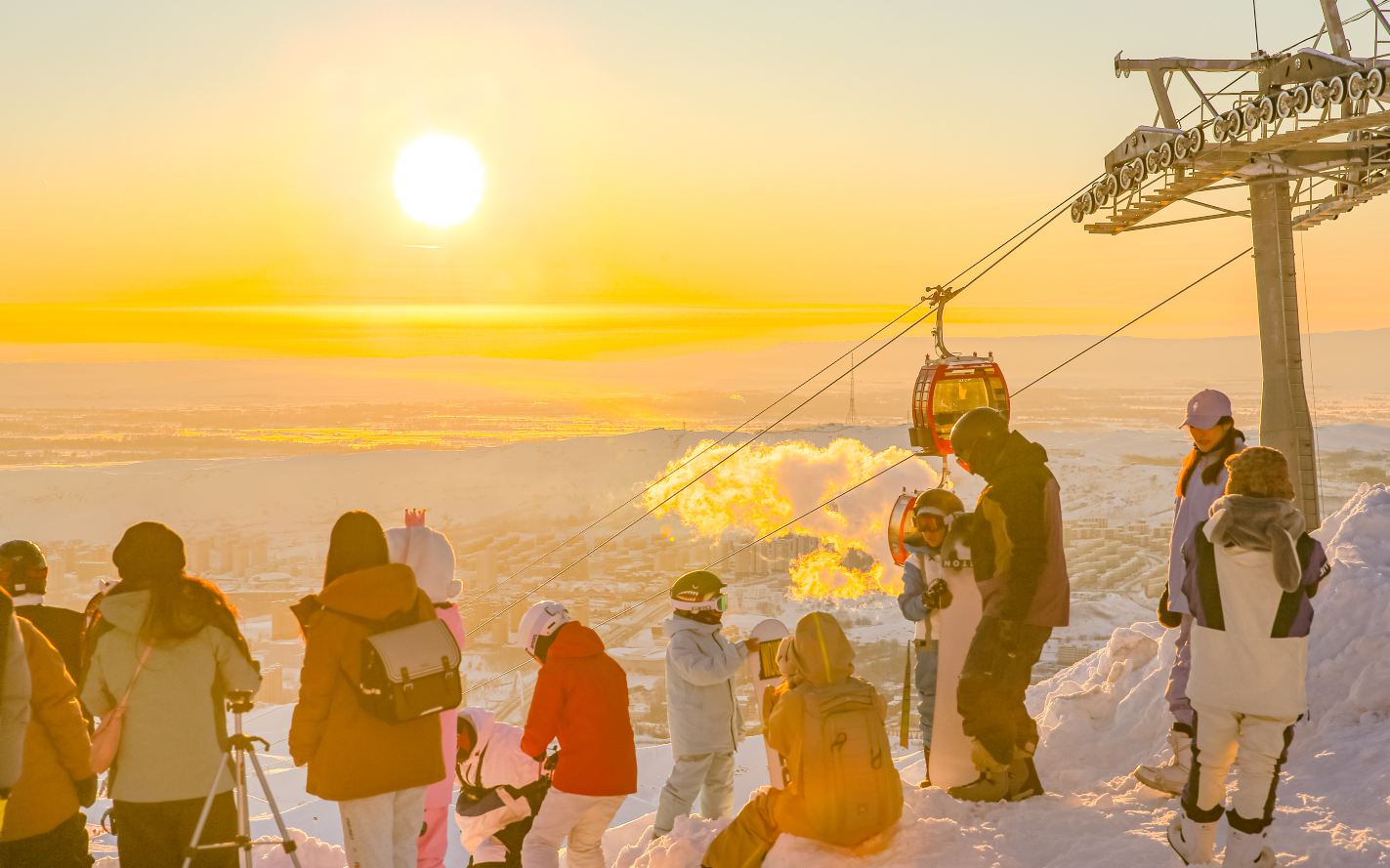
Opening is expected in mid-November, though some years it has opened in late October. Day skiing runs 10:00 to 18:30 and night skiing 19:30 to 22:30, extended on Fridays, Saturdays and holidays. Day passes are about ¥260 to ¥310 with your own board on weekdays, ¥360 to ¥460 at weekends and holidays, and ¥110 to ¥160 at night; early-bird season passes start around ¥3,999.
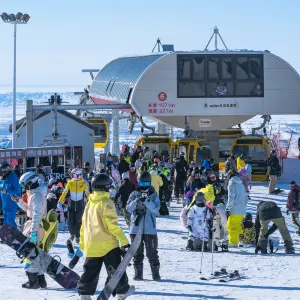

Altay Airport is about 20 minutes away and the city centre 10 to 15 minutes. Go up around 4 pm to catch the sunset from the summit and ski down in the last light; temperatures drop fast after dark, so pack spare gloves and a face cover.
Keketuohai International Ski Resort, in Turhong Township of Fuyun County, has a longer season than almost anywhere else in the country. It opened on 20 October this year and has skied into May on the back of altitude and natural snow. The terrain is known for long high-mountain runs with big drops, aimed at skiers who already turn and want length; beginners get instruction and practice areas, though fewer options than at Jiangjunshan.

Hours are 10:00 to 18:00 with no night skiing, and the sightseeing cable car usually closes before 17:00. Day passes run about ¥280 to ¥380 on weekdays, ¥380 to ¥450 at weekends and ¥490 to ¥580 in holiday periods; the sightseeing cable car is about ¥120 to ¥150. Early-bird rates and packages are cheaper.
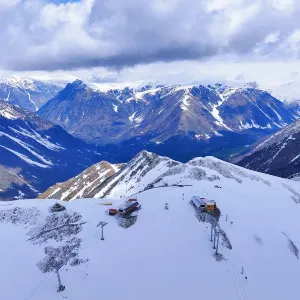

Getting there is the hurdle: fly about 1.5 hours from Urumqi to Fuyun Keketuohai Airport, then drive another 1.5 to 2 hours. The town itself has mining-era ruins and the Irtysh Grand Canyon, so a rest day is easy to fill.
Jikepulin, in Hemu of Burqin County, is one of the newest large resorts in Altay and is built around powder and off-piste skiing. Big mountains and long runs make it one of the strongest choices in China for freeride skiers, and it links with Hemu Village and the Kanas scenic area, so a ski day and a snow-village day fit together.
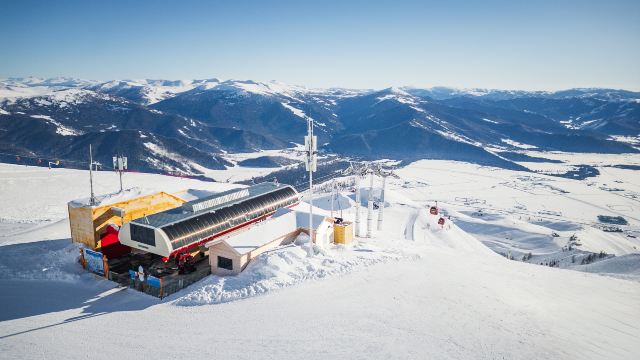
Opening is expected in mid-November. Hours are 10:00 to 18:00 with the sightseeing cable car closing around 17:00. Day passes run about ¥380 to ¥450 on weekdays, ¥460 to ¥520 at weekends and ¥580 in public holidays; the sightseeing cable car is about ¥120. Rates move quickly in peak weeks.
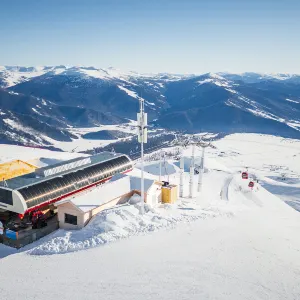

From Kanas Airport it is about an hour by road once you have connected through Urumqi; alternatively hire a car from Altay City for three to four hours. Jikepulin is high, windy and changeable, so allow a buffer day, and book Hemu accommodation early, since rooms sell out in peak season.
Chongli, in Zhangjiakou, hosted the snow events of the 2022 Beijing Winter Olympics. The area has seven or eight resorts, of which Wanlong, Genting Secret Garden and Thaiwoo are most often compared. High-speed rail from Beijing to Taizicheng takes about an hour, with shuttles from the station, so a few days in Beijing plus two days in Chongli is the most time-efficient ski trip in the country.
Chongli's strength is infrastructure: hotels, restaurants, rentals and instructors are all in place, and the resorts sit close together rather than hours apart. Snow quality is clearly below Altay, but airfare plus rail is far cheaper and you do not need a full week off. The cost is crowds: cable-car queues at weekends and over Chinese New Year are long.
Wanlong Ski Resort, in Honghualiang of Chongli District, runs from beginner slopes to black runs, with plenty of tree-lined sections, and the grooming is consistently good. Regulars describe the surface as hard and fast, which is a compliment.
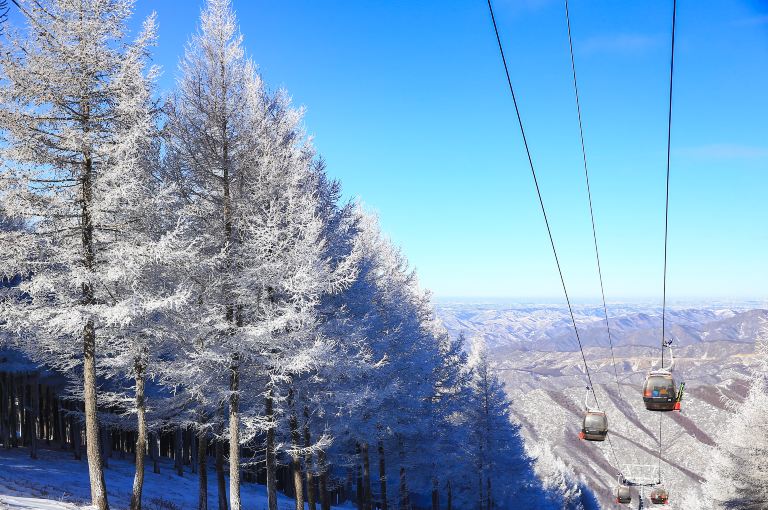
Opening was 23 October, the earliest in the region. Hours are roughly 8:30 to 16:30. Three pass types are sold: lift only with your own board, lift plus skis and boots, and a full set including clothing. Lift-only is about ¥400 to ¥500 on weekdays and ¥600 to ¥800 at weekends and holidays, with dynamic pricing. Children under 1.2 m ride free (about ¥20 insurance) and 1.21 to 1.5 m pay half.
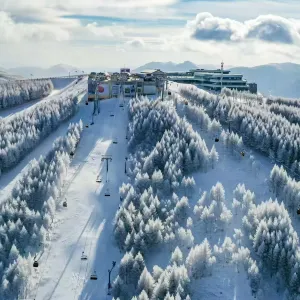
High-speed rail from Beijing North or Qinghe to Taizicheng takes about an hour, then a 20 minute shuttle; driving from Beijing takes about three hours. Wanlong has few beginner options, so complete beginners are better off at Thaiwoo or Genting; this is a mountain for skiers chasing snow quality.
Genting Secret Garden, known locally as Yunding, is in Taizicheng, Sitaizui Township, and hosted the freestyle skiing and snowboard events in 2022; the halfpipe and slopestyle course remain. Runs are well graded, with a high proportion of intermediate terrain and a gentle area for beginners.

The slopes are expected to open in November. Day sessions run 8:00 to 16:30 and night skiing 18:30 to 21:30, making it one of the few Chongli resorts with consistent night skiing. Passes come in four-hour, one-day, 1.5-day, two-day and three-day options plus night passes; a one-day pass with your own skis is about ¥280 to ¥480, and a night pass about ¥100 to ¥200. Children under 1.2 m ride free.
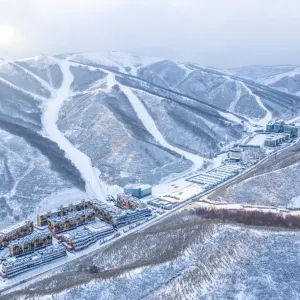
Transfers are the easiest in Chongli: 10 to 15 minutes by shuttle from Taizicheng station. Night skiing is the reason to pick it, and with only two days you can arrive on the first afternoon, ski at night and ski again the next morning.
Thaiwoo Ski Resort, in Yingcha Village, is a European-style town built around skiing: hotels, restaurants and a shopping street at the base, with terrain from beginner to advanced. Accommodation is a five-minute walk from the lifts, which matters if you have children or do not want a shuttle every morning.

The slopes are expected to open in November. Hours are 8:30 to 16:30 on weekdays, extended to 17:00 at weekends. Lift-only passes are about ¥340 for four hours on weekdays and ¥413 at weekends; with gear as well, expect about ¥470 on weekdays, ¥590 at weekends and ¥790 in holidays. Early-bird and partial-season sales usually cut 30 to 40 per cent.
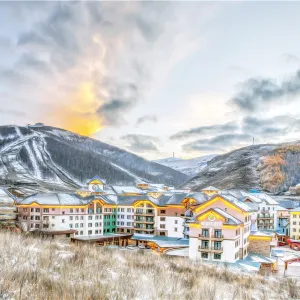

Taizicheng station is about 15 minutes away, and driving from Beijing takes about three hours with parking in the town. Rooms range from hostels to five-star hotels, and off-season rates can undercut comparable Beijing hotels.
Beijing's resorts sit in the outer districts, one to two hours from the centre, and suit short trips when you do not want to fly north. The advantage is logistics: airport, high-speed rail, hotels and restaurants are all close, and you can ski by day and be back in the city for dinner.
Be realistic about scale. The size, drop and snow quality of Beijing's hills are a different category from Chongli, the northeast or Xinjiang; treat them as a half day of fun on the way rather than a dedicated ski holiday. This season the city's resorts are expected to open from late November to early December, about a month behind Chongli.
Nanshan Ski Resort, in Shengshuitou Village of Henanzhai Town, Miyun District, is one of the larger and better-equipped hills in the city, with mostly beginner and intermediate terrain and a 1.5 hour drive from downtown. It is also about an hour from Beijing Capital Airport, which makes a ski stop easy to add to a flight.

Opening is expected between late November and early December. Day sessions run 9:00 to 17:00 and night skiing 18:30 to 22:00, with closures on New Year's Eve. Day passes including basic gear cost about ¥220 to ¥280 on weekdays, ¥360 to ¥450 at weekends, ¥450 to ¥520 in holidays and ¥130 to ¥220 at night.
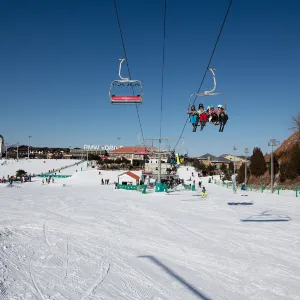

Nanshan is the compromise trip: no flight north, two days on snow, short season and average snow. If Chongli is already on your plan, it is not worth a separate visit. Beijing winters are dry, so bring lip balm and hand cream as well as goggles.
The Chinese ski season runs roughly from mid-November to the end of March, with Altay in Xinjiang running to April or May. Snow depth and open terrain peak in January and February, which is also when crowds and prices peak. The week to avoid is Chinese New Year, when lift passes, rooms and flights all rise together.
Trails also close temporarily for events, including major competitions and winter games. Check the resort's own announcement in the week before you travel rather than relying on older guides.
The same day pass can differ by 20 to 30 per cent between the ticket window, the resort's official channel and an OTA. Check the platform price first, then the official early-bird sale; if the gap is over 20 per cent, the early bird is worth chasing. Early-bird sales usually start a month or more before opening, typically in October and November, and ski-and-stay packages are nearly always cheaper than pass plus room bought separately.
Four things to confirm before paying: whether skis, boots and helmet are included; whether clothing is included; how many hours the pass covers from entry; and how overtime is charged. Most disputes come from assuming a package included gear it did not.
Skis, boots and poles are included in most day passes, so do not carry them. Bring waterproof gloves (rental shops rarely stock your size and buying on site is expensive), long ski socks, goggles, a face mask or neck gaiter, high-factor sunscreen for the reflected light, and lip balm. Layer rather than wear one heavy coat: you overheat in the cable-car queue and freeze on the way down.
For the northeast, fly to Harbin or Changchun and continue by high-speed rail. For Changbai Mountain, fly to Changbaishan Airport, usually with one connection. For Xinjiang, fly to Urumqi, and connect again for Altay or Fuyun. For Chongli, fly to Beijing and take the high-speed train to Taizicheng; booking seats in advance matters in peak weeks, and our guide to buying China train tickets as a foreigner covers the 12306 process step by step.
Winter flights are prone to delays, so leave at least three hours between a flight and a connecting train. Airport transfers at the resorts are usually fixed-price shuttles or taxis booked through the hotel.
Accommodation decides how many runs you get in a day. Sleeping at the base means walking from your room to the lift and squeezing in two or three more descents; sleeping in the city is cheaper and gives you restaurants and sightseeing, but the round trip eats daylight.
In Japan or Korea the choice is often marginal. In China it is not: at Changbai Mountain, Yabuli and Chongli the resort and the nearest town can be tens of kilometres apart.
Wanda Changbaishan is the classic ski-in model, with Park Hyatt, Hyatt, Westin, Sheraton and Smart Choice Holiday hotels inside the resort area. Yabuli, Thaiwoo and Genting also have hotels at the base, from mid-range to five-star.
Ask three questions when booking: whether the ski pass applies to the arrival day or the next day, whether gear rental is included, and how children are charged. Some promotional rates are room-only and exclude passes.
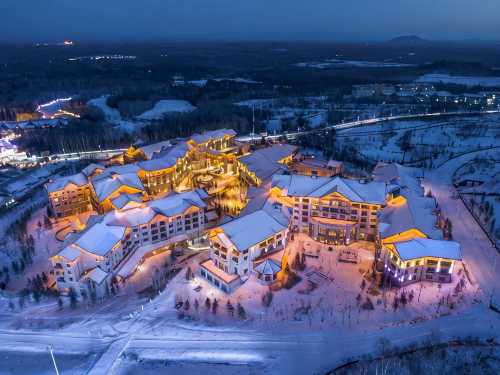
Sheraton Changbaishan Resort
At Yabuli, staying at the base is the difference between skiing all day and losing three hours in transfers.
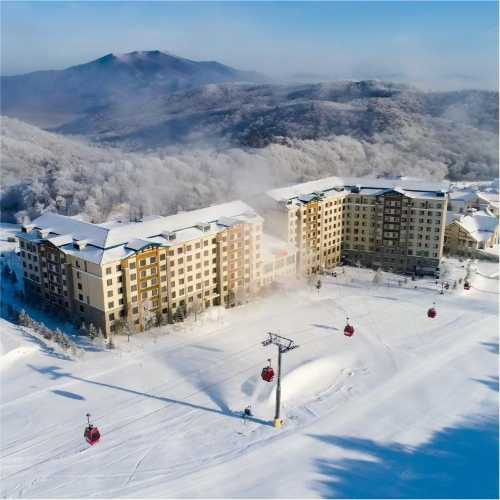
YABULI SUN MOUNTAIN HOLIDAY HOTEL
Thaiwoo's town layout means the lift is a short walk from the hotel door, not a shuttle ride.

Thaiwoo Hotel
 No. 12 of Ski Hotels in Hebei
If you plan to ski two days and sightsee for two more, a city hotel is the more flexible base. Harbin's Central Street area, downtown Urumqi and central Beijing all have plenty of rooms, cheaper than inside the resorts, with food and nightlife on the doorstep; the trade-off is an early start to reach the lifts.
Keep ski days together rather than alternating ski and city days, since the driving adds up. Book near the high-speed station or the shuttle pick-up point, and the morning becomes much easier.

Holiday Inn Altay Golden Bridge
Planning the rest of the trip? These guides cover the city days around a ski holiday.
Popular recommendations

How Many Days in Beijing? 3-5 & 7-Day Itineraries (2026)
 OneVoyager
Canada Ski Season 2026–27: Opening Dates & Ticket Prices
OneVoyager
2-Week China Itinerary: Beijing, Xi'an, Chengdu, Guilin & Shanghai
OneVoyager
How to Book China Train Tickets on 12306 as a Foreigner
OneVoyager
Harbin Ice Festival 2026-27: Dates, Tickets and First-Timer Tips
OneVoyager