Nara City weather, Nara City temperature guide, best travel seasons, and suggestions on what clothes to pack

Contents
- Nara City weather | 7-day weather forecast
- Nara City weather | Attraction recommendations
- Nara Park
- Kasugataisha Shrine
- Universal Studios Japan
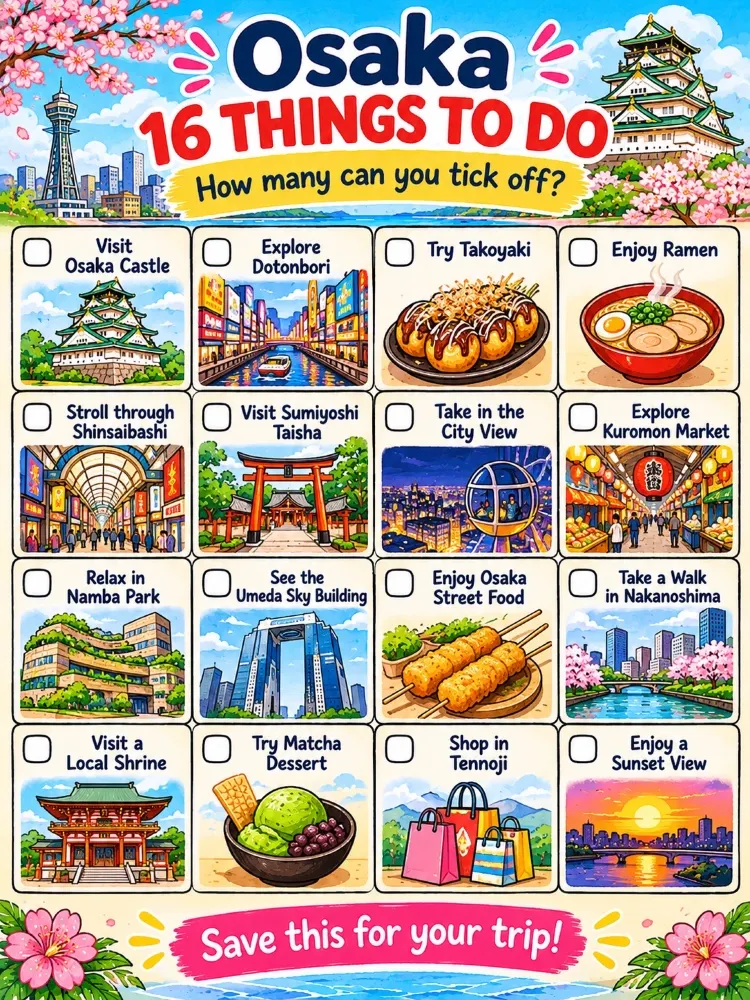
- Osaka Castle Park
- Mount Wakakusa
- Tōdai-ji
- Nara City weather | Travel guides
- Nara City weather | Nara City complete guide to dining, attractions, and tours
- Nara City collected must-visit attractions
- Nara City immersive special experiences
- Nara City exclusive privileges: A hassle-free choice
Show more
Here's the weather forecast for the coming week for your destination to help you better plan your daily activities and travel plans
| November 11 | November 12 | November 13 | November 14 | November 15 | November 16 | November 17 |
| Today | Tomorrow | Friday | Saturday | Sunday | Monday | Tuesday |
| 15℃/4℃ | 18℃/6℃ | 20℃/11℃ | 22℃/10℃ | 21℃/13℃ | 19℃/14℃ | 20℃/10℃ |
| Partly cloudy with showers | Clear | Cloudy | Cloudy | Cloudy | Showers | Cloudy |
Today: Partly cloudy with showers; : 4℃–15℃; : Cloudy, Partly cloudy with showers, Clear. : Nara Park, Kasugataisha Shrine, Universal Studios Japan.
00:18
The best months to visit Nara City are April–May and October–November, when temperatures are generally mild and humidity is more comfortable than in midsummer. Based on typical climate patterns, winters tend to be cool and dry, springs mild with occasional rain, summers hot and humid, and autumns pleasantly cool. Pack layers for spring and fall, light breathable clothing and sun protection for summer, and a warm jacket for winter. Carry an umbrella year‑round, as showers are possible in any season. Weather can vary significantly from year to year, so be sure to check this page’s 7‑day forecast before your trip.
Nara Park opened in 1880 and is famous for its herds of sika deer. The park features expansive lawns dotted with ponds such as Sagi-ike Pond and Sarusawa Pond, where many sika deer reside. The deer often forage and play on the grass, and they may also approach visitors. There are stalls in the park selling deer crackers, which visitors can purchase to feed the deer. The park is backed by Mt. Kasuga Primeval Forest. In spring, fresh greenery complements the cherry blossoms, while in fall, the autumn leaves are spectacular, making it a pleasant place for a stroll along the lawns and forest paths. Tobihino is an open lawn where you can often see deer roaming freely. Historic buildings and cultural heritage sites such as Tōdai-ji, Kasugataisha Shrine, and Kohfukuji Temple are located around the park, blending natural scenery with the atmosphere of the ancient capital.
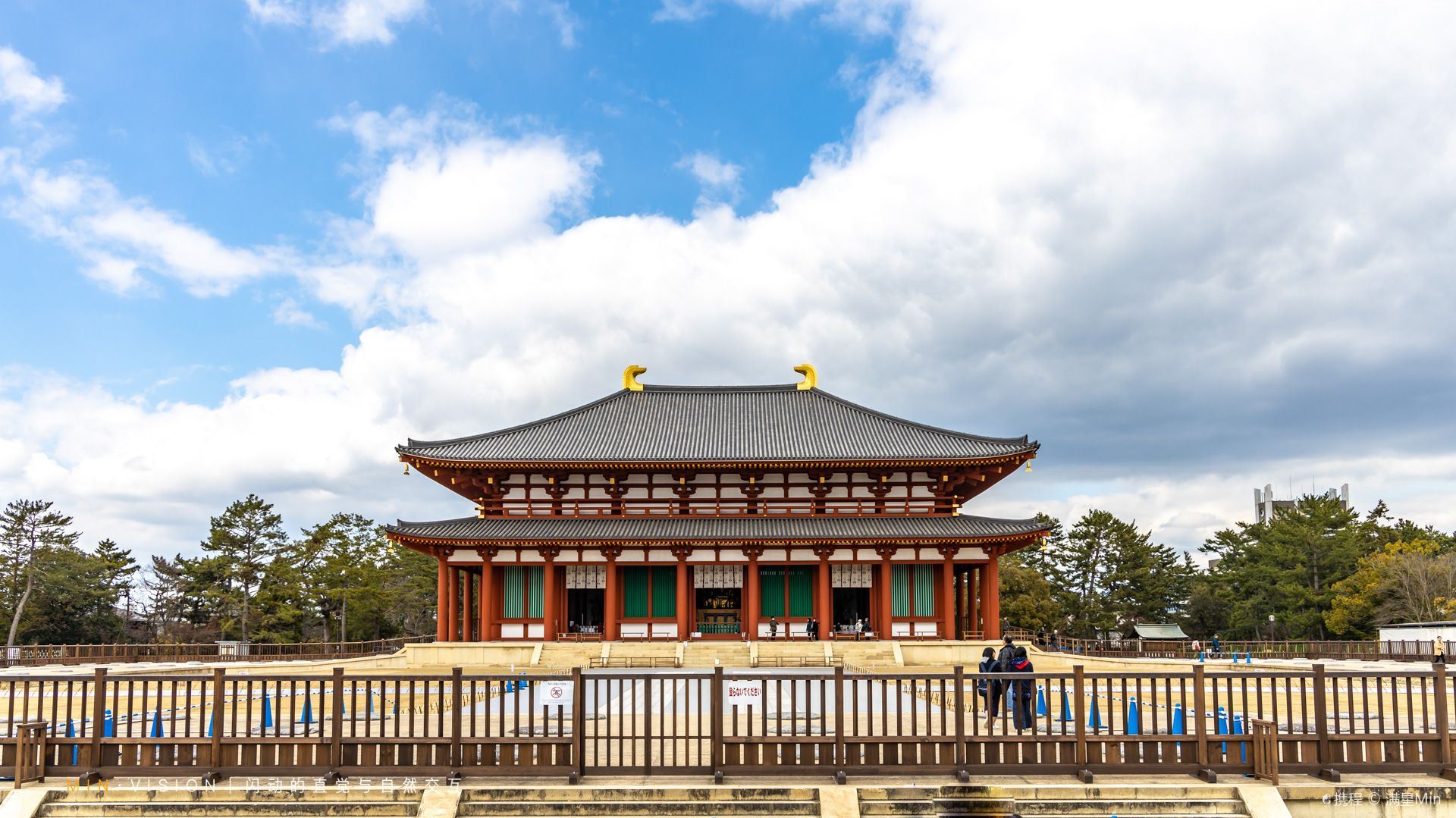
Attraction address:Nara, Japan
Business hours:Year round Open all day
Attraction reviews:
| Nara Park is a beautiful place to enjoy nature and experience one of Japan’s most famous attractions. The friendly deer roaming freely throughout the park made the visit unique and unforgettable. Feeding the deer with special crackers and watching them bow before receiving food was a fun experience. The park is spacious, with peaceful walking paths, large green lawns, and beautiful scenery. I also enjoyed visiting the nearby temples and shrines, which added to the cultural experience. The atmosphere was relaxing, especially in the morning when there were fewer crowds. It is a perfect place for families, couples, and photographers. I highly recommend visiting if you are looking for a mix of nature, history, and memorable interactions with the famous Nara deer. |

 Nara Park is a beautiful place to enjoy nature and experience one of Japan’s most famous attractions. The friendly deer roaming freely throughout the park made the visit unique and unforgettable. Feeding the deer with special crackers and watching them bow before receiving food was a fun experience. The park is spacious, with peaceful walking paths, large green lawns, and beautiful scenery. I also enjoyed visiting the nearby temples and shrines, which added to the cultural experience. The atmosphere was relaxing, especially in the morning when there were fewer crowds. It is a perfect place for families, couples, and photographers. I highly recommend visiting if you are looking for a mix of nature, history, and memorable interactions with the famous Nara deer.
Kasugataisha Shrine is a Shinto religious site established in 710 and has been designated as a World Cultural Heritage site. It enshrines the four guardian deities of the Fujiwara clan and is now an important place of worship in Japan. The entire shrine rests at the foot of Mount Kasuga, surrounded by lush, beautiful vegetation. Logging has long been prohibited on Mount Kasuga, so everything here appears natural and ancient. Following the adorable deer-shaped fortune slips and ancient wisteria up the steps, you pass through the South Gate to officially enter Kasugataisha Shrine. On the left after entering, you can purchase prayer amulets (omamori), write an ema (votive tablet), or draw a deer-shaped fortune slip. In this courtyard, there is a wisteria tree over 700 years old, its branches twisting over a wooden trellis; when it blooms in spring, the sea of purple flowers is stunning. Upon entering the sanctuary, you first encounter the shrine where people pray and make offerings, and further inside is the main hall of the shrine. A row of staggered bronze lanterns hangs between the West Corridor and the Naoraiden (Offering Hall), which, paired with the vermilion Japanese shrine architecture, is very distinctive and a popular photo spot for visitors. Passing through the Maiden (Dance Hall), you enter the Apple Courtyard, named for the apple tree planted there. Nestled in front of the Naoraiden is a massive cypress tree, said to be 800–1,000 years old. Most uniquely, one of its branches grows through a hole in the roof of the Naoraiden, a testament to the vitality of this ancient cypress. Located in the inner part of the shrine are the Fushimi Inari Taisha Honden (Sanctuary) and the rear hall, with the entire building surface painted in vermilion. The courtyard also houses many Shinto structures, such as the Taga Shrine, which is dedicated to longevity. Numerous small shrines line the approach from the second torii gate to the main shrine—that is, continuing south after leaving the main shrine—with dozens of large and small auxiliary shrines scattered along the path. They are all located within the grounds of Kasugataisha Shrine, either because the deities they enshrine have a deep connection to the main deity of Kasugataisha Shrine, or because they are under the administration of Kasugataisha Shrine. Among them are several popular shrines, such as Meoto Daikokusha and Kinryu Shrine.
Attraction address:160 Kasuganocho, Nara, 630-8212, Japan
Business hours:January 1–March 1 every year Open: 7:00 AM–5:00 PM;March 1–October 31 every year Open: 6:30 AM–5:30 PM;November 1–December 31 every year Open: 7:00 AM–5:00 PM, The opening hours of different areas are different, and the hours may change during events. The specific business status is subject to the opening conditions on the day.
Attraction reviews:
| Kasuga Taisha Shrine is one of Japan's most beautiful and historically significant Shinto shrines, located in the peaceful city of Nara. Surrounded by a lush forest, the shrine is famous for its beautiful vermilion-colored buildings and thousands of stone and bronze lanterns. Walking along the scenic pathways creates a peaceful atmosphere and offers a wonderful opportunity to experience traditional Japanese culture and spirituality. The surrounding forest and friendly deer make the visit even more special. It is an ideal destination for history enthusiasts, nature lovers, and photography enthusiasts. Overall, Kasuga Taisha Shrine is a truly memorable attraction and a must-visit destination for anyone exploring Nara, Japan! 🇯🇵✨ |


- Here you'll find not only heart-pounding attractions themed around Hollywood blockbuster movies, but also live shows featuring popular cartoon characters—fun for everyone from kids to adults!
- This is home to the world's first Nintendo theme park, where you can immerse yourself in the world of Super Mario!
- Here we have holiday-exclusive parades and float tours! Everyone here is the star—join the passionate parade, ignite your excitement together, and feel full of energy!
Located in OsakaUniversal Studios Japan("Universal Studios Japan") is one of the Universal Studios theme parks. It opened in 2001 and is a classic and wonderful world of fun in the hearts of many visitors. Its design is similar to Universal Studios Orlando in the United States, and it features popular areas such as "Jurassic Park," "Hollywood," and "Waterworld." With more than 60 fun attractions, you can keep playing and exploring all day long.

Universal Studios JapanThere are also much-loved themed IP areas such as "Super Nintendo World (Mario/Super Mario)", "Minions", and "The Wizarding World of Harry Potter". Whether you're having fun interacting with the Minions, racing through the Mario Kart adventure, or weaving through the magical world of Hogwarts, these are all wonderfully unforgettable experiences.

△ The Nintendo area is a collaboration between Nintendo andUniversal Studios JapanThe world's first Nintendo theme park, jointly built, features the globally popular Super Mario as its main character. It offers a 1:1 ultra-realistic recreation of Bowser's Castle, Princess Peach's Castle, and the Mushroom Kingdom from the game, allowing you to immerse yourself in the world of Super Mario!

△ "Despicable Me Minion Mayhem" and "Freeze Ray Sliders" pull you into the Minions' gigantic chaos and whip up a heatwave! A huge swarm of Minions is running wild and turning everything upside down in every street, alley, and corner! In the joyful and boisterous Minion Park, every visitor can't help but join in the mischievous mayhem!

△ Welcome to the magnificent area—The Wizarding World of Harry Potter™, which faithfully recreates the world of the Harry Potter™ stories with overwhelming scale and meticulous attention to every detail. The towering Hogwarts™ castle stands tall, and in front of it lies the vast Hogsmeade™ where wizards live, along with many ride attractions and various shops. Here, you can step into "that world" from the films, as if everything is happening right before your eyes.
Attraction address:2 Chome-1-33 Sakurajima, Konohana Ward, Osaka, 554-0031, Japan
Business hours:November 1–November 2 Open: 8:00 AM–10:00 PM;November 3 Open: 8:30 AM–9:30 PM;November 4–November 8 Open: 8:00 AM–10:00 PM;November 9 Open: 8:30 AM–9:30 PM;November 10–November 12 Open: 9:00 AM–9:00 PM;November 13 Open: 8:00 AM–8:00 PM;November 14 Open: 8:00 AM–10:00 PM;November 15 Open: 8:30 AM–10:00 PM;November 16 Open: 9:00 AM–10:00 PM;November 17 Open: 9:00 AM–8:00 PM;November 18 Open: 9:00 AM–9:00 PM;November 19 Open: 9:00 AM–8:00 PM;November 20 Open: 8:30 AM–7:00 PM;November 21 Open: 9:00 AM–10:00 PM;November 22 Open: 8:30 AM–10:00 PM;November 23 Open: 9:00 AM–8:00 PM;November 24 Open: 9:00 AM–10:00 PM;November 25 Open: 9:00 AM–9:00 PM;November 26 Open: 8:30 AM–9:30 PM;November 27 Open: 8:30 AM–7:00 PM;November 28–November 29 Open: 8:30 AM–10:00 PM;November 30 Open: 9:00 AM–8:30 PM;December 1–December 2 Open: 9:00 AM–8:30 PM;December 3 Open: 9:00 AM–10:00 PM;December 4 Open: 9:00 AM–7:00 PM;December 5 Open: 9:00 AM–10:00 PM;December 6 Open: 9:00 AM–9:00 PM;December 7–December 8 Open: 9:00 AM–8:30 PM;December 9–December 10 Open: 9:00 AM–9:00 PM;December 11 Open: 9:00 AM–7:00 PM;December 12 Open: 8:00 AM–10:00 PM;December 13 Open: 9:00 AM–10:00 PM;December 14–December 17 Open: 9:00 AM–9:00 PM;December 18 Open: 9:00 AM–7:00 PM;December 19 Open: 9:00 AM–10:00 PM;December 20 Open: 9:00 AM–8:30 PM;December 21–December 22 Open: 9:00 AM–9:00 PM;December 23–December 24 Open: 8:00 AM–10:00 PM;December 25 Open: 9:00 AM–10:00 PM;December 26 Open: 8:30 AM–10:00 PM;December 27 Open: 8:00 AM–10:00 PM;December 28 Open: 8:30 AM–9:30 PM;December 29 Open: 8:00 AM–9:30 PM;December 30 Open: 8:00 AM–10:00 PM;December 31 Open: 9:00 AM–5:00 PM;January 1, 2027 Open: 2:00 AM–9:00 PM;January 2, 2027–January 23, 2027 Open: 9:00 AM–8:00 PM;January 24, 2027 Open: 9:00 AM–9:00 PM;January 25, 2027–January 31, 2027 Open: 9:00 AM–8:00 PM, For details, please refer to the official website: https://www.usj.co.jp/web/ja/jp/park-guide/schedule/park-hour
Attraction reviews:
| It was a lot of fun, and the staff were very friendly. They would even crouch down to interact with the children from the same angle. However, the downside was that all the instructions were given in Japanese, which slightly diminished the overall experience. |


Located in central Osaka, Osaka Castle Park is a historical park centered around the ruins of Osaka Castle. The park's most striking structure is the Osaka Castle Main Tower, and from its top floor you can take in a panoramic view of the Osaka Plain and the surrounding cityscape. The park is also a well-known flower-viewing spot in Osaka. Nishinomaru Garden is famous for its cherry blossoms and offers evening cherry blossom viewing in spring; the plum grove is planted with many varieties of plum trees that often bloom first in early spring; the northern area also has a peach grove and the densely wooded Forest of Remembrance. Flowers bloom in turn throughout the four seasons, so visitors at different times can enjoy different scenery. The park also has performance venues such as the Osaka Castle Hall and the Music Hall, as well as sports facilities including a softball field, a rugby and soccer field, an archery range, and the Shudokan. Residents often come here to exercise and relax on ordinary days, and visitors can also feel the everyday life of this historical park.
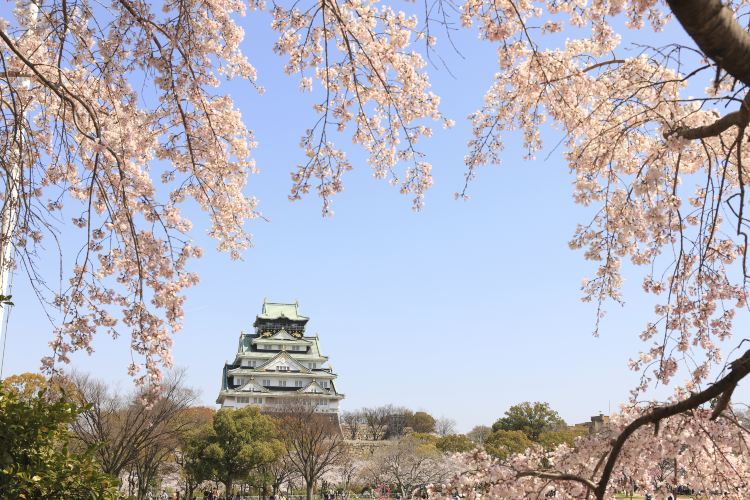
The walkway beside the moat's stone wall offers a wide open view, making it a great spot to capture the castle keep and flowers in the same frame.
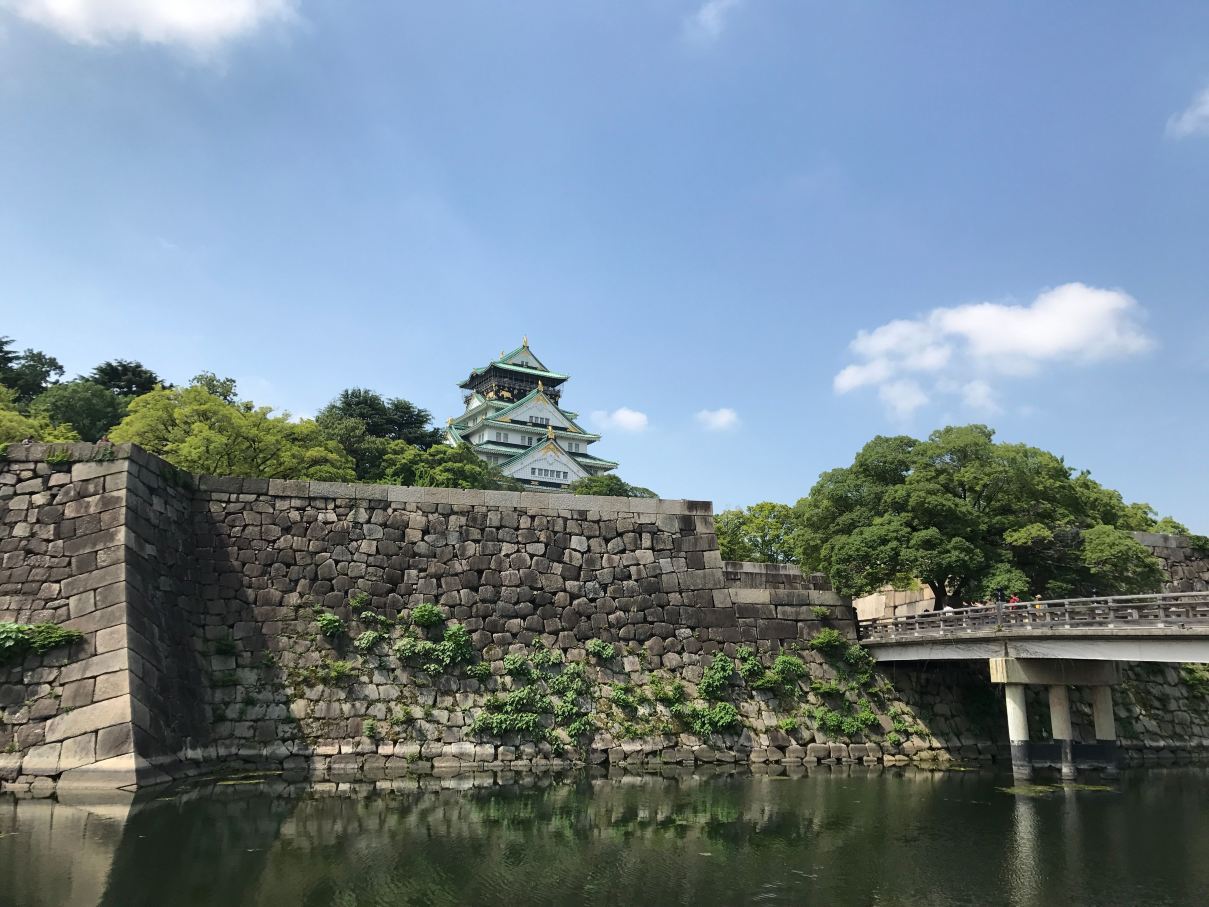
Around the main keep, many stone walls built of massive boulders remain, and the stone walls on both sides of the moat rise steeply, majestic and imposing, making them important remains of the Osaka Castle defensive system from the Tokugawa period.
Attraction address:1-1 Osakajo, Chuo Ward, Osaka, 540-0002, Japan
Business hours:Year round Open all day
Attraction reviews:
| The castle is must a visit. Purchasing tickets from Trip ahead made the visit very convenient. We don't need to queue and we entered the castle immediately. |


Mount Wakakusa is located near Tōdai-ji and Kasugataisha Shrine. Visitors can climb it from spring to fall, and from halfway up, you can enjoy views of Nara.
The summit features the Uguisuzuka Kofun, a keyhole-shaped burial mound, and you can also stand at the summit at night to enjoy the beautiful night view of Nara. A very famous event at Mount Wakakusa is the Mount Wakakusa Festival, a traditional event held every January that features fireworks and the burning of the mountain.
Attraction address:Zoshicho, Nara, 630-8211, Japan
Business hours:
Attraction reviews:
| The scenery is beautiful. You must buy tickets before 17:00, otherwise you can't get in. There are many deer inside. Almost half of the tourists are Chinese compatriots. Climb to the top of the peak and watch the sunset. It's very pleasant. Walk carefully, the mountain is a bit steep, watch the children, there is a toilet inside, the entrance and exit are different, and you will reach Todaiji Temple when you go out. |


Tōdai-ji is located on the north side of Nara Park. Also known as Tōdai-ji, it was founded in 728 by the devout Buddhist Emperor Shomu. It is the head temple of the Kegon sect in Japan and is listed as a World Cultural Heritage site. The Todai-ji Daibutsuden (Great Buddha Hall) of Tōdai-ji is one of the world's largest wooden structures. Inside, it houses a Vairocana Buddha statue approx. 16m tall, which is the world's largest bronze Buddha statue. As a landmark attraction in Nara, it is always crowded with group tours and students from all over Japan. The entire Tōdai-ji complex covers a vast area. In addition to the Todai-ji Daibutsuden (Great Buddha Hall), there are many other must-see attractions, including the Nandaimon Gate, Nigatsu-do, Todai-ji Hokkedo (Sangatsudo, March Hall), and the Shoso-in Repository. Before visiting the main hall, be sure to check out the Nandaimon Gate. On both sides of the gate stand two giant Nio statues. They are over 8m tall, fierce in appearance, and exquisitely carved, looking very lifelike. On the west side of the Nandaimon Gate is the Todai-ji Museum, where you can learn about the history of Tōdai-ji and view cultural artifacts. The magnificent Todai-ji Daibutsuden (Great Buddha Hall) can be reached by entering from the west side of the Nandaimon Gate to arrive at the main hall of Tōdai-ji—the Todai-ji Daibutsuden (Great Buddha Hall), also known as the Golden Hall. Standing in front of the Todai-ji Daibutsuden (Great Buddha Hall), you will surely be struck by its grandeur, which is both imposing and exudes an ancient charm. The existing Todai-ji Daibutsuden (Great Buddha Hall) was built in 1709. Although it is one of the world's largest wooden structures, it is only about two-thirds the size of the original building. Walking into the Todai-ji Daibutsuden (Great Buddha Hall), you will see the bronze Vairocana Buddha statue, which is over 10m tall and visually striking. The Great Buddha has weathered the vicissitudes of several centuries, and its head has been damaged several times. If you look closely, you will notice a slight difference in color between the head and the body. The hall also enshrines the Akasagarbha Bodhisattva, the Cintamanicakra Avalokitesvara, and others. Walking around the Buddha statue, you will see a hole at the bottom of a wooden pillar, known as the "Buddha's nostril." It is said that if you can crawl through it, you will be blessed with peace and joy. Usually, many children line up here to wait their turn. It is quite difficult for adults to try, but fortunately, there are staff members who will pull you out. In addition, you might want to visit the model of Tōdai-ji to study the temple's appearance during its prime. For a panoramic view, walk out of the Todai-ji Daibutsuden (Great Buddha Hall) and head to Nigatsu-do on the eastern hilltop, where you can overlook the scenery of Nara, which is especially beautiful at dusk. Turn left outside the exit of the Todai-ji Daibutsuden (Great Buddha Hall), follow the fence across the pond, and then walk up the mountain along the stone path. The scenery along the way is charming. You will soon reach the platform at the top of the mountain, where Nigatsu-do is located. A few steps further south is the Todai-ji Hokkedo (Sangatsudo, March Hall), which is an ancient building of Tōdai-ji. The hall houses some exquisite statues from the Nara period. When you walk into Tōdai-ji or stroll through the temple, you can see relaxed deer everywhere. If you visit in spring or fall, strolling while enjoying the cherry blossoms or red maple leaves is also a very elegant experience.
Attraction address:406-1 Zoshicho, Nara, 630-8587, Japan
Business hours:April 1–October 31 every year Open: 7:30 AM–5:30 PM;Every year from November 1 to March 31 of the following year Open: 8:00 AM–5:00 PM, Hours vary by area, subject to the actual opening situation on the day.
Attraction reviews:
| Record of 2019.11 Kansai Late Autumn Trip~ When you come to Nara during the maple leaf season, Todaiji Temple is a must-visit place for maple viewing. Before coming here, I didn't know that Todaiji Temple was so large. With the Great Buddha Hall as the center, there are East and West Seven-story Pagodas, South Gate, Lecture Hall, Kaidan-in, Shoso-in, Nigatsu-do, Hokke-do, Kaisan-do, etc. It is really magnificent. It is said that the Great Buddha Hall is the largest wooden building in the world. It was only evening when I came all the way from Nara Park to Todaiji Temple. I didn't have enough time to visit them one by one, so I only visited Nigatsu-do. But just such a quick and hurried tour is enough to be shocked by the red maple landscape. If I have the chance, I must come again! |


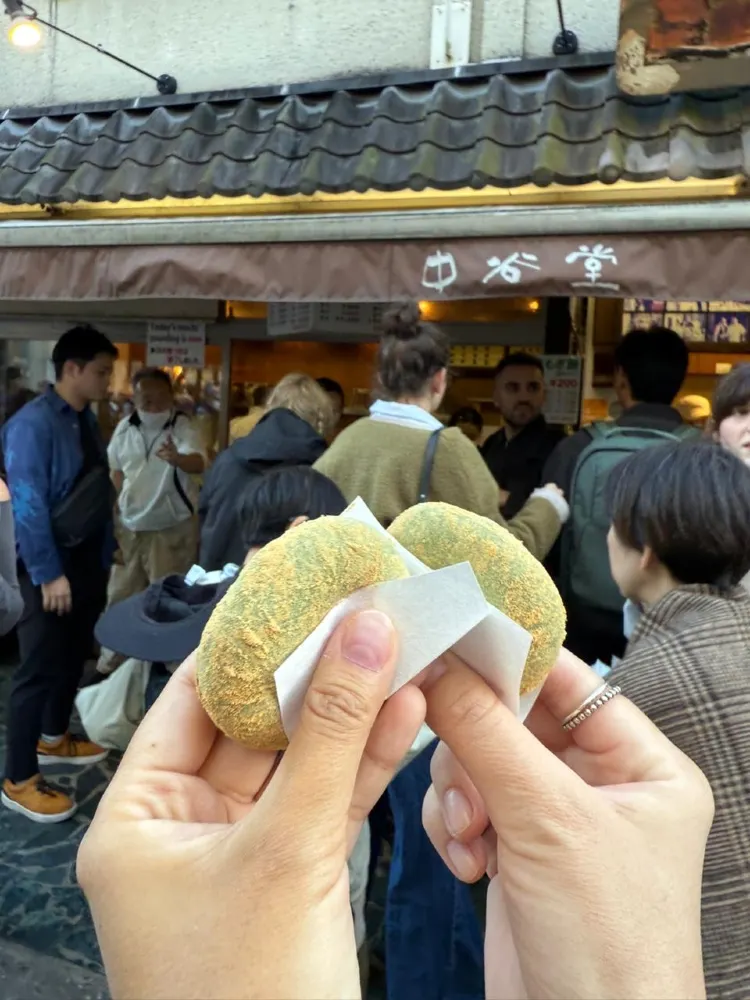
Learn about Nara City temperature changes and best travel seasons, get suggestions on what clothes to pack, and optimize your travel experience. Explore Nara City popular attractions, and master transport, accommodation, and dining tips to fully prepare for your Nara City trip!
Popular recommendations

Osaka+Tokyo+Kyoto+Nara City+Mount Fuji 8-day, 7-night travel guide 2026: Discover top activities with an easy itinerary planner (updated November)
 Trip.Planner

Ultimate beginner's guide to Nara City+Kanazawa (2026): Flights, accommodations, transportation, and 4-day, 3-night itinerary planning (updated November)
Trip.PlannerOsaka+Tokyo+Kyoto+Nara City+Fujikawaguchiko+Mount Fuji 10-day, 9-night in-depth itinerary plan 2026: Explore Osaka+Tokyo+Kyoto+Nara City+Fujikawaguchiko+Mount Fuji's popular attractions (updated November)
Trip.PlannerIndependent travel in Osaka+Tokyo+Kyoto+Nara City+Fujinomiya+Kamakura+Hakone (2026): Osaka+Tokyo+Kyoto+Nara City+Fujinomiya+Kamakura+Hakone 15-day, 14-night expert itinerary planning, covering attractions, and accommodations (updated November)
Trip.Planner